
1. What is Oral, Dental, and Maxillofacial Surgery?
Oral, Dental, and Maxillofacial Surgery is the branch of specialization that deals with the medical and surgical treatment of diseases, injuries, structural defects, and aesthetic problems of both hard (bone) and soft tissues in the oral cavity, teeth, jaws, and facial region. As one of the most comprehensive and multidisciplinary fields of dentistry, this surgical branch covers a wide spectrum ranging from not only simple tooth extractions but also facial reconstruction to jaw tumors.
All procedures performed in this field within Panorama Ankara are carried out using the latest possibilities of modern medicine and digital dentistry. Maxillofacial surgery aims to restore the functional chewing mechanism while also maximizing the patient’s facial aesthetics and speech comfort.
2. In Which Cases is Oral, Dental, and Maxillofacial Surgery Applied?
Conditions requiring recourse to maxillofacial surgery usually manifest themselves with acute pain, loss of function, or developmental anomalies. This surgical specialty plays a vital role especially in the presence of the following conditions:
- Impacted and Compacted Teeth: In the presence of teeth that cannot erupt in the jaw, remaining under the bone or gum tissue.
- Advanced Bone Resorption: In cases of jawbone loss at a level that does not allow for prosthesis or implant construction.
- Jaw and Facial Region Traumas: In bone fractures and soft tissue injuries occurring as a result of accidents, falls, or impacts.
- Pathological Formations: In the presence of cysts, tumors, and abscesses developing in the jawbone or intraoral soft tissues.
- Need for Orthognathic Surgery: In skeletal anomalies where the anatomical relationship of the lower and upper jaws with each other or with the face is impaired, and orthodontic treatment alone is insufficient.
- Temporomandibular Joint (TMJ) Dysfunctions: In cases of irreversible degeneration, locking, or chronic pain within the joint.
3. Which Treatments Does Oral, Dental, and Maxillofacial Surgery Cover?
The treatments applied within the scope of oral, dental, and maxillofacial surgery at Panorama Ankara consist of micro-surgical methods aimed at preserving the biological integrity of the patient. The main treatments are as follows:
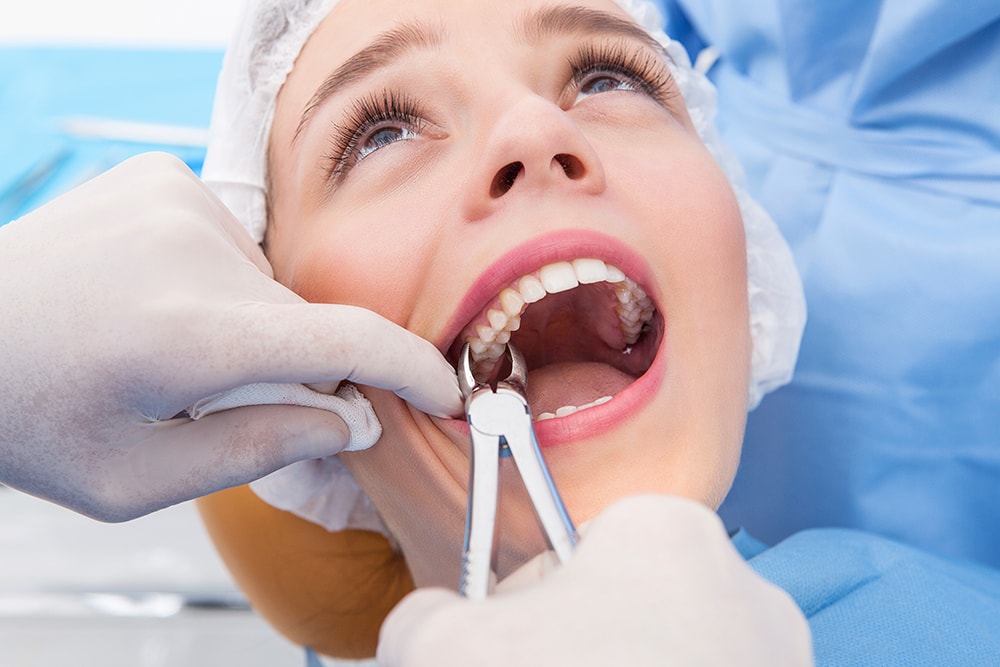
- Complicated and impacted tooth extractions (wisdom teeth, canine teeth, etc.),
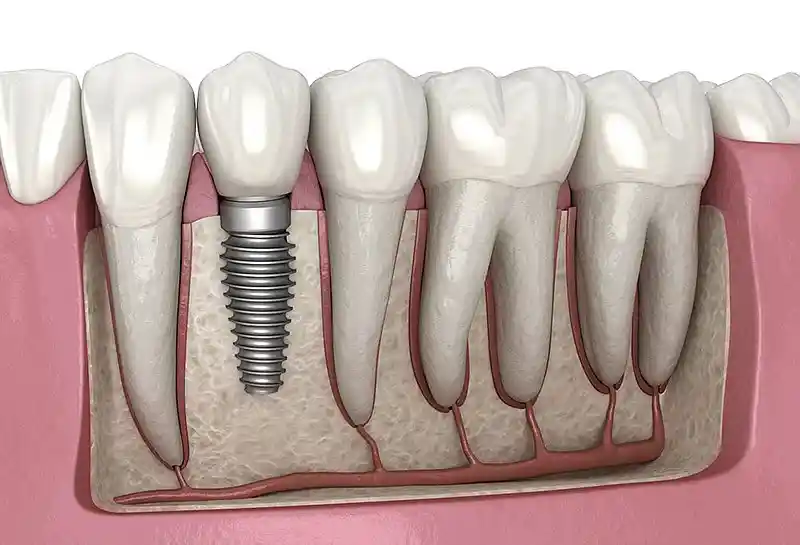
- Dental implant placement and preparation of the jawbone prior to implantation,
- Sinus lifting (elevation of the sinus floor) and bone augmentation (bone graft applications),
- Enucleation (removal) and marsupialization of jaw cysts and benign tumors,
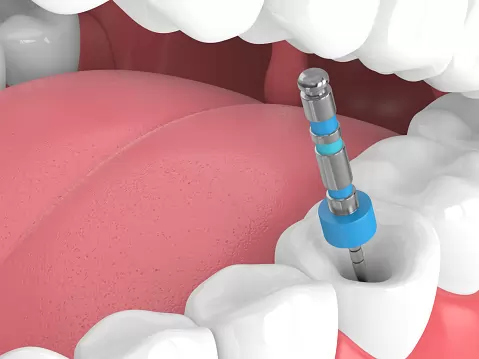
- Apical resection (root-end resection) procedures,
- Preprosthetic surgery (anatomical preparation of the mouth prior to prosthetics),
- Conservative and surgical fixation of jaw fractures,
- Surgical treatment of salivary gland diseases,
- Correction of cleft lip and palate and anatomical bands in the tongue (frenulum).
4. How is an Oral, Dental, and Maxillofacial Surgery Examination Performed?
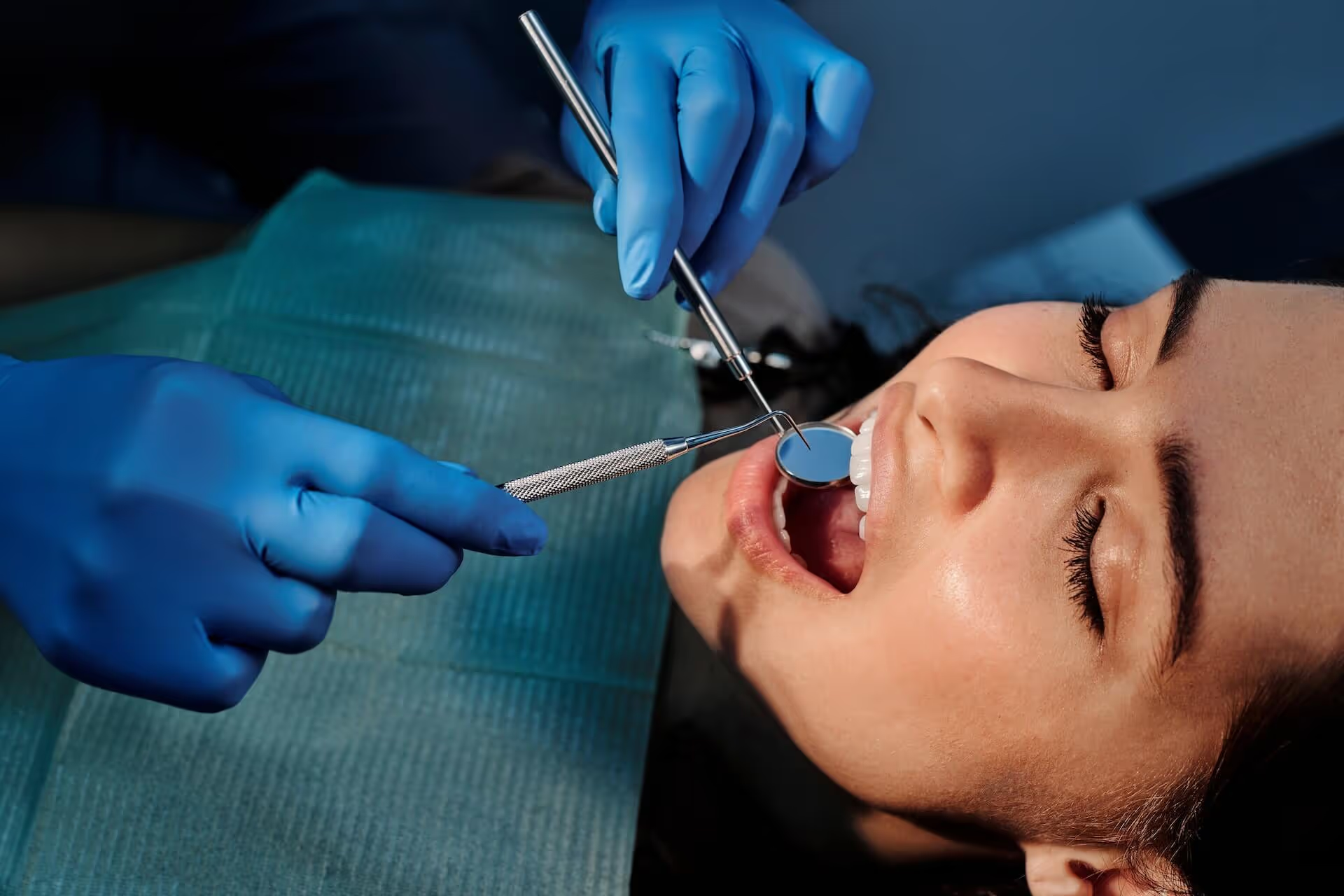
The foundation of a successful surgical intervention relies on a complete and meticulous examination process. At Panorama Ankara, the maxillofacial surgery examination is performed in the following systematic stages:
Taking History (Anamnesis): The patient’s general health status, existing systemic diseases (diabetes, blood pressure, heart disorders, etc.), medications used (especially blood thinners and osteoporosis medications), and allergy history are questioned in detail.
Clinical Examination: The surgeon physically examines the intraoral tissues, teeth, gums, jawbones, and the temporomandibular joint. Lymph nodes and facial symmetry are checked.
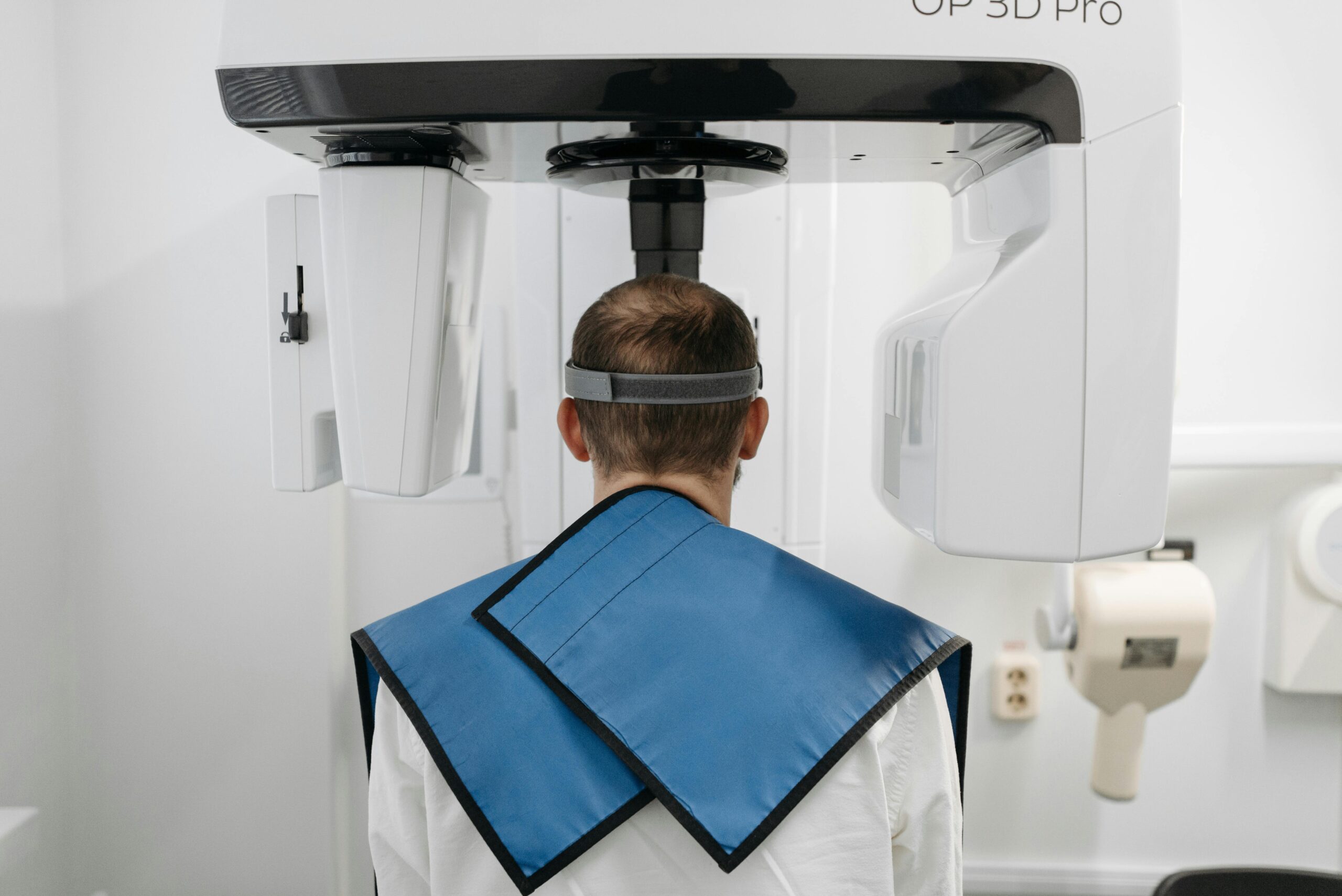
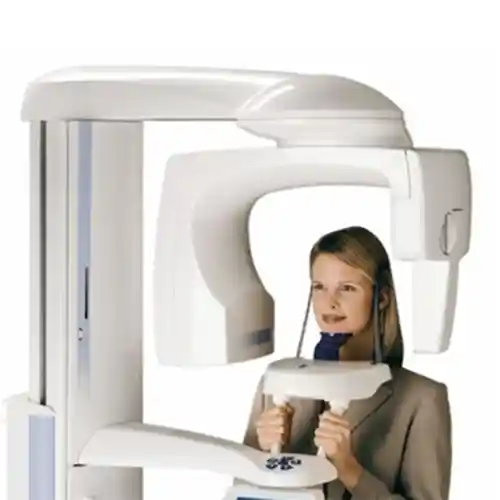
Radiological and Digital Analysis: In addition to classic two-dimensional panoramic X-rays, a 3D CBCT (Cone Beam Computed Tomography of the Jaw and Face) is taken to ensure flawless surgical planning. Thanks to this technology, a true-to-size map of nerve canals, sinus cavities, and bone volume is generated.
5. How Does the Oral, Dental, and Maxillofacial Surgery Treatment Process Progress?
In line with Panorama Ankara’s patient-oriented approach, the treatment process is organized through the following steps:
- Planning and Information: After the diagnosis is made, a personalized treatment map is prepared. The risks, advantages, and alternatives of the procedure are explained to the patient.
- Pre-operative Preparation: Before the surgery, if necessary, consultations are requested from relevant medical doctors regarding the patient’s systemic diseases. Oral hygiene is brought to an optimum level.
- Anesthesia Management: Depending on the scale of the procedure and the patient’s anxiety (fear) level, one of the options of local anesthesia, sedation, or general anesthesia is preferred.
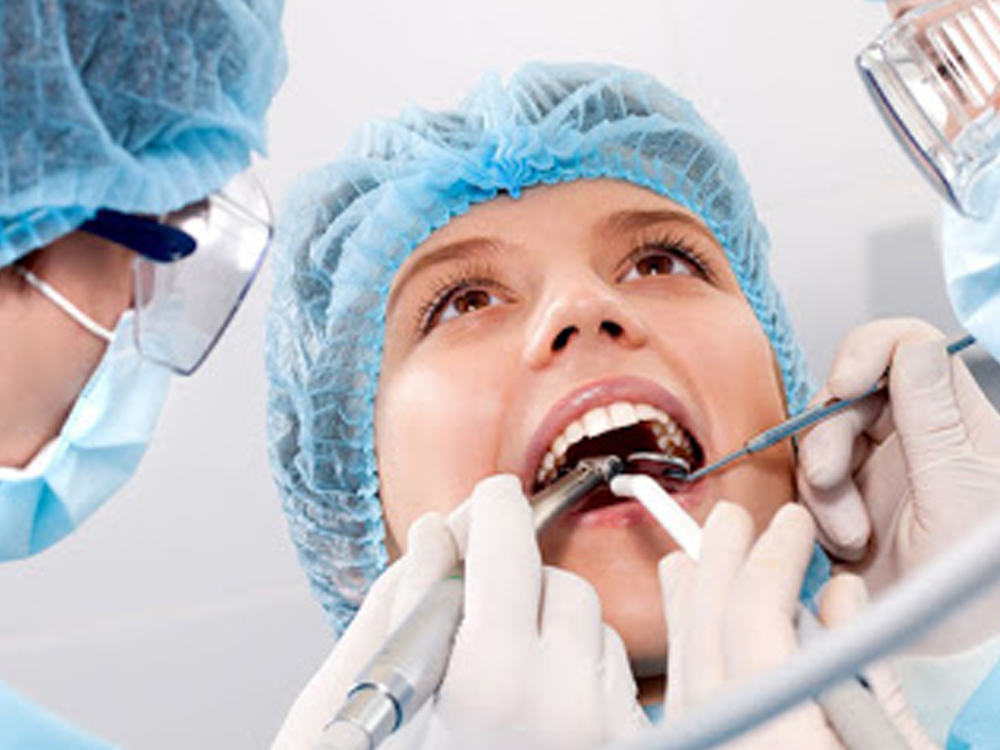
- Surgical Stage: The operation is carried out under sterile clinical conditions, using the most advanced surgical sets and minimally invasive techniques (inflicting minimal damage to tissue).
- Post-operative Follow-up: Post-operative removal of sutures, monitoring of tissue healing, and radiological checks are maintained periodically.
6. In Which Cases Might Wisdom Tooth Extraction Be Necessary?
Wisdom teeth, known as third molars, frequently remain impacted or semi-impacted due to the shrinking of our jawbones in the evolutionary process. Their extraction is mandatory in the presence of the following:
- Pericoronis (Gum Infection): Recurrent infections caused by the accumulation of food debris in the gum pocket around semi-impacted teeth, leading to severe pain and inability to open the mouth (trismus).
- Decay and Resorption of Adjacent Teeth: The tooth attempting to erupt at an incorrect angle, exerting pressure on the second molar in front of it, leading to decay or root resorption in this tooth.
- Orthodontic Reasons: Creating crowding by causing a lack of space in the dental arch for existing teeth.
- Cyst and Tumor Formation: The follicle (developmental sac) around the impacted tooth expanding pathologically and transforming into cysts that resorb the jawbone.
7. How is Impacted Tooth Extraction Performed?
Impacted tooth surgery is an operation requiring expertise and precise tissue management. The procedure is completed through the following technical steps:
First, the area is completely numbed with local anesthesia, thereby preventing the patient from feeling any pain. Next, the mucoperiosteal flap (gum tissue) over the tooth is surgically opened. If the tooth is covered with bone, a minimal amount of bone is removed using piezo-surgery or special burs (osteotomy).
In order not to cause excessive damage to the surrounding tissues and bone, the tooth is usually carefully removed by dividing it into pieces (tooth sectioning). The area is washed with sterile saline solution to eliminate infection, bleeding control is performed, and it is closed with sutures.
8. What is Dental Implant Surgery and How is it Applied?
A dental implant is a titanium-based artificial root placed into the jawbone to replace lost natural teeth, mimicking their function and aesthetics. At Panorama Ankara, implant surgery is performed accompanied by digital guides for flawless success rates.
During the application phase, the gum is opened under local anesthesia, and precise sockets suitable for the diameter and length of the implant are prepared in the jawbone. The implant is placed into this socket with a specific torque value. Following the operation, a waiting period of 2 to 4 months is anticipated for the biological anchoring of bone cells to the titanium surface (osseointegration). When this period is completed, permanent porcelain or zirconium prostheses are mounted onto the implant.
9. What is Bone Grafting (Bone Powder) Application?
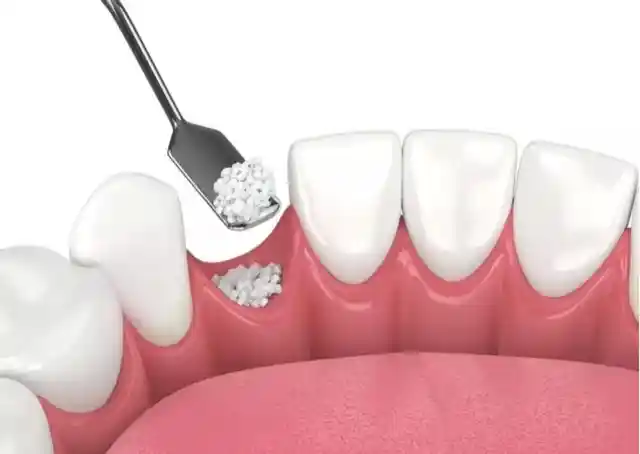
Vertical and horizontal volume losses (resorption) occur in the jawbone following tooth extractions, traumas, or advanced gum diseases. Bone grafting application is the process of placing artificial, animal-derived (xenograft), human-derived (allograft), or bone particles harvested from the patient’s own body (autograft) into the area where an implant will be placed when there is insufficient bone volume.
The placed graft material serves as a scaffold for the body’s own bone-forming cells. Over time, this material resorbs and replaces itself with the patient’s living, vascularized, and functional bone tissue. This process forms the foundation for the long-lasting and stable placement of implants.
10. In Which Cases is the Sinus Lifting Procedure Preferred?
In the posterior region of the upper jaw, just above the molars, there are anatomical air cavities called “maxillary sinuses”. When teeth are lost, these sinus cavities sag downwards (pneumatization) and the underlying jawbone resorbs. In this case, no vertical bone height remains to place an implant.
The Sinus Lifting (Sinus Floor Elevation) procedure is preferred in such cases. The sinus membrane (Schneiderian membrane) is surgically elevated with precision, and this opened cavity is filled with bone grafts. Thus, a safe and sufficient bone depth is obtained for performing implant procedures in the posterior upper jaw region.
11. How are Jaw Cysts Evaluated and Treated?
Jaw cysts are pathological formations filled with liquid or semi-fluid material, surrounded by epithelial integrity. Since they usually progress painlessly, they are noticed by chance during routine X-ray checks. If left untreated, they can expand and resorb the jawbone, leading to tooth loss and even spontaneous jaw fractures.
| Evaluation Criteria | Treatment Methods |
|---|---|
| Clinical examination and radiological borders (3D analysis with CBCT) | Enucleation: Complete removal of the cyst in one piece along with its lining. |
| Vitality tests of adjacent teeth | Marsupialization: Creating a window to the outside in large cysts to reduce its volume. |
| Histopatological biopsy analysis (For definitive diagnosis) | Root-end resection or bone grafting support for adjacent teeth. |
12. How are Jaw Fractures and Traumas Treated?
As a result of severe impacts to the facial region, fractures may occur in the mandible (lower jaw) or maxilla (upper jaw) bones. The primary goal in the treatment of jaw fractures is to re-establish the correct biting (occlusion) relationship the patient had before the fracture and to achieve bone fusion.
In small and non-displaced fractures, conservative treatment can be applied by binding the lower and upper jaws together with wires (intermaxillary fixation). However, in displaced and multi-fragmented fractures, surgical intervention is mandatory. Under general anesthesia, the fracture line is accessed, the bones are brought into their anatomical position, and fixed with the help of titanium mini plates and screws (Open Reduction and Rigid Internal Fixation).
13. When Does a Surgical Approach Come to the Forefront in Temporomandibular Joint Disorders?
Temporomandibular Joint (TMJ) disorders are complex diseases characterized by intra-articular disc displacements, cartilage wear, and muscle spasms. Non-surgical conservative methods (night guards, physical therapy, drug therapy, intra-articular injections) are primarily utilized in treatment.
However, a surgical approach comes to the forefront in cases that do not respond to at least 6 months of conservative treatment, where the joint disc is completely deformed and mechanically prevents opening the mouth, in advanced arthrosis, or in tumoral formations. Within this scope, arthrocentesis (joint lavage), arthroscopy, or open joint surgeries (condylectomy, artroplasty) are planned.
14. How are Intraoral Soft Tissue Lesions Evaluated?
White (leukoplakia) or red (erythroplakia) spots, non-healing ulcers, or masses observed in the intraoral soft tissues (cheek, tongue, palate, gum) must be evaluated meticulously. Panorama Ankara surgery specialists apply advanced diagnostic protocols to rule out the risk of such lesions being precancerous or malignant.
An excisional (removing it entirely) or incisional (taking a small piece) biopsy is performed under local anesthesia for any kind of lesion that does not heal for longer than 2 weeks. The obtained tissue sample is sent for histopathological examination, and the patient’s treatment or follow-up scheme is determined according to the result.
15. What Should Be Considered During the Healing Process After Tooth Extraction?
In order for a healthy healing tissue (granulation tissue) to form and to prevent the risk of “alveolitis” (dry socket pain) after surgical or routine tooth extraction, patients must strictly adhere to the following rules:
- The gauze pad placed in the extraction socket must be firmly bitten for at least 30-45 minutes to stop bleeding, and then discarded.
- On the day of the operation, the mouth should not be rinsed, spitting should be avoided, and straws should not be used. These actions dislodge the formed blood clot and disrupt healing.
- Hot foods, alcohol, and acidic beverages should be avoided for the first 24 hours; warm, soft, and pureed foods should be consumed.
- The most critical rule: Smoking must be stopped completely for the first 48-72 hours, as it impairs oxygenation at the wound site and dissolves the clot.
16. What Should Be Considered Prior to Oral, Dental, and Maxillofacial Surgery?
The preparation period prior to the operation directly affects the comfort and safety of the surgery. Things to consider are as follows:
Management of Systemic Medications: Patients using blood thinners such as Aspirin, Coumadin, Plavix need to discontinue or adjust the dosage of these medications a few days before the surgery, under the control and approval of their own medical doctors.
Dietary Pattern: A light meal should be consumed before procedures to be performed under local anesthesia (one should not be fasting). However, if sedation or general anesthesia is planned, all food and fluid intake must be discontinued at least 6-8 hours prior to the operation (complete fasting).
Intraoral hygiene should be maximized before the surgery, and teeth should be brushed. Patients who chronically use alcohol or smoke heavily should reduce these habits a reasonable time before the operation.
17. What are the Things to Consider After Oral, Dental, and Maxillofacial Surgery?
The first 48 hours following surgery is the phase where tissues show acute inflammation (inflammatory reaction). To get through this process comfortably:
- Cold Compress: Cold application should be made to the operated area from the outside on the first day at 10-minute intervals. This keeps edema (swelling) and bruising to a minimum.
- Medication Use: Antibiotics, painkillers, and antiseptic mouthwashes prescribed by the physician should be used regularly, strictly adhering to their schedules. Taking a painkiller before the pain starts increases comfort.
- Sleeping Position: Sleeping with a double pillow on the first night in a way that keeps the head higher than the body reduces leakage-type bleeding and edema formation.
- Oral Care: Without letting the brush touch the operation area directly, other areas of the mouth should be brushed normally, and hygiene should be maintained.
18. What are the Possible Risks of Oral, Dental, and Maxillofacial Surgery Procedures?
As in any surgical intervention, there are some major and minor risks in oral and maxillofacial surgery as well. These risks are minimized with experienced surgeons and correct planning:
- Infection: Infection of the wound site as a result of non-compliance with sterilization rules or inadequate post-operative care.
- Nerve Damage (Paresthesia): Especially in cases where lower impacted wisdom teeth are in very close proximity to the “Nervus Alveolaris Inferior” (inferior alveolar nerve), temporary or rarely permanent loss of sensation or numbness may occur on the nerve.
- Sinus Perforation: The risk of opening the sinus floor in posterior upper jaw surgeries and forming a passage between the mouth and the sinus (oroantral fistula).
- Bleeding: Uncontrolled bleeding due to dense vascularization of the surgical site or clotting disorders.
19. What are the Factors Affecting Oral, Dental, and Maxillofacial Surgery Prices?
The costs of maxillofacial surgery applications are not determined via a fixed list, but are completely personalized according to the patient’s clinical condition. Parameters that directly affect prices are as follows:
- Complexity of the Operation: The difference in labor and time between a simple tooth extraction and a completely bone-retained impacted tooth surgery or a cyst operation.
- Variety of Materials Used: The implant brand and origin, the amount of bone grafts (powders) used, and the quality of the biological membrane.
- Type of Anesthesia: Whether the procedure will be performed under local anesthesia or with sedation/general anesthesia under operating room conditions.
- Additional Treatment Needs: Orthodontic, periodontal, or endodontic (root canal treatment) preparation processes required prior to surgery.
20. Frequently Asked Questions About Oral, Dental, and Maxillofacial Surgery
Question 1: Will I feel pain during maxillofacial surgery operations?
Answer: Absolutely no. Thanks to advanced local anesthesia agents and, if necessary, applied sedation techniques, only the sensation of touch and pressure is perceived during the operation; no pain or ache is felt.
Question 2: When will post-operative swelling subside?
Answer: Surgical edema reaches its peak between the 48th and 72nd hours following the operation. From the 3rd day onwards, it begins to decrease rapidly with regular cold application and medication therapy, and usually disappears completely within a week.
Question 3: Should an impacted wisdom tooth be extracted even if it causes no pain at all?
Answer: The absence of pain does not mean the tooth is not causing damage. If it is detected in the X-ray analysis that it resorbs the root of the adjacent tooth, forms a cyst, or compresses the dental arch, its prophylactic (preventive) extraction is recommended to avoid greater problems in the future.
Question 4: Is there a situation like the body rejecting the implant in implant treatment?
Answer: Titanium is a material that shows over 98% biocompatibility with the human body and does not cause reactions such as allergic responses or tissue rejection. Situations termed as “failure” usually stem from early-stage infections or faulty surgical planning.
Question 5: When are surgical sutures removed?
Answer: Intraoral soft tissue healing is rapid. If non-resorbable suture materials are used, the stitches are removed painlessly by a specialist physician in the clinic 7 to 10 days after the operation.