

What are Complete Dentures?
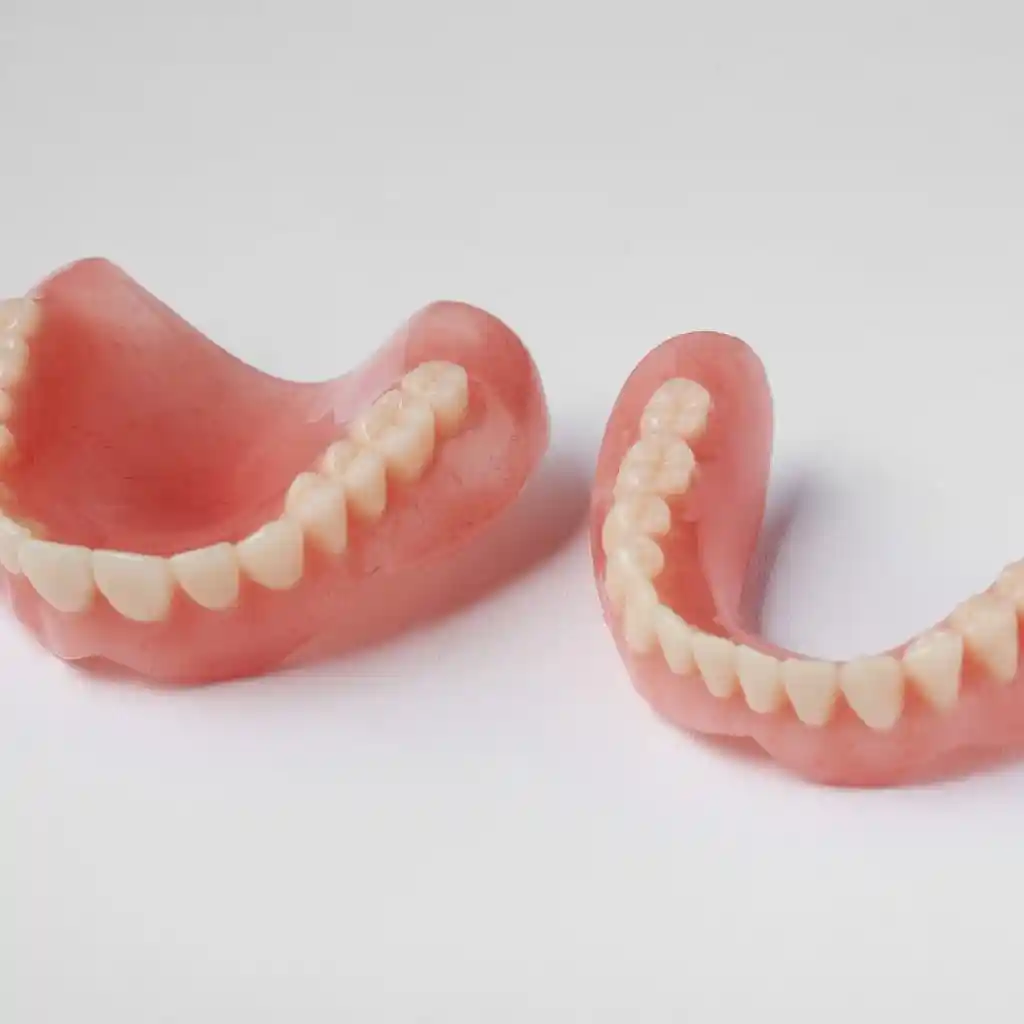
Complete dentures (total prostheses, popularly known as false teeth or plates) are removable tissue-supported appliances designed to restore lost functional and aesthetic integrity in individuals with no remaining natural tooth support in the oral cavity. In addition to the teeth, these dentures consist of a pink acrylic base plate that mimics the resorbed jawbone and sunken gum volumes, onto which artificial tooth alignments are set. The retention and stability mechanism of complete dentures in the mouth relies entirely on physical principles; the negative pressure (vacuum force) created by trapping air between the denture and the moist mucosal tissue, along with the cohesive force provided by saliva, ensures the appliance stands stable on the jaw.
- Mucosa-Supported Body: Direct transmission of hydraulic loads generated during chewing to the soft tissue covering the jawbone.
- Polymerization Chemistry: A biocompatible polymethyl methacrylate (PMMA) based structure resistant to intraoral acids and corrosion.
- Vertical Dimension Balance: Preserving the ideal distance between the jaws to reinforce the physiological health of the temporomandibular joint (TMJ).
Who is Suitable for Complete Dentures?
Complete denture applications are medically suitable for child and adult patients across age groups who have completely lost all their teeth in the lower jaw, upper jaw, or both jaws due to widespread caries, severe gum diseases (periodontitis), or trauma. Although frequently preferred in old age, they can be used safely in any edentulous adult individual. It is the most practical prosthesis option for all consultants who cannot undergo surgical implant operations or bone graft transplants due to general health status or excessively thinned jawbone volume, or who seek a more conventional and non-invasive treatment model due to economic constraints.
- Totally Edentulous Patients: Individuals with no single root or tooth integrity remaining in the oral cavity to perform mastication,
- Insuitable Candidates for Surgery: Individuals for whom implant placement cannot be performed due to advanced systemic disorders (severe heart failure, coagulation disorders),
- Those Seeking Rapid and Economical Solutions: Consultants wishing to return to chewing comfort within a short timeline without surgical waiting periods.
In Which Situations are Complete Dentures Preferred?
Preferring traditional total prostheses as a primary clinical choice over implant-supported hybrid or fixed bridge systems is indicated according to the patient’s skeletal bone boundaries and general medical profile. In borderline cases where the jawbone has resorbed excessively in vertical and horizontal directions (undergoing atrophy) to the point of passing tangent to main nerve canals, complete denture use is inevitable for patients who do not wish to undertake surgical implant risks. The clinician rationally decides on this tissue-friendly appliance concept to rapidly secure the patient’s nutritional comfort and social quality of life.
The primary clinical conditions where complete dentures are definitively preferred are as follows:
- When it is verified that the jawbone quality is too porous and weak to support implant retention,
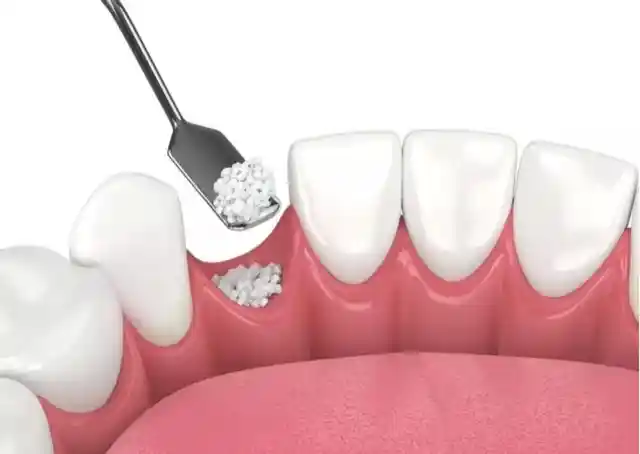
- In cases where high-budget advanced surgical bone grafting (bone powder transplant) operations are not approved by the patient,
- When the intraoral mucosa and bone structure possess sufficient arch width to accommodate conventional removable prosthesis vacuum mechanics,
- For temporary total protection to prevent the patient from remaining edentulous during the 3-4 month osseointegration period, which is the healing phase of implant treatments.
How Does the Fabrication Process of Complete Dentures Progress?
The manufacturing and laboratory cycle of complete dentures consists of sequential and meticulous clinical stages aimed at zeroing out micro-deviations in the patient’s jaw closure mechanics. The process mandates that the physician and prosthesis technician work in full geometric coordination. In every session from the initial examination to permanent delivery, calibrated measurements and virtual analyses are executed synchronously to ensure the prosthesis seats onto mucosal boundaries with knife-edge smoothness and that occlusal contacts are fully balanced.
The main hierarchical steps applied in the clinical manufacturing workflow of a classic complete denture are as follows:
- Anatomical Preliminary Impression: Extracting the general draft mold of intraoral mucosal boundaries with the help of standard trays,
- Functional Definitive Impression: Millimetric recording of muscle boundaries during cheek and lip movements using custom trays manufactured individually for the patient,
- Vertical Dimension Template: The phase of calibrating the upper-lower jaw relationship and ideal speech distance by means of wax rims (occlusion rims),
- Aesthetic Tooth Try-In: Live testing of the artificial teeth arranged on the wax model in the mouth with the patient, evaluating their stance, shade, and occlusion,
- Acrylic Casting and Delivery: Transforming the wax into hard polymer in the laboratory, polishing it to smoothness, and subsequently delivering it to the patient following a vacuum test in the mouth.
How is the Oral Evaluation Conducted Before Complete Dentures?
The clinical evaluation carried out before the prosthesis schedule is finalized is the most vital analysis stage scanning the histological resistance the intraoral soft tissue bed will display against the chewing pressures generated by the prosthesis. During the examination, the physician inspects the height of the alveolar bone arches (the status of the ridges) and the thickness of the mucosa with the help of periodontal probes. If sharp bone protrusions (exostoses) or flabby soft tissue folds (mobile ridges) that would compromise the prosthesis vacuum are detected on the bone, correcting these obstructive areas via micro-surgical steps before moving to the impression stage is a primary rule for prosthesis lifespan.
- Anatomical Retention Analysis: Inspecting the depth of the upper jaw palatal vault and the lower jaw sublingual space volume in terms of vacuum capacity,
- Muscle and Frenulum Attachment Scanning: Measuring the height of lip and cheek attachments (frenulums) to detect the risks of dislodging the prosthesis,
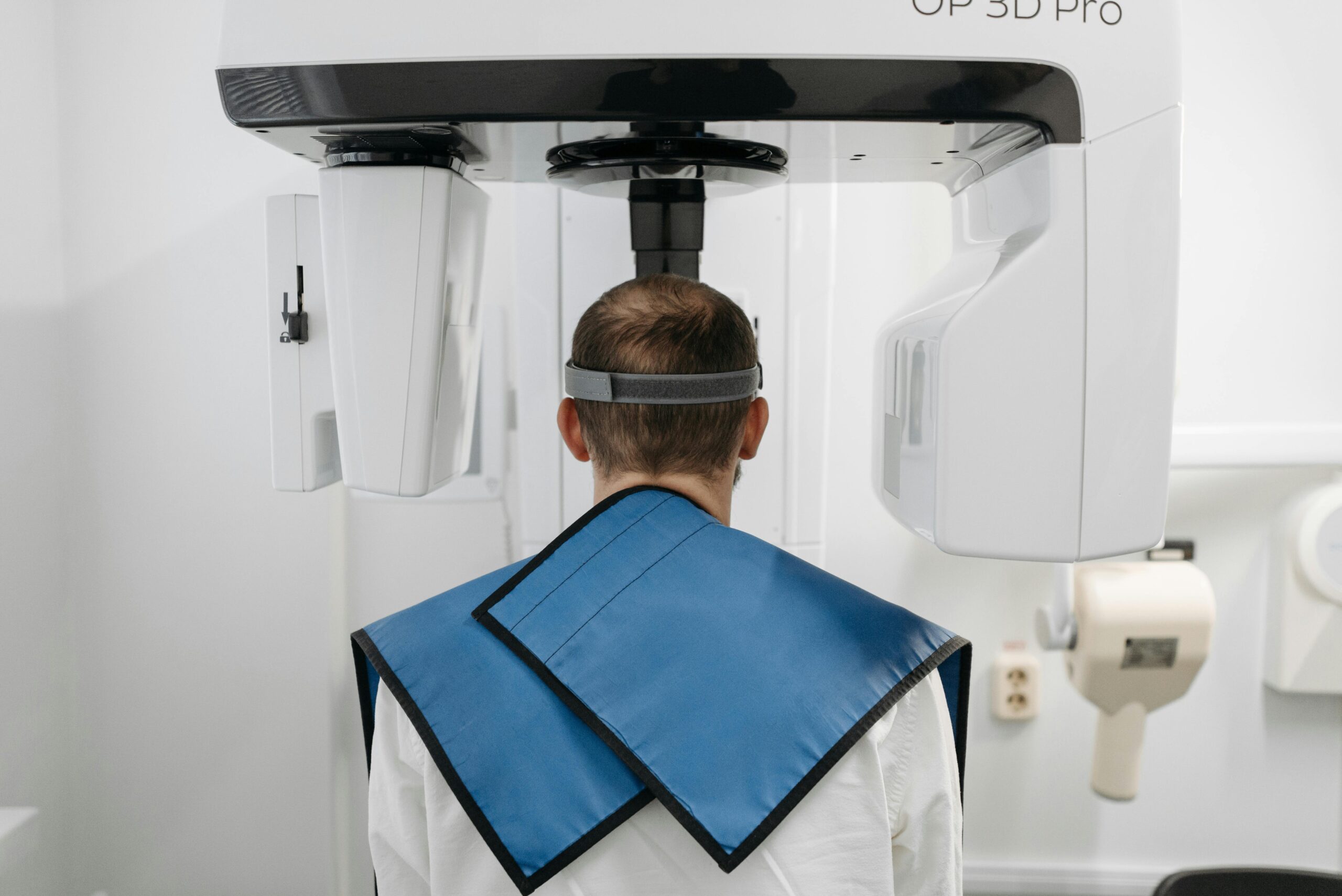
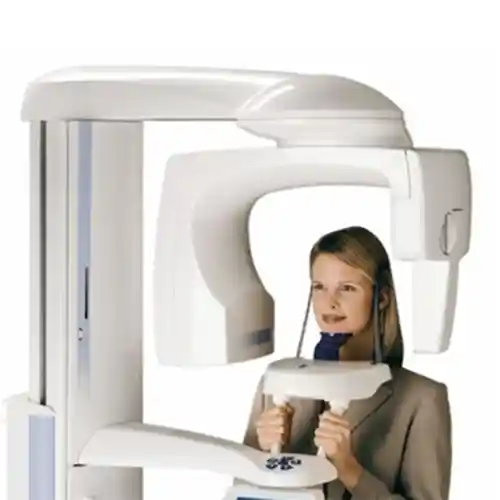
- Radiological Bone Inspection: Eliminating insidious root remnants, impacted teeth, or embedded cyst foci concealed within the jawbone using panoramic radiographs.
How is the Impression Taking Procedure Performed in Complete Dentures?
The impression taking stage in total prostheses is the most critical engineering phase where that vital “negative pressure vacuum lock” ensuring the appliance remains stable in the mouth without falling is established. The procedure is executed in two stages: Following the initial anatomical impression, a “Custom Impression Tray” (acrylic tray) matching solely the patient’s jaw model is manufactured in the laboratory. During the definitive impression stage, flexible waxes are applied to the borders of this custom tray through a process termed “Border Molding”; after placing the tray in the mouth, the physician asks the patient to perform functional movements such as swallowing, extending the tongue, and puckering the lips. These dynamic maneuvers record an error-free knife-edge boundary map onto fluid silicones, preventing moving muscle boundaries from throwing the prosthesis margins out during chewing.
- Dynamic Functional Scanning: Molding the muscles that flex during chewing and speaking in a manner that will not create gaps along the prosthesis boundaries.
- Mucostatic and Mucodynamic Balance: The phase of capturing the ideal anatomical boundary between the static stance of soft tissue and dynamic muscle movements.
How is Tooth Selection Performed in Complete Dentures?
The selection of artificial tooth alignment elements is an artistic and medical calibration phase shaped according to the patient’s gender anatomy, biological age, facial character, and skin color phototype, rather than presenting arbitrary or generic template shapes. The physician determines the aspect ratios of artificial teeth by measuring the patient’s facial midline, smile line, and the distance between the corners of the lips. In masculine face types with sharp, angular, and prominent features, more squared and masculine tooth forms are chosen; whereas in round and soft-contoured feminine face forms, rounded, delicate aesthetic anatomies are preferred.
- Age Lines Harmony Character: Selecting natural shades of broken white/yellowish with slightly worn tubercles appropriate for age, instead of excessively bright milk-white teeth in elderly patients,
- Light Transmittance Scale: Inspecting the resolution with which the inner layers of artificial porcelain or acrylic teeth can refract and transmit light like natural enamel,
- Material Choice: The process of balancing smooth acrylic teeth that reduce chewing noise in the posterior region with premium porcelain tooth variations exhibiting high wear resistance.
How Do Complete Dentures Contribute to a Natural Appearance?
The greatest aesthetic contribution provided by total dentures to facial naturalness is not limited merely to setting up white teeth, but encompasses supporting and constructing the “lower face vertical dimension distance”—which collapses due to edentulism—and lip-cheek fullness from the inside with the prosthetic acrylic body. Along with aging and tooth loss, lips fall inward and wrinkling (aging wrinkles) forms at the corners of the mouth. When the base thickness of the prosthesis is fully balanced according to the patient’s facial golden ratio boundaries, lips regain their ideal form and nasolabial furrows soften; this biomechanical support instantly imparts a serene tautness and smoothness to facial expressions.
- Acrylic Gingival Aesthetics: Achieving natural vascular gingival morphology on the pink base of the prosthesis through homogeneous shade staining techniques.
- Asymmetry Management: The luxury of artistically camouflaging facial depressions due to jaw deviations using the prosthesis arch width.
How Do Complete Dentures Affect Chewing Function?
The effect character of complete dentures on chewing mechanics is rationally different from the biomechanical patterns exhibited by natural vital teeth or implant-supported fixed bridges. While natural teeth transmit chewing tonnages directly to the jawbone, total dentures absorb this vertical force through the sensitive mucosal bed covering the bone. Due to this histological structure difference, the chewing efficiency of complete dentures ranges between approximately 20% to 30% compared to natural teeth. However, compared to a completely edentulous and sunken mouth, it enables the breaking down and grinding of food, thereby alleviating the mechanical digestion load on the stomach and protecting the patient from chronic gastrointestinal pathologies.
- Bilateral Chewing Principle: The necessity of grinding food chunks simultaneously and homogeneously on the right and left posterior tooth beds to prevent the prosthesis from tilting to one side in the mouth.
- Cusp Relationship Management: Maintaining prosthesis stabilization during chewing by balancing the occlusal contact points where the upper and lower artificial teeth strike each other.
How Do Complete Dentures Contribute to Speech Function?
In the human speech mechanism (phonetic articulation), the transformation of airflow emerging from the vocal cords into words and letters relies on the principle of the tongue making millimetric contacts with the inner surface of the teeth and the palatal vault. In situations of complete edentulism, because the tongue cannot find a firm barrier to strike, critical letters particularly such as “F, V, S, Z, T, D” leak from inside the mouth, becoming lisped or unintelligible. A complete denture reconstructs those steadfast anatomical contact walls for the tongue. Weaving the palatal ceiling and tooth alignment curve thin according to medical standards verifies that the sounds exit with full resolution and smoothness without restricting the flexibility area of the tongue during speech.
- Prevention of Air Leaks: Ensuring letters exit without lisping thanks to the seamless sealing engagement of lip and prosthesis boundaries,
- Acoustic Resonance Support: The contribution of hearing the voice pitch in its natural timbre during speech by preserving the palatal vault form.
What is the Acclimation Process to Using Complete Dentures Like?
The first weeks following the delivery of total dentures constitute a dynamic neuromuscular adaptation phase where the central nervous system and intraoral tissues learn to accept this large artificial appliance inside the mouth as an “organic part” rather than a foreign object. Experiencing an increase in secretion due to hyperstimulation of salivary glands during the initial days or a feeling of fullness arising in the tongue is a completely normal, expected physiological reflex response. The brain automatically maps the boundary lines of the prosthesis within an average of 2 to 4 weeks, automating muscle coordination and evolving the process into a comfortable habit of use.
- The First 72 Hours (Tissue Adaptation): It is normal for sore spots (small red ulcers) to form at certain blind spots on the gums; these areas are instantly defused through clinician adjustments.
- Reading Exercises Phase: Practical advice of reading newspapers or books aloud at home to acclimate speech muscles to the prosthesis thickness.
- Soft Diet Turn: Training chewing coordination during the first days with softer morsels such as purees, soups, and vegetables instead of tough meats.
How Should Complete Dentures Be Maintained?
Daily care of complete dentures is a protective medical protocol that must be implemented with discipline every day to prevent the breeding of microscopic fungal colonies (Candida albicans) within the porous structure of the polymer material and to protect the tissue health of the living mucosal bed underneath. The most vital care rule is not to keep dentures in the mouth uninterruptedly for 24 hours, strictly removing them from the mouth at night before sleep to allow the tissue to breathe; a mucosal bed remaining under continuous pressure cannot be nourished, accelerating insidious bone resorptions.
The home care parameters that must be meticulously implemented to extend the lifespan of traditional total prostheses are as follows:
- After dentures are removed from the mouth, the jaw mucosa and tongue surface should be cleaned by massaging with a soft washcloth or prophylaxis brushes.
- To prevent appliances removed at night from drying out and undergoing dimensional shrinkage, they must strictly be rested in protective storage containers filled with clean pure water.
- Since there is a high risk of the appliance falling to the ground and breaking while outside the mouth, cleaning steps should be conducted over a sink filled with water or a soft towel in the bathroom.
How Should Complete Dentures Be Cleaned?
Cleaning total dental prostheses must be executed using gentle methods completely free of home-type harsh abrasive chemicals and pastes, which will not scratch the smooth glaze layer (glaze structure) of the material. Micro-granules (abrasive crystals) contained within normal toothpastes sand down the acrylic prosthesis surface, forming millions of microscopic scratch lines invisible to the naked eye; these scratched surfaces invite bacterial plaque and coffee stains to settle faster in the future. Therefore, cleaning should be managed with liquid soaps and specialized prosthesis brushes.
- Liquid Soap and Soft Brush: Rinsing the appliance under running cold water after every meal, gently brushing it with non-abrasive liquid soaps or foams to clear food remnants.
- Effervescent Cleaning Tablets: The phase of chemically purifying the prosthesis from microbes by soaking it for 15 minutes 2-3 times a week in antiseptic prosthesis tablets (e.g., Corega) dropped into a water container.
- Boiling Water Ban: To sterilize the prosthesis, it must never be dropped into boiling water; high heat disrupts the polymer chain, causing permanent damage resulting from the prosthesis warping and no longer seating in the mouth.
How Long Does It Take to Prepare Complete Dentures?
The laboratory and clinical manufacturing schedule of conventional complete dentures necessitates a specific biological time hierarchy in medical literature, depending on the accuracy degree of impressions, the rate of tissue adaptation during try-in phases, and the complexity of the patient’s jaw relationships. Including impression setting, wax modeling processing, and acrylic casting processes, the total preparation time for a pair of complete dentures (upper and lower set) spanning from the initial examination day to the permanent delivery moment usually encompasses 5 to 7 clinical sessions and is comfortably completed within an average of 10 to 14 days.
- Session Intervals: Technical waiting periods averaging 2-3 days for laboratory workmanship take place between each try-in stage.
- Rapid Express Protocols: In urgent constraint situations such as the patient’s international travel schedule, this duration can be reduced down to 3-4 days with the help of digital CAD/CAM milling blocks.
What Should Be Considered During the Use of Complete Dentures?
The patient calibrating chewing and speech reflexes according to mechanical boundaries in the daily active use cycle of the appliance is the most critical safety rule preventing displacement of the prosthesis and mucosal injuries. No matter how flawlessly a removable prosthesis is manufactured, since it is not biologically screwed to the jawbone, it can exhibit a flexing reaction by losing its margin sealing lock under excessively asymmetric and sudden loads; the patient must show fidelity to the physical nature of the appliance.
The medical rules to be meticulously followed during moments of active daily use are as follows:
- An incising movement with anterior cutting teeth should strictly not be performed on excessively hard, sticky foods (plums, whole apples, turkish delight); this maneuver instantly bursts the posterior vacuum lock of the prosthesis, dropping the appliance.
- Meals should always be chewed bilaterally and simultaneously by dividing morsels into the right and left posterior molar regions; this balancing force vacuums the prosthesis tighter to the bone.
- Since the air pressure generated when sneezing or coughing severely can launch the upper prosthesis out of the mouth, the lip region should be supported mechanically with the help of a hand or handkerchief at that moment.
How is an Incompatibility Problem Resolved in Complete Dentures?
The formation of redness, irritation, or micro-lesions termed “sore spot ulcers” along mucosal boundaries during the initial days following the delivery of complete dentures is a completely natural part of the tissue acclimation phase to prosthesis margin pressures; these incompatibility problems are comfortably resolved within seconds through clinician adjustments. The moment a patient feels a sore spot, they should strictly not remove their prosthesis from the mouth, wearing the prosthesis actively in the mouth for at least 4-5 hours prior to coming to the appointment; because the wound site must leave a distinct mark over the mucosa so that the physician can see that exact spot and perform millimetric grinding from the inner surface of the prosthesis using diamond burs to relieve the pressure.
- Milling and Reduction Control: Shaving the sore-inducing thick margins of the prosthesis with prophylaxis motors to shape them into a knife-edge form.
- Soft Liner (Tissue Conditioner) Application: Reinforcing tissue compatibility by spreading shock-absorbing flexible silicone liners inside the prosthesis in sensitive mouths with advanced bone resorption.
What are the Factors Affecting the Lifespan of Complete Dentures?
The ability of complete dentures to remain inside the mouth for long years without losing stabilization and vacuum power relates directly to the physiological changes the living “jawbone biology” undergoes over time, rather than the material of the appliance. The prosthesis itself does not resorb or change dimensions due to its acrylic hard structure; however, the living alveolar jawbone and gingival tissue underneath the prosthesis lose volume (resorb) by a micron level every year due to aging, gravity, and the continuous pressure exerted by the prosthesis. With bone resorption, insidious gaps open up between the prosthesis and mucosa, loosening the vacuum lock.
- Reline (Re-lining/Astar) Routine: The relationship of permanently closing fit gaps with the inside of the mouth by pouring new acrylic linings into loosened prostheses once every 1-2 years.
- Salivary Flow Coefficient: In cases with dry mouth (xerostomia) due to old age or medications, prosthesis lifespan and retentive power are directly pulled down since the thickness of the salivary film layer decreases.
In Which Situations Should Complete Dentures Be Renewed?
It is an uncompromising rule of the medical world to entirely renew total dental appliances when they collapse completely, exceeding relining boundaries, and begin to produce pathology instead of mechanical and medical benefits for the patient, regardless of their chronological lifespan. In clinical standard protocols, the biological lifespan of an ideal complete denture is verified between an average of 5 to 7 years; when this duration is completed, the resorption coefficient in jawbones renders the geometric boundary map of the prosthesis completely obsolete, and forcing to wear the old appliance fuels insidious tissue destruction.
The primary clinical conditions where complete dentures must be permanently discarded and renewed from scratch are as follows:
- In cases where the appliance cannot remain retained in any way even while speaking and falls out without using prosthetic adhesive creams (e.g., Corega gel),
- When the chewing cusps of artificial teeth are worn completely flat by friction over the years, entirely losing grinding functional capacity,
- When deep cracks, fracture lines, or home-applied adhesive chemical stains along the acrylic body compromise integrity,
- When the patient’s lower jaw protrudes forward and an aged, facially collapsed face profile becomes chronic due to the collapse of the vertical dimension.
What are the Advantages of Complete Dentures?
The medical and social advantages offered by the conventional total appliance workflow for totally edentulous patients who cannot undergo implant surgery are verified across a wide range, spanning from supporting lower face rejuvenation architecture to bringing the patient rapid nutritional power. Harboring no intraoral scalpel wounds or suture stress, this bio-technological flow purifies the dentistry chair from surgical risks, imparting a comfortable restoration smoothness.
- Zero Surgical Risk: Since it harbors no intra-bone drilling or implant placement steps, the infection and surgical complication coefficient is zero.
- Immediate Anti-Aging Effect: It stretches wrinkles in the lower face within seconds by returning the lost volume support to lip and cheek walls from the inside.
- Cost-Effective Access: The power to offer total tooth integrity within the shortest calendar and the most optimum budget parameters compared to advanced surgical techniques.
What are the Frequently Asked Questions About Complete Dentures?
Presented below are the most common practical concerns arising in the minds of consultants planning to have upper and lower jaw edentulism processes restored with the comfort of complete dentures, along with their polyclinic medical answers:
Will those putties inserted into my mouth while taking complete denture impressions cause severe gagging?
Fluid alginate materials during the traditional initial impression stage may challenge patients with a high gag reflex to some extent; however, this situation is completely under control through smart technology management in our advanced clinical practices. During the definitive impression stage, custom precise trays with micro-depth matching solely your jaw dimensions are utilized, and our assistant team instantly blocks throat leakage lines with high-suction aspirators; therefore, the session is completed in full comfort rooms without experiencing choking stress.
Does using denture adhesive creams (gels) sold in pharmacies every day harm my stomach?
No, the content of branded denture adhesive creams verified in medical standards (Colgate, Corega, etc.) is formulated entirely from biocompatible and non-toxic food-grade polymers, considering the risk of patients swallowing during the day. Consequently, micro-doses of creams dissolving with saliva and escaping to the stomach during the day strictly cause no harm to general body biology or the digestive system; however, cream cleaning must be meticulously cleared from the appliance with a brush every night.
Why is sleeping at night with my prostheses in my mouth objectionable according to medical and radiology standards?
This situation is the most critical periodontal rule dictating the lifespan of the jawbone. Throughout the day during chewing, the prosthesis applies tons of dynamic pressure onto the mucosal bed and mechanically squeezes the capillaries in that region. If you do not remove the prosthesis at night and sleep with it in your mouth, the soft tissue cannot be nourished with blood, remaining under uninterrupted pressure for 24 hours; vessels constrict, infection (denture stomatitis) initiates in the tissue, and the resorption rate of the underlying alveolar jawbone accelerates three-fold, rapidly dissolving the bone away.
During the initial days after my complete dentures are fitted, my teeth click against each other while speaking, will this pass?
Yes, a clicking sound produced by artificial teeth striking each other while speaking or swallowing during the first 1-2 weeks after the prosthesis is permanently delivered is a completely normal and temporary sign of neuromuscular incompatibility. The reason for this is that your central nervous system still forces your lower jaw chewing muscles (the masseter muscle) to operate in that excessive closure mode from the edentulism period; the moment the brain maps out the vertical dimension boundaries of the prosthesis, it automatically extends muscle length, and these clicking sounds cease completely on their own within 10 days.
Can I return to my normal professional and social life immediately on the day a complete denture is fitted?
Yes, total appliance assembly and delivery appointments are completely non-invasive steps harboring no needles, scalpels, surgical wounds, or numbing cascades; therefore, the exact minute your prosthesis is fitted and vacuumed into your mouth, you can return to your social, academic, or professional life rhythm instantly and with a high confidence enlightenment; performing reading-aloud practices at home solely during the initial days to articulate words clearly will accelerate your social adaptation quality.
Who We Are & Panorama Ankara Oral and Dental Health
Panorama Ankara is a licensed oral and dental health center offering institutional health assurance to its patients by combining an academic expert staff and the latest global bio-technological digital infrastructure under a single roof across oral, dental, and maxillofacial surgery, advanced implantology, microscopic endodontics, periodontology, and specialized prosthetic dental treatment specialty branches. Attaching vital importance to bringing totally edentulous patients—who experience facial collapse and nutritional restrictions due to tooth loss, yet cannot undergo implant surgery due to systemic risks or skeletal anatomical boundaries—to permanent chewing comfort by centering “biomechanical vertical dimension” principles through evidence-based medical disciplines instead of condemning them to despair, our center operate conventional and precise Complete Denture (Total Prosthesis) ecosystems that present high success rates within the clinical prosthesis workflow.
Under the roof of Panorama Ankara, absolute sterilization, high patient safety, transparency, and honesty principles are operated with uncompromising determination by regulation in all diagnosis, radiological scanning, design, and laboratory production interventions. In our clinical practices, periodontal probing calipers analyzing the patient’s jawbone boundaries on an mm basis along with premium polymerization units errorlessly casting anatomical boundary lines are meticulously administered under the supervision of our expert prosthodontist staff. Our aim is not to impose fabricated false teeth upon our patients that rub, fall, and stand artificial with generic shapes; but rather to analyze each individual’s facial golden ratio boundaries, lip smile lines, and jaw occlusion mechanics on a virtual screen during the preliminary examination, achieving maximum session comfort without harming surrounding soft tissues and sensitive vascular pathways, a sutureless comfort standard, and smooth total restorations to be used with lifelong sealing and unwavering vacuum power. If you worry about surgical interventions or pain risks despite being tired of facial collapse brought by total edentulism when looking in the mirror, and want to initiate your smart restoration process with scientific assurance in an expert institutional center environment; you can safely protect your health and smile integrity by contacting the expert staff of Panorama Ankara for your detailed intraoral examination and complete denture comfort.