

1. What is Clear Aligner Treatment?
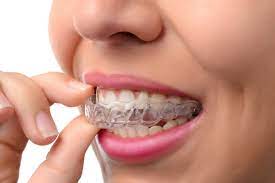
Clear aligner treatment is an innovative treatment protocol that revolutionizes the field of orthodontics and aims to guide tooth movements without using metal brackets or wires. It relies on the sequential use of a series of clear appliances composed of biocompatible thermoplastic materials, produced entirely custom for the patient, to calculate the irregularities in the patient’s existing dental arrangement at a millimetric level and move them to their ideal positions. While pulling and pushing forces are provided by wires in traditional orthodontics, in this system, the inner surface forms of the aligners wrapping the teeth apply a controlled pressure on the teeth in the desired direction. Since it is nearly invisible from the outside and offers a removable structure, it provides an ideal medical solution for patients with high aesthetic expectations by impacting daily life comfort at a minimal level.
2. How is Clear Aligner Treatment Applied?
Treatment application is realized through the delivery of aligner sets produced in accordance with the treatment plan determined by the orthodontist and the patient’s regular use of these. Each clear aligner is designed to move teeth by approximately 0.25 millimeters from their previous position. The patient uses one aligner for an average of 7 to 14 days and then transitions to the next new aligner. To ensure the aligners grip the teeth better and can perform complex movements such as rotation, extrusion (elongation), or intrusion (impaction), small, tooth-colored composite projections called “attachments” are placed on the tooth surfaces. The mechanical success of the treatment depends entirely on the patient’s compliance, and it is mandatory that the aligners actively remain on the teeth for 20 to 22 hours a day.
3. Who is Suitable for Clear Aligner Treatment?
This treatment method is highly suitable for conscious individuals who feel discomfort with the appearance of metal wires, hold aesthetic concerns due to their social or professional life, and wish to maintain oral hygiene at a high level. It appeals to a wide age spectrum, from children who have completed mixed dentition and whose permanent teeth have begun to erupt (from an average age of 7-8), to adolescents and adults at an advanced age. However, since the foundation of the treatment relies on the patient regularly inserting and removing the aligners, traditional or surgically assisted methods may be more appropriate for individuals who cannot establish cooperation (compliance), patients with very severe skeletal jaw abnormalities, or complex cases where impacted teeth need to be extracted and brought into the arch heavily.
4. In Which Dental Problems is Clear Aligner Treatment Preferred?
Thanks to developing material science and digital software, clear aligners can successfully treat a vast majority of orthodontic malocclusions (bite disorders) today. It is a medical approach frequently preferred not only for mild cosmetic corrections but also for functional chewing problems. The primary dental problems where clear aligners are most effective and can be evaluated as the first option by dentists are listed below:
- Crowding: Teeth overlapping in cases where there is not enough space in the jaw for teeth to fit.
- Diastema (Spaced Teeth): Presence of gaps between teeth due to the jawbone being wide or teeth being smaller than normal.
- Overbite (Deep Bite): The condition where upper front teeth excessively cover lower front teeth in the vertical plane.
- Underbite (Crossbite/Prognathism): The condition where the lower jaw is ahead and the upper jaw is behind, and lower front teeth cover the upper ones.
- Crossbite: The condition where some upper teeth remain on the inner side of lower teeth when the mouth is closed.
5. How is the Dental Evaluation Conducted Before Clear Aligner Treatment?
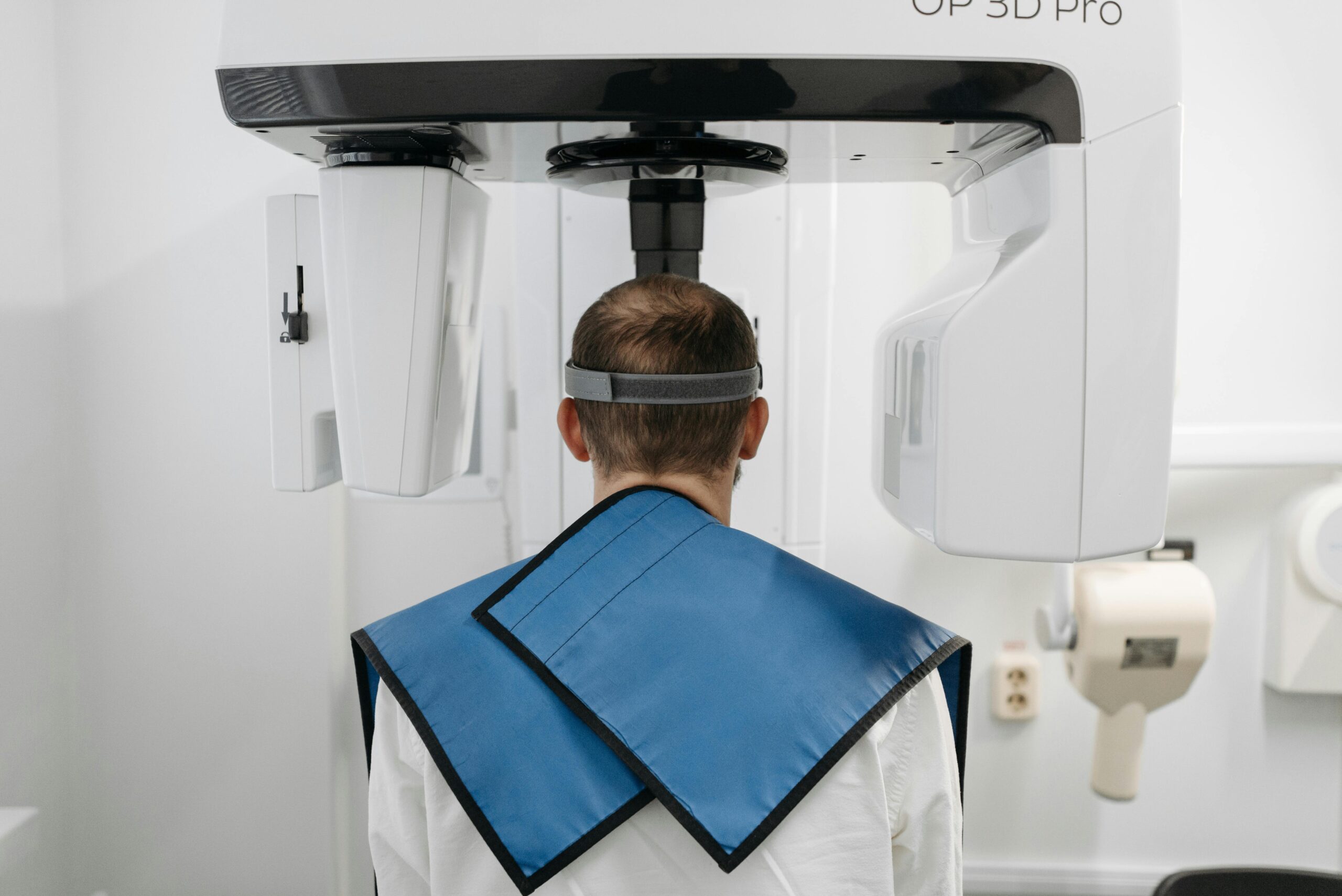
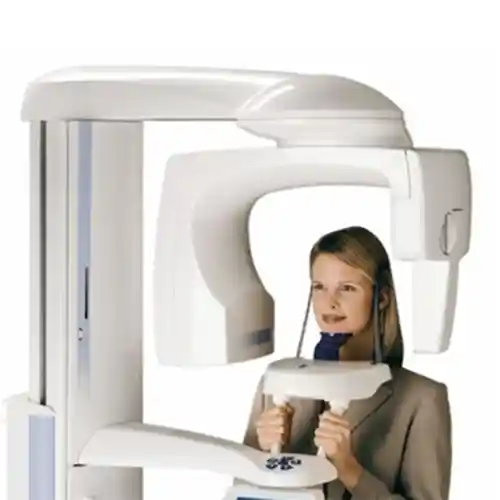
It is essential that the patient’s oral health is flawless before starting orthodontic treatment, as clear aligners can mask or exacerbate existing pathologies. In the first phase, a detailed clinical intraoral examination is performed by the physician. In this examination, decayed teeth, leaking old fillings, gum diseases (gingivitis or periodontitis), and dental calculus accumulation are detected. If there is any infection or decay, the orthodontic process is not initiated until these are treated. Additionally, radiological examinations such as panoramic X-rays, cephalometric X-rays, or dental volumetric tomography (DVT) are utilized to examine the condition of tooth roots, the positions of impacted wisdom teeth, and the volume of the jawbone.
6. How is the Clear Aligner Treatment Process Planned?
Treatment planning for patients passing the evaluation stage is constructed entirely in a digital environment. The obtained digital scans and taken X-rays are transferred to specialized artificial intelligence-supported computer softwares. The orthodontist programs step-by-step when, in which direction, and by how many millimeters each tooth will move on this three-dimensional model. Thanks to these simulation softwares, known by names such as “ClinCheck,” the number of aligners the patient will use in total, the average number of months the treatment will take, and the positions of the attachments to be placed on the teeth are determined millimetrically. The greatest advantage is that the patient can see the final and ideal shape the teeth will take months later as a three-dimensional animation on the screen right at the beginning of the treatment.
7. How are Clear Aligners Prepared?
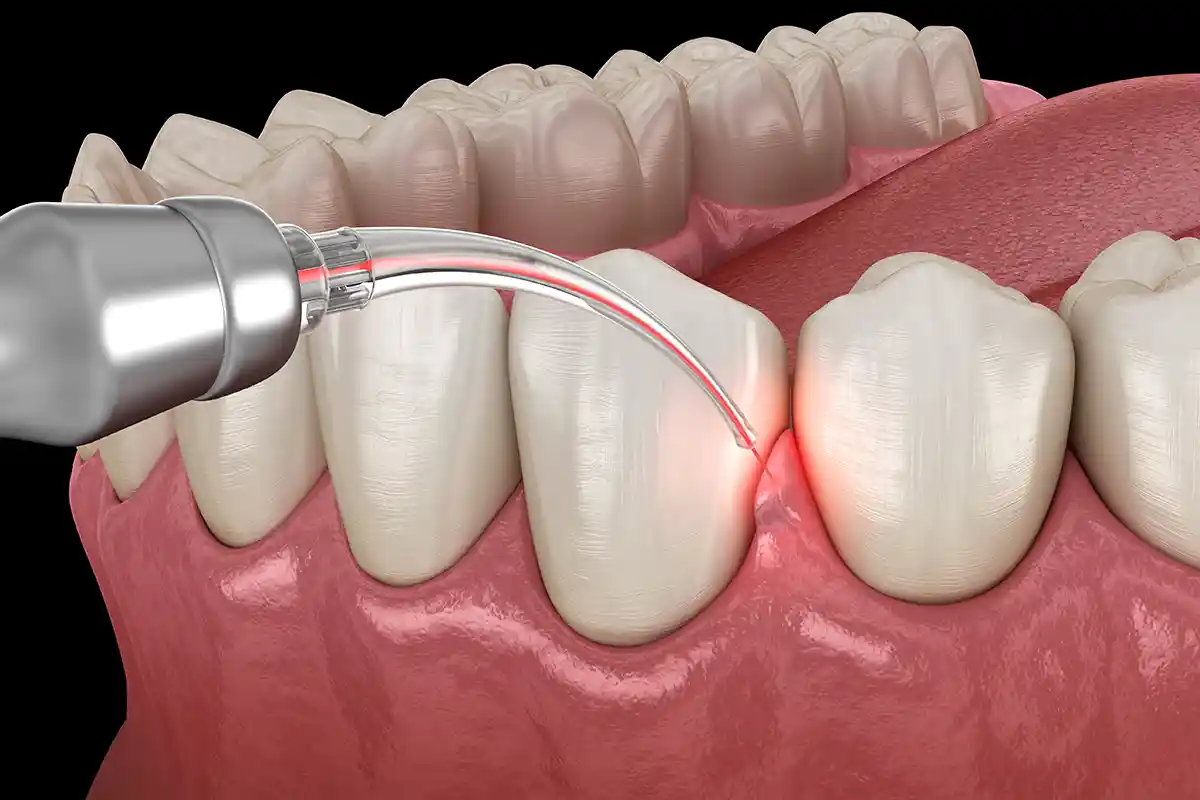
Following the approval of the treatment plan by the physician and the patient, the production phase is initiated. Digital data are transmitted to high-technology 3D printers usually located abroad or in well-equipped local centers. These printers produce physical resin models representing each movement stage of the teeth. Subsequently, biocompatible, BPA (Bisphenol A)-free medical-grade thermoplastic plates are heated and vacuum-pressed over these models (thermoforming). The edges of the aligners are millimetrically cut and smoothed with a laser so as not to irritate the patient’s gums. All produced sets are sterilized, numbered, packaged, and delivered to the clinic to be handed over to the patient.
8. How is Digital Scanning Technology Used in Clear Aligner Treatment?
Intraoral scanners have replaced traditional impressions—which were obtained by placing alginate or silicone impression materials that trigger a gag reflex into patients’ mouths—today. These pen-like scanners, possessing specialized optical cameras, take thousands of photographs within seconds to extract an exact three-dimensional topographical map of the teeth and gums. Digital scanning technology carries impression precision to the micron level by completely eliminating risks such as shrinkage, air bubble formation, or deformation during transport that can be experienced in traditional impressions. At the same time, because scanning data can be transferred instantly to laboratory or software centers via the internet, it also significantly accelerates the production process of the aligners.
9. How are Dental Crowdings Corrected with Clear Aligner Treatment?
The mechanical principle in correcting dental crowding relies on moving the tooth’s root within the bone rather than its crown. Despite their flexible structure, clear aligners apply a continuous and light force to the tooth. In cases of crowding, very slight abrasions (between 0.1 – 0.5 mm) are sometimes performed on the side surfaces of the teeth to create space in the jaw; this process is called IPR (Interproximal Reduction). In other cases, the jaw arch is expanded (expansion) to ensure teeth are placed in sequence on a circular arch. In situations where the tooth needs to rotate, aligners alone may be insufficient; therefore, composite attachments are bonded to the tooth surface to ensure the aligner grips these projections and rotates the tooth like a wrench.
10. Is Clear Aligner Treatment Used to Close Gaps Between Teeth?
Diastema (gapped teeth) cases are one of the indications where clear aligner technology yields the most successful and rapid results mechanically. The process of closing gaps is executed by the aligners applying a bodily (parallel) movement force to both teeth. It is planned to slowly slide the teeth toward each other in areas where gaps exist. The treatment software prevents an asymmetric appearance from forming by distributing the gap to be closed equally according to aesthetic proportions (such as the Golden Ratio). If gaps exist because the size of the teeth is generally small, a multidisciplinary approach is performed using restorative procedures such as composite bonding or porcelain laminates after orthodontic treatment, making the area completely aesthetic.
11. How Should Clear Aligner Usage Be?
The clinical success of clear aligner treatment depends on the patient’s individual discipline and adherence to usage rules to the letter. Aligners must remain inserted in the mouth for an average of 20-22 hours a day, including sleep duration. They should only be removed during main meals, while consuming hot or colored beverages, and during tooth brushing and dental floss usage. It is not necessary to remove aligners to drink water. During the insertion of aligners, they should be pressed lightly with fingers to seat onto the teeth, or specialized biting rolls (chewies) provided by the physician should be used to ensure full adaptation (seating) of the aligners to the teeth. Aligners should strictly not be bent while being inserted or removed, and care should be taken against breakage.
12. How Should Nutrition Be During Clear Aligner Treatment?
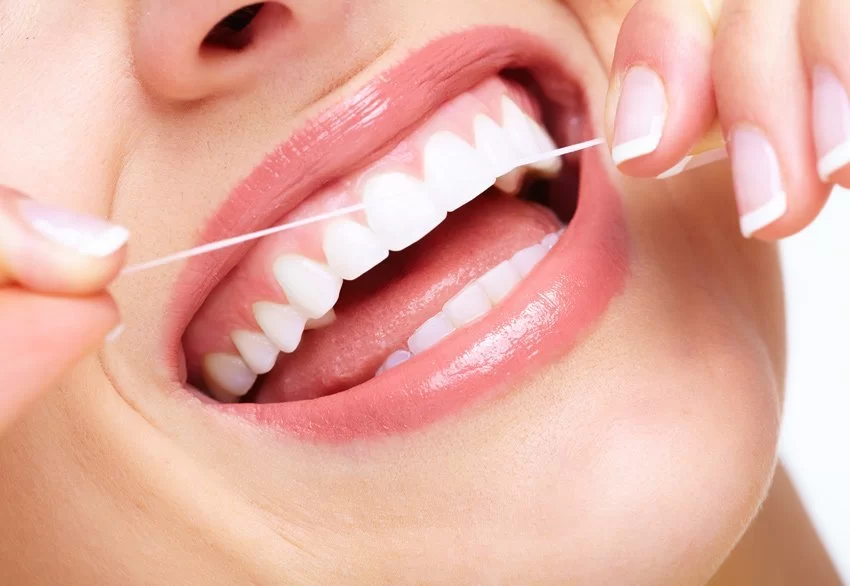
In traditional wire treatments, patients must stay away from biting hard fruits such as apples or plums, consuming nuts, or eating sticky foods like caramel or chewing gum due to the risk of brackets snapping off. However, there are no dietary restrictions in clear aligner treatment. Since aligners are removed before eating, the patient can freely eat and drink anything they wish. The only point to pay attention to is that teeth must definitely be brushed and dental floss used before re-inserting the aligners after eating. Otherwise, food remnants left between the tooth and the aligner can accelerate decay formation and cause bad odor by compromising the transparency of the aligners.
13. How Long Does Clear Aligner Treatment Take?
The total duration of the treatment shows large differences depending on the severity of the anomaly in the patient’s teeth, how many millimeters of correction will be performed, and most importantly, the duration the patient wears the aligners. On average, mild cases (cosmetic corrections) result in 3 to 6 months, moderate cases in 9 to 12 months, and more complex bite disorders can take 18 to 24 months. Since each aligner change is made at 1 or 2-week intervals, the total number of aligners emerging during the simulation phase is the mathematical indicator of how many weeks the treatment will take. Physician check-ups are generally performed every 6-8 weeks to monitor progress.
14. How Should the Maintenance of Clear Aligners Be Performed?
Preserving the clear appearance and hygiene is critical regarding the lifespan of the aligners. Aligners should be rinsed under cold or lukewarm water every time they are removed from the mouth; hot water can deform the thermoplastic structure (melting/warping). Daily cleaning should be performed with a soft-bristled toothbrush and a non-abrasive liquid soap or specialized aligner cleaning gels. Due to the abrasive (granular) substances they contain, classic toothpastes can scratch the surface of the aligners and cause them to become visible by turning them matte. Additionally, a few times a week, specialized effervescent cleaning tablets or cleaning crystals recommended by the physician can be dissolved in water, and the aligners can be soaked in this water.
15. What are the Advantages of Clear Aligner Treatment?
This orthodontic method possesses many clinical and social advantages that maximize patient comfort and the treatment experience. The benefits of this system, which is a product of developing digital dentistry, are multidimensional.
- Aesthetic: They are very difficult to notice from the outside thanks to their clear structure, reducing aesthetic anxiety to zero.
- Comfort: Lip/cheek cuts, stings, or aphthous (sore) formations created by metal wires and brackets are not observed.
- Hygiene Ease: Since aligners can be removed, normal tooth brushing and dental floss usage can be performed flawlessly.
- Dietary Freedom: There are no dietary restrictions; any type of food can be consumed.
- Absence of Emergencies: Situations requiring urgent clinical intervention such as bracket snapping or wire poking are not experienced.
16. What are the Differences Between Clear Aligner Treatment and Metal Bracket Treatment?
One of the topics patients wonder about most while making their treatment selection is the comparison of modern clear aligners with traditional metal brackets. Although the basic purpose of both methods is to move teeth, they harbor serious differences regarding biomechanics and patient experience.
| Feature | Clear Aligner Treatment | Metal Bracket (Wire) Treatment |
|---|---|---|
| Appearance | Nearly completely clear and invisible. | Distinct with metal or ceramic parts. |
| Removability | Can be removed while eating and brushing. | Bonded to teeth, cannot be removed except by the doctor. |
| Oral Hygiene | Easy with normal brushing and flossing routine. | Requires special interdental brushes and care; plaque accumulation is more frequent. |
| Clinical Visit Frequency | Generally checked every 6-8 weeks. | Must come for wire activation every 4 weeks on average. |
| Patient Compliance Need | Very high (Must be worn for 22 hours daily). | Low (Since the system is fixed, the patient cannot forget to wear it). |
17. How is the Protection of Teeth Ensured After Clear Aligner Treatment?
The most important, yet most neglected stage of orthodontic treatments is the “retention” period. After teeth reach their new positions, teeth show a tendency to return (relapse) to their old crooked places because the bone fibers around the roots have a flexible structure. Two methods are applied to prevent this situation. The first is thin, stainless steel wires bonded to the inner surfaces of anterior teeth (Fixed Retainer). The second is protective clear aligners (Essix aligners) that resemble active treatment aligners but do not move teeth, only protecting the existing position. The use of these protectors at night for the duration recommended by the physician is mandatory for a permanent smile.
18. In Which Age Groups Can Clear Aligner Treatment Be Applied?
Orthodontics is not a field covering only adults or only children. Clear aligners have been adapted to 3 different fundamental age groups thanks to specialized softwares that take mouth and jaw development into consideration. “First” series can be applied for children between 7-10 years of age during the mixed dentition period (where primary and permanent teeth are together) for jaw expansion and space opening purposes. Specialized “Teen” designs that guide tooth eruption are used for adolescents between 11-16 years of age, where growth spurts are experienced. Standard “Comprehensive/Adult” protocols work flawlessly for all adult patients aged 17 and over who have completed all bone development. That is, it can be applied to individuals of any age possessing healthy gingival and bone structure.
19. How Does Clear Aligner Treatment Support Smile Design?
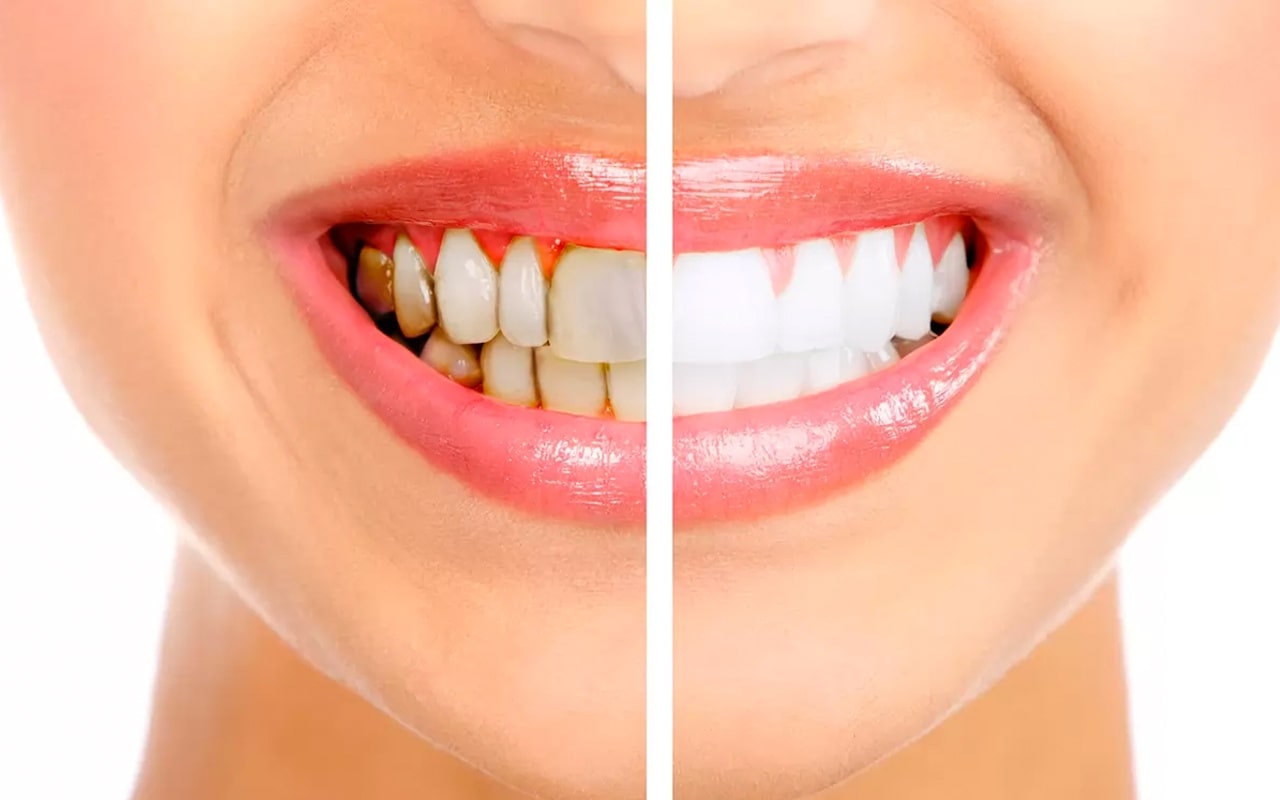
Smile design is the art of optimizing the harmony of lips, gums, and teeth with each other according to aesthetic principles. Clear aligner treatment is the cornerstone of minimally invasive (causing the least harm to tooth tissue) smile design. Fabricating laminate (porcelain leaf) or zirconium crowns directly on crooked or spaced teeth can cause the sound tooth tissue to be excessively cut (reduced). Instead, teeth are first brought to their correct axes and positions with clear aligners. A perfect, natural “Hollywood Smile” aesthetic is achieved with minimal touch or without harming the tooth at all through very thin composite bonding applications, teeth whitening (bleaching), or extremely thin laminate porcelains to be performed on orthodontically aligned teeth.
20. What are the Frequently Asked Questions About Clear Aligner Treatment?
The medical and objective answers to the fundamental questions that our patients frequently express in clinical examinations and that trouble their minds during clear aligner treatment processes are as follows:
Frequently Asked Questions (FAQ)
Is clear aligner treatment a painful procedure?
No, severe pain is not expected. However, it is extremely normal to feel a slight sensation of pressure, tightness, or sensitivity during every new aligner change (usually the first 1-2 days) because a new force is applied to the teeth. This situation is an indicator that the teeth are beginning to move as desired.
Do aligners affect my speech, do they cause lisping?
After aligners are fitted, there is an acclimation process of the tongue to the new appliances for the first 2-3 days, and a very slight lisp or difference in pronunciation may be experienced in some letters (like s, ş, z) during this period. However, since oral muscles and the tongue adapt very quickly, speech completely returns to normal within a few days.
Does smoking affect clear aligners?
Although the use of cigarettes or hookah does not physically disrupt the structure of the medical clear plastic, it causes the aligners to turn yellow and lose their transparency within a very short time, taking on a poor appearance. Tobacco products should not be used while aligners are inserted so as not to lose the invisibility advantage.
Can aligner treatment be performed only on the upper or only on the lower jaw?
Although theoretically possible, orthodontic principles require the upper and lower jaws to close compatibly for chewing function (occlusion) to be healthy. Interventions performed only on a single jaw can disrupt closure balance; therefore, it is generally preferred that interventions be performed on both jaws together.
Do clear aligners break in those with teeth grinding (Bruxism) while sleeping?
Clear aligners are produced from highly durable thermoplastic materials. Wear may be seen in aligners in patients with severe teeth clenching (bruxism) habits, but breakage is very rare. In fact, aligners also function as a night guard, helping to prevent the wear of tooth surfaces (enamel loss) due to grinding.
Who We Are? Free Smiles with Panorama Ankara
As Panorama Ankara, we offer innovative and patient-satisfaction-focused orthodontic services suitable for the dynamic structure of our capital. If you are in search of clear aligner treatment and digital orthodontics in Ankara, we leave behind the discomfort created by traditional impression methods with the 3D scanning technologies and expert physician staff in our clinic. As a healthcare center that brings aesthetics and function together, not just a dental clinic, we design personalized treatment plans where every patient of ours can smile freely without restricting their social life.
We convey the most comfortable solutions offered by modern dentistry to our patients coming from all corners of Ankara, from the center of Çankaya to Yenimahalle, with transparent and reliable communication. If you wish to correct your crooked teeth without needing metal wires, without compromising your daily life, we can review your three-dimensional smile simulation together over a coffee at our Panorama Ankara clinic. You are in the right place for your health and your smile.