

1. What is Metal – Ceramic Dental Brace Treatment?
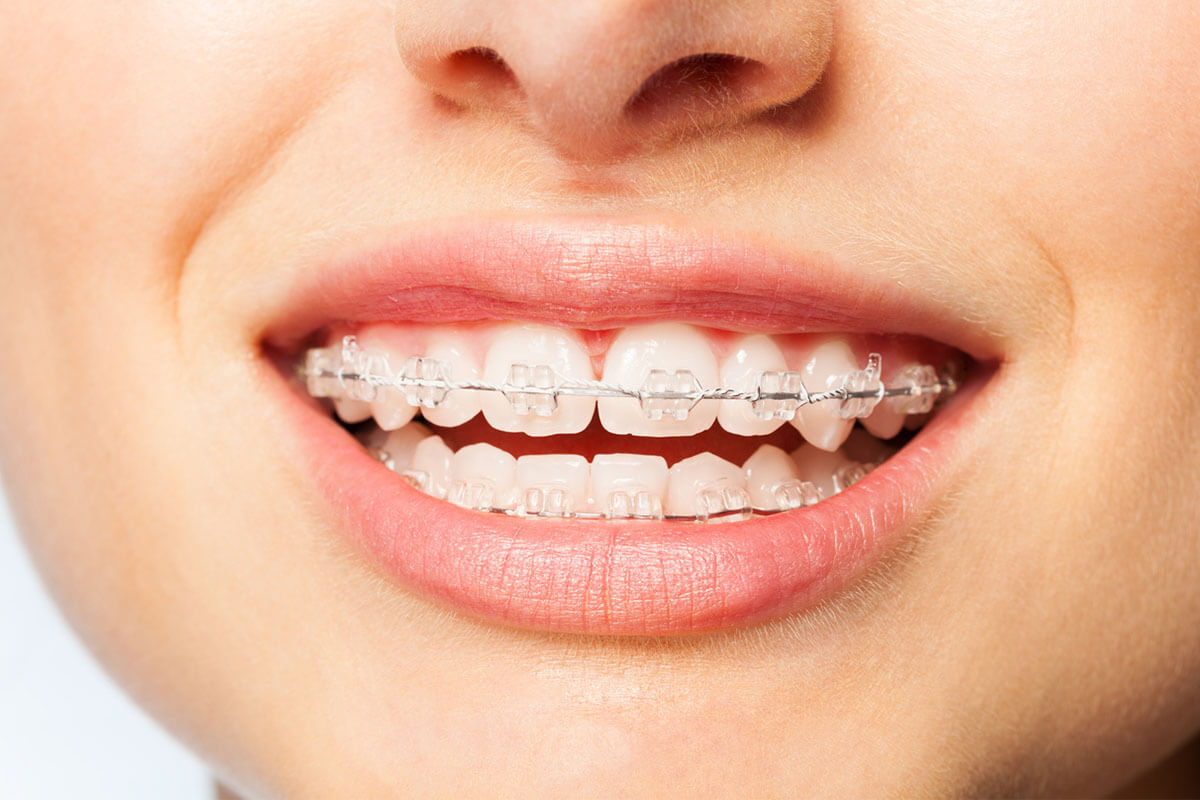
Metal and ceramic dental brace treatment, known in medical literature as fixed orthodontic treatment, is a fundamental dentistry discipline applied to resolve dental alignment disorders and jaw closure irregularities. A continuous and light force is transmitted to the tooth roots through wires passing through small carrier pieces called “brackets” attached to the teeth with specialized adhesives. This force initiates a biological remodeling within the jawbone, enabling the tooth to move in the desired direction. While metal brackets are known for their high durability, ceramic brackets offer a more aesthetic alternative by blending in with the tooth color. This treatment is a holistic medical intervention aimed at both establishing an aesthetic smile and restoring ideal chewing function.
2. How is Metal – Ceramic Dental Brace Treatment Applied?
Fixed orthodontic treatment application begins with the bonding of brackets to tooth surfaces one by one with millimetric calculations. Prior to the procedure, tooth surfaces are roughened and dried using specialized solutions. After the brackets are placed on the teeth, arch wires manufactured from alloys such as nickel-titanium or stainless steel are passed through them. These wires are fixed to the brackets with the help of thin wire ties (ligature wires) or colored/clear elastics. Due to the bend memory of the wire, it applies a force to the tooth as it tries to return to its original straight form. In control sessions conducted every 4 to 6 weeks, the physician renews this force by changing or tightening the wires and directs the tooth movements as planned.
3. Who is Suitable for Metal – Ceramic Dental Brace Treatment?
Metal and ceramic brace treatments are suitable for every individual possessing overall good intraoral health, without gum disease or untreated decay. They can be safely applied to all child and adult patients from the age of 11-12, when all permanent teeth have erupted. Fixed brace treatments are generally the sole and most reliable option for cases requiring complex rotation or vertical directional movements that cannot be treated with clear aligners, patients who need to erupt impacted teeth, and surgical cases requiring high orthodontic force. Individuals with aesthetic concerns can prefer ceramic materials to reduce visibility while benefiting from all the mechanical advantages of the system.
4. In Which Situations is Metal – Ceramic Dental Brace Treatment Preferred?
Fixed orthodontic bracket treatments are accepted as the gold standard in clinical scenarios where other methods fall short or it is considered that the patient cannot comply. In cases where the patient lacks the discipline to regularly use removable appliances, fixed braces are the reason for preference because they apply continuous force 24 hours a day, independent of the patient. In cases accompanied by severe skeletal disorders requiring jaw surgery (orthognathic surgery) preparation, in dense crowding, and in space closure (extractions) processes requiring roots to be moved in a parallel fashion, metal or ceramic wire systems become a mandatory preference.
5. How is the Dental Evaluation Conducted Before Metal – Ceramic Dental Brace Treatment?
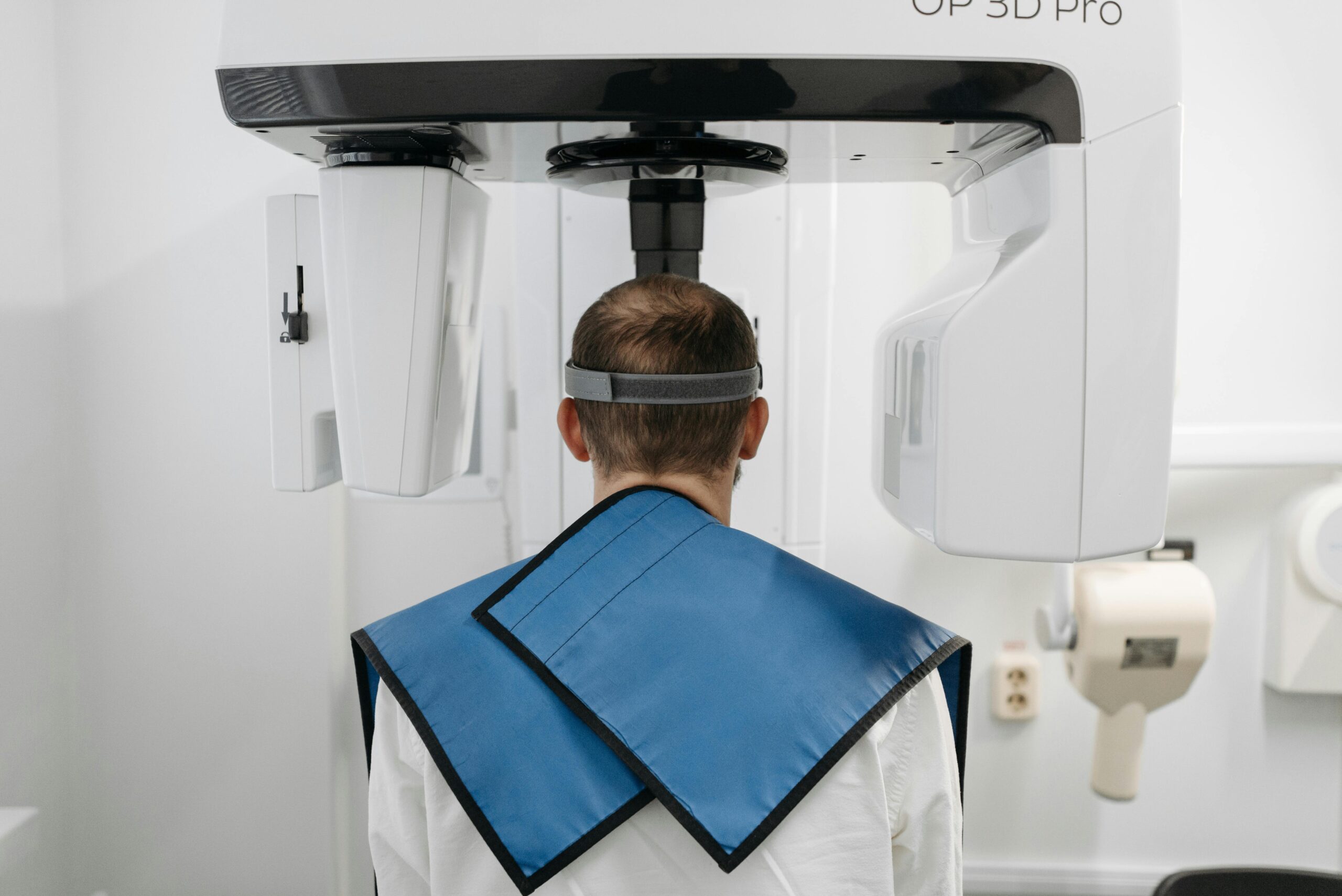
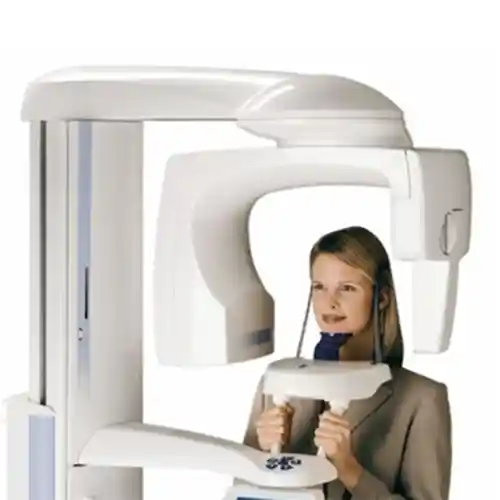
The clinical evaluation stage before starting orthodontic treatment is the most important step determining the success of the treatment. The physician first performs a clinical examination to check whether dental tissues, enamel structure, and periodontal (gum and bone) health are conducive to bracket usage. Cephalometric and panoramic X-rays are taken to analyze skeletal ratios, the position of the upper and lower jaws relative to each other, and the condition of tooth roots. The patient’s facial asymmetry, smile line, and lip profile are recorded with clinical photographs. If necessary, digital scans or plaster models of the lower and upper jaws are taken to measure the dimension of the existing malocclusion (bite disorder) in 3D. Any existing decay is treated, and tartar cleaning is definitely ensured.
6. How is the Metal – Ceramic Dental Brace Treatment Process Planned?
The planning of the treatment process is shaped by the analysis of X-ray, model, and photograph data by an orthodontist. According to the type of case, a decision is made on whether to follow an extraction or non-extraction treatment path; some teeth may need to be extracted if there is excessive space deficiency. Subsequently, which type of bracket (metal, ceramic, or self-ligating) will be used is selected in line with the patient’s expectations. During the planning stage, the estimated movement routes of the teeth over the coming months are determined. The patient is informed in detail about the average treatment duration, periods of monthly controls, dietary restrictions, and oral hygiene requirements, and the entire process is scheduled transparently.
7. What are the Differences Between Metal and Ceramic Brackets?
While the working principles of metal and ceramic brackets are identical, they bear distinct differences due to the physical and optical properties of the material they are produced from. When making orthodontic decisions, the patient’s lifestyle and expectations are evaluated through these differences.
| Comparison Criterion | Metal Brackets | Ceramic (Porcelain) Brackets |
|---|---|---|
| Aesthetics and Appearance | Distinct, has a gray metallic appearance. | Semi-transparent, integrates with tooth color and is less noticeable. |
| Durability | Unbreakable and extremely durable. | More brittle, requires caution against hard foods. |
| Size | Generally thinner and smaller. | Due to material structure, they are slightly more voluminous than metal. |
| Friction / Treatment Speed | Friction between wire and bracket is low, tooth movement can be slightly faster. | Friction of the porcelain surface is higher, may slightly prolong treatment duration. |
8. What are the Aesthetic Advantages of Ceramic Brackets?
Ceramic brackets are manufactured from materials with high light transmittance (translucency) such as aluminum oxide or monocrystalline sapphire. Thanks to this structure, they reflect the color of the natural tooth underneath and create a nearly “invisible” feel from afar or in photographs. Ceramic brackets provide ideal camouflage when adult patients do not wish to attract attention with metal wires in their corporate work life or social circles. Moreover, the ceramic materials themselves do not change color with food dyes (coffee, tea, etc.). To preserve aesthetic integrity, white arch wires and clear retainer elastics that match the tooth color are generally used with ceramic brackets, reducing visibility to a minimum level.
9. In Which Dental Problems is Metal – Ceramic Dental Brace Treatment Used?
Fixed bracket systems possess a wide medical indication field as they provide the highest mechanical control. Primary treated problems are:
- Severe Crowding: Cases where teeth overlap due to space deficiency in the jaw.
- Spaced Teeth (Diastema): Presence of distinct gaps between teeth that disrupt function and aesthetics.
- Ectopic Eruption: Eruption of a tooth from a place it should not, such as the palate or lip side.
- Eruption of Impacted Teeth: Surgically opening impacted teeth such as canines and pulling them into place with the help of wires.
- Anterior Open Bite: The condition where anterior teeth do not close while posterior teeth are in contact.
10. How Do Metal – Ceramic Dental Braces Correct Dental Crowding?
Correcting dental crowding relies on the principle of creating an ideal jaw curve called the “arch form.” The physician passes shape-memory nickel-titanium wires through the brackets placed on the teeth. These wires bend according to the alignment of the initially crooked teeth but constantly want to return to their original straight (U-shaped) form at room or oral temperature. As the wire tries to straighten, it pushes or pulls the brackets it is attached to, and consequently the tooth. Through this biological mechanism, “osteoclast” cells destroy bone on the pressure side, while “osteoblast” cells build new bone on the tension side, slowly and permanently opening the crowding.
11. What are the Materials Used in Metal – Ceramic Dental Brace Treatment?
Equipment utilized in fixed orthodontics are advanced technology materials that are biologically compatible and unaffected by intraoral fluids and corrosion. The primary components forming the system are complementary to each other:
- Brackets: Metal (stainless steel) or porcelain holding pieces bonded to the tooth.
- Orthodontic Adhesive (Composite Adhesive): Resin that holds the bracket without harming the enamel and can be removed without leaving marks at the end of treatment.
- Arch Wires: Flexible NiTi (Nickel Titanium) wires initially, becoming rigid stainless steel wires toward the end of treatment, transmitting force.
- Ligatures: Thin metal wires or small colored/clear elastic rings used to hold the wire in the bracket groove.
- Molar Bands: Metal rings fitted onto the most posterior molars in necessary cases, strengthening the anchorage (foundation) of the system.
12. How is Metal – Ceramic Dental Brace Attachment Performed?
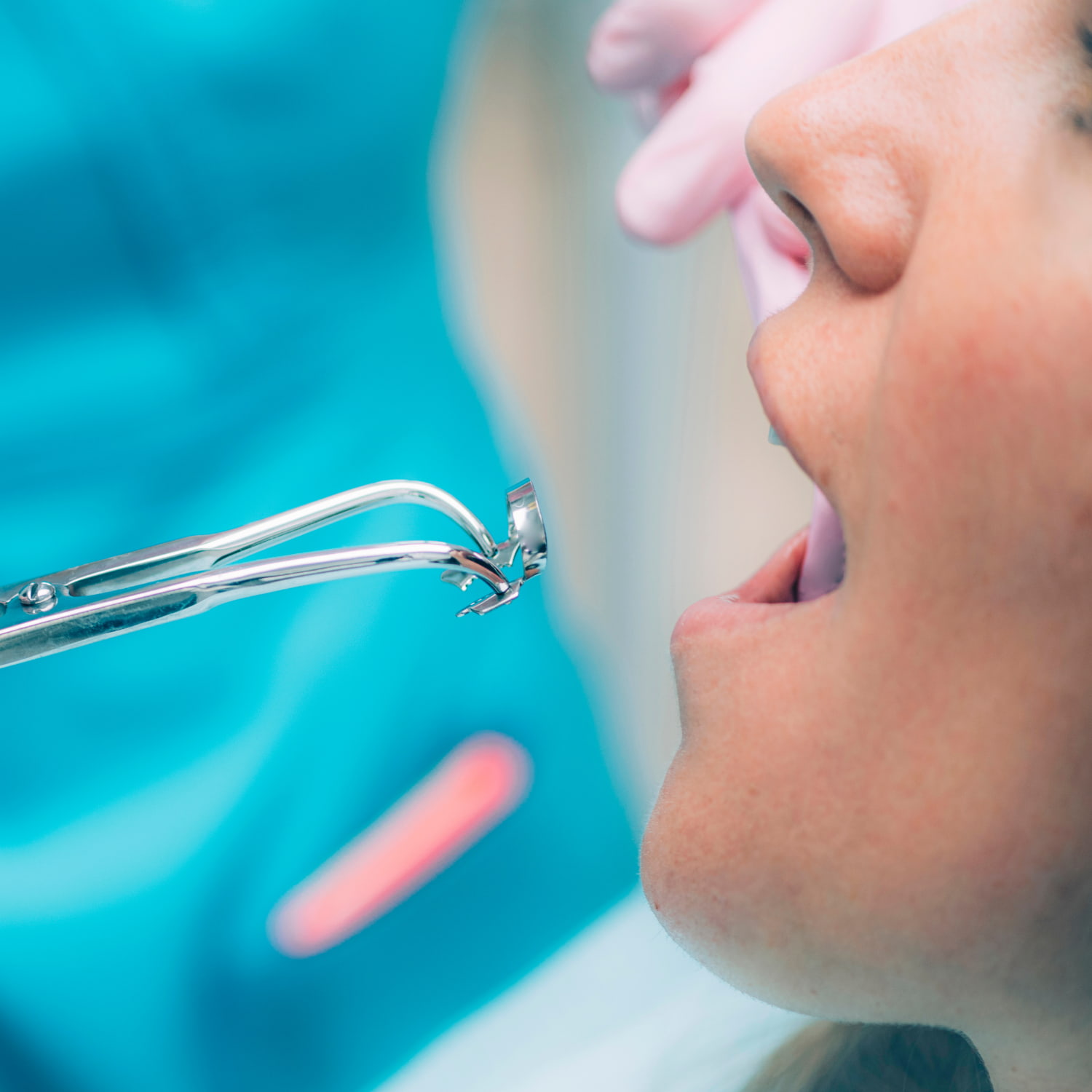
The bracket attachment session (bonding) is a completely painless procedure that does not require injections. An “extractor” is placed to retract the patient’s lips and isolate the working area from saliva. After tooth surfaces are roughened with pumice or acid-etch (phosphoric acid), they are rinsed and dried. Specialized adhesive is applied to the teeth. The physician places each bracket millimetrically on the anatomical center of the tooth with specialized tweezers and clears the excess adhesive. The adhesive is hardened within seconds using a specialized LED light device. After brackets are attached to all teeth, the arch wire is placed and tied with ligatures. The process takes an average of 45 to 60 minutes.
13. How Long Does Metal – Ceramic Dental Brace Treatment Last?
The duration of fixed orthodontic treatments varies greatly according to the severity of the problem, the patient’s age, bone metabolism speed, and compliance with appointments. While simple space closure or mild crowding cases can be completed in a short period such as 8 to 12 months, standard orthodontic treatments requiring tooth extraction generally take around 18 to 24 months. In complex skeletal anomalies combined with jaw surgery, the duration can extend up to 30 months. Especially in cases where ceramic brackets are used, the higher friction coefficient can mechanically add a few extra months to the treatment duration.
14. Is Metal – Ceramic Dental Brace Treatment a Painful Procedure?
Absolutely no physical pain or ache is felt during the stage of bonding brackets to teeth. However, during the first 24-72 hours after the wire is attached, the formation of sensitivity, inability to bite down, and stinging in teeth due to pushing/pulling forces applied to tooth roots is a completely natural biological response. Chewing may become difficult during this period, and it is recommended that the patient consume soft foods. Furthermore, small aphthous ulcers or irritations may form as a result of the brackets and wires rubbing against the lip or cheek mucosa during the acclimation process. This generally passes completely within a week with the use of orthodontic protective wax recommended by the physician and the adaptation of oral tissues to the wires.
15. What Should Be Considered While Using Metal – Ceramic Dental Braces?
Strict restrictions in dietary habits are mandatory to prevent breakage and avoid interrupting treatment throughout the period the orthodontic appliances are in the mouth.
- Hard Foods: Hard foods such as apples, quince, and carrots should not be eaten by biting; they must definitely be cut into small pieces with a knife. Hard nuts such as hazelnuts, walnuts, and roasted chickpeas should be avoided.
- Sticky Foods: Sticky confectioneries such as chewing gum, caramel, turkish delight, or jelly beans are forbidden as they can dislodge the brackets and increase the risk of decay by getting stuck between the wires.
- Acidic Beverages: Acidic drinks such as cola and soda weaken the tooth enamel, leading to white spot (incipient decay) formation around the brackets. Consumption should be minimized, and a straw should be used.
- Biting Restriction with Front Teeth: Foods such as sandwiches or wraps should be consumed by being torn or cut instead of biting with front teeth, and chewed with posterior teeth.
16. How Should Maintenance of Metal – Ceramic Dental Braces Be Performed?
The areas around brackets create fields highly prone to food remnants and bacterial plaque accumulation. For this reason, fixed orthodontic treatment requires significantly more time and specialized equipment for oral hygiene. Teeth must be brushed at least twice a day, preferably after every main meal, with an orthodontic-cut (V-shaped) brush using circular motions, covering the brackets as well. To enter beneath the wires and between brackets where a normal brush cannot reach, “interdental brushes” must definitely be used. Since dental enamel is more prone to weakening during the treatment period, performing supportive chemical cleaning with fluoride-containing toothpaste and mouth rinses is of critical importance to possess decay-free teeth after the wires are removed.
17. What are the Advantages of Metal – Ceramic Dental Brace Treatment?
Traditional bracket systems possess unique biomechanical advantages based on scientific evidence spanning many years in dentistry:
- High Control: Provides the physician with maximum mechanical control over the three-dimensional position of each tooth (tilting, rotating, impacting, elongating).
- Patient Independence: Since wires are fixed to the teeth, the treatment’s operation does not depend on the patient’s initiative to wear or forget the appliance (there is no risk of forgetting, unlike in clear aligners).
- Strong Traction Force: It is the most effective system in closing large gaps in tooth deficiencies by sliding teeth.
- Cost-Effectiveness: Especially metal brackets offer a more economical solution compared to other digital or aesthetic orthodontic alternatives.
18. How is the Protection of Teeth Ensured After Metal – Ceramic Dental Brace Treatment?
With the removal of brackets, active orthodontic treatment ends, but the passive phase termed “retention” treatment begins to protect the teeth in their new positions. Since it takes time for bone tissue to fully mature and harden, teeth show a tendency to return (relapse) to their old crooked places when support is withdrawn. Two methods are applied to prevent this. First, a thin, stainless steel wire (fixed retainer) that cannot be seen from the outside is bonded to the posterior (tongue-side) surfaces of the lower and upper front 6 teeth. Simultaneously, the patient is provided with protective clear aligners (Essix aligners) to be used only at night, similar to active treatment aligners but not moving teeth, merely protecting the existing position. The use of these protective appliances for the duration determined by the physician is a mandatory medical requirement for the straightened teeth to be permanent for a lifetime.
19. In Which Age Groups Can Metal – Ceramic Dental Brace Treatment Be Applied?
There is a false societal perception that braces are applied only to adolescents or youths. As long as there is healthy gum and solid tooth bone, there is no upper age limit, and it can be safely applied to patients aged 50-60. In children, the age range of 11-13 is generally awaited for the initiation of fixed treatments, meaning all permanent (fixed) teeth have erupted. While skeletal jaw problems in the early period (7-10 years) are resolved with removable plates, fixed orthodontic phase with metal or ceramic brackets is transitioned to for fine-tuning and primary correction after permanent teeth are aligned.
20. Frequently Asked Questions About Metal – Ceramic Dental Brace Treatments
Brackets or orthodontic adhesives do not decay or stain teeth on their own. However, because wires complicate cleaning, food remnants and acidic plaque accumulating around brackets as a result of insufficient brushing erode the enamel tissue, causing white spots (decalcification) and decay. With good oral hygiene, this risk is zero.
Yes, since orthodontic metals are generally stainless steel or titanium alloy, they do not trigger airport metal detectors. Similarly, they do not create problems in medical MRI (Magnetic Resonance) scans outside the head and neck region; however, one must inform the physician and radiology specialist in brain or jaw region MRI scans, as metals can lead to flare-ups (artifacts) in the image.
In case of a bracket snapping, if the bracket is dangling on the wire, it can remain there; you can request a non-urgent appointment from your physician. However, if the free-ended wire is poking your cheek and causing a wound, you can provide temporary protection by sticking orthodontic wax or sugar-free gum to the poking area and apply to your physician as soon as possible to have the wire clipped or adjusted.
No, the process of removing dental braces (debonding) is completely safe. The physician carefully separates the brackets from the enamel with specialized pliers. Composite adhesive residues remaining on the tooth surface are cleaned with specialized polishing burs without harming the enamel in the slightest, without scratching the tooth’s own tissue, and the smooth original tooth surface is revealed.
Who We Are? The Address of Healthy Smiles at Panorama Ankara
As Panorama Ankara, we offer comprehensive orthodontic services with our expert staff and advanced technology equipment, suitable for the dynamic structure and modern medical needs of our capital. In our clinic, we meticulously apply both classic metal bracket treatments and porcelain (ceramic) dental brace treatments, which stand out with their transparency, by centering our patients’ lifestyles and aesthetic expectations.
If you are looking for a reliable address for the treatment of your crooked teeth or bite problems, Panorama Ankara’s competent orthodontic specialists manage the entire process—from your first detailed X-ray analysis to the delivery of your post-treatment protection aligners—in a transparent, sincere, and explanatory language. You can create a detailed examination appointment from our clinic to experience a comfortable orthodontic experience that both strictly adheres to medical standards and minimizes your aesthetic concerns, and to permanently attain the straight and healthy teeth of your dreams in Ankara.