

1. What is Temporomandibular Joint (TMJ) Disorder Treatment?
Temporomandibular joint disorder treatment refers to medical and dental procedures applied to eliminate issues concerning the masticatory muscles, the articular disc, and the region where the lower jawbone connects to the cranium, clinically termed Temporomandibular Joint (TMJ) disorders. These disorders encompass a broad spectrum ranging from simple muscle spasms to advanced deformation of the articular cartilage. The primary aim of the treatment is to reduce intra-articular pressure, support the normal function of the displaced or worn articular disc, balance asymmetrical loading on muscles, and ensure that the patient can fulfill vital functions such as eating and speaking without pain. A correct treatment protocol may require the collaborative effort of dentistry, maxillofacial surgery, and physical therapy disciplines.
2. Why Do Temporomandibular Joint Disorders Occur?
The causes underlying TMJ disorders are generally multimodal. Rather than a single cause, the joint system exceeds its tolerance limit and begins to sustain damage due to the accumulation of many negative factors over time. Because the TMJ is the only joint in the human body that must function synchronously on the right and left sides simultaneously, it possesses an extremely delicate biomechanical structure. Listed below are the primary physiological, psychological, and mechanical factors that cause these disorders to emerge:
- Bruxism (Teeth Clenching and Grinding): Involuntary contraction of jaw muscles, usually during sleep or under stress, places excessive load on the articular cartilage.
- Malocclusions (Bite Disorders): Improper closure of upper and lower teeth forces the jaw to shift into an incorrect position with every closure, straining the joint.
- Traumas: Direct impacts to the jaw or head region, traffic accidents, or falls can cause the articular disc to displace.
- Posture Disorders: Posture errors, especially in the neck and shoulder region, reflect onto jaw muscles through connected muscle chains.
- Systemic Diseases: Conditions such as rheumatoid arthritis, osteoarthritis, or fibromyalgia can directly affect the jaw joint.
3. What are the Symptoms of TMJ Disorders?
Patients often present to the physician not with direct complaints about the jaw joint, but with referred pain felt in the head, neck, or ear region. While symptoms may be mild and transient in the early stages of the disease, they transform into chronic problems that significantly lower the quality of daily life in advanced stages.
| Symptom Type | Description / Complaints |
|---|---|
| Pain Complaints | Severe pain in the jaw region, cheeks, temples, and neck while eating or yawning; chronic tension-type headaches. |
| Auditory Complaints | “Clicking,” “clicking” (crepitation), or grating sounds originating from the joint while opening and closing the jaw. |
| Limited Movement | Inability to open the mouth fully, locking of the jaw, deviation (shifting to the right or left) of the lower jaw while opening. |
| Ear Complaints | Tinnitus, a feeling of fullness or pressure in the ear, or earaches for which no cause can be found. |
4. Who is Suitable for TMJ Disorder Treatment?
Every individual of any age who feels fatigue in their jaw and cheek muscles upon waking in the morning, experiences locking while opening their mouth, or has chronic pain in the joint region is suitable for this treatment. Patients who detect wear, sensitivity, and gum recession in their teeth due to teeth clenching habits should be included in the scope of preventive treatment before the problem reflects onto the joint. In short, anyone experiencing loss of function or pain in the jaw region during vital functions such as chewing, speaking, swallowing, and yawning needs to undergo a detailed evaluation.
5. How is TMJ Disorder Diagnosed?
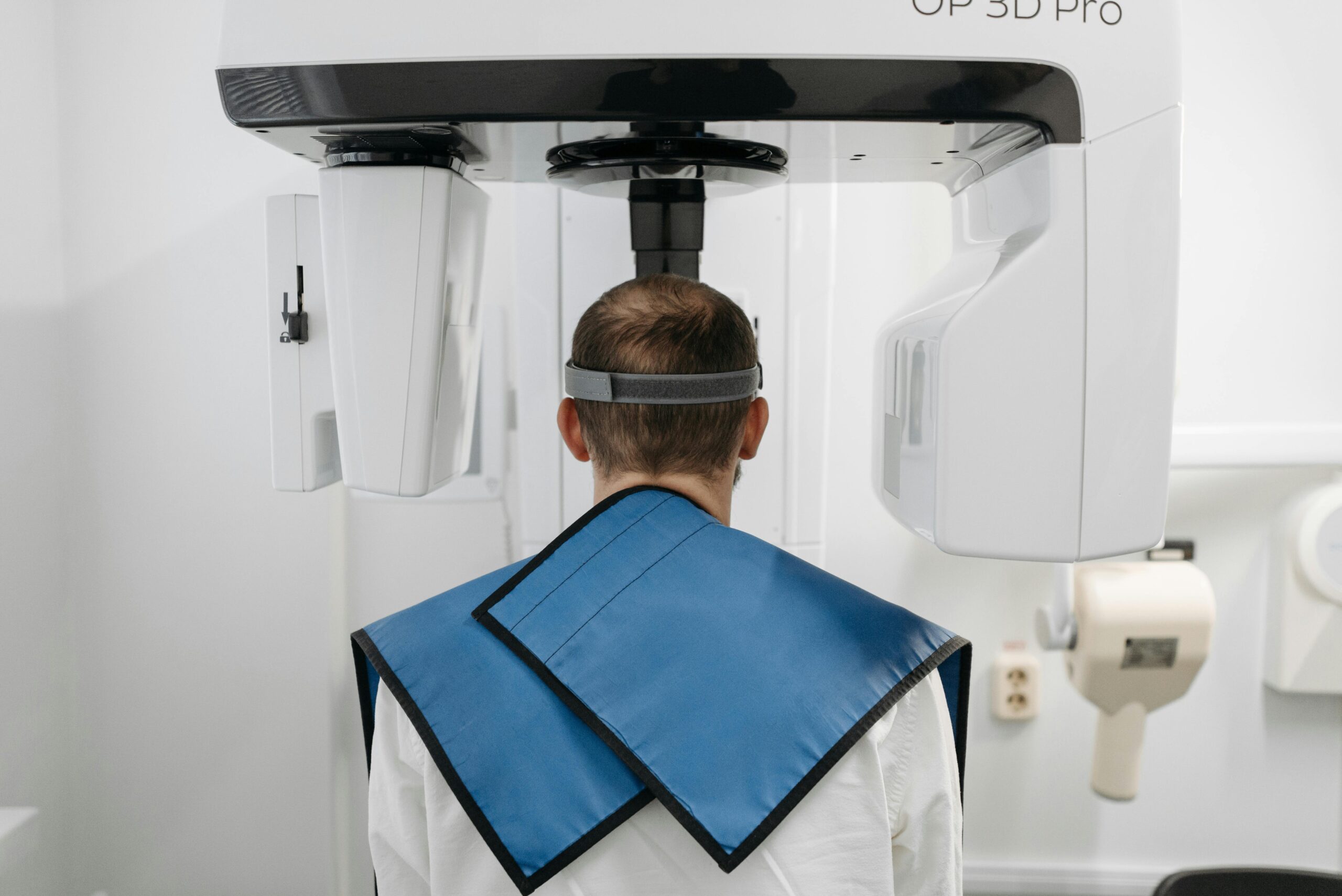
Correct treatment begins with a correct diagnosis. Because the jaw joint is an extremely complex structure, a clinical examination alone may be insufficient. The physician listens to the patient’s medical history in detail; queries history of trauma, stress levels, and sleep quality. Subsequently, palpation (manual examination) of the jaw muscles is performed to detect trigger points (spasms) in the muscles. Mouth opening is measured millimetrically; shifts in the lower jaw and joint sounds during opening are listened to via stethoscope or manually. Magnetic Resonance (MR) imaging is frequently resorted to in order to definitively determine the condition of muscle and intra-articular tissues (disc, cartilage, and ligaments), or Dental Volumetric Tomography (CBCT) to examine deformities in the bone structure.
6. How is TMJ Disorder Treatment Planned?
Treatment planning is constructed based on the “staged approach” principle in light of the radiological and clinical data obtained. The fundamental rule in dentistry is to primarily apply preventive and conservative methods that are reversible (non-invasive). It is determined whether the disease is muscle-based (myofascial) or directly intra-articular (articular). Stress management and patient education constitute the first step. Subsequently, custom aligners are designed for the patient, and they are included in a physical therapy program if necessary. The treatment process is a dynamic process; the patient is called for follow-ups at regular intervals to evaluate the effect of the applied method on pain and range of motion, and the protocol is revised if necessary.
7. Which Treatment Methods are Applied for TMJ Disorders?
Thanks to medical advancements in the treatment of TMJ disorders, a wide spectrum of options is available today. The method to be applied is determined according to the stage of the disease. More than 80% of early and mid-stage cases can be successfully controlled with non-surgical conservative treatments.
- Conservative Treatments: Use of occlusal splints (night guards), pharmacological treatment (muscle relaxants and anti-inflammatories), and hot-cold compresses.
- Physical Therapy and Rehabilitation: Manual therapy targeting jaw muscles, TENS (Transcutaneous Electrical Nerve Stimulation) applications, laser therapy, and therapeutic exercises.
- Minimally Invasive Methods: Botulinum toxin (botox) injections applied to jaw muscles (to stop contraction), intra-articular washing (arthrocentesis) procedures, and PRP (Platelet-Rich Plasma) or hyaluronic acid injections.
- Surgical Treatments: Open joint surgery (arthroplasty) or arthroscopy methods resorted to in cases of advanced disc displacement, tumors, ankylosis (complete ossification of the joint), or severe osteoarthritis.
8. How is Jaw Pain Originating from the Jaw Joint Evaluated?
Detecting the source of pain is the most critical path to success. Jaw pains are generally separated into two main groups: Myogenic (muscle-based) and Arthrogenic (joint-based). Myogenic pains are mostly stress or bruxism-rooted; they are more severe in the mornings and radiate to the neck/temple region. Tight bands (spasms) are felt when muscles are palpated manually. Arthrogenic pains, on the other hand, are felt pointwise directly in the joint region right in front of the ear. They become sharp in a stabbing fashion while moving the jaw and stem from wear or inflammation in intra-articular tissues (cartilage, meniscus). For differential diagnosis, the physician sometimes clarifies the center of the pain by using the diagnostic block method with local anesthesia.
9. In Which Situations Should Sounds Originating from the Jaw Joint Be Investigated?
The occurrence of “clicking” or “clicking” (crepitation) sounds from the jaw joint does not always mean a pathological situation or a disease requiring emergency treatment on its own. Painless jaw joint sounds can be heard in a large portion of the population. However, if pain accompanies these sounds, if there is a feeling of sticking or locking in the jaw during the sound, and if the character of the sound changes over time from a hard click to a sound like grinding sand (crepitation), it must definitively be investigated by a specialist physician. Grinding sound is a dangerous symptom indicating that the articular disc has completely slipped out of place and bone surfaces are rubbing against each other to wear down (osteoarthritis).
10. How is a Night Guard Used in TMJ Disorders?
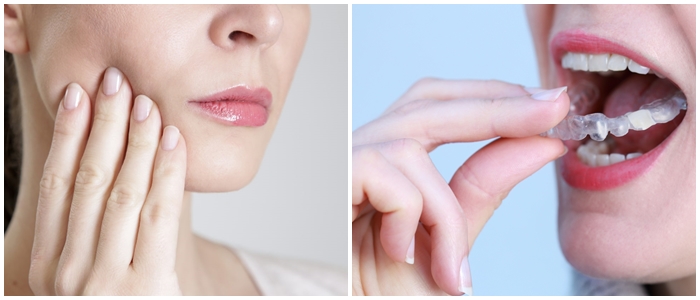
Therapeutic aligners, also known as occlusal splints or bite guards, are medical appliances custom-manufactured from hard acrylic, unlike soft aligners sold in pharmacies. Their purpose is not only to protect teeth from wear, but also to eliminate pressure within the joint and bring muscles into a resting position by altering the closure position of the lower jaw. It is prepared in the laboratory via jaw impressions or digital scans taken by the physician. The thickness of the aligner and its contact with teeth are millimetrically adjusted by the physician according to the patient’s jaw closure. They are generally used throughout night sleep; however, daytime use may also be prescribed in severe cases.
11. How Do Physical Therapy Applications Provide Support in TMJ Disorders?
Physical therapy and manual therapy are the greatest supporters of occlusal splints in the treatment of joint disorders. They are utilized to resolve spasms in masticatory muscles, increase regional blood circulation, and regain joint range of motion. Manual therapy (massage, mobilization) applied under the supervision of a physiotherapist or specialist physician suppresses trigger points in muscles, reducing pain. Furthermore, lactic acid accumulation in muscles is dispersed via TENS (Transcutaneous Electrical Nerve Stimulation) utilizing low-frequency electrical currents. While cold compresses are applied in acute inflammation cases, hot compress applications are utilized to stretch muscle fibers in chronic muscle pains.
12. Why Are Digital Imaging Methods Important in TMJ Disorders?
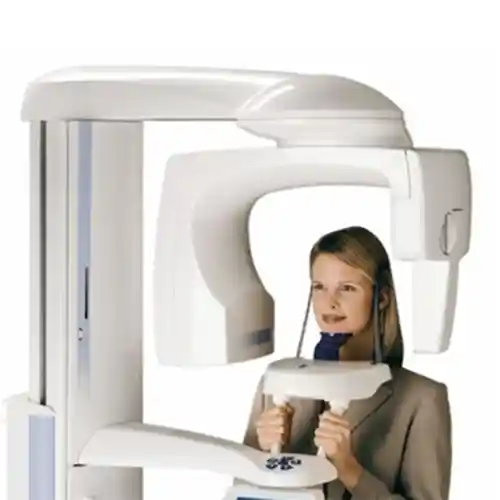
Traditional two-dimensional (panoramic) X-rays are insufficient to examine the three-dimensional, complex anatomy of the jaw joint in detail. Magnetic Resonance (MR) imaging is the gold standard to clearly see soft tissues, especially the jaw joint disc, ligaments, and the amount of intra-articular fluid. Dental Volumetric Tomography (CBCT) comes into play in the evaluation of erosion (resorption) in bone tissue, cystic formations, or calcifications (osteophytes). These digital imaging methods guide the physician in choosing between surgical and conservative treatment and enable the performance of correct intervention before irreversible damage occurs.
13. How Long Does TMJ Disorder Treatment Take?
Treatment duration shows large variations depending on the severity of the disease, the dimension of physical damage occurring in the joint, and how well the patient complies with the treatment protocol. Acute pains due to simple muscle spasms can resolve within 2 to 4 weeks with medication, muscle exercises, and stress management. However, if there are disc displacements and intra-articular disorders caused by chronic bruxism, splint (night guard) treatment must generally continue uninterruptedly for between 3 to 6 months. Tissue healing is a biologically slow-progressing process. Even if the patient’s complaints pass, the use of aligners or routine controls may continue for years (as a preventive measure).
14. What Should Be Considered After TMJ Disorder Treatment?
Even if healing is achieved, once a jaw joint has sustained damage, it will always be more sensitive against being injured again. Patients must make “preventive measures” a habit in their daily lives. Parafunctional habits that tire the jaw continuously and unnecessarily, such as chewing gum, biting nails, or chewing pencils, must strictly be avoided. The jaw should not be opened excessively while yawning; yawning should be restricted by pressing the tongue to the palate. Teeth clenching unconsciously while lifting heavy loads or exerting intense effort should be avoided, and the resting position of the jaw (lips closed, teeth slightly apart, tongue tip on the palate) should be maintained.
15. What is the Importance of Jaw Exercises in TMJ Disorder Treatment?
Therapeutic jaw exercises play a vital role in reprogramming weakened or uncoordinated jaw muscles and drawing joint mobility within physiological boundaries. These exercises aim to stretch (stretching), strengthen (strengthening), and relax (relaxing) muscles. Regular opening-closing and resisted side-to-side shifting exercises, performed a few times a day while looking in a mirror, help nourish the cartilage tissue by increasing blood circulation to the jaw joint. Simultaneously, they balance the asymmetrical pulling force between muscles, thus preventing the problem of the jaw opening asymmetrically (shifting to the right or left).
16. How Should Daily Habits Be Organized in TMJ Disorders?
For the permanence of the treatment, modification of nutrition and sleep habits is mandatory. Foods in meals should be divided into as small pieces as possible; a whole apple should not be bitten into with front teeth, and hard foods like hazelnuts or walnuts should not be chewed (Soft Diet). Food must strictly be chewed bilaterally on both the right and left sides of the mouth; one should abandon the habit of unilateral chewing. Sleeping face down should be avoided as a sleeping posture; lying face down applies direct pressure to the lower jaw, pushing the joint backward. Lying on one’s side with a suitable pillow supporting the neck is much safer for joint health.
17. What Can Be Done to Prevent the Reoccurrence of TMJ Disorders?
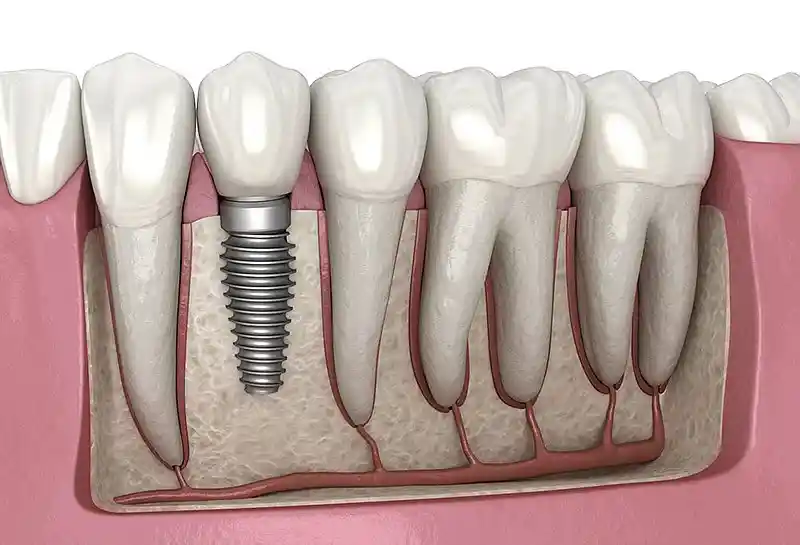
The most effective way to prevent relapse after recovery is to keep stress under control. Bruxism, which is a psychosomatic expression, is directly related to stress; therefore, methods such as meditation, yoga, or psychological support are beneficial. If there are deficiencies in teeth, these deficiencies must definitely be eliminated via implant or prosthetic treatments to provide closure balance, and the chewing load must be distributed homogeneously across the entire jaw. Routine controls performed by the physician every 6 months should not be neglected, and protective night guards provided should be stored for reuse during stressful periods.
18. What are the Advantages of TMJ Disorder Treatment?
The treatment radically increases the individual’s quality of life. Head, neck, and temple pains, which have become chronic and are frequently confused with migraine, disappear. The patient can yawn, speak, and perform the chewing function without pain during nutrition. Permanent calcification (osteoarthritis) or serious joint destruction requiring surgical intervention that could occur in the future are prevented. Furthermore, by bringing bruxism under control, wear occurring on tooth enamel is halted, and overall oral-dental health is secured.
19. How Do TMJ Disorders Affect Oral and Dental Health?
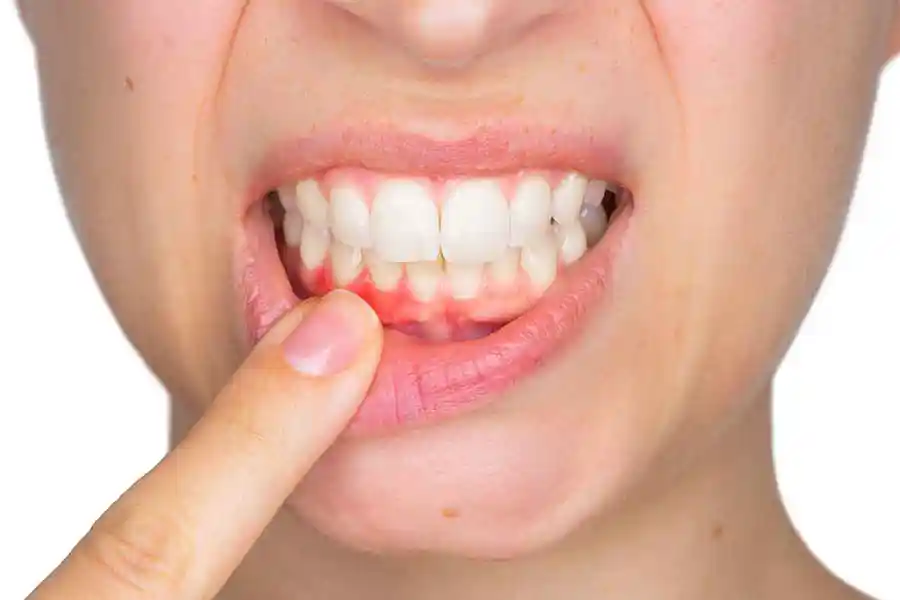
TMJ disorders are not limited to the joint region; they create destructive effects on oral and dental health. Excessive clenching force causes the tooth enamel to crack, the lengths of anterior teeth to shorten, thereby compromising aesthetics (attrition), and the formation of wedge-shaped abrasions (abfraction) along the cervical (gum line) region. Teeth cannot withstand these traumatic loads; fillings or porcelain crowns may break frequently. Moreover, periodontal ligaments connecting the tooth to the jawbone can flex, leading to gingival recession and the loosening of sound teeth.
20. What are the Frequently Asked Questions About TMJ Disorder Treatment?
The situations our patients most frequently encounter regarding temporomandibular joint (TMJ) disorders in our clinical practice and their scientific answers are as follows:
Frequently Asked Questions (FAQ)
Will my jaw disease pass completely by using only a night guard (splint)?
In early-stage diseases linked to muscle spasms and mild bite disorders, the use of a medical hard night guard largely eliminates pain and functional impairment. However, if the articular disc has displaced significantly or the cartilage has deformed, splint treatment is not curative, but merely plays a role in halting the progression of the disease and alleviating symptoms.
Is botox treatment applied to jaw muscles harmful?
No, medical botox applied in correct doses and to correct masticatory muscles (particularly the masseter and temporal muscles) by an expert dentist or physician temporarily weakens the excessive contraction (clenching) power of muscles. It is performed for therapeutic, not aesthetic, purposes; it does not disrupt your chewing or speaking function, it only prevents your teeth clenching to rest the joint.
Are soft night guards effective in jaw joint treatment?
On the contrary, soft (silicone-like) pharmacy aligners are strictly not recommended in joint disorders. Soft material can encourage muscles into a reflex of further chewing and clenching, just like a piece of gum, increasing muscle spasms and joint pain. The gold standard in TMJ treatment is custom-splints manufactured from hard acrylic that balance the full closure of teeth.
I hear a “click” sound while opening my mouth but I have no pain, should I receive treatment?
“Clicking” sound while opening the mouth indicates that the joint disc has slipped forward and resets into place while the mouth is opening. If there is no pain, emergency surgery or intensive treatment may not be required; however, having the situation evaluated by a dentist and taking preventive measures (splint or exercise) is extremely important to prevent locking (the disc not being able to reset) in the future.
Who We Are? Panorama Ankara: Expert Approach to Jaw Joint Treatment
As Panorama Ankara, we offer comprehensive oral, dental, and jaw health services to our patients in the heart of our capital Ankara, utilizing the most current technologies offered by modern medicine and dentistry. We set out with the principle that “chewing should not be an ordeal” in temporomandibular joint (TMJ) disorders—one of the most complex structures of medicine—and develop personalized diagnostic and treatment protocols with a multidisciplinary understanding.
By bringing together our specialists in jaw surgery, prosthetic dental treatment, and radiology, we conduct detailed analyses with our 3D CBCT tomography devices for individuals in Ankara experiencing jaw locking, facial pain, or teeth clenching (bruxism) complaints. With our philosophy focused on eliminating the root cause of the disease, not just the symptoms, we offer scientific, ethical, and permanent solutions to our patients applying to our clinic from all corners of Ankara. We want you to know that the clicks in your jaw or the persistent headaches you feel when you wake up in the morning are not your destiny. Panorama Ankara is by your side at every step for a healthy bite and a painless life.