
What are Laminate Veneer (E-Max) Applications?
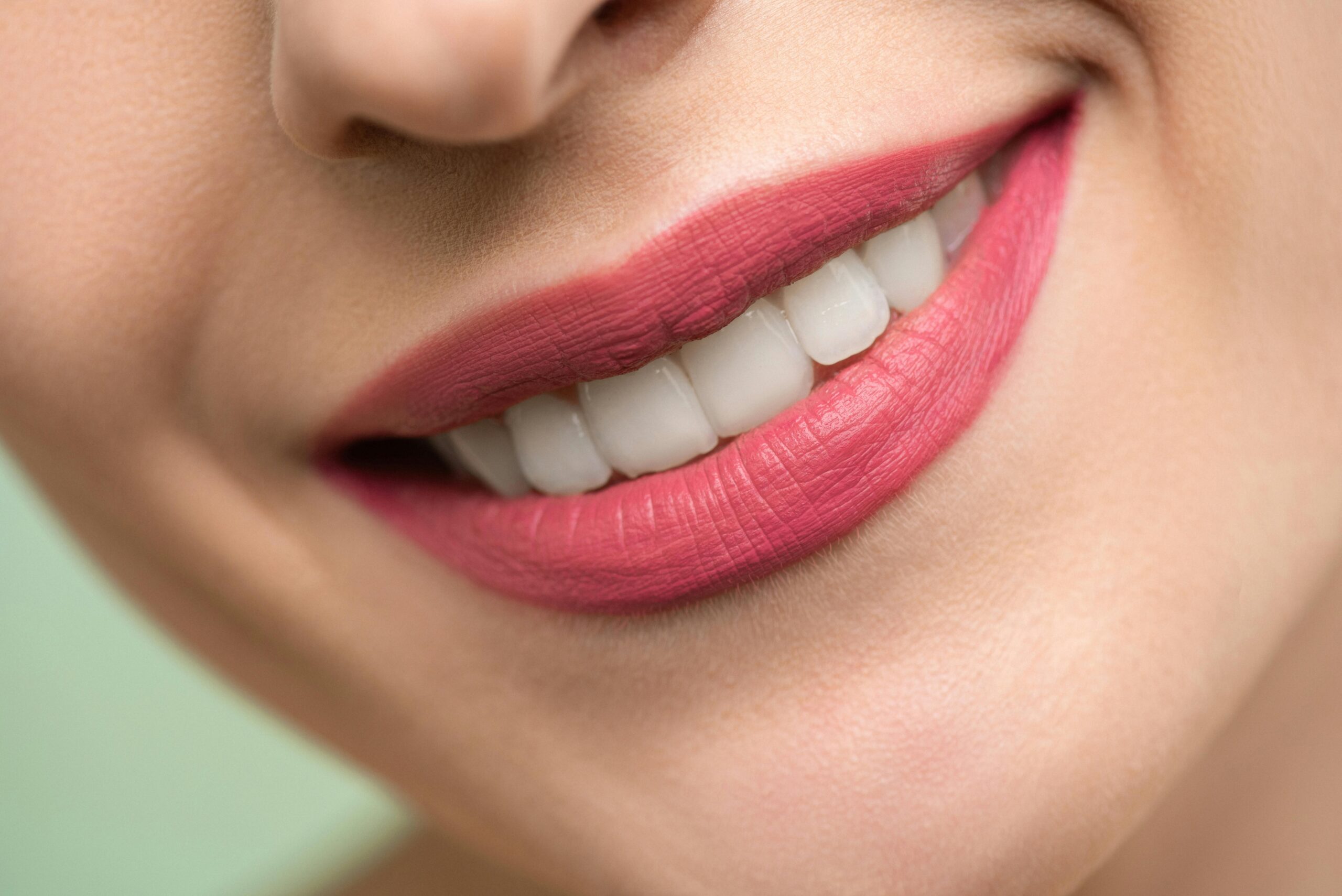
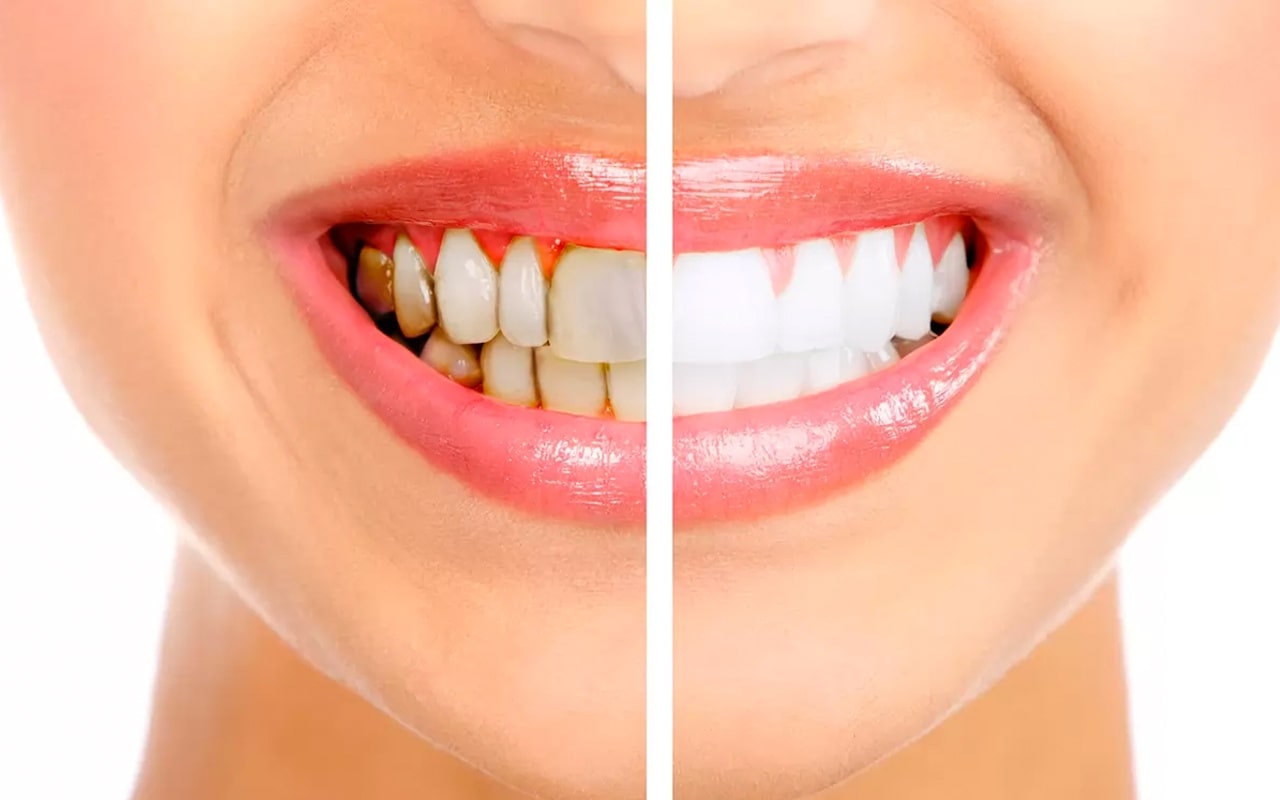
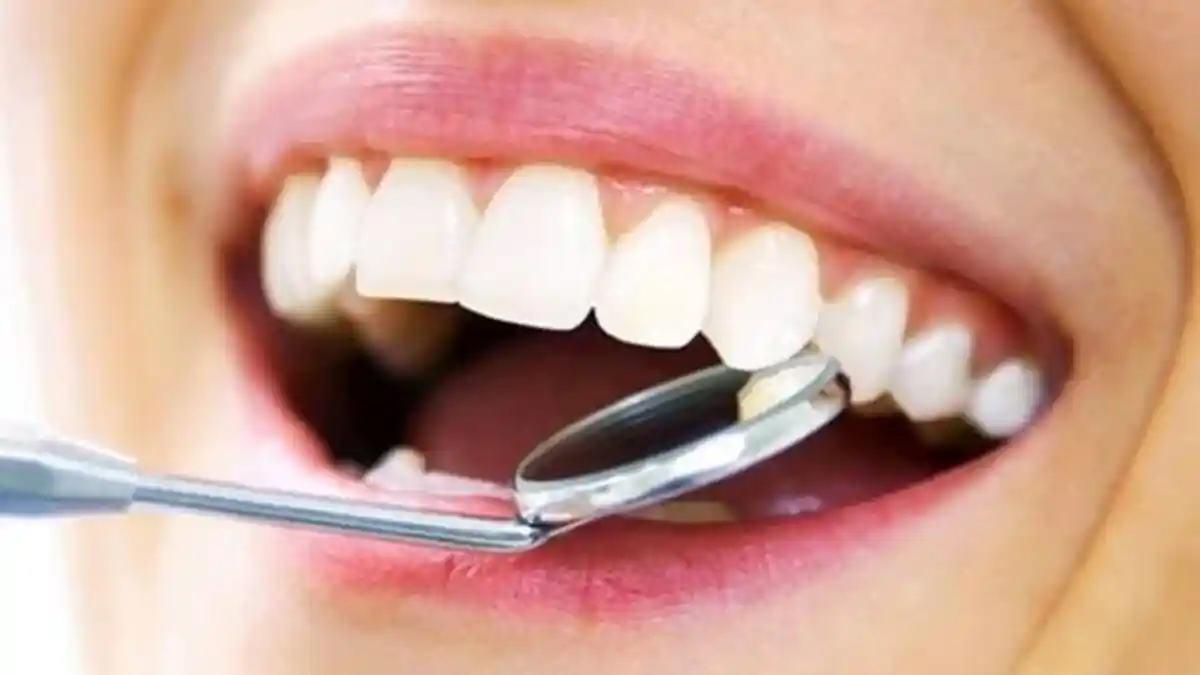
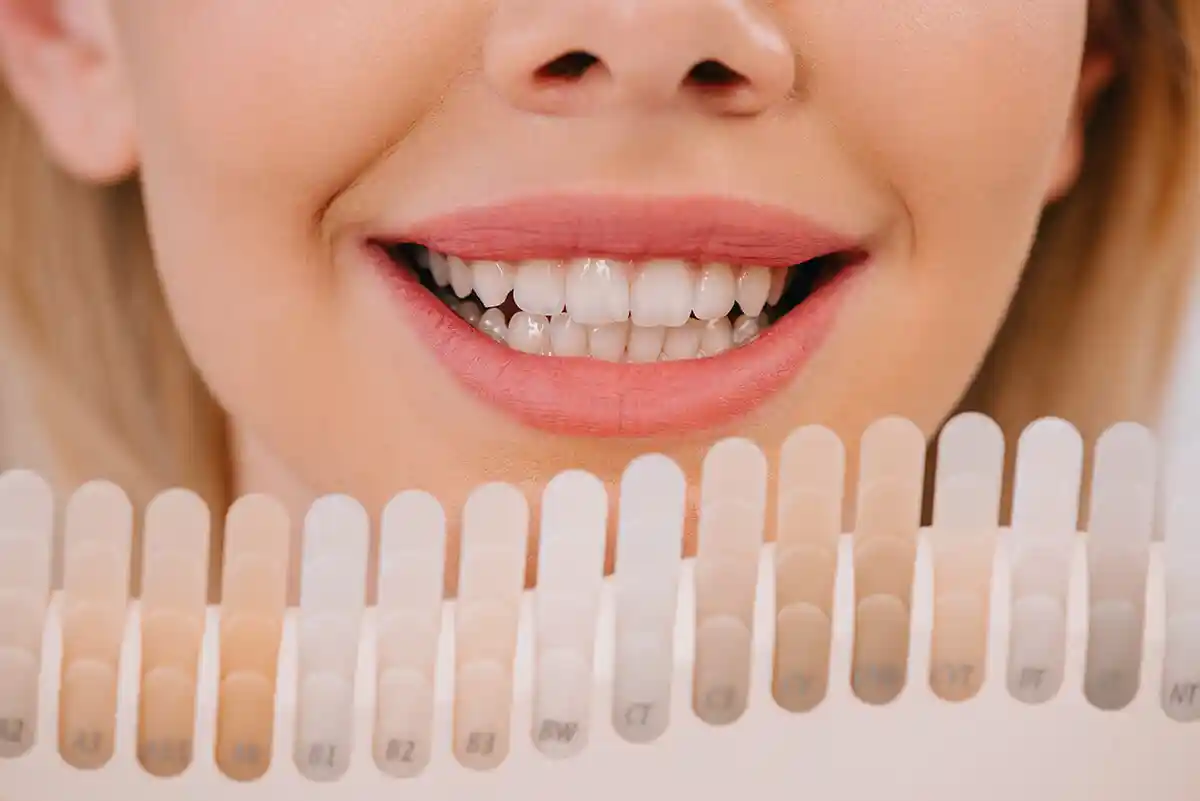
Laminate veneer (E-Max) applications constitute one of the most advanced building blocks of the micro-invasive (requiring minimal tissue loss) restoration philosophy in aesthetic dentistry. Popularly referred to as “porcelain leaves,” this system departs entirely from traditional crown methods where teeth are circumferentially reduced in a circular manner. The E-Max system utilizes proprietary lithium disilicate glass-ceramic technology to enable the manufacturing of plates that are extremely thin (with contact lens durability) yet possess exceptional bending resistance. In this manner, while the healthy dentin and enamel tissue of the tooth is preserved to the maximum extent, all form, positional, and shade imperfections along the smile line are smoothly eliminated by means of ceramic leaves that bond to the tooth surface with zero leakage.
- Micro-Invasive Architecture: The luxury of operating at a micron level solely on the anterior surface without altering overall tooth integrity.
- Lithium Disilicate Matrix: An optical transmittance level equivalent to the crystallized light refractive index of natural enamel.
- Glass-Ceramic Durability: Despite its delicate structure, transforming into a monoblock force when bonded to the tooth with specialized acid-proof seals.
How are E-Max Laminate Veneers Applied?
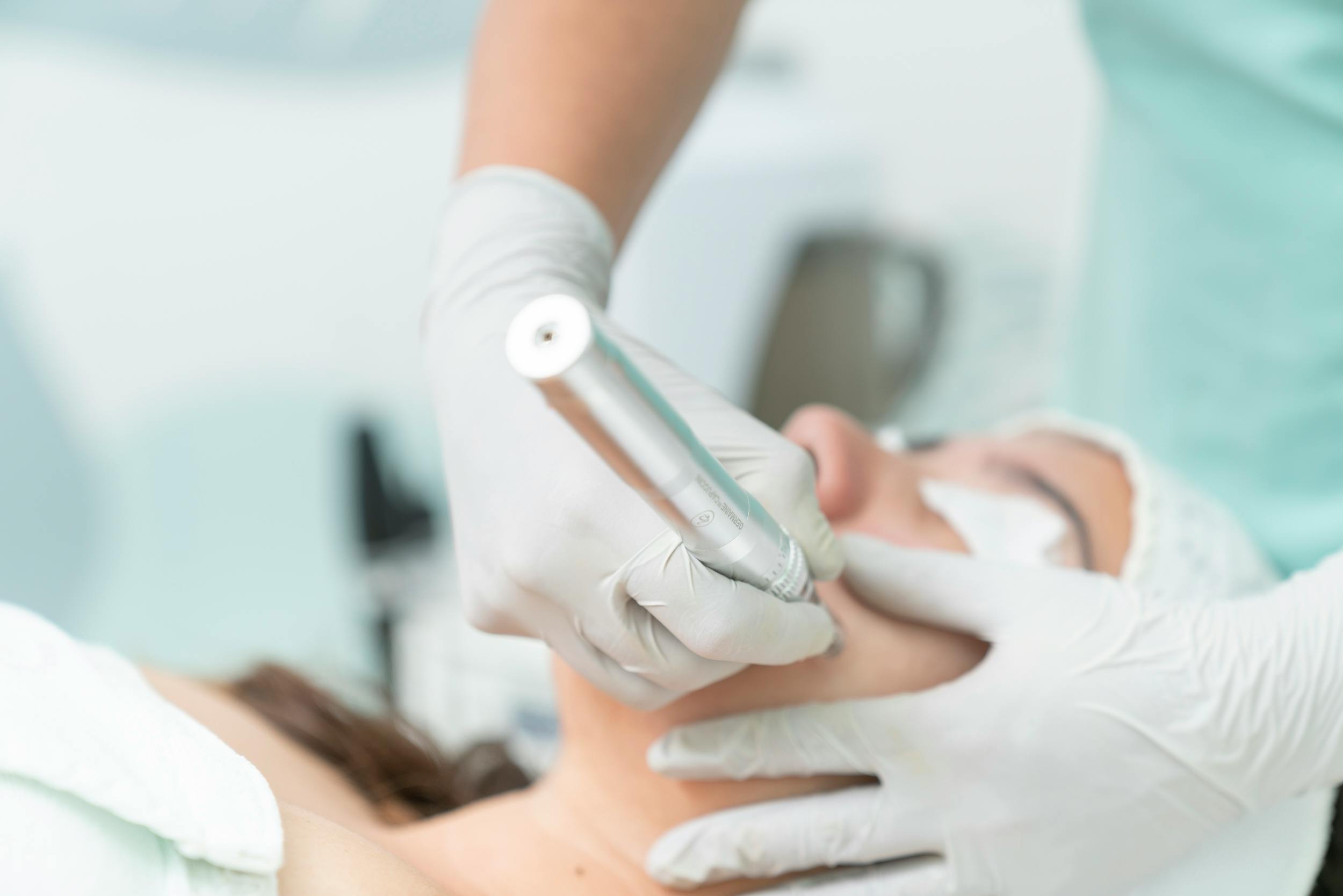
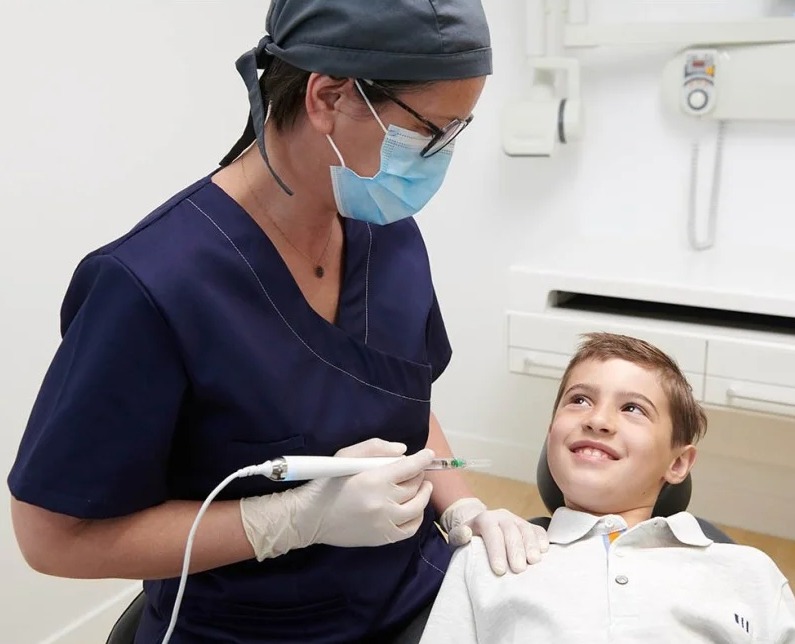
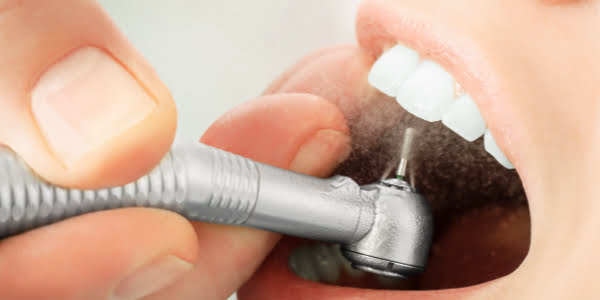
E-Max laminate veneer application is a high-precision procedure carried out with smooth steps in fully sterilized clinical environments under comfortable anesthesia, integrating digital scanning and robotic milling technologies. First, micro-level depth guide lines are traced over the anterior surfaces of the teeth to accommodate the laminates, and a minimal reduction is performed using diamond burs. Then, instead of traditional putty impression trays, the three-dimensional digital point cloud data of the teeth is transferred to the computer within seconds using 3D intraoral scanning cameras. The leaf teeth, millimetrically shaped in accordance with the patient’s facial features in computer-aided design (CAD) software, are manufactured robotically in computer-aided manufacturing (CAM) milling devices. In the final stage, the tooth surface is etched and adhesively locked with resin cements.
- Minimal Preparation: A micro-shaving phase ranging between 0.3 to 0.7 millimeters within the outer boundaries of the enamel layer.
- Optical Scanning Comfort: Digital mapping of finish lines via light waves without evoking a gag reflex in the patient.
- Hydrofluoric Acid Etching: Opening micro-pores on the inner surface of the laminate via acid without altering its smoothness, enabling its chemical fusion to the tooth.
- Light-Cured Polymerization: Curing the dual-cure resin cement with LED light sources to transform the tooth and ceramic into a single unified mass.
Who is Suitable for Laminate Veneer (E-Max) Applications?
This advanced technology aesthetic restoration process is medically suitable for any adult individual over the age limit of 18 who has completed jaw and facial bone development rhythms and is visually dissatisfied with the form, shade, or alignment of the teeth along the smile line. It is the most rational approach for conscious consultants who do not wish to have their teeth entirely reduced and aim to protect the natural biology of dental tissue. However, in individuals with severe parafunctional habits such as teeth grinding (bruxism), nail biting, or pencil chewing, or whose jaw closure relationship presents an edge-to-head occlusion (edge-to-edge bite), direct application without planning protective night splints is medically discouraged since excessive shearing stresses would be imposed on the micro-edges of the ceramic leaves.
- Those with Hereditary Discoloration: Patients exhibiting severe tetracycline or fluorosis stains whose shade cannot be lightened via chemical whitening (bleaching) methods.
- Those with Diastema Complaints: Individuals who have non-aesthetic gaps (spaces) between their front teeth and do not wish to undergo orthodontic brace treatments.
- Those with Mild Crowding: Cases presenting minimal rotation or positional errors in dental alignment that do not necessitate orthodontic clear aligners.
In Which Situations are Laminate Veneer Applications Preferred?
Preferring leaf-ceramic veneers containing lithium disilicate as a primary clinical choice over conventional full crown restorations is indicated according to the nature of the damage in the tooth tissue and the depth of aesthetic expectations. When the posterior internal walls of the tooth are completely sound while enamel defects, attrition, or fractures are present solely over the anterior surface, reducing the tooth circumferentially is a medical waste of tissue. The clinician rationally decides on this workflow of micro-surgical precision to preserve the vitality of the tooth and to weave an impenetrable aesthetic shield without exposing dentin tubules.
The primary clinical conditions where E-Max laminate veneer treatment is definitively preferred are as follows:
- In micro-fractures, serrated structures, and the disappearance of youthful curves occurring at the incisal edges of anterior teeth due to aging,
- In cases where old, poor-quality fillings change shade over time, creating a patchy, non-aesthetic darkness over the anterior tooth surfaces,
- In the presence of asymmetric dimensional irregularities (one tooth being short or narrow compared to another) that sabotage the facial symmetry lines of teeth during smiling,
- In situations where dental enamel has lost its genetically smooth structure, harboring hypoplasia or developmental surface cracks.
How is the Tooth Evaluation Conducted Before E-Max Laminate Veneers?
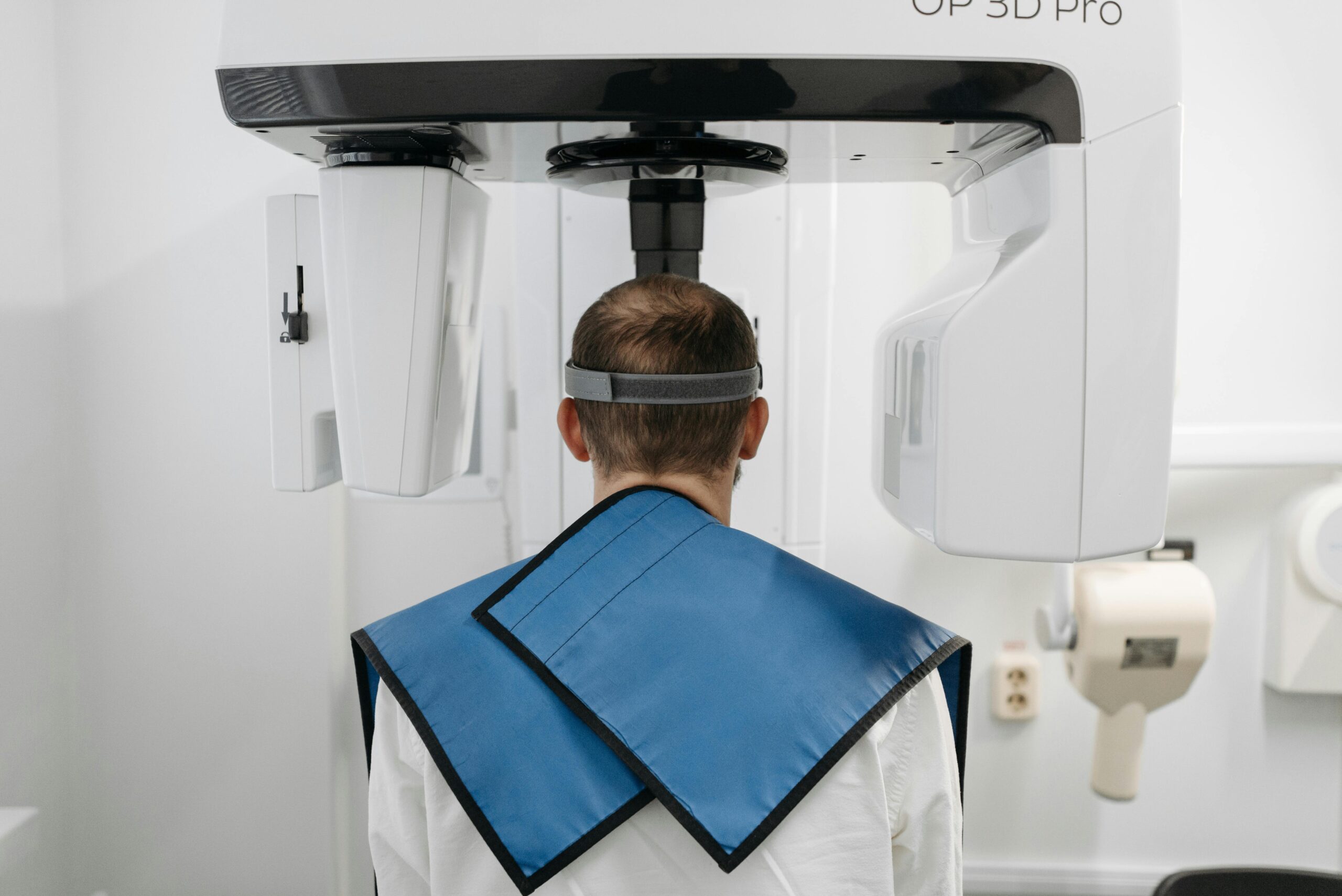
The clinical evaluation carried out before application sessions are initiated is the most vital analysis stage drawing the biomechanical boundaries of the restoration and verifying long-term relapse-free permanence. During the examination, the physician inspects the health and levels of the gingival margins with the help of periodontal probes; since capturing impressions in the presence of an inflamed or edematous mucosa compromises margin precision, oral hygiene care is mandatory beforehand. At this stage, to eliminate invisible, insidious interproximal caries, high-resolution digital periapical radiograph data are scanned layer by layer to verify enamel thickness; because it is a clinical necessity for the surface to which laminates will bond to harbor at least an 70-80% enamel layer so that the bonding strength (adhesion) does not diminish.
- Enamel Biotype Analysis: Mathematical measurement of the smooth enamel layer volume where adhesive bonding will take place following reduction.
- Bite (Occlusion) Dynamics Scanning: Scanning lower jaw movement lines to verify that the laminates will not be exposed to shearing forces during chewing.
- Vitality Testing: Inspecting the health of dental nerves via thermal tests to eliminate insidious pulp pathologies prior to the operation.
How is the Laminate Veneer (E-Max) Treatment Process Planned?
The planning of the E-Max workflow is executed over a phased digital algorithm according to the patient’s facial typology, lip expression arc, and occlusal movement boundaries. Steps to reduce teeth are strictly not taken while planning the process; all stages are simulated over online networks equaled to internet speed. The most critical element in planning is operating the “Mock-Up” (temporary design demo) phase, which enables the patient to physically see the outcome of the treatment in their mouth before any teeth are even reduced; in this manner, the patient and the physician jointly verify the final tooth form.
- Stage 1 (Digital Archive): Capturing the patient’s facial photographs in a studio environment and transferring the 3D digital impression to the cloud via an intraoral scanner.
- Stage 2 (Virtual Modeling – CAD): Virtual millimetric drawing of tooth lengths and curves in smile design softwares to suit the facial oval.
- Stage 3 (Mock-Up Application): The period of applying the designed form to the mouth using temporary composites to test it live in terms of speech and aesthetics.
- Stage 4 (Micro Reduction and Production): Performing micro-shaving along the anterior perimeter of the teeth after the demo is approved, robotic milling of E-Max blocks, and the permanent bonding session.
What are the Material Properties Used in E-Max Laminate Veneers?
The material engineering qualities harbored within E-Max glass-ceramic blocks have elevated them to the verified golden standard position for leaf-ceramic applications in aesthetic dentistry. This specialized raw material is obtained by embedding lithium disilicate ($Li_2Si_2O_5$) crystals in the form of a needle-like microstructure inside a resin matrix. This histological alignment imparts a refractive index to the material regarding light absorption and reflection that is identical to natural human enamel. Concurrently, it flexes the brittle glass structure of conventional ceramics, displaying high bending and crack-propagation resistance (ranging between approximately 400-500 MPa).
- High Translucency: A semi-transparent structural quality allowing light to filter through the block and penetrate into deep layers.
- Chemical Inertness (Passivity): A biocompatible nature that does not undergo corrosion reactions with intraoral acids, salivary enzymes, and food colorants.
- Micron-Level Thinning Capacity: Molecular bond integrity with reduced brittleness that does not lose its crystal structure even when milled down to a thickness of 0.3 mm.
How Do Laminate Veneer Applications Contribute to a Natural Tooth Appearance?
A natural human tooth is not an optically homogeneous, opaque mass; light enters through the transparent enamel layer on the outermost surface of the tooth, reflects by refracting from the semi-permeable dentin layer underneath, and this imparts depth, vitality, and smoothness to the tooth. Old-type metal-supported restorations or crowns with excessively dense, opaque infrastructures reflect light immediately from the surface, imposing a lifeless chalky white feel on the tooth. E-Max laminates, on the other hand, allow light to filter through the veneer and penetrate into their own tooth tissue just like a natural tooth, thanks to their superior light transmittance quality; this optical contribution verifies that the leaf-ceramic stands inside the mouth not like an artificial prosthesis, but like the person’s own vital organic tooth.
- Halo Effect Mimicry: Perfect copying of that natural transparent grayness and light ring at the incisal edges of teeth using ceramic shade layers.
- Buccal Corridor Brightness: Eliminating dark shadows and smoothly illuminating the smile by preventing teeth situated at the cheek corners from absorbing light.
What are the Differences Between E-Max Laminate Veneers and Zirconium Crowns?
The most radical difference between E-Max laminates and monolithic zirconium crowns lies in the mechanism by which restorations mount to the tooth, tissue reduction volumes, and the optical resolution coefficient of the material they contain. Zirconium is a structural ceramic with exceptionally high mechanical resistance (bending strength), and it wraps around the tooth like a hat by circumferentially reducing it in bridges and extensive deficiencies; its light transmittance is more opaque compared to E-Max. E-Max, on the other hand, is a glass-ceramic where aesthetics and light refraction quality are maximized; it does not reduce the tooth holistically, bonding solely to the anterior surface. The comparison table below lists the clinical parameters of both advanced technology restoration classes:
| Clinical, Aesthetic, and Mechanical Evaluation Criterion | E-Max Laminate Veneer (Leaf Glass-Ceramic) | Monolithic Zirconium Crown (Full Crown) |
|---|---|---|
| Reduction Volume from Tooth Tissue | Minimum level (10-20%); micro-shaving of only 0.3-0.7 mm from the anterior surface. | High level (60-70%); circular 1.0-1.5 mm reduction from all perimeters of the tooth. |
| Light Transmittance and Translucency Quality | Maximum level; the most aesthetic structure perfectly mimicking natural enamel. | Medium-High level; more dense and structurally opaque compared to E-Max. |
| Bending Resistance (Mechanical Strength) | Medium-High level (400-500 MPa); survives through adhesive bond strength. | Very high level (1200+ MPa); fully resistant to heavy hydraulic chewing shocks. |
| Tooth Bonding Character (Cementation) | Bonded chemically (adhesively); molecularly locked into enamel pores via etching. | Bonded mechanically and chemically; frictional force and crown retention are essential. |
| Most Frequently Preferred Clinical Situation | Anterior smile designs, diastema closure, and micro-aesthetic defects. | Posterior molar restorations, bridge prostheses, and persistent cases with excessive structural loss. |
How are Laminate Veneer (E-Max) Applications Used in Smile Design?
In smile design (Digital Smile Design) architecture, E-Max laminates stand as the most visionary aesthetic instrument combining artistic vision and digital software precision over the mucosa. While executing the design on the computer screen, the physician digitally calibrates the margin contour lines of the laminates according to the patient’s pupil axis, nasal ala width, and the curvature morphology the lower lip takes during smiling. This customizability of ceramic leaves ensures that a completely authentic, pure smile expression fully compatible with the individual’s character anatomy (feminine soft curves or masculine sharp lines) is re-established inside the mouth, far removed from generic molds.
- Zenith Point Synchronization: Symmetric alignment of the crest peaks of the gums with the margin boundaries of the laminates.
- Characteristic Formation: Bringing the visible volume (score) of the teeth between the lips during speech expressions to the golden ratio.
Which Teeth Can Laminate Veneers (E-Max) Be Applied To?
Leaf glass-ceramic technologies are primarily applied to the anterior tooth groups that constitute the aesthetic visibility zone of the dental arch and directly participate in the smile line. The anterior incisors are the main field of work, including the right and left canine teeth in the upper and lower jaws (6 teeth from canine to canine, or 8-10 teeth to encompass the premolars). Because posterior molars accommodate heavy hydraulic crushing forces and generate multi-directional chewing strains, the leaf design is not applied to the posterior group; E-Max empress crowns or monolithic zirconium systems must be selected in molar regions for holistic resistance.
- Central and Lateral Incisors: The aesthetic restoration zone of the primary front teeth that are fractured, worn, or spaced.
- Canine Teeth: Guide tooth lines shaping the facial arch angle, constituting the cornerstones of the smile.
- Premolars: The lateral tooth transition lines included in the process to fill out dark corridors during smiling.
How Does the Digital Design Process Progress in Laminate Veneer Applications?
The digital design (CAD) process in the E-Max laminate veneer workflow is an uninterrupted automation chain that inspects micro-margin errors that human hands and hand tremors might introduce using artificial intelligence algorithms. When the 3D data arriving from the intraoral optical scanner is transferred to the laboratory CAD software (e.g., Exocad), the technician and physician inspect the preparation boundaries over the anterior surface of the tooth by magnifying them 50 times in a virtual environment. Once finish lines are traced at a micron level, thousands of natural tooth forms from the software’s library are superimposed over the patient’s facial data, simulating leaf thicknesses and light transition corridors via computer.
- Virtual Occluder Integration: Eliminating early contact points of the laminates by simulating upper and lower jaw chewing movements on the computer.
- Robotic Milling (CAM): Sending the designed micro-data to multi-axis Milling Machine devices to carve it from a monolithic block with zero error tolerance.
How Long Does E-Max Laminate Veneer Application Take?
Thanks to the online data transfer speeds offered by the digital workflow, E-Max laminate veneer treatment possesses an exceptionally rapid, dynamic, and practical schedule that completely eliminates the grueling try-in losses lasting weeks in traditional manual prosthetic processes. Since analog stages like pouring plaster models or waiting for physical couriers are eliminated, the total completion duration for the entire anterior smile line—including reduction, digital scanning, and robotic milling—is smoothly finished within a short time frame of usually just 4 to 5 clinical business days.
- Session 1 (Preparation and Digital Scanning): Numbing and micro-shaving the anterior perimeters of the teeth, followed by 3D scanning; a session lasting 1 – 1.5 hours on average.
- Session 2 (Permanent Adhesive Cementation): Chemical locking of the laminates emerging from robotic devices onto the tooth surface using specialized light-cured resins; it takes approximately 10 minutes per tooth.
What Should Be Considered After E-Max Laminate Veneers?
There are some practical rules to be observed by the patient in the home environment following the procedure in order to make the aesthetic and medical success of the restoration session permanent and to preserve the full polymerization (setting) balance of the injected resin bonds. Since laminates bond to the tooth chemically, the risk of dislodgement is minimal; however, protecting the tissue from excessive mechanical strains during the first days keeps the molecular interlocking quality of the ceramic with the enamel safe and relapse-free over the long term.
The aspects to be meticulously followed at home during the critical post-operative phase are as follows:
- To prevent tongue and lip injuries, no food should be consumed for the first 2 hours until the effect of local anesthesia (numbness) wears off completely.
- Hard-shelled nuts like pistachios or hazelnuts must strictly not be cracked with the front teeth, and packaging lids should not be forced open with the teeth.
- Instead of biting into foods harshly with the front teeth (e.g., biting into a hard apple or bagel), a chewing habit of dividing portions into the posterior molar beds should be adopted.
- Patients with a history of teeth clenching or grinding (bruxism) must regularly wear their fabricated night guards during sleep to prevent tension cracks from forming at the micro-tips of the laminates.
What are the Factors Affecting the Lifespan of Laminate Veneer Applications?
The ability of E-Max laminate restorations to remain inside the mouth for decades without breaking, falling, or leaking depends directly on the quality of “adhesive cementation” during the session working in full coordination with the patient’s functional home hygiene diligence. The glass-ceramic material inherently does not undergo corrosion or wear; however, the sole factor determining the long-term success of the prosthesis is that not even a microscopic amount of salivary moisture was allowed to leak onto the canal or tooth surface at the moment of bonding.
- Absolute Moisture Isolation (Rubber Dam): Blocking oral fluids from the line using rubber dams during the bonding session; if moisture leaks, bonding strength collapses by 80%.
- Acid Etching Duration Calibration: Second-by-second control of the phosphoric acid duration applied to the enamel surface; insufficient or excessive etching pulls down the retention coefficient.
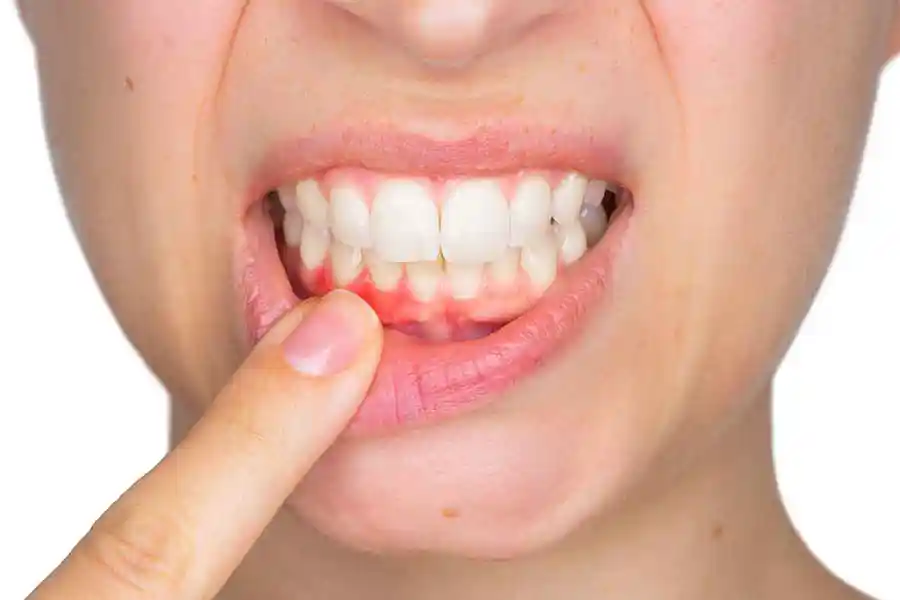
- Periodic Gingival Inspection: Protecting the gums from inflammation; as long as the mucosa does not recede, laminate finish lines remain sealed.
What are the Advantages of E-Max Laminate Veneers?
The advantages brought to aesthetic dentistry practices by lithium disilicate leaf-porcelain technology do not merely create an immediate optical illumination, but also bring the biological integrity of dental tissues under protection. Shrinkage risks present in manual laboratory stages are completely eliminated in the digital CAD/CAM chain. Knife-edge smooth finish lines emerging from robots offer the patient lifelong smile comfort and tissue hygiene success.
- Maximum Tissue Conservation: It preserves tooth strength exactly as it was, since the posterior and lateral walls of the tooth are untouched.
- Permanent Color Assurance: Prevention of coffee, tea, and nicotine stains from infiltrating into the material thanks to the smooth glaze of the glass-ceramic surface.
- Allergy-Free Bio-Integrity: It produces no purple rings or toxic reactions in the oral mucosa since it harbors no metal alloys in its content.
- Gingiva-Friendly Structure: Preserving pink aesthetics as the porcelain surface smoothness creates zero irritation along the gingival margins.
With Which Aesthetic Dental Treatments Can Laminate Veneer (E-Max) Applications Be Planned Jointly?
E-Max laminate protocols can be planned within a combined synergy with other modern instruments of aesthetic dentistry to holistically elevate facial rejuvenation architecture and smile quality to the pinnacle. While mucosa and enamel boundaries in the anterior region are sharpened with ceramic leaves, deficiencies or volume losses in the posterior layers can be treated simultaneously with different robotic units; the combination schedule is designed according to the result of the detailed facial analysis to be performed by the specialist physician.
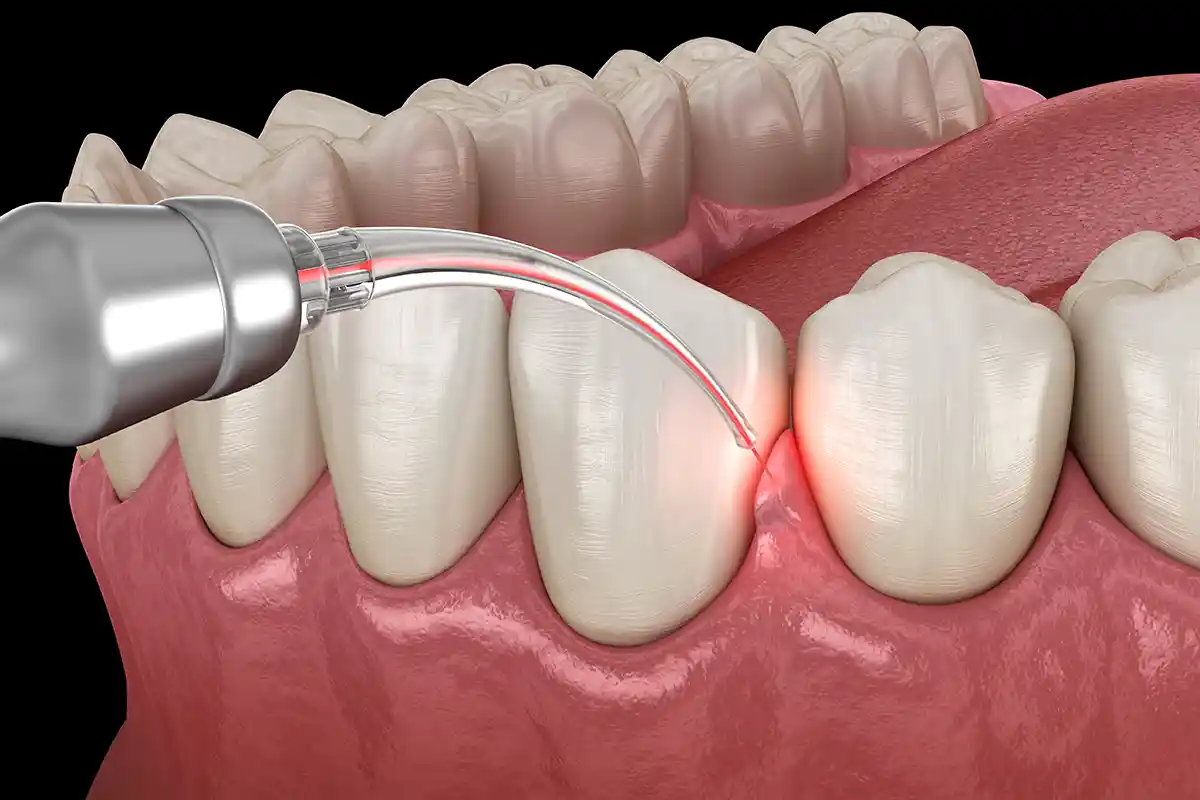
- Pink Aesthetics (Gingivectomy): Laminate assembly performed after gingival crests are leveled with lasers and a gummy smile appearance is eased brings aesthetic resolution to the top.
- In-Office Whitening (Bleaching): Medical whitening cures executed to lighten the shade of posterior lateral teeth and match their tone with the laminates, if laminates are planned for only the front 6 teeth.
- Medical Lip Fillers: The process of finalizing the smile arc by framing the facial line—whose vertical dimension and lip support have been established with laminates—using micro hyaluronic acid fillers.
How Should Laminate Veneer (E-Max) Care Be Maintained?
Since ceramic leaves are artificial glass-ceramic structures, they cannot display a biological decay reaction; however, that micron-level finish line boundary where the laminates end and join your own natural tooth enamel is the most delicate corridor inside the mouth for bacterial plaque to accumulate. If home hygiene is neglected along these margins, plaque accumulations can cause the adhesive cement to leak over time, initiating insidious caries over your own tooth surface underneath the veneer; to zero out these risks, a disciplined cleaning schedule must be applied in the home environment.
- Correct Brushing Discipline: Brushing at least twice a day for 2 minutes with a soft-bristled brush using vertical sweeping massaging movements from the gums toward the tooth (highly abrasive baking soda pastes should not be used).
- Vertical Flossing: Eliminating plaque by rubbing dental floss up and down linearly every night between the interproximal contact surfaces of the laminates.
- Oral Irrigator Integration: The necessity of blasting away micro food remnants trapped along the boundaries where the ceramic leaf joins the gingiva with hydraulic power using devices spraying pressurized water, without mechanical contact.
What are the Frequently Asked Questions About Laminate Veneer (E-Max) Applications?
Presented below are the most common practical concerns arising in the minds of consultants planning to undergo E-Max laminate veneer restorations to rid themselves of form and shade defects along the smile line and achieve a smooth pink-white aesthetic harmony, along with their polyclinic medical answers:
Are E-Max laminate ceramic leaves easily broken during chewing or do they fall off the tooth because they are very thin?
No, this is medically and physically impossible in cases bonded with the correct technique. E-Max laminates are fragile like a leaf when outside the mouth; however, when they are adhesively bonded to the tooth surface under absolute moisture isolation (rubber dam) by means of specialized etching and light-cured resin bonding agents, they integrate with the tooth strength at a molecular level. Since they become a single unified mass (monoblok) with the tissue, the laminate falling off on its own or breaking during chewing is out of the question as long as your own tooth enamel does not fracture.
Will I feel a lot of pain or discomfort while the anterior surface of my teeth is being shaved to receive laminates?
No, you will definitely not feel the slightest pain or sting. Clinically powerful topikal numbing gels are applied to the gingival mucosa prior to the procedure, followed by the administration of local solutions at a speed suitable for tissue resistance via computer-controlled digital anesthesia units to ensure full desensitization. Since the reduction process is conducted solely within the outermost insensitive enamel layer (at a level of 0.5 mm) and deep, sensitive dentin nerve canals are not entered, the session is completed in a highly comfortable and practical manner.
Do E-Max laminates change shade and turn yellow in subsequent years due to the use of tea, coffee, or cigarettes?
No, E-Max lithium disilicate glass-ceramic materials cannot inherently or environmentally exhibit a tendency to change shade or turn yellow; because a glossy glass glaze layer is applied onto them in high-temperature ovens after production. This smooth glaze layer prevents coffee pigments or cigarette tar nicotine molecules from attaching by forming chemical bonds with the material surface; superficial debris slides away instantly with daily brushing, and the veneer preserves its first-day brightness for a lifetime.
Is it possible to have ceramic leaves (Non-Prep Laminates) fabricated over my teeth with no reduction at all, meaning zero shaving?
Yes, this situation is successfully implemented in our clinical standards using “Non-Prep Laminate” (shaveless laminate) technology; however, not every oral structure is biologically suitable for this method. If wide gaps (diastemas) are present between your teeth or your teeth are positioned backward volumetrically, E-Max leaves manufactured by directly capturing impressions without shaving even a single millimeter can be bonded over the tooth. In situations where teeth are protruded or crowded, micro-shaving is mandatory to avoid increasing the protrusion.
Can I return to my normal life, work, and social activities immediately on the day my laminate treatment is finished?
Yes, E-Max laminate veneer application is a completely local and micro-invasive prosthetic workmanship that does not disrupt consciousness, affect motor skills, or involve surgical scalpel incisions or sutures; therefore, the exact minute your laminates are permanently bonded in your mouth, you can stand up from the chair and continue your normal daily, vocational, social, or academic life rhythm uninterrupted from where it left off; there is no clinical obstacle whatsoever to driving a car or participating in business meetings or social gatherings immediately after the procedure.
Who We Are & Panorama Ankara Oral and Dental Health
Panorama Ankara is a licensed oral and dental health center that offers institutional health assurance to its patients by combining an academic expert staff and the latest global bio-technological digital infrastructure under a single roof, across all specialty branches of dentistry, primarily oral, dental, and maxillofacial surgery, advanced implantology, microscopic endodontics, periodontology, and aesthetic dentistry. Attaching vital importance to completely eliminating guesswork, human error-induced marginal finish line inaccuracies, and those old putty impression trays that cause gagging stress to the patient in treatment practices, our center operates uninterrupted Digital Dentistry (CAD/CAM) and Monolithic E-Max Laminate Veneer (Porcelain Leaves) aesthetic ecosystems with a strict calendar discipline.
Under the roof of Panorama Ankara, absolute sterilization, high patient safety, transparency, and honesty principles are operated with uncompromising determination by regulation in full compliance with medical codes in all diagnosis, radiological scanning, design, and robotic production interventions. In our clinical practices, proprietary intraoral scanners with micron-level point cloud processing resolution and smart artificial intelligence integrations, high-axis milling robots, and vacuum sintering units that flawlessly complete porcelain crystallization are administered with millimetric precision under the supervision of our expert aesthetic dentist and prosthodontist staff. Our aim is not to impose old-type, slow, overly reductionist, and incompatible restoration molds upon our patients; but rather to analyze each individual’s jawbone quality, occlusion mechanics, and facial aesthetic golden ratio boundaries in 3D on a digital screen prior to the operation, achieving maximum session comfort without harming surrounding soft tissues and sensitive vascular pathways, a same-day dentistry standard, and smooth smile designs to be used with lifelong sealing. If you postpone your treatments due to fear of the dentist chair or time limitations despite being tired of your short tooth lines, the spaces between your front teeth, or your unremitting hereditary discolorations when looking in the mirror, and want to initiate your end-to-end digital smart treatment process with scientific assurance in an expert institutional center environment; you can safely protect your health and smile integrity by contacting the expert staff of Panorama Ankara for your detailed 3D intraoral scanning and digital planning analysis.