

What is Bleeding Gums Treatment?
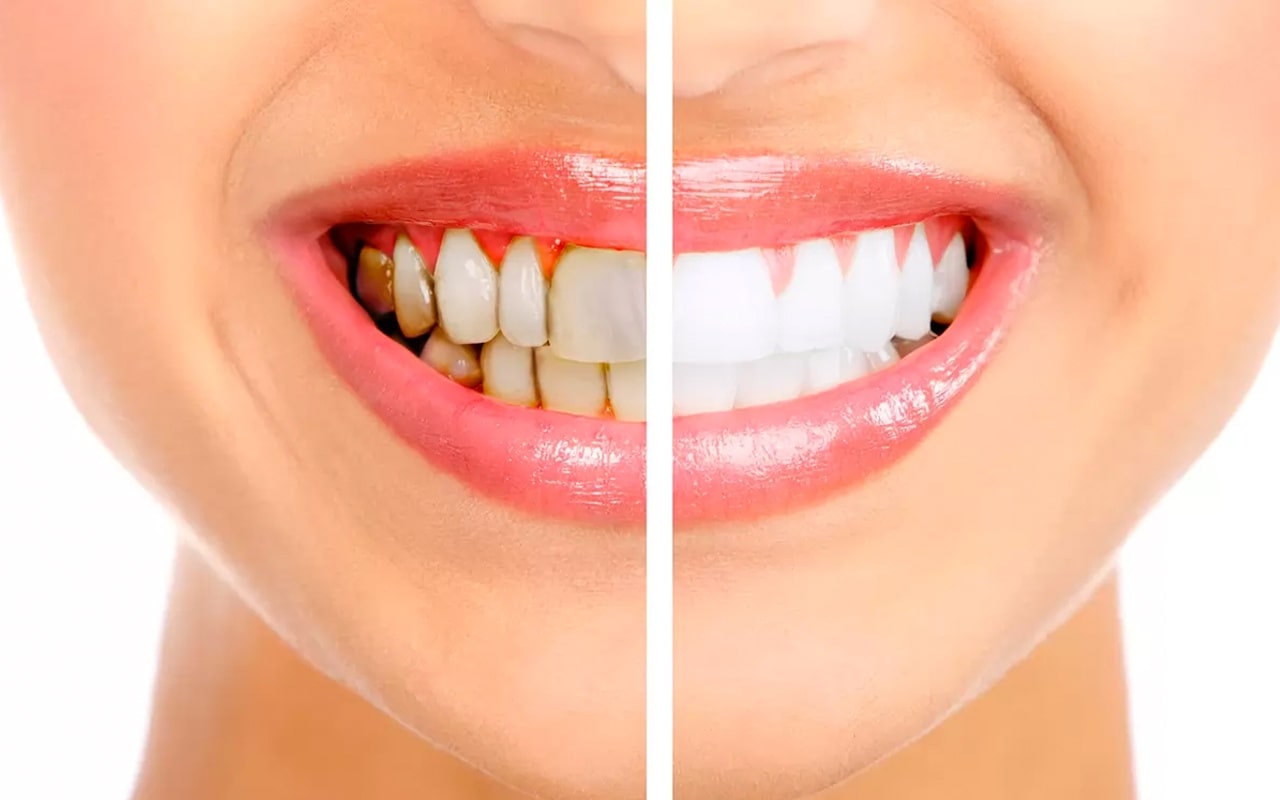
Bleeding gums treatment is the most fundamental clinical periodontology procedure aimed at preserving the integrity of soft tissues within the oral cavity and maintaining the homeostatic balance of the organism. Healthy gum tissue exhibits a pale pink shade, a smooth orange-peel appearance, and is completely resistant to mechanical stimuli; demonstrating bleeding during brushing or chewing is the primary clinical evidence that the tissue is under microbial siege. The treatment is not merely a superficial cleaning process; it relies on the philosophy of purifying anaerobic pathogens colonizing inside the gingival sulcus, stabilizing damaged vascular beds, and halting insidious jawbone resorption processes.
- Inflammation-Oriented Therapy: Eliminating toxin mechanisms that induce edema and congestion (blood pooling) within the tissue.
- Disrupting the Biofilm Shield: Shattering sticky bacterial matrices coated along the gingival margin that cannot be stripped away via brushing.
- Restoration of Tissue Homeostasis: Ensuring the periodontal ligament fibers biologically re-lock and anchor against the tooth neck.
Why Do Gums Bleed?
The bleeding reflex in soft tissue walls is a multifactorial pathology demonstrating a direct correlation between inadequate intraoral hygiene and the systemic resistance parameters of the organism. The most common root cause is soft plaque left on tooth surfaces after meals combining with calcium minerals within 48 hours to turn into hard dental calculus (tartar). The calculus disrupting smooth enamel to adopt a rough rock form facilitates new bacteria adhering to the zone. Acids and toxins secreted by bacteria erode the walls of micro-capillaries within the gums, increasing permeability and causing vessels to rupture and bleed at the slightest brush stroke.
- Inadequate Mechanical Cleaning: Insidious calculus accumulating in interproximal spaces due to the non-use of dental floss and interdental brushes,
- Bruxism and Trauma: Uncontrolled teeth clenching fracturing bone structures at the cervical region and desensitizing the gums,
- Hormonal Fluctuations: Estrogen/progesterone balances increasing mucosal sensitivity during pregnancy (pregnancy gingivitis), puberty, or menopause,
- Systemic Illnesses and Medications: Uncontrolled diabetes, leukemia, vitamin C/K deficiencies, and the utilization of blood-thinning medical agents like aspirin.
With Which Symptoms Can Bleeding Gums Co-Occur?
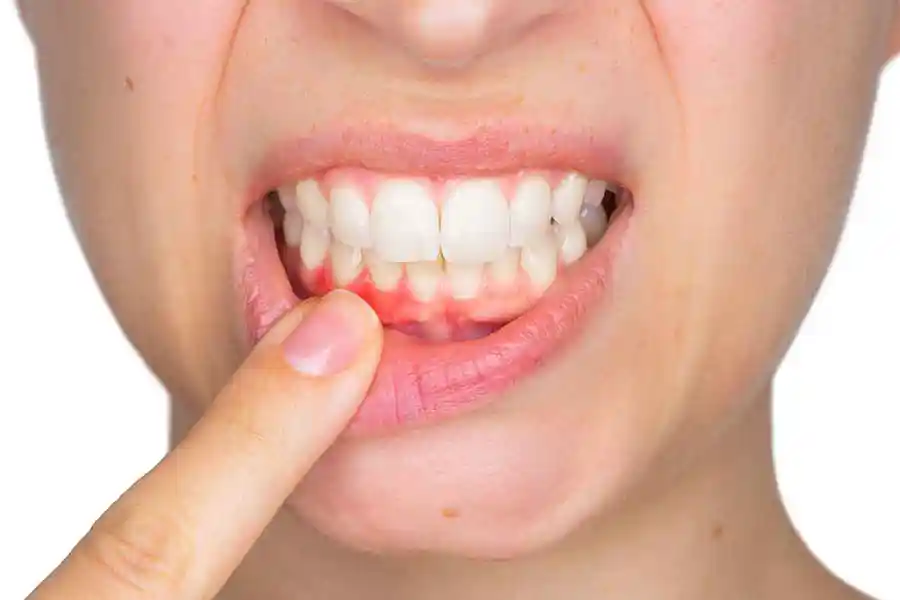
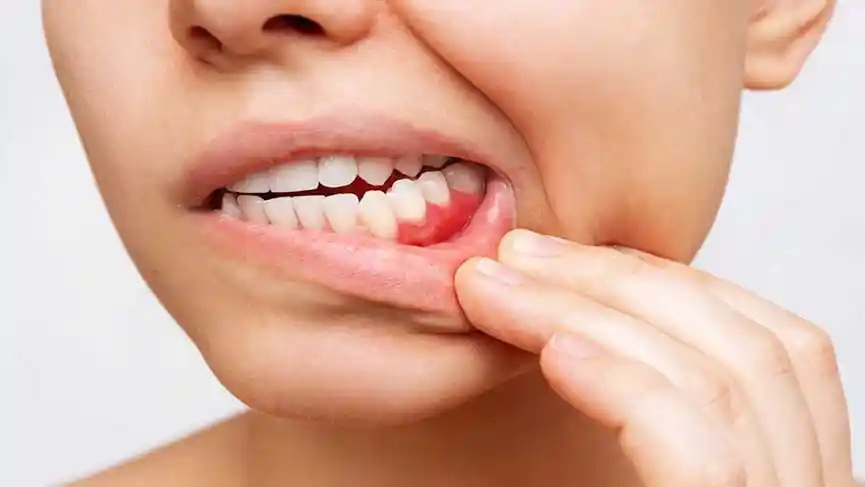
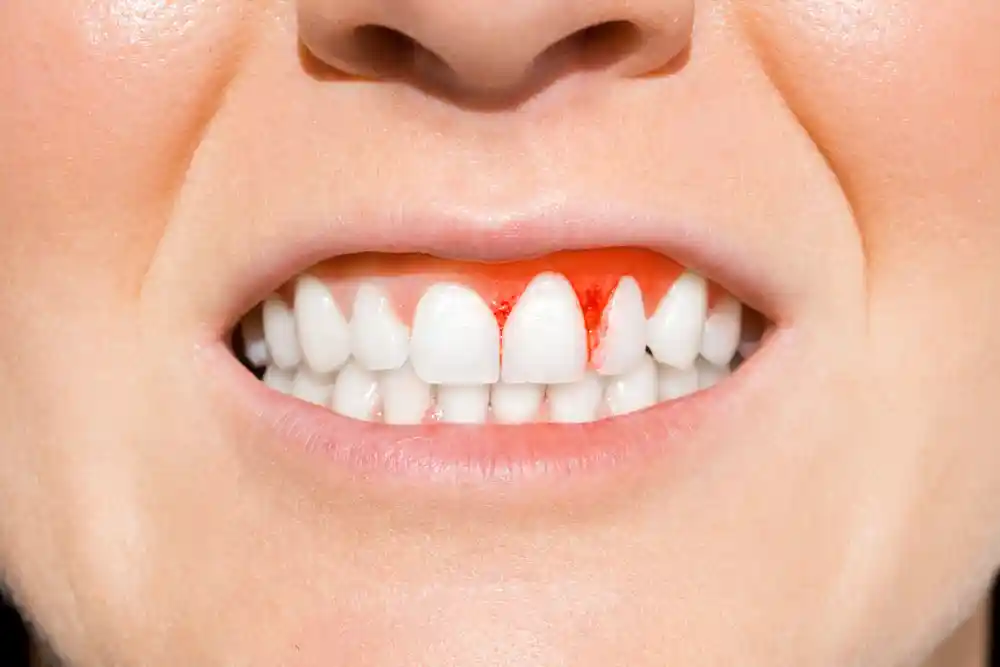
Bleeding in periodontal tissues typically does not manifest as an isolated finding; it accompanies the clinical presentation alongside other structural tissue damages generated across the mouth by an insidiously advancing gum disease (gingivitis or periodontitis). Volumetric swelling of the gums (filling with edema fluid) and adopting a bright, dark red-purple shade is the clearest external reflection of blood pooling in the vessels. As bacterial activity escalates, a persistent metallic taste perception settles within the oral cavity.
- Chronic Halitosis (Dissemination of Bad Breath): Volatile sulfur gases secreted by bacteria imbuing the breath with a stubborn odor,
- Gum Recession and Clefts: Stretched soft tissue slipping downward to expose sensitive tooth roots,
- Formation of Black Triangles: Resorption of the triangular tissue piece (papilla) between teeth, opening spaces where food becomes trapped,
- Teeth Loosening (Mobility): Teeth losing skeletal rigidity and loosening as a consequence of inflammation spreading into the jawbone.
Who is Bleeding Gums Treatment Suitable For?
Bleeding gums treatment protocols are medically suitable for children and adult individuals of all age groups who observe blood in their saliva spontaneously or during brushing, experience bad breath complaints, and aim to halt gum recession. Because the system involves no general anesthesia (narcosis) or heavy surgical incisions, it can be executed with a high safety and comfort profile regardless of the general health status (under clinician supervision). Particularly, women whose gums bleed excessively due to hormonal surges during pregnancy and diabetic patients with rapid periodontal destruction rates due to blood sugar imbalances constitute the primary and mandatory target audience for this treatment.
| Patient Group / Oral Status | Clinical Suitability Level | Expected Tissue and Biological Response |
|---|---|---|
| Those with Superficial Gum Inflammation (Gingivitis) | Fully Suitable / Ideal | Subdues edema, conclusively halts bleeding within 1 week; tissue reclaims its original native state. |
| Deep Jawbone Resorption (Periodontitis) Cases | Fully Suitable / Mandatory | Halts the velocity of bone destruction, preventing risks of teeth loosening and shedding. |
| Users of Blood-Thinning Medical Drugs | Controlled Suitability | Executed through clinician coordination with minimal traumatic tips, monitoring clotting balances (INR). |
| Patients with Acute Oral Open Wounds / Aphthae | Postponable Suitability | Only antiseptic lavage is applied until open wounds and aphthous foci on the mucosa are completely repaired. |
How are Bleeding Gums Diagnosed?
The diagnosis of bleeding gums executed in clinical environments is not merely a visual observation; it incorporates objective analysis steps validating the depth of infection and bone damage via mathematical parameters. During the examination session, the clinician guides specialized medical instruments calibrated with millimetric rulers, termed “Periodontal Probes,” inside the gingival pocket to record “Bleeding on Probing” (BOP) indices; if blood leaks from the pocket the exact second the probe tip touches it, it is verified that the microscopic epithelial layer in that region has completely ulcerated (broken down). This objective scoring clarifies the stage of the disease to chart the route of the treatment plan.
- Probing Pocket Depth (PPD) Measurement: Determining how many millimeters beneath the gingival margin (onto the root surface) inflammation has descended.
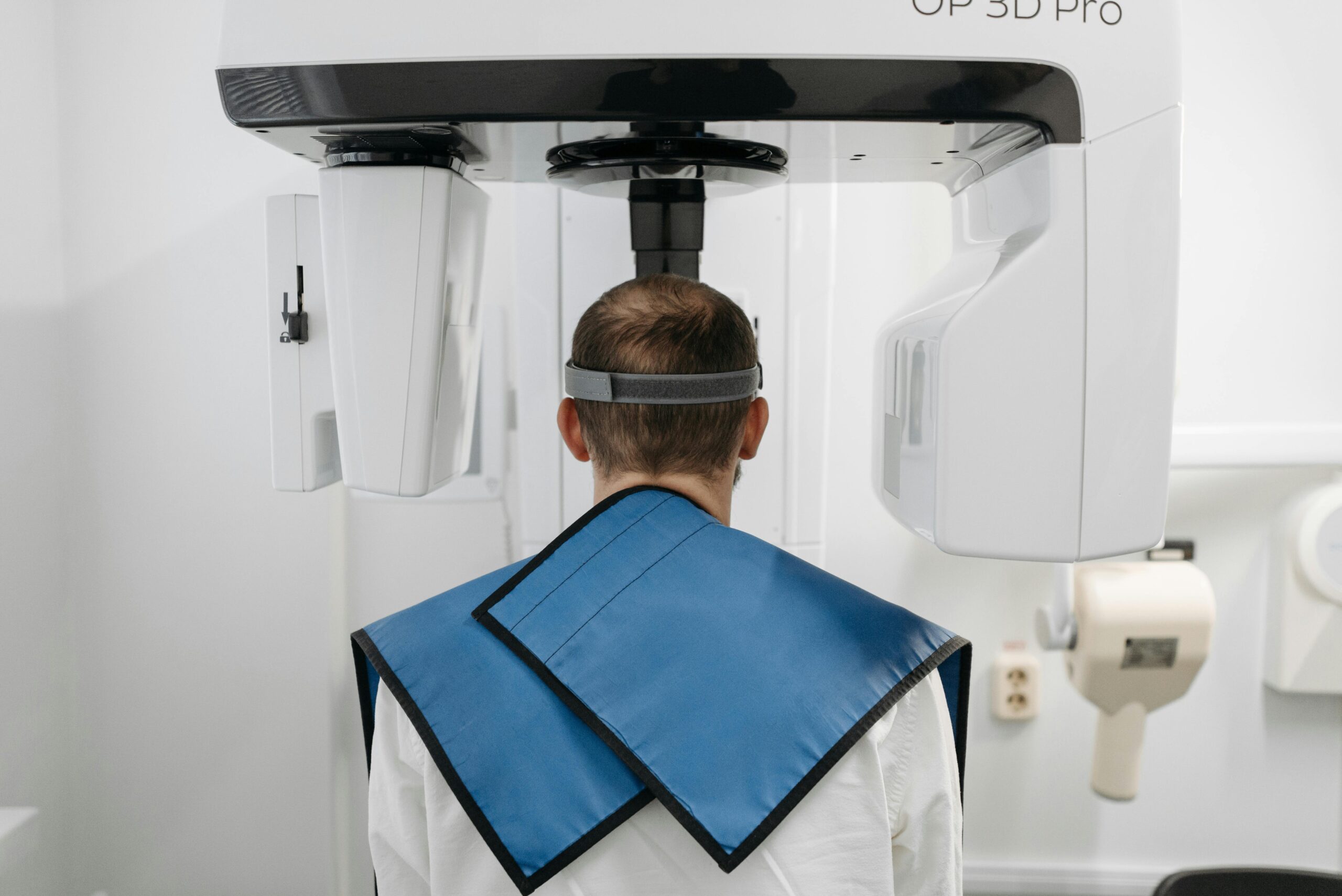
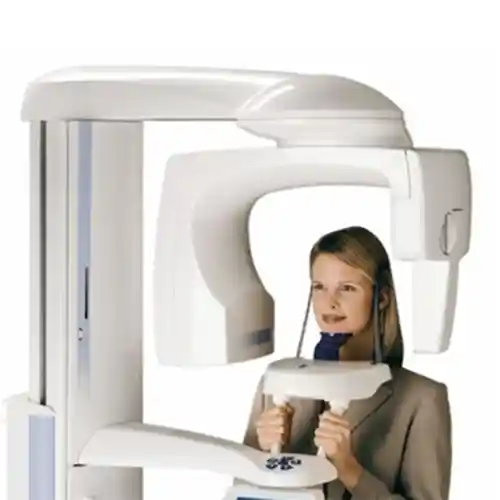
- Digital Panoramic Radiography Scanning: Evaluating the vertical and horizontal resorption map across the alveolar jawbone surrounding tooth roots.
- Biotype and Plaque Analysis: Monitoring bacterial density within the oral cavity on the screen with the aid of herbal plaque disclosing tablets.
How is Bleeding Gums Treatment Planned?
Planning the bleeding gums treatment protocol is executed across a staged algorithm tailored to the patient’s existing periodontal pocket depths, the chronicity of bone loss, and systemic risk factors (smoking, diabetes, etc.). Definitive solutions are not promised via a single-session superficial teeth cleaning during workflow planning; because root surfaces must also be planed in periodontitis cases where inflammation has settled into deep pockets. In planning, mechanical purification steps that will lower the coarse intraoral pathogen load are carefully scheduled first, followed immediately by deep-plan therapies that will restore the sub-layers of the tissue.
- Phase 1 (Mechanical Purification and Scaling): Splitting visible calculus with ultrasonic waves and blasting away the biofilm via Airflow.
- Phase 2 (Subgingival Curettage): Traveling inside deep pockets to clear micro-calculus and diseased granulation tissues on the root surface.
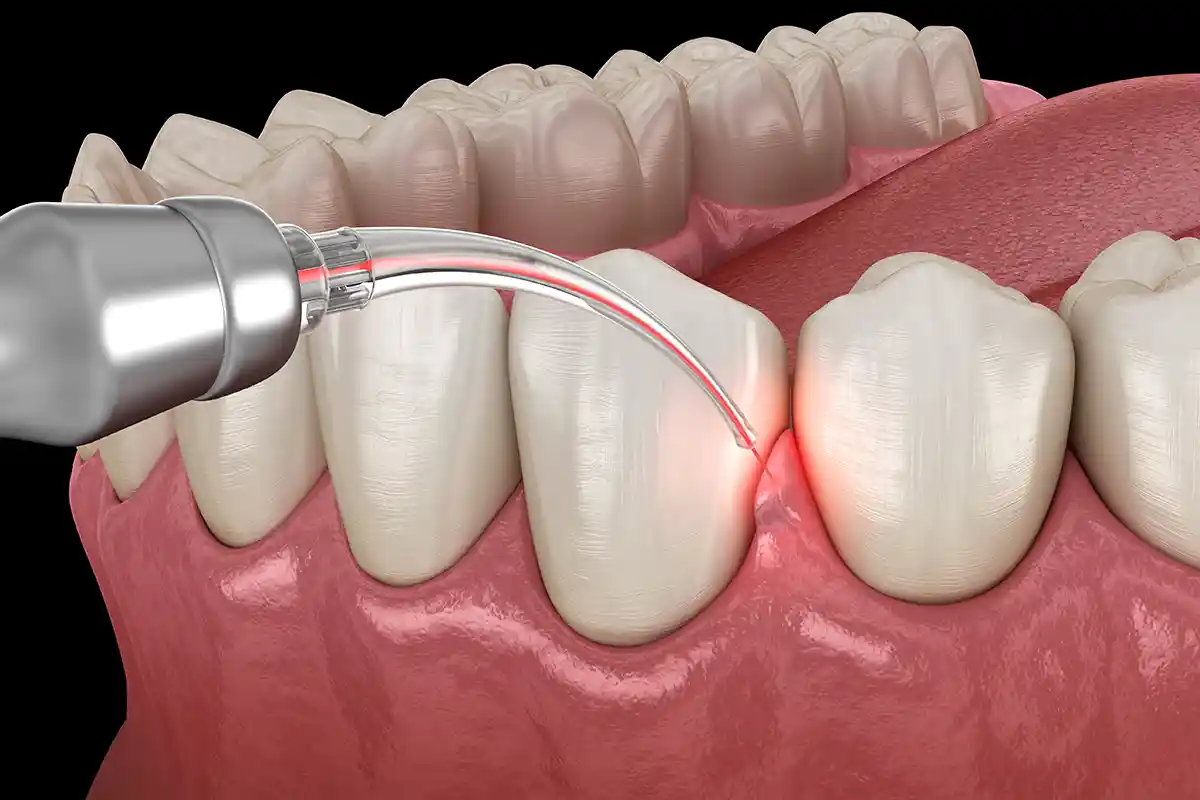
- Phase 3 (Laser Sterilization): Scanning the interior of cleared pockets with medical laser beams to dry out the infection at a cellular level.
- Phase 4 (Maintenance and Monitoring): Following up the patient at 3 or 6-month intervals to preserve the acquired healthy pink form without recurrence.
Which Methods Are Applied in Bleeding Gums Treatment?
Evidence-based mechanical, chemical, and technological therapeutic methods designed in accordance with the stage of bleeding and depth of structural tissue destruction are deployed in periodontology practices. While superficial purification methods remain adequate for early-stage gingivitis cases; micro-surgical interventions stand as the primary medical rule when inflammation has reached the bone. Which method will be selected is decided as a result of millimetric attachment and pocket depth analyses conducted by the clinician.
The primary clinical methods actively used to halt bleeding gums include:
- Ultrasonic Scaling (Piezo Systems): Splitting solidified tartars on the tooth surface through sound waves without compromising enamel integrity,
- Root Surface Planing (Root Planing): Smoothing the cementum layer on the root surface with the aid of specifically angled Gracey curettes,
- Subgingival Chemical Irrigation: Flushing the interior of inflamed pockets with potent chlorhexidine-based medical antiseptic fluids,
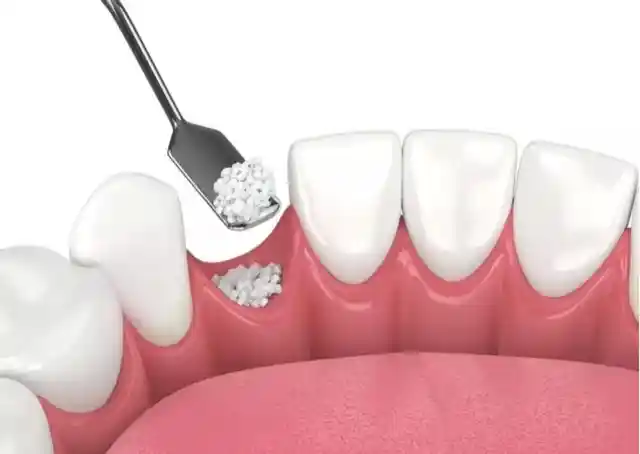
- Flap Operations (Surgical Intervention): The phase of surgically opening the gum tissue in advanced cases to scrape intraosseous inflammation and pack bone graft (powder).
Does Teeth Cleaning Help Reduce Bleeding Gums?
Yes, teeth cleaning (detartrage) is the most robust, direct, and indispensable primary treatment step verified by the medical world for reducing and completely eliminating bleeding gums; because dental calculus is the main infection factory triggering the bleeding. The calculus compromising smooth enamel to turn into a porous sponge-like bacterial nest exposes the gums to a continuous chemical toxin bombardment. When these hard masses are cracked and split off from the tooth within seconds via ultrasonic Piezo units, the mechanical wedge pressing against vascular walls and the microbial burden are eradicated; this instantly subdues the bleeding reflex.
“Attempting to halt bleeding gums with toothpastes without undergoing teeth cleaning is a medical misconception equivalent to applying wound cream without extracting the nail pierced into the foot.”
How Are Periodontal Treatments Applied in Bleeding Gums?
The mechanism of applying periodontal treatments to the bleeding presentation incorporates a deep-plan purification chain focused on invisible dark pockets beneath the gums (the subgingival zone), going beyond merely cleaning the tissue superficially. During the procedure, ulcerated, diseased epithelial cells on the inner wall of the gingival pocket and micro-tartar residues adhered to the root surface are millimetrically scraped and cleared from the line via periodontal curette instruments displaying high manual sensitivity. Smart laser beams deployed immediately following the cleaning kill anaerobic bacteria at the base of the pockets through photo-thermal energy; sealing vessels to ensure the session concludes with a complete homeostasis and structural tissue tightening balance.
- Curettage Phase: Manual scraping of inflammation-producing granulation tissues on the inner boundary of the gums,
- Laser Photodynamic Therapy: Micro-sterilizing pockets through beam power to trigger new vessel formation (angiogenesis),
- Root Planing: Honing root surfaces to a razor-smooth form to make it difficult for bacteria to re-adhere.
How Do Bleeding Gums Affect Oral Health?
The chronic bleeding cycle in soft tissues is the most aggressive pathology signal dragging the oral health ecosystem into destruction along a linear path and paralyzing the local defense mechanisms of the organism. A bleeding gum is an open-door indicator that the protective epidermal barrier of the skin has broken down and intraoral pathogenic bacteria can infiltrate directly through capillaries into the general blood circulation. This condition melts the periodontal fiber chain anchoring the gums, collapsing vertical structural attachments; the alveolar bone bed surrounding the teeth empties, opening the gates wide to subsequent tooth loss.
- Triggering Bone Resorption: Osteoclast cells rapidly resorbing the jawbone due to the activation of inflammatory cytokines,
- Formation of Secondary Caries: Risks of the defenseless root cementum layer decaying swiftly along receded and bleeding margin lines,
- Fading of Facial Expression: Bruising and swelling in the gums generating a matte, aged, and fatigued smile shadow across the face.
How Long Does Bleeding Gums Treatment Take?
The total duration of bleeding gums treatment varies based on the stage of the patient’s existing periodontal damage (whether it is gingivitis or advanced periodontitis) and the number of jaw quadrants to be operated on. In gingivitis cases harboring strictly superficial gum inflammation, ultrasonic scaling and Airflow stain removal phases are typically completed in a single clinical session lasting 20 to 30 minutes. However, if subgingival curettage protocols requiring scraping of the lower layers in the presence of deep pockets are scheduled, the workflow is split across jaw hemispheres into 2 or 4 sessions to avoid stressing the tissue.
- Standard Scaling Session: A practical half-hour mechanical purification period (does not disrupt busy schedules),
- Deep Curettage Appointment: A meticulous craftsmanship schedule spanning 2 sessions split into localized zones, lasting an average of 45 minutes per session,
- Clinical Healing Timeline: It takes an average of 7 to 10 days post-procedure for the gums to completely stop bleeding and turn pink.
How Does the Healing Process Advance Following Bleeding Gums Treatment?
Because it is a minimally invasive purification workflow where the skin and gums are not incised externally with a scalpel, the tissue recovery phase post-procedure advances through highly rapid, predictable, and comfortable steps. Experiencing a mild sting, tingling, or micro pink leakages in the saliva across areas emptied of dental calculus during the initial 24-48 hours is a completely natural repair reflex the tissue exhibits against stimulation. The healing process flows along a linear path; as edema fluid is drained via lymphatic channels, the gums shed that diseased red swollen form to reclaim their healthy, non-bleeding, pale pink structure within 1 week.
- First 24 Hours (Homeostasis): The initial protection phase where vessel ends are sealed and spitting pressure must be avoided,
- Days 3 to 5 (Tissue Tightening): Subduing of redness in the gums and the tissue beginning to constrict and adhere tightly to the tooth neck,
- Day 10 (Final Restoration): Marginal epithelium integrity matches completely with the extracellular matrix, verifying smooth purification.
What Should Be Considered Following Bleeding Gums Treatment?
To make the success of the periodontal session permanent, support the rapid repair of stimulated mucosal margins, and zero out infection risks, basic rules exist that the patient must observe at home post-procedure. Tooth surfaces newly cleared of calculus and sensitive dentin tubules transition temporarily into a phase more susceptible to external factors during the initial hours; it is essential for the patient to act meticulously to preserve homeostatic balance.
The considerations to be carefully followed at home during the critical period post-procedure include:
- Absolutely nothing should be eaten or drunk for the first 2 hours post-procedure to preserve the sealing balance of the gums.
- Extremely hot, iced-cold, highly acidic (lemon, cola), or excessively spicy foods must be cut for the first 24-48 hours to avoid triggering tingling shocks.
- In case of micro-leakage bleeding arising inside the mouth, saliva should be swallowed continuously and must not be vacuumed and spit out, to avoid lifting the clot.
- Sauna, hammam, solarium, and heavy cardio sports activities that will escalate the tissue’s edema coefficient must be postponed for at least 1 week.
How Should Oral Care Be Executed to Prevent Bleeding Gums?
Preventing bleeding in the gums at home before it ever initiates is the wisest protective approach safeguarding oral hard and soft tissue integrity. The sole path to this is discarding the microscopic bacterial plaque before it can cross that critical 48-hour time barrier to mineralize into solid tartars, shedding it from the line. When proper mechanical brushing techniques and interdental tools are integrated into the lifestyle, the obligation to visit a periodontologist for therapeutic purposes is reduced to a minimum wave level.
- Modified Bass Technique: Positioning the brush at a 45-degree angle against the junction margin of the tooth and gum, executing a vertical (red-to-white) sweeping massage following vibration.
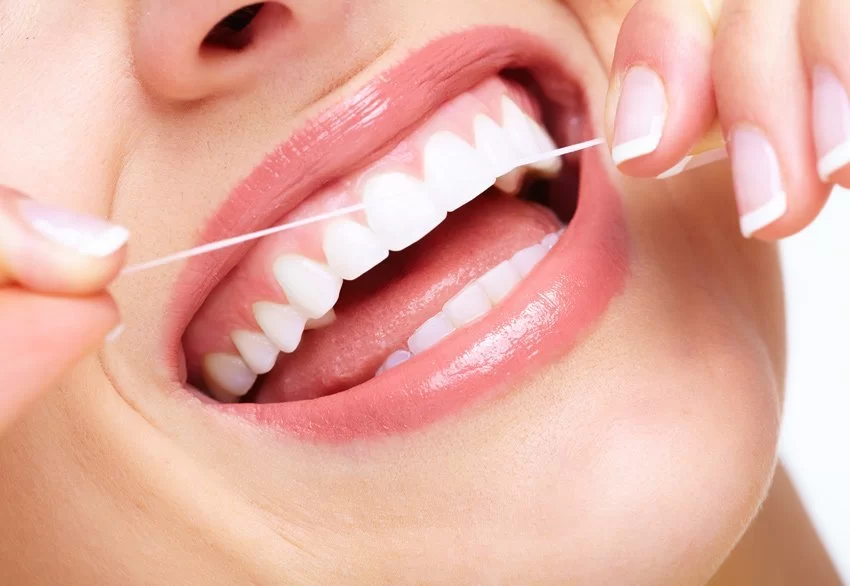
- Uncompromising Dental Flossing: Scraping and purifying the narrow contact surfaces of two teeth every night, where brush bristles can conclusively never infiltrate.
- Interdental Brush Discipline: Cleaning wide spaces with specialized micro-brushes for patients presenting with gum recession or housing bridge prostheses,
- Alcohol-Free Rinse Shield: Incorporating anti-plaque oral rinses at the conclusion of daily routines to decelerate the plaque accumulation velocity.
Can Bleeding Gums Re-Occur?
The tissue tightening and vascular integrity achieved when treatment protocols are successfully finalized transition into a permanent phase; however, the dynamics of the human body and oral ecosystem to age and exhibit tissue reactions against microbial onslaughts remain active for a lifetime. If the patient reverts to past faulty oral care neglects post-treatment, omitting interdental cleaning to stack tartar towers anew between teeth, bleeding gums will conclusively recur within a few months; permanence correlates directly with the patient’s home care dedication.
- Regular Mechanical Purification: Sustaining 2-minute time-disciplined brushing routines for a lifetime to prevent plaque from petrifying.
- Recall Sessions: The obligation for cases presenting with rapid calculus-precipitating saliva configurations to not omit periodic clinical check-ups.
How Do Nutritional Habits Affect Gum Health?
Nutritional style plays a direct governing role over the synthesis quality of collagen fiber networks anchoring the gums and the power of the local immune system to combat inflammation. Excessive consumption of carbohydrate-heavy, sticky, and refined sugary foods feeds the intraoral bacterial population, accelerating plaque accumulation rates and acid attacks. Conversely, chewing firm, fibrous, and antioxidant-rich foods generates a natural mechanical scraping (cleaning) effect across dental surfaces, stimulating gum blood circulation and fortifying tissue resistance.
- Vitamin C and Collagen Synthesis: Consuming ascorbic acid-rich foods (citrus fruits, leafy greens) to ensure the ligaments binding the gum to the bone remain robust.
- Cheese Shield Effect: Consuming a small piece of cheese at the conclusion of meals renders the oral environment alkaline thanks to its casein content, subduing inflammatory signals.
How Do Routine Dentist Check-Ups Contribute to Preventing Gum Diseases?
Because they fail to stimulate deep nerve networks during their incipient stages (while inside the epithelial layer), gum diseases and jawbone resorption conclusively emit zero pain or ache signals to the patient; every day the patient overlooks the bleeding and procrastinates, the pathology insidiously seeps into the bone. Routine dentist check-ups ensure these sinsi processes are caught at the very starting line via digital panoramic X-rays or millimetric periodontal probe measurements. A practical single-session scaling executed at an early stage rescues the patient from extensive bone surgeries and massive implant budgets in the future.
- Asymptomatic Defect Diagnosis: Clearing hidden subgingival calculus foci and early-stage bone loss that emit no pain via X-rays.
- Monitoring Plaque Scoring: Keeping hygiene motivation alive by auditing the patient’s home brushing quality via disclosing tablets.
What Are the Advantages of Bleeding Gums Treatment?
Periodically scheduled periodontal therapeutic sessions are the highest cost-effective protective anti-aging investment extending the biological lifespan of intraoral tissues and halting insidious tissue destruction. It does not merely generate a superficial cleaning sensation; it safeguards the jawbone architecture that surrounds the teeth and upholds facial aesthetics. Alleviating the infection load in the deeper sub-layers of tissues instantly restores a clear youthfulness and permanent smooth form to the expression.
- Preventing Early Loss: Zeroes out risks of teeth loosening and shedding prematurely by halting bone resorption.
- Terminating Bad Breath: Imbues the breath with permanent freshness by shattering anaerobic bacterial fortresses that produce sulfur gas.
- Systemic Health Barrier: Severs the systemic propagation chain of pathogenic microbes that seep into the blood circulation from inflamed gum vessels to settle in the heart, kidneys, or joints.
What Are the Frequently Asked Questions About Bleeding Gums Treatment?
The most common practical anxieties arising in the minds of individuals planning to recourse to these treatments to rid themselves of bleeding gums or safeguard pink aesthetic boundaries, along with their clinical medical responses, are presented below:
Will teeth cleaning and bleeding treatment hurt a lot during the session?
No, scaling and curettage procedures are not painful workflows in standard cases and are comfortably completed without requiring anesthesia. The sole sensation perceived is the coolness of the water stream emitted by ultrasonic Piezo tips and a mild tingling/tickling sensation generated by micro-vibrations; full comfort is provided via digital anesthesia supports for hyper-sensitive patients with deep pockets.
Will rigid brushes and whitening toothpastes I bought from the pharmacy halt the bleeding because my gums bleed?
Conclusively no; on the contrary, rigid-bristled brushes and highly abrasive whitening toothpastes mechanically tear, abrade, and escalate the bleeding coefficient of gums whose walls are already weakened and swollen due to inflammation. Bleeding gums cannot heal via chemical or cosmetic products; they heal strictly through splitting calculus via ultrasonic devices in the clinic, followed by massage routines executed with soft brushes.
Spaces opened between my teeth and my gums appear more receded post-cleaning session, is this normal?
This status is a natural anatomical presentation resulting from cleaning thick tartar masses that have settled between teeth for years, filling those spaces like a wall. Devices did not open those spaces; on the contrary, those old dental calculi resorbing the bone in those regions generated a void, and the true status was exposed once the calculus was cleared. As your gums recover from inflammation and tighten, those fields reclaim their healthy pink form.
Will rinsing the mouth with salt water or applying herbal oils cure bleeding gums completely?
No, salt water rinses or herbal cures can provide temporary disinfection across the tissue surface to ease the sting of inflammation, but they cannot physically dissolve dental calculus; therefore, they cannot extend a permanent solution since they fail to eradicate the root cause. Bleeding will insidiously continue as long as calculus remains in the mouth; professional mechanical cleaning is the sole cure.
Can I return immediately to my normal social and professional life on the day treatment is completed?
Yes, gum treatments are entirely local and non-invasive prophylactic steps containing no injections, incisions, or numbness; therefore, the exact minute the session ends, the patient can resume their normal daily, occupational, social, or academic life rhythm uninterrupted. There are no clinical barriers to driving or attending business meetings immediately post-procedural.
Who Are We? & Panorama Ankara Oral and Dental Health
Panorama Ankara is a licensed oral and dental health center extending institutional health assurances to its patients by combining an academic expert staff and the latest global digital technological infrastructure under a single roof, particularly in oral, dental, and maxillofacial surgery, implantology, orthodontics, aesthetic dentistry, and expert periodontology (gum diseases specialty) branches. Attaching vital importance to halting bleeding gums, insidiously advancing jawbone resorption foci, and bad breath problems sabotaging social comfort at an incipient stage through evidence-based medical disciplines, our center operates original Laser-Assisted Bleeding Gums Treatment and Ultrasonic Scaling ecosystems, which stand as the safest link of modern guided biofilm treatments across clinical prophylaxis workflows, without compromise.
Across all radiological, scanning, design, and periodontal interventions executed under the roof of Panorama Ankara, absolute sterilization, high patient safety, transparency, and honesty principles are operated with uncompromising determination as per our charter. In our clinical practices, intelligent piezoelectric units that shatter pathogenic biofilm and tartars while remaining passive against hard enamel tissue, along with CBCT 3D tomography planning systems capturing micron-level sections, are meticulously applied with millimetric precision under the supervision of our expert periodontologist cohort. Our goal is not to impose old-school analog scraping patterns on our patients that scratch the enamel, cause pain, or harass the gums; it is to analyze every client’s oral flora, pocket depths, and tartar map bare to the eye during the preliminary examination, achieving maximum session comfort, application practicality that lasts for seconds, and pink gingival integrity that will remain healthy for a lifetime. If you are tired of your gums bleeding when looking in the mirror, your fading smile integrity, or unremitting bad breath, yet postpone your check-ups due to fear of needles or pain, and wish to initiate your professional treatment process with a scientific guarantee in an expert center environment, you can safely protect your health and smile integrity by contacting the expert staff of Panorama Ankara for your detailed oral examination.