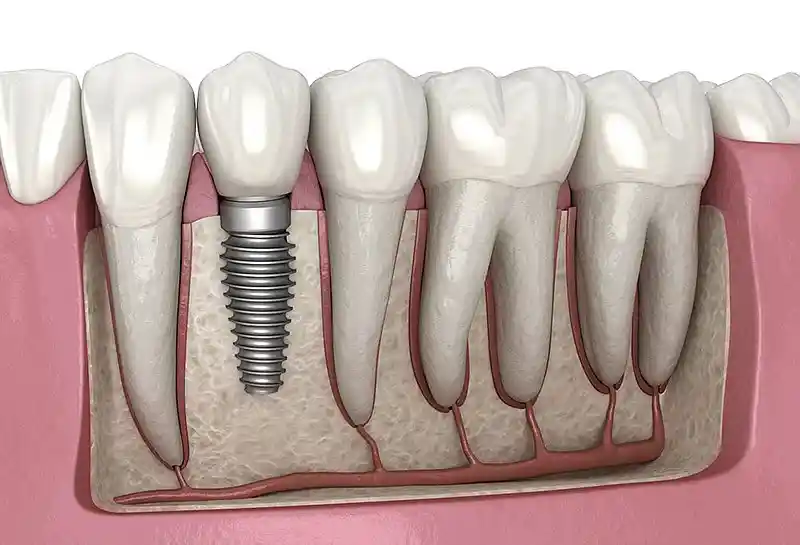

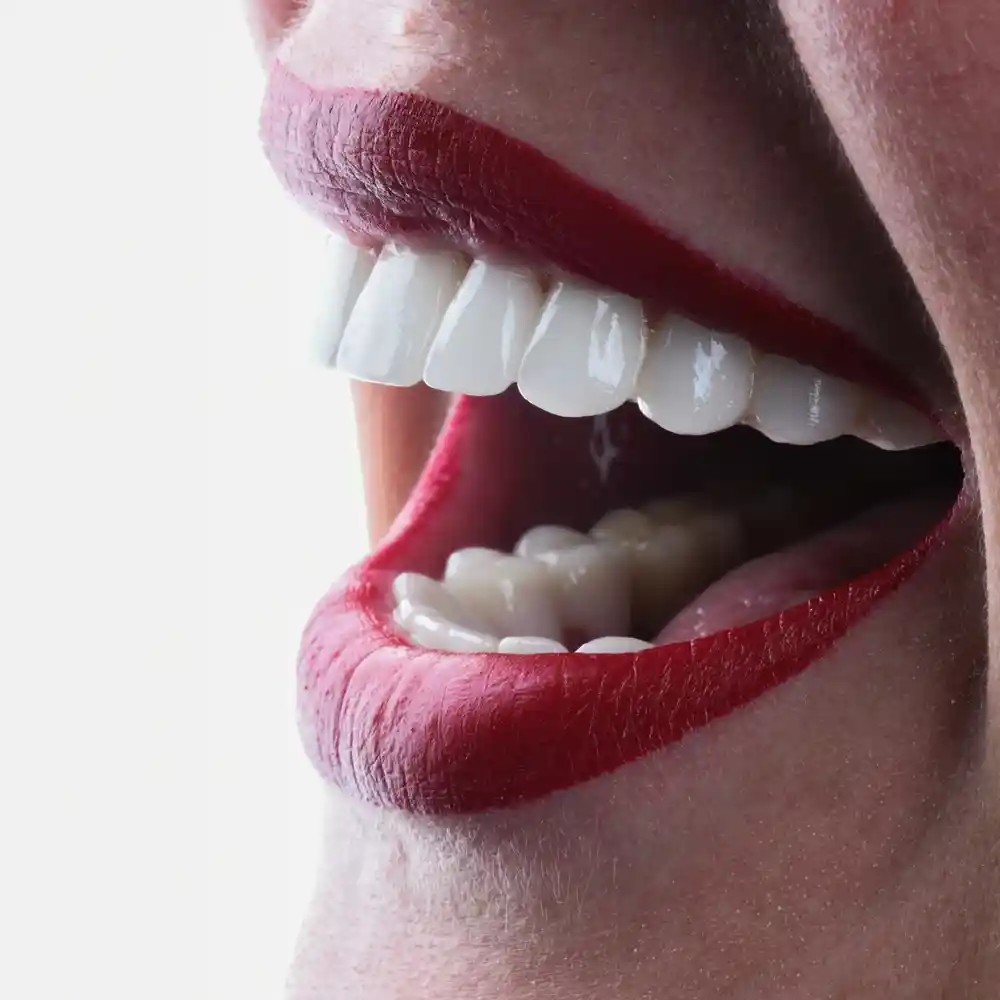
What is a Zirconium Dental Crown?
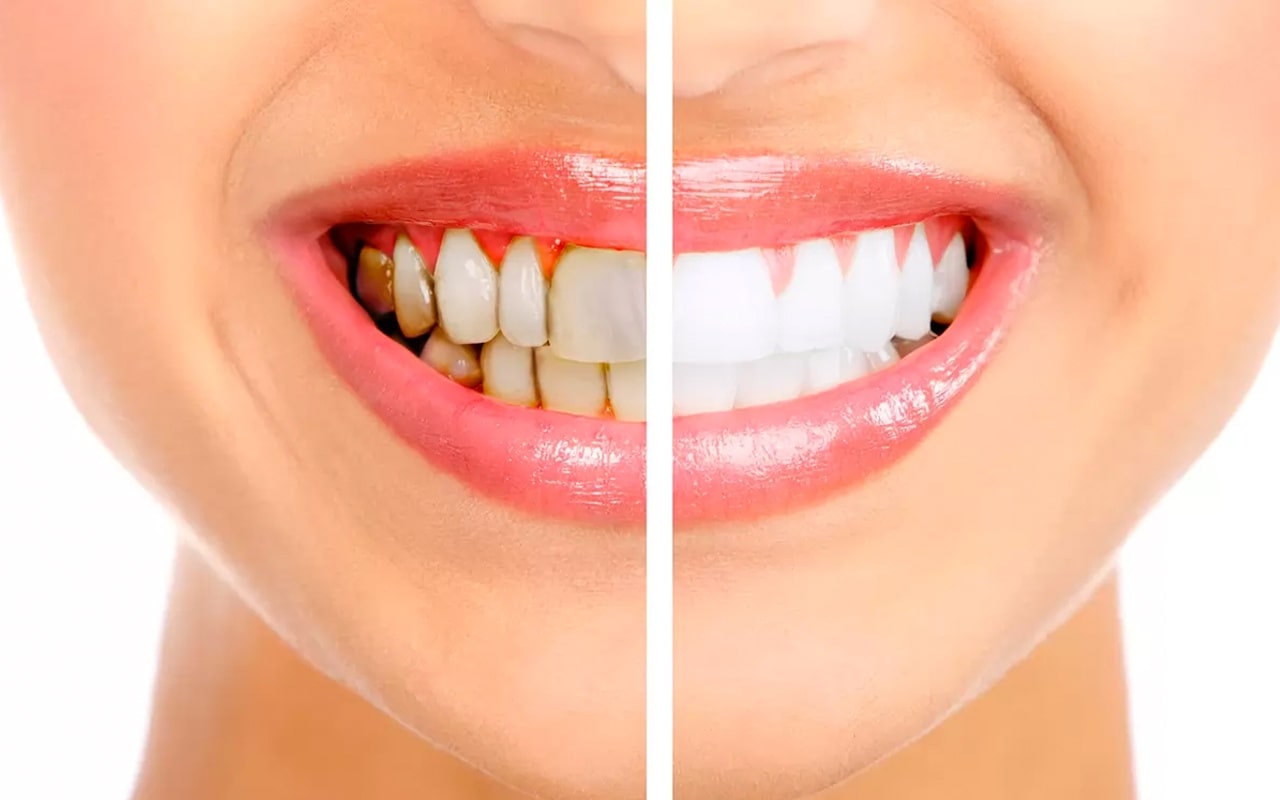
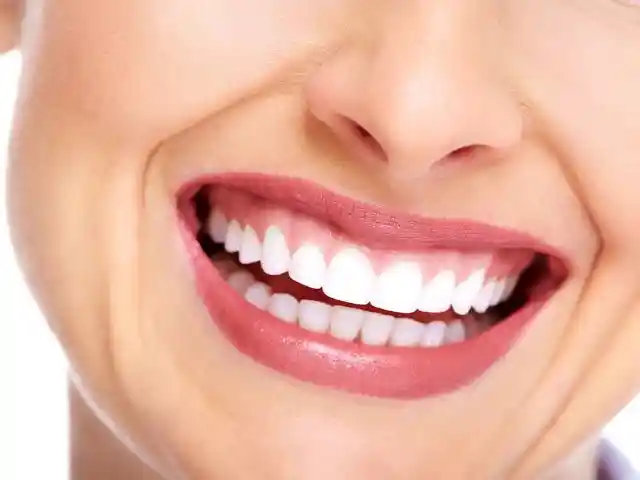
A zirconium crown is a biocompatible prosthetic restoration element in modern dentistry capable of simultaneously offering both the mechanical resistance to withstand the high chewing pressures of posterior teeth and the superior optical aesthetics required by anterior teeth. Unlike dark-colored metal alloys used as support under classic porcelain crowns, zirconium is a white-colored structural ceramic material. Elementally obtained by stabilizing zirconium mineral with yttrium in a laboratory environment, these smart blocks possess the ability to chemically lock (adhere) onto tooth tissues. Thanks to this, a perfect histological harmony is achieved with the gingiva, and light is allowed to penetrate into deep layers, completely eliminating an artificial mask appearance.
- High Biocompatibility: Completely eliminating the risk of allergic reactions by exhibiting full harmony with the oral mucosa and surrounding gingival tissues.
- Monolithic Block Structure: A body architecture milled robotically from completely homogeneous zirconium crystals, harboring no internal metal infrastructure.
- Low Thermal Conductivity: Acting as an insulator like natural tooth enamel to provide protection against hot and cold food consumption sensitivity.
How is a Zirconium Crown Applied?
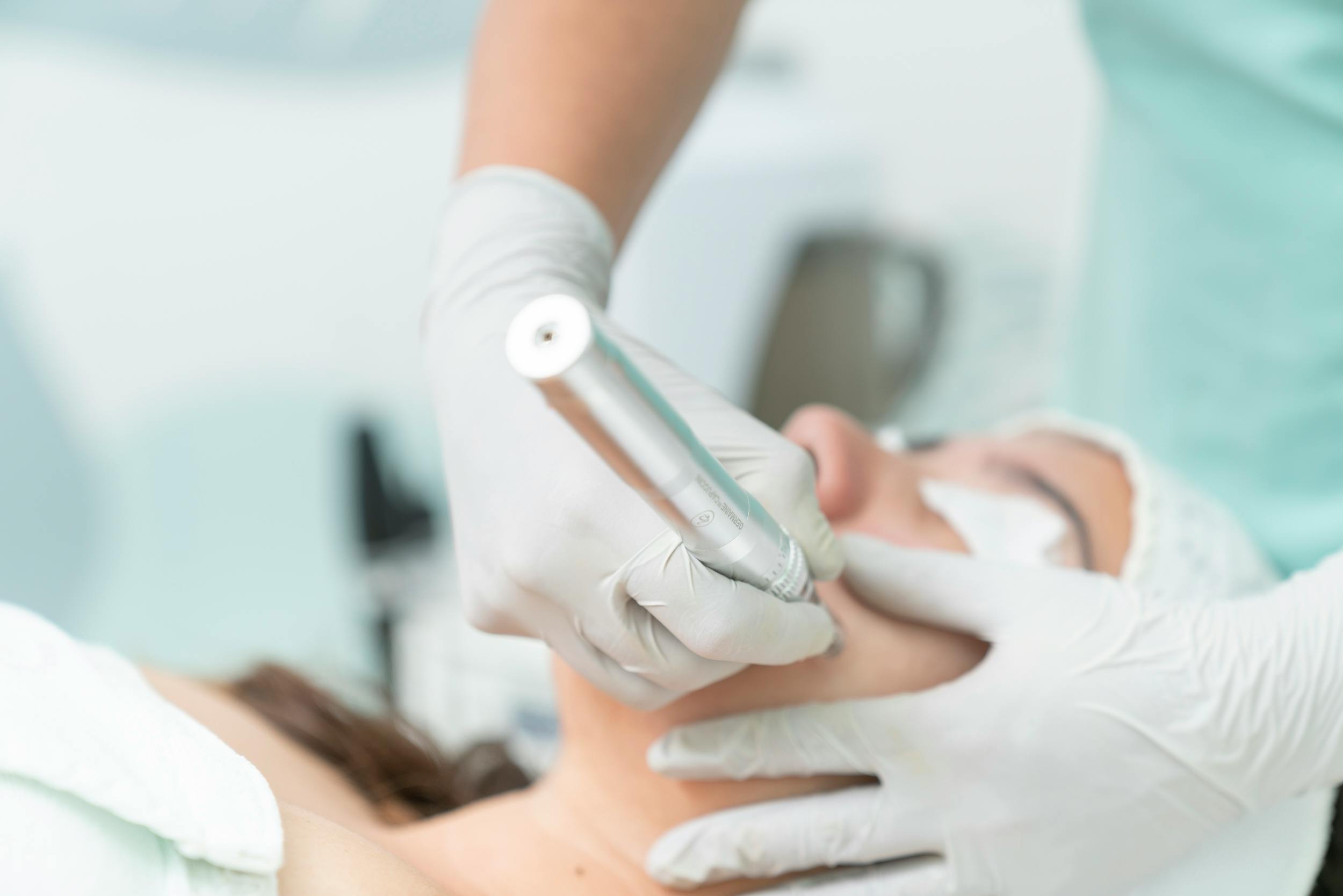
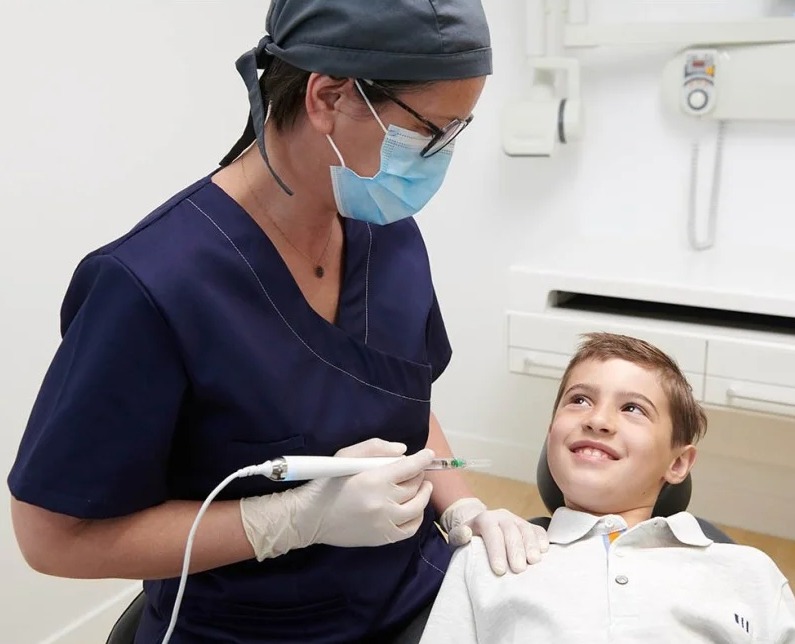
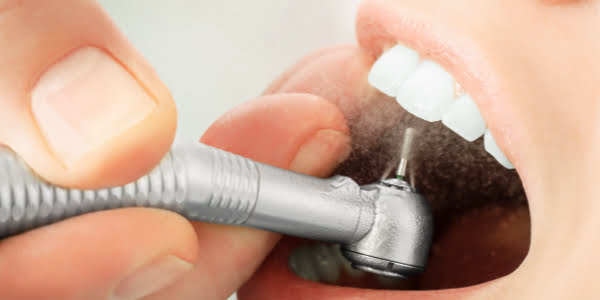
Zirconium crown application is a delicate prosthetic procedure carried out progressively in fully sterilized clinical environments under comfortable anesthesia using digital and robotic device infrastructures. First, the perimeters of the teeth planned for restoration are circularly reduced using micro-diamond burs in accordance with the thickness of the crown (averaging between 0.5 – 1.2 mm), and distinct chamfer finish lines are clarified. Then, instead of old-type putty impressions that cause gagging stress to the patient, the digital impression (point cloud data) of the teeth is transferred to the computer within seconds using high-resolution 3D intraoral scanning cameras. The tooth form designed in the CAD software is transmitted to CAM milling devices, where it is robotically manufactured from monolithic zirconium blocks without human touch and then bonded to the tooth.
- Anesthetic Preparation: Completely desensitizing the tooth during the cutting moment with the help of computer-controlled digital anesthesia units.
- 3D Digital Scanning: The phase of error-free verification of tooth preparation boundaries at a micron level by means of light waves.
- Temporary Crown Fitting: Fitting temporary plastic teeth during the same session to protect the prepared teeth from external stimuli and to maintain the patient’s social comfort.
- Adhesive Cementation: Chemically locking the zirconium crown emerging from robotic devices onto the tooth surface using specialized resin cements.
Who is Suitable for a Zirconium Crown?
This advanced technology prosthetic restoration process is medically suitable for any adult individual over the age limit of 18 who has completed jawbone growth, wishes to achieve an aesthetic smile line, is disturbed by hereditary or acquired tooth discolorations, or aims to correct crowded teeth without wearing braces. Since the system triggers no metal allergy reactions in the oral mucosa, it is the safest alternative for allergic patients with sensitivities to nickel or other alloys. It can also be safely planned with the support of protective night guards in individuals with parafunctional habits such as teeth grinding (bruxism), thanks to the high fracture resistance of the block materials (bending strength over 1200 MPa).
- Those with Dentophobia and Time Constraints: Individuals who wish to keep dental chair time to a minimum thanks to the practicality of digital impressions and fast try-in processes.
- Those with Widespread Caries and Attrition: Patients who have large fillings in their teeth and want to bring tooth integrity under a protective crown shield.
- Smile Design Candidates: Consultants aiming for a pure, bright smile fully compatible with the golden ratio lines of their facial features.
In Which Cases is a Zirconium Crown Preferred?
Bringing white ceramic restoration blocks to the table as the primary clinical option over traditional methods is indicated according to the dimension of structural, functional, and visual destruction in tooth tissues. Severe tetracycline stains or fluorosis discolorations, which tooth whitening (bleaching) agents cannot resolve even at the highest concentrations, can be flawlessly camouflaged with a zirconium crown. The clinician rationally decides on this technological investment in order to protect the integrity of the teeth and the chewing mechanics over the long term without relapse.
The primary clinical conditions where zirconium crown treatment is definitively preferred are as follows:
- In protecting posterior molars with excessive structural loss that have undergone root canal treatment, are completely hollowed out, and carry a high risk of fracture,
- In aesthetically restoring deep fracture lines occurring in anterior teeth as a result of an accident or trauma,
- In mild and moderate crowding, where the patient rejects orthodontic brace or clear aligner treatments due to long treatment durations,
- In replacing old-type metal-supported porcelain crowns, with the purpose of eliminating purple shadows and metallic reflections at the gingival margin.
How is the Tooth Evaluation Conducted Before a Zirconium Crown?
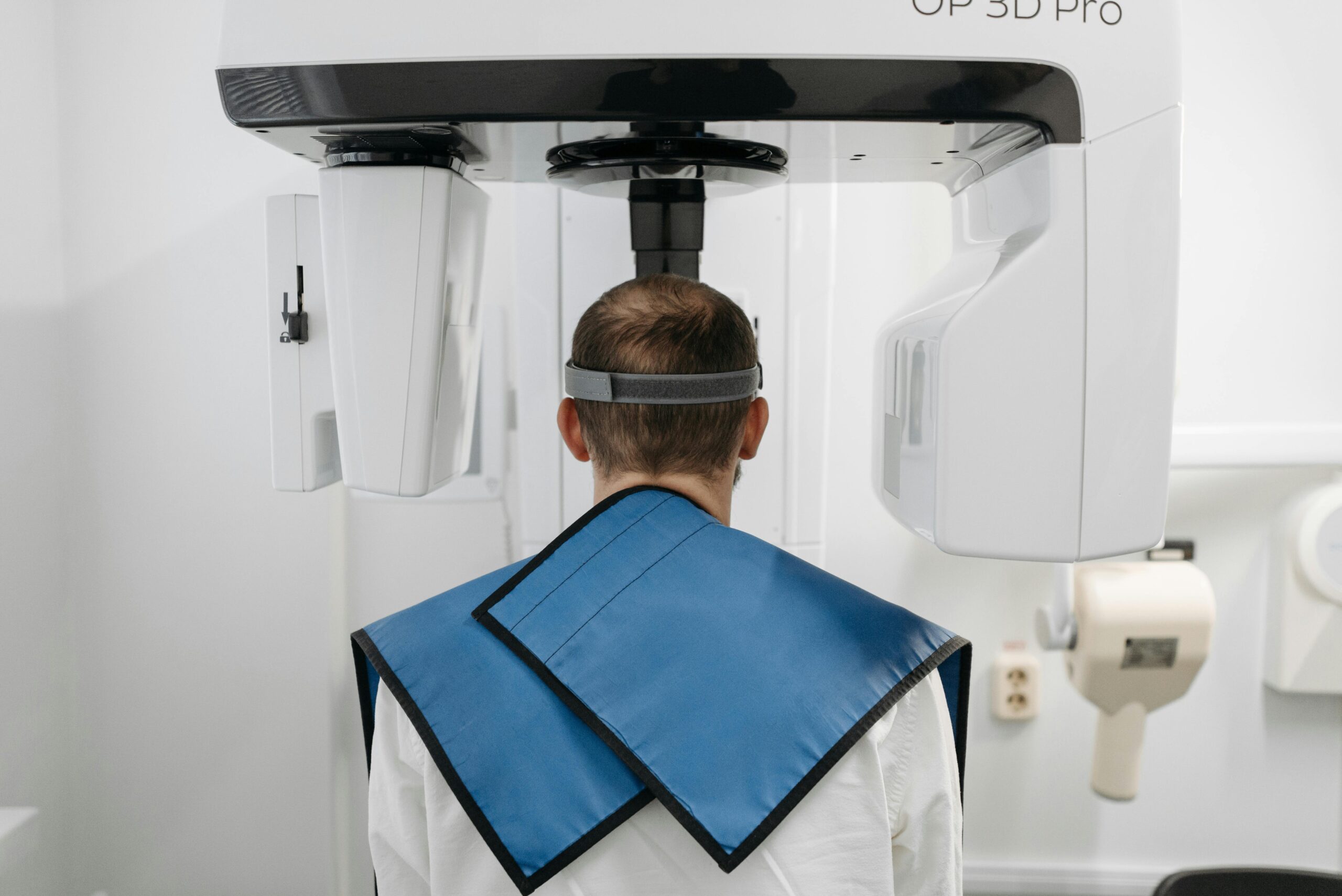
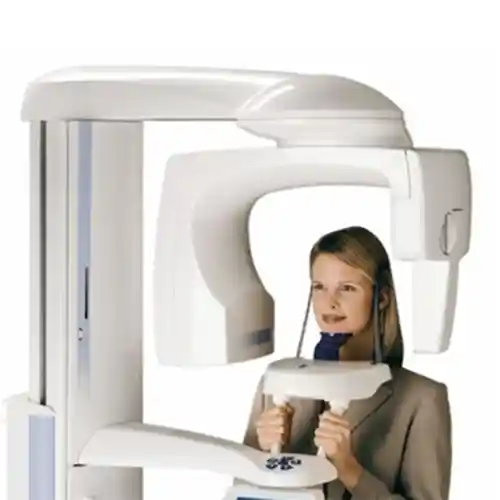
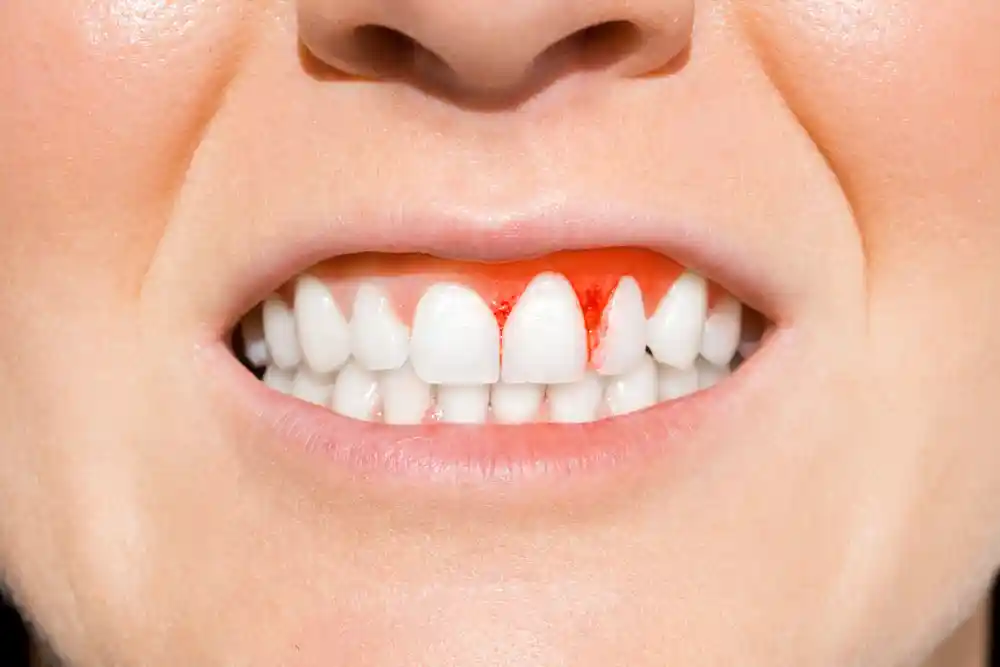
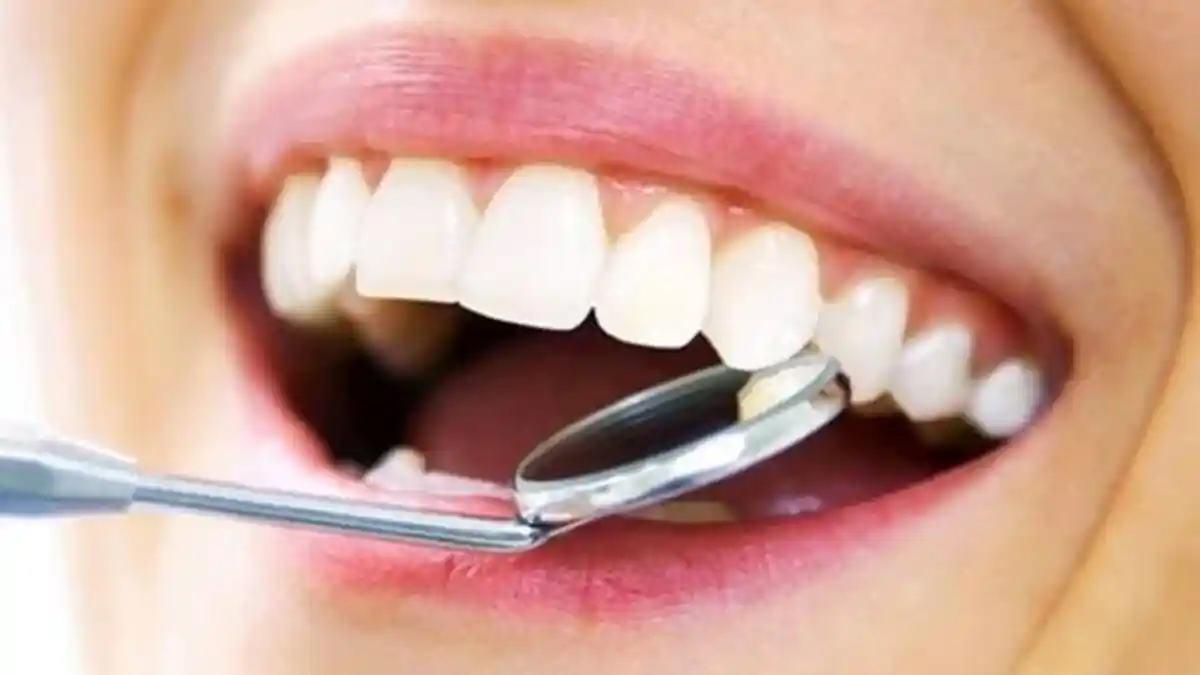
The clinical evaluation carried out before the operation schedule is finalized is the most vital analysis stage that scans the biological health of the teeth and guarantees the long-term relapse-free permanence of the prosthesis. During the examination, the physician measures the depth of the gingival pockets to detect whether there is active periodontitis (inflammation) in the tissue; since cutting teeth in an inflamed mouth compromises impression accuracy, hygiene prophylaxis is mandatory beforehand. At this stage, going beyond classic two-dimensional radiographs, root-tip abscesses are eliminated by utilizing digital panoramic radiology, which inspects tooth root tunnels and jawbone density with millimetric cross-sections.
- Periapical Integrity Verification: Determining that there are no insidious cysts or root canal filling deficiencies at the root tip of the tooth to be crowned.
- Dentin Thickness Mapping: Measuring the remaining vital tissue volume in the crown portion of the tooth to decide whether root canal treatment is required.
- Occlusion (Bite) Analysis: The process of scanning the contact points of the upper and lower teeth against each other to measure sufficient vertical distance for the prosthesis.
How is the Zirconium Crown Treatment Process Planned?
The planning of the zirconium dental workflow is executed over a phased digital algorithm according to the patient’s facial morphology, jaw occlusion mechanics, and aesthetic expectations. When planning the process, arbitrary manual reductions or generic tooth forms are strictly not used; all steps are shaped over online transfer networks equaled to internet speed. In planning, the total number of days the patient spends in the clinic is radically optimized thanks to second-long data transfers replacing laboratory shipping cycles.
A modern zirconium crown treatment planning matrix encompasses the following hierarchical phases:
| Treatment Stage / Field | Applied Clinical Protocol and Technology | Targeted Tissue and Aesthetic Outcome |
|---|---|---|
| Phase 1: Digital Infrastructure | Impression taking with a 3D intraoral scanner, capturing studio facial photographs. | Simulating a 1:1 scale digital twin of the patient’s jaw structure on the computer. |
| Phase 2: Virtual Design (CAD) | Millimetric drawing of tooth lengths and curves over facial aesthetic software. | Building a “Smile Architecture” fully compatible with the golden ratio lines of the individual’s facial features. |
| Phase 3: Robotic Production (CAM) | Sending the design data to multi-axis Milling Machine equipment. | Physically creating monolithic zirconium crowns without human touch, with zero error tolerance. |
| Phase 4: Clinical Try-in and Adaptation | Testing the milled crown in the mouth according to the occlusal and shade contact map. | Assuring millimetric marginal edge adaptation that integrates smoothly with the gingiva. |
What are the Advantages of a Zirconium Crown?
The verified advantages of monolithic zirconium technology compared to traditional metal-supported porcelain restorations do not merely create immediate visual satisfaction, but also directly elevate the tissue lifespan of the prosthesis inside the mouth. Dimensional deviations such as metal expansion or casting shrinkage are completely eliminated in the digital CAD/CAM chain. Smooth finish lines emerging from computerized robots challenge the physical boundaries of the material, offering maximum biomechanical resistance and passive marginal sealing.
- Zero Gray Shadow Risk: Even if gingival recession occurs over time, it does not form purple-black margin lines like metal crowns do.
- Enamel-Like Wear Pattern: A smooth surface glaze that does not aggressively abrade opposing natural teeth like traditional porcelains do.
- Plaque Resistance Quality: Making it difficult for bacterial plaque and tobacco stains to adhere to it due to the surface morphology being glass-smooth.
- Maximum Durability Power: A high bükülme (fracture toughness) coefficient capable of absorbing hydraulic shocks arriving during chewing without breaking.
How Does a Zirconium Crown Contribute to a Natural Tooth Appearance?
A natural human tooth is not an optically homogeneous mass; light enters through the transparent enamel layer on the outermost surface of the tooth, reflects by refracting from the semi-permeable dentin layer underneath, and this imparts depth and vitality to the tooth. Old-type metal-supported crowns instantly reflect light due to the gray metal barrier behind them, imposing a dull, opaque, and lifeless chalky white feel on the tooth. Zirconium blocks, on the other hand, allow light to filter through the crown and penetrate into deep layers just like a natural tooth, thanks to their light transmittance (translucency) quality; this optical contribution verifies that the crown stands inside the mouth not like an artificial prosthesis, but like the person’s own living tooth.
- Semi-Transparent Edge Structure: Mimicking that natural transparent grayness at the incisal edges of teeth exactly with the density of zirconium crystals.
- Fluorescence Property: Glowing like a natural tooth under UV lights in night clubs or ultraviolet sunlight, without forming artificial dark shadows.
What is the Difference Between a Zirconium Crown and a Metal-Supported Crown?
The most radical difference between zirconium crowns and traditional metal-supported porcelain crowns is the metallurgical and optical character of the material forming the inner core of the restoration. In metal-supported prostheses, a gray framework made of nickel-chromium or cobalt alloy is cast under the porcelain; this framework both sabotages aesthetics and, over time, causes metal ions to leach into the mucosa, leading to gingival tattooing (purplish discolorations). Zirconium, with its completely white and metal-free crystal structure, prevents these tissue discolorations. The comparison table below lists the clinical characteristics of both crown classes:
| Clinical and Aesthetic Evaluation Parameter | Monolithic Zirconium Crown (Metal-Free) | Traditional Metal-Supported Porcelain Crown |
|---|---|---|
| Infrastructure Material Content | White-colored, biocompatible zirconium dioxide ceramic body. | Gray-colored nickel, chromium, or cobalt-based industrial metal alloy. |
| Gingival Margin Aesthetics (Marginal Fit) | Flawless; it strictly never creates purple-black shadowing even if tissue recedes. | A black ring forms over time due to the reflection of the metal silhouette at the gum line. |
| Light Transmittance and Sense of Depth | High; it breaks and transmits light like natural enamel, standing lifelike. | Zero; opaque maskers are applied to conceal the gray metal behind, standing dull. |
| Intraoral Metallic Taste and Odor | None; since it is chemically passive (inert), it does not undergo corrosion. | It can oxidize over time with salivary acids; it may cause a metallic taste and odor in the mouth. |
| Amount of Reduction (Preparation) | Low; it protects the tooth since the material does not fracture even in thin sections. | High; deep reduction is mandatory for both the metal and porcelain to fit. |
Which Teeth Can a Zirconium Crown Be Applied To?
White ceramic crown technologies can be safely applied to achieve high success rates across all tooth groups (anterior incisors, canines, premolars, and molars) located in both the upper and lower dental arches. While in past years zirconium was selected solely for anterior region aesthetics, thanks to “high-translucency monolithic” blocks developed today, it can easily withstand posterior masticatory forces without breaking; therefore, it operates at full performance along the finish line of any tooth, regardless of its intraoral position.
- Anterior Tooth Groups: Aesthetic restoration of anterior incisors with deep fractures or excessive rotation, where porcelain veneers are not suitable.
- Posterior Molar Tooth Groups: Posterior chewing lines exposed to high hydraulic shocks, utilized as pontic elements in bridge prostheses.
Why is a Zirconium Crown Preferred in Dental Aesthetics?
The primary reason for preferring zirconium crown material in medical aesthetics and smile design practices is its proprietary structure that combines biocompatibility strength and optical customizability within a single body. While making the design on the computer screen, the dentist can digitally adjust the translucency level (light absorption coefficient) along the enamel transition lines according to the patient’s age lines and sclera brightness. This flexibility prevents the crown from standing like an artificial, fabricated prosthesis inside the mouth, offering a personalized, authentic, and balanced smile architecture.
- Natural Edge Integration: A tissue-friendly structure that preserves the natural pink form of the gums and zeroes out mucosal bruising.
- Permanent Color Stability: Resistance against coffee and nicotine stains thanks to the surface structure being micro-polished to absolute smoothness.
How Long Does a Zirconium Crown Treatment Take?
Thanks to modern digital dental laboratories and CAD/CAM automation systems, zirconium crown treatment possesses a highly rapid and dynamic timeline that completely eliminates the grueling time losses lasting weeks in traditional manual prosthetic processes. Since internet speed replaces analog steps like pouring plaster models or waiting for physical couriers, the total completion time for an entire dental arch—including cutting, scanning, and robotic milling—is comfortably completed within a short time frame of usually just 4 to 7 days.
- First Session (Reduction and Scanning): Numbing and reducing the teeth, followed by scanning with a 3D intraoral camera; an appointment lasting 1 – 2 hours on average.
- Robotic Milling Period: The duration of carving the designed teeth from a zirconium block in a milling robot and sintering them; approximately 1-2 days.
- Final Session (Permanent Bonding): Chemical bonding of the prepared crowns to the tooth following intraoral occlusion tests; 30-45 minutes.
Which Stages are Performed During Zirconium Crown Application?
The clinical workflow includes an uninterrupted digital chain that inspects micro-margin errors that human hands and hand tremors might introduce using artificial intelligence algorithms. During the operation, each step is locked to fortify the accuracy of the next step. Both the physician and the laboratory technician work simultaneously on the same 3D cloud data, elevating process accuracy to the highest level.
The main production and control stages conducted in the clinical room for zirconium crown application are as follows:
- Clinical Preparation Phase: Shaving the perimeter of the teeth circularly under anesthesia to trace chamfer finish lines.
- Optical Data Capture: 3D scanning of the prepared teeth, surrounding gums, and opposing jaw biting relationship with an intraoral scanner head.
- Virtual Modeling (CAD): Virtual millimetric drawing of tooth anatomy on the computer screen according to the patient’s lip smile lines.
- Sintering and Characterization: Crystallizing the milled chalky zirconium in specialized porcelain ovens at 1500°C to reach diamond hardness.
- Clinical Glaze and Assembly: Applying a glossy glass glaze onto the crown surface, followed by bonding it to the tooth with adhesive cements.
What Should Be Considered After a Zirconium Crown?
There are some practical rules to be observed by the patient in the home environment following the procedure in order to make the aesthetic and medical success of the restoration session permanent, support the rapid healing of stimulated gingival boundaries, and preserve the full setting (polymerization) balance of the injected resin bonds. Since your own tooth structures under the crown preserve their vitality, protecting the tissue from excessive irritant mechanical and thermal loads during the first days is a necessity for clinical safety.
The aspects to be meticulously followed during the critical post-operative period are as follows:
- To prevent tongue and lip injuries, strictly no food should be consumed for the first 2 hours until the effect of local anesthesia (numbness) disappears completely.
- To allow the bonding cement to complete its full chemical locking, excessively sticky (turkish delight, chewing gum) or hard-shelled foods should be avoided for the first 24 hours.
- A slight adaptation sensitivity along the gingival margins is normal during the first week; this process is comfortably eased with mild anti-inflammatory painkillers to be taken upon physician recommendation.
- Intraoral hygiene routines (brushing and flossing) must be started uninterruptedly as of the evening of the procedure with gentle movements, without huffing the crown margins.
How Should Oral Care Be Maintained During Zirconium Crown Use?
Since zirconium prostheses are artificial structural ceramics, they cannot exhibit a biological tendency to decay; however, the micron-level finish line boundary where the crown ends and joins your own natural gingiva is the most delicate corridor inside the mouth for bacterial plaque to accumulate. If home hygiene is neglected along these boundaries, plaque accumulations infiltrate over time onto your own tooth surface underneath the crown, initiating insidious under-filling decay termed “secondary caries”; to zero out these risks, an uncompromising mechanical cleaning schedule must be applied in the home environment.
- Sweeping Brushing: Brushing at least twice a day for one minute with a soft-bristled brush using circular massaging movements from the gums toward the tooth (from red to white).
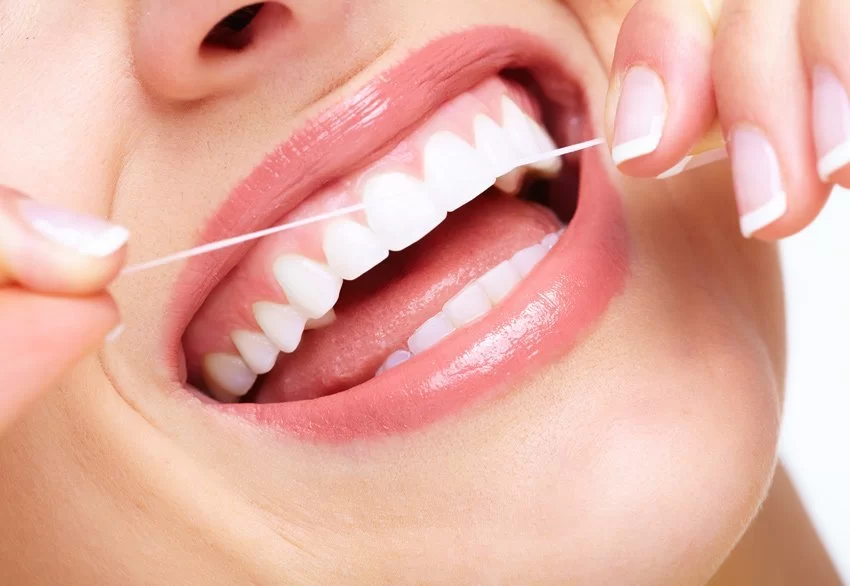
- Flossing Necessity: Eliminating plaque by rubbing dental floss up and down every night between the adjacent interproximal surfaces of the crowns.
- Interdental Brush / Oral Irrigator: The necessity for patients carrying bridge prostheses to purify the spaces underneath missing tooth pontics with specialized spongy floss (superfloss) or oral irrigators spraying pressurized water.
What are the Factors Affecting the Durability of a Zirconium Crown?
The ability of zirconium restorations to remain inside the mouth for decades without breaking, cracking, or dislodging depends directly on the technical workmanship quality at the moment of restoration and the dynamic chewing mechanics of the patient working in full balance. Since monolithic zirconium dioxide crystals are inherently manufactured with high-tonnage presses in industrial environments, they harbor no internal air bubbles, and their fracture resistance competes with metal alloys; however, preserving this resistance depends on correct finish line engineering.
- Moisture Control (Isolation): If micro-level saliva or breath moisture infiltrates the tooth surface during bonding, the resin bond strength collapses and the prosthesis will dislodge in the future.
- Balanced Occlusal Contact: Distributing the masticatory load placed on the prosthesis homogeneously across the entire dental arch in the upper and lower jaw closure relationship, eliminating early contact points.
- Bruxism Monitoring: It is a rule for patients with teeth grinding habits to regularly wear their protective splint plates at night to prevent fatigue of the zirconium surfaces.
With Which Aesthetic Dental Treatments Can a Zirconium Crown Be Applied Jointly?
Zirconium crown technology can be planned within a combined synergy with other modern instruments of aesthetic dentistry to holistically elevate the rejuvenation architecture of the lower face oval and smile quality. The physician does not impose a single treatment mold onto the patient according to the distribution of intraoral damages and non-aesthetic fields; in complex cases, multi-disciplinary technologies are recorded onto a joint schedule, accelerating process management.
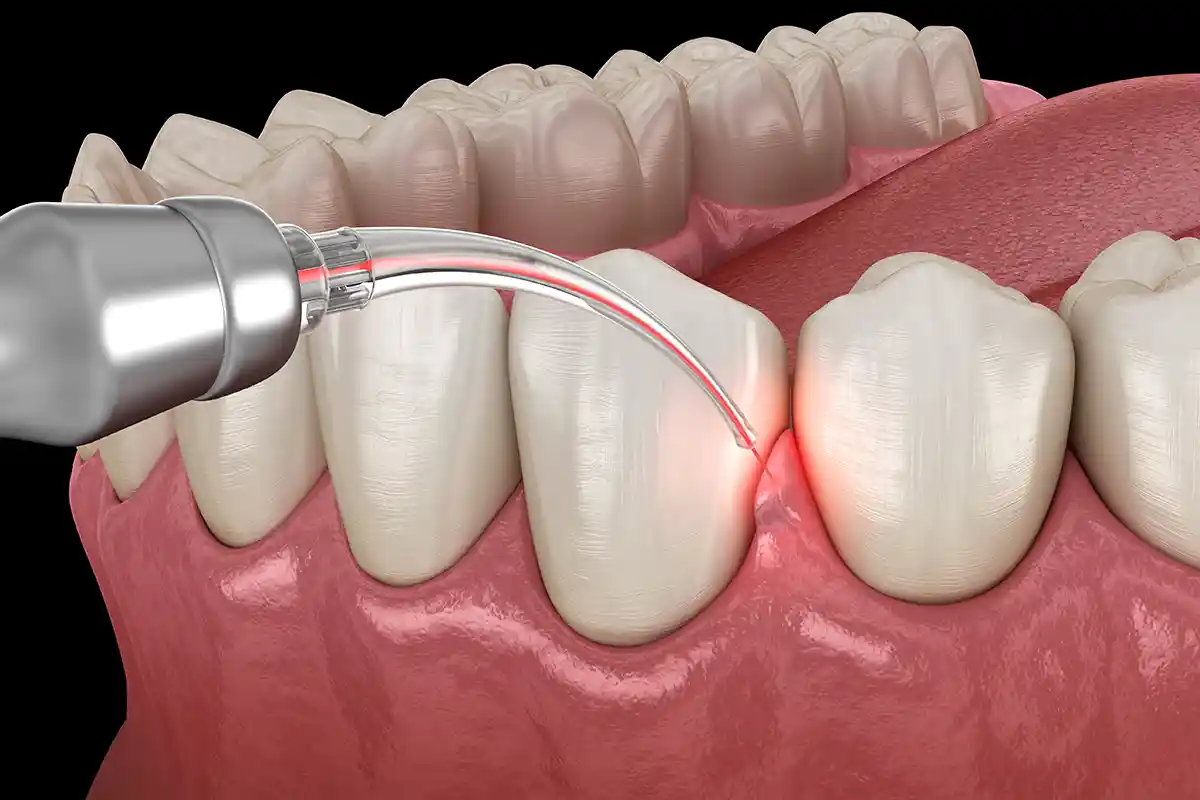
- Pink Aesthetics (Gingivectomy): Zirconium assembly performed after gingival boundaries are leveled with lasers and a gummy smile appearance is eased brings aesthetics to the pinnacle.
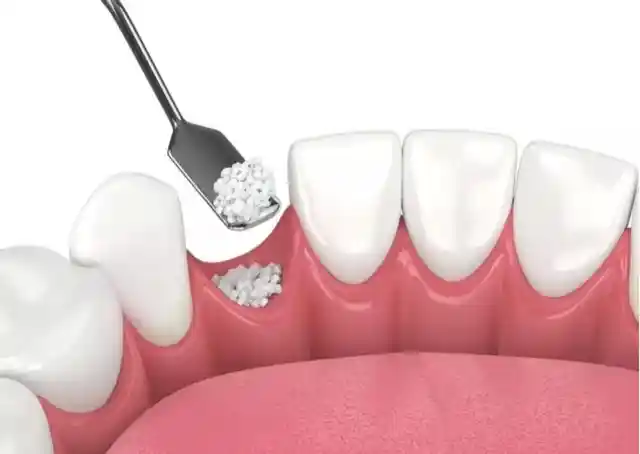
- Dental Implantology: Fabricating crowns by fitting white zirconium abutments over titanium screws placed into missing tooth areas, instead of titanium foundations.
- Combined Whitening (Bleaching): In-office whitening cures executed to whiten the remaining natural teeth and match their shade with the crown, if a zirconium crown is planned for only a few teeth.
How Does a Zirconium Crown Contribute to a Natural Smile Design?
The greatest biological and aesthetic contribution provided by zirconium prostheses to smile design (Digital Smile Design) is offering smooth surface contours that reflect light naturally and are fully compatible with the patient’s authentic facial proportions. The sole rule of naturalness is to avoid the error of cutting all teeth in a single shade like a straight military line; because the curves of lateral incisors should remain slightly behind the front teeth to preserve that natural light-shadow illusion. Zirconium crowns drawn with golden ratio calipers in CAD softwares do not stand like an artificial mask on the face during speech and facial expressions, flexing in full harmonization with facial muscles.
- Holistic Golden Ratio: Millimetric leveling of tooth lengths and widths via software according to the person’s pupil axis and nose-tip distance.
- Natural Pink Edge Integrity: A tissue-friendly optical transition infrastructure that zeroes out mucosal bruising while preserving the natural pink color of the gums.
What are the Frequently Asked Questions About a Zirconium Crown?
Presented below are the most common practical concerns arising in the minds of patients planning to undergo zirconium crown restorations to rid themselves of tooth losses or to gain an aesthetic smile, along with their uncensored medical answers:
Does the zirconium crown procedure hurt a lot while my teeth are being cut during the session?
No, you will definitely not feel the slightest pain or discomfort. Strong numbing gels are applied to the gingival mucosa prior to the procedure, followed by the administration of local solutions at a speed suitable for tissue resistance via computer-controlled digital anesthesia units to ensure full desensitization; since nerve conduction lines are completely closed throughout the session, you only perceive the light touch of the instruments and the coolness of the water, and the procedure is completed with high comfort.
Do zirconium crowns turn yellow over time due to the use of tea, coffee, or cigarettes?
No, zirconium crowns cannot inherently exhibit a tendency to change color or turn yellow; because the surface structure of monolithic zirconium blocks is microscopically non-porous and a high-temperature glass glaze layer is applied onto them after production. This smooth glaze layer prevents coffee pigments or cigarette tar (nicotine molecules) from attaching by forming chemical bonds with the material surface; stains slide away instantly with daily brushing.
Will I have hot-cold sensitivity or stinging in my teeth after getting a zirconium crown?
Experiencing a slight flash of sensitivity or a stinging sensation when drinking very cold water during the first few days following the bonding of crowns is a completely normal, expected reaction; because micro-nerve tubules can be temporarily stimulated during the full setting phase of resin cements. Since the thermal conductivity of zirconium is very low and insulating like natural tooth enamel, this sensitivity state fades away completely on its own within 1 week and does not transform into permanent stinging.
How many years is the lifespan of zirconium crowns inside the mouth, can they fall off in the future?
In cases where teeth are reduced with correct finish line engineering, bonded under absolute moisture isolation, and the patient’s oral hygiene quality is high, the lifespan of zirconium crowns displays permanent comfort for an average of 10 to 15 years, or even a lifetime. What needs to change depending on time is not the crown itself, but the natural bone and gingival margins that recede as humans age. The prosthesis lifespan is kept at maximum with regular 6-month check-ups.
Can I return to my normal life, work, and social activities immediately on the day I receive a zirconium crown?
Yes, zirconium crown treatment is a completely local and non-invasive prosthetic workmanship that does not disrupt consciousness, affect motor skills, or involve surgical scalpel incisions or sutures; therefore, the exact minute the session ends, you can stand up from the chair and continue your normal daily, vocational, social, or academic life rhythm uninterrupted from where it left off; there is no clinical obstacle whatsoever to driving a car or participating in business meetings immediately after the procedure.
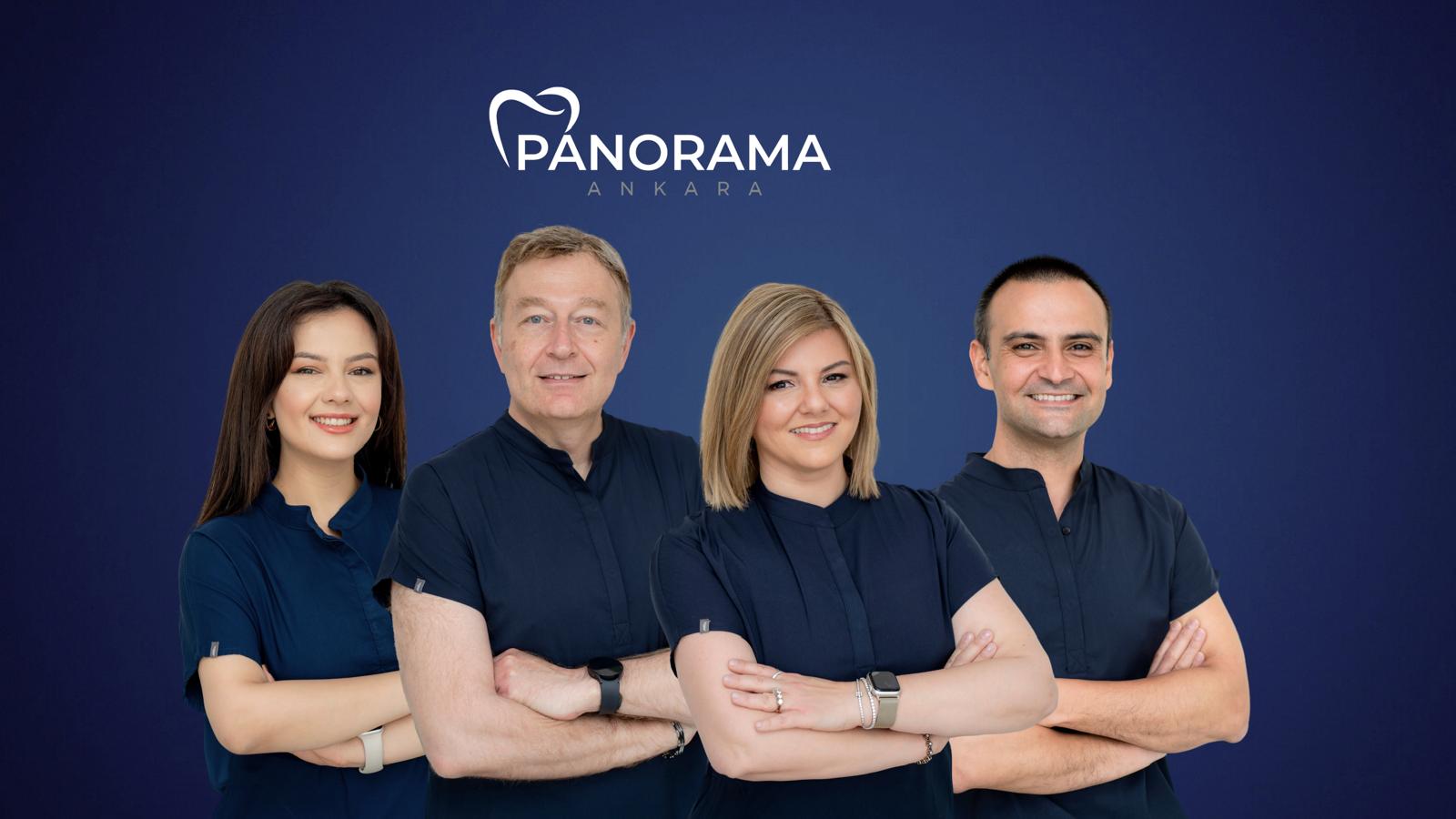
Who We Are & Panorama Ankara Oral and Dental Health
Panorama Ankara is a licensed oral and dental health center that offers institutional health assurance to its patients by combining an academic expert staff and the latest global bio-technological digital infrastructure under a single roof, across all specialty branches of dentistry, primarily oral, dental, and maxillofacial surgery, advanced implantology, microscopic endodontics, periodontology, and aesthetic dentistry. Attaching vital importance to completely eliminating guesswork, human error-induced marginal finish line inaccuracies, and those old putty impression trays that cause gagging stress to the patient in treatment practices, our center operates uninterrupted Digital Dentistry (CAD/CAM) and Monolithic Zirconium Crown ecosystems from the very beginning to the end of the clinical operation workflow.
Under the roof of Panorama Ankara, absolute sterilization, high patient safety, transparency, and honesty principles are operated with uncompromising determination by regulation in all diagnosis, radiological scanning, design, and robotic production interventions. In our clinical practices, proprietary intraoral scanners with micron-level point cloud processing capacity and smart artificial intelligence integrations along with high-axis milling units are meticulously administered under the supervision of our expert physician and technician staff. Our aim is not to impose old-type, slow, and incompatible restoration molds upon our patients; but rather to analyze each individual’s jawbone quality, occlusion mechanics, and facial aesthetic golden ratio boundaries with the help of 3D tomographies on a digital screen prior to the operation, achieving maximum session comfort without harming surrounding soft tissues and vascular pathways, a same-day dentistry standard, and smooth smile designs to be used with lifelong sealing. If you are tired of your missing teeth, old worn crowns, or crowding when you look in the mirror, yet postpone your treatments due to fear of the dentist chair or time limitations, and want to initiate your end-to-end digital smart treatment process with scientific assurance in an expert institutional center environment; you can safely protect your health and smile integrity by contacting the expert staff of Panorama Ankara for your detailed 3D intraoral scanning and digital planning analysis.