

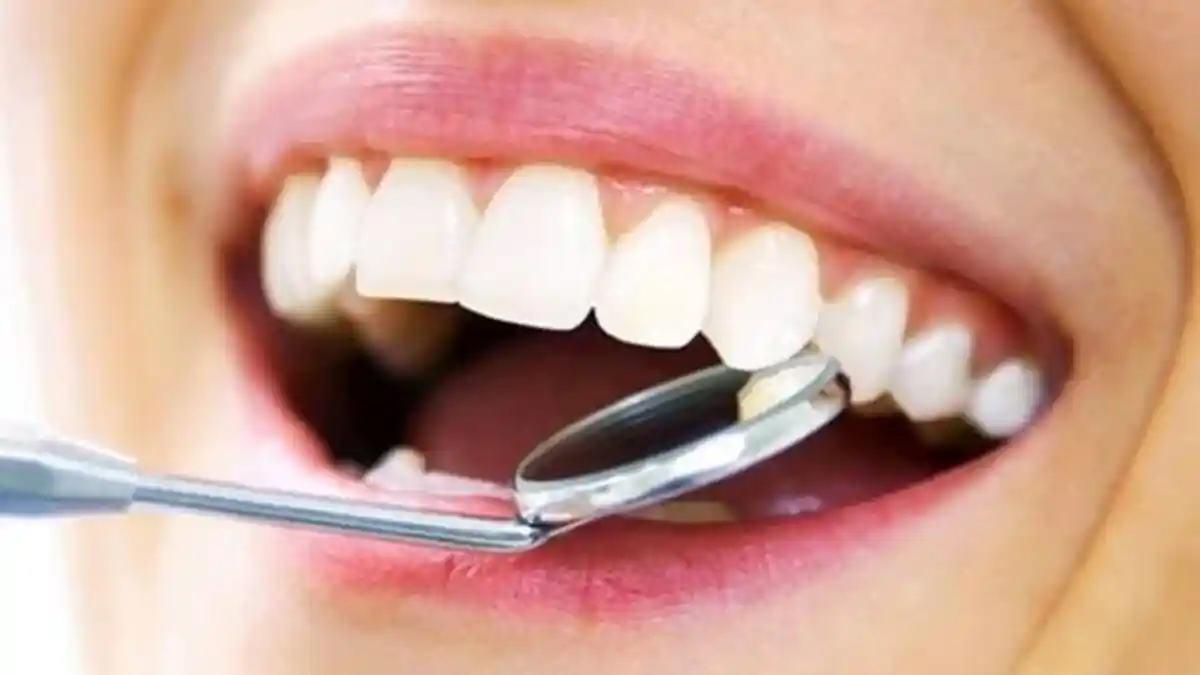
What is Gingivitis Treatment?
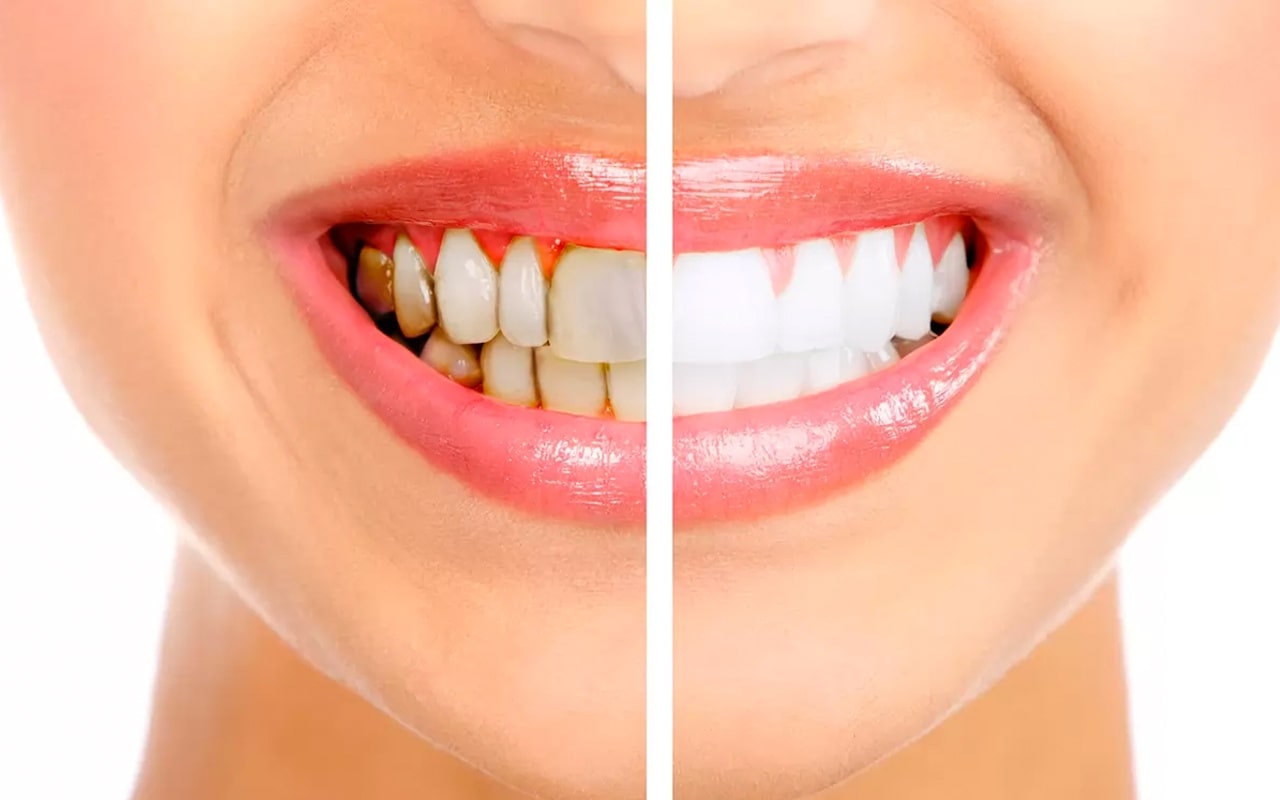
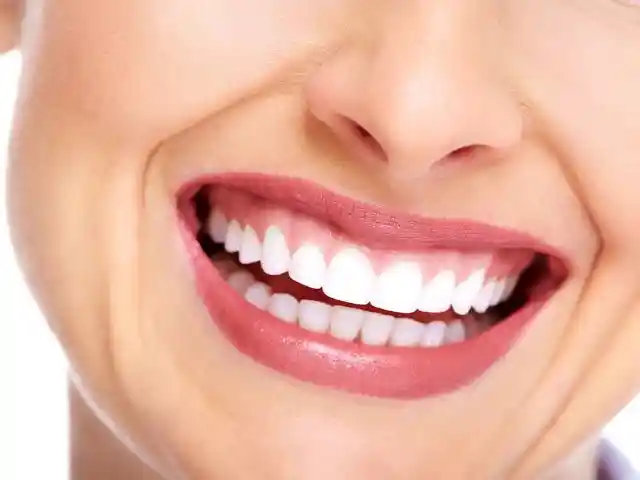
Gingivitis treatment (the management of gum inflammation) is the most fundamental clinical dentistry application aimed at preserving the integrity, homeostatic balance, and histological health of the periodontal soft tissues within the oral cavity. Healthy gingival tissue is firm, pale pink, exhibits an orange-peel morphology, and is resilient against mechanical stimuli; the tissue turning red, swollen, and transitioning into a bleeding phase due to infectious agents is termed gingivitis. The treatment is based on relieving the tissue’s immune system, restoring the permeability of micro-capillaries to normal, and preventing the infection from infiltrating into the deep alveolar jawbone by removing foreign accretions accumulated at the enamel and cementum border.
- Microbial Purification: Mechanical disruption of the pathogenic biofilm shield that constantly pumps toxins into the gums.
- Tissue Homeostasis: Triggering the epithelial and connective tissue fibers to biologically re-adhere firmly to the neck of the tooth.
- Reversibility: Restoring the tissue 100% to its former healthy structure with the correct intervention at this stage before bone destruction begins.
Why Does Gingivitis Occur?
Inflammation developing in the soft tissue walls is a bacterially rooted pathology resulting from the dynamic synergy between insufficient oral hygiene and salivary biochemistry. The primary initial cause is the transparent, sticky “bacterial plaque” left uncleaned on tooth surfaces after meals. When calcium salts in saliva precipitate into this plaque, the plaque calcifies within 48 hours, transforming into hard dental calculi (tartar). Porous and rough dental calculi function as a perfect sheltered area for anaerobic (living without oxygen) bacteria to colonize and be protected like a fortress; the acidic metabolic wastes secreted by these bacteria dissolve the gingival epithelium, initiating inflammation.
- Inadequate Oral Care: Accumulation of soft plaque between teeth due to the failure to use dental floss and interdental brushes,
- Salivary Biology: Saliva with an alkaline pH level accelerating calcium precipitation and the rate of calculus formation,
- Harmful Habits: Smoking and tobacco use, which suppress the tissue’s blood flow quality and local immune response,
- Systemic Factors: Uncontrolled diabetes, leukemia, hormonal surges during pregnancy, and certain medications.
With Which Symptoms Does Gingivitis Manifest?
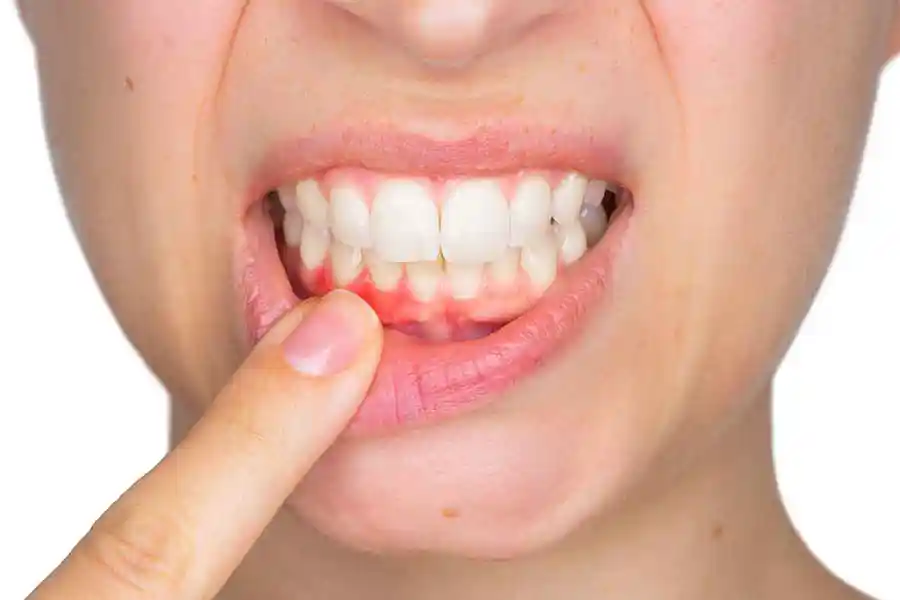
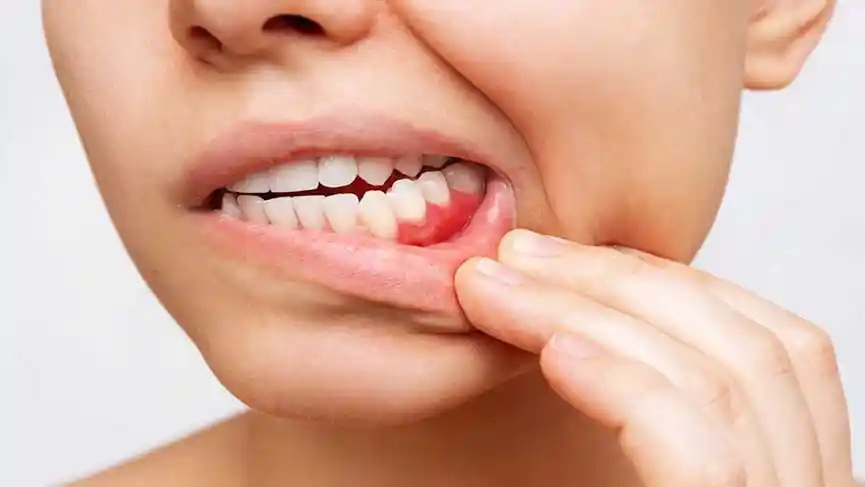
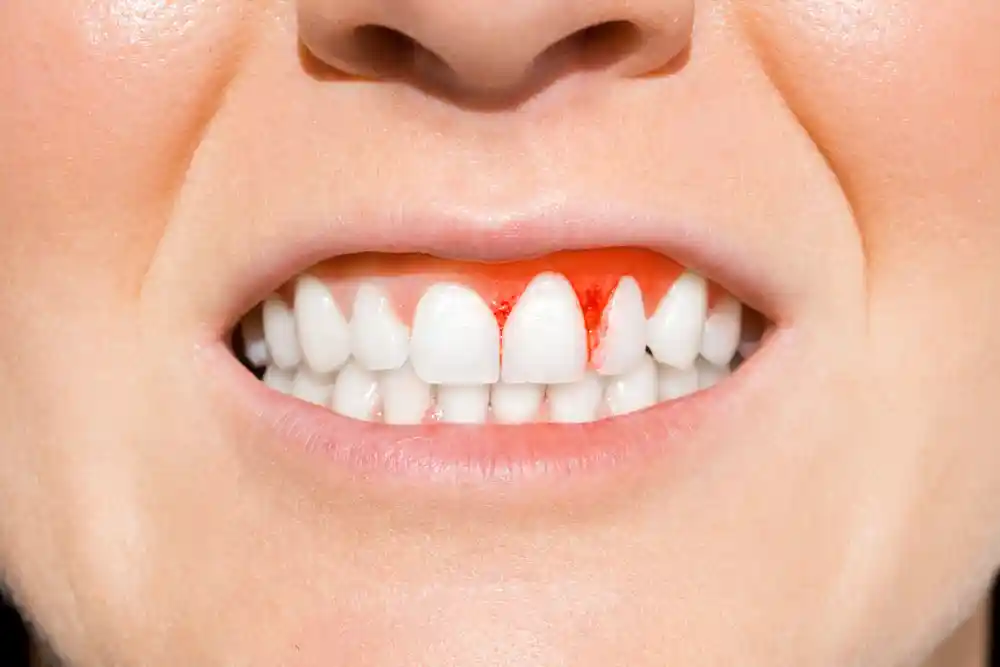
Since gingivitis processes do not directly affect the nerve networks within the dental pulp, they progress during initial phases without sending distinct pain or throbbing signals to the patient; symptoms are shaped by the outward expression of the soft tissue’s defense mechanisms. The most conspicuous and primary clinical symptom is micro-leakage bleeding occurring inside the mouth during toothbrushing, when biting into hard foods, or spontaneously. The inflamed gingiva increases volumetrically, collects edema, and loses its smooth, knife-edge lines, displaying a loose, bright red, or purplish form.
- Spontaneous Bleeding: Bleeding reflexes resulting from the weakening of capillary walls within the gums,
- Edema and Swelling: Coarse and loose swelling of the gums in a manner that fills the triangular spaces (papillae) between the teeth,
- Chronic Halitosis: Malodor caused by the secretion of sulfur gases by bacteria breeding inside porous tartar and plaque,
- Tissue Sensitivity: A sweet tingling and discomfort felt when toothbrush bristles touch the tissue or during mastication.
Who is Suitable for Gingivitis Treatment?
Professional gingivitis treatment protocols are medically suitable for children and adult individuals of all age groups who exhibit verified clinical signs of gingivitis in the mouth, suffer from bleeding complaints while brushing, or seek a sterile foundation before transitioning to implant, prosthetic crown, or orthodontic wire stages. Since the system involves no general anesthesia (narcosis) or traumatic surgical incisions, it can be administered with a high safety profile regardless of the general health status. Every consultant aiming for cumulative success, permanent freshness, and a zero-caries form in oral health derives maximum benefit from this prophylaxis process.
- Those Seeking Periodontal Protection: Patients who want to preserve the health of their gums and avoid tooth loss in the future,
- Those with Dentophobia (Fear of the Dentist): Individuals who wish to overcome dental chair stress through painless and non-invasive equipment technologies (Airflow, etc.),
- Orthodontic and Surgical Candidates: Those who must reduce the intraoral bacterial load before braces are placed or implants are performed.
How is Gingivitis Diagnosed?
Gingivitis diagnosis conducted in clinical environments is a systematic periodontal analysis stage that establishes the current pathological state of the tissue using rational parameters, rather than relying on guesswork. The clinician measures the pocket depths (sulcus distance) between the tooth and gingiva by means of millimetric measuring instruments (periodontal probes); an increase in this pocket distance, which is 1-2 mm within healthy limits, due to edema is verified in favor of gingivitis. Subsequently, harmless herbal plaque-disclosing tablets are applied to the tooth surfaces to dye old and new bacterial plaque accumulations within the mouth in different color tones (pink/purple), mapping out the blind spots left uncleaned by the patient during brushing.
- Bleeding on Probing (BOP) Index: Mathematical determination of micro-bleeding rates caused by the touch of the probe tip,
- Plaque Scoring (PI): Calculation of the coefficient of microbial matrix density on tooth surfaces per square centimeter,
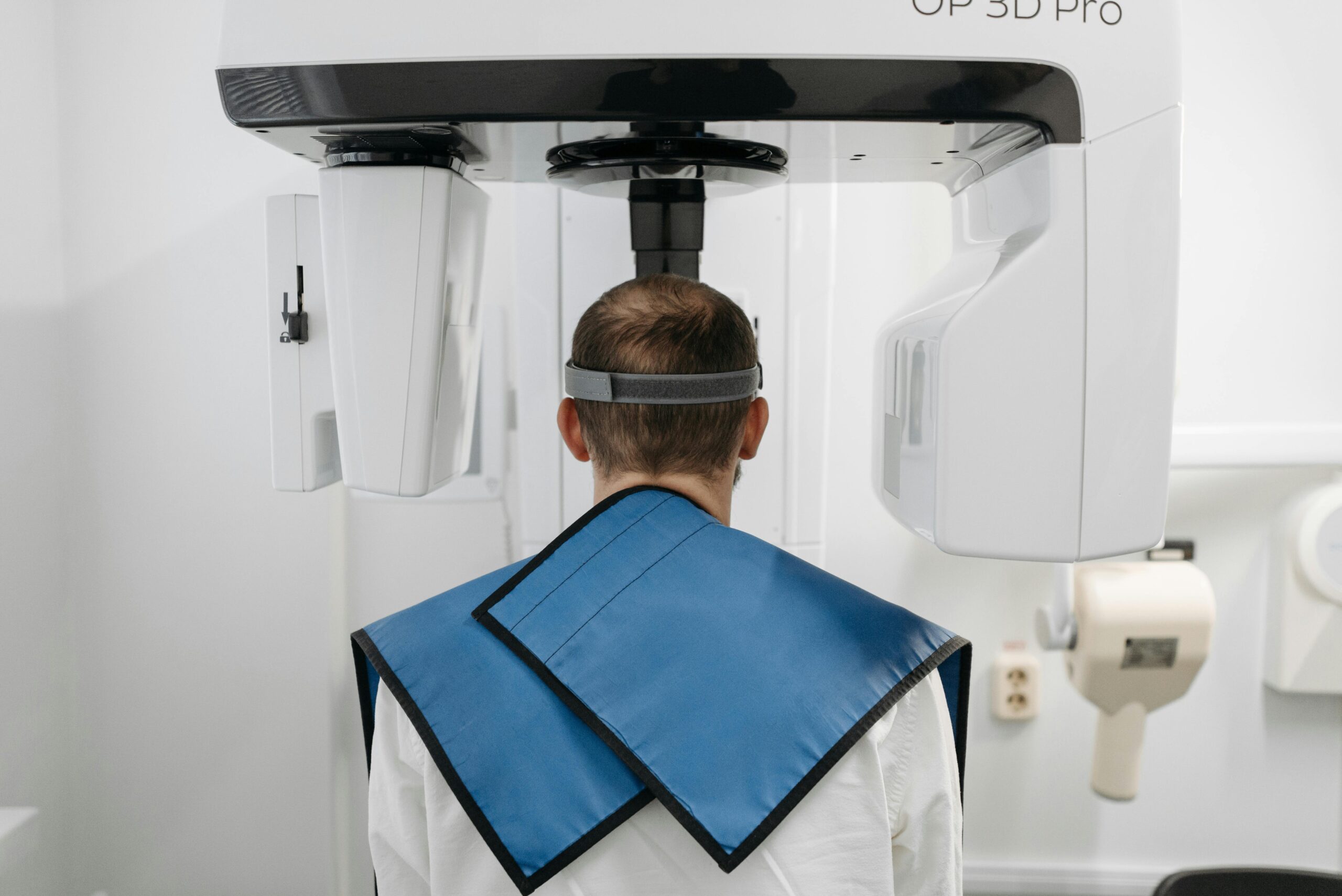
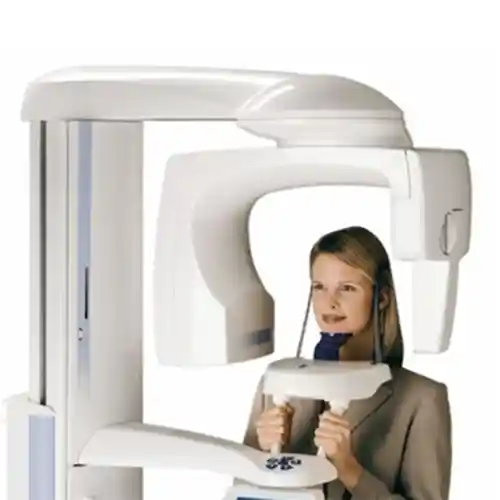
- Digital Radiology Inspection: Monitoring whether the inflammation has spread to the bone (whether it has evolved into periodontitis) using panoramic radiographs.
How is Gingivitis Treatment Planned?
The planning of the gingivitis treatment protocol is carried out over a phased treatment algorithm based on the patient’s current plaque score, the chronicity of the edema in the gums, and systemic risk factors. When planning the process, the shortcut of finishing the work in a single session is avoided; because the biological response of the tissue to the treatment and the patient’s home hygiene discipline determine the permanence of the process. In planning, first the clinical purification steps and immediately followed by the verification of protective routines to be applied by the patient at home are meticulously recorded onto the schedule.
A modern gingivitis treatment planning matrix encompasses the following hierarchical stages:
| Treatment Stage / Field | Applied Clinical Protocol and Technology | Targeted Tissue and Biological Outcome |
|---|---|---|
| Stage 1: Diagnosis and Analysis | Periodontal probing, plaque-disclosing tablets, and 2D radiograph scanning. | Clear distinction of whether the infection is superficial or involves deep bone resorption. |
| Stage 2: Clinical Purification | Scaling with ultrasonic Piezo units and pressurized Airflow spraying. | Complete sweeping away of solid calculi, stains, and the microscopic biofilm layer. |
| Stage 3: Chemical Lock | Subgingival antiseptic (Chlorhexidine) irrigation and polishing. | Sterilization of the insides of pockets and sealing micro-roughnesses where bacteria could attach. |
| Stage 4: Maintenance Phase | Personalized oral hygiene care education and 6-month periodic follow-ups. | Preserving the gained pink, firm integrity permanently and over a lifetime without relapse. |
Which Methods are Applied in Gingivitis Treatment?
In periodontology practices, evidence-based mechanical, technological, and pharmaceutical treatment methods designed according to the dissemination area of the inflammation and the degree of soft tissue damage are brought into play. Chemical dissolving acids or aggressive abrasive scrapers that traumatize the tissue are strictly not used in the treatment; all methods encompass a protective architecture respectful of dental integrity. Which method will be combined is decided in line with the plaque index values verified during the preliminary examination.
- Ultrasonic Scaling (Detertraj): Cracking and removing solidified tartars using sound waves without any contact with the enamel,
- Airflow (Biofilm Sweeping): Disrupting invisible bacterial fortresses between teeth through pressurized air, water, and micronized glycine powders,
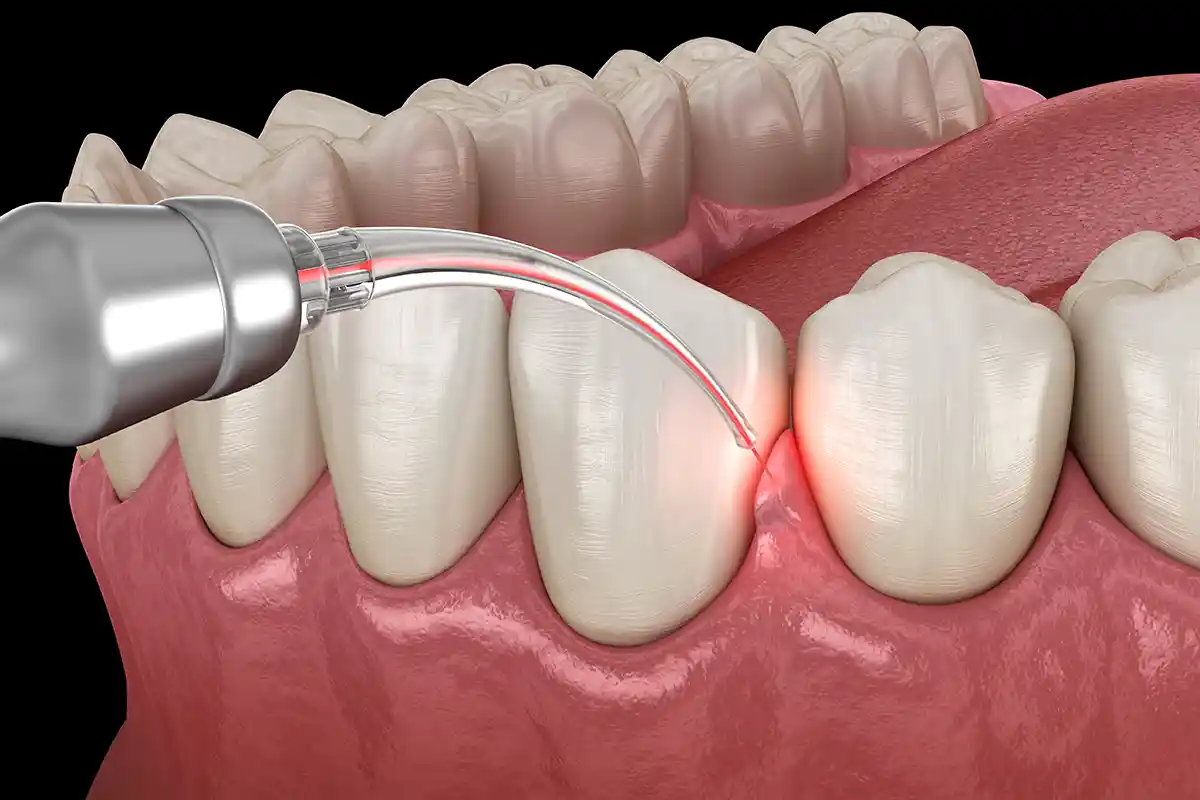
- Laser Decontamination: Sterilizing infected pockets with photo-thermal radiation using soft tissue lasers (Diode/Nd:YAG),
- Polishing and Prophylaxis Cures: The phase of bringing tooth surfaces into a smooth step form by means of specialized pastes and rotating brushes.
How is Dental Scaling Applied in Gingivitis Treatment?
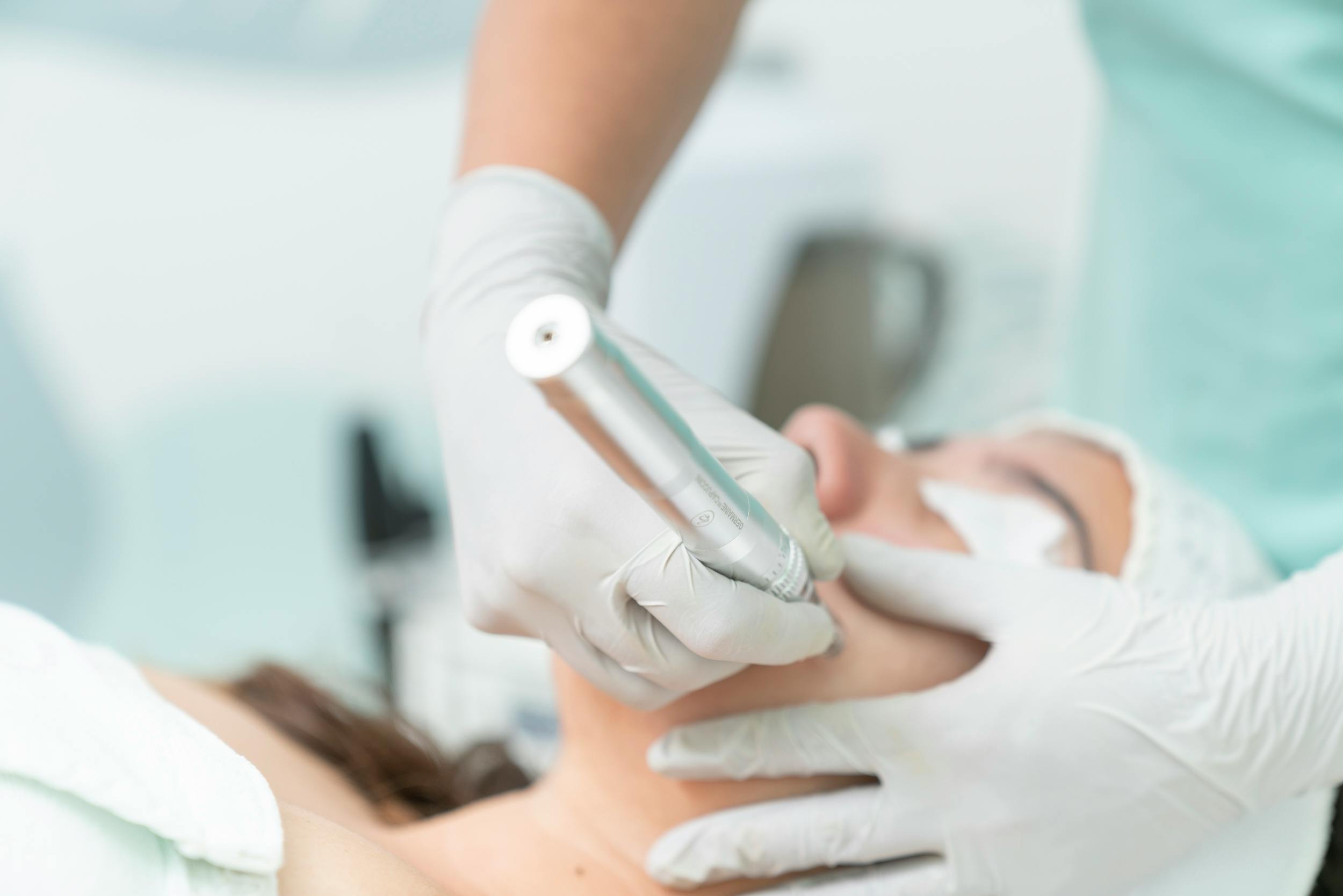
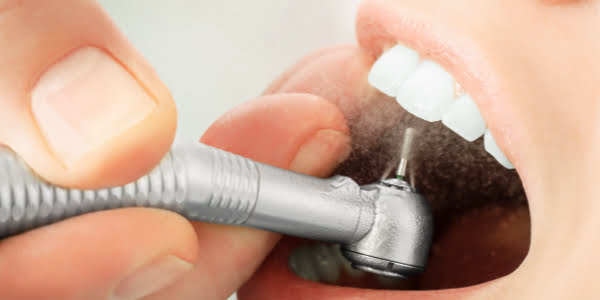
Dental scaling (detertraj) is the most vital, uncompromising, and indispensable primary mechanical purification step in the gingivitis treatment chain; because tartars are the main bacteria factories feeding the inflammation. During the procedure, intelligent piezoelectric equipment tips that emit an average of 30,000 microscopic vibrations per second are utilized. These tips do not apply scraping force to the enamel surface; they are merely brought close to the calculus mass. The high-frequency micro-waves emitted by the tip break solidified calculus chains within seconds, separating them from the tooth. The pressurized water constantly sprayed from the device tip neutralizes frictional heat while physically disrupting bacterial cell membranes through the cavitation effect.
- Fracture via Sound Waves: The comfort of removing only foreign calculus masses without thinning the integrity of the enamel.
- Subgingival Fine Scanning: Cleaning hidden root calculi concealed just below the gingival margin using sensitive tips.
- Rapid Tissue Response: The moment calculi are lifted, mechanical pressure on vessels ceases, and tissue repair processes are instantly triggered.
Why is Professional Oral Care Important in Gingivitis?
Although standard brushing and flossing routines performed by individuals in the comfort of their homes are effective in cleaning soft plaque on tooth surfaces; they remain completely insufficient in dislodging hard tartars once calcified. Professional oral care is of vital importance in order to purify the inside of those narrow gingival pockets (sulcus) and the blind interproximal surfaces (contact points) of teeth facing each other using clinical technologies, where home toothbrushes cannot physically reach. This deep cleaning performed under clinician supervision draws the intraoral pathogen population down to safe limits with which the immune system can cope, allowing the tissue to breathe.
“Trying to solve gingivitis with cosmetic mouthwashes without receiving professional oral care is a medical misconception akin to merely dispersing the smoke without extinguishing the source of the fire.”
How Can Gingivitis Be Controlled Before It Progresses?
Controlling an infection at the gingivitis stage before it evolves into the periodontitis phase—which causes irreversible bone destruction—depends on conducting clinical purification and home hygiene discipline within a complete temporal synchronization. After all dental calculi and the biofilm shield are reset in the clinic according to medical standards as a first step, the most critical phase is that first 48-hour time barrier at home. Uncompromising fidelity to medical care routines and brushing durations prescribed by the physician to prevent bacteria from re-settling on the tooth surface and calcifying definitively confines the infection.
- Timely Intervention: Applying for a polyclinic check-up without postponement the moment the first sign of bleeding is detected in the gums.
- Construction of a Mechanical Shield: Establishing the correct brushing technique targeting the gingival sulcus twice a day for a full 2 minutes.
- Chemical Barrier Support: Adding anti-plaque oral rinses to the routine in the first weeks to slow down the rate of bacterial reproduction.
How Does Gingivitis Affect Oral and Dental Health?
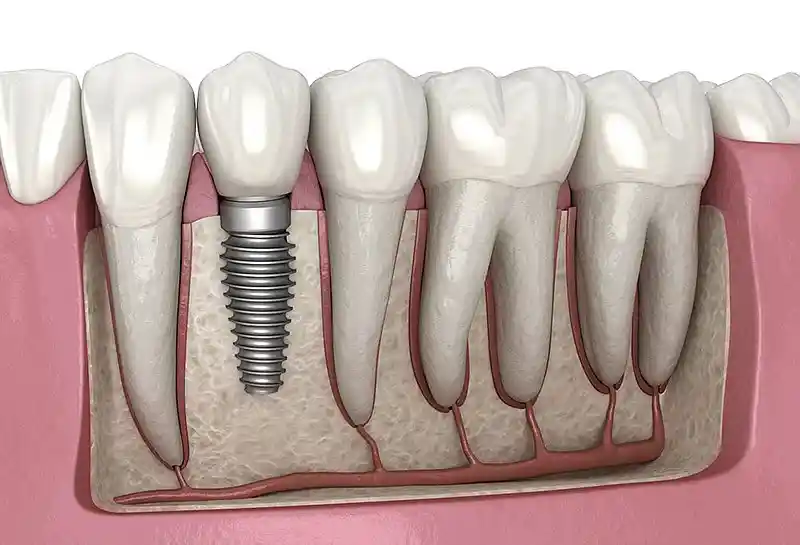
The chronic inflammation cycle in soft tissues is the most aggressive pathology warning that drives the intraoral ecosystem into destruction along a linear line and paralyzes the organism’s local defense mechanisms. Inflamed gingiva is an open-door indicator that the protective epidermal barrier of the skin has been broken and pathogenic microbes can infiltrate directly into the general blood circulation from capillaries. This process dissolves the periodontal fibers holding the tooth root, collapsing vertical attachment areas (attachment loss); the alveolar bone socket around the teeth resorbs from the inside, opening the way for tooth losses wide open.
- Acceleration of Bone Resorption: Osteoclast (bone-dissolving) cells resorbing the jawbone with the activation of inflammatory cytokines,
- Risk of Root Caries: Rapid decay by acids of the vulnerable root cementum layer exposed due to the recession of the gums,
- Aesthetic Dulling Shadow: Swelling, bruising, and bleeding in tissues creating a dull and aged smile expression across the lower face in general.
How Long Does Gingivitis Treatment Take?
The gingivitis treatment procedure is a highly rapid and practical preventive medicine step that adapts perfectly to the intense pace of modern metropolitan life, taking almost none of the patient’s time within the clinical workflow. Active cleaning, stain removal, and antiseptic washing phases of the session are comfortably completed usually within just 20 to 30 minutes, depending on the density of tartar accumulation inside the patient’s mouth. The total clinical stay duration, including preliminary examination, plaque mapping, and post-session polishing steps, consists of a single appointment session lasting at most 45 minutes.
- Active Ultrasonic Scanning: 15 – 20 Minutes (Cleaning all dental arches from foreign accretions with vibrating tips and Airflow).
- Polishing and Buffing Phase: 10 Minutes (The period of polishing teeth with special pastes and washing pockets with medical solutions).
- Practicality for Social Time: Flexible processes that can be completed quickly during lunch breaks even on busy working days during the week.
How Does the Healing Process Progress After Gingivitis Treatment?
The tissue recovery phase following the procedure progresses with highly rapid, predictable, and comfortable steps, as it is a non-invasive purification process where the skin and gingiva are not cut from the outside with a scalpel. Experiencing a slight tingling, sensitivity, or seeing micro pink leakages in saliva during brushing for the first 24-48 hours in areas vacated by dental calculi is a completely natural repair reflex given by the tissue to stimulation. The healing process flows along a linear line; as the edema fluid is drained by lymph channels, the gums rid themselves of that diseased red, swollen form and regain their healthy, non-bleeding, pale pink structure within 1 week.
- The First 24 Hours (Homeostasis): The first protection stage where vessel ends are sealed and firm masticatory pressures must be avoided,
- Days 3 to 5 (Tissue Tightening): Fading of redness in the gums and the tissue beginning to shrink and adhere firmly around the neck of the tooth,
- Day 7 (Final Restoration): Marginal epithelium integrity interlocks completely with the extracellular matrix, verifying smooth purification.
What Should Be Considered After Gingivitis Treatment?
There are fundamental rules to be observed by the patient in the home environment following the procedure in order to make the success of the periodontal session permanent, support the rapid repair of stimulated mucosal borders, and neutralize infection risks. Tooth surfaces whose calculi have just been removed and sensitized dentin tubules transition temporarily into a more sensitive phase against external factors during the first hours; it is imperative for the patient to act meticulously to preserve homeostatic balance.
The aspects to be considered at home during the critical post-operative period are as follows:
- To preserve the sealing balance of the gums, strictly nothing should be eaten or drunk for the first 24 hours following the procedure.
- To avoid triggering sensitivity shocks, excessively hot, ice-cold, highly acidic (lemon, cola), or overly spicy foods should be avoided for the first 24-48 hours.
- To avoid dislodging the clot in micro-leakage bleedings occurring inside the mouth, oral fluid should not be vacuumed and spat out; saliva should be swallowed.
- Sauna, Turkish bath, solarium, and heavy cardio sports activities that would increase the edema coefficient of the tissue should be postponed for at least 1 week.
How Should Oral Care Be Maintained to Prevent Gingivitis?
Preventing inflammation in the gums in the comfort of home before it ever begins is the most rational preventive approach preserving oral hard and soft tissue integrity. The sole way to achieve this is to eliminate the microscopic bacterial plaque that irritates the gums before it mineralizes into hard tartars, without exceeding that critical 48-hour time barrier. When correct mechanical brushing techniques and interdental tools are integrated into lifestyle, the necessity to visit a periodontist for treatment purposes is reduced to a minimum wavelength.
- Modified Bass Technique: Placing the toothbrush at a 45-degree angle to the boundary where the tooth and gingiva meet, followed by a vertical (from red to white) sweeping massage after vibration,
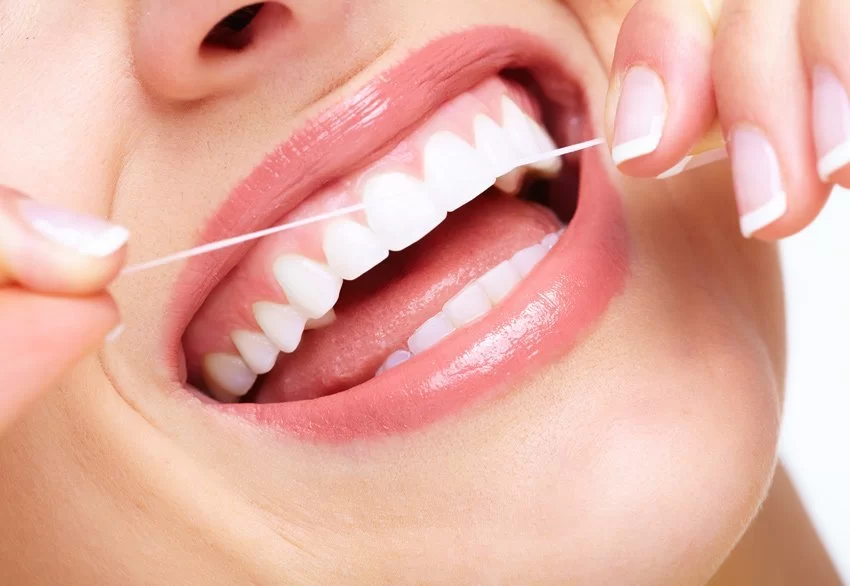
- Uncompromising Flossing: Purifying the narrow contact surfaces of two teeth where toothbrush bristles strictly cannot penetrate by scraping with dental floss every night,
- Interdental Brush Discipline: Patients with gingival recession or carrying bridge prostheses cleaning wide spaces with specialized micro-brushes,
- Alcohol-Free Mouthwash Shield: Adding anti-plaque oral rinses to the end of daily routines to slow down the rate of plaque accumulation.
Can Gingivitis Reoccur?
Tissue tightening and vascular integrity obtained when treatment protocols are successfully completed transition into a permanent phase; however, the dynamics of the human body and oral ecosystem to age and exhibit tissue reactions against microbial attacks remain active for a lifetime. If the patient reverts to old erroneous oral care negligences following the treatment, neglecting interproximal cleaning and accumulating tartar towers between teeth anew, gingivitis can definitively relapse within a few months; permanence shows a direct correlation with the patient’s home care fidelity.
- Regular Mechanical Purification: Maintaining 2-minute time-disciplined brushing routines for a lifetime that will not allow plaque to calcify.
- Reminder Sessions: The necessity for cases with a rapid calculus-precipitating salivary structure not to neglect periodic clinical check-ups.
How Do Dietary Habits Affect Gingival Health?
Dietary style plays a directly decisive role on the synthesis quality of collagen fiber networks holding the gums and the power of the local immune system to fight inflammation. Excessive consumption of carbohydrate-heavy, sticky, and refined sugary foods feeds the intraoral bacterial population, accelerating the rate of plaque accumulation. Conversely, masticating firm, fibrous, and antioxidant-rich foods creates a natural mechanical scraping (cleaning) effect on tooth surfaces, stimulating blood circulation of the gums and reinforcing tissue resistance.
- Vitamin C and Collagen Synthesis: Consumption of ascorbic acid-rich foods (citrus fruits, greens) to ensure ligaments connecting the gingiva to bone remain robust.
- Cheese Shield Effect: A small piece of cheese consumed at the close of meals making the oral environment alkaline thanks to the casein in its content, thereby appeasing inflammation signals.
What are the Advantages of Gingivitis Treatment?
Periodically planned periodontal treatment sessions are the highest cost-effective preventive anti-aging investment that extends the biological lifespan of intraoral tissues and halts insidious tissue destructions. It does not merely create a superficial feeling of cleanliness; it protects the jawbone architecture surrounding the teeth and sustaining facial aesthetics. When the infection load in the lower layers of tissues is alleviated, a serene youthfulness and permanent smooth form are instantly imparted to the expression.
- Prevention of Early Losses: It eliminates the risks of teeth becoming mobile and shedding prematurely by halting bone resorption.
- Ending Halitosis: It brings a permanent freshness to the breath by disrupting anaerobic bacterial fortresses that produce sulfur gases.
- Systemic Health Barrier: It severs the systemic dissemination chain of pathogenic microbes that infiltrate into the bloodstream from inflamed gingival vessels and settle in the heart, kidneys, or joints.
What are the Frequently Asked Questions About Gingivitis Treatment?
The most common practical concerns arising in the minds of individuals planning to apply for these treatments to rid themselves of bleeding in the gums or to preserve pink aesthetic boundaries, along with their clinical medical answers, are presented below:
Does dental scaling and inflammation treatment hurt a lot during the session?
On the contrary, this procedure is painless and highly comfortable. The sole sensation felt consists of a slight micro-vibration emitted by the ultrasonic Piezo device tips and the feeling of coolness created by pressurized water inside the mouth. Since the enamel or gingiva is not intervened with using a scalpel, the session is practically completed without even requiring local numbing injections.
My gums bleed due to inflammation when brushing, should I stop brushing completely?
This situation is a major medical misconception most frequently fallen into regarding periodontal diseases, making the inflammation even more chronic. If you stop brushing because your gums bleed, the soft bacterial plaque in that region will increase exponentially and the infection will infiltrate into the deeper jawbone. What needs to be done at the moment of bleeding is not to cease brushing, but to continue massaging that area vertically with a soft-bristled brush and to apply for a polyclinic cleaning urgently.
Do gingival toothpastes and healing herbal cures sold in pharmacies completely dry up the inflammation at home?
They strictly cannot dry it up; these products can only mask the ache of inflammation or bleeding signs temporarily by providing a superficial disinfection. As long as hard tartars (dental calculi) calcified underneath the gingiva continue to remain physically in the mouth, no home-type chemical or herbal formula can dissolve those masses, and the inflammation continues to gnaw at the bone in an insidious silence. The only definitive solution is professional mechanical cleaning.
Following the cleaning session, spaces opened up between my teeth and my tooth lengths extended, is this situation an error?
No, this situation is the clearest proof that the treatment has achieved success with excellent accuracy, quite the contrary. While dental calculi grow in that area for months, they push the gingiva down, creating a hidden recession zone, and fill that space themselves like a wedge; the patient thinks their mouth is full when looking from the outside. When calculi are removed in the clinic and the swelling (edema) in the gingiva subsides, the true anatomical situation is revealed; these openings are not an error of cleaning, but the expression of damage caused by calculi in the past.
Can I return to my normal social and professional life immediately on the day the treatment is completed?
Yes, gingivitis treatments are a completely local and non-invasive prophylaxis step that does not disrupt consciousness, affect motor skills, or involve sutures or incisions; therefore, the exact second the session ends, you can stand up from the chair and continue your normal daily, vocational, social, or academic life rhythm uninterrupted from where it left off; there is no clinical obstacle whatsoever to driving a car or participating in business meetings immediately after the procedure.
Who We Are & Panorama Ankara Oral and Dental Health
Panorama Ankara is a licensed oral and dental health center that offers institutional health assurance to its patients by combining an academic expert staff and the latest global digital technological infrastructure under a single roof across oral, dental, and maxillofacial surgery, implantology, orthodontics, aesthetic dentistry, and specialized periodontology (specialty in gingival diseases) branches. Attaching vital importance to halting bleedings occurring in the gums, insidiously progressing jawbone resorption foci, and halitosis problems sabotaging social comfort through evidence-based medical disciplines right at their initial stage, our center uncompromisingly operates original Laser-Assisted Gingivitis Treatment and Ultrasonic Scaling ecosystems, which are the safest link of modern guided biofilm treatments within the clinical prophylaxis workflow.
Under the roof of Panorama Ankara, absolute sterilization, high patient safety, transparency, and honesty principles are operated with uncompromising determination by regulation in all radiological, scanning, design, and periodontal interventions. In our clinical practices, intelligent piezoelectric units that act passively on hard enamel tissue while only disrupting pathogenic biofilm and tartars, and CBCT 3D tomography planning systems taking cross-sections at the micron level are administered with millimetric precision under the supervision of our expert periodontist staff. Our aim is not to impose old-type analog scraping frameworks that scratch the enamel, cause pain, or harrass the gingiva upon our patients; but rather to analyze each consultant’s oral flora, pocket depths, and tartar map with a keen eye during the preliminary examination, achieving maximum session comfort without damaging surrounding soft tissues and vascular pathways, an application practicality lasting seconds, and pink gingival integrity that will remain healthy for a lifetime. If you are tired of your gums bleeding, your fading smile integrity, or unremitting mouth odors when you look in the mirror, yet postpone your check-ups due to needle or pain fear, and want to initiate your professional treatment process with scientific assurance in an expert center environment; you can safely protect your health and smile integrity by contacting the expert staff of Panorama Ankara for your detailed intraoral examination.