

1. What is Implant Treatment?
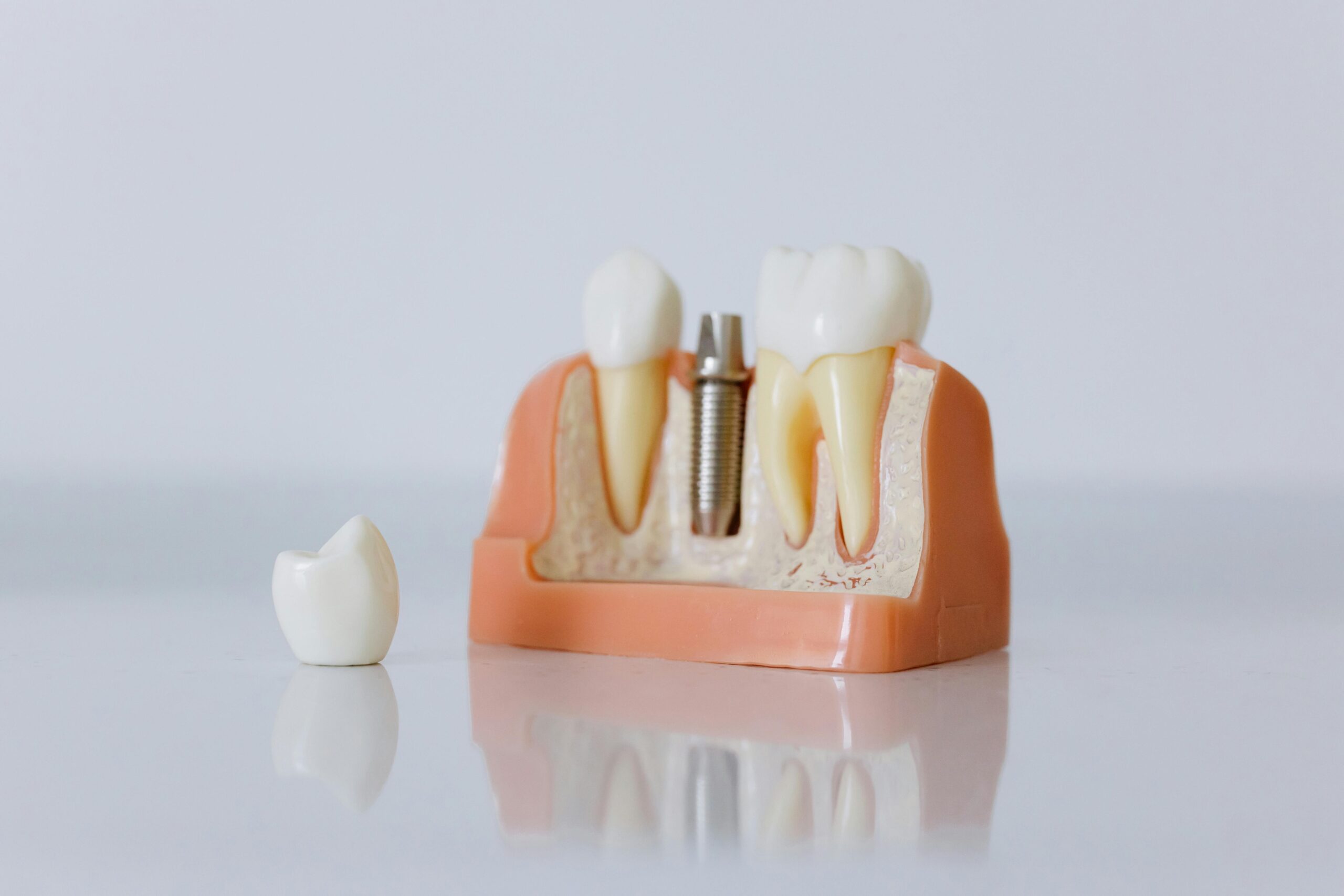
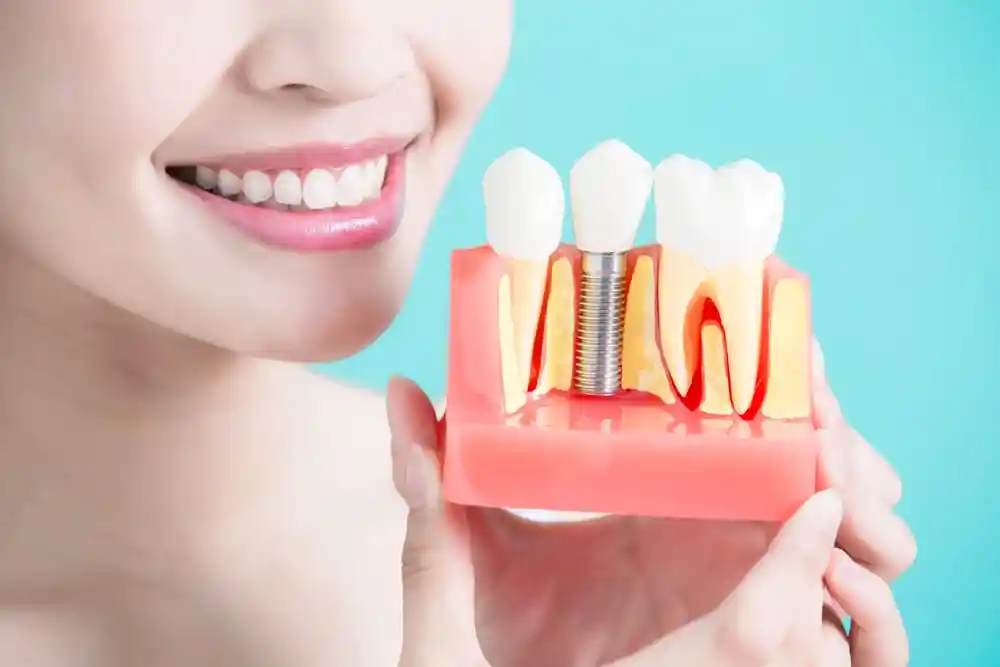
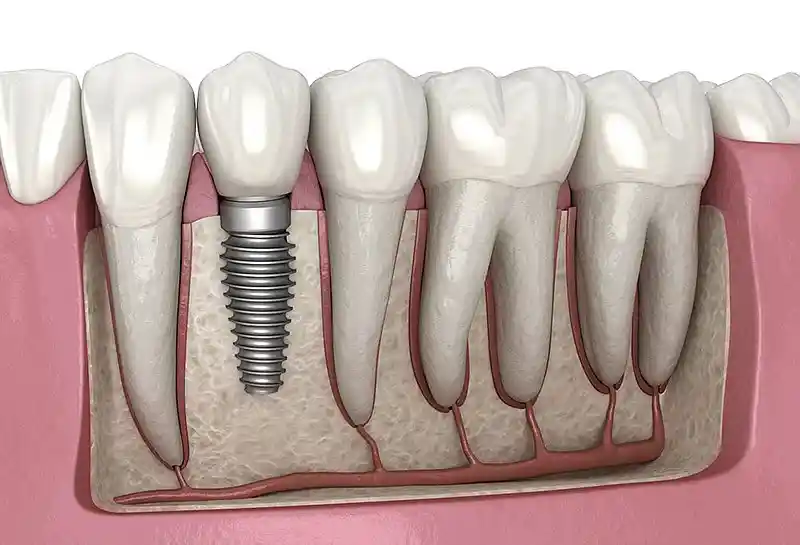
Dental implant treatment is the application of a titanium-based artificial tooth root surgically placed into the jawbone to reconstruct the function, aesthetics, and anatomical structure of natural teeth lost for any reason. Considered one of the greatest revolutions in modern dentistry, this method completely eliminates the loss of comfort and tissue destruction caused by traditional bridges and removable dentures.
Implants are manufactured from Titanium Grade 4 or Grade 5 alloys, which are 100% biologically compatible with the human body. This material is not perceived as a foreign object by the organism and establishes a direct mechanical and biological bond with the jawbone cells through a very special process called “osseointegration.” In the implant applications we perform within Panorama Ankara, world-class implant brands with surface properties optimized at the molecular level (SLA, hydrophilic surface, etc.) are preferred to maximize the success of integration with the bone.
2. Who is Implant Treatment Suitable For?
Implant treatment can be safely applied to almost any individual whose general health status is stable and whose jawbone development is complete. However, certain criteria must be met in terms of the biological success and lifespan of the procedure. In Panorama Ankara clinics, our implant candidate patients are evaluated in line with the following basic criteria:
- Individuals with Completed Bone Development: Generally all patients who have completed the age of 16-17 for girls and 18 for boys, whose skeletal growth and development have come to an end.
- Those with Sufficient Bone Volume: Those who possess vertical and horizontal bone density that will safely support the width and length of the implant in the area where it will be placed (if bone is insufficient, it is supported by advanced surgical techniques).
- Those with Controlled Systemic Diseases: Patients who have diabetes, hypertension, or cardiovascular disorders but undergo routine follow-ups and have stable HbA1c values.
- Those with Good Oral Hygiene: Individuals with a high awareness of oral care to protect the health of the tissues surrounding the implant.
3. In Which Cases is Implant Treatment Preferred?
Dental implants become the primary and most conservative option in many scenarios where traditional treatment methods fall short or fail to offer comfort to the patient. Implant treatment should definitely be preferred especially in the following cases:
- Single Tooth Deficiencies: When it is desired to prevent the reduction or cutting of intact teeth adjacent to the gap for bridge purposes and to preserve the biological integrity of neighboring teeth.
- Multiple Tooth Deficiencies and Posterior End-Terminations: To fabricate a fixed prosthesis in cases where teeth at the very back of the dental arch are lost and there is no supporting tooth available to be used as a bridge abutment.
- Full Toothlessness (Edentulism): To provide the comfort of full fixed or implant-supported snap-on dentures in patients who have no teeth in their mouth and complain about classic total dentures (palate dentures) slipping or hurting during chewing or speaking.
- Situations Where Bone Resorption Must Be Prevented: Since the jawbone left empty after tooth extraction does not function, it resorbs over time. The implant stops this physiological resorption by transmitting chewing forces to the bone.
Panorama Ankara Note: Implant treatment not only replaces lost teeth with new ones; it also supports the lip and cheek muscles, preventing facial collapse and giving the patient an aesthetically younger and more dynamic facial architecture.
4. What Kind of Evaluation is Conducted Before Implant Treatment?
The most important secret behind a successful implant treatment is the flawless pre-operative (pre-surgery) planning phase. At Panorama Ankara, this process is managed in a multidisciplinary manner using the most modern devices of digital dentistry:
Clinical and Systemic Evaluation
The patient’s medical history, medications used (especially bisphosphonates, blood thinners), and past operations are examined in detail. During the intraoral examination, the health of the gums, occlusion (bite) relationships, and the distance between jaws are analyzed.
Radiological and Three-Dimensional Digital Analysis
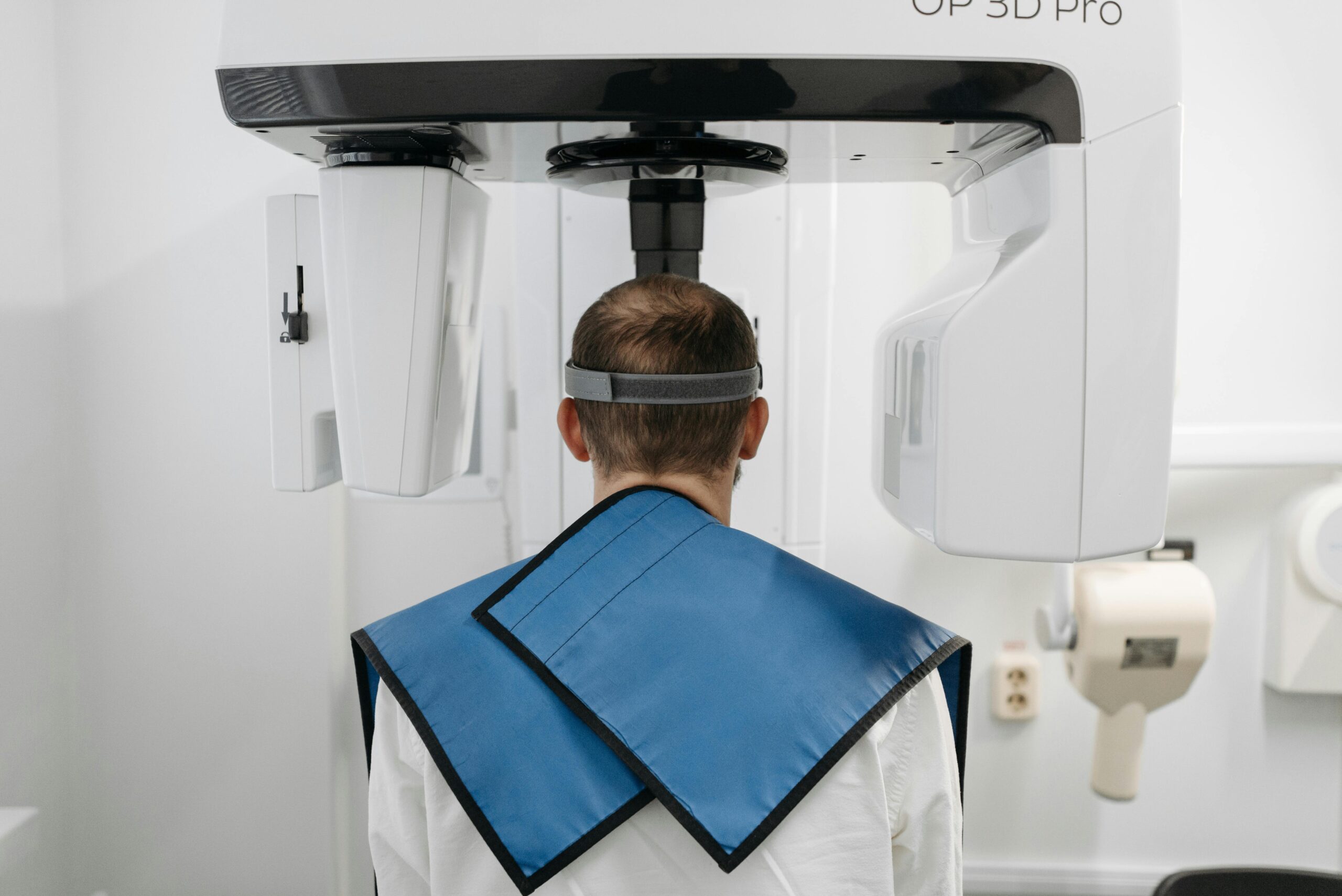
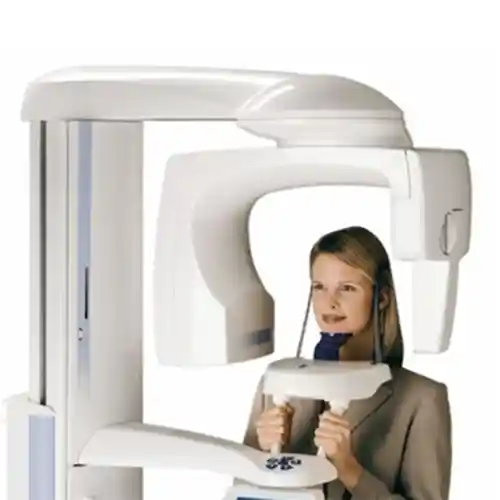
Classic two-dimensional X-rays provide limited information about the thickness of the bone and its relationship with surrounding anatomical formations. Therefore, CBCT (Cone Beam Computed Tomography) is taken from every patient in our clinics. Thanks to 3D tomography, the quality of the jawbone, its millimetric volume, the lower jaw nerve canal (Inferior Alveolar Nerve), and the location of the sinus cavities in the upper jaw are clearly mapped in a computer environment.
“Backward Planning” and Digital Guides
First, the patient’s ideal future prosthesis (tooth) is designed on the computer, and then the site where the implant will be placed in the bone at the most suitable angle and position for this tooth is determined. Thanks to surgical guide templates (navigated surgery/digital guides) produced for this purpose, the operation is planned with zero margin of error.
5. How is Implant Treatment Performed?
Implant surgery, contrary to popular belief, is an extremely comfortable, painless, and routine clinical procedure. At Panorama Ankara, the operation process is carried out in surgical rooms that show full compliance with sterilization rules through the following steps:
Anesthesia Stage: The operation site is completely numbed using local anesthesia techniques. For our patients who have an advanced level of dental phobia or a high gag reflex, procedures can also be comfortably completed under sedation or general anesthesia accompanied by our expert anesthesiologists.
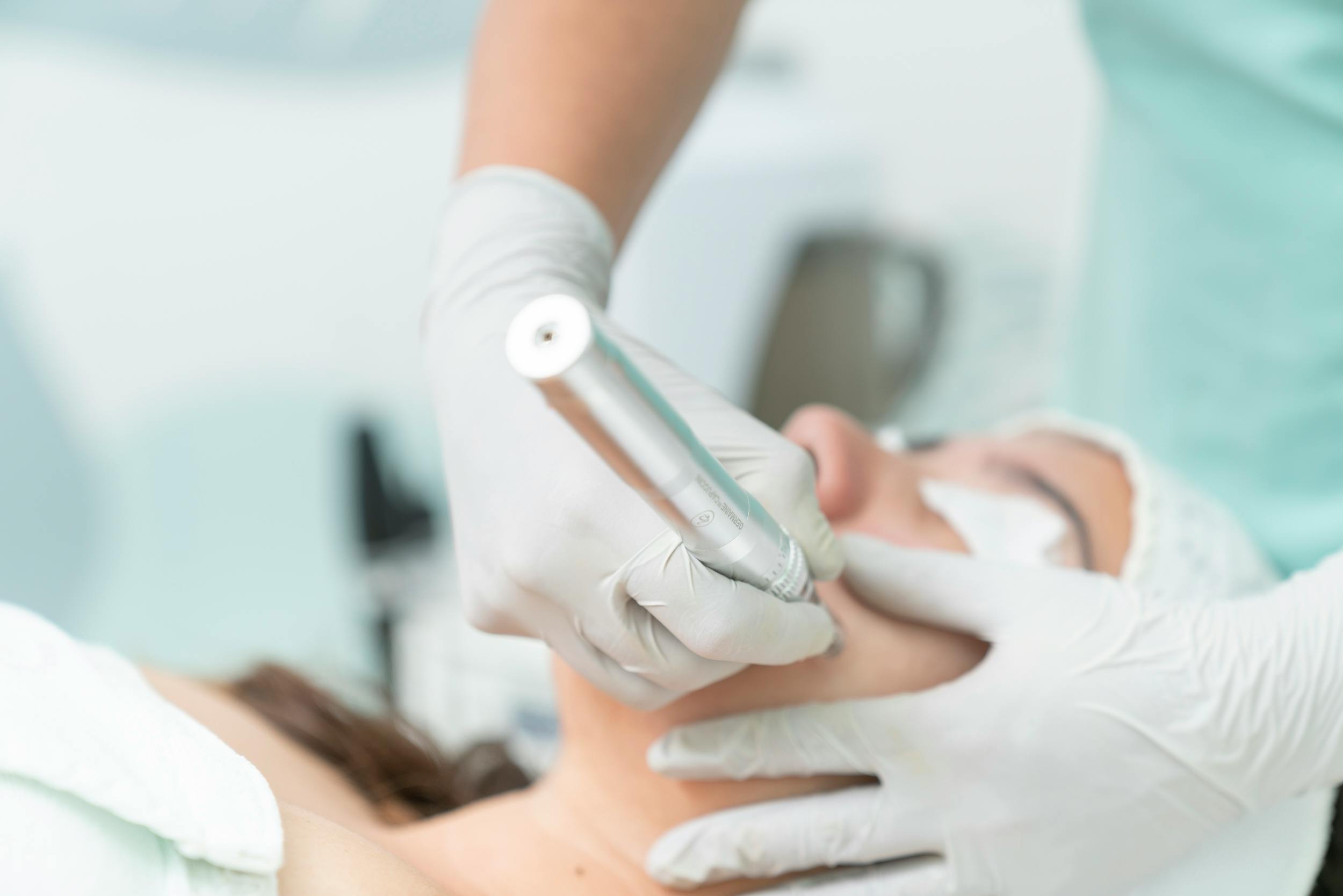
Surgical Socket Preparation (Osteotomy): The gum is gently separated (or directly through the gum in sutureless guided techniques) to reach the bone tissue. Accompanied by special physiodispenser motors and sterile saline cooling, millimetric sockets suitable for the implant diameter are prepared in the bone.
Placement of the Implant and Suturing: The titanium artificial root is placed into the prepared socket with a controlled torque value. A healing screw is fitted on top of the implant and the gum is closed with sutures, or the procedure is concluded directly if a sutureless technique was applied.
6. To Which Regions Can a Dental Implant Be Applied?
Dental implants can be successfully applied to any tooth region in the lower and upper jaw, provided that anatomical and aesthetic rules are observed. However, the biomechanical and aesthetic requirements of the regions in the dental arch are different:
| Application Region | Primary Requirement and Characteristic Structure | Panorama Ankara Clinical Approach |
|---|---|---|
| Anterior Region (Aesthetic Zone) | High aesthetic expectation, thin bone structure, pink aesthetics (gum) harmony. | Customized zirconium or titanium abutments, laser-supported gum shaping, and immediate temporary tooth applications. |
| Posterior Region (Functional Zone) | High chewing forces, sinus proximity in the upper jaw, nerve canal proximity in the lower jaw. | Large-diameter implant designs resistant to vertical forces; sinus lifting support when necessary. |
7. What is Implant Treatment for Single Tooth Deficiencies and How is it Applied?
In cases where a single tooth is lost due to decay, trauma, or root fracture, the process of placing a single artificial root only in the empty space without touching the integrity of the two adjacent teeth is called single tooth implant treatment. In traditional methods, to close this gap, the two adjacent healthy teeth were shaved down and a three-unit bridge was made. This situation shortened the lifespan of healthy teeth.
In single tooth implant application, after a single titanium screw placed in the extraction socket integrates with the bone, a custom-manufactured abutment is attached onto it. In the final stage, a zirconium or full ceramic crown prepared with digital impression methods is screwed or cemented onto the implant, completing the procedure. The result is a perfect solution whose aesthetics, function, and cleaning can be done with dental floss just like a natural tooth.
8. How is Implant Treatment Planned for Multiple Tooth Deficiencies?
In partial toothlessness cases where more than one adjacent tooth is lost, placing a separate implant for each missing tooth can both exhaust the bone biologically and increase the cost economically. In these situations, Panorama Ankara surgeons and prosthodontists carry out strategic biomechanical planning.
For example, in an area where 3 or 4 adjacent teeth are missing, a total of 2 implants are placed, one at the beginning and one at the end of the gap. An anatomical bridge prosthesis of 3 or 4 units is designed over these two implants. The implants serve as the pillars of the bridge. In planning, the distance of the implants from each other, the density of the bone, and the chewing relationships with the opposing jaw are calculated via computer-aided static analyses to obtain a long-lasting bridge framework.
9. How is Implant Treatment Applied for Full Tooth Deficiencies?
For patients who have no teeth left in their mouths, fully removable total dentures (commonly known as palate dentures) tend to slip out of place constantly, especially in the lower jaw due to tongue and cheek movements. In cases of full toothlessness, two main concepts are applied at Panorama Ankara according to the patient’s bone structure and lifestyle:
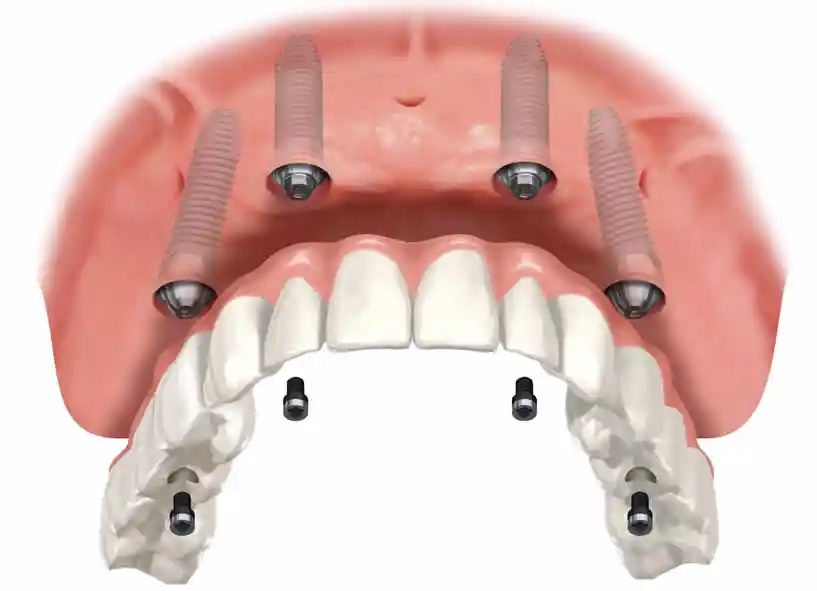
A. Fixed Implant-Supported Prostheses (All-on-4 / All-on-6 Technology)
This is the fabrication of completely fixed porcelain or zirconium bridges that cannot be removed by the patient, placed over 4, 6, or 8 implants positioned in a completely toothless jaw. Thanks to implants placed at special angles, All-on-4 or All-on-6 protocols, where temporary fixed teeth can be fitted on the same day without the need for bone powder even in patients with advanced bone resorption, are successfully applied in our clinic.
B. Removable Implant-Supported Prostheses (Overdenture)
In cases where the bone volume is insufficient to support a fixed prosthesis or where economic limits exist, 2 or 4 implants are placed in the jaw. Locator or ball attachments, similar to a “snap-on” mechanism, are fitted to the ends of these implants. The denture snaps tightly into these attachments. The patient can remove the denture themselves to clean it, but the denture never moves or drops out of the mouth while eating or speaking.
10. What is Bone Graft (Bone Powder) Application in Implant Treatment?
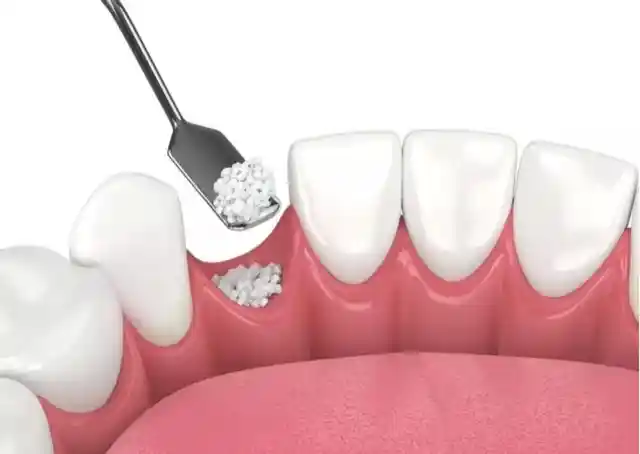
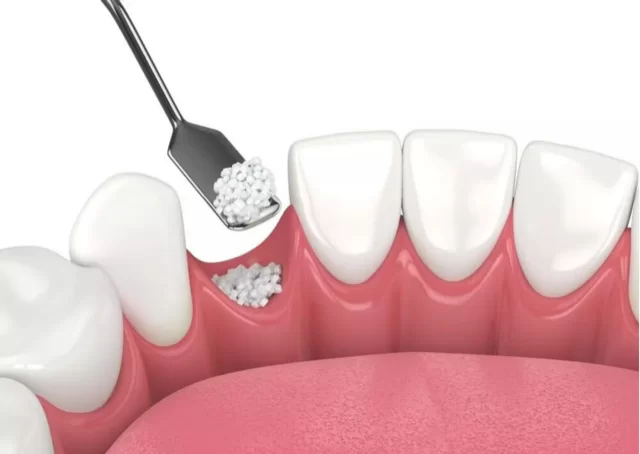
When many years have passed since tooth extractions or due to serious gum infections, significant volume loss (atrophy) occurs in the jawbone. For a safe implant placement, it is mandatory for the bone to have certain width and length limits. In these cases where bone volume is insufficient, the process of placing materials that support the bone structure into that area is called bone graft (bone powder) application or “guided bone regeneration.”
Bone powders can be harvested from the patient’s own body (autograft), or they can be synthetic (alloplastic) or of animal origin (xenograft). The placed grafts are protected by covering them with special protective membranes (barriers). Over time, the body resorbs these powders and replaces them with its own living bone cells. Depending on the degree of volume loss, bone powder application can be performed in the same session as the implant, or in advanced cases, bone can be added first, and after waiting for 4-6 months, the implant phase can be started.
11. When Might the Sinus Lifting Procedure Be Required in Implant Treatment?
Located right above the molars in the upper jaw, the anatomical air cavities that serve to reduce skull weight and provide voice resonance are called the “maxillary sinus.” When teeth in the posterior upper jaw region are lost, the sinus cavities expand downwards under the influence of gravity and air pressure (pneumatization). Since the underlying jawbone also resorbs during this time, sometimes only a very thin bone layer of 1-2 mm remains for implant placement.
The surgical procedure performed to solve this vertical bone insufficiency is called Sinus Lifting (Sinus Floor Elevation). There are two types:
- Open Sinus Lifting: In cases where the bone height is at a critical level (less than 4 mm), it is the procedure of opening a small window from the lateral side of the jaw, gently pushing the sinus membrane upward, and filling the cavity beneath it with bone powder.
- Closed Sinus Lifting: In cases where the bone height is relatively better (5-6 mm), it is the method of tapping the sinus floor upward with special osteotome instruments through the socket where the implant will be placed and inserting a small amount of graft.
12. What Are the Stages of Implant Treatment?
A standard implant treatment process at Panorama Ankara is managed through the following systematic stages, respecting biological healing phases:
- Planning and Digital Scanning: Initial examination, 3D tomography analysis, and taking digital impressions with intraoral scanners. Simulating the prosthetic infrastructure on the computer.
- Surgical Stage (Placement of the Implant): Placement of implant screws into the jawbone under anesthesia in a sterile clinical environment and placing sutures. (If necessary, temporary prostheses are adjusted at this stage).
- Osseointegrasyon (Waiting Process): A silent period of 2 to 4 months for the implant surface and the jawbone to fuse at a cellular level, during which the patient continues their normal daily life.
- Second Stage (Fitting the Healing Abutment): The small screw on top of the implant that has integrated with the bone is opened, and a “healing cap” (gingiva former) is fitted in its place to allow the gum to acquire a natural appearance. A waiting period of about 1-2 weeks follows.
- Prosthesis Stage: Following the contouring of the gum, the exact positions of the implants are transferred to the computer with digital scanners. Personalized abutments and aesthetic superstructures (zirconium/porcelain teeth) prepared in the laboratory are fixed onto the implant, completing the treatment.
13. How Long Does Implant Treatment Take?
The duration of implant treatment varies individually depending on the number of implants to be applied, the patient’s bone quality, and whether an additional advanced surgery (sinus lifting, bone graft) is required. In terms of operation duration, placing a single implant into the bone takes an average of 15 to 20 minutes in experienced hands. Multiple or full-mouth toothlessness surgeries are usually completed within 1-2 hours.
The total duration of treatment, that is, the moment the patient receives their permanent teeth, depends on biological waiting periods. In a standard jawbone, this period is 2-3 months. If a sinus operation or heavy bone block transfer was performed in the upper jaw, this waiting period can extend up to 6 months for the bone to mature. However, in selected cases where bone quality is excellent, the waiting period is made comfortable for the patient by fitting temporary fixed teeth on the same day the implant is placed, using the “Immediate Loading” protocol.
14. How is the Post-Implant Healing Process?
The first few days following the end of the surgical procedure is the phase where tissues show a natural reaction toward healing. After an implant operation performed with correct techniques, the recovery process passes extremely smoothly:
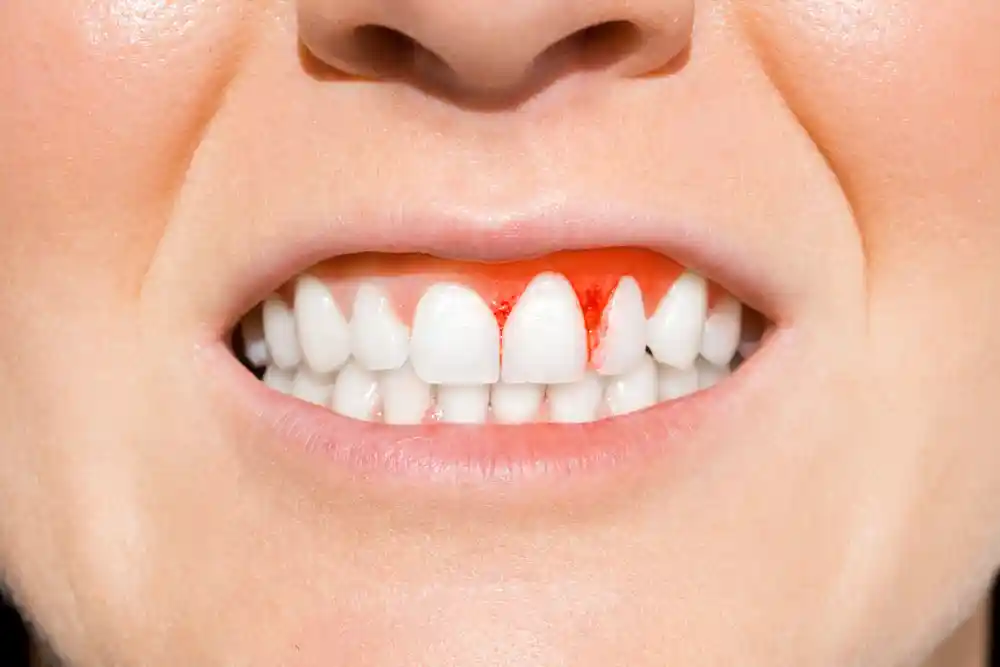
First 24 Hours: Bleeding in the form of a mild leak and pinkness in saliva are normal. After the effect of anesthesia wears off, a dull pain may be felt; this condition is easily controlled with simple painkillers prescribed by our physician. Clot formation begins at a cellular level.
2nd and 3rd Days: Depending on the scale of the operation, swelling (edema) may form on the cheek or the operation area. This condition reaches its peak on the 3rd day and rapidly subsides thereafter. Cold compress application is effective in reducing this swelling.
1st Week: The gum tissue closes to a great extent. If non-resorbable sutures were placed, they are removed painlessly at the clinic between the 7th and 10th days. The patient’s intraoral comfort is fully restored.
15. What Should Be Considered After Implant Treatment?
The success of the operation is directly dependent on the patient’s quality of care at home as much as the surgeon’s precision. The following rules must be strictly observed in the early period after the implant:
- Gauze Pad Control: The sterile gauze pad placed for bleeding control must be firmly bitten for 30-45 minutes; spitting and constant mouth rinsing movements should be avoided to prevent disrupting the clot.
- Dietary Restrictions: Nothing should be eaten until the numbness passes completely to avoid biting the cheek and tongue. For the first 2-3 days, foods at room temperature, soft, non-grainy, and puree-like should be consumed. Extremely hot, acidic, and spicy foods must be avoided.
- Smoking and Alcohol Ban: Nicotine and carbon monoxide in cigarettes reduce blood circulation, delaying wound healing and directly sabotaging the implant’s fusion to the bone (osseointegration). Smoking must absolutely not be permitted for the first 15 days following the operation.
- Oral Hygiene: Teeth should not be brushed on the day of the operation. From the next day onwards, other teeth should be brushed normally without touching the operation site, and antiseptic mouthwashes recommended by the physician should be applied gently.
16. What Are the Advantages of Implant Treatment?
Implant treatment is an unrivaled option that offers the closest function and appearance to a natural tooth today. The primary advantages it provides are as follows:
- Preservation of Anatomy: There is no need to cut or reduce adjacent teeth. Only the missing area is restored.
- Prevention of Bone Resorption: It stops physiological resorption in toothless bone areas by transmitting chewing pressure, preserving the volume of the jawbone.
- Maximum Chewing Comfort: Unlike removable dentures, since implant-supported teeth are fixed to the jawbone, patients can safely chew any kind of hard food (apples, meat, etc.) just like with their own natural teeth.
- Aesthetic and Speech Improvement: It looks completely natural by providing an excellent gum exit profile (emergence profile) in the anterior region. Problems such as the prosthesis slipping from the mouth while speaking or distortion of sounds are not experienced.
- Longevity: With proper oral care and periodic dental check-ups, implants are designed to remain in the mouth for a lifetime.
17. What Are the Possible Risks of Implant Treatment?
As in any surgical intervention, there are certain risks in implant treatment as well. However, these risks are reduced to a near-zero rate with correct diagnosis, sterilization, and expert surgical approach:
- Peri-implantitis (Peri-implant Infection): This is the inflammation of the gum and bone surrounding the implant, stemming from sterilization errors during surgery or the patient’s failure to maintain oral care after surgery. If not intervened early, it can lead to implant loss.
- Nerve Damage: The risk of developing temporary or permanent numbness (paresthesia) in the lower lip as a result of the implant exerting pressure on the nerve canal during procedures performed without tomography in the posterior lower jaw region.
- Displacement into the Sinus Cavity: Escape of the implant into the maxillary sinus or tearing of the sinus membrane during forced procedures performed without measuring bone height in the upper jaw.
- Early-Stage Failure (Fibrous Integration): The implant failing to integrate with the bone, becoming surrounded by soft tissue, and loosening. In this case, the implant is easily removed, the area is cleaned, and a new implant can be placed once the bone heals.
18. What Are the Factors Affecting the Success of Implant Treatment?
Implant success rates globally are between 95% and 98%. The fundamental success factors determining an implant serving trouble-free for a lifetime are as follows:
Physician Experience and Surgical Precision: Not overheating the bone during surgery (preventing osteonecrosis) and placing the implant with the correct torque and at the correct angle depend on the surgeon’s experience.
Quality of the Implant Used: The titanium purity of the implant, surface roughening technology, and the millimetric fit of the abutment connection components (preventing micro-leakage) directly affect success.
Patient’s General Health and Habits: Having uncontrolled diabetes or receiving treatment for advanced osteoporosis increases the risk of failure. Heavy smoking is the biggest enemy of the implant.
Oral Hygiene and Care: Implants do not decay, but the gums around them can become inflamed just like natural teeth. Regular tooth brushing, interdental brush, and oral irrigator use determine the lifespan of the implant.
19. What Are the Factors Affecting Implant Treatment Prices?
Implant treatment costs do not depend on a single parameter like a standard filling or extraction, but are calculated completely by personalizing them according to the patient’s oral structure. The factors determining the price index are as follows:
- Brand and Origin of the Implant: R&D investments, surface qualities, and distributor costs of Swiss, German, American, or domestically manufactured implant brands create variations among prices.
- Number of Missing Teeth and Quantity of Implants to Be Applied: How many titanium artificial roots will be placed is the fundamental component of the total cost.
- Advanced Surgical Intervention Needs: If the patient’s own bone is insufficient, bone powders, membranes, sinus lifting surgeries, or jaw expansion (piezo surgery) procedures included in the operation are reflected in the price.
- Prosthetic Superstructure Material: Whether the permanent tooth to be fabricated on top of the implant will be metal-supported porcelain, zirconium, hybrid, or monolithic zirconium is an important factor changing the price.
- Technological Equipment of the Clinic: Active use of digital guides (guided surgery), 3D tomography, and digital intraoral scanners in the operation affects medical precision and treatment cost.
As Panorama Ankara Oral and Dental Health Polyclinic, we stand by you with our digital planning methods and expert staff even in the most complex implant cases. A healthy smile begins with a correctly planned implant treatment.