

What Are Inlay and Onlay Dental Restorations?
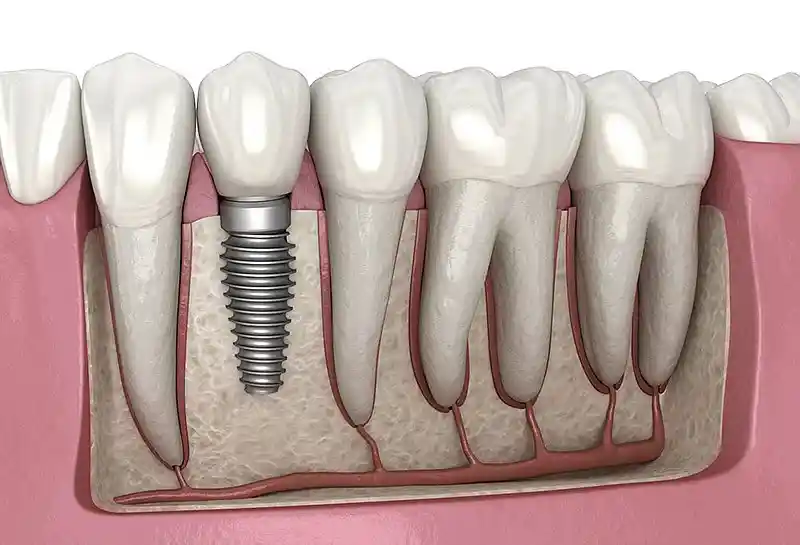
Inlay and onlay restorations are dental treatment methods classified as “indirect restorations” that fall between a filling and a crown. While traditional fillings (composite or amalgam) are shaped directly in the patient’s mouth by the dentist, inlays and onlays are prepared outside the mouth in a laboratory or using digital milling devices (CAD/CAM) and then bonded to the tooth. This method aims to preserve the maximum amount of healthy tooth structure while restoring the missing part with materials that most closely resemble its anatomical form and durability.
What Are the Fundamental Differences Between Fillings, Inlays, and Onlays?
The fundamental difference between these three treatment methods lies in the size of the damage and the extent of the restoration on the tooth.
Standard Filling: For small to medium-sized cavities, after the decay is removed, the cavity is filled with composite material within the mouth.
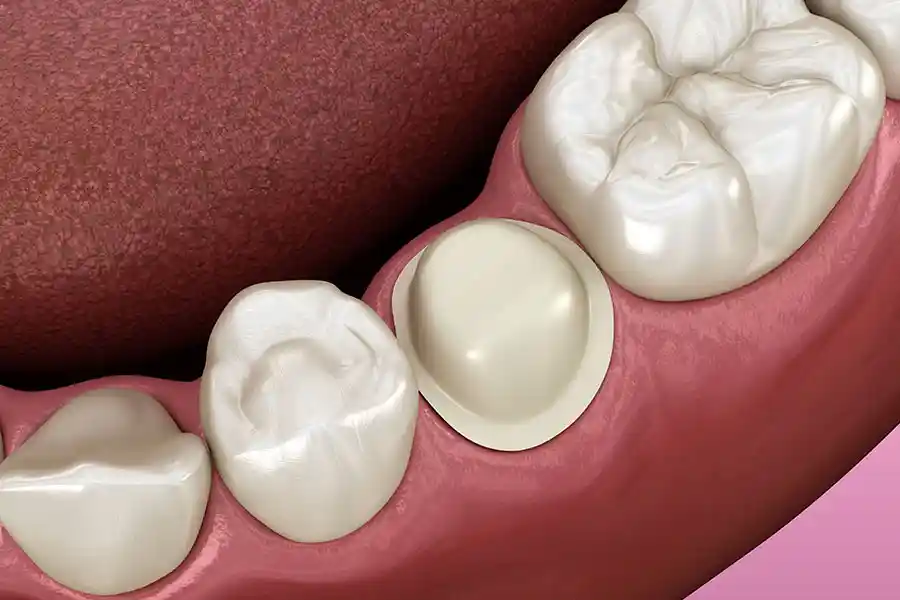
Inlay: Fills the space between the cusps (the raised points) on the chewing surface of the tooth. It does not cover the cusps.
Onlay: Larger than an inlay, it covers and protects one or more of the tooth’s cusps.
These restorations are a more durable option than classic fillings and involve less tooth reduction than crowns.
When Are Inlays or Onlays Preferred?
Inlays and Onlays are ideal for “intermediate situations” where the loss of tooth structure is too large to be restored with a standard filling, but there is enough healthy tissue remaining that it does not need to be completely cut down for a crown. They are particularly preferred for posterior teeth (molars and premolars) in areas where chewing pressure is high, to reduce the risk of tooth fracture and support the remaining tissue. They also provide superior results in cases where the contact between teeth needs to be precisely recreated.
What Is the Role and Importance of Inlays and Onlays in Preventive Dentistry?
The modern dental philosophy is a “Minimally Invasive” approach; that is, to achieve the longest-lasting result with the least amount of intervention to the tooth. Approximately 40-60% of the tooth structure must be removed to place a crown. However, in Inlay and Onlay applications, only the decay or the old filling is removed, and the healthy tooth tissue is left untouched. This preserves the tooth’s biomechanics and extends its lifespan. These restorations play a key role in the preventive dentistry approach adopted by Panorama Ankara.
What Is an Inlay Restoration?
An inlay is a piece placed “inside” the tooth, as the name suggests. It fits into the hollow area in the middle of the chewing surface and, if the decay has reached the side surfaces, into those areas (in a box shape). If the cusps of the tooth are intact and the restoration does not cover them, the procedure is an inlay. It is an aesthetic alternative to amalgam or large composite fillings, providing better marginal adaptation.
What Is an Onlay Restoration?
An onlay is applied when there is greater loss of tooth structure. If decay or fracture involves one or more of the tooth’s cusps, the restoration must cover these cusps to protect the tooth like a cap. This is called an onlay. Onlays distribute chewing forces more evenly to the root of the tooth, preventing the fracture of weakened tooth walls (cusp fracture). They are sometimes referred to as “partial crowns.”
Why Are Inlays/Onlays Recommended Instead of Large Fillings?
Large composite fillings placed inside the mouth undergo a process called “polymerization shrinkage.” As the filling hardens under light, it shrinks microscopically and pulls the tooth walls inward. Over time, this can lead to stress cracks, leakage, and sensitivity in the tooth walls. Since Inlay and Onlay restorations are prepared outside the mouth (in the laboratory), they complete the shrinkage phase beforehand. When bonded to the tooth, they do not create any stress, the risk of marginal leakage is minimal, and the anatomical form is much more perfect.
How Do Inlay and Onlay Treatments Protect Tooth Tissue?
The most valuable material in dentistry is the individual’s own natural tooth tissue. No artificial material can perfectly mimic the biological properties of a natural tooth. Therefore, preserving healthy tooth tissue is essential. While full crowns require cutting the tooth on all sides, the Inlay/Onlay system only removes the damaged area. This approach reduces the risk of damaging the tooth’s nerve (pulp) and helps the tooth maintain its natural flexibility.
What Are the Contributions of Inlay and Onlay Restorations to Smile Aesthetics?
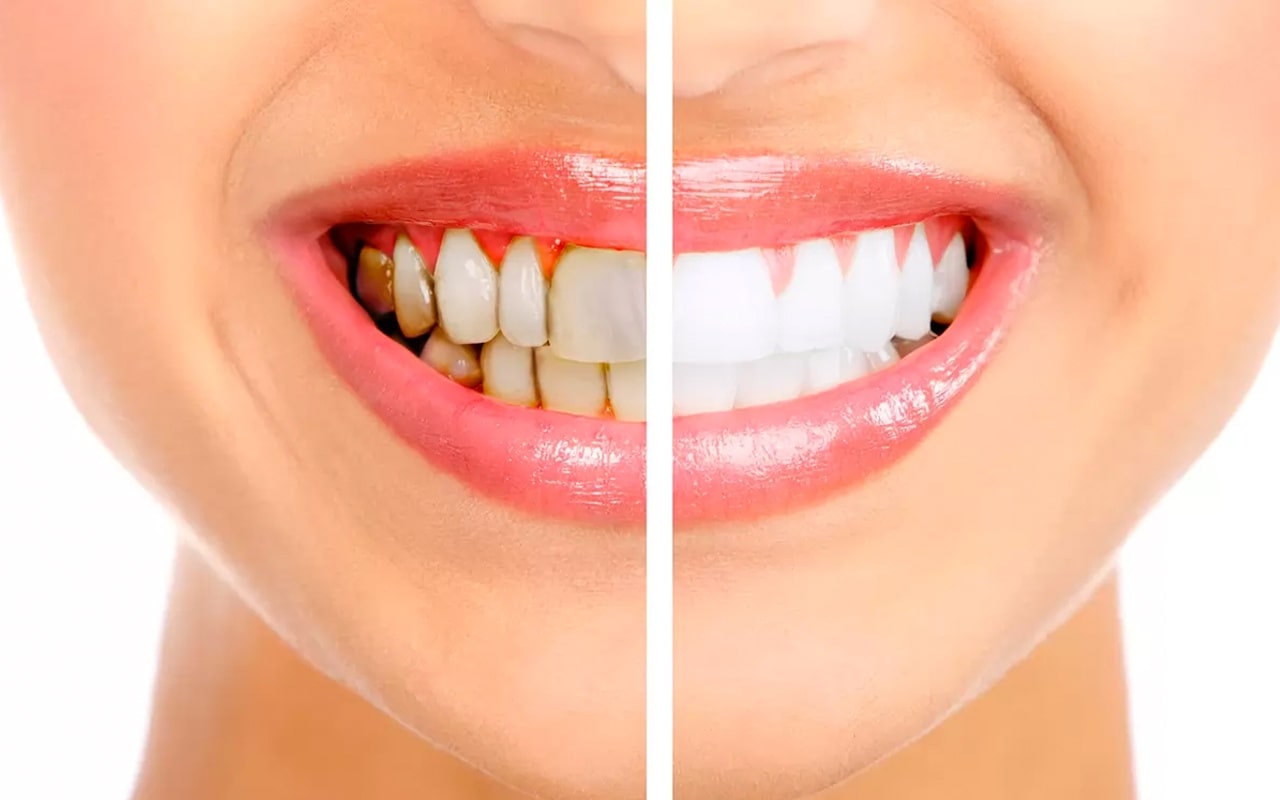
These restorations are generally produced from reinforced porcelain (ceramic) materials. The light transmission, reflection, and surface texture of porcelain are almost identical to natural tooth enamel. Furthermore, because they are processed in a laboratory or by digital systems, the tooth’s natural anatomical curves, color transitions, and translucency details can be crafted flawlessly. They do not change color over time and maintain their luster.
How Do These Restorations Affect Chewing Function?
Chewing efficiency depends on the accuracy of the contact points and surface forms of the teeth. Achieving this form can sometimes be difficult with fillings placed inside the mouth. In the Inlay and Onlay method, because the work is done on a model or in a digital environment, contacts with opposing teeth and adjacent teeth are adjusted with micron-level precision. This ensures better grinding of food and prevents food impaction between teeth.
Which Teeth Are Inlays and Onlays Applied To?
These restorations are primarily preferred for posterior teeth (molar and premolar) that bear the brunt of chewing loads. They are an excellent indication for posterior teeth that have undergone root canal treatment, have significant substance loss, but do not require crowns. While laminates (porcelain veneers) are preferred for aesthetic purposes on anterior teeth, inlays/onlays stand out for their durability in load-bearing areas of the posterior region.
What Are Porcelain Inlays and Onlays, and When Are They Preferred?
This is the most frequently preferred material type. They are usually produced from high-resistance ceramics such as lithium disilicate (E-max) or zirconia. Porcelain inlays and onlays offer excellent aesthetics, high fracture resistance, and tissue compatibility. They are biologically the most tooth-friendly material and minimize plaque accumulation. Thanks to advancements in adhesive (bonding) technology, porcelain restorations chemically integrate with the tooth tissue.
What Do Composite Inlay and Onlay Treatment Options Offer?
In addition to porcelain, inlays and onlays can also be made from laboratory-hardened (indirect) composite materials. These materials are much more durable than fillings placed inside the mouth because they are polymerized under high heat and pressure. They are more flexible than porcelain and easier to repair. However, they may fall slightly behind porcelain in terms of long-term luster loss and wear resistance.
What Is the Role of Digital Impression and CAD/CAM Technology in Inlay-Onlay Treatment?
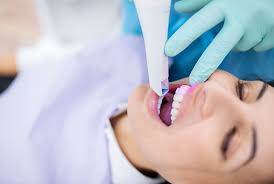
Traditional putty-like impression materials have been replaced by digital intraoral scanners. This technology, which can also be used in Panorama Ankara processes, allows the patient’s dental impression to be transferred to a digital environment in seconds. The restoration is designed with CAD (Computer-Aided Design) software and produced by milling from porcelain blocks in CAM (Computer-Aided Manufacturing) units. This system (such as Cerec) minimizes the margin of error and shortens treatment time.
How Does the Inlay and Onlay Treatment Process Progress?
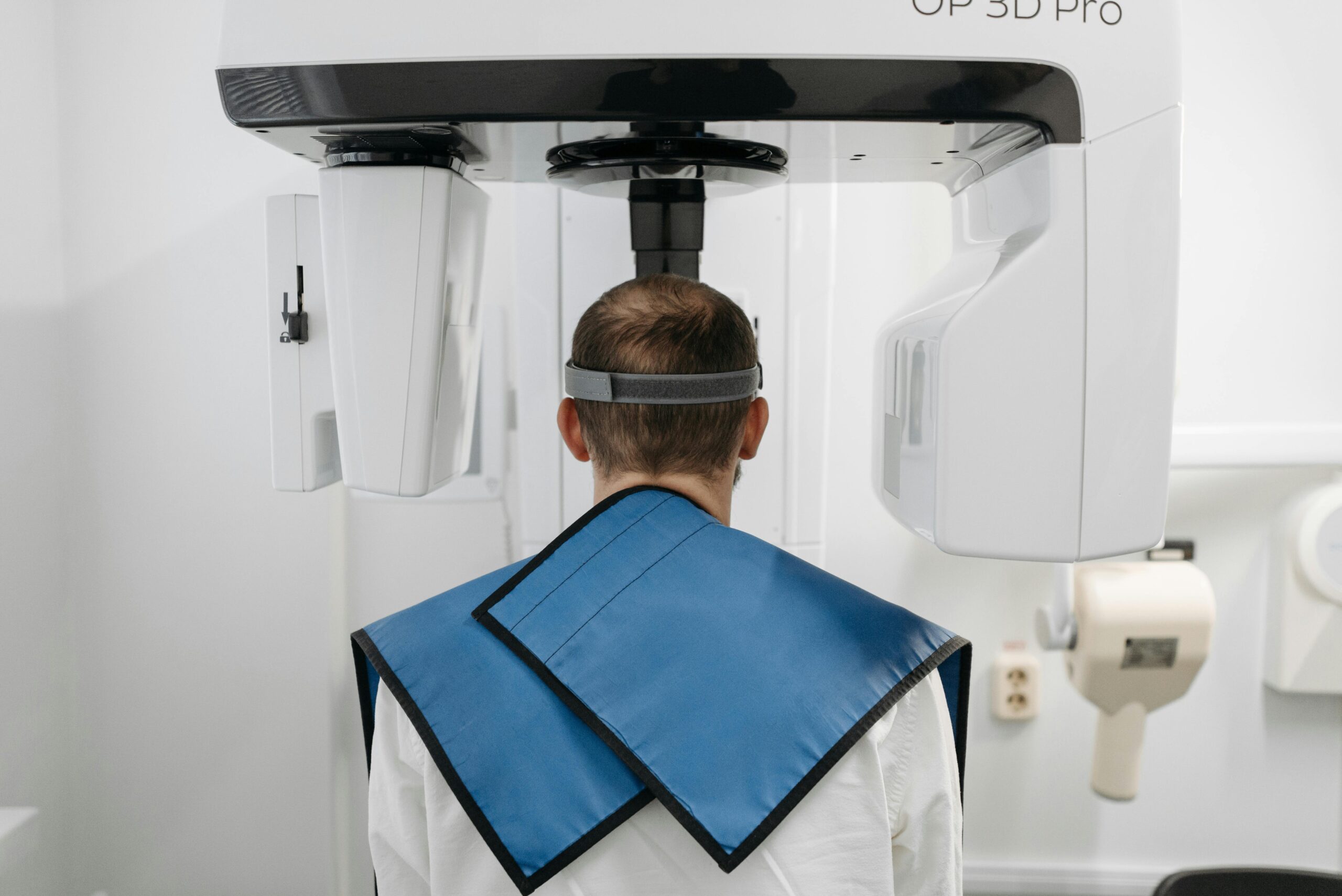
- Examination and Decision: Radiological and clinical evaluation of the tooth’s condition.
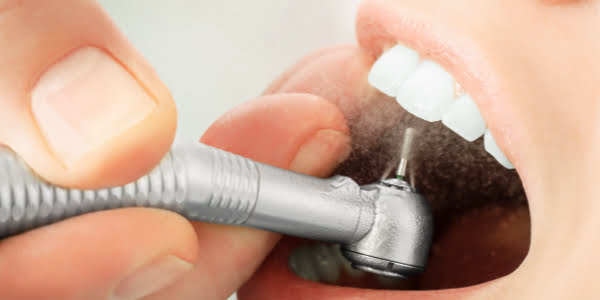
- Preparation: Cleaning the decay or old filling and preparing the tooth for the impression.
- Impression Taking: Taking the impression with a digital scanner or precise impression materials.
- Color Selection: Determining the porcelain color that matches the natural tooth color.
- Temporary Filling: Applying a temporary filling to prevent tooth sensitivity until the permanent restoration arrives.
- Bonding (Cementation): Trying in the piece from the lab and fixing it to the tooth with special adhesives.
How Long Does Inlay and Onlay Treatment Take and How Many Sessions Are Required?
If the traditional laboratory method is used, the treatment usually takes two sessions. Preparation and impression are done in the first session, and bonding is performed in the second (usually 2-4 days later). However, if a CAD/CAM system is available in the clinic, it is possible to take the impression, produce it, and fit the restoration on the same day within a few hours with the “same-day dentistry” (chairside) concept.
What Is the Function of Temporary Restorations and How Does the Adaptation Process Work?
In two-session treatments, a temporary filling material is used to ensure patient comfort. This temporary filling prevents tooth sensitivity and keeps the tongue from catching on sharp edges. However, temporary fillings are not resistant to hard foods. It is recommended that patients avoid chewing hard things and stay away from sticky foods in this short waiting period. The adaptation process is very fast when the permanent restoration is fitted.
How Durable Are Inlay and Onlay Restorations?
Porcelain inlays and onlays, when performed with the correct indication and precise craftsmanship, can remain in the mouth for 10-15 years or even longer. This duration depends on the patient’s attention to oral hygiene and whether they have habits like teeth grinding. The porcelain material is resistant to wear and maintains its shape under chewing forces. The quality of the bonding agents (adhesives) also directly affects durability.
How Should Inlay and Onlay Restorations Be Maintained to Ensure Longevity?
Extending the life of restorations is based on the same principles as the care given to natural teeth. Brushing at least twice a day, using dental floss, and interdental care are essential. Porcelain surfaces do not decay, but if there is micro-leakage at the border where it meets the tooth, the tooth can decay. For this reason, regular dental check-ups every 6 months should not be neglected. If there is a habit of teeth grinding, the use of a night guard is recommended.
Comparison of Restoration Types
| Feature | Composite Filling | Inlay / Onlay | Full Crown (Coating) |
|---|---|---|---|
| Tissue Loss | Minimal | Moderate (Protective) | High (Aggressive) |
| Durability | Moderate | High | Very High |
| Aesthetics | Good | Excellent | Excellent |
| Cost | Low | Moderate | High |
| Laboratory | Not Required | Required | Required |
What Are the Greatest Advantages Inlay and Onlay Restorations Provide to Patients?
The biggest advantage is that it preserves tooth tissue. In addition, because it is polished in the laboratory, its surface is very smooth, and bacterial plaque accumulation is low. It supports gum health. Color stability is high; it does not turn yellow over time due to agents like cigarettes, tea, or coffee. Since contact points are very well adjusted, it solves food impaction problems. Because there is no shrinkage, the risk of post-procedure sensitivity is less than with large fillings.
What Are the Possible Disadvantages and Limitations of Inlay-Onlay Treatment?
The cost is higher than standard fillings because it requires laboratory stages and sensitive materials. The application technique is sensitive; the dentist must be experienced in this, and isolation (keeping away from saliva) must be perfect. If there are no single-session digital systems, two appointments are required.
Is Sensitivity Normal After Inlay and Onlay?
After the bonding (cementation) process, it is considered normal to experience slight sensitivity to hot and cold for the first few days. This is usually a temporary reaction of the tooth to the procedure and decreases over time. However, if the sensitivity is severe or continues for a long time (more than 2-3 weeks), it may indicate that there is a high point or a discrepancy in the bite; in this case, a dentist check is required.
Who Is It Not Suitable For?
In individuals with very poor oral hygiene and uncontrolled high caries activity, hygiene motivation must be provided first. Porcelain fractures may occur in patients with severe teeth grinding (bruxism) problems; in such cases, precautions should be taken, or different materials should be considered. Furthermore, in cases where there is very little tooth tissue left and retention cannot be achieved, full crowns or post-core supported systems may be required instead of Inlays/Onlays.
Frequently Asked Questions About Inlay and Onlay Dental Restorations
1. Do porcelain fillings fall out?
Modern adhesive systems chemically lock the porcelain to the tooth tissue. The risk of an inlay/onlay restoration that is bonded with the correct technique falling out is quite low.
2. Will I feel pain while the decay is being cleaned?
Since the procedure is performed under local anesthesia, no pain is felt during the preparation phase.
3. Should I have an inlay or a crown?
Your dentist will make this decision based on the amount of remaining healthy tooth tissue. If the tooth is strong enough, an inlay/onlay is recommended; if not, a crown is recommended.
4. How long do they last?
With good care, they can be used for 10-15 years or more.
Why Are Inlays and Onlays One of the Most Natural, Functional, and Healthy Restoration Approaches?
Inlay and Onlay restorations are where art and science meet in dentistry. This treatment method, which respects the natural structure of the tooth, meets aesthetic expectations, and functions for many years, occupies an important place among the current treatment protocols of Panorama Ankara. Having detailed information about preventive treatments for a healthy smile and strong chewing function allows you to take the most accurate step for your oral health.