
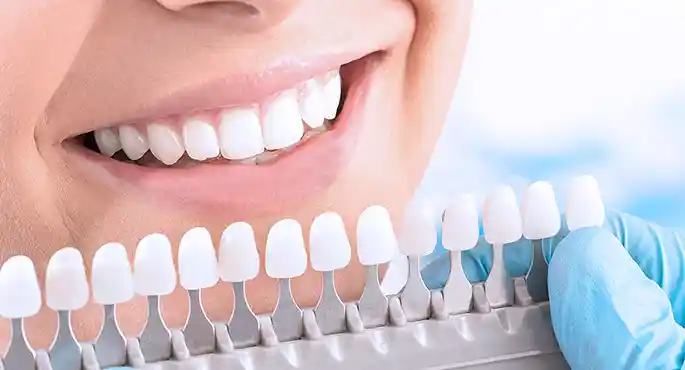
What is Home-Type Whitening?
Home-type whitening (home bleaching) is an adhesive and preventive tooth-lightening protocol initiated under a dentist’s supervision and maintained by the patient in their own home environment. The porous enamel layer on the outermost surface of teeth absorbs staining substances from consumed foods over time, becoming dull and yellow. The home-type system eliminates these insidious discolorations through a purely chemical redox (reduction-oxidation) reaction without sanding or scraping the tooth enamel. Custom-molded clear trays ensure the whitening gel spreads homogeneously across the tooth surface while preventing it from becoming deactivated by contact with saliva or leaking into the gums. Carbamide peroxide crystals inside the gel dissolve slowly at oral temperature, penetrating deep into the enamel prisms and smoothly breaking down dark carbon rings.
- Slow-Release Chemistry: Preventing sudden shocks to dental nerves thanks to the stable decomposition cycle of the carbamide peroxide component over several hours.
- Personalized Reservoir Area: Laboratory design of micro-gaps (reservoirs) on the anterior surfaces of teeth where the gel can accumulate while the whitening tray is molded.
- Tissue-Friendly Concentration: Maintaining soft tissue safety in the comfort of home due to harboring lower peroxide ratios compared to a clinical environment.
How is Home-Type Teeth Whitening Applied?
The home-type teeth whitening procedure is a disciplined dental process requiring full coordination between clinical laboratory preparation and precise at-home application steps. The treatment transitions to the home phase once the physician delivers the custom-manufactured trays and appropriately concentrated gel tubes to the patient. Before sleep or during a quiet hour of the day, the patient brushes and dries their teeth without compromise. Then, using the gel syringe, they dispense pinhead-sized micro-doses specifically targeted only at the anterior wall of each tooth slot. After seating the tray in the mouth and wiping away excess gel overflowing onto the gums with a clean cotton swab, the patient wears the appliance in the mouth for the duration prescribed by the physician (averaging 4 to 8 hours). At the end of the period, the tray is removed, and both the mouth and the appliance are rinsed thoroughly with cold water.
- Pre-Preparation Routine: Completely removing soft bacterial plaque from the tooth perimeter via brushing; failure to clean the plaque blocks the gel from infiltrating the enamel.
- Dosage Control: Avoiding overfilling the clear tray with gel; excess gel can burn the gums, posing a risk of chemical ulceration.
- Appliance Cleaning: Rinsing the inner surface of the silicone tray with a soft brush and cold water after use (hot water distorts the geometry of the tray).
Who is Suitable for Home-Type Whitening?
Dental bleaching cures conducted in the comfort of home are medically suitable for any adult individual over the age limit of 18 who has completed the craniofacial bone growth matrix rhythm and is aesthetically dissatisfied with the yellowish or dull tone of their teeth. It is the safest alternative for sensitive patients who have an excessively high sensitivity threshold and cannot tolerate the sudden high-intensity light reactions used in clinical bleaching. Every consultant aiming to brighten their tooth shade step-by-step while resting or sleeping at hours of their own choosing, without being bound to appointment schedules in their daily routine, is an excellent candidate for this process. However, since systemic absorption risks are not fully verified in pregnant and breastfeeding women, it is a medical rule to postpone this elective aesthetic process until after childbirth.
- Those with High Tooth Sensitivity: Sensitive constitutions wishing to whiten without experiencing pain shocks, thanks to the slow release of low-dose gels.
- Those Aiming to Maintain Permanence: Consultants who have previously undergone in-office whitening and seek a maintenance shield to prevent the shade from reverting.
- Individuals with a Disciplined Home Care Routine: Consultants possessing the patience to adapt without compromise to the schedule and usage durations provided by the physician in a home environment.
In Which Situations is Home-Type Whitening Preferred?
Preferring active tray-supported whitening protocols at home over other aesthetic dental alternatives is indicated according to the material integrity of the tooth structure and the staining character. If no structural shape deformity or widespread fracture line is present across the width, length, or anatomical finish lines of the teeth, shaving the tooth for zirconium crowns or laminates solely to lighten its shade is a medical waste of tissue. The clinician rationally decides on this method when wishing to polish the process with non-invasive smoothness while bringing the dental enamel and its vitality (vitality) under full protection.
The primary clinical conditions where home-type teeth whitening is definitively preferred are as follows:
- In cases where the tooth enamel turns homogeneously yellow as a whole due to aging or dietary habits,
- In instances where the tooth color harbors localized stains due to fluorosis or mild tetracycline antibiotic exposure,
- When the patient exhibits a phobia of remaining in the dentist’s chair for long durations in a clinical environment (dentophobia),
- When a long-term, time-extended consolidation treatment is planned to increase the resistance of the gained whiteness degree against time.
How is the Tooth Evaluation Conducted Before Home-Type Whitening?
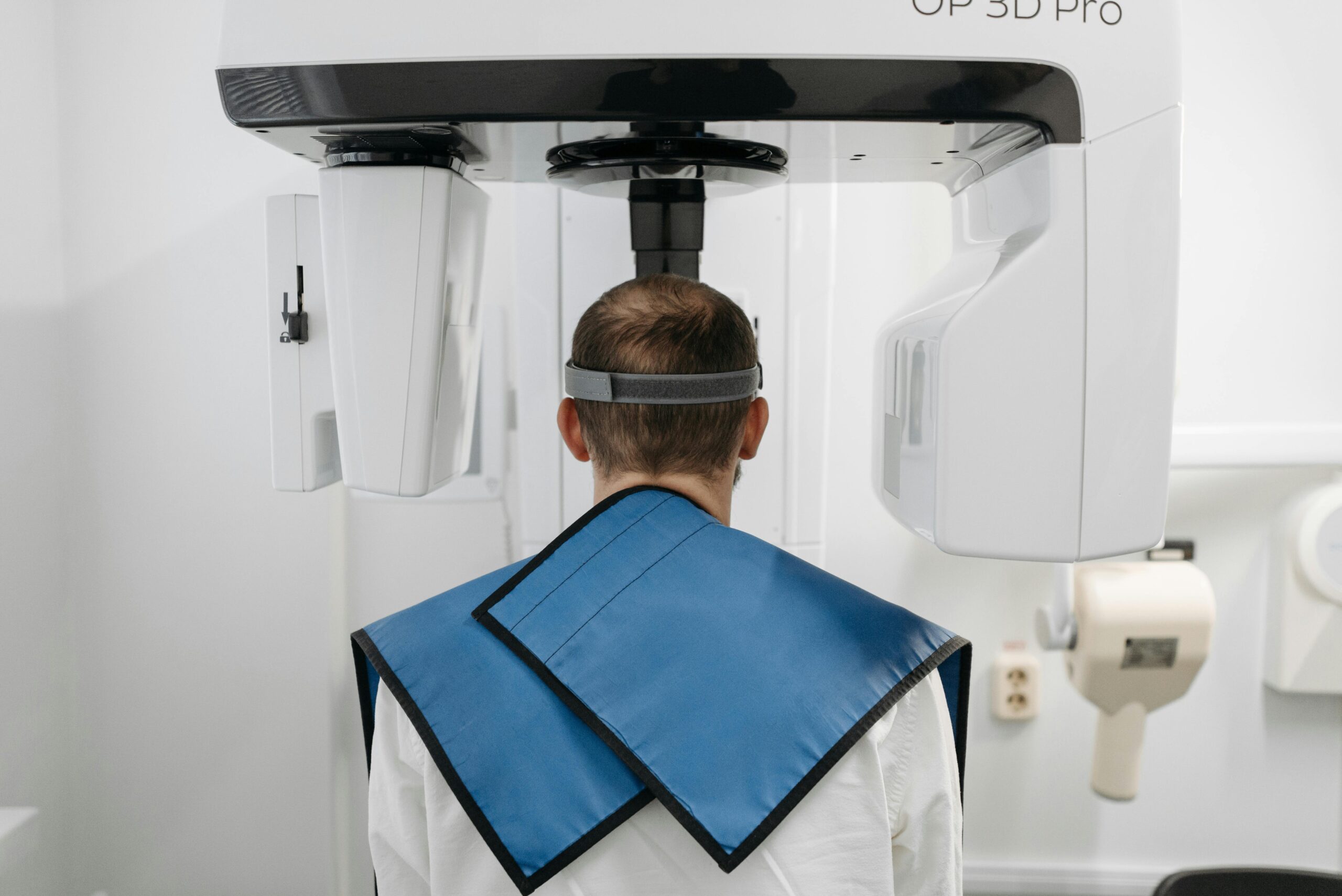
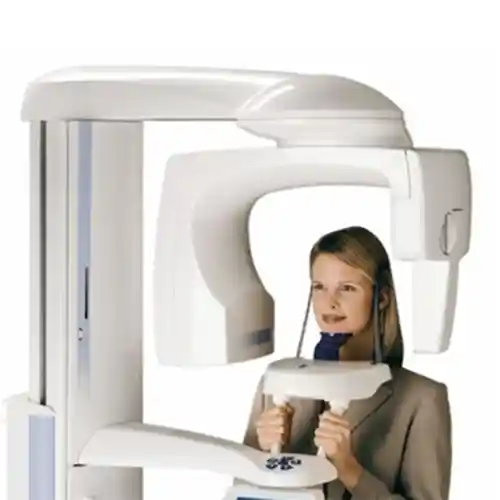
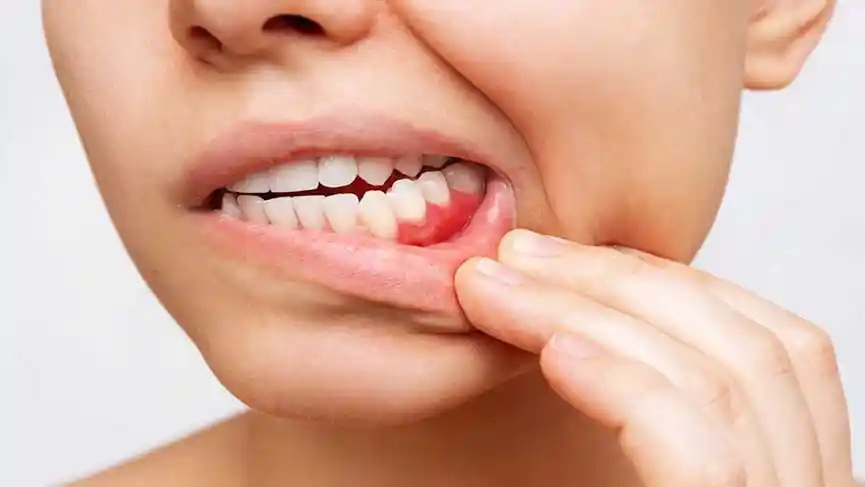
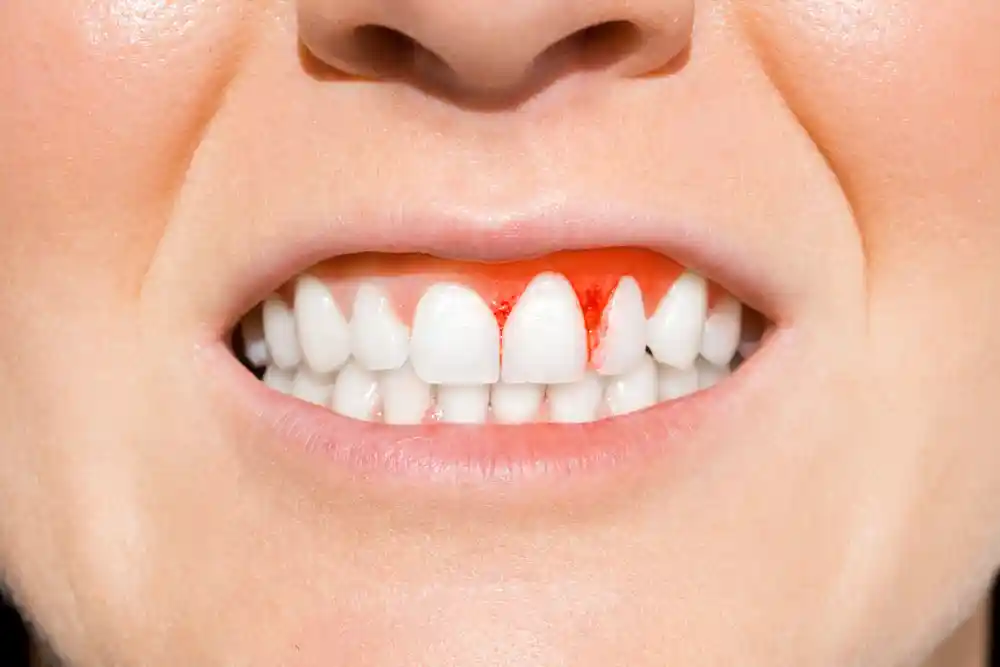
The examination and evaluation conducted in the clinic before finalising the gel usage schedule for the home environment is the most vital analysis stage that scans the quality of the enamel layer and zeroes out insidious stinging complications that might develop at home. The physician inspects the health of the gingival margins; because in the presence of a receded, bleeding, or inflamed mucosal boundary, the peroxide gel leaking from underneath the tray at home can irritate the root cementum, initiating severe periodontal pain. At this stage, digital panoramic radiology data are scanned layer by layer to eliminate deep interproximal caries and filling margin leakages invisible to the naked eye.
- Micro-Crack Analysis: Detecting microscopically developed vertical crack lines across the dental enamel to prevent the gel from leaking into the nerve chamber.
- Cervical Notch Verification: Detecting abfraction notches formed due to harsh brushing; if open dentin areas are present, it is mandatory to seal them with aesthetic fillings prior to whitening.
- Inspection of Existing Prostheses: Analytically reporting to the patient that porcelain crowns or fillings present in the mouth cannot exhibit a whitening reaction.
How is the Home-Type Whitening Process Planned?
The planning of the home-type bleaching workflow is executed over a phased clinical algorithm according to the patient’s existing enamel calcification degree, the chronicity of dental calculi, and stain index scores. Arbitrary numbers of days are strictly not selected when planning the process; all steps are shaped flexibly according to the tissue’s gel absorption and reduction rate. In planning, conducting the preliminary cleaning phase in the clinic and the active application schedule at home within a perfect temporal synchronization is the uncompromising rule for permanent success.
A modern home-type teeth whitening treatment planning matrix encompasses the following hierarchical phases:
| Treatment Planning Phase | Applied Clinical / Home Protocol | Targeted Tissue and Aesthetic Outcome |
|---|---|---|
| Phase 1: Clinical Prophylaxis | Scaling with ultrasonic Piezo units and biofilm sweeping with Airflow. | Removing solid calculi and external stains from the enamel surface to enhance the absorption capacity of the gel. |
| Phase 2: 3D Digital Scanning | Capturing millimetric point cloud data of the dental arch using intraoral scanner cameras. | Manufacturing a clear tray with micron precision in the laboratory that will not exert pressure on the gums. |
| Phase 3: Active At-Home Application | Squeezing 10-16% carbamide peroxide gel into the custom tray and wearing it at home. | Slow disintegration of dark carbon rings within the enamel prisms over a 1-2 week process. |
| Phase 4: Clinical Stabilization | Routine weekly follow-up sessions, shade verification, and fluoride desensitization cures. | Maintaining the gained bright tone inside the oral flora permanently and over a lifetime without relapse. |
What are the Materials Used in Home-Type Whitening?
Materials utilized in tray-supported whitening procedures conducted at home are formulated from pharmaceutical raw materials in medical standards so that they can lighten color without disrupting the intraoral pH balance and without harming the enamel hardness coefficient. Since the active agents within the tubes remain in place for long hours during sleep, they harbor tissue-friendly neutral pH stabilizers. The quality and certified content of the materials are the main factors keeping micro-sensitivity risks that could develop after sessions at a minimum boundary.
- Carbamide Peroxide Gels: The safest whitening agent most frequently preferred for home use, which decomposes slowly in oral fluids to transform into hydrogen peroxide and urea.
- Potassium Nitrate and Fluoride: Smart mineral additions added microscopically inside the gel tubes, sealing dentin tubules to prevent sensitivity shocks.
- Medical Polymer Trays: Flexible, clear, soft silicone membranes that are heat-molded (thermoplastic) or CAD/CAM milled, which do not poke into oral tissues.
How is the Impression Taking Procedure Performed in Home-Type Whitening?
To ensure clear trays are manufactured without error in the laboratory, the impression-taking stage is executed with a digital vision in our modern clinical practices, completely eliminating those old putty metal impression trays that cause gagging stress to the patient. At the moment of the procedure, proprietary 3D intraoral scanner cameras exhibiting micron-level point cloud processing resolution are utilized. The camera head is guided slowly over the teeth to transfer all dental arch contours, gingival margins, and upper-lower jaw bite relationships to the computer within seconds. In the CAD software, the finish boundaries of the tray are traced 0.5 mm above the gingiva, manufacturing smooth knife-edge templates that prevent the gel from irritating the mucosa.
- Point Cloud Technology: Digital data transfer power that prevents the impression from showing dimensional shrinkage or expansion deviations while plaster is poured in the laboratory.
- Rapid Session Comfort: The luxury of instantaneous scanning that completely zeroes out choking and vomiting reflexes caused by impression trays in the throat.
How Does Home-Type Whitening Affect Tooth Color?
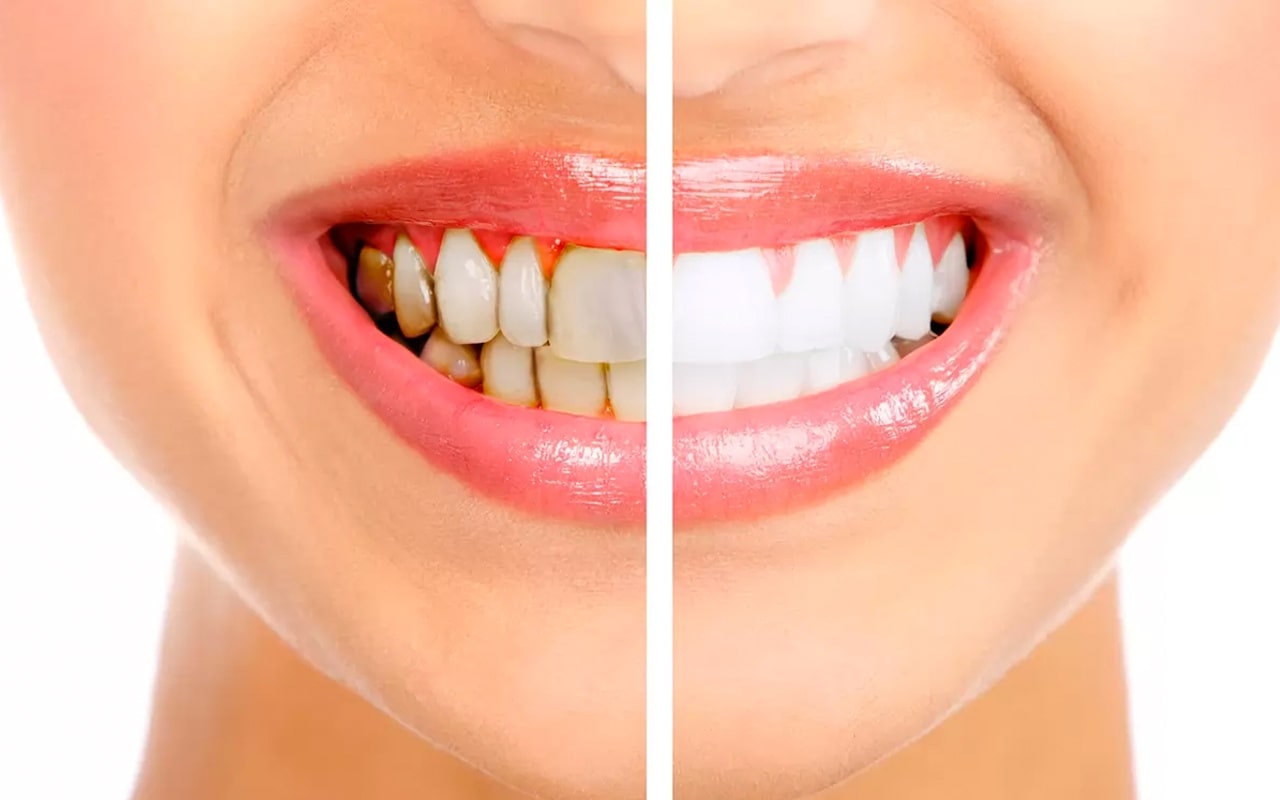
The optical action mechanism of the tray-supported home bleaching system over enamel prisms relies on the principle of free oxygen molecules infiltrating linearly down to deep dentin layers to initiate a redox reaction. With each passing day of treatment, the long-chain stains giving your teeth that dull yellow color are divided into shorter and colorless atomic bonds. This triggers your tooth enamel to refract and transmit light from its deep layers instead of reflecting it from the surface. Consequently, the tooth gains a pure, vital, translucent (semi-transparent), and smooth white brilliance emanating from its own crystallization structure, rather than looking like an artificial layer of white chalk has been applied.
- Natural Brightness Gain: Permanent opening of the tooth’s position on the shade scale (Vita scale) rationally between 2 to 3 shades.
- Homogeneous Color Distribution: Verifying a wave-free, single-tone illumination throughout the mouth as a result of the tray helping the gel make equal contact with every tooth.
In Which Dental Stains is Home-Type Whitening Preferred?
Home-type slow-release whitening practices are primarily preferred in the therapeutic management of “organic-rooted chronic discolorations” that have settled insidiously into the microscopic pores of the enamel layer. Brownish and yellowish pigment matrices on the surface of the tooth are the stain groups that provide the fastest and most stable response to this chemical oxidation chain. The physician rationally decides whether the process can be resolved in the comfort of home by analyzing the depths of stain settlement with the naked eye and radiological data.
The primary tooth stain variations where home-type systems display high success rates are as follows:
- In established yellowing created in the enamel by black tea, filter coffee, and espresso residues regularly consumed over the years,
- In stubborn dark brown line discolorations formed by tobacco and nicotine tar between teeth and along cervical lines,
- In situations where the underlying yellow dentin passes into a more prominent phase as the enamel layer thins with advancing age due to genetic factors,
- In slight whitish/yellowish fluorosis specks on the enamel surface caused by excessive fluoride intake from drinking water during childhood.
How Long Does Home-Type Whitening Application Take?
The total duration of home-type teeth whitening treatment requires a specific calendar hierarchy in biological medical literature, depending on the chronicity of the stains, the targeted shade-lightening coefficient in the tooth, and the daily hours the patient wears the tray in the mouth. It does not produce instantaneous results in 1 hour like clinical-type whitening; because the concentration of the gel is low and operates insidiously without damaging tissue. Completing an ideal home bleaching cure requires a stable calendar usually spanning between 1 to 2 weeks (averaging 7 to 14 days), provided that the tray is worn regularly every day.
- Daily Usage Period: The period of keeping the tray in the mouth for a net 4 to 6 hours a day or throughout the night during sleep according to the strength of the prescribed gel.
- Rapid Response Phase: The brightening of the tooth shade beginning to be observed with the naked eye after the first 3-4 days, reaching stable saturation on the 14th day.
What Should Be Considered During Home-Type Whitening?
To make the aesthetic and medical success of the bleaching session at home permanent, the personal home discipline of the patient is of vital importance in protecting the teeth from external irritants during that 14-day active process when enamel pores are most open to leakages. Since newly opened enamel prisms display high permeability akin to a sponge during this phase, the slightest neglect can lead to the re-absorption of stains; the patient showing full fidelity to the physician’s instructions is a clinical rule.
The medical aspects to be meticulously followed at home while applying the gels are as follows:
- An excessive amount of gel must not be squeezed into the tray; if overflowing gels leak into the gums and burn the mucosa, the procedure must be paused in that local area for 2 days.
- While the tray is in the mouth, strictly nothing should be chewed, no food should be eaten, and smoking is prohibited (only pure water at room temperature can be consumed).
- After the tray is removed, teeth should be brushed gently with a soft brush without toothpaste to completely wash away gel residues from the enamel.
- Hot water must not be used when cleaning the appliance; high heat subjects the silicone polymer structure to warping, and the tray will never seat onto the teeth again.
Does Sensitivity Occur After Home-Type Whitening?
Yes, developing mild sensitivity or instantaneous micro-stinging reactions in a “shocking” fashion in the teeth during and in the first days following home-type whitening processes is a completely natural and expected physiological reflex response given by the tissue to stimulation. The reason for this is that oxygen atoms inside the gel accelerate micro-fluid movements (hydrodynamic flow) while clearing the enamel tubules, temporarily shifting dental nerve endings into a more sensitive phase. Since the gels used in home whitening are slow-releasing, these sensitivities occur at a much milder wavelength compared to clinical bleaching and fade away completely on their own within 24-48 hours without leaving any damage.
“Mild sensitivities in the home-type system are biological proof that old stain fortresses within the enamel tubules are being cleared by oxygen waves; it leaves no permanent damage.”
How Should Oral Care Be Maintained After Home-Type Whitening?
Hygiene routines during the treatment and afterward must encompass a medical discipline that will not scratch the smoothly polished glaze layer of the opened enamel prisms and will not cause pressure irritation along the gingival margins. The use of “whitening” toothpastes containing charcoal, granules, or baking soda, whose abrasiveness is excessively high, is strictly prohibited medically during this sensitive phase; because scratched enamel surfaces will trap coffee stains faster inside them in the future.
- Soft Sweeping Motion: Brushing teeth gently twice a day by massaging them with desensitizing toothpastes containing potassium nitrate and ultra-soft surgical brushes.
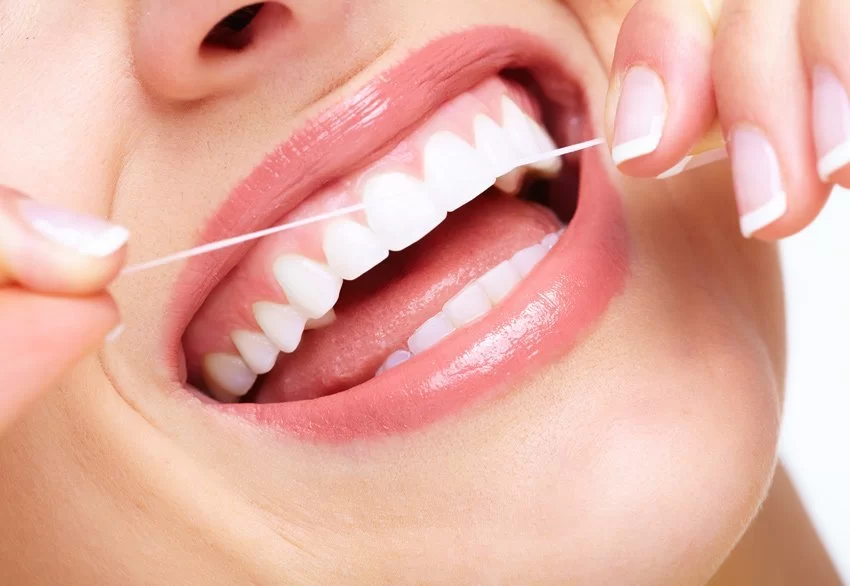
- Uncompromising Interdental Flossing: Protecting the narrow contact points between two teeth cleared by the gel from plaque accumulation by scraping with dental floss every night.
- Fluoridated Mouthwashes: Adding alcohol-free, fluoride-protected rinses to the routine to harden dental enamels and increase their resistance against acid attacks.
How Long Does the Effect of Home-Type Whitening Last?
The retention lifespan inside the mouth of the bright white tone obtained following home-type tray-supported whitening cures displays a direct and linear correlation with the quality of the patient’s daily diet, tobacco exposure, and oral hygiene meticulousness rather than the pharmaceutical quality of the material. Since dental enamels absorb the gel over a slow and time-extended calendar, the shade stability of the home-type system is highly successful regarding permanence; it preserves its bright form for an average of 2 to 3 years. At the end of the duration, the tooth does not revert to its old unsightly yellow state, only dulling at a micro level; the tone from the first day can be instantly restored by adding a 1-2 night gel supplement into the trays preserved by the patient.
- White Diet Discipline: Avoiding the consumption of intensely colored foods such as tea, coffee, and tomato paste during the initial weeks extends the retention lifespan up to 3 years.
- 6-Month Routine Polish: The power of periodic light polishing care performed in the clinic to instantly eliminate new stain pigments attempting to attach to the enamel surface.
What are the Advantages of Home-Type Whitening?
The advantages offered to the patient by this tray-supported bio-technological management model conducted at home are verified not merely by keeping budget parameters within optimum boundaries, but also by bringing the biological vitality of dental tissues under protection. Thermal pulp shocks that clinical light lamps could cause are completely eliminated in this slow-release system. Custom-molded template trays provide the patient with a lifelong aesthetic maintenance assurance.
- Low Sensitivity Coefficient: Standing out as the most comfortable process for patients with a low pain threshold due to the gentle nature of the peroxide concentration.
- Freedom of Time and Space: Ending the necessity to stay in the hospital for hours, offering the luxury of managing the treatment at home while watching television or sleeping.
- Economical and Renewable Infrastructure: The ease of instantly refreshing the shade years later when the tooth color dulls slightly by purchasing only a single tube of gel, without paying for a prosthetic budget from scratch.
- Enamel-Protective Nature: It is the safest completely non-invasive cosmetic dental investment that does not alter overall tooth integrity and does not require grinding teeth for crowns.
What are the Differences Between Home-Type and In-Office Whitening?
The most radical difference between home-type tray whitening and in-office (clinical) laser systems is the chemical concentration intensity of the gel used, the need for light activation, and the speed at which the treatment reaches its final outcome. In the in-office type, powerful 35-40% peroxides are spread by the physician’s hand and activated via laser beams to finish the job in 1 hour; whereas in the home-type system, gentle 10-16% gels spread through a tray lighten color step-by-step, spanning over 1-2 weeks. The comparison table below lists the clinical characteristics of both popular bleaching classes:
| Clinical and Aesthetic Difference Parameter | Home-Type Whitening (Tray-Supported) | In-Office Whitening (Laser-Assisted) |
|---|---|---|
| Active Peroxide Concentration Dose | 10% – 16% Carbamide Peroxide (Gentle / Safe). | 25% – 40% Intensive Hydrogen Peroxide (Premium Surgical). |
| Total Completion Duration of Treatment | Spans over time; takes 7-14 days with regular daily wear. | Light-speed fast; finished within a single 1-hour chair session. |
| Light Device / Laser Integration | Harbors none; the gel decomposes spontaneously via oral heat and saliva. | Specific dental laser beams or intensive LED wavelengths are mandatory. |
| Tissue Sensitivity Shock Risk | Very low; slow molecular decomposition does not irritate nerves. | Can cause micro-sensitivities akin to instantaneous needle pricks for the first 24 hours. |
| Practicality of Shading Refreshment in Future | Maximum; easily refreshed at home by squeezing new gel into the old trays. | The patient must re-seat in the laser chair in the clinic for refreshment. |
With Which Aesthetic Dental Applications Can Home-Type Whitening Be Planned Jointly?
Home-type whitening technology can be planned within a combined synergy with other modern restorative protocols of aesthetic dentistry to holistically elevate lower face oval rejuvenation architecture and smile integrity. While the color shades of the anterior and lateral tooth groups are lightened step-by-step at home, structural form damages inside the mouth can be managed simultaneously with different robotic units; the combination schedule is designed by the specialist physician to be completed at least 2 weeks prior to crown fabrication stages.
- Zirconium and E-Max Laminate Veneer (Porcelain Leaves): If a laminate veneer is planned for only the front 4 teeth, home whitening can be used to lighten the shade of the remaining natural teeth at the sides and back to equalize the shade harmony with the veneer.
- Aesthetic Composite Filling (Bonding): Lightening the overall tooth shade permanently before executing front tooth incisal fracture or diastema closure fillings, with the purpose of subsequently processing adhesive resins fully matching the new white tone over the tooth.
- Pink Aesthetics (Gingivectomy): The process of verifying a bright smile using home trays over tooth surfaces after gingival boundaries are aligned with lasers and a gummy smile is eased.
What are the Frequently Asked Questions About Home-Type Whitening?
Presented below are the most common practical concerns arising in the minds of consultants planning to safely and permanently lighten their tooth shade with the help of clear trays in the comfort of home, along with their polyclinic medical answers:
If this whitening gel I squeeze inside the tray at home is accidentally swallowed during sleep, will it harm my stomach or body?
No, the content of licensed whitening gels certified in medical standards and prescribed by your dentist is formulated entirely from non-toxic, biocompatible components, considering the risk of patients swallowing micro-doses of the gel as it dissolves with saliva at night. Consequently, micro-amounts of gels swallowed during sleep at night cause strictly no harm to general body biology or the digestive system, creating no risk of poisoning; however, the dosage must be followed, and it should not be excessively overflowed outside the tray.
Will artificial porcelain crowns, zirconium teeth, or old fillings in my mouth whiten further with the home-type gel?
No, the mineral matrix of artificial restoration components located within the oral cavity (zirconium, porcelain, laminate veneers, or composite fillings) is artificial ceramic-based; therefore, these structures strictly do not respond chemically to the free oxygen radicals of whitening gels, and their shades do not lighten. Whitening takes effect solely over your vital, natural tooth enamel; for this reason, patients with fillings in their front teeth may need to have their fillings renewed to match the new shade after whitening.
Are standard ready-made whitening trays and powders sold on the internet or in markets as safe as clinical trays?
Aboslutely no, using these products carries major risks for enamel integrity in medical standards. Trays sold in markets are “generic/fabricated” molds; they do not fit your dental arch perfectly and can leak the gel squeezed inside onto your gums, initiating severe mucosal burns and tissue recessions. Furthermore, charcoal powders or active carbons on the internet mechanically scratch and sand the enamel; making your teeth more sensitive and even more yellow in the future. The tray must strictly be printed through custom digital scanning.
Is there any harm in using soap or hot water when brushing my home-type whitening tray every day?
Utilizing liquid soap and running cold water is the most accurate medical approach in tray cleaning; however, “hot or boiling water” must strictly never be used to sterilize the tray. Clear trays are manufactured from delicate thermoplastic polymer materials shaped by heat; exposing the tray to hot water causes the silicone structure to warp, shrink, and undergo permanent deformation within seconds, meaning the tray will never fit over your teeth perfectly again and will continuously leak.
Can I return to my normal morning work and social life immediately after fitting my night guard in my mouth and completing the gel cleaning?
Yes, home-type whitening treatment is a completely local and non-invasive prophylaxis workmanship that does not disrupt consciousness, affect motor skills, or involve surgical scalpel incisions, sutures, or numbing cascades; therefore, the exact minute you remove your tray from your mouth in the morning and wash your teeth, you can continue your normal daily, vocational, social, or academic life rhythm uninterrupted from where it left off, filled with a bright self-confidence; there is no obstacle to driving a car or participating in meetings.
Who We Are & Panorama Ankara Oral and Dental Health
Panorama Ankara is a licensed oral and dental health center providing institutional health assurance to its patients by combining an academic expert staff and the latest global bio-technological digital infrastructure under a single roof, across all specialty branches of dentistry, primarily oral, dental, and maxillofacial surgery, advanced implantology, microscopic endodontics, periodontology, and aesthetic dentistry. Attaching vital importance to completely eliminating guesswork, tooth-scratching traumatic analog abrasions, and those old putty impression trays causing gagging stress to the patient, our center operates original Advanced Technology Personalized Home-Type Whitening (Home Bleaching) aesthetic ecosystems that combine clinical control mechanisms with home comfort under a strict calendar discipline.
Under the roof of Panorama Ankara, absolute sterilization, high patient safety, transparency, and honesty principles are operated with uncompromising determination by regulation in full compliance with medical codes in all diagnosis, radiological scanning, design, and laboratory production interventions. In our clinical practices, proprietary 3D intraoral scanner cameras processing the millimetric coordinates of the dental arch with point cloud resolution, high-axis software modeling units, and leak-proof margin cutting technologies protecting the gums are meticulously administered under the supervision of our expert aesthetic dentist staff. Our aim is not to impose unverified, non-regulated powders that abrade enamel, cause pain, or burn the gums upon our patients; but rather to analyze each consultant’s enamel quality and stain Miller classification with the naked eye during the preliminary examination, achieving maximum session comfort, at-home practicality, and healthy bright white smile designs to be used with lifelong smoothness and a high sense of confidence. If you postpone your checks due to fear of sensitivity or time limitations despite being tired of your teeth yellowing, your fading smile integrity, or stubborn coffee stains when looking in the mirror, and want to initiate your smart digital treatment process with scientific assurance from start to finish in an expert institutional center environment; you can safely protect your health and smile integrity by contacting the expert staff of Panorama Ankara for a detailed examination.