
1. What is Panorama Oral Hygiene Care?
Panorama Oral Hygiene Care is an advanced preventive medicine protocol developed beyond the traditional and conventional perception of “dental cleaning” to balance the microbial ecosystem in the oral cavity (oral microbiome) and prevent pathologies of the hard and soft tissues before they form. This care concept does not only mechanically remove dental deposits; it combines digital intraoral analyses, biofilm disclosing technologies, and prophylactic approaches tailored to the patient’s cellular structure.
This protocol, implemented within Panorama Ankara, is based on the most up-to-date parameters of preventive dentistry. Microbial complexes organized by pathogenic bacteria in the oral flora are eliminated using advanced technological equipment without damaging tissues. This approach, centered on preserving dental integrity, acts as a protective shield that directly supports the individual’s systemic health as well.
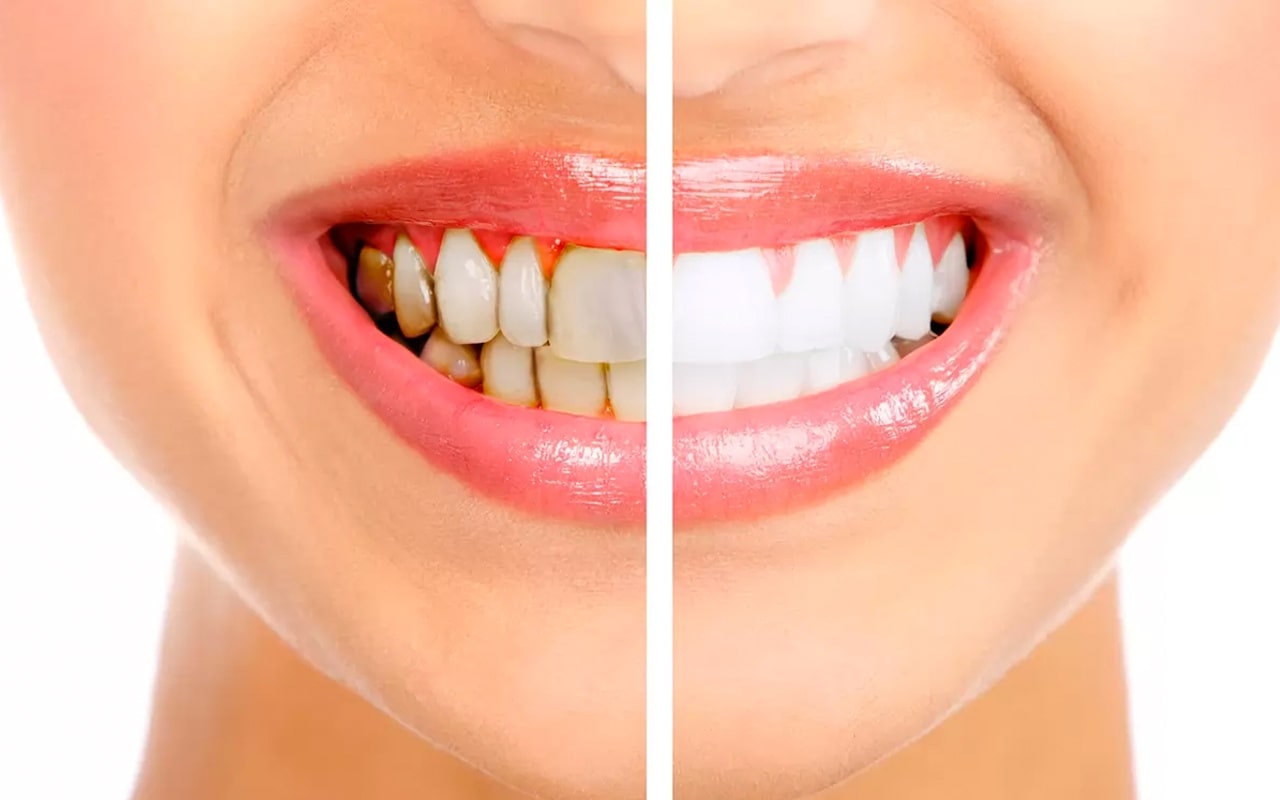
2. Why is Oral Hygiene Care Important?
The oral cavity is an anatomical region highly conducive to the colonization of microorganisms due to its direct contact with the external environment and its moist, warm structure. Oral hygiene care is of vital importance not only to possess aesthetically white teeth but also to halt chronic inflammatory processes that these microorganisms can cause in the body.
Pathogenic biofilm that accumulates on tooth surfaces and is left uncleaned leads to gum inflammation and bone resorption (periodontitis) over time. Medical research clearly demonstrates that cytokines and bacterial endotoxins released in periodontitis patients mix into the circulatory system, increasing the risk of cardiovascular diseases, uncontrolled diabetes, rheumatoid arthritis, and respiratory tract infections. Therefore, optimized oral care is the first and most effective step in protecting overall body health and quality of life.
3. Who is Panorama Oral Hygiene Care Suitable For?
Since the elimination of intraoral microbial plaque is a universal need, Panorama Oral Hygiene Care is suitable for every individual from seven to seventy. However, due to intraoral anatomy and systemic conditions, it becomes a critical necessity to perform this care periodically in certain risk groups:
- Heavy Consumers of Coffee, Tea, and Tobacco: Individuals who experience rapid staining on tooth surfaces and nicotine-induced vasoconstriction, causing gum disease to progress insidiously.
- Employees with a Sedentary Lifestyle and Office Routine: Professionals who are under high stress throughout the day, experiencing a decreased salivary flow rate due to inadequate nutrition and low water consumption.
- Individuals in Pregnancy and Menopause Periods: Patients whose gums become excessively sensitive to inflammation due to hormonal fluctuations.
- Those with Systemic Diseases: Risky patient profiles, particularly those with diabetes, heart conditions, or suppressed immune systems, where intraoral infections can directly disrupt the general health status.
4. How is an Oral Hygiene Evaluation Performed?
Oral hygiene management at Panorama Ankara clinics begins with objective evaluation methods based entirely on numerical and visual criteria, rather than the subjective statements of the patient. This process includes the following diagnostic steps:
Determining Plak Indices: Special biofilm disclosing solutions or tablets are applied to the patient’s mouth. These agents stain fresh bacterial plaques accumulating on the tooth surface but not clearly visible to the naked eye pink, and old, matured, dangerous plaque masses blue-purple. Thus, areas with a hygiene deficiency in the patient’s mouth are mapped out.
Periodontal Probing and Bleeding Analysis: The depth of the gingival sulcus is measured using specialized millimetric probes. The gum’s bleeding response to probing (BOP – Bleeding on Probing) is recorded. Bleeding is objective evidence of disrupted epithelial integrity and active inflammation at a microscopic level.
Digital Intraoral Scanning and Visual Recording: 3D models of the teeth are transferred to a computer environment using high-resolution intraoral scanners. These digital records are stored in the database to objectively compare hygiene progress in subsequent sessions.
5. What is Professional Teeth Cleaning?
Professional teeth cleaning (Prophylaxis) is the procedure of cleaning hardened deposits, bacterial colonies in deep pockets, and stubborn stains that the patient cannot completely remove at home by their own means (toothbrush, dental floss) using specialized technological equipment by expert dentists in the clinic.
This procedure is a purely prophylactic intervention that does not damage the tooth enamel or root surface. Professional cleaning removes mechanical obstacles in the mouth, allowing the tissues to breathe again. Purifying toxic substances that accumulate in the interdental spaces and at the gum line allows the oral flora to transform from a pathogenic character to a protective saprophytic character.
Panorama Ankara Principle: Professional teeth cleaning is not a procedure that abrades the tooth enamel; on the contrary, it is an application that optimizes the tooth’s own natural defense mechanism by removing foreign and acidic structures on the enamel.
6. How is Scaling Performed?
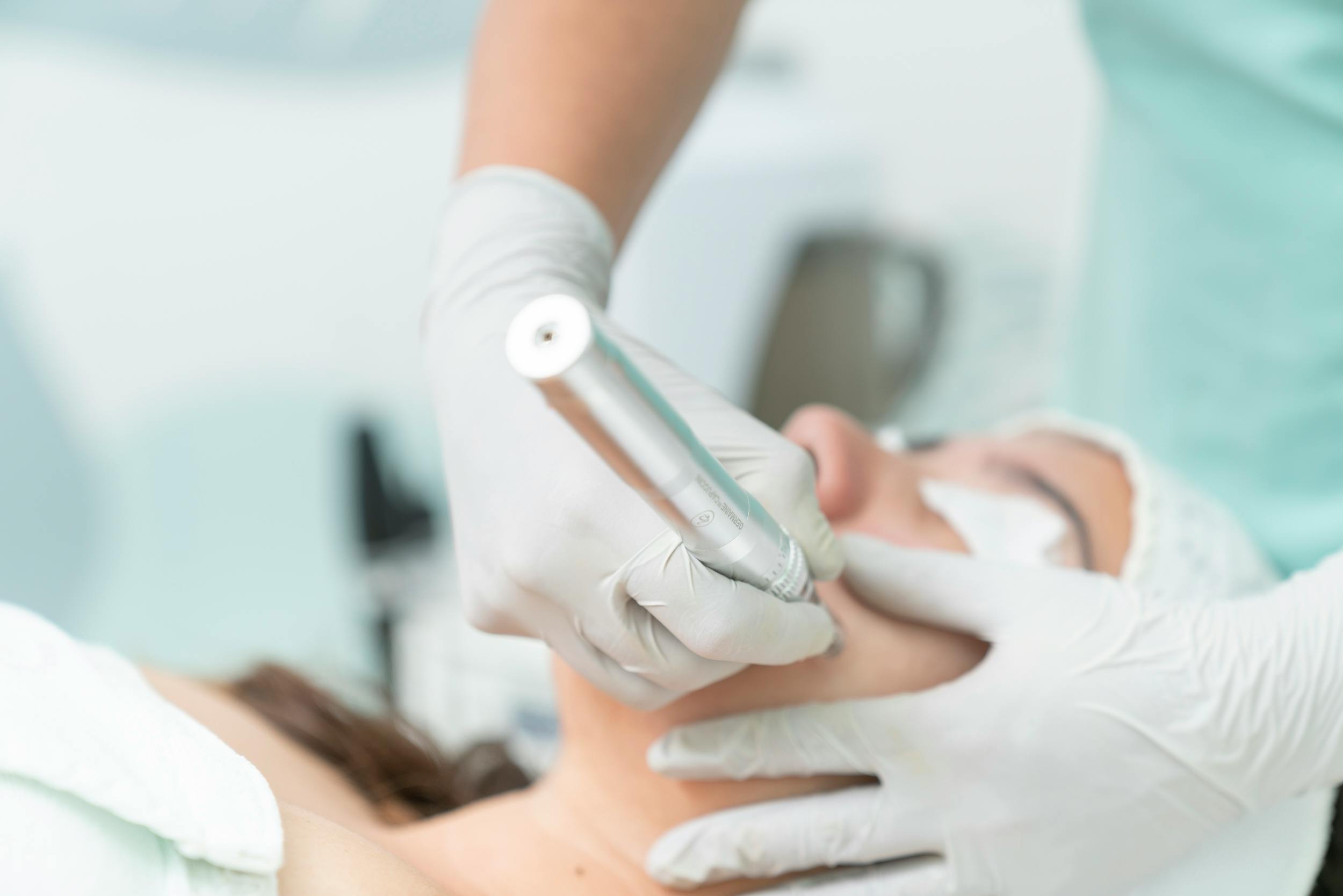
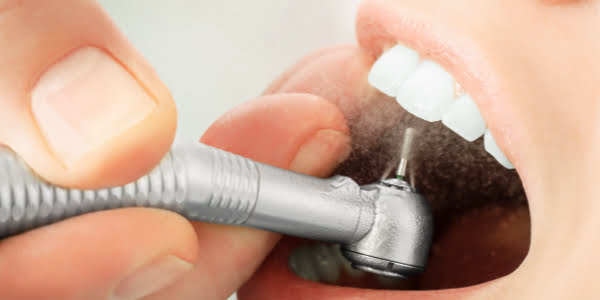
Scaling (Detertraj) aims to eliminate the calcified form of microbial plaque combined with minerals in saliva. At Panorama Ankara, this process is carried out within micro-invasive surgical standards through the following technical steps:
Ultrasonic Piezo Systems: Smart piezo tips operating with high-frequency sound waves are brought into contact with dental calculus masses. These tips break the bonds of the calculus, causing them to separate from the surface through vibration alone, without delivering horizontal impacts to the tooth. A continuous sterile water spray is applied to control the temperature in the field and disrupt bacterial cell walls simultaneously.
Air-Polishing (Air-Flow Technology): Following traditional scaling methods, microscopic stains and biofilm layers remaining in the interdental spaces are cleaned with modern devices where special glycine- or erythritol-based fine powders are sprayed with pressurized water and air. This method achieves maximum smoothness while causing zero harm to the gums and enamel.
7. What is Dental Plaque and How Does it Form?
Dental plaque (Microbial Dental Biofilm) is a gel-like, transparent, and sticky living mass that tightly adheres to tooth surfaces, fillings, prostheses, or implants, and organizes when left uncleaned. Plaque formation is a dynamic biochemical cycle that initiates immediately after teeth are brushed:
- Acquired Pellicle Formation: Within the first few minutes after teeth are brushed, glycoproteins in saliva adhere to the tooth surface, forming an acellular layer termed a “pellicle.”
- Early Colonization: Harmless streptococcus species inside the mouth adhere to this pellicle layer, initiating the initial settlement. In this stage, the bacterial plaque is still soft and can be easily cleaned.
- Plaque Maturation and Diversification: The initially settled bacteria invite other pathogenic anaerobic bacteria to the field using signaling molecules they secrete into the environment (Quorum Sensing). The plaque thickens, oxygen-free deep layers form, and acidic/toxic products that resorb the gum begin to be released.
8. How is Gum Health Protected with Oral Hygiene?
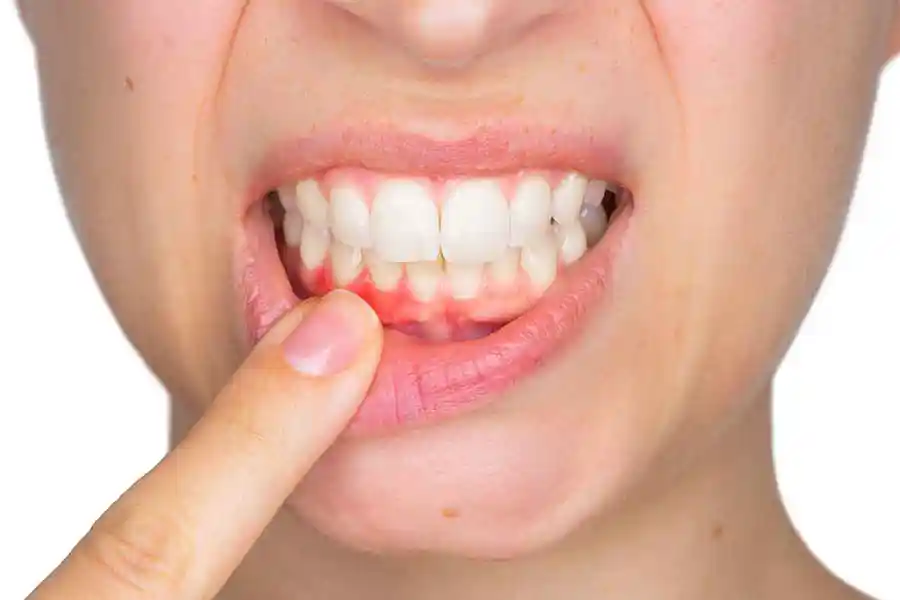
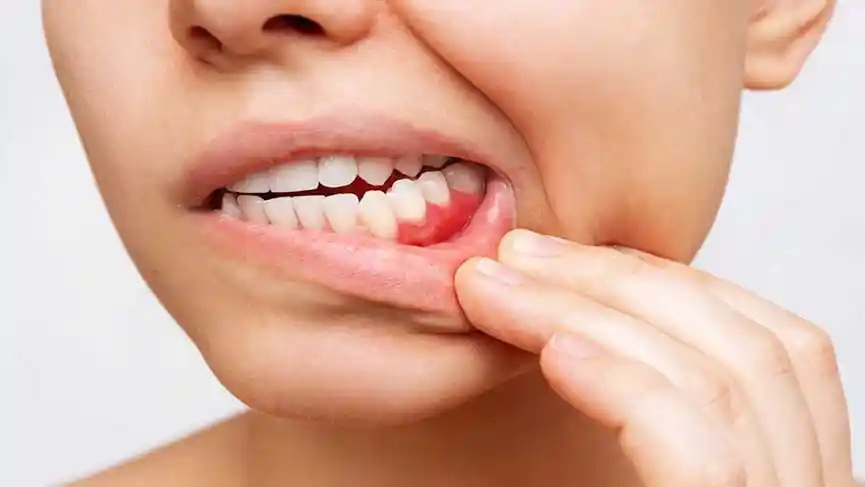
Protecting gum health is possible by not allowing the bacterial plaque accumulating in the gingival sulcus to thicken and mature. When the biofilm layer is not removed, the body’s immune cells deliver an intense blood flow to the region; this initiates the Gingivitis clinical picture, characterized by swelling, redness, and capillary fragility in the gum.
When this microbial cycle is mechanically broken every 12 hours with an oral hygiene routine, the biological attachment of the gum fibers to the tooth is preserved. Correct cleaning ensures the oxygenation of the gingival sulcus, preventing the proliferation of aggressive periodontitis bacteria that can survive only in oxygen-free environments. Regular hygiene is the most effective protective barrier preventing bone resorption.
9. What is the Relationship Between Bad Breath and Oral Hygiene?
Up to 90% of chronic bad breath (Halitosis) originates from intraoral pathologies and insufficient local hygiene. The pathophysiology of bad breath is based on the interaction of protein remnants and bacterial metabolism:
Anaerobic bacteria settling in the oral environment, particularly on the rough surface of the posterior third of the tongue, in deep gum pockets, and underneath unmaintained bridges, break down sulfur-containing amino acids in food remnants. Volatile Sulfur Compounds (VSCs – Hydrogen Sulfide, Methyl Mercaptan) released as a result of this breakdown mix into the air, causing a foul odor. With Panorama Oral Hygiene Care, protein deposits and bacterial colonies in these hidden focus areas are completely eliminated, resolving the halitosis problem at its source.
10. Which Methods Are Used in Oral Hygiene Care?
Holistic oral care does not consist of brushing teeth alone, but involves a synergistic combination of mechanical and chemical control methods. The fundamental methods recommended and applied to our patients in our clinics are as follows:
| Care Method | Tool and Material Used | Primary Functional Purpose |
|---|---|---|
| Mechanical Surface Cleaning | Soft-bristled brushes, sonic/electric toothbrushes. | Removal of the fresh plaque layer on wide tooth surfaces. |
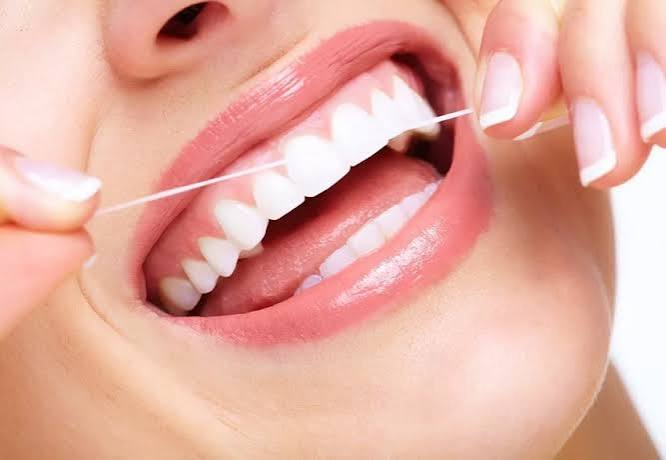
| Interdental Cleaning | Anatomical interdental brushes, dental flosses (Superfloss). | Mechanical scraping of hidden bacterial foci between two teeth where a brush cannot enter. |
| Hydro-Mechanical Irrigation | Oral irrigators (Pulsatile water pressure devices). | Clearing food from gum pockets and underneath prostheses by washing them with pressurized water. |
| Chemical Plaque Control | Therapeutic mouthwashes containing Chlorhexidine or Cetylpyridinium Chloride. | Halting proliferation and lowering the plaque index by disrupting the bacterial cell wall. |
11. How is Oral Hygiene Care Planned in Children?
Oral care planning in children is organized with pedodontic principles, taking into account the development of motor skills according to age groups and the tooth eruption schedule:
0-3 Years Period: Oral care initiates with the eruption of the first primary tooth. Parents should gently wipe the tooth surfaces after each feeding with the help of a clean gauze pad or finger brushes.
3-6 Years Period: Since the hand muscles of children are not fully developed, the brushing action must be under parent control. As the spitting reflex develops, age-appropriate toothpastes with correct fluoride dosages should be used in a pea-sized amount.
6 Years and Beyond: In this critical period when the permanent first molars erupt, the deep grooves (fissures) on the chewing surfaces of the teeth are highly open to bacterial accumulation. The oral hygiene infrastructure of children is strengthened with fissure sealant (filling protector) procedures and topical fluoride varnishes applied in the clinic.
12. How is an Oral Hygiene Routine Established in Adults?
A sustainable oral hygiene routine in adult individuals must consist of technically correct steps that can be adapted to the busy pace of the day. An ideal adult hygiene scheme is as follows:
Brushing Technique (Modified Bass Technique): The toothbrush is placed at a 45-degree angle to the line where the tooth meets the gum. Following gentle vibratory movements, a sweeping motion is made from the gum toward the tooth, meaning from red to white. Each tooth surface (internal, external, chewing) must be brushed at least 10-15 times with this cycle, and the total brushing duration must not fall below 2 minutes.
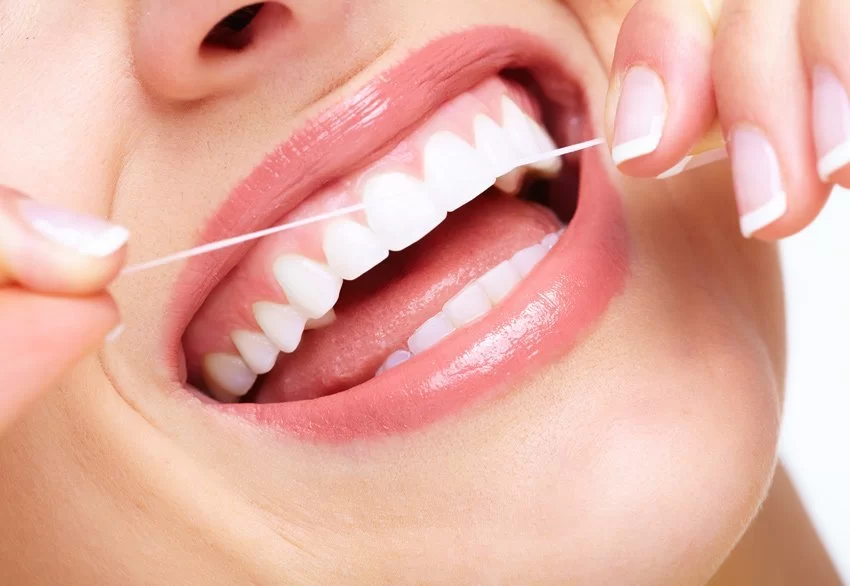
Immediately after brushing, interdental surfaces where teeth touch each other and where 70% of cavities initiate must absolutely be cleaned every day before going to bed using dental floss or interdental brushes selected in appropriate diameters. The tongue surface must also be included in the routine by scraping from back to front with the help of specialized tongue scrapers.
13. How is Oral Hygiene Maintained in Those Using Implants and Prostheses?
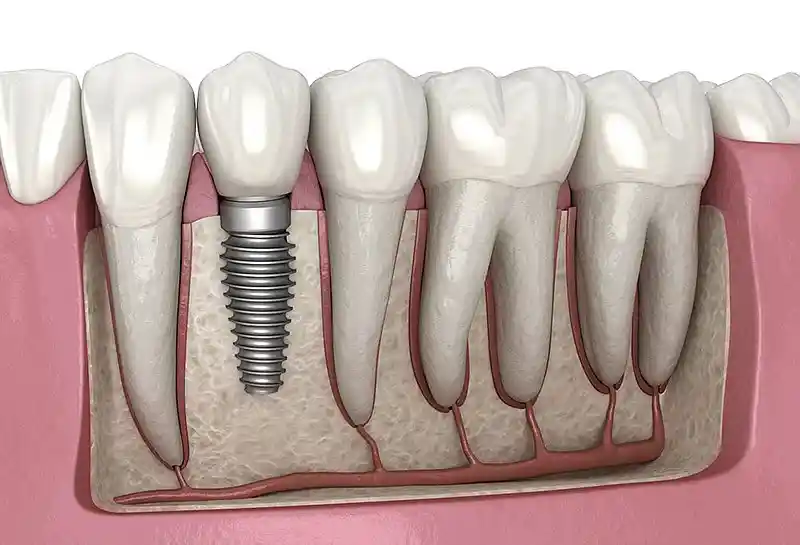
Dental implants and protetik restorations do not decay; however, the living tissues surrounding them are far more sensitive to bacterial infections compared to natural teeth. Because connective tissue fibers around an implant are arranged parallel rather than vertically, bacterial leakage can reach the bone much faster (Peri-implantitis).
The space underneath the pontics of implant-supported fixed bridges or hybrid prostheses represents the areas where food remnants are hidden most. In cleaning these regions, Superfloss flosses, which have a stiffened end and a spongy structure in the middle portion, must be used. The floss is passed underneath the bridge, providing mechanical cleaning with left-and-right movements. Additionally, interdental brushes with plastic cores that do not damage the titanium on the implant surface and oral irrigators (water flossers) that rinse between prostheses at a micro level are inseparable parts of the hygiene protocol.
14. How Should Oral Care be Done in Those Undergoing Orthodontic Treatment?
The presence of brackets and orthodontic archwires in the mouth creates hundreds of micro-cavities for food particles to catch onto. Insufficient hygiene leads to permanent chalky white stains (decalcification) on tooth surfaces and gum enlargements when the braces are removed.
Orthodontic patients must use specialized orthodontic brushes with V-grooved bristles. The upper and lower boundaries of the brackets must be meticulously screened. Following every meal, remnants remaining on the lateral surfaces of the brackets should be cleaned with end-tufted brushes or Christmas tree-shaped interdental brushes. Fluoride mouthwashes should be used a few times a week to increase the resistance of the enamel structure against acid attacks.
15. What Are the Stages of Panorama Oral Hygiene Care?
A standard clinical oral hygiene session with the quality of Panorama Ankara is carried out with the following chronological stages for maximum tissue protection and a leak-proof result:
- Digital Analysis and Plaque Staining: Intraoral photographs of the patient are taken, and the biofilm layer is visualized with disclosing agents to provide education to the patient.
- Ultrasonic Scaling: Hardened dental calculus below and above the gum line is broken with the help of piezoelectric sound waves without touching the enamel.
- Micro-Powder Air-Polishing (Air-Flow): Stubborn tea, coffee, and tobacco stains and soft plaque in the interdental spaces are gently eliminated by spraying erythritol powder.
- Fine Polishing and Buffing: Tooth surfaces are rendered smooth by means of special fluoridated pastes and soft rubber cups. A smooth surface delays new calculus formation.
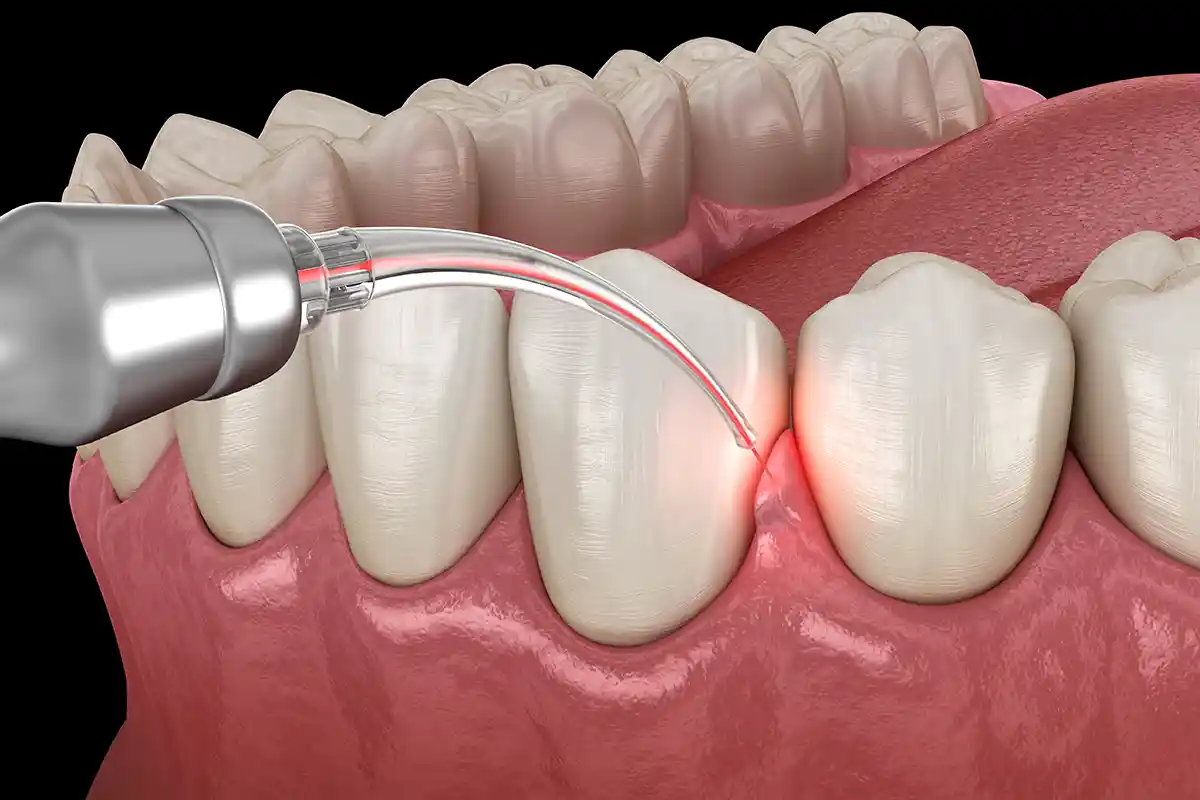
- Biostimulation and Fluoride Protection: In sensitive cases deemed necessary, laser biostimulation is performed on the gums to trigger cell healing, and a protective fluoride varnish is applied to tooth surfaces.
16. What Should be Considered After Oral Hygiene Care?
Following professional care performed in the clinic, attention must be paid to the following points for tissue stabilization and preservation of the achieved hygiene quality:
- Color Permeability Period: For the first 48 hours following air-polishing and polishing procedures, the protective organic pellicle layer over the tooth enamel has not yet matured again. During this process, teeth are highly susceptible to staining. Tea, coffee, turnip juice, cherry juice, food with tomato paste, and smoking must definitely be avoided.
- Temporary Aching: In regions where extensive dental calculus was removed, experiencing hot-cold sensitivity for a few days is normal since root surfaces may become exposed. Excessively cold drinks must be avoided in this process, and sensitivity-relief toothpastes should be preferred.
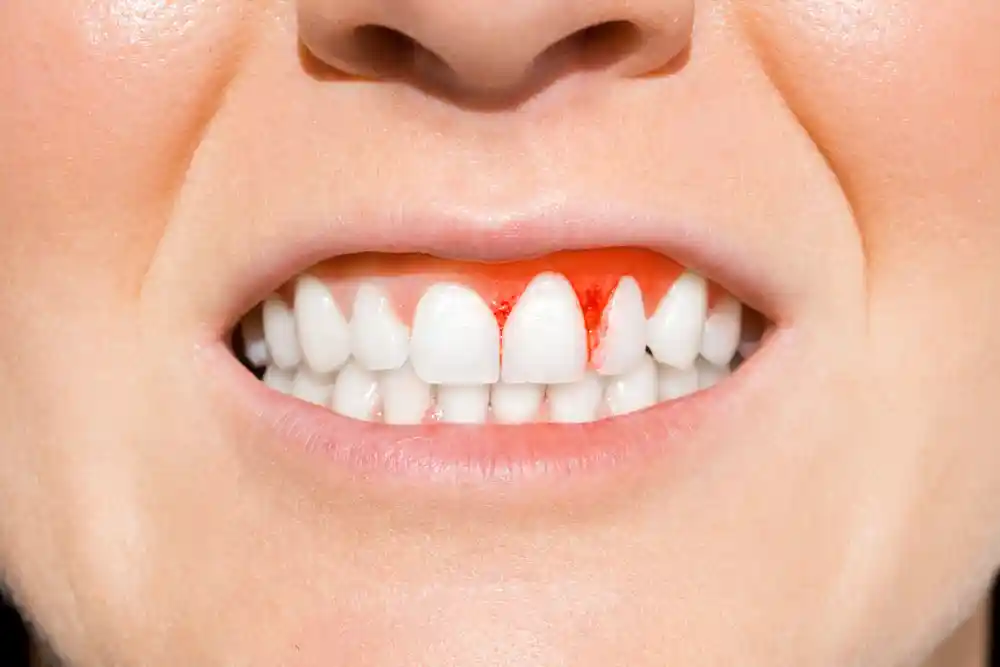
- Gum Healing: In patients possessing edematous and inflamed gums, mild bleeding may continue for a few days after cleaning. This condition is a sign of healing as the tissue shrinks; brushing must definitely not be abandoned.
17. How Does Regular Oral Care Affect Dental Health?
A regular oral hygiene habit initiates a chain of long-term biological and economic advantages referred to as “proactive success” in dentistry:
Continuously breaking the bacterial plaque keeps the acid level (pH) in the environment in balance, preventing tooth enamel from losing calcium and halting cavity formation. Thanks to the protection at the gum level, resorption of the jawbone holding the teeth is prevented, thereby avoiding tooth loss due to shaking observed at advanced ages. Clinically, in mouths undergoing regular maintenance, the risk of large and costly surgical operations that may be needed in the future, such as root canal treatment, implants, or prostheses, demonstrates a reduction of up to 85%.
18. What Can be Done to Improve Oral Hygiene Habits?
Turning teeth brushing and oral care into a routine behavioral habit can be supported by principles of behavioral psychology. The following practical strategies can be applied:
- Placing Visual Reminders: Instead of hiding dental floss and interdental brushes in a drawer, placing them on an elegant stand that remains continuously visible over the sink facilitates taking action.
- Technology Support (Smart Applications): By downloading mobile applications for sonic brushes or oral care timer applications, which part of the mouth is brushed for how many seconds can be tracked digitally, and the process can be gamified.
- “Habit Stacking” Technique: Adding a new habit right behind an action already performed every day. For example, behavior can be anchored by setting a rule such as: “Immediately after washing my face in the evening, I will floss.”
19. What Factors Affect Oral Hygiene Care Prices?
Professional oral hygiene care and scaling costs are not bound to a standard single price template, but are personalized according to the patient’s intraoral biological picture. The basic components determining prices are:
- Density of Dental Calculus and Plaque Index: The amount of calculus accumulated in the mouth, the extent to which it sags below the gum line (subgingival calculus), and the degree to which it extends the session duration are reflected in the total cost.
- Class of Technological Equipment Used: Whether only traditional ultrasonic tips will be used in the cleaning procedure, or whether tissue-friendly modern air-polishing (Air-Flow) technologies with erythritol powder and laser biostimulation systems will be included in the process affects the material cost.
- Simultaneous Advanced Periodontal Interventions: Whether clearing deep pockets with curettage (root planing) or local chemical intrapocket irrigations are required in addition to the hygiene session can modify the price index.
- Personalized Prophylactic Sets: The content of interdental brushes, special flosses, and remineralization pastes selected specifically for the oral structure and presented to the patient in the clinical environment after treatment is among the factors shaping the budget.
As Panorama Ankara Oral and Dental Health Polyclinic, we extend the lifespan of your oral health with our vision of preventive medicine. Remember, the foundation of a flawless smile and a healthy body begins with a correct oral hygiene discipline meticulously preserved every day.