

What is Digital Anesthesia?
Digital anesthesia, referred to in clinical dental literature as “Computer-Controlled Local Anesthesia Delivery Systems” (CCLAD), is a technological medical system that instantaneously adjusts the injection speed and pressure of the local anesthetic solution based on the patient’s soft tissue resistance. The primary cause of pain in traditional injections is not the tip of the needle, but rather the sudden and high-pressure flooding of the solution into tissue spaces as a result of the clinician manually pressing the syringe plunger, which leads to tissue tearing and stimulation of nerve endings. Digital anesthesia devices control this mechanical pressure entirely through algorithmic microprocessors, allowing the fluid to seep into cell spaces at a rhythm equal to the tissue’s absorption rate, completely painlessly.
- Microprocessor Control: An intelligent device mechanism that stabilizes the solution’s flow rate at a microliter-per-second level.
- Pressure Sensors: Technology that dynamically calibrates the pushing force of the fluid according to the firmness and resistance of the tissue.
- Painless Entry: A “pre-anesthesia” flow system that numbs the tissue just as the needle tip touches it, right before the actual injection.
How is Digital Anesthesia Applied?
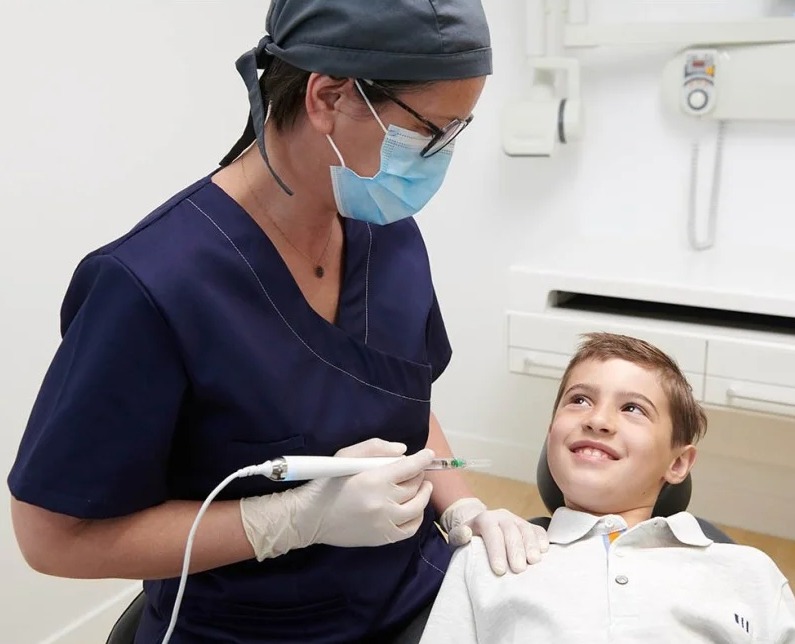
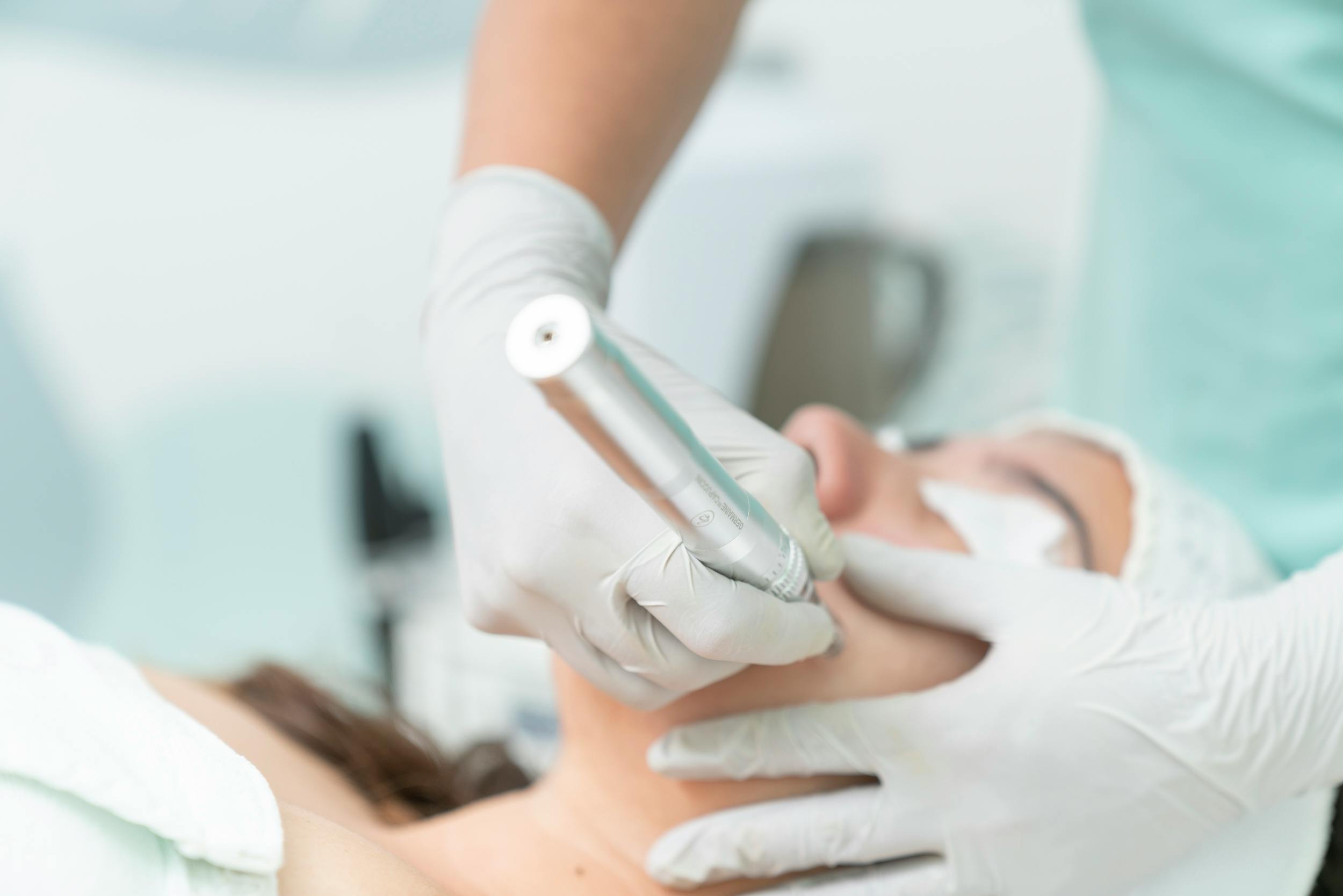
The digital anesthesia application is a phased procedure designed to minimize the patient’s chairside stress in the clinic. It is performed via pen-like ergonomic handpieces that move away from the traditional syringe appearance. Prior to the procedure, the mucosal surface where the injection will be performed is gently numbed with topically flavored gels to completely zero out the sensation of needle entry. Subsequently, the lightweight and slender pen of the device is brought close to the tissue; just before the micro-needle tip penetrates the surface, the device begins delivering the anesthetic fluid at a very low speed, ensuring the needle tip enters through an already numbed corridor. The intelligent unit completes the numbing by infiltrating the solution into the deep layers of the tissue with a linear and smooth rhythm.
- Topical Pre-Preparation: Disinfecting the mucosal surface and desensitizing it with topical anesthetic agents.
- Pen-Type Handpiece: Utilizing a slender pen apparatus instead of large metal syringes that induce fear in patients.
- Computerized Infusion: The phase initiated by a foot pedal or automatic sensor, where the fluid is administered drop by drop based on tissue resistance.
In Which Dental Treatments is Digital Anesthesia Used?
This computer-controlled anesthesia technology is safely used as the primary anesthesia method in clinical dentistry for all surgical and restorative operations requiring local numbing, whether invasive or non-invasive. The digital system can be easily integrated into any anatomical intraoral region and any tooth-oriented procedure where traditional injections are applicable. Regardless of the nature of the treatment, the goal is to create a comfortable working field without manipulating the patient’s pain threshold.
The primary dental treatments where this system is most frequently and successfully utilized are:
- Restorative Procedures: Cleaning deep dental decay, composite or porcelain filling (inlay/onley) applications.
- Endodontic Treatments: Root canal treatments and root-tip resections of teeth with advanced infections.
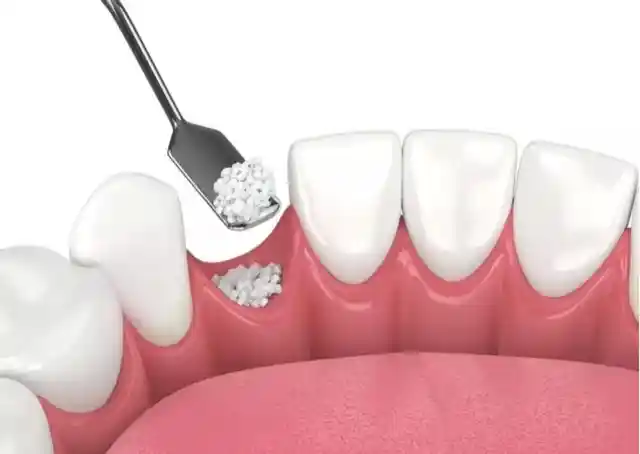
- Surgical Interventions: Extractions of impacted wisdom teeth, dental implant operations, and bone graft (powder) applications.
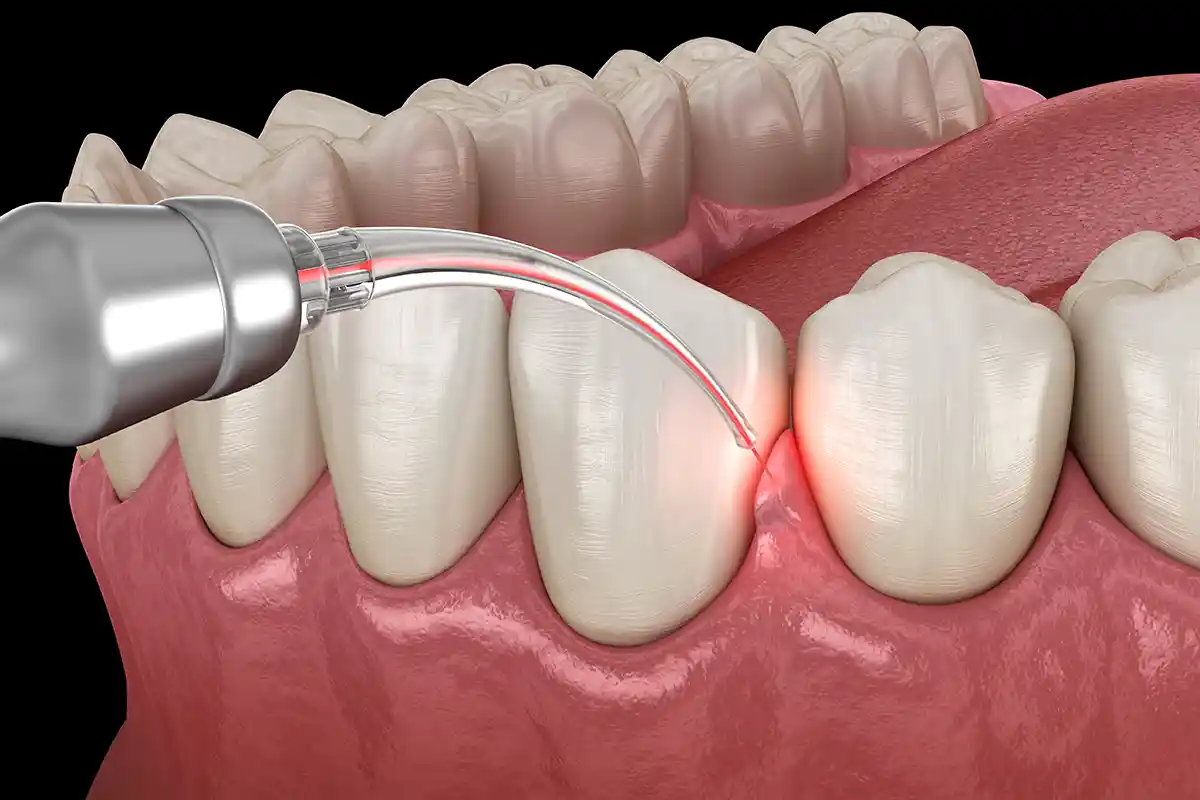
- Periodontal Treatments: Deep gum curettage, flap operations, and laser gum aesthetics (gingivoplasty) processes.
Who is Digital Anesthesia Suitable For?
The digital anesthesia method is suitable for children and adult individuals of all age groups who experience intense panic at the thought of going to the dentist, have a needle phobia (trypanophobia), and do not want to feel pain associated with injection pressure in the mouth. Since the system is not a systemic or general anesthesia (narcosis) but rather a technology providing local numbing, it can be safely used on all patients whose general health profile permits local anesthesia. It can be applied to any client seeking comfort during all four seasons and under any chronic disease condition (under clinician supervision).
- Those with Dentophobia (Fear of the Dentist): Patients who hesitate to sit in the dental chair due to past traumatic experiences.
- Those with Needle Phobia: Individuals who are uncomfortable with the visual structure of classic syringes and the sting of injection.
- Pediatric Patients: The pediatric age group that carries a risk of sudden movement during the operation and is afraid of syringes.
What is the Difference Between Digital Anesthesia and Traditional Anesthesia?
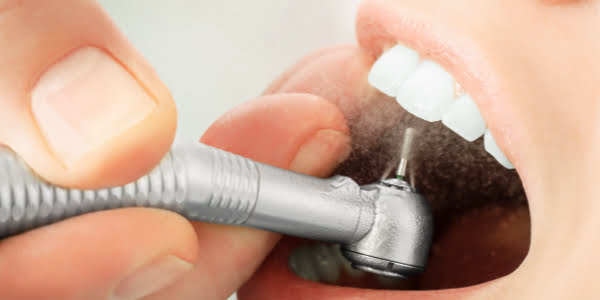
The most radical difference between digital anesthesia and traditional carpule syringes is the speed at which the solution is delivered underneath the tissue and the control mechanism behind this speed. In the traditional method, the clinician pushes the plunger with their finger; no matter how slow this manual pushing force is, it creates a hydraulic pressure above the anatomical absorption limits of the tissue, and this pressure generates pain. The digital system, working well beyond the sensitivity of the human finger, operates with computer algorithms to stabilize the fluid to that smooth flow line the tissue can absorb. The clinical parameters of the two anesthesia methods are listed in the comparison table below:
| Clinical Parameter | Digital Anesthesia (Computer-Controlled) | Traditional Local Anesthesia (Manual Syringe) |
|---|---|---|
| Solution Flow Rate Control | Adjusted automatically and at a constant rate by the smart microprocessor. | Depends on the clinician’s hand sensitivity and finger pressure; variable. |
| Tissue Pressure and Pain Sensation | Sensors continuously measure pressure; tissue tearing and pain do not occur. | Sudden high pressure may build up; a sting due to tissue stretching is absolute. |
| Visual Design and Perception | Pen-like design that moves away from the medical syringe image, reducing phobia. | Cold syringe appearance that is large, metal, and features a prominent needle tip. |
| Regional Numbness Boundaries | Can numb only the target tooth; does not cause unnecessary numbness in the lip and cheek. | Exhibits widespread propagation; blocks the entire half-face, lip, and tongue for hours. |
What Are the Advantages of Digital Anesthesia?
The advantages that computerized anesthesia units bring to modern clinical dentistry are not limited to the elimination of pain; they also directly elevate the patient’s comfort quality after the operation. Thanks to the selective numbing capability of the system, patients can return to their daily lives after the session with far fewer tissue restrictions. It both reduces the working stress of the clinician and strengthens the patient loyalty graphs of the clinic.
- Zero Pressure Pain: Because the solution’s infiltration rate into the tissue is kept below the pain threshold, the injection is barely perceived.
- Prevention of Unnecessary Numbness: Especially in upper jaw blocks, only the relevant tooth can be numbed; the cheek, lip, and speech muscles do not go numb.
- Low Drug Dosage Efficiency: Maximum numbing is achieved with less anesthetic agent thanks to the fluid delivered with pinpoint accuracy directly to the target spot.
- Trauma Management in Children: It prevents the formation of dental phobia by enabling children to overcome their fear of needles.
How is the Assessment Formulated Prior to Digital Anesthesia?
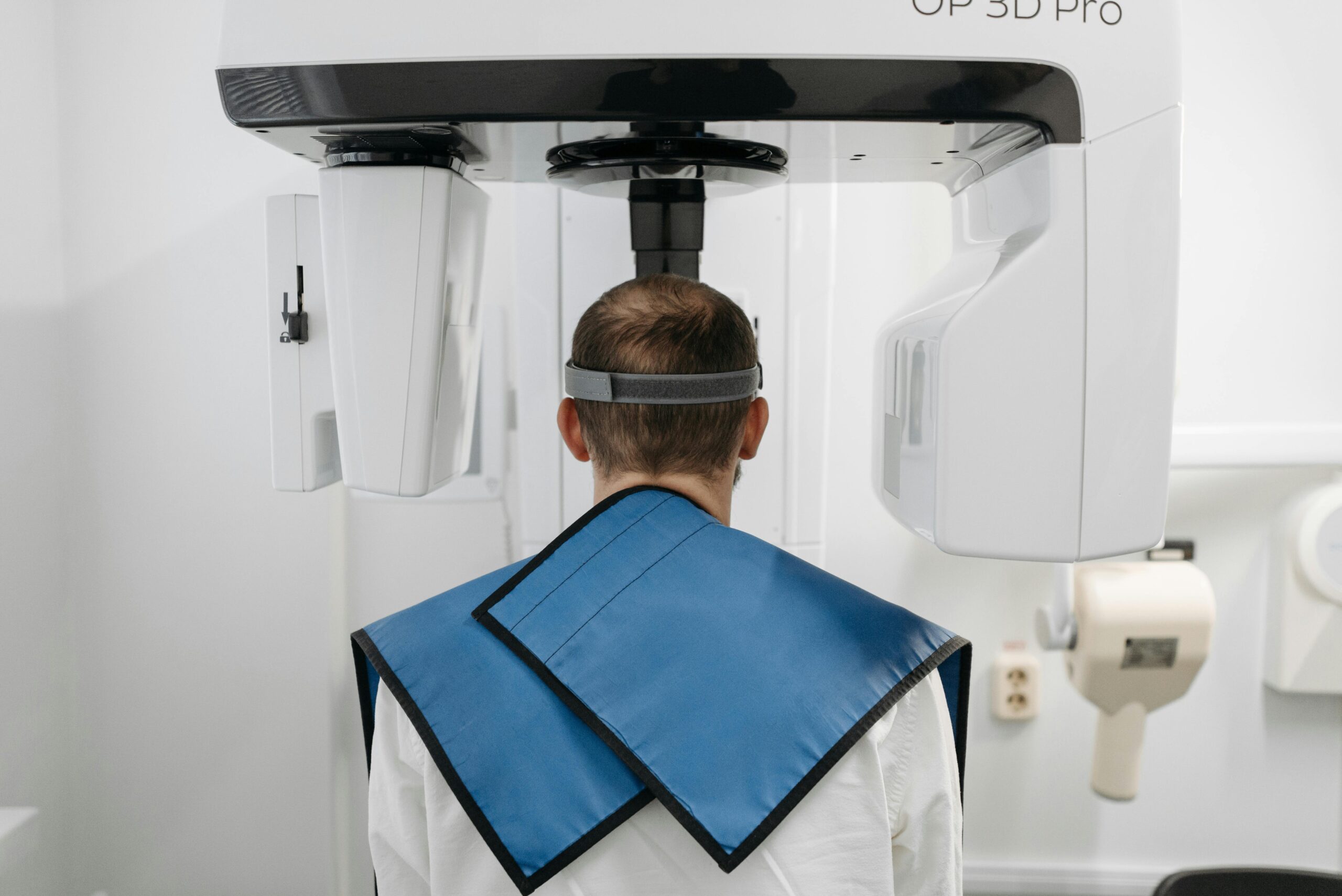
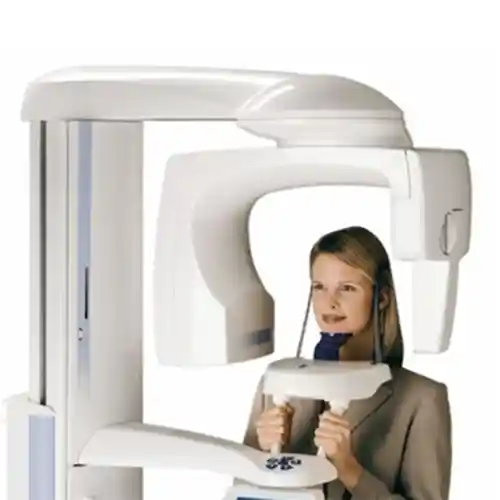
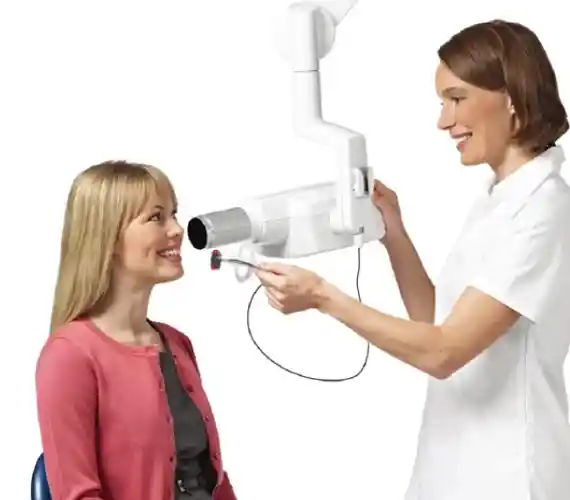
The clinical assessment performed before proceeding to the application session is a standard control phase conducted to screen the patient’s general systemic condition and maximize injection comfort. Examining the patient’s medical history (anamnesis), the clinician inquires about their allergy map, cardiovascular health, and chronic illnesses. Reviewing the anatomy of the jawbone and tooth roots via digital panoramic X-rays or 3D tomography sections, the target depth plan for the injection is clarified prior to the operation.
- Systemic Control: Screening conditions such as blood pressure, diabetes, or pacemakers that will influence the choice of anesthetic solution.
- Anatomical Mapping: Determining entry points based on the thickness of the gums and the location of nerve exit holes (foramen).
- Anxiety Level Measurement: Calibrating the waiting time for pre-anesthesia topical creams according to the severity of the patient’s fear of needles.
How is Digital Treatment Planning Performed?
The digital treatment planning workflow is an integrated chain that begins with transferring radiological data obtained from CBCT or panoramic devices into advanced computer-aided design (CAD/CAM) software. On the computer screen, the clinician works on a 3D digital model that is an exact copy of the patient’s jawbone and tooth alignment. Within this interface, the angle and size of implants or the movement directions of orthodontic clear aligners are simulated millimetrically by leveraging software algorithms; thus, every step of the operation is verified in the virtual world before touching the skin.
- Data Integration: Superimposing radiological tomography data with intraoral scanner impressions within the software.
- Virtual Surgical Rehearsal: Eliminating the margin of error by simulating implant or jaw surgery steps on the digital bone.
- Guide Plate Design: The process of sending templates designed on the computer to 3D printers to manufacture navigated surgical appliances.
How Long Does Digital Anesthesia Application Take?
Because the rate of solution infiltration into the tissue is deliberately slowed down by the microprocessor, the digital anesthesia application may take slightly longer in terms of active application time compared to traditional manual injections; however, this duration is a negligible practical detail when considering total session comfort. Instead of a high-pressure, painful shot delivered in 5 seconds with a carpule syringe, the digital device transfers the fluid to the tissue drop by drop and completely imperceptibly between an average of 1.5 to 3 minutes. Since the numbing effect already reaches its maximum level the moment the injection finishes, the clinician can initiate treatment without waiting.
- Topical Gel Waiting Time: Approximately 1–2 minutes (The period for desensitizing the mucosal surface with the cream).
- Active Computerized Infusion: Between 90 seconds and 3 minutes on average (The device injecting the solution at a speed suitable for tissue resistance).
- Total Onset Time: The moment the injection is completed, the tooth and surrounding bone tissue enter a phase completely prepared for the operation.
What Does the Patient Feel During Digital Anesthesia?
The state of mind and sensation experienced by the patient during a digital anesthesia session is completely removed from that familiar tension and sudden sting encountered in traditional dental injections. Thanks to the topical numbing gel, only a slight perception of touch or pressure, similar to a mild pen-tip contact or a mosquito touch, arises as the first micro-tip contacts the tissue. When the fluid begins flowing in, the computerized system keeps the flow rate below the nerve conduction velocity, so the patient does not feel their tissue swelling or burning; only a slight water stream or coolness sensation is perceived throughout the session, and that region becomes completely desensitized within seconds.
- Zero Burning Sensation: Because the pH balance and speed of the solution are regulated, acidic injection burns do not occur.
- Mild Vibration/Coolness: A comfortable mechanical stimulation sensation perceived during the touch of the device handpiece.
- Psychological Relief: Because the image of the syringe and the perception of pain are eliminated, the patient’s heart rhythm and muscle tension remain stable.
How Does Digital Anesthesia Support Pain Control?
The high clinical success of computer-controlled systems over pain control relies on a neurological physical rule called the “Gate Control Theory.” Our nervous system delivers fast-transmitted mechanical touch signals to the brain prior to slow-transmitted pain signals, temporarily closing the pain gate. By seeping a very low-flow solution just before the needle tip and keeping tissue pressure constant, the digital anesthesia device continuously sends “safe touch” signals to the brain; thus, a complete local pain control barrier is constructed before nerve endings can generate pain signals and before pain transmission reaches the brain.
- Neurological Blockade: Preventing the stimulation of pain receptors (nociceptors) through sudden pressure fluctuations.
- Tissue-Friendly Infusion: Preventing post-operative injection-related wound pain that may develop by zeroing out intercellular hydraulic shock.
Can Digital Anesthesia Be Applied to Children?
Yes, digital anesthesia is one of the most vital and frequently preferred regenerative approaches in pediatric dentistry (pedodontics) practices that prevents children from developing dentophobia (fear of the dentist). Pediatric patients are structurally much more reactive to the visual image of a needle and the sting at the moment of injection compared to adults; seeing a classic syringe can completely alienate a child from the treatment room. The pen-like, colorful, and cute handpieces of digital anesthesia can be introduced to children as a “magic coloring pen”; thanks to the pain-free numbing stage, the child remains well-behaved throughout the operation and coordinates fearlessly for subsequent sessions.
- Trauma-Free First Experience: Conclusively preventing the formation of a painful dentist image in children’s memories.
- Reduction of Lip Biting Risk: Thanks to the capability to numb only the relevant tooth, the risk of the child inadvertently chewing and injuring their numb, drooping lip post-procedure is eliminated.
Is Digital Anesthesia Suitable for Sensitive Patients?
Yes, digital anesthesia is the most comfortable medical option for sensitive patients who possess an exceptionally low pain threshold, experience panic attacks or anxiety disorders, or display a high gag reflex. Sensitive patients can make the clinician’s work difficult or abort sessions midway through traditional treatments due to that sudden contraction reflex at the moment of injection. Because the computerized anesthesia unit provides numbing without the patient sensing it, it does not awaken the defensive reflexes of the nervous system; the treatment is safely completed while the patient sits in a relaxed state in the chair.
- Anxiety Management: It absorbs fear-induced adrenaline release and subsequent heart palpitations right from the start.
- Gag Control: During upper jaw posterior fillings, it avoids triggering the gag reflex by not unnecessarily numbing the soft palate, providing comfort.
Which Technologies Are Applied in Digital Anesthesia?
Digital anesthesia derives its power from patented intelligent injection equipment verified in medical aesthetics and dental technology literature. Foremost among the systems most widely utilized in clinical practices is “The Wand” (STA – Single Tooth Anesthesia) technology, accepted globally as the gold standard. Featuring acoustic feedback mechanisms, this system reports instantaneously to the clinician through digital sound signals exactly which tissue layer the needle tip is in (for instance, whether it is within the periodontal ligament) and automatically regulates the flow rate according to the anatomical structure of that layer.
- Acoustic Feedback: Housing audio guidance algorithms that warn the clinician when the device is positioned correctly.
- Dynamic Pressure Sensing (DPS): Smart sensor boards that measure the pressure within the tissue within milliseconds during the injection.
How Long Does the Effect of Digital Anesthesia Last?
The pharmaceutical anesthetic substances (articaine, lidocaine, etc.) utilized in digital anesthesia operations feature the exact same content as traditional methods; therefore, the duration of numbness within the tissue runs parallel chemically. However, because the digital system focuses and seeps the solution precisely near the targeted nerve endings, the level of numbness remains stable at its peak throughout the duration of the effect without fluctuations. Following the operation, the elimination rate of the drug from the body is shaped by the quality of the patient’s local blood flow.
- Active Operative Permanence: Total numbing is kept stable within the tooth and surrounding bone tissue for an average of 1 to 2 hours.
- Soft Tissue Resolution Speed: Because unnecessary fields (lip, cheek) are not numbed, the sensation of post-session resolution is perceived much faster and more comfortably by the patient.
What Should Be Considered After Digital Anesthesia?
Although tissue trauma and unnecessary cheek numbness are kept to a minimum thanks to computer-controlled infusion, basic medical rules exist that the patient must follow during the initial hours after the procedure. The period until the numbing sensation of the gums and the relevant tooth completely subsides is a sensitive phase where those tissues are temporarily vulnerable to external stimuli and mechanical damage; it is essential for the patient to act meticulously to preserve homeostatic balance.
The basic considerations to be observed at home following the procedure include:
- Absolutely no food should be consumed and no meals eaten for the first 1–2 hours until the anesthetic effect (numbness) disappears completely.
- The tongue, lip, and inner cheeks should not be fiddled with or checked with the teeth, as the numb area might be inadvertently bitten.
- Extremely hot, acidic, or spicy foods should be avoided on the first day to prevent creating an infection risk at the micro-injection spots.
When Can One Return to Daily Life After Digital Anesthesia?
Digital anesthesia application is an exceptionally comfortable procedure that entails no interruption, isolation, or rest obligation in the patient’s social, professional, or academic rhythm of life. Because the procedure does not involve general narcosis or sedation and does not disturb motor skills or consciousness, the patient can resume their normal daily flow of life uninterrupted from the exact minute they step out of the session room; there are no clinical barriers to driving, attending business meetings, or returning to school immediately after the session.
- Immediate Social Return: Because speech impairment with a drooping, numb lip—as seen in traditional anesthesia—is not experienced, one can adapt to professional life instantly.
- Compatibility with Break Hours: Treatments can be scheduled during break periods even during busy weekdays, allowing a comfortable return to work post-session.
Is Digital Anesthesia a Safe Application?
Yes, computer-controlled digital anesthesia is an exceptionally secure medical application holding safety certifications (FDA and CE approved systems) in medical and dental standards. Its side effect and complication coefficient is radically lower compared to traditional syringes. The device’s instantaneous pressure measurement sensors calibrate and prevent risks of accidentally injecting medication into a blood vessel at high speed (intravascular injection). Since the system operates with completely sterile, single-use closed cartridge configurations, the possibilities of cross-infection transmission are zeroed out.
- Zero Toxicity Risk: Because the microprocessor monitors the drug dose millimetrically, overloading the patient with an overdose is prevented.
- Cardiac Safety: Because the escape of adrenaline-containing solutions into vessels is prevented, risks of sudden heart palpitations and elevated blood pressure are eliminated.
How Does Digital Anesthesia Enhance Treatment Comfort?
Digital anesthesia elevates treatment comfort to a radical degree by transforming dental sessions into a “wellness experience” completely purged of stress and pain factors from start to finish. The nervous system of the patient, whose perception of fear and pain is eliminated, remains calm throughout the session; this halts chairside contractions and sudden flinching movements, granting the clinician an opportunity to focus on their work with maximum concentration. It is the most robust clinical comfort pillar ensuring treatment processes are completed smoothly and swiftly.
- Holistic Relaxation: The jaw joint of the patient, whose muscle tensions are reduced, does not tire throughout the procedure, preserving their comfort.
- Erasing Clinical Traumas: It supports the patient in demonstrating a happy and regular participation in subsequent dental check-ups without procrastination.
What Are the Frequently Asked Questions About Digital Anesthesia?
The most common practical anxieties arising in the minds of individuals planning to benefit from computerized anesthesia comfort prior to dental treatments, along with their uncensored, bare medical answers, are presented below:
Will I truly feel nothing at all during the digital anesthesia delivery or injection?
Thanks to the numbing gel applied to the gums prior to the procedure, only a minimal pressure perception, similar to a mild pen-tip touch or a mosquito touch, is felt during the initial micro-contact; that harrowing and painful injection sting, burning, or tissue tearing sensation encountered in traditional syringes is absolutely not experienced, and numbing is completed exceptionally smoothly.
Are the medications used for digital anesthesia different from normal injection medications?
No, the chemical content of the anesthetic solutions used is identical to the proprietary local anesthetic ampoules (carpules) used in medical standards; therefore, their numbing power and safety run parallel. What is different is not the drug itself, but the method of delivering the drug to the tissue pressurelessly with the help of computer intelligence and a microprocessor.
Are digital anesthesia and general anesthesia (narcosis) or sedation the same thing?
They are definitely not the same thing and should not be confused. In general anesthesia and sedation procedures, the patient’s consciousness is completely or semi-suppressed with the help of medications, putting the patient into a sleeping mode. Digital anesthesia, on the other hand, is entirely a local numbing method; the patient’s consciousness is fully active during the procedure, they see and hear their surroundings, and only the operated dental zone is desensitized.
Will my face remain numb and drooping for hours after digital anesthesia finishes?
No, one of the greatest advantages of digital anesthesia (especially STA technology) is its capability for “Single Tooth Anesthesia,” meaning it can numb only the relevant single tooth and surrounding connective tissue. Your entire half-face, lip, cheek, and tongue will not go numb unnecessarily for hours as in traditional anesthesia; your speech and facial expressions remain completely normal post-session.
Is an extra surgical procedure or preparation required for digital anesthesia application?
No, absolutely no additional preparation or surgical intervention is required. Following your normal routine examination, the moment treatment is about to commence, the numbing phase is initiated within seconds using the device’s smart pen instead of a traditional syringe; there are no extra clinical protocols involved that would cause the patient to lose time.
Who Are We? & Panorama Ankara Oral and Dental Health
Panorama Ankara is an institutional oral and dental health center providing healthcare services at international standards to its patients by combining an academic expert staff and the latest technological equipment under a single roof, particularly in oral, dental, and maxillofacial surgery, implantology, endodontics, and aesthetic dentistry. Attaching vital importance to transforming the treatment workflows of patients with a fear of the dentist (dentophobia), individuals experiencing needle phobia, and children in the pediatric age group into a completely fearless, stress-free, and smooth wellness experience, our center welcomes its clients with computer-controlled original The Wand / STA Digital Anesthesia systems in its clinical infrastructure.
Across all radiological, surgical, and restorative interventions performed under the roof of Panorama Ankara, absolute sterilization, high patient safety, transparency, and honesty principles are operated with uncompromising determination as per our charter. In our clinical practices, intelligent anesthesia units possessing sensor technologies that calibrate intra-tissue pressure instantaneously are meticulously applied under the supervision of our expert medical staff according to the patient’s gum sensitivity coefficient and treatment indication. Our goal is not to impose arbitrary and painful traditional treatment patterns on our patients, but to analyze every individual’s phobia level and pain threshold to achieve maximum session comfort, a painless injection standard, and the highest patient satisfaction graphs without damaging surrounding soft tissues and vascular pathways. If you are tired of your missing teeth, cavities, or loss of your smile when looking in the mirror, yet postpone your treatments due to fear of the dentist, and wish to initiate your painless treatment process with a scientific guarantee in an expert center environment, you can safely protect your health and smile integrity by contacting the expert staff of Panorama Ankara for your detailed examination and digital anesthesia comfort.