
1. What is Orthodontics?
Orthodontics is the most well-established specialty of dentistry that examines, diagnoses, and treats the positions of teeth on the jawbone, their occlusal relationships with each other, and the skeletal harmony of the upper and lower jaws according to the cranial base. Although its literal meaning derives from the combination of the Greek words “orthos” (straight) and “odons” (tooth), in the modern medical world, orthodontics means much more than merely the aesthetic alignment of teeth.
Modern orthodontic science aims to preserve the dynamic balance of the chewing system (stomatognathic system), jaw joints (temporomandibular joint), respiratory tracts, and facial aesthetics with one another. Our fundamental philosophy in orthodontic practices carried out at Panorama Ankara is to create a flawlessly functioning chewing mechanism while simultaneously achieving ideal aesthetic proportions for the facial profile, all while respecting the biological limits of the individual.
2. In Which Cases is Orthodontic Treatment Applied?
Orthodontic interventions are applied in the presence of anomalies that emerge due to genetic factors, developmental anomalies, or incorrect habits in early childhood (thumb sucking, prolonged pacifier use, mouth breathing, etc.). These conditions are primarily as follows:
- Dental Crowding: Situations where the jawbone is small relative to the total width of the teeth, causing teeth to lack space and thus overlap, rotate, or erupt outside the dental arch.
- Interdental Spaces (Diastema): The presence of generalized gaps that create aesthetic and functional problems in tooth alignment due to a large jawbone, small teeth, or missing teeth.
- Protruding Front Teeth (Overjet): The upper front teeth being positioned horizontally much further forward than the lower front teeth, disrupting lip closure and increasing the risk of trauma.
- Deep Bite: The upper front teeth vertically covering the lower front teeth much more than normal; in advanced cases, the lower teeth contact the upper palate, causing tissue damage.
- Open Bite: While the back teeth are in contact with each other, the front teeth fail to meet in the vertical plane, leaving a distinct gap. This condition severely impairs speech and biting functions.
- Crossbite: The lower teeth closing on the inside or outside in reverse of the normal anatomical relationship, where they should be positioned on the inside of the upper teeth (reverse bite).
3. Who is Orthodontic Treatment Suitable For?
The common public belief that “braces are only for children” has completely lost its validity thanks to developments in modern biomechanics and material science. Orthodontic treatment is suitable for individuals of all age groups who have healthy gums and sufficient jawbone support:
Children and Adolescents: This is the most effective period where both dental corrections and skeletal jaw guidance can be performed by utilizing growth and development potential.
Adults: Even though bone growth is complete, orthodontics can be successfully applied to patients in their 40s, 50s, and even 60s, provided the periodontal tissues surrounding the teeth are healthy. Today, adult patients heavily prefer invisible systems such as clear aligners or porcelain brackets due to aesthetic concerns.
4. How is an Orthodontic Examination Performed?
The orthodontic examination process at Panorama Ankara clinics relies on a multi-stage protocol that analyzes the patient’s current profile with millimetric details:
Anamnesis and Listening to Complaints: The patient’s treatment expectations, previous dental treatments, and familial jaw structure traits (genetic inheritance) are queried.
Clinical Intraoral and Extraoral Analysis: Our specialist orthodontist examines all teeth in the mouth, gum health, tongue tie, and swallowing habits. Simultaneously, facial symmetry, profile angle, smile line, and the range of motion of the jaw joint are clinically evaluated.
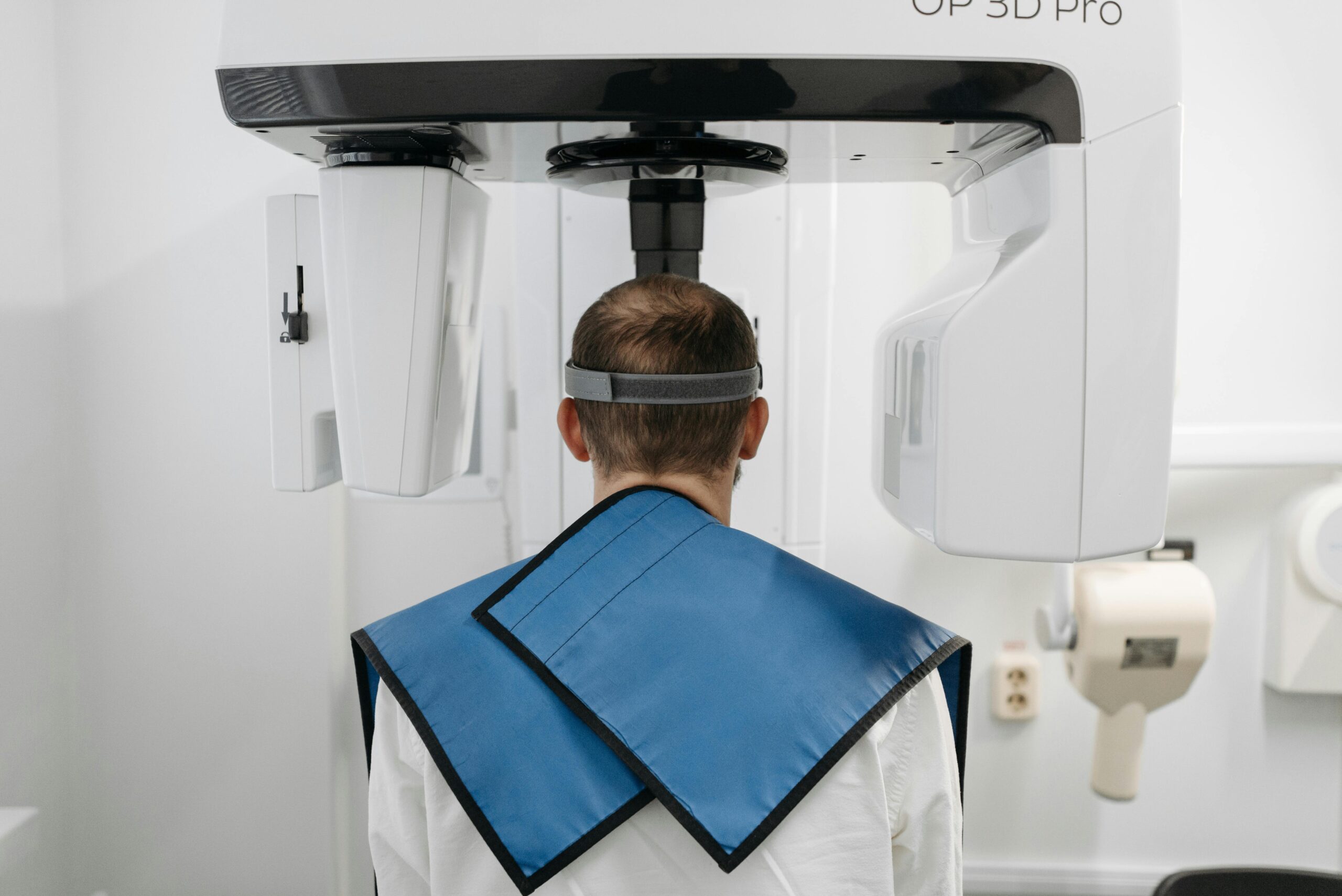
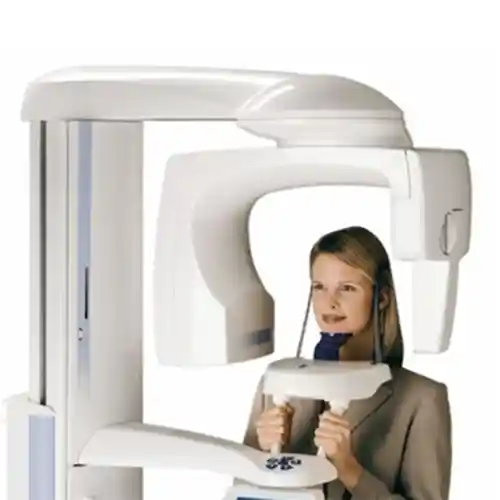
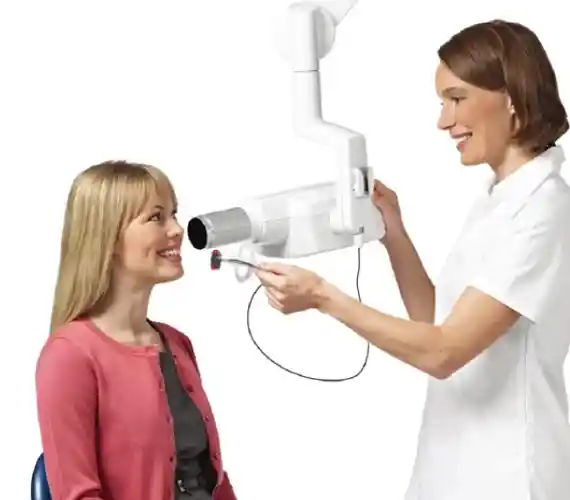
Obtaining Digital and Radiological Records: Cephalometric and panoramic X-rays are requested from the patient to confirm the diagnosis. The angles of the skeletal structure are measured with special drawings made on the cephalometric X-ray. Then, digital models of the teeth are transferred to the computer environment with the help of 3D intraoral scanners, and facial photographs of the patient are taken.
5. How is Orthodontic Treatment Planned?
Orthodontic planning begins by combining all obtained radiological analyses, digital models, and photographs on special computer software. While planning at Panorama Ankara, the following critical decisions are made:
With or Without Tooth Extraction? Depending on the degree of crowding and the facial profile, it may sometimes be necessary to extract premolar teeth to align the teeth properly. If the profile is very collapsed or the crowding is mild, a non-extraction planning is preferred using expansion or interproximal reduction (IPR) techniques.
During the planning stage, the direction and magnitude of the forces (biomechanics) to be applied to the teeth throughout the treatment are calculated. In clear aligner treatments, all movements the teeth will make from their initial state to their final state are simulated on the software, and the smile at the end of the treatment is shown digitally to the patient before the operation begins.
6. How is Braces Treatment Applied?
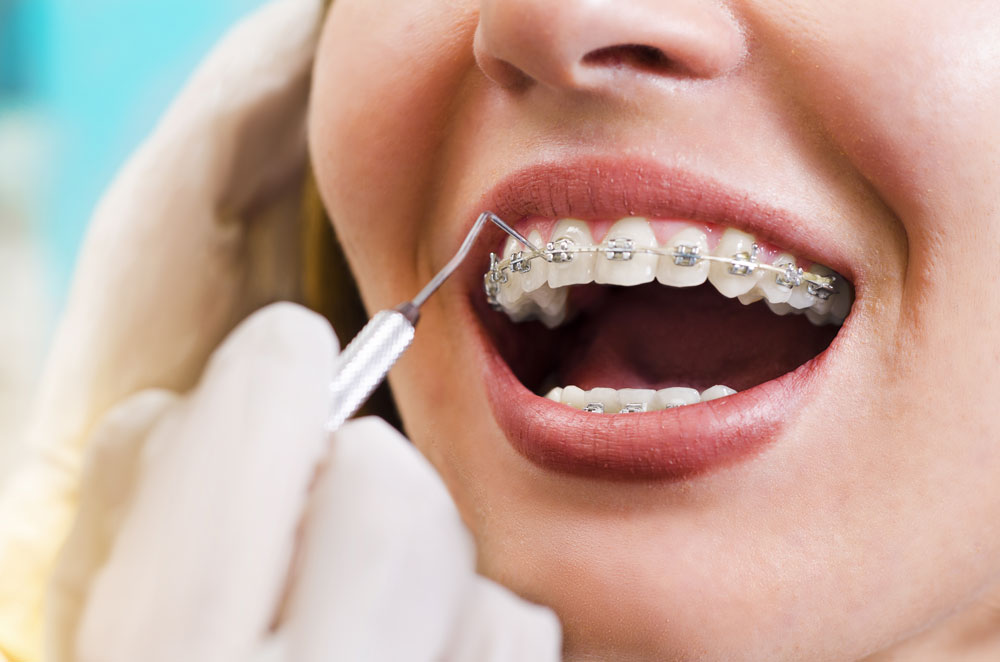
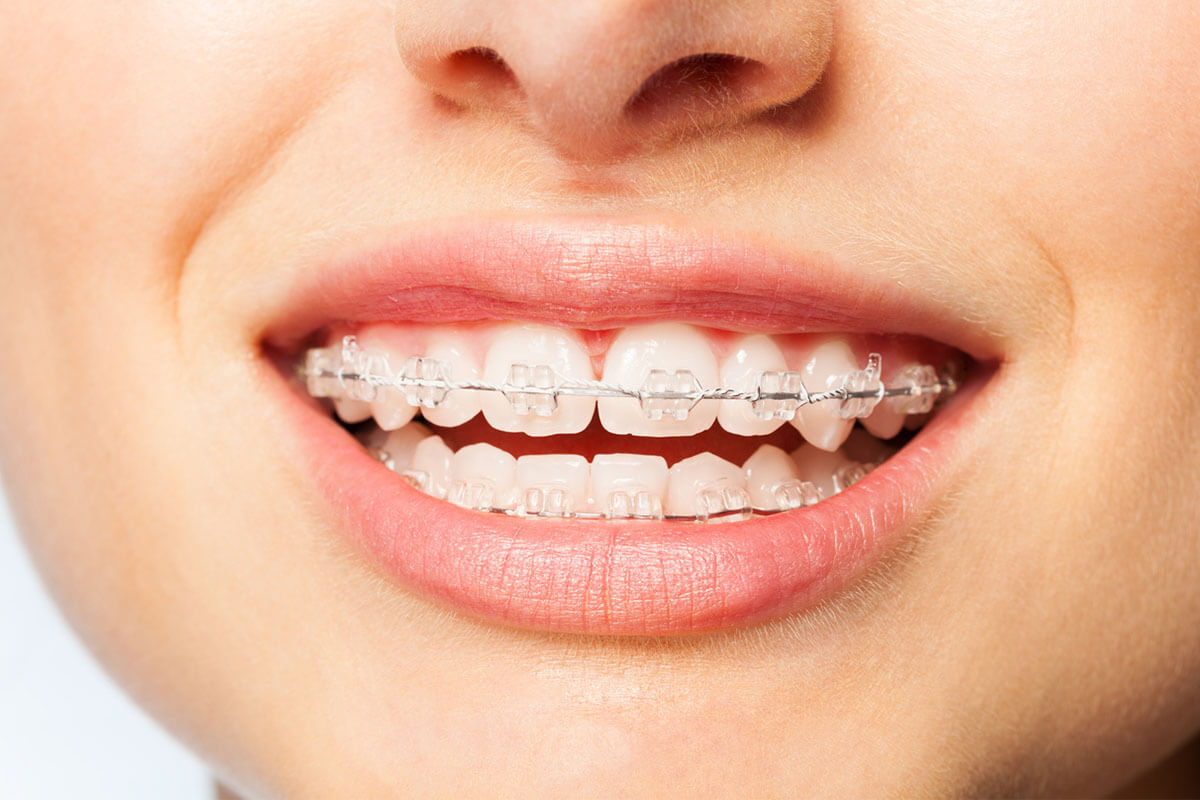
Fixed orthodontic treatment (braces), one of the traditional and still most reliable methods, is based on the principle of continuous force created by brackets bonded to the teeth and archwires passing through these brackets. The application stages are as follows:
- Preparation of the Tooth Surface: Tooth surfaces are smoothed with special cleaning agents, and special composite adhesives that ensure the attachment of the brackets are applied.
- Positioning of the Brackets: Brackets made of metal, ceramic, or sapphire material are placed at the anatomical center of each tooth with millimetric precision and fixed by hardening with a special light source.
- Placement of the Archwire: Flexible nickel-titanium (NiTi) archwires that will pass through the slots in the middle of the brackets are placed. In the first stage, these wires are bent and tied to the brackets, and as they try to return to their original straight forms, they move the teeth along with them.
7. What is Clear Aligner Treatment?
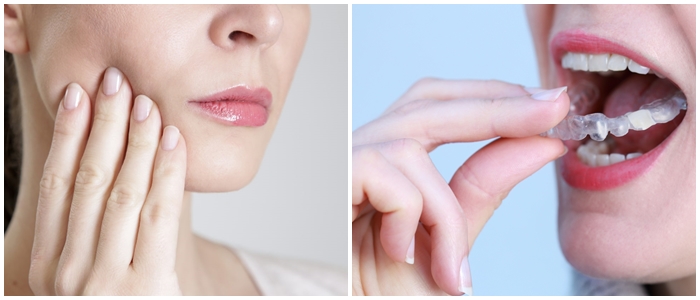
Clear aligner treatment (wireless orthodontics) is a modern orthodontic method used to straighten teeth, using a sequential series of clear smart polymer aligners custom-made with computer-aided design (CAD/CAM) technology instead of metal brackets.
In this treatment, each aligner is designed to move the teeth in a specific direction at the micron level. Small, tooth-colored composite protrusions called “attachments” are placed on the teeth; these protrusions ensure that the aligners grip the tooth perfectly and can perform complex movements such as rotation and intrusion. Patients advance the treatment themselves by changing the aligners sequentially, on average every 7 to 10 days.
8. What are the Differences Between Metal Braces and Clear Aligners?
Although both systems essentially move teeth with the same biological principles, they have significant differences in terms of usage comfort and aesthetics:
| Feature | Metal Braces | Clear Aligner (Wireless Treatment) |
|---|---|---|
| Aesthetic Appearance | Noticeable, has metallic reflections. | Almost completely invisible, hard to notice. |
| Removability | Fixed, cannot be removed by the patient until the treatment is finished. | Removable; can be taken out while eating and brushing teeth. |
| Freedom of Eating and Drinking | Consumption of hard, sticky, and crusty foods is restricted. | Since the aligners are removed, all kinds of food can be freely consumed. |
| Oral Hygiene Management | Cleaning around brackets requires special interdental brushes and is difficult. | Normal tooth brushing and flossing continue exactly the same. |
| Check-up Frequency | Clinical activation is mandatory every 4-5 weeks. | Less frequent check-ups with remote monitoring systems and bulk aligner delivery. |
9. When Should Orthodontic Treatment be Evaluated in Children?
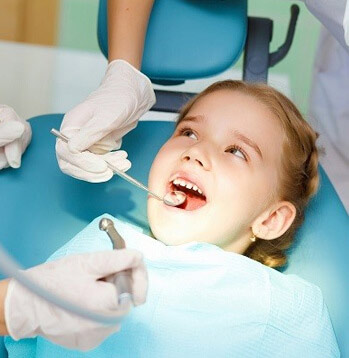
The World Orthodontic Societies and Panorama Ankara clinical protocols dictate that every child’s first orthodontic examination should be done no later than the age of 7. Although primary teeth are still predominant in the mouth at age 7, the permanent first molars have erupted, and the relationship of the jaws with each other begins to become clear during this period.
Thanks to the examinations made in this early period, problems that might require very heavy surgeries in the future, such as skeletal narrow jaws, lower jaw protrusion, or retrusion, can be easily resolved by guiding bone growth with the help of removable appliances or functional devices (chin cap, facemask, etc.). This is called “preventive and interceptive orthodontic treatment”.
10. How is Orthodontic Treatment Applied in Adults?
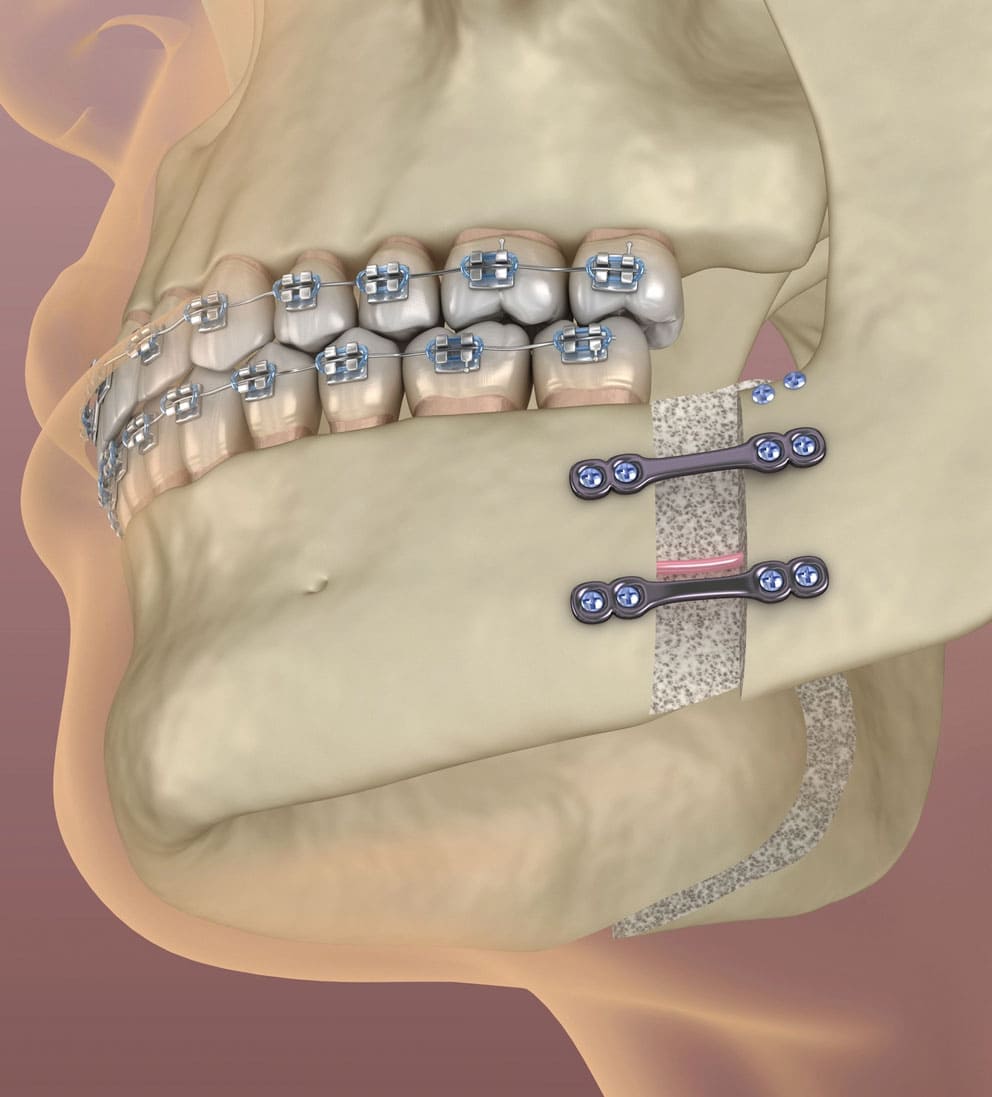
The biggest difference in the treatment of adult patients is that bone growth and development have completely stopped. Therefore, only dental movements can be performed in adults. If the patient has a severe skeletal jaw discrepancy (for example, the lower jaw being excessively forward), this condition is corrected in adults not only with braces but through Orthognathic Surgery operations, where orthodontics is combined with jaw surgery performed under general anesthesia.
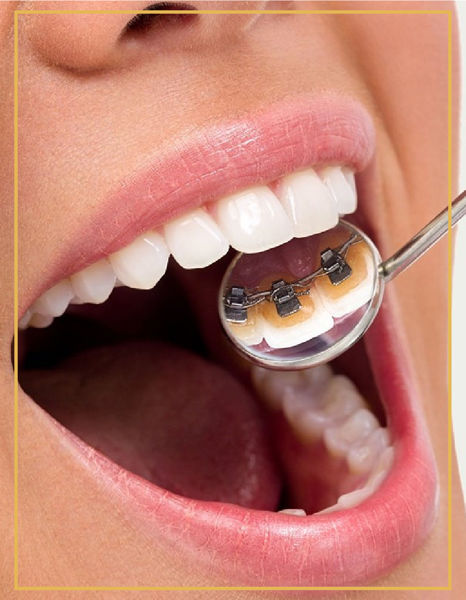
In adult orthodontics, gum health (periodontal status) is very critical. Teeth that have experienced bone loss in the past are moved with special mechanics that apply much lighter and more controlled forces. For adults in business life with high aesthetic expectations, clear aligners or lingual brackets attached to the back surface of the teeth (invisible braces) offer ideal solutions.
11. How are Crowded Teeth Corrected with Orthodontics?
The process of correcting crowded teeth is based on the biological activity of osteoclast (bone-resorbing) and osteoblast (bone-forming) cells within the bone. When a light and continuous force is applied to the tooth via brackets or aligners, a pressure area forms in the bone tissue in the direction the tooth moves. This pressure triggers the resorption of bone cells in that area.
In the space left behind by the tooth, a tension area occurs, and new bone formation begins here. Thanks to this controlled cycle of resorption and formation, the tooth literally swims within the jawbone and changes its position millimetrically. In cases with a lack of space for resolving crowding, aligning the teeth on a straight line is ensured by expanding the dental arch or performing micro-abrasions (stripping/IPR) on the lateral surfaces of the teeth at the micron level.
12. How are Jaw Malocclusions Evaluated with Orthodontics?
Jaw malocclusions are evaluated not only by the way the teeth bite together but by their three-dimensional relationship with the cranial skeleton. The class of the anomaly is determined by measuring internationally recognized standard angles such as ANB, SNA, SNB on cephalometric radiographs:
- Class I Malocclusion: The skeletal relationship of the jaws is normal, but there is crowding or spacing in the teeth.
- Class II Malocclusion: The upper jaw being located much further forward than the lower jaw, or the lower jaw being positioned backwards (bird profile).
- Class III Malocclusion: The lower jaw being positioned further forward and more dominant compared to the upper jaw (prognathism).
Following these evaluations, while functional appliances that stimulate or stop jaw growth are used in growing children; in adults, either a camouflage treatment is performed by shifting the positions of the teeth, or they are referred for surgery.
13. What are the Stages of Orthodontic Treatment?
At Panorama Ankara, a standard orthodontic treatment process is carried out in these 4 main phases for absolute success:
- Preparation and Leveling Phase: All cavities in the mouth are cleaned, and gum inflammations are treated. After the brackets are placed, the first goal is to bring all teeth to the same horizontal plane and correct rotations.
- Correction of Intermaxillary Relationships and Space Closure: After the teeth are aligned, elastics (rubber bands) are used to ensure the full occlusion of the upper and lower jaws. If any, extraction spaces are closed in this phase with special springs and chains.
- Finishing and Detailing Phase: The microscopic occlusal contacts of the teeth with each other (intercuspation) are perfected aesthetically and functionally. Smile symmetry is reviewed for the last time.
- Debonding and Retention Phase: Brackets are removed, tooth surfaces are polished, and the retention phase begins to prevent the teeth from returning to their original states.
14. How Long Does Orthodontic Treatment Take?
Orthodontic treatment is a long-term process requiring patience as it involves biological tissue changes. The exact duration of the treatment can vary between 6 months and 30 months depending on the severity of the anomaly, the patient’s age, and their compliance with the treatment.
While correcting mild crowding only in the front teeth with clear aligners can be completed in short periods like 6-9 months; orthodontically erupting impacted teeth from within the bone into the arch or treating skeletal Class III anomalies can exceed 2 years. The modern wire technologies and smart aligner algorithms we use at Panorama Ankara aim to reduce the biological duration to the most minimum limits possible without damaging the tissues.
15. How Should Oral Care be Maintained During the Orthodontic Treatment Process?
The presence of fixed brackets in the mouth creates highly favorable areas for the accumulation of food debris and bacterial plaque. Neglecting oral hygiene during the treatment period leads to permanent white spot lesions (demineralization) on the teeth and severe gingival enlargement when the wires are removed. Therefore, oral care should be as follows:
Use of Orthodontic Brush: The upper and lower parts of the brackets must be brushed at least 3 times a day with circular motions at a 45-degree angle using specially produced orthodontic toothbrushes with a grooved center.
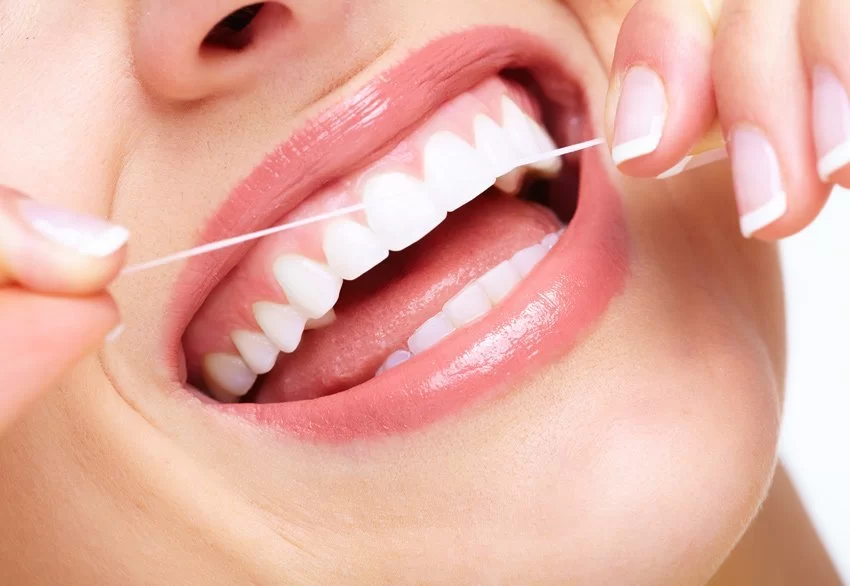
Interdental Brush and Dental Floss: The back of the wires and the sides of the brackets, which the main brush cannot reach, must be meticulously cleaned with interdental brushes of appropriate thickness after every meal. The spaces between teeth should be cleaned with the help of special hard-ended orthodontic floss (Superfloss). The use of an oral irrigator (water flosser) also significantly increases comfort and hygiene during this process.
16. What is Retention Treatment After Orthodontic Treatment?
When the active phase of orthodontic treatment ends and the brackets are removed, the bone and periodontal fibers (especially collagen fibers) surrounding the teeth have not yet fully stabilized in their new positions. The tendency of teeth to remember their old positions and move in that direction is called “relapse”. The procedure performed to prevent relapse is called retention treatment.
Two main methods are combined in retention treatment: The first is very thin, fixed wires (Lingual Retainer) bonded to the back surface of the front lower and upper 6 teeth in a completely invisible manner from the outside. The second is clear protective aligners (Essix retainers) or Hawley appliances, which the patient is asked to wear, especially at night. The retention period is at least as critical as the active treatment period, and the schedule specified by the physician must be strictly followed.
17. What are the Possible Risks of Orthodontic Treatment?
Orthodontics is a safe treatment with minimal risk factors when performed in expert hands. However, the following risks may develop when biomechanical rules are not followed or patient care is inadequate:
- Root Resorption: When excessive and uncontrolled force is applied to the teeth, micron-level melting can occur at the tips of the tooth roots. This condition is monitored with routine X-ray checks.
- Decalcification and Cavities: Loss of calcium in the enamel around the bracket as a result of inadequate brushing, and the formation of permanent matte white/brown spots.
- Relapse: The teeth rapidly tending towards their old crowded states in case retention appliances are not used regularly.
18. What are the Factors Affecting the Success of Orthodontic Treatment?
In orthodontics, the physician and the patient must play a complete team game. The pillars that directly determine the success of the treatment are as follows:
Correct Diagnosis and Biomechanical Planning: Accurately drawing the limits of the bone structure and correctly determining the force directions at the beginning of the treatment depend on the experience of the specialist physician.
Patient Cooperation (Compliance): Wearing clear aligners for a minimum of 22 hours a day and the uninterrupted use of intermaxillary elastics given by the physician in accordance with the instructions directly affect the course of the treatment. When elastics are not worn, the treatment can come to a complete standstill.
Appointment Schedule and Hygiene: Attending monthly check-ups regularly, avoiding bracket breakages (every breakage extends the treatment duration by 1-2 months), and keeping the gums healthy and inflammation-free are the main keys to success.
19. What are the Factors Affecting Orthodontic Treatment Prices?
Since every individual’s jaw and tooth structure is unique, orthodontic treatment costs are also shaped as a result of personalized analyses. The fundamental elements determining the price policy are as follows:
- Type and Severity of the Anomaly: The treatment cost of a mild gap in a single jaw differs from that of complex cases involving both jaws, skeletal jaw discrepancies, and impacted tooth surgery.
- Type of Material Used: While metal brackets are relatively the most economical option; externally invisible sapphire (porcelain) brackets, lingual techniques, or clear aligner systems produced with special software by international brands (Invisalign, etc.) increase the price depending on the material cost.
- Treatment Duration and Number of Sessions: How long the treatment will take directly affects the consumables to be used in the clinic and the physician’s working hours.
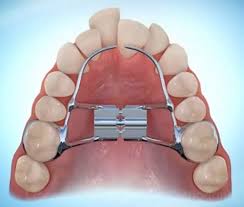
- Need for Additional Appliances: Additional mechanical equipment that needs to be included in the treatment, such as mini-screws (skeletal anchorage elements) and rapid palatal expansion appliances (RPE), can change the price index.
As Panorama Ankara Oral and Dental Health Polyclinic, we turn the healthy smile you dream of into reality with our innovative orthodontic approaches and digital treatment simulations. A correctly planned orthodontic treatment is the most valuable investment you will carry for a lifetime.