
What Is Oral and Dental Care Education?
Oral and dental care education is a structured prophylaxis and patient-information process carried out in dental clinics either before pathological damage (decay, bone loss) begins, or to extend the lifespan of existing treatments. Even though most people believe they brush their teeth regularly, soft bacterial plaque in blind spots inside the mouth often goes unremoved because of incorrect angles and insufficient brushing time. This education equips the individual with a rational methodology based on their current oral morphology, tooth-alignment variations, and gum-pocket depths, teaching them which medical tools to use and with which mechanical movements.
- Personalized Approach: A different hygiene strategy is mapped out depending on each mouth’s degree of crowding or gum recession.
- Bio-film Awareness: Showing the patient, using disclosing tablets, the invisible, transparent layer of bacteria (biofilm) that causes tooth decay.
- Preventive Dental Medicine: The most cost-effective treatment model, since it fundamentally reduces the need for costly, invasive surgical interventions.
Why Is Oral and Dental Care Education Important?
Because of its natural flora, the mouth is a dynamic biological ecosystem that hosts billions of microorganisms and remains constantly exposed to the outside world; failing to keep this ecosystem under control leads not only to tooth loss but also to systemic immune breakdown. When bacterial plaque is not cleaned away, it combines with calcium minerals within 48 hours and turns into tartar. Tartar then triggers gum inflammation (gingivitis) and erosion of the jawbone (periodontitis). Proper oral care education breaks this hardening chain through mechanical cleaning at home, halting gum recession and building the strongest biological barrier against tooth decay.
Oral health education matters not just for whitening teeth, but for building a systemic health shield that keeps bacteria from entering the bloodstream and settling in the heart valves, kidneys, and joints.
Who Is Oral and Dental Care Education Suitable For?
This professional information and education process is medically suitable for anyone — children and adults of any age — who suffers from bad breath, whose gums bleed during brushing, or who is undergoing implant or orthodontic treatment. Because the process involves no invasive surgical injections or chemical peels, it can be safely planned for a wide range of people, from pregnant women to the elderly and from chronic diabetics to individuals with disabilities. Any client aiming for lasting smoothness and a zero-cavity outcome benefits maximally from this education.
- Pediatric Age Group (Children): Those who need to build habits early on to avoid developing dental phobia and chronic decay patterns later in life.
- People with Chronic Conditions: Patients with systemic conditions such as diabetes that increase susceptibility to gum disease.
- Restoration Wearers: Individuals with numerous zirconium crowns, bridges, or titanium implants who need to extend their lifespan.
How Is Proper Toothbrushing Technique Applied?
Proper toothbrushing is not randomly rubbing the brush over tooth surfaces; it is the application of a defined mechanical sweeping protocol known as the “Modified Bass Technique.” The bristles are placed at a 45-degree angle at that critical boundary line where the tooth meets the gum (the sulcus). With this angle, a gentle vibrating motion is applied to the brush so the bristles can slip into the gum pocket; the brush is then moved in a vertical sweeping motion from the gum toward the tooth (from red to white). Horizontal and hard brushing motions must be strictly avoided, as they can cause wear at the tooth necks (cervical defects) and sensitivity shocks.
- 45-Degree Angling: Targeting the gum sulcus, the main center of plaque accumulation.
- Sweeping Rhythm: Sweeping each tooth surface (inner, outer, and chewing surfaces) in turn, for at least 10 seconds each.
- Time Discipline: Dividing the mouth into four quadrants and keeping total brushing time no less than a full 2 minutes.
Why Is Flossing Important?
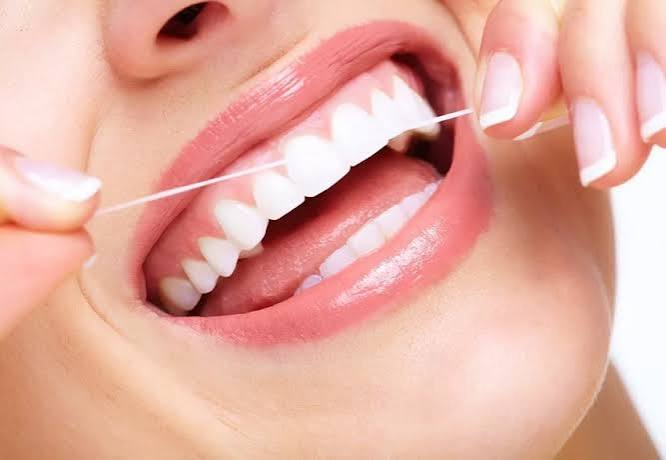
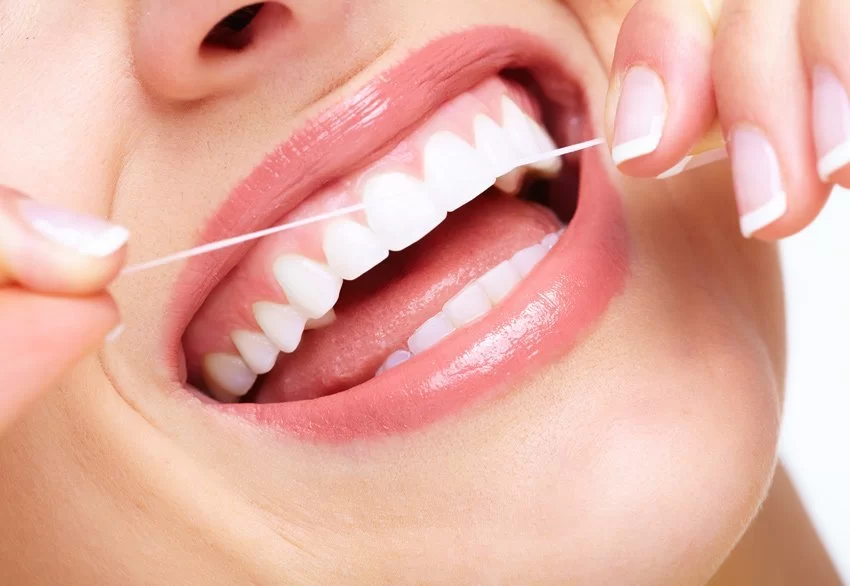
No matter how technologically advanced their bristles are, toothbrushes cannot physically reach the “contact” areas where two teeth touch tightly against each other; this means roughly 40% of the total tooth surface area in the mouth remains completely dirty even after brushing. Flossing is a mandatory hygiene step for mechanically scraping away the food debris and hidden bacterial plaque trapped in these narrow contact areas. When interdental surfaces are not cleaned, deep interproximal cavities develop that are hard to detect even on panoramic X-rays, and these cavities can quietly reach the tooth’s nerve chamber, putting the tooth at risk of losing its vitality.
- Contact-Point Cleansing: Mechanically cleaning the narrow geometric areas a toothbrush cannot enter.
- Gum Papilla Protection: Preventing inflammation and recession of the small triangular gum tissue (the papilla) between teeth.
- Sealing Support: The power to stop stubborn bad breath (halitosis) by breaking up bacterial colonization between teeth.
How and When Should Mouthwash Be Used?
Mouthwashes are not a standalone cleaning tool that can replace mechanical brushing and flossing; they are complementary chemical solutions that slow the proliferation of the bacterial population in the mouth. The typical schedule calls for use twice a day, right after the morning and evening brushing routines. About 10–15 ml (one capful) of solution is taken into the mouth and swished vigorously for 30 seconds so it reaches between the teeth, then spit out. Afterward, one should avoid drinking water or eating for at least 30 minutes so as not to disrupt the active absorption balance of the product in the tissues.
- Alcohol Limitation: Choosing alcohol-free mouthwashes for long-term daily use to avoid dry mouth and mucosal irritation.
- Chlorhexidine Warning: Strong medical-grade mouthwashes (containing chlorhexidine) should be used for a maximum of 1–2 weeks under a dentist’s recommendation, to avoid brown staining on the teeth.
- Fluoride Support: The period during which fluoridated mouthwashes are preferred to harden enamel in individuals with a high tendency toward decay.
What Should Be Considered When Choosing a Toothbrush?
Clinically speaking, the most expensive or the hardest brush is not necessarily the best brush; choosing the wrong brush can lead to permanent gum recession and enamel wear. An ideal toothbrush should have “soft” or “medium” nylon filaments that massage the gums without scratching the integrity of the enamel. The brush head should be small and rounded at the corners so it can easily reach the wisdom-tooth area at the very back of the mouth and other narrow anatomical corridors. The table below compares the clinical selection criteria for different types of toothbrushes:
| Bristle Type / Technology | Textural Effect Character | Most Common Anatomical Indication |
|---|---|---|
| Ultra Soft Bristles | Applies zero trauma to tissue; low lifting force. | Severe gum recession, acute gingivitis, or the first weeks after surgery. |
| Medium Bristles | Provides balanced mechanical sweeping; ideal for plaque removal. | Normal adult mouths with healthy gum integrity and standard bone support. |
| Rechargeable / Sonic Electric Brushes | Breaks up plaque mechanically through thousands of oscillations and vibrations per minute. | Those with limited manual dexterity, orthodontic wire wearers, and cases with fast plaque formation. |
How Should Toothpaste Be Chosen?
Toothpaste selection is a pharmaceutical decision that should be made with a dentist’s recommendation based on the patient’s oral pathology profile (tendency toward decay, sensitivity level, staining intensity). The toothpaste’s basic function is to increase the brush’s mechanical slip and deliver the necessary micro-elements to the tissue. Long-term, unsupervised use of highly abrasive whitening pastes containing carbonates (with an RDA value above 100) sands down and thins the enamel layer, causing permanent yellowing; rational products containing protective ingredients should be chosen instead.
- Fluoride / Amorphous Calcium: The main raw ingredients that mineralize enamel pores and halt early-stage cavities (white-spot lesions).
- Potassium Nitrate / Strontium Chloride: Agents that block hot-and-cold sensitivity by sealing exposed dentin nerve channels (tubules).
- Zinc Citrate / Triclosan: Antibacterial formulations that slow the rate of plaque buildup and soothe gum bleeding.
How Should a Daily Routine Be Built for Oral and Dental Care?
Achieving lasting oral hygiene and a zero-cavity outcome is only possible through the uncompromising application of a cumulative care schedule spread evenly across the day. Because saliva flow slows while we sleep, bacteria tend to multiply more aggressively in the mouth at night; that’s why the most vital care phase is the one performed right before going to bed. The routine should be carried out without rushing, with discipline, during times when the nervous system is calm.
A structured, chronological daily care routine for healthy oral tissue looks like this:
- Morning Phase (After Breakfast): Cleaning overnight toxins from the tongue’s surface with a tongue scraper, plus 2 minutes of brushing using the Modified Bass technique.
- Midday Phase (After Lunch): If brushing isn’t possible, rinsing the mouth vigorously with plain water or stimulating saliva flow with sugar-free xylitol gum.
- Golden Nighttime Phase (Before Bed): First scraping away debris from all interdental spaces with floss or an interdental brush, then 2 minutes of brushing with fluoride toothpaste, followed by 30 seconds of rinsing with an alcohol-free mouthwash.
What Should Be Done to Prevent Tooth Decay?
Tooth decay is the process by which acid-producing bacteria chemically dissolve tooth enamel (demineralization); preventing decay means cutting down the frequency and duration of these acid attacks. While brushing removes plaque, the time carbohydrates consumed during the day remain on the enamel must also be controlled. For individuals with a high tendency toward decay, it is a rational medical necessity to make use of clinical protective barrier supplements — such as fluoride gels or fissure sealants — that strengthen the enamel’s acid resistance.
- Fissure Sealants (the “Molar Vaccine”): Sealing the deep grooves on the chewing surfaces of molars with flowable fillings to prevent food from getting trapped early on.
- Xylitol Doping: Incorporating products containing smart sweeteners that decay-causing bacteria (Streptococcus mutans) cannot feed on or reproduce with.
- Remineralization Follow-up: Filling in early-stage chalky white spots under a dentist’s supervision using calcium-enriched serums.
What Habits Should Be Adopted to Protect Gum Health?
The integrity of the gums and their attachment strength to the jawbone are directly related to the nutritional quality of the microscopic capillaries in that area and the cleanliness of the plaque barrier. Protecting gum health isn’t only about waving a toothbrush around; it also requires eliminating harmful systemic habits from one’s lifestyle that weaken the tissue’s immune system. A tight, pink, non-bleeding gum structure is the strongest medical barricade against oral pathogens entering the body.
- Vitamin C and Collagen Nutrition: An antioxidant-rich diet to keep the fibers (periodontal ligaments) that anchor the gum to the bone strong.
- Giving Up Toothpicks: Ending the habit of jabbing hard, non-sterile wooden toothpicks randomly into the gums — which creates a risk of chronic abscesses and loss of the triangular papilla — and replacing it with floss.
- Gum Massage: Making circular motions over the gums with soft bristles while brushing to stimulate local blood circulation.
How Do Eating Habits Affect Oral and Dental Health?
Under normal conditions, the pH balance inside the mouth stays around a neutral level (about 7.0); however, every time food is consumed, bacteria process it and produce acid, dropping the pH below the critical threshold of 5.5. Once pH drops below 5.5, calcium begins to dissolve out of the enamel. What matters in eating habits isn’t “how much sugar is eaten” but “how long sugar stays in the mouth” and how often acid attacks are spread throughout the day; constant snacking keeps the enamel in an uninterrupted acid bath, accelerating the rate of decay.
| Food Group / Character | Histological Effect Mechanism in the Mouth | Clinical Recommendation / Medical Approach |
|---|---|---|
| Sticky Carbohydrates (Crackers, Chips) | Sticks into the grooves of teeth; can’t be cleaned away by saliva alone for hours, and produces acid. | Rinsing the mouth thoroughly with water after eating, or clearing it out with an interdental brush. |
| Hard, Fibrous Foods (Apples, Carrots) | Mechanically scrapes plaque off tooth surfaces during chewing and stimulates saliva. | Eating them by biting directly, creating a natural toothbrush effect that supports hygiene. |
| Milk, Cheese, and Yogurt Group | Its calcium and casein content makes the oral environment alkaline, reinforcing the enamel. | Finishing a meal with a small piece of cheese instantly neutralizes an acid attack. |
How Should Oral and Dental Care Education Be Given to Children?
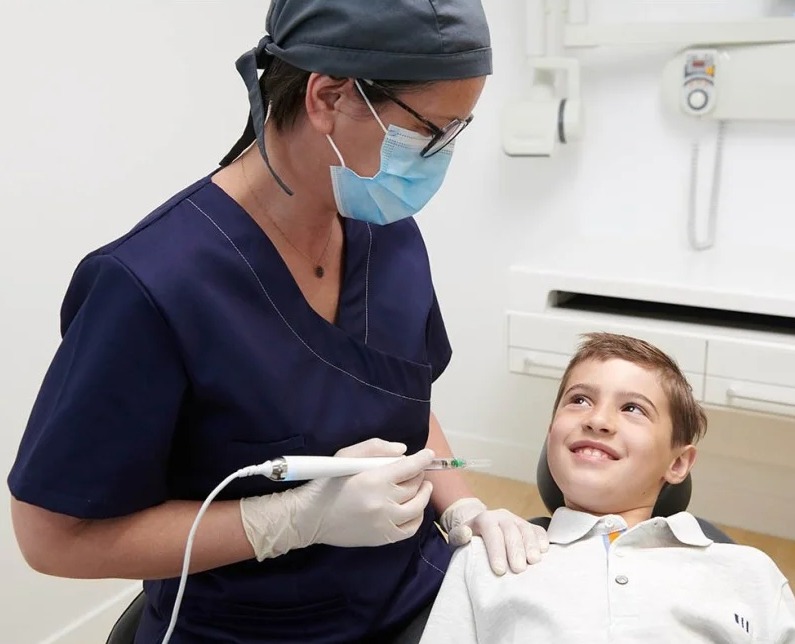
Because facial bone and baby-tooth development progress so dynamically in children, instilling oral care habits at the pediatric stage ensures the child will have a healthy dental structure for life. Imposing strict medical commands on children during education can backfire and create dental phobia; the process should be turned into a game, and the child’s instinct to imitate should be encouraged. From the 6th month, when the first baby tooth appears, parents should begin cleaning with medical gauze, and brushing should continue under parental supervision and assistance until the child develops sufficient motor skills (around age 7–8).
- Mirror Role-Modeling: Parents brushing their own teeth alongside the child at the same time, turning the process into a visual ritual.
- Pediatric Toothpaste Calibration: Choosing fluoride-free toothpaste for ages 0–3 due to the risk of swallowing, based on the child’s ability to spit, then switching to age-appropriate, low-ppm fluoride children’s toothpaste afterward.
- Fun Timers: Using colorful hourglasses or musical dental apps to fill out the full 2-minute brushing time.
How Should Oral Care Be Done for People Undergoing Orthodontic Treatment?
The oral anatomy of patients wearing orthodontic wires or brackets creates enormous blind spots and adhesive surfaces for food debris and plaque to accumulate, making cleaning far more challenging than in conventional mouths. Because standard flat brushes can’t reach behind brackets, orthodontic patients must use specially designed “V-cut” orthodontic brushes and microscopic interdental brushes. If cleaning is neglected, chalky, permanent white-spot cavities known as “decalcification” form around the brackets, leaving unsightly stained pits on the tooth surface once the wires come off.
- Interdental Brush Discipline: After every main brushing session, entering vertically from under the main wire to scrub the right and left edges of each bracket with a micro-brush.
- Superfloss (Threader Floss): Using special floss with a stiffened end to slip behind the wire and clean between teeth.
- Oral Irrigator (Water Flosser) Integration: The luxury of mechanically sweeping away coarse debris between brackets using devices that spray pressurized water.
How Should People with Implants and Dentures Care for Their Mouths?
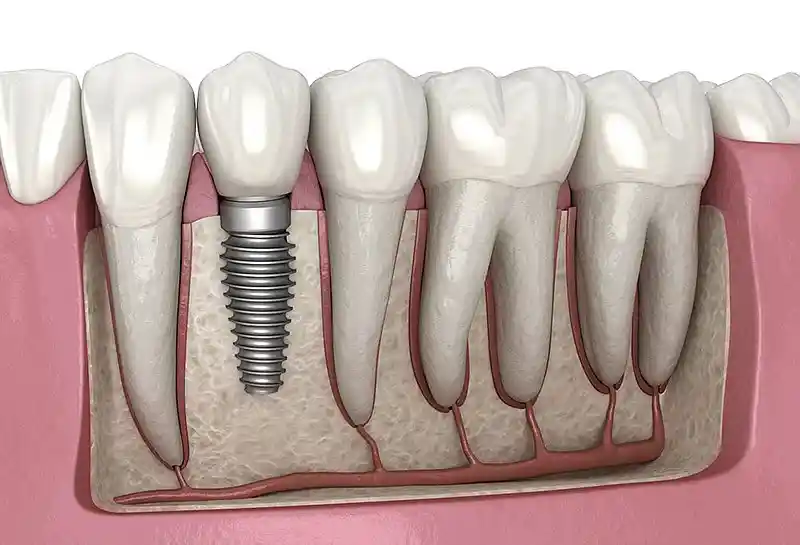
Titanium implants or zirconium bridges, being artificial materials, cannot decay; however, the surrounding gum tissue and jawbone that hold them are living tissue and are far more vulnerable to bacterial infection attacks than natural teeth. Inflammation of the gum around an implant leading to bone erosion is called “peri-implantitis,” and it is the leading cause of major surgical failure resulting in the implant becoming loose and being lost. It is a clinical rule that patients with dentures or restorations must carefully clean, every day, the marginal boundary lines where the crown meets the gum and the spaces underneath the restoration, using specialized hygiene tools.
- Under-Bridge Cleaning: Using sponge-tipped superfloss to clean secretions that accumulate under the restoration body (the pontic area) in the missing-tooth region.
- Wide Interdental Brushes: Sweeping away plaque by working thick micro-brushes around the enlarged gum pockets surrounding implant necks.
- Denture Cleaning Tablets: The requirement for those wearing removable (full or partial) dentures to take them out at night and disinfect them in water with antiseptic effervescent tablets.
What Should Be Watched For to Prevent Bad Breath?
About 90% of chronic bad breath (halitosis) stems from causes inside the mouth, with the underlying pathology being volatile sulfur compounds released by anaerobic (oxygen-free) bacteria. These bacteria colonize most densely in the “back third of the tongue’s surface,” an area full of deep grooves and papillae. Brushing the teeth alone isn’t enough to eliminate the odor; the surface of the tongue also needs to be mechanically swept. In addition, dry mouth (low saliva) directly increases the odor factor, since it prevents bacteria from being washed away.
- Using a Tongue Scraper: Every morning, gently scraping the back of the tongue toward the front with a special plastic or metal tool to remove the white mucus layer.
- Hydration Balance: Drinking at least 2–3 liters of clean water a day to keep the saliva glands’ washing and antibacterial (lysozyme) power active.
- Managing Fasting Periods: Triggering saliva flow with fibrous, alkaline foods to break up waves of odor that build up during long periods without eating.
How Does Professional Teeth Cleaning Support Oral Care?
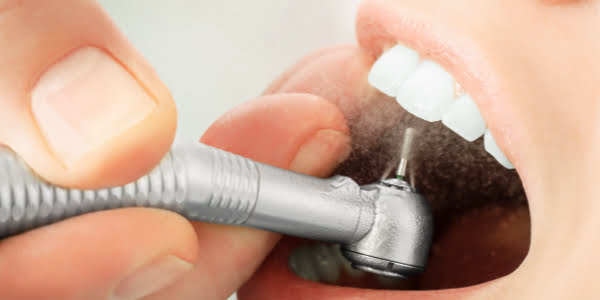
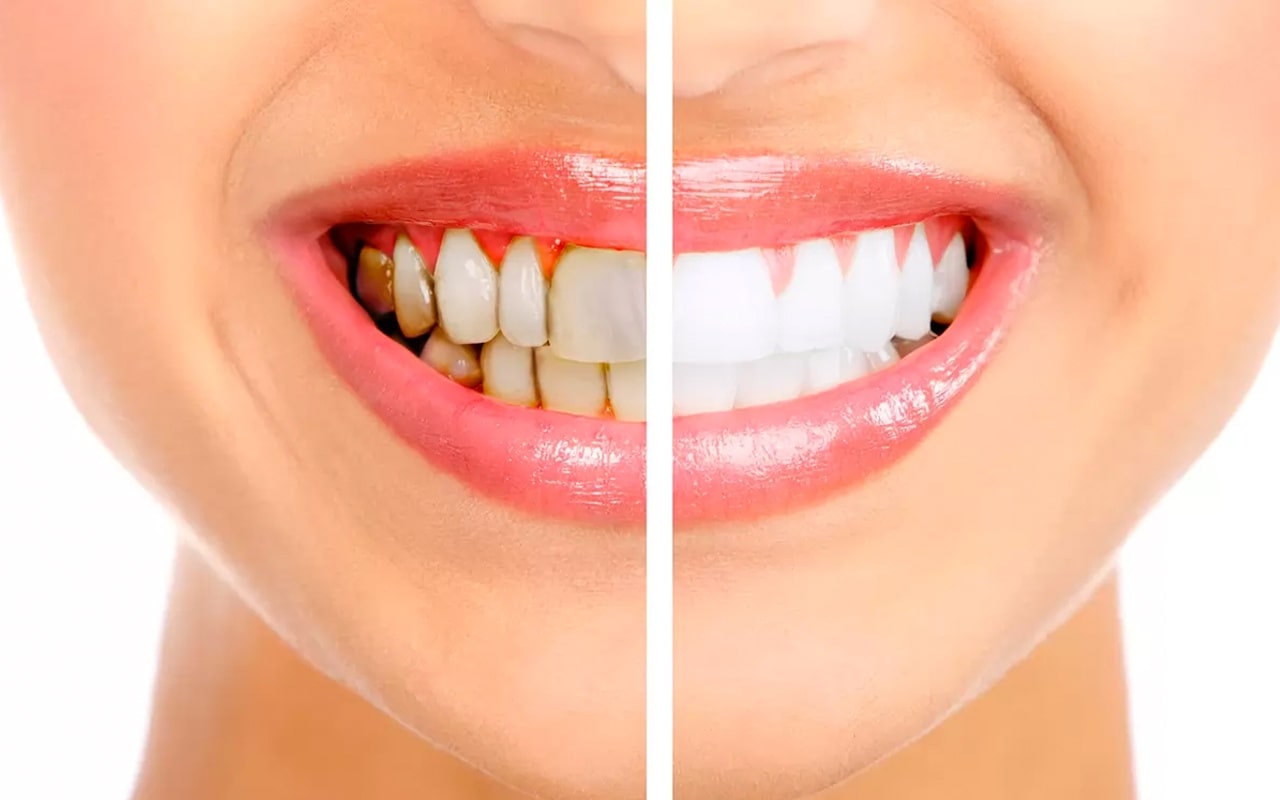
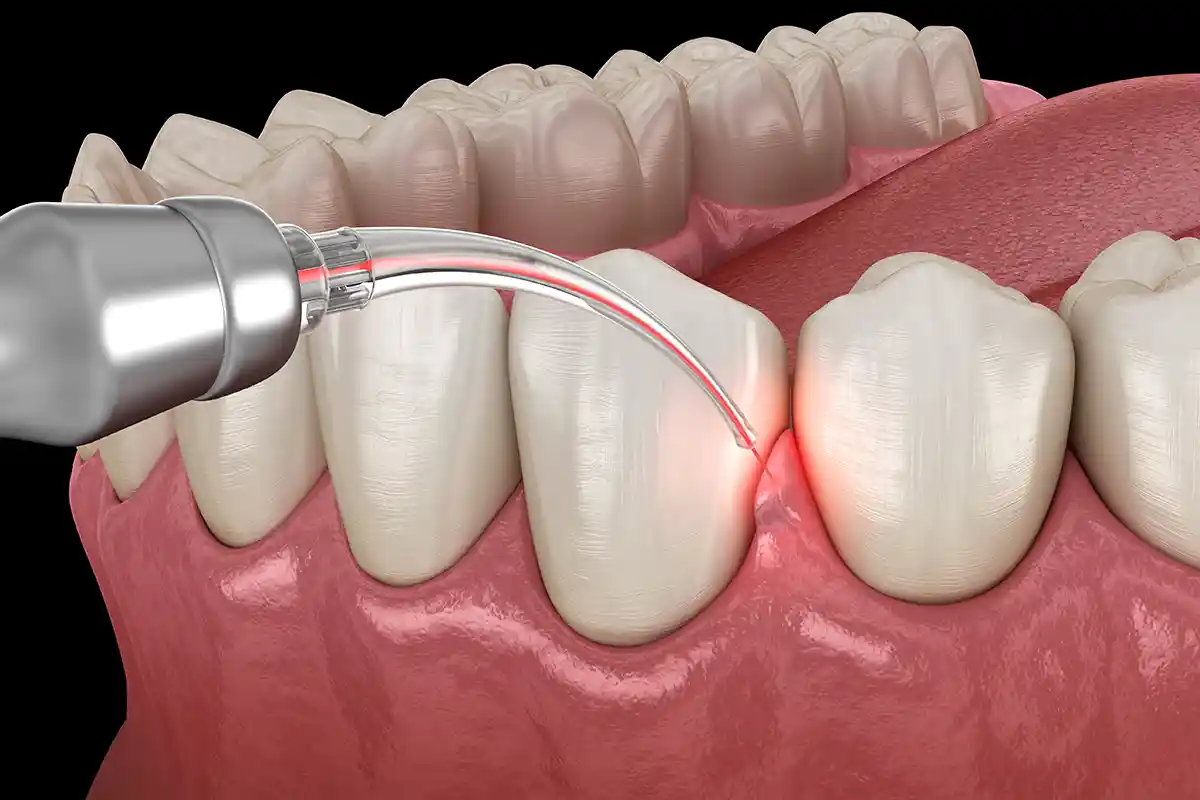
No matter how flawless one’s brushing and flossing discipline is at home, microscopic tartar buildup can inevitably form in areas close to the anatomical openings of the saliva glands (such as behind the lower front teeth). Professional tartar removal (scaling) and stain removal (Airflow) procedures clean away these hardened deposits and stubborn biofilm layers — which tools at home cannot dislodge — using ultrasonic waves in the clinic, thereby supporting overall oral care. This professional cleansing allows the patient’s toothbrush at home to make full contact again with smooth enamel surfaces, maximizing the effectiveness of home care.
- Reset Effect: Removing all hardened tartar from tooth surfaces to restore the skin and gums to their “factory settings.”
- Biofilm Destruction: Using Airflow spray technology to break apart microscopic bacterial fortresses without mechanical contact.
Why Are Routine Dental Checkups Important?
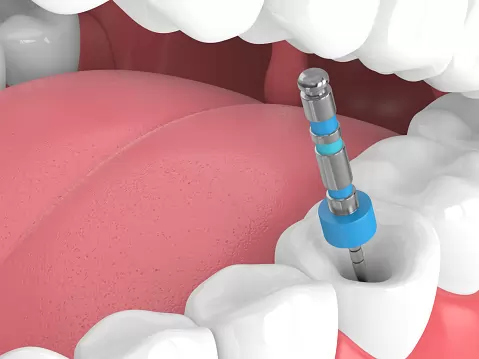
In their early stages (while still within the enamel layer), tooth decay and gum-related bone erosion never send any pain or ache signal to the patient, since they haven’t yet reached the nerve endings; by the time a patient feels pain, it’s usually too late — decay has often reached the pulp, requiring a root canal or extraction. Routine dental checkups allow these silent pathologies to be caught early, while still at the beginning stages, with the help of digital panoramic X-rays or intraoral cameras. A small filling done at an early stage both preserves the tooth’s vitality and saves the patient from enormous surgical costs.
- Diagnosing Asymptomatic Defects: Screening for hidden, painless interproximal cavities and early-stage cyst foci via X-ray.
- Periodontal Monitoring: Regularly measuring gum pockets to keep the rate of bone erosion under control.
- Routine Motivation: Keeping the patient’s hygiene discipline sharp by having a dentist score the quality of their oral care.
What Habits Should Be Avoided to Protect Oral and Dental Health?
The integrity of the mouth’s hard and soft tissues is preserved by the facial muscles and chewing system operating under balanced mechanical loads; parafunctional (abnormal) bad habits break this balance, producing permanent deformations. When these habits become chronic, they cause cracks in tooth enamel, irreversible locking of the jaw joint (TMJ), and premature loosening of gum attachments; it is essential for patients to break free of these destructive cycles.
The critical bad habits that must be urgently given up to protect oral health are as follows:
- Grinding the teeth against each other or clenching them uncontrollably due to stress during the day (bruxism),
- Biting the end of a pen, tearing thread with the teeth, biting nails, or trying to open packaging with the teeth,
- Chewing ice or forcing the incisal edges of the teeth to crack hard-shelled nuts like pistachios or hazelnuts,
- Drinking acidic, carbonated beverages while holding or swishing them in the mouth for minutes at a time (which triggers acid erosion).
Frequently Asked Questions About Oral and Dental Care Education
Here are the most common practical questions on the minds of people who want to establish a proper hygiene discipline in the comfort of their own home and learn care strategies to protect themselves from tooth decay for life, along with clear, straightforward medical answers:
I brush my teeth 3 times a day, so why do new cavities still keep forming?
There are two main reasons for this. First, your brushing technique may be inadequate, and by not flossing, you may be leaving the narrow contact points between your teeth completely dirty; a large portion of cavities start in these areas the brush can’t reach. Second is your eating frequency; if you frequently snack on sugary or acidic foods throughout the day, your enamel remains under continuous acid attack and keeps eroding even if you brush.
My gums bleed a lot when I brush — should I stop brushing the bleeding areas?
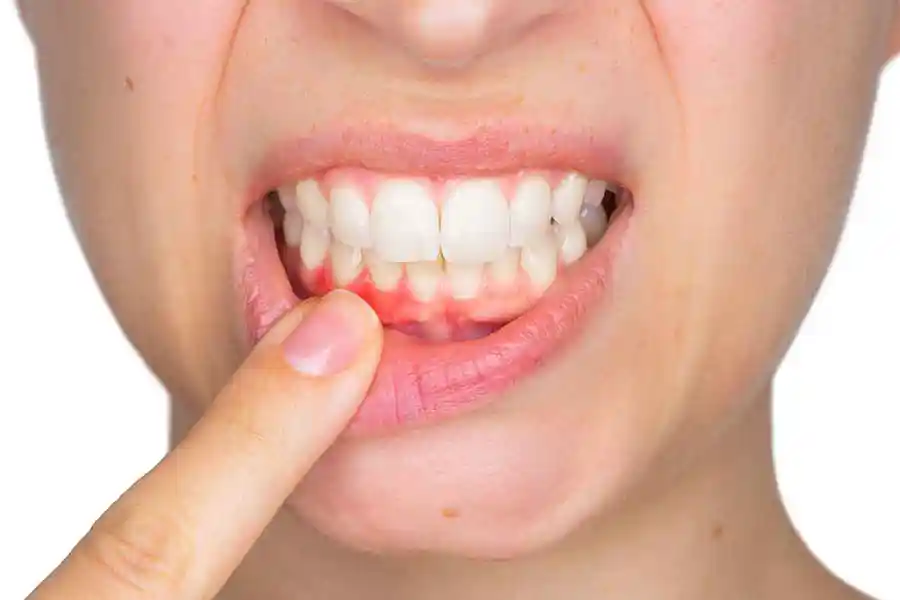
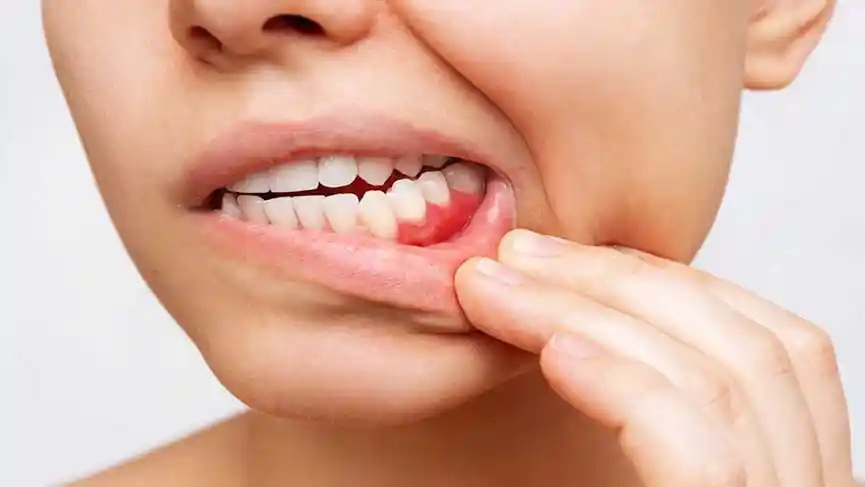
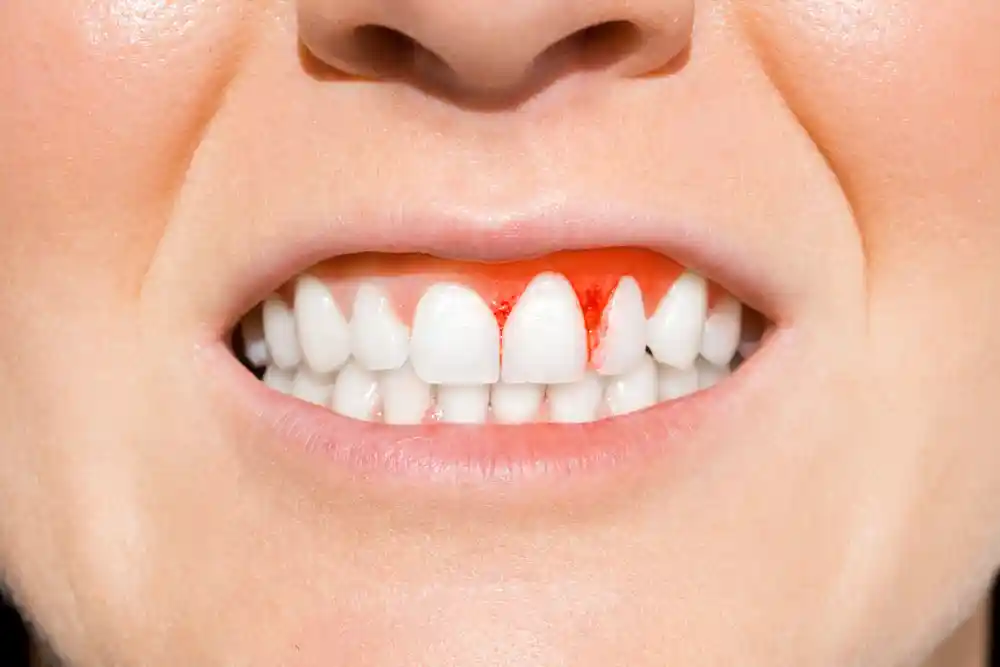
Absolutely not — quite the opposite, you should brush the bleeding areas more carefully and thoroughly. Gum bleeding is the clearest sign that soft bacterial plaque has built up in that area and the tissue has become inflamed (gingivitis). If you stop brushing because it bleeds, bacteria will accumulate even more there, the inflammation will deepen, and the bleeding will increase. If you continue the sweeping massage with a soft-bristled brush, the plaque will be removed and the bleeding should stop on its own within about a week.
Do electric/rechargeable toothbrushes clean teeth better than manual ones?
Clinical research shows that sonic and rotating-head rechargeable brushes, thanks to their high vibration power per minute, can be up to nearly 20% more effective than manual brushes at mechanically breaking up soft bacterial plaque. Rechargeable brushes offer a more practical cleaning experience — especially for those with weak wrist dexterity, orthodontic wire wearers, or people who tend to brush for too short a time — thanks to their built-in timers and pressure sensors.
Does flossing cause gaps between teeth or cut the gums?
No, this is a common misconception that comes from not knowing the correct technique. Because of its thin structure, floss cannot mechanically widen or open up the space between teeth; the feeling of a gap between teeth is simply the result of hidden tartar being cleaned away from that spot. If, instead of forcing the floss down sharply between the teeth, you glide it down gently against the tooth wall in a “C” shape while moving it side to side, you will not cut the gum at all — it is completely safe.
Do mint-flavored mouthwashes or sprays provide a permanent solution for bad breath?
No, mint-flavored sprays, gums, or cosmetic mouthwashes only mask bad breath temporarily (for about 15–30 minutes on average); they cannot eliminate the root cause behind the odor. The only clinical way to permanently end the smell is to have the “sulfur factories” producing the odor — namely tartar deposits — cleaned at the clinic, have cavities filled, and mechanically sweep and clean the back of the tongue’s surface every morning with a tongue scraper.
Who We Are? & Panorama Ankara Oral and Dental Health
Panorama Ankara is a licensed oral and dental health center that brings together an academic team of specialists and the latest global digital technological infrastructure under one roof, across all specialty branches of dentistry — including oral and maxillofacial surgery, implantology, orthodontics, periodontology, and pediatric dentistry. In its treatment practices, the center focuses not only on repairing existing damage through fillings or surgical operations, but also on eliminating the root causes of pathologies, centering preventive medicine disciplines and personalized Oral and Dental Care Education protocols to produce a cumulative and lasting oral health profile.
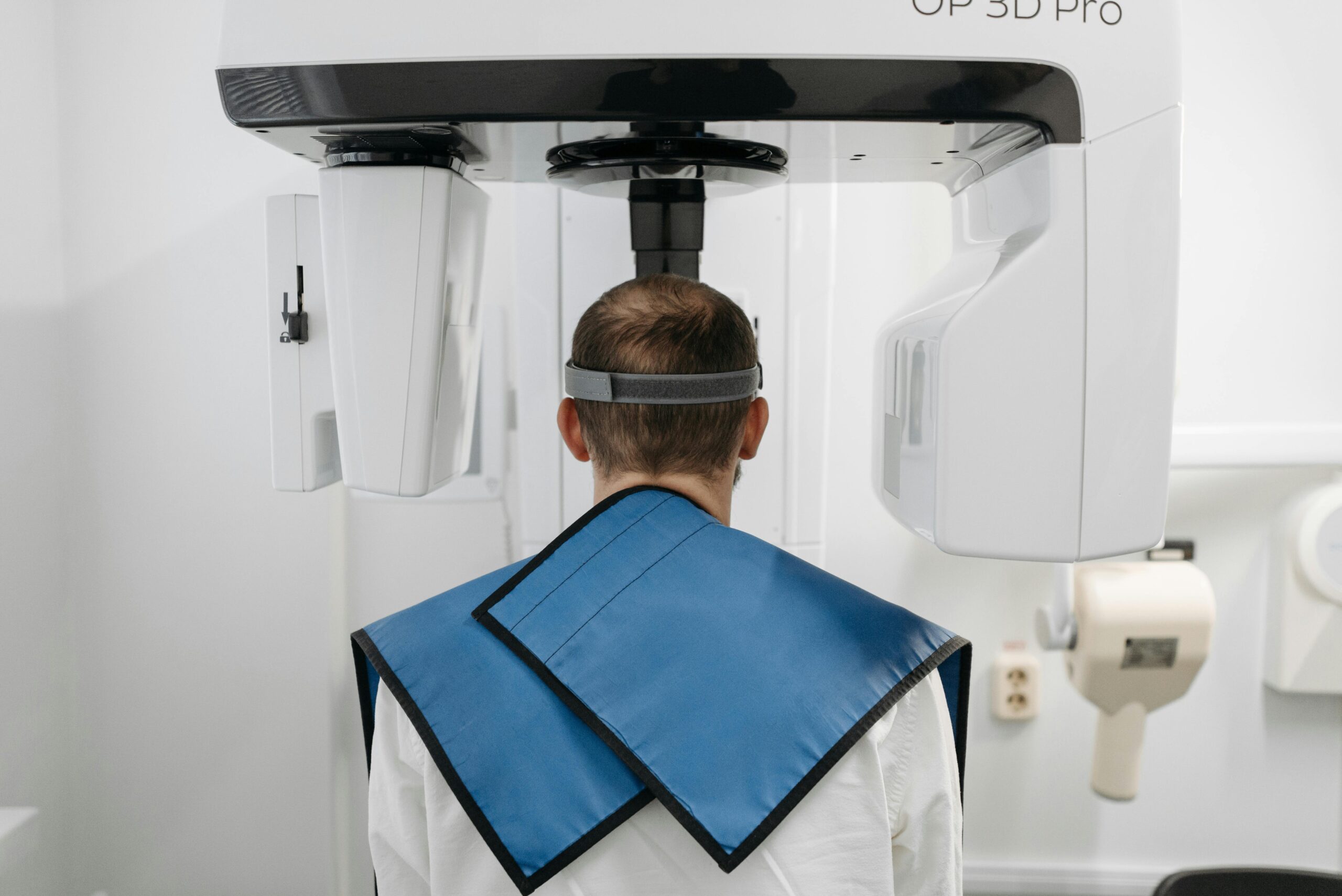
Across all diagnostic, radiological screening, and prophylaxis interventions carried out at Panorama Ankara, the principles of absolute sterilization, high patient safety, transparency, and honesty are enforced without compromise, in accordance with our founding charter. In our clinical practice, we analyze the quality of the patient’s jawbone using 3D tomography, transfer tooth-alignment morphology to the screen using intraoral scanners, and use proprietary disclosing tablets to let patients see with their own eyes, chairside, the hidden bacterial fortresses (biofilm) their toothbrush can’t reach — shaping our educational process around this. Our aim is not to impose slow, painful, traditional treatment models with cookie-cutter formulas, but to analyze each client’s oral flora, saliva pH balance, and facial golden-ratio limits; to provide maximum comfort during sessions and a painless digital anesthesia standard without harming surrounding soft tissues or blood vessels; and to achieve a zero-cavity, pink, smooth-gum result that lasts a lifetime, sustained at home as well. If you’re tired of your gums bleeding when you look in the mirror, of a smile that has lost its fullness, or of bad breath that won’t go away, and you want to begin your professional preventive treatment process from start to finish with scientific assurance at an expert institutional center, you can get in touch with the expert team at Panorama Ankara and protect your health and the integrity of your smile through a detailed oral examination and personalized care education program.