

What is a Frenectomy?
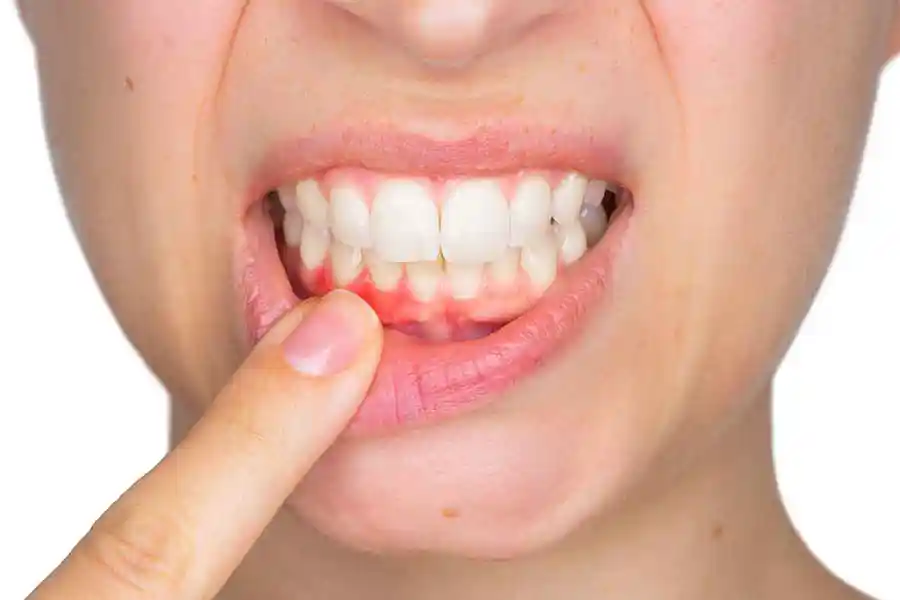
A frenectomy is a surgical procedure in oral morphology involving the extension, freeing, or complete removal of the periodontal fascial connective tissue layers (frenulums) that connect the inner surface of the lips, cheek mucosa, and tongue to the attached gingiva on the jawbone. In normal anatomical variations, these bands are flexible and do not restrict the movements of oral soft tissues. However, when these tissues pathologically present a high fiber density, or are thick or redundant enough to infiltrate directly between the teeth, the oral homeostasis (balance) mechanism is compromised. A frenectomy is a micro-surgical intervention that releases the tissue within anatomical safety limits, thereby neutralizing the chronic mechanical tensile stress on the surrounding hard and soft structures.
- Mucogingival Release: Alleviating tissue tension by moving muscle fibers away from the gingival margin.
- Micro-Surgical Approach: Deploying millimetric techniques that apply minimal trauma to the surrounding vascular and nerve networks.
- Functional Restoration: Verifying masticatory, swallowing, and phonetic speech clarity by increasing the mobility of the tongue and lips.
In Which Cases is a Frenectomy Procedure Applied?
Surgical management of frenulum bands is performed in specific clinical indications where these tissues, due to developmental anomalies, directly threaten oral functions, dental alignment geometry, and periodontal health. This surgical process is definitively indicated especially when the upper lip band infiltrates directly between the two front teeth (into the papillary bed), splitting the bone integrity and preventing the teeth from coming together, which induces permanent aesthetic gaps. Similarly, it is applied when the tongue band is positioned too close to the tip of the tongue, anchoring the organ to the floor of the mouth, which disrupts speech clarity and creates developmental barriers in children.
In clinical operation practices, the primary conditions for which frenectomy treatment is indicated are as follows:
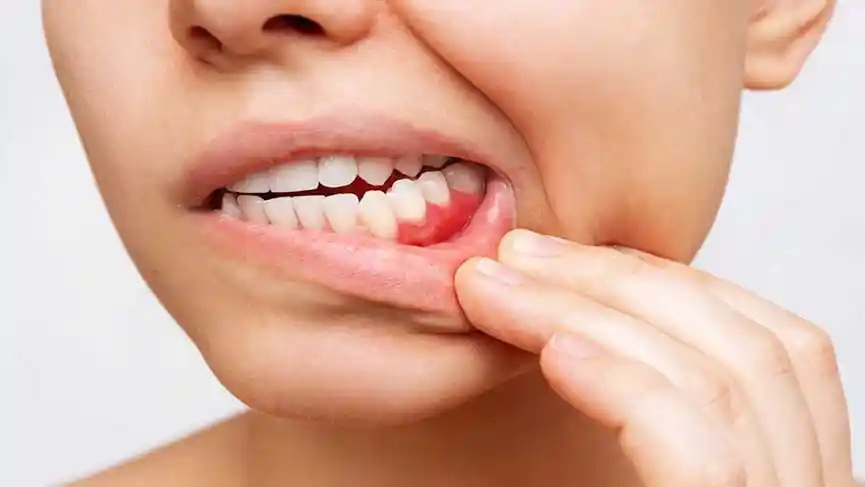
- When the high positioning of the lip or cheek band pulls the gingiva down with every movement of the lip, leading to localized gingival recession,
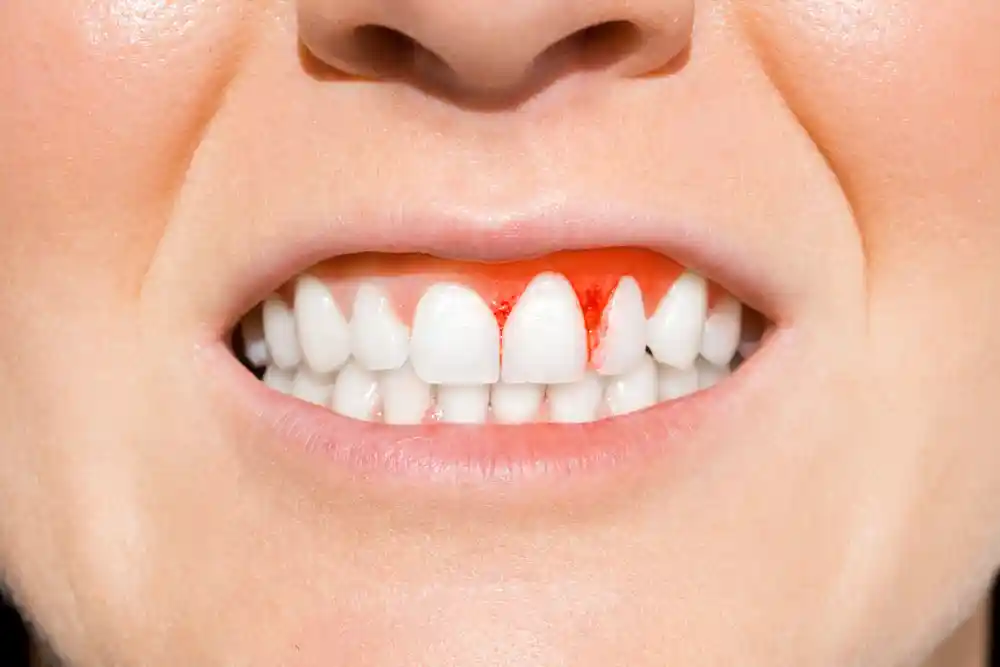
- In cases where it genetically and mechanically creates a gap (diastema) between the upper two central incisors, sabotaging orthodontic closure,
- When nutritional deficiency, inability to swallow, and failure to latch onto the mother’s breast (ankyloglossia) become chronic in infants due to a short tongue tie,
- In elderly patients using removable full dentures (false teeth), where cheek bands dislodge the denture and prevent it from staying stable in the mouth.
Who is Suitable for a Frenectomy?
This medical and surgical procedure is medically suitable for patients of all age groups, from infancy to old age, who experience chewing, speech disorders, or sucking problems due to the shortness or thickness of oral connective tissues, or who are under the risk of periodontal tissue damage (recession). Thanks to its minimally invasive character, which carries no systemic narcosis burden, it can be conducted with a high safety profile in any individual with local anesthesia tolerance. However, prior to the surgical procedure, verifying that the patient’s blood clotting times are within normal ranges and stabilizing any chronic systemic diseases (such as uncontrolled diabetes, etc.) is the primary surgical rule for clinical success and smooth wound healing.
| Patient Group / Age Scale | Reason for Surgical Intervention | Expected Tissue and Functional Outcome |
|---|---|---|
| Newborns and Infants | Nutritional and sucking deficiencies due to ankyloglossia (tongue-tie). | The tongue is released, instantly restoring the infant’s sucking mechanics and swallowing balance. |
| School-Age Children (Ages 7-12) | Diastema (gap) in the front teeth and speech (articulation) sound phonetic disorders. | The ground is prepared for the orthodontic closure of teeth, and the pronunciation of the letters “R, S, T, L” becomes clear. |
| Adult and Periodontal Patients | Localized gingival recession and denture incompatibility due to frenulum pull. | Tissue tension is neutralized, definitively halting the progression rate of gingival recession. |
What are the Intraoral Frenum Tissues?
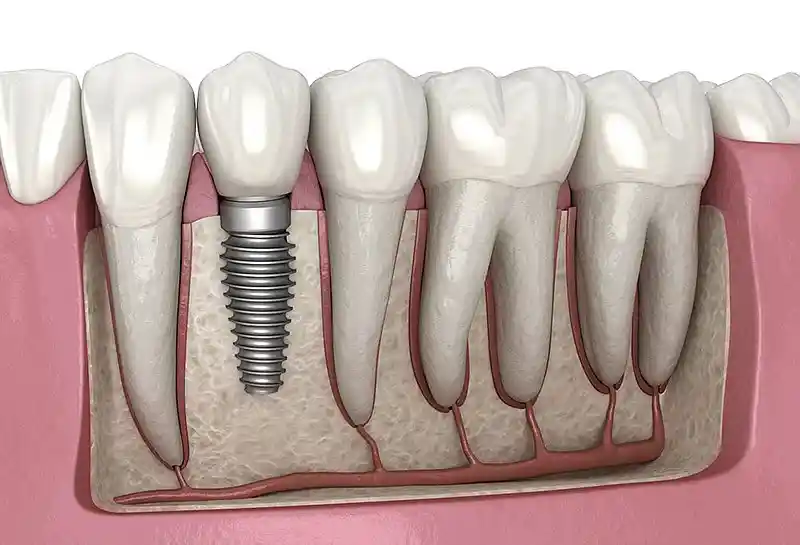
Within the anatomical architecture of the oral cavity, there are three main frenulum (band) tissues located in different topographical regions that stabilize the attachment lines of facial masticatory and mimetic muscles on the alveolar bone membrane, restricting the movement area of soft tissue boundaries to maintain muscle balance. During surgical planning, the clinician identifies which band group produces pathology based on this anatomical map.
- Labial Frenulum (Lip Band): Located right in the middle of the upper and lower central incisors, connecting the inner mucosa of the lip to the gingiva; it is the most frequently treated band tissue,
- Lingual Frenulum (Tongue Tie): A critical mucosal strip connecting the underside of the tongue to the floor of the mouth and the inner wall of the lower jawbone, managing tongue movements,
- Buccal Frenulum (Cheek Band): Lateral band tissues located in the premolar region, connecting the cheek mucosa to the attached gingival margin and affecting denture stability.
What are the Effects of Tongue-Tie and Lip-Tie on Oral Health?
When frenulum tissues remain developmentally thick or short, they become a chronic source of mechanical stress that directly compromises the intraoral ecosystem and generates chain-reaction tissue damage. When the upper labial frenulum is excessively high and fibrous, it enters between the two teeth like a wedge, preventing alveolar bone fusion; while this leads to permanent aesthetic gaps, it also makes it easier for food debris to become trapped in that area, facilitating insidious interproximal caries. On the other hand, a short lower lip or cheek band pulls the attached gingiva downward like a scalpel during every speech and chewing movement, exposing sensitive root surfaces and inviting periodontitis and dentin hypersensitivity shocks.
- Attachment Loss Acceleration: The erosion of the gingiva’s attachment strength to the tooth due to mechanical pulling,
- Biofilm Accumulation Zone: The risk of bacterial colonies breeding in the deep folding grooves created by thick bands where toothbrushes cannot reach,
- Jawbone Destruction: The regression of alveolar height as a result of the continuous stimulation of bone cells (osteoclasts) along the recession line.
How is the Pre-Frenectomy Evaluation Conducted?
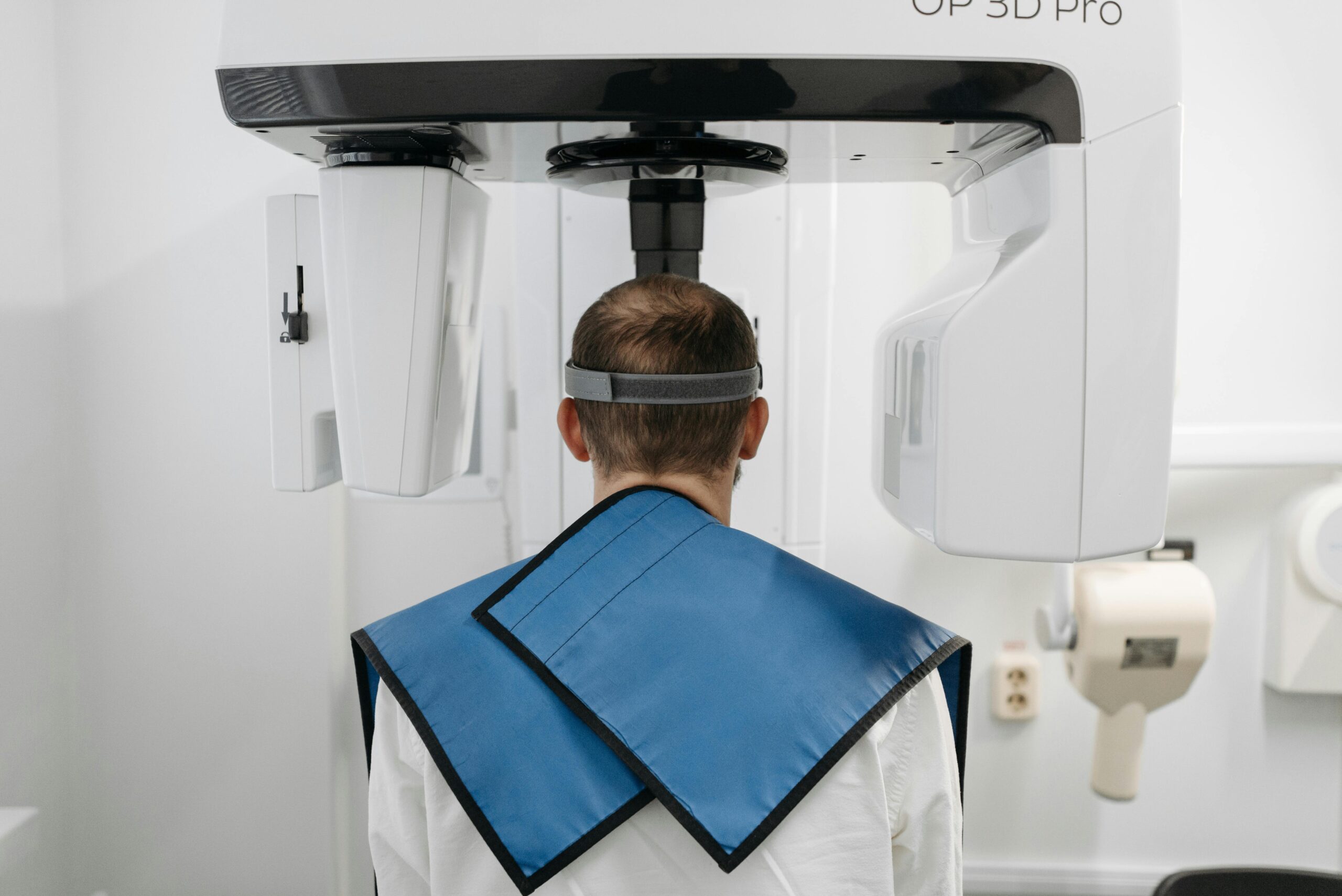
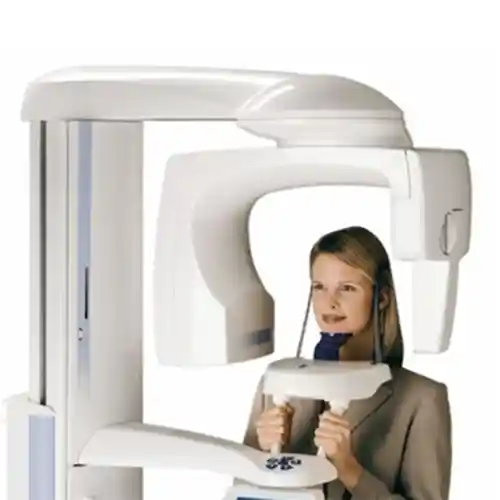
The clinical evaluation carried out before moving to the operation phase is the most vital analysis stage that draws the millimetric boundaries of the surgery and detects sub-tissue damage. During the examination, the periodontist or oral surgeon applies the “Blanch Test” (Stretch Test); if the gingival papilla between the two front teeth turns white (showing anemia) due to pressure when the lip is pulled upward, it is confirmed that the band has infiltrated into the bone and a frenectomy is mandatory. At this stage, digital panoramic radiographs or high-resolution periapical sections are scanned to inspect the integrity of the bone septum between the two teeth and the angulations of the roots, thereby finalizing the planning.
- Functional Scale Measurement: Rational determination of how much the tongue tie restricts the tongue’s ability to extend outward (protrusion capacity).
- Orthodontic Collaboration Check: Scheduling the specific week of the brace treatment during which the band will be excised.
- Vascular Roadmap: Bringing surgical bleeding safety to the highest level, particularly by identifying the deep ranine artery beds under the tongue.
How is a Frenectomy Procedure Performed?
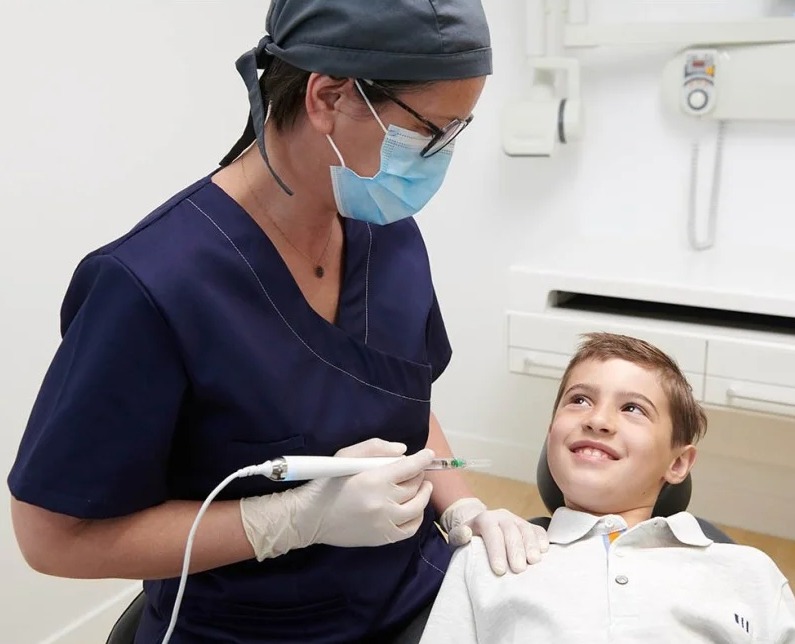
A frenectomy operation is a practical micro-surgical procedure performed under local anesthesia block in fully sterilized clinical operating rooms, taking into account the vascular richness of the soft tissue walls. After pain conduction lines are blocked using computer-controlled digital anesthesia units, the process can be carried out using two basic techniques: In the traditional method, micro-incisions are made in a “V-shape” or “Z-shape” (using the Z-plasty technique) to excise redundant muscle fibers from the tissue; then, the mucosal margins are brought together and closed with ultra-thin absorbable sutures. In the new generation laser technique, the scalpel and suture burdens are entirely eliminated, finishing the process within seconds.
- Tracing the Incision Line: The phase of freeing the middle body line where the frenulum is most tense using micro-blades,
- Periosteal Dissection: Completely stripping the muscle fibers off the bone membrane to neutralize the contraction reflex of the band,
- Closure with Sutures: Millimetric placement of micro-surgical suture threads to enhance tissue repair quality in traditional operations.
How is a Laser Frenectomy Performed?
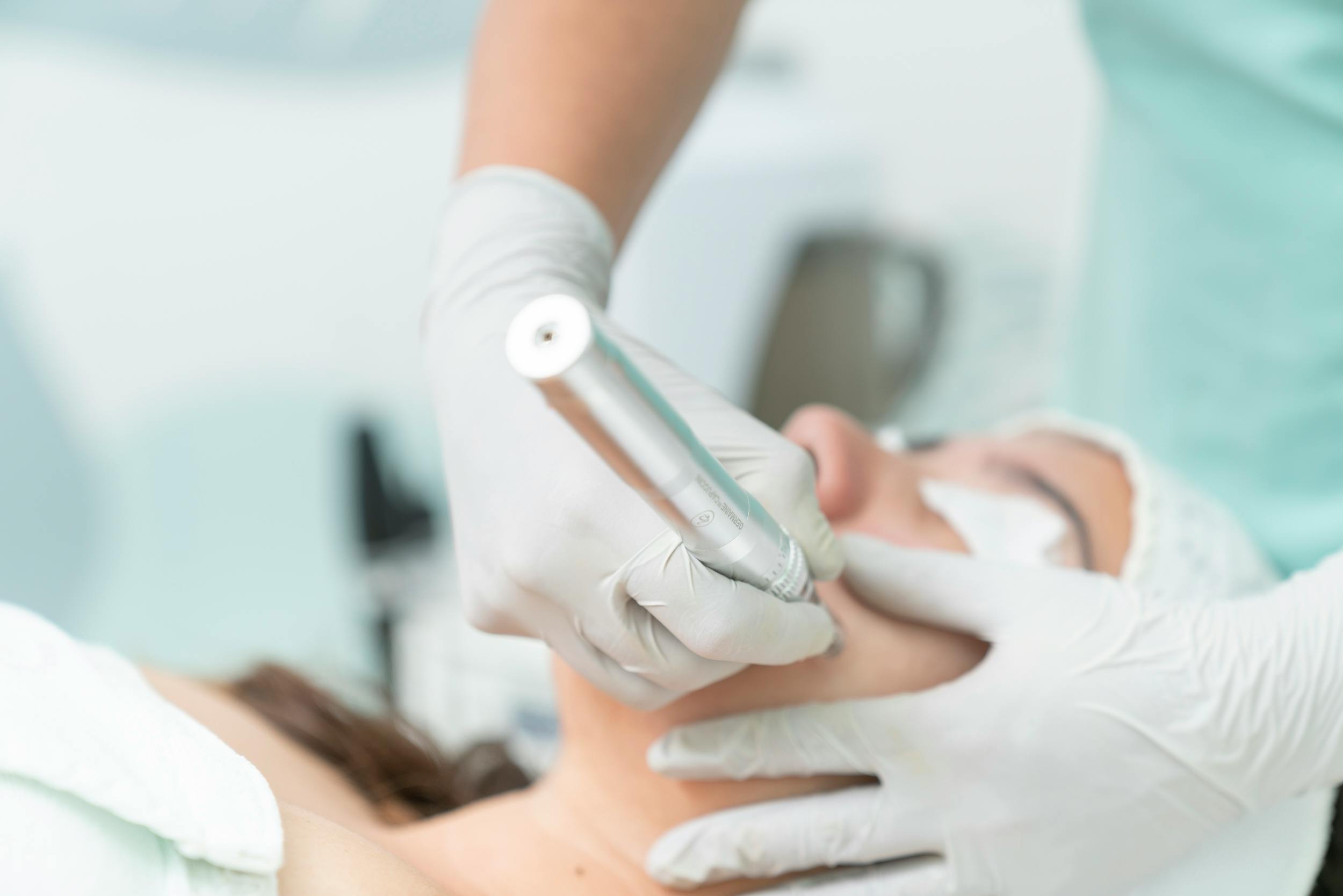
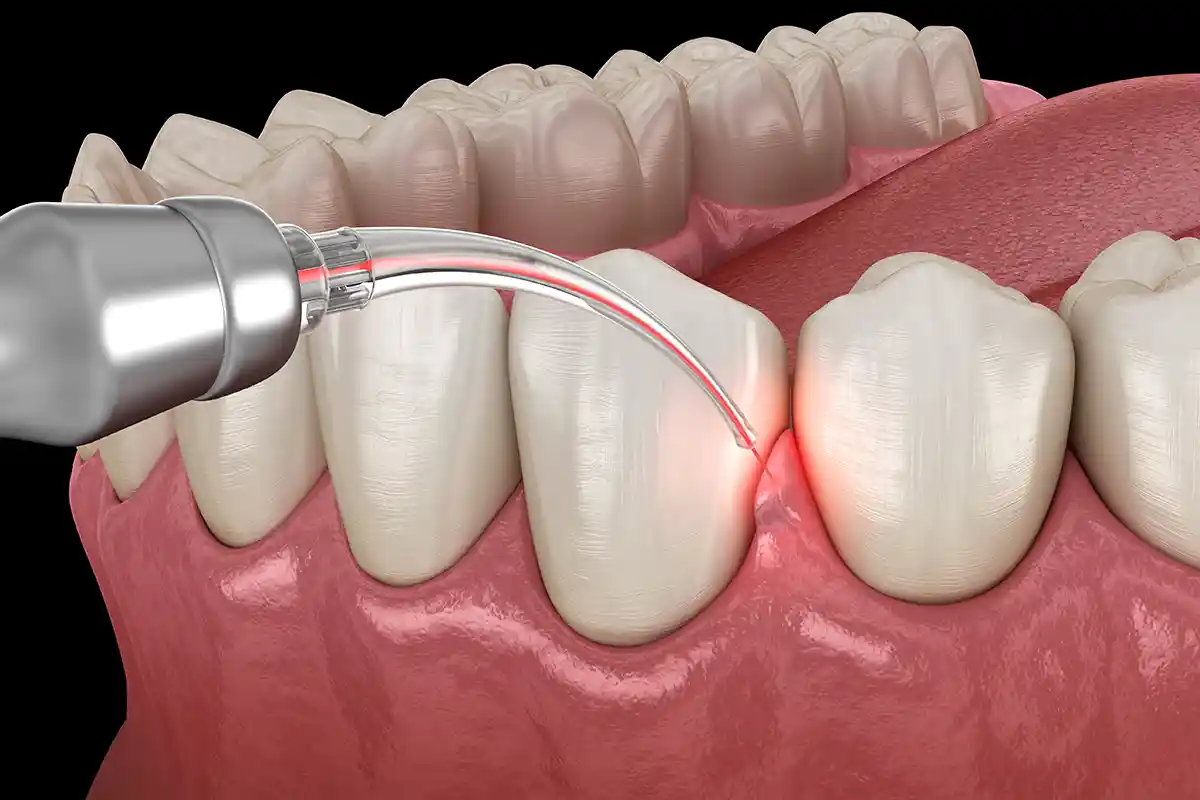
In modern digital dentistry practices, frenectomies are performed with maximum patient comfort, drawing power from proprietary medical laser equipment (Diode or Er:YAG laser units). The focused high-energy wave beams of the laser are instantly absorbed by the water molecules in the thickened frenulum cells, enabling the tissue to be cut with micron precision through the vaporization (ablation) method without any scalpel contact. Since the laser also coagulates (seals) the sub-tissue capillaries via photo-thermal effect at the exact millisecond it cuts, the operation is conducted in a completely bloodless surgical field; this eliminates the necessity of suturing and the burden of healing.
- Sutureless Surgical Comfort: Avoiding post-operative suture irritation and stinging thanks to the elimination of needles and threads.
- Sterile Cellular Cutting: The laser heat instantly kills all bacterial flora in the operation area, neutralizing post-session infection risks.
- Zero Tissue Shock: The luxury of removing the band within seconds purely through light energy, without mechanical friction or tissue trauma.
In Which Age Groups Can a Frenectomy Be Applied?
Mucosal band excision procedures have a flexible timeline that can be safely applied in any phase of life (from infancy to old age) where biological indications arise, without any age restrictions. Chronological age does not dictate the feasibility of the treatment, but rather shapes the choice of anesthesia and device technique (laser or conventional). The table below summarizes the clinical planning differences of frenectomy according to age groups on a comparative basis:
| Age Group Milestone | Preferred Device / Anesthesia Technique | Primary Clinical Purpose of Treatment |
|---|---|---|
| Infancy Period (Ages 0 – 1) | Micro-scissors excision without anesthesia or laser with topical spray. | Resolving nutritional disorders, restoring the ability to latch onto the mother’s breast. |
| Childhood Stage (Ages 7 – 14) | Digital Local Anesthesia + Laser Frenectomy (Sutureless). | Correcting speech sound phonetics, orthodontically closing front teeth gaps. |
| Adulthood and Advanced Age (Ages 18 – 65+) | Local Anesthesia + Combined Periodontal Plastic Surgery. | Halting gingival recessions, ensuring the stability of full removable dentures. |
Why is a Frenectomy Performed on Children?
The primary reason for performing a frenectomy on pediatric patients in pedodontics (pediatric dentistry) and preventive orthodontics is the necessity to clear the child’s facial bone development, tongue functions, and permanent tooth eruption chronology from insidious barriers. When thick lip ties infiltrate between the upper central teeth, they cause psychological stress in children, such as “lisping” or the inability to articulate certain letters properly. Excision of the band at an early stage allows the two front teeth to close spontaneously through natural biological forces while the permanent lateral teeth erupt (resolving the gap without surgery).
- Pediatric Phonetic Development: Preventing the child from swallowing letters while speaking during school age by releasing the tongue tie.
- Caries Prophylaxis: Achieving hygiene success in children by eliminating thick mucosal folds that prevent brackets or toothbrushes from entering.
How Does a Frenectomy Affect Speech and Oral Functions?
Since a short tongue tie (ankyloglossia) mechanically blocks the tip of the tongue from touching the palate or upper gingiva, it leads to major articulation disorders referred to as “lingual limitation” in phonetic language literature. When speaking, the patient cannot pronounce or swallows letters that require active upper-ceiling mimetic movements of the tongue tip, such as “D, L, R, S, T, Z,” resulting in a lisped tone. The moment the lingual frenulum is released with a frenectomy, the tongue easily reaches the roof of the mouth; this instantly smooths speech clarity and regulates the swallowing reflexes of food into the throat, providing full functional comfort.
- Correction of the Phonetic Accord: Ensuring letters and words exit the mouth with clear resolution according to medical standards,
- Masticatory Bolus Management: Increasing the motor skill of the tongue to comfortably sweep intraoral food to the right and left dental beds.
How Does a Frenectomy Support the Orthodontic Treatment Process?
In orthodontic clear aligner or brace treatments, it is possible to close the gaps (diastemas) between the two front teeth using mechanical forces; however, if a thick fibrous frenulum band remains behind the teeth, this elastic band will push the teeth back like a spring the day the braces are removed, causing the gap to open again (relapse). A frenectomy radically eliminates these skeletal relapse risks, securing the orthodontist’s labor. Excising the band when the teeth enter the alignment axis during orthodontic treatment supports the seamless interlocking of the tooth roots within the bone.
- Permanent Closure Assurance: Ensuring that the closed front teeth remain stable in a way that they will never open again for a lifetime,
- Surgical Timing Synergy: The relationship of performing the excision usually toward the final months of brace treatment or the moment the teeth are brought closer together, closing the tissue space.
How Long Does a Frenectomy Procedure Take?
In modern medical dental surgery standards, the frenectomy procedure is included in the “lunchtime lift” concept, standing as one of the fastest and most dynamic micro-surgical processes that do not disrupt one’s schedule. Particularly in modern clinical sessions utilizing advanced technology laser handpiece units, the active beam emission and the removal of the band via vaporization are comfortably completed within a microscopic time frame of usually just 2 to 5 minutes. Even traditional sutured operations are finished within a single dental chair session lasting at most 15–20 minutes.
- Active Laser Cutting Time: Average of 120 – 180 Seconds (The period where the band is removed without sutures via beam power).
- Total Clinical Stay: A smooth process of at most 20–30 minutes, including the absorption of anesthesia and medical rinses.
How Does the Healing Process Progress After a Frenectomy?
The tissue recovery phase following the procedure progresses rapidly, comfortably, and linearly with near-zero healing burden (no downtime), especially in clinical cases where laser systems are used, since it involves no suture or scalpel trauma. On the day of the procedure, a slight linear tingling sensation at the incision boundary as the numbness wears off is a completely normal physiological reaction resulting from cells emitting wound-closure signals. The recovery process flows smoothly; epithelial cells divide within seconds to cover the incision area, and the mucosa is completely renewed within 1 week.
- The First 48 Hours (Fibrin Phase): Formation of a light whitish/yellowish protective fibrinous tissue layer over the laser incision line (this should definitely not be mistaken for inflammation and scraped off).
- Days 3 to 5: Tissue sensitivity completely fades away, and the quality of flexibility under the lip or tongue begins to be felt instantly.
- Day 7 (Final Restoration): The soft mucosal tissue completes its 100% integration with the surrounding epidermal cells, closing the control appointment with comfort.
What Should Be Considered After a Frenectomy?
In order to make the success of the micro-surgical session permanent, support the cellular repair cycle initiated in the lower layers of the skin, and protect the incision boundary lines, the care discipline observed by the patient at home after the procedure is of vital importance. Since the mucosal barrier temporarily transitions into a more permeable and delicate phase against external stimulants during the first few days, protecting the region from excessive irritant (acidic, spicy) chemical and mechanical loads is a clinical necessity safety-wise.
The critical medical rules to be meticulously followed during the post-operative period are as follows:
- To preserve clot integrity, excessively hot, ice-cold, or acidic foods must strictly not be consumed for the first 24 hours following the application.
- To prevent suture tension or leakage along the wound margins, granular, crumbling (chips, crackers) hard foods should be avoided for the first 3 days, and a soft diet should be maintained.
- One should not try to look at the suture lines by pulling the lip up with their fingers; this mechanical movement can tear the micro-integrity of the wound edges.
- In patients whose tongue tie has been excised, micro-tongue exercises demonstrated by the physician must be performed regularly during the first week to prevent the tongue from re-adhering to the lower floor (forming a contracture).
How Should Oral Care Be Maintained After a Frenectomy?
Post-session home hygiene processes must include a medical discipline that supports the renewal rate of skin and mucosal epithelial cells, protects the wound site from external microbial attacks, but also avoids damaging the sutures/incision line. The exact local mucosal line where the operation was performed should definitely not be brushed with normal hard toothbrushes for the first 5 days; while other teeth throughout the mouth are cleaned normally, the hygiene of the treated area is entrusted to chemical solutions.
- Antiseptic Mouthwash Shield: Rinsing with chlorhexidine-based mouthwashes morning and night for the first week to prevent plaque accumulation without mechanical contact.
- Soft Sweeping Motion: Utilizing ultra-soft surgical toothbrushes specially manufactured for post-operative sensitivity starting from the 5th day to clean the teeth in that area.
What are the Advantages of a Frenectomy Procedure?
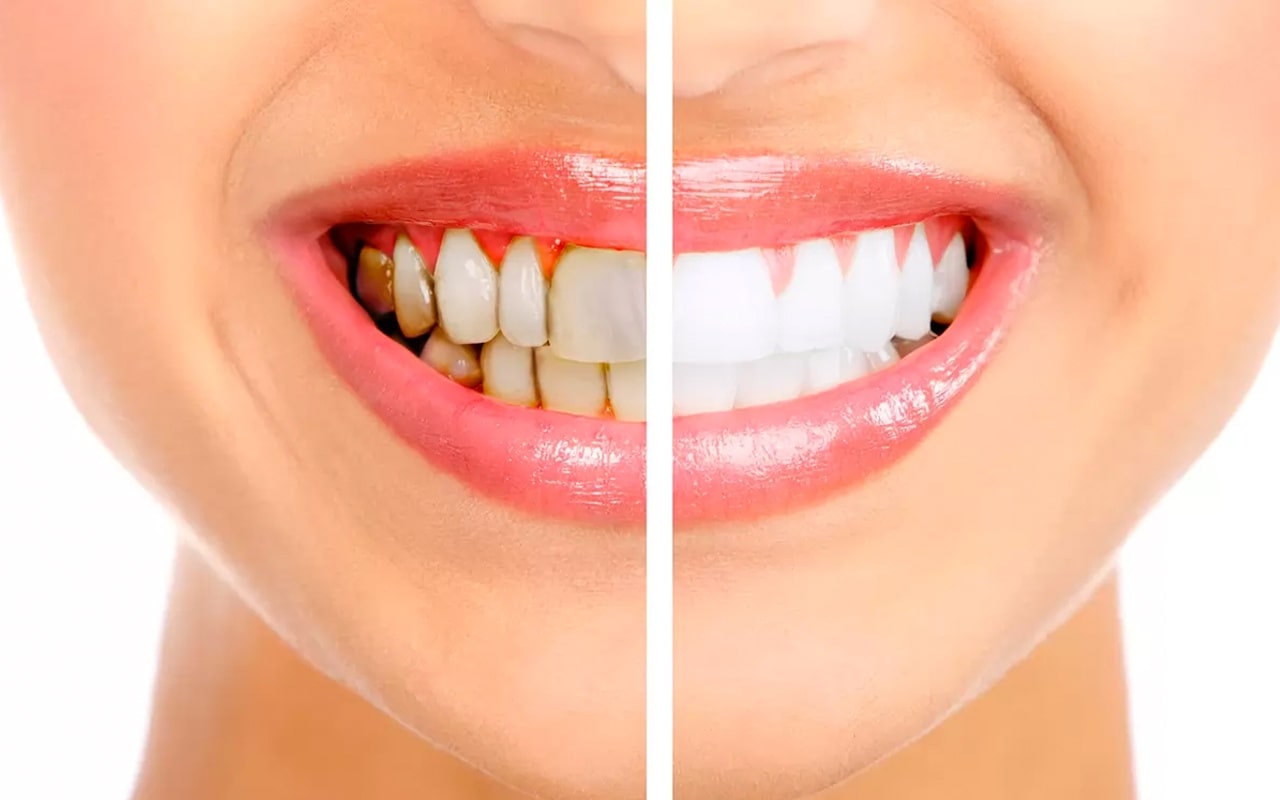
In mucosal limitations where non-surgical solutions fall short, a frenectomy stands out as the most comfortable application of modern oral surgery, offering both immediate functional relief to the patient and a high safety profile free of surgical risks. Flying through mechanical wedge bands that pull the gingiva down within seconds makes this method one of the most rational and verified solutions against insidious gingival recessions and permanent aesthetic speech defects.
- Results are Experienced Instantly: The moment the patient stands up from the dental chair, the freedom of movement gained by the tongue or lip can be observed with the naked eye.
- Prevents Tooth Loss: By neutralizing the chronic tensile stress on the gingiva, it definitively breaks the risk chain of alveolar bone resorption.
- Social Self-Confidence Boost: By resolving lisping and letter-swallowing issues, it triggers school success and social adaptation, particularly in children.
With Which Treatments Can a Frenectomy Be Planned Jointly?
A frenectomy operation can be planned within a combined synergy with other medical surgical and restorative dental protocols to holistically elevate facial functional comfort, bone rigidity, and smile integrity. While underlying mucosal stresses are sharpened through surgery, form defects in the upper layers can be treated simultaneously with different technologies.
- Orthodontic Wire / Aligner Treatment: Conducting the procedure simultaneously with brace treatment to completely eliminate relapse risks after closing front teeth gaps,
- Gingival Recession Treatment (Grafting): Excising the band that triggers the recession during the same session as operations to shift the recessed gingiva upward (flap surgery),
- Speech Therapy Support: Combinations carried out with expert speech therapists to acclimate tongue muscles to their new freedom after tongue-tie surgery.
What are the Frequently Asked Questions About Frenectomy?
The most common practical concerns arising in the minds of individuals planning to undergo a frenectomy to get rid of the limitations caused by tongue or lip ties, along with their uncensored medical answers, are presented below:
Does the frenectomy procedure hurt a lot while in the operation chair, and will I have severe pain afterward?
No, you will definitely not feel the slightest pain or discomfort. Strong numbing gels are applied to the mucosal surface prior to the procedure, followed by the administration of local solutions deep into the tissue imperceptibly via computer-controlled digital anesthesia units; furthermore, particularly in sessions where lasers are used, nerve endings are instantly sealed by the photo-thermal effect, ensuring the operation is completed in full comfort, while post-session tingling is instantly relieved with simple painkillers.
Does the tongue-tie excision performed on infants harm the baby, and does it prevent breastfeeding?
No, on the contrary, it is a preventive intervention that saves the baby’s life. Since the tongue tie in newborns consists of a very thin mucosal structure devoid of nerves and blood vessels, the procedure is carried out within seconds with a single snip using medical micro-scissors or lasers, without even requiring anesthesia. No bleeding or pain occurs during the process; the baby can be comfortably breastfed by the mother just 5 minutes after the operation, and the quality of milk intake by the baby accelerates immediately.
Does the tongue or lip tie cut with a frenectomy lengthen again over time or grow back to its old place?
If only the superficial mucosal skin was cut during the operation and the hard muscle fibers (fibrotic bands) attaching to the underlying bone membrane (periosteum) were not completely dissected, the tissue may shrink during healing and re-adhere to its former position (relapse). However, in professional protocols where muscle fibers are completely vaporized down to the base depth using laser technologies by our expert surgeons, the risk coefficient of the band growing back to its old form is zero.
Will there be any deterioration in the shape of my upper lip, my facial expressions, or my smile after the lip tie is cut?
No, this is a completely inaccurate concern. The frenectomy procedure does not interfere with the outer aesthetic sphincter muscles of the lip (the orbicularis oris muscle); it only releases the excessive and tense piece of tissue located on the inner side of the lip that connects the lip to the gingiva. Therefore, no negative artificiality or deterioration will be experienced in the shape of your lip, your smiling mien, or your facial aesthetic expression after the operation; on the contrary, your smile will achieve a more comfortable and symmetric form.
Can I return to my normal social and professional life immediately on the day the operation is completed?
Yes, a frenectomy is a purely local and minimally invasive oral surgery step that does not disrupt consciousness, affect motor skills, or involve general anesthesia; therefore, the exact second the session ends, you can stand up from the chair and continue your normal daily, vocational, social, or academic life rhythm uninterrupted from where it left off; there is no clinical obstacle whatsoever to driving a car or participating in business meetings immediately after the procedure.
Who We Are & Panorama Ankara Oral and Dental Health
Panorama Ankara is a licensed oral and dental health center that offers institutional health assurance to its patients by combining an academic expert staff and the latest global digital technological infrastructure under a single roof across all specialty branches of dentistry, primarily oral, dental, and maxillofacial surgery, advanced implantology, orthodontics, periodontology, and aesthetic dentistry. Attaching vital importance to halting speech disorders, front teeth gaps, and insidiously progressing gingival recession risks caused by intraoral mucosal bands (frenulums) through evidence-based medical disciplines right at their initial stage, our center uncompromisingly operates original Laser-Assisted Frenectomy Treatment ecosystems that offer the highest standard of comfort, respectful of tissue integrity, sutureless, and painless.
Under the roof of Panorama Ankara, absolute sterilization, high patient safety, transparency, and honesty principles are operated with uncompromising determination by regulation in all radiological, scanning, design, and micro-surgical interventions. In our clinical practices, proprietary medical laser units that act passively on hard enamel and cementum tissues while vaporizing redundant muscle fibers with specific wavelengths and coagulating blood vessels are applied with millimetric precision under the supervision of our expert oral surgeon and periodontist staff. Our aim is not to impose old-type analog scalpel frameworks that cause suture irritation, pain, or take weeks to heal upon our patients; but rather to analyze each consultant’s facial golden ratio boundaries and frenulum Miller classification grade with a keen eye during the preliminary examination, achieving maximum session comfort without damaging surrounding soft tissues and vascular pathways, an application practicality lasting seconds, and smooth oral functions where you will speak and smile comfortably for a lifetime. If you are tired of your gums receding, the gaps between your front teeth, or swallowing certain letters while speaking when you look in the mirror, yet postpone your check-ups due to needle or surgical fear, and want to initiate your professional treatment process with scientific assurance in an expert center environment; you can safely protect your health and smile integrity by contacting the expert staff of Panorama Ankara for your detailed intraoral examination.