

What Is Tooth Extraction?
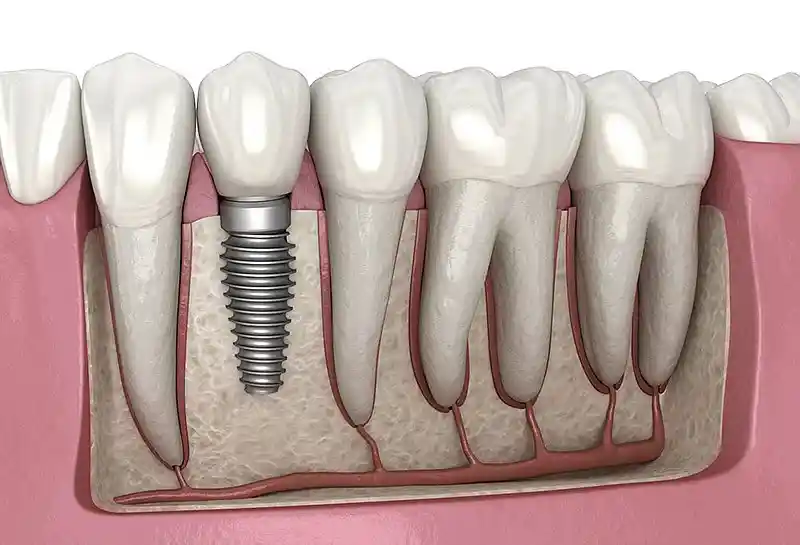
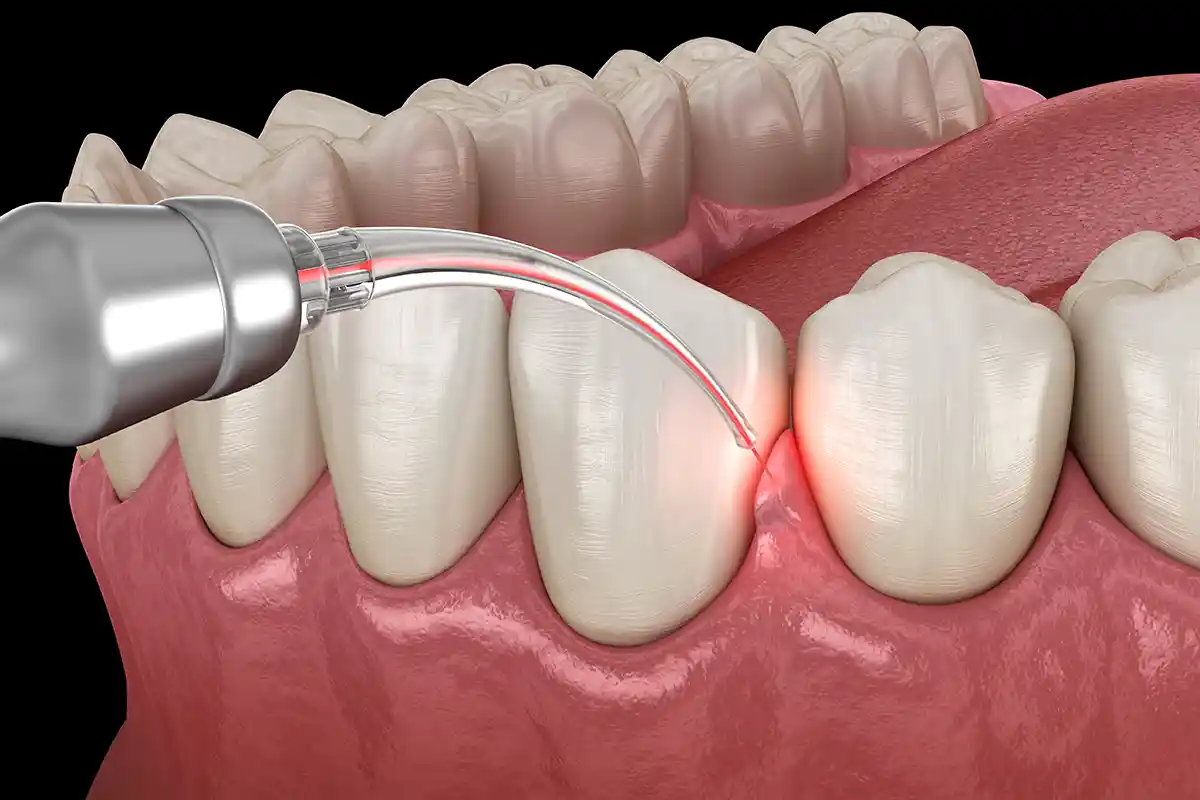
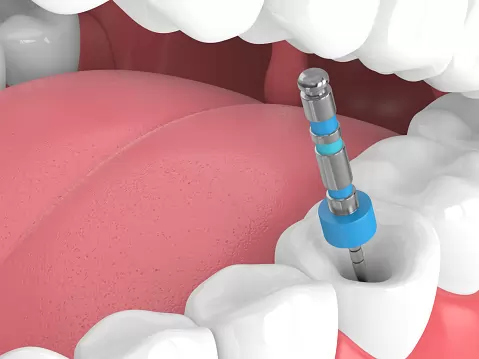
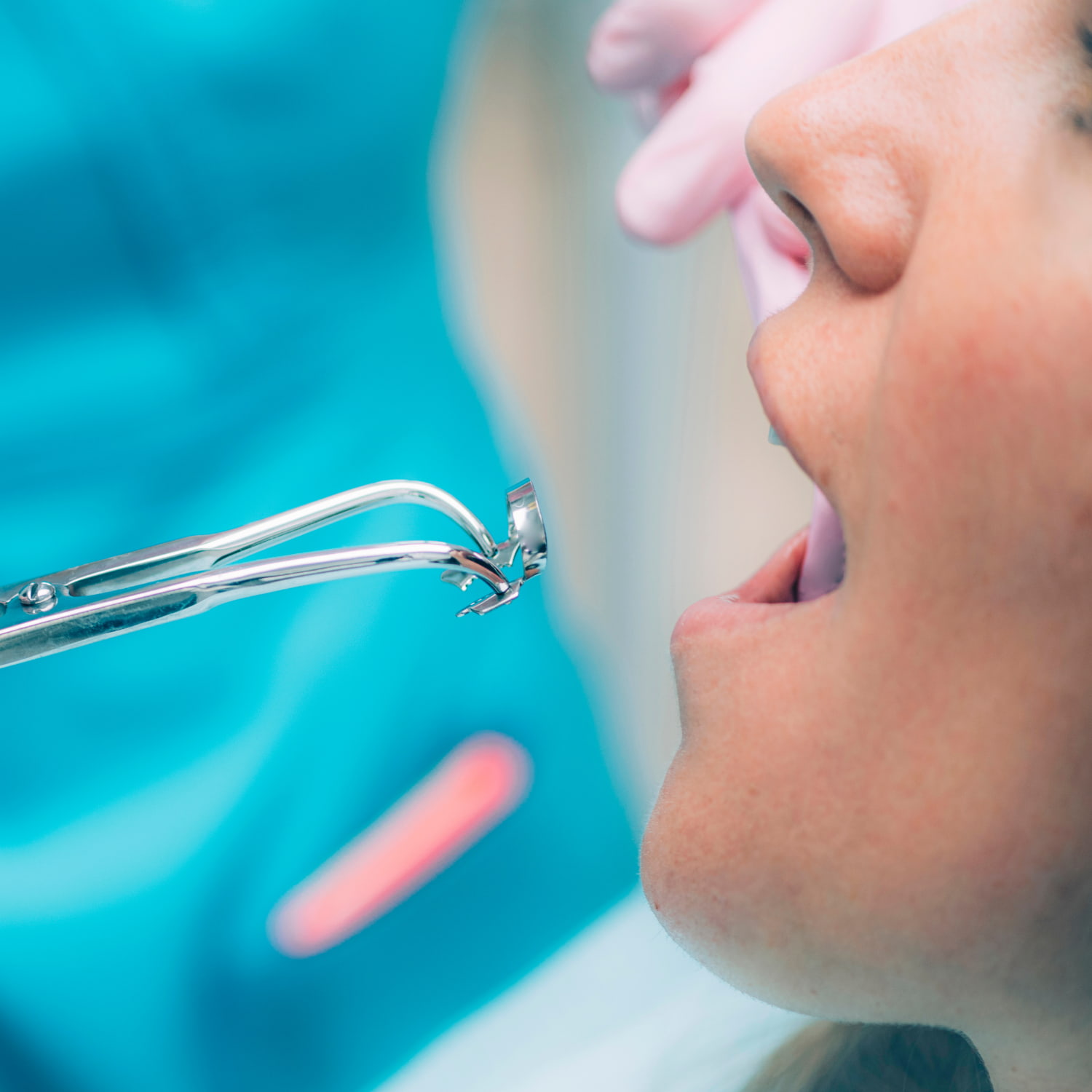
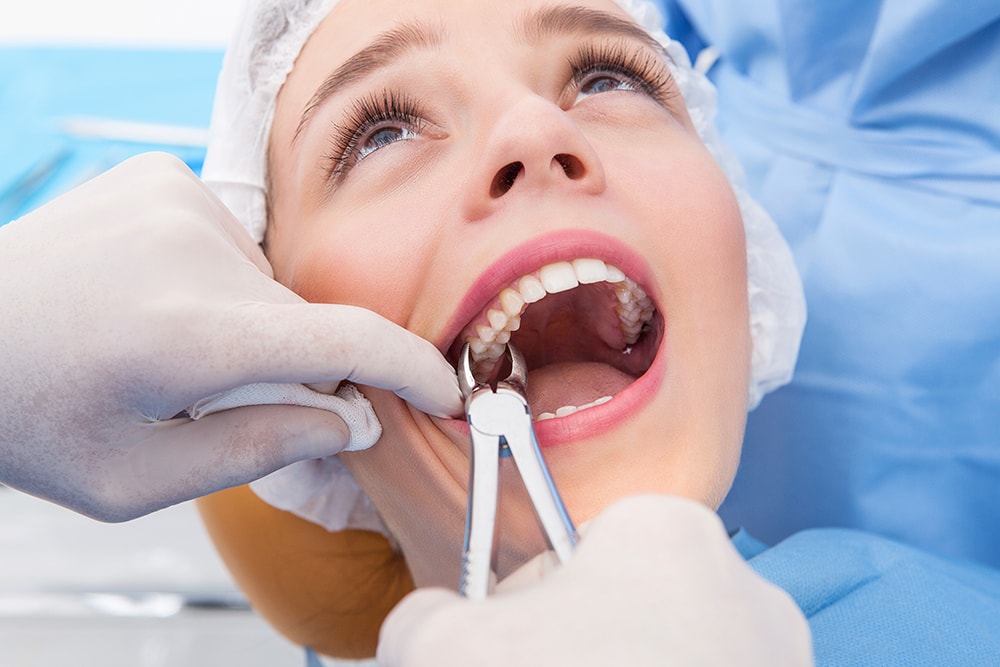
Tooth extraction is a surgical elimination procedure of a pathological or dysfunctional tooth located within the alveolar socket of the jawbone, aiming to protect the integrity of dental tissues and the general immune balance of the organism. In a healthy oral structure, each tooth is firmly anchored to the jawbone by flexible fiber networks called the periodontal ligament. The process of tooth extraction is not merely tearing the tooth out with brute force, but is based on a hierarchy of milimetrically separating these microscopic fibers surrounding the tooth root with surgical hand instruments, applying minimal trauma to the surrounding cortical bone walls and gingival mucosa.
- Alveolar Preservation Focus: Maintaining the surrounding bone walls without fracturing them to preserve the implantation infrastructure.
- Infection Barrier Construction: Removing pathogenic foci that produce chronic abscesses and cysts in the tissues away from the oral cavity.
- Tissue Homeostasis Restoration: Laying the groundwork for the formation of a healthy blood clot in the extraction space (socket).
In Which Cases May Tooth Extraction Be Necessary?
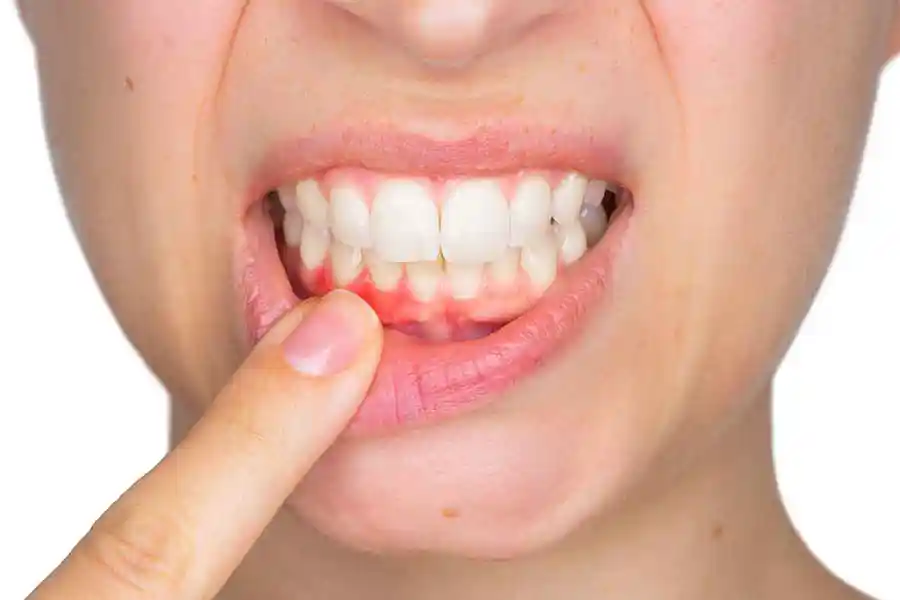
The surgical reflex of removing dental tissues from the oral cavity comes into play as a definitive medical rule in cases where conservative and restorative (fillings, crowns, root canal treatment) treatment models are completely insufficient to keep the tooth in the mouth. Longitudinal fractures of the root vertical axis, as well as the crown part of the tooth, or the settlement of infection into deep periodontal pockets at a level that melts the jawbone makes extraction inevitable. The physician arrives at this decision rationally to eliminate the risk of infection leaking into the general blood circulation and damaging the heart or kidneys.
The primary situations where tooth extraction is definitively indicated in clinical surgical practices are as follows:
- When root tip abscesses (periapical lesions) do not heal despite root canal treatment or apicoectomy and fuel bone destruction,
- In developmental jaw crowding cases, sacrificing symmetrical premolars to create space for orthodontic brace treatment,
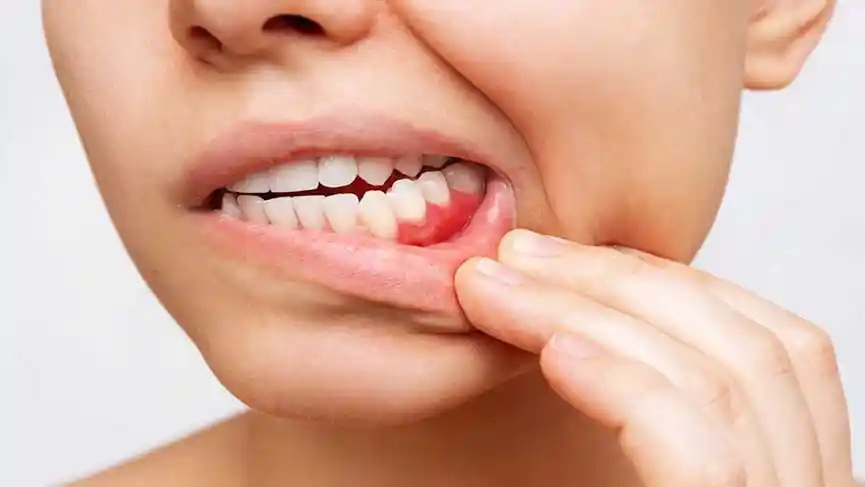
- When teeth whose gums and jaw skeletal support have completely melted due to advanced periodontitis start to exhibit excessive shaking (mobility),
- When impacted or semi-impacted wisdom teeth melt adjacent healthy tooth roots or create crowding, leading to pericoronitis abscesses.
Who Is Tooth Extraction Suitable For?
Tooth extraction procedures planned in the oral surgery department are medically suitable for children and adult individuals of all age groups whose extraction indication is finalized during oral examinations and radiological scans, and who aim to be cleared of insidious pain and chronic infection foci. Since the system is carried out with modern local anesthetic solutions, it can be executed within a high safety corridor regardless of the general health profile. However, for patients with uncontrolled severe systemic disorders (those who have recently had a heart attack, those with risky coagulation indices, or those using heavy medications that suppress bone metabolism), it is mandatory to obtain consultation approval from the relevant medical doctor prior to the procedure.
| Patient Group / Oral Pathology | Surgical Suitability Status | Expected Tissue and Systemic Response |
|---|---|---|
| Chronic Cases with Excessive Cavities and Loss of Substance | Completely Suitable / Ideal | Relieves pain instantly, breaks the chain of intra-bone inflammation spread. |
| Patients Using Blood Thinners Medication | Controlled Suitable | With physician coordination, coagulation (INR) values are brought to safe limits and extraction is performed. |
| Those with a History of Radiotherapy (Radiation) on the Jawbone | High Risk / Must Be Postponed | Against the risk of bone necrosis (osteoradionecrosis), extraction is planned with special hyperbaric oxygen support. |
| Those with Acute Draining Cellulitis / Major Swelling | Postponed Suitable | First, the acute inflammation is suppressed with strong antibiotic courses, then the extraction phase is initiated. |
How Is the Oral and Dental Evaluation Performed Before Tooth Extraction?
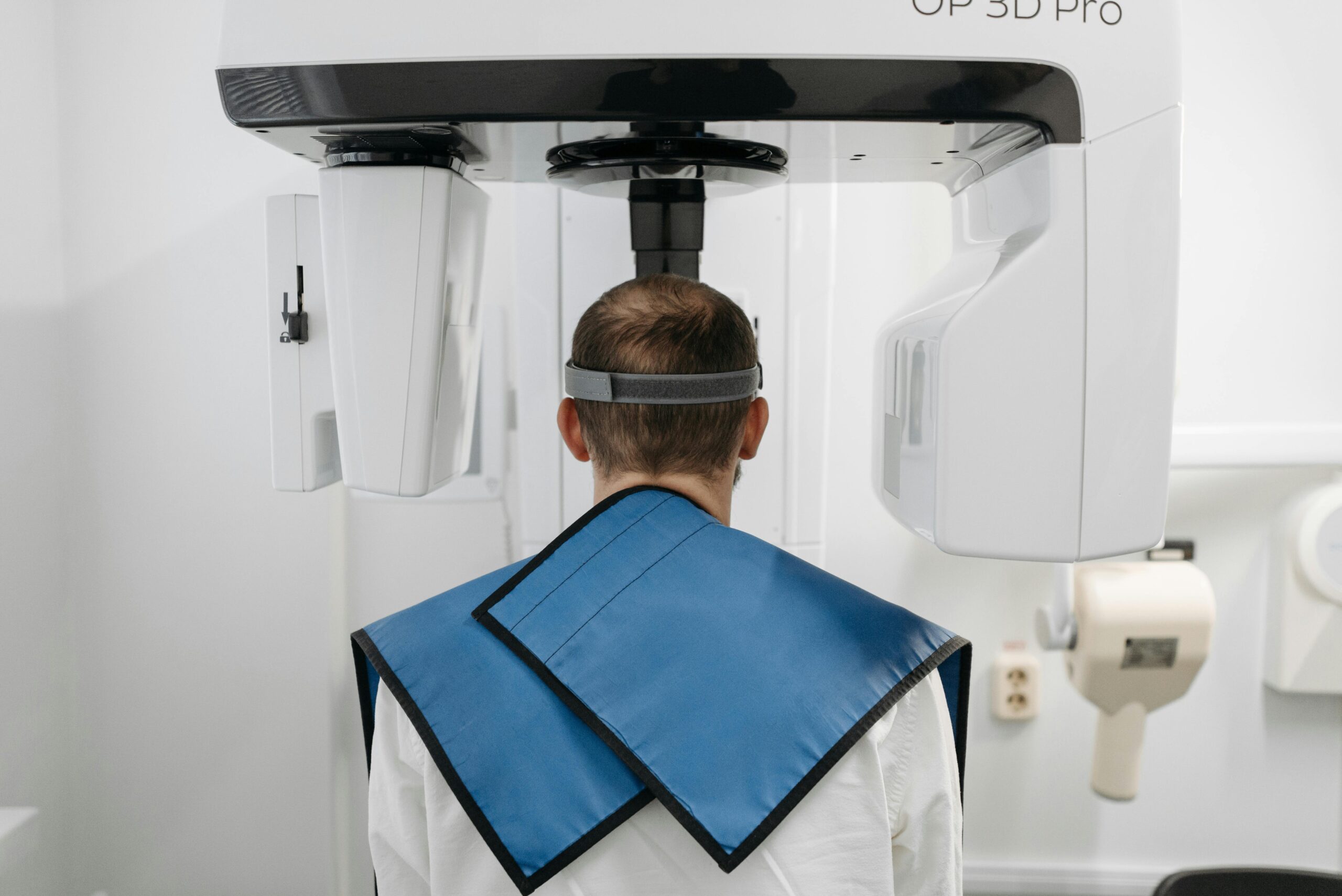
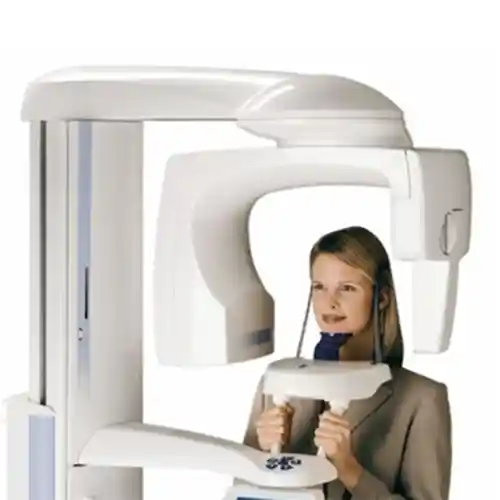
The clinical evaluation carried out before moving on to the operation stage is the most vital analysis phase that maps out the hidden anatomical blueprint of the tooth roots inside the bone. During the examination, the physician checks the mobility degree of the tooth, mucosal integrity, and edema density in the surrounding tissues with the help of periodontal probes. The most uncompromising support at this stage is digital panoramic radiology, which overcomes the limitations of two-dimensional classical X-rays, showing the anatomical curvatures of tooth roots and their distance to jaw nerves on a 1:1 scale; these scans rationally list the root fracture risks that may occur during extraction before the surgery.
- Registration of Root Morphology: Determining whether the tooth roots are hook-shaped (dilacerated) or closely fused in structure.
- Anatomical Border Isolation: Scanning the vertical proximity degrees of the upper jaw posterior tooth roots to the maxillary sinus floor.
- Medical History Cataloging: Questioning the patient’s chronic diseases, allergy profiles, and coagulation schedules.
How Is Tooth Extraction Planned?
The planning of the tooth extraction treatment protocol is carried out through a phased algorithm based on the tooth’s impaction status within the bone, the number of roots, and the post-operative implant or prosthetic schedule. Hasty moves with brute force are avoided during process planning; because preserving the bone is the key to future fixed implant success. In the planning, steps to clear the infection and the durations to be spent chairside on the operation day are meticulously logged into the surgical calendar.
- Phase 1 (Prophylaxis): Zeroing out the risks of bacterial leakage into the socket by scaling the calculus in the surgical site.
- Phase 2 (Anesthesia Selection): The period of deciding on infiltrative or block anesthesia variations according to the position of the tooth.
- Phase 3 (Regeneration Plan): Clarifying whether bone powder injection (socket preservation) will be performed simultaneously with the extraction.
What Is the Difference Between Simple Tooth Extraction and Surgical Tooth Extraction?
The most radical difference between simple tooth extraction and surgical tooth extraction is the level of intraoral visibility of the tooth and whether there is a necessity to open a flap (gingival incision) to release it from the bone walls. In simple extraction, the tooth is fully visible to the naked eye in the mouth and can be removed from the socket by directly grasping it with dental forceps. In surgical extraction, however, the tooth is either hidden beneath the gingiva or its roots are deeply embedded inside the jawbone; thus, the surgeon needs to loosen the mucosa with a scalpel, shave micro-sections from the bone, and remove the tooth from the line by sectioning it into pieces.
- Interventional Depth: While tissue integrity is maintained in simple extraction; performing intra-bone micro-shaving (ostectomy) is a rule in surgical extraction.
- Suture Requirement: While the socket is left to heal openly in simple operations; the phase of the mandatory closure of surgical processes with primary sutures.
How Is Impacted Tooth Extraction Performed?
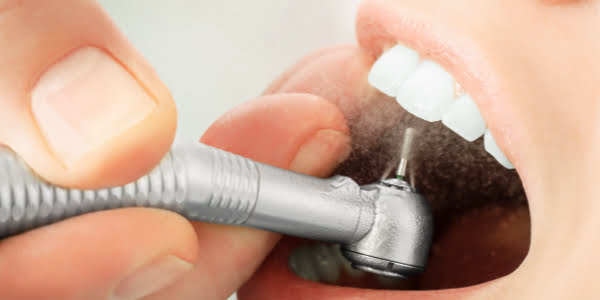
The extraction of impacted teeth (especially wisdom teeth) hidden in the deep layers of the jawbone is a sensitive jaw surgery procedure executed under local anesthesia in polyclinic operating rooms subject to full sterilization rules. First, the mucosal tissue covering the tooth is loosened along a smooth line with the help of a scalpel and lifted over the bone (a flap is opened). On the exposed hard bone surface, the bone barriers preventing the emergence of the tooth are shaved at a micron level by means of smart surgical cauteries and water-cooled drills; to avoid mechanical pressure, the tooth is divided into pieces (with the separation technique), picked out from the socket with tweezers, and the bed is washed with antiseptic fluids and sutured.
- Prevention of Bone Resorption: Deploying micro-tips to the site that will apply minimum trauma to the cortical bone holding the tooth.
- Tooth Separation: Zeroing out the risks of crushing the lower jaw main nerve line by dividing the crown and root bodies of the tooth.
Which Anesthesia Methods Can Be Used During Tooth Extraction?
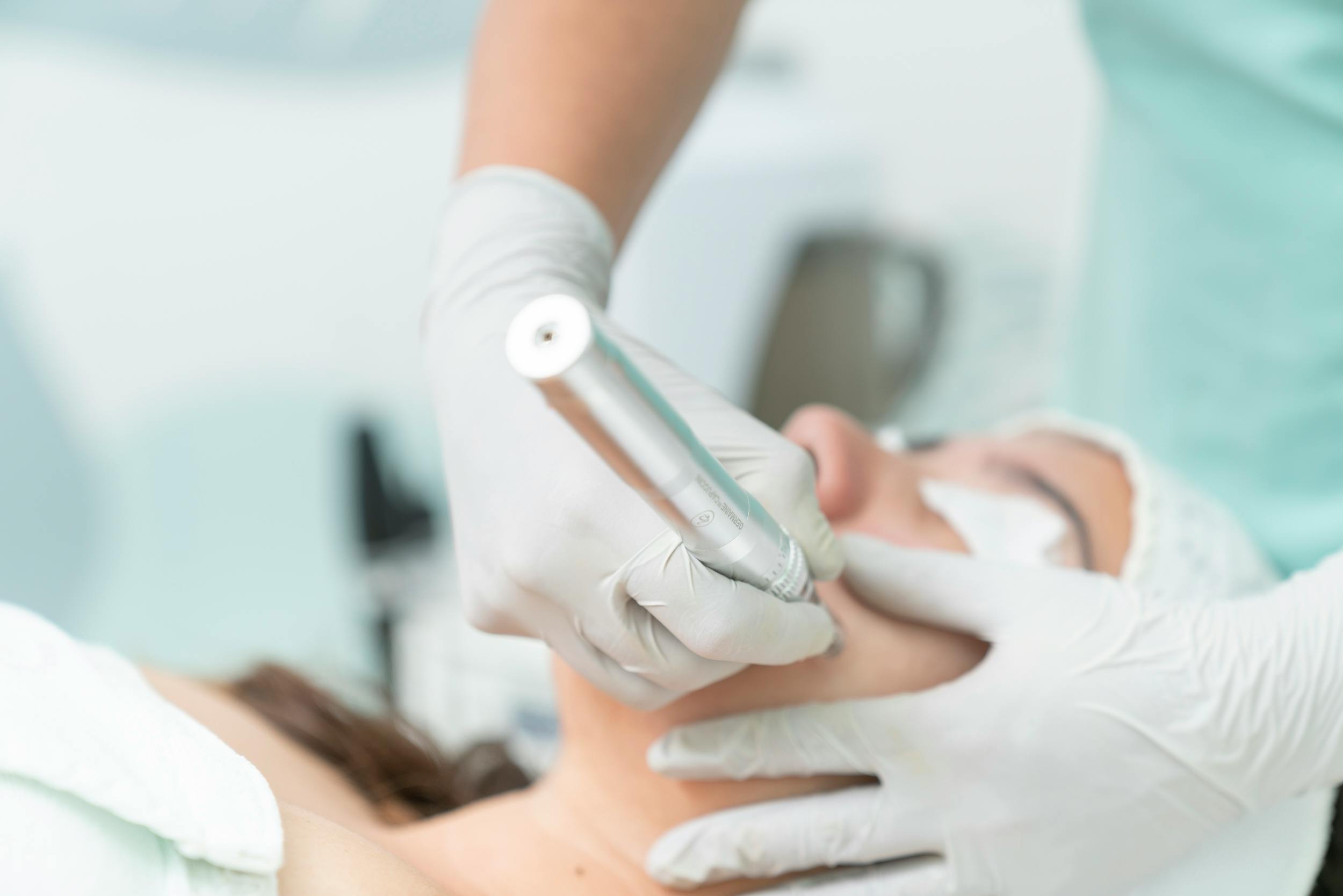
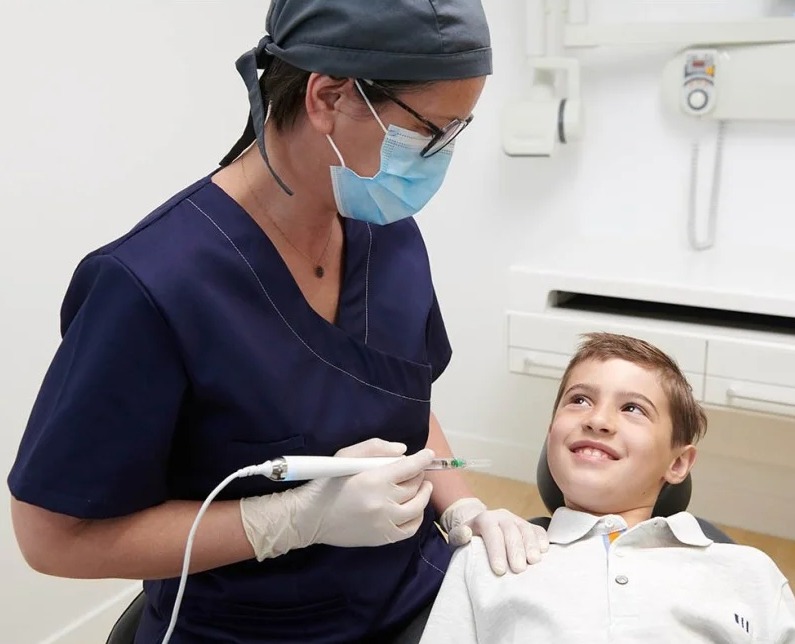
Evidence-based anesthesia technologies are deployed in modern oral surgery to keep patient comfort at the highest level during the surgical session and to completely lock pain transmission lines. In standard cases, painless local anesthetics delivered at a rate suitable for tissue resistance with the help of computer-controlled digital anesthesia devices are the primary choice. However, for children or adult cases with excessively high dental anxiety levels or a history of panic attacks, sedation (semi-sleep) or general anesthesia (narcosis) alternatives are also successfully integrated to manage the process in a state of full relaxation.
- Infiltrative Anesthesia: The technique of infiltrating a solution around the tooth in spongy bone tissues like the upper jaw.
- Regional Mandibular Block: The security of numbing the main nerve trunk that provides transmission directly from the root in lower jaw molar lines.
How Long Does Tooth Extraction Take?
The active chairside session duration of a tooth extraction operation varies depending on the root morphology of the tooth, its degree of impaction inside the bone, and the chronicity of the infection. Simple extraction phases of a loose or single-rooted smooth tooth are usually completed in a highly practical timeframe of just 5 to 10 minutes. However, in advanced impacted wisdom tooth surgeries involving bone shaving and tooth separation, the process is meticulously shaped between 20 to 45 minutes per session, as millimetric suturing steps will be required by the surgeon.
- Simple Session Period: 5 – 10 Minutes (Separation of the tooth from the socket within seconds after the absorption of anesthesia).
- Surgical Session Period: 20 – 45 Minutes (The timeline requiring tissue loosening and intra-bone micro-craftsmanship).
How Does the Healing Process Proceed After Tooth Extraction?
The tissue recovery phase after the procedure is a completely natural, predictable, and hierarchical repair cycle initiated by the body to close the wound site. The red blood clot formed inside the socket during the first 24 hours acts as a living biological blanket for bone cells to proliferate. The healing process flows on a linear path; at the end of the first week, the gingival epithelial cells reach a smoothness that covers the socket, the mucosa regains its pink color, and completely filling the intra-bone cavity with new bone trabeculae requires an average ossification schedule of 4 to 6 months.
- First 48 Hours (Fibrin Phase): The weaving of light gray-white protective fibrin networks over the socket (this should definitely not be mistaken for infection).
- 7th Day Turning Point: The period of alignment of soft tissue margins and the painless removal of surgical sutures from the line, if present.
What Should Be Considered After Tooth Extraction?
The care discipline that the patient will follow in the home environment after the procedure is of vital importance to make the success of the surgical session permanent, protect that critical clot integrity inside the socket, and zero out infection risks. Since the extraction bed temporarily transitions into an extremely delicate phase against external stimuli and intraoral pressure fluctuations during the first hours, it is a medical necessity for the patient to preserve the homeostasis balance.
The aspects that must be meticulously followed at home during the critical period after the procedure are as follows:
- The sterile gauze placed over the extraction space must be bitten without compromise for at least 30-45 minutes to establish the clot pressure that will stop bleeding, and then discarded all at once.
- For the first 24 hours following the operation, saliva should be swallowed instead of vacuuming and spitting out from the mouth, so as not to dislodge the clot and revive bleeding.
- For the first 48 hours, hot baths, saunas, Turkish baths, and heavy sports activities that will dilate capillary walls and increase the risk of leaks and cheek swelling should be postponed.
- For at least 3 days, smoking, tobacco products, and alcohol consumption must be completely cut off so as not to paralyze micro-cell repair mechanisms at the wound site.
How Should Nutrition Be Directed After Tooth Extraction?
The food consumption cycle following surgical intervention necessitates soft nutrition rules that will protect the wound boundary lines from mechanical tears and will not trigger dentin-mucosal sensitivities. The jaw hemisphere where the extraction was performed should be completely isolated from chewing pressures during the first days, and bites should be ground on the healthy tooth beds on the other side of the mouth. The temperature of nutrients should be calibrated around room temperature limits.
- Suitable Soft Foods to Consume: Plain soups (warm), yogurt, puree, pasta, banana, and ice cream variations.
- Strictly Forbidden Grainy Foods: Grainy foods such as rice pilaf, chips, crackers, or bread with sesame seeds that can escape inside the extraction space and cause an abscess.
- Straw Use Prohibition: Straws should strictly not be used when consuming liquid foods; the suction vacuum pressure created by a straw dislodges the clot and initiates bleeding.
How Should Oral Care Be Performed After Tooth Extraction?
Post-session home hygiene processes must contain a delicate balance that will limit the intraoral bacterial population to prevent socket infections (alveolitis) but will also not damage the newly formed sensitive clot shield. On the extraction day, the mouth should not be rinsed forcefully with water; starting from the next day, while normal teeth are cleaned as standard, the surgical area is entrusted to chemical protection.
- Antiseptic Mouthwash Shield: Rinsing morning and evening with chlorhexidine-based mouthwashes without touching the toothbrush to the wound site, starting 24 hours after the surgery.
- Gentle Sweeping Motion: Utilizing ultra-soft brushes manufactured specifically for sensitive surgical periods to clean adjacent teeth in that area starting from the 48th hour.
Why Is Preserving the Blood Clot Important After Tooth Extraction?
The red blood clot forming at the base of the extraction space is not just a temporary plug that stops bleeding, but a vital biological shield protecting the underlying bare jawbone and open nerve endings from intraoral bacteria and airflow. If the clot is dislodged and falls out due to brushing, spitting, or smoking suction pressures, a highly severe and painful pathological presentation characterized by bone inflammation, known in medical literature as “Alveolitis” (Dry Socket) and radiating up to the ear and temple region, is triggered; preserving the clot is the only way to prevent these insidious intra-bone pain shocks.
“The blood clot inside the socket is a living foundation mix that your body lays down there so your new jawbone can be woven; protecting it is the primary condition for a painless recovery.”
When Can One Return to Daily Life After Tooth Extraction?
Tooth extraction procedures are outpatient treatments conducted in a minimally invasive character that do not disrupt consciousness, do not affect motor manual skills, and do not impose the weight of general anesthesia; therefore, you can get up from the chair the exact second the session ends and continue your normal daily, professional, social, or academic life rhythm uninterruptedly from where it left off. Since the presence of a gauze pack in the mouth during speech on the first day may restrict social communication, postponing heavy business meetings or physical tasks requiring intense cardio to the post-operation day is recommended for practical life comfort.
When Can Implant Planning Be Done After Tooth Extraction?
The schedule for filling the space created by the extracted tooth with titanium implant screws is planned across three different surgical timelines depending on the chronicity of infection at the time of extraction and the structural integrity quality of the socket surrounding bone walls. If there is no active acute pus or abscess focus in the tooth and the bone volume is fully preserved, placing the implant screw within seconds during the same extraction session (Immediate Implantation) offers the patient massive time comfort. However, in cases where root tip lesions have dissolved the bone, a traditional waiting schedule of 2 to 4 months is the rule for the socket to fill with bone tissue.
How Is Bone Structure Preservation Supported After Tooth Extraction?
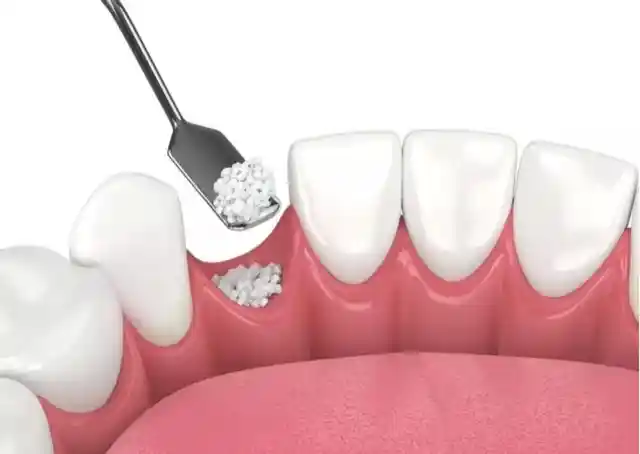
From the moment the tooth is separated from the line, the chewing stimulus pressure on the alveolar bone drops to zero, so the body views the bone volume in that area as dysfunctional and begins to resorb (melt) it transversely by 40% to 60% within the first year; the most modern way to prevent this skeletal collapse is “Socket Preservation” (Ridge Preservation) surgery. As soon as the extraction finishes, the interior of the cavity is filled and closed with certified bio-compatible bone powders (grafts) and PRF fibrin membranes matching medical standards; this reinforcement prevents the bone from melting and shrinking, maintaining an unshakeable rigid skeletal base for future implant screws.
What Are the Advantages of Tooth Extraction?
The removal of unsalvageable pathological dental tissues from the oral cavity is the clearest preventive medicine investment that saves the oral health ecosystem from destruction on a linear line. It does not just end a local toothache; it definitively breaks the risk chain of cyst and tumor foci growing insidiously in the lower layers of the jawbone from completely melting the bone skeleton. When the chronic infection load in tissues is relieved, persistent bad breath (halitosis) sabotaging facial aesthetics is ended instantly, building a full systemic health barrier.
- Systemic Health Shield: Eliminating endocarditis (inflammation of the heart lining) risks that bacteria can trigger by leaking into the heart via capillaries.
- Protection of Neighboring Teeth: Halting the damage of wisdom or inflamed teeth melting and decaying perfectly healthy natural tooth roots next to them.
Why Are Control Appointments Important After Tooth Extraction?
Periodic control sessions following the operation involve vital examination steps that monitor wound site epithelialization quality and stop potential intra-bone leakage infections (alveolitis) from growing before they start early in the journey. In cases where surgical sutures are placed, removing them from the line on the 7th-10th days is a clinical rule to prevent food debris from accumulating on the suture threads and causing inflammation. During these sessions, the physician verifies the closure rate of the bone socket, finalizing the patient’s permanent implant prosthetic schedule with rational data.
What Are the Frequently Asked Questions About Tooth Extractions?
The most common practical concerns arising in the minds of clients planning surgical processes to get rid of damage to their teeth or impacted wisdom tooth nightmares and their uncensored medical counters are presented below:
Does tooth extraction hurt a lot in the operation chair during the session?
No, absolutely not; you will not feel the slightest pain or ache. Prior to the procedure, strong numbing gels are applied to the gingival mucosa, followed by local solutions delivered at a rate matching tissue resistance with computer-controlled digital anesthesia units to provide full insensitivity; since nerve transmission lines are completely shut down throughout the session, you only perceive the light touch of the instruments and the water coolness, and the procedure is completed with high comfort.
Will my cheek swell and bruise a lot after impacted wisdom tooth extraction, is this condition permanent?
In cases where intra-bone micro-shaving is performed during impacted tooth surgeries, the formation of a temporary edema (swelling) in the cheek area during the first 48 hours is a completely normal physiological reaction originating from the repair reflexes of the extracellular matrix. Thanks to intermittent cold packs applied from outside the cheek on the first day after the surgery and micro-edema relieving medications the physician will prescribe, this swelling rapidly subsides starting from the 3rd day and completely disappears within 1 week without leaving any trace.
What happens if I do not have a bridge or implant made to replace the space formed after a tooth is extracted?
When the extraction space is not filled, the intraoral occlusal balance (bite mechanics) collapses along a linear line. Over time, healthy teeth behind the space begin to tilt toward the gap, while the tooth in the opposing jaw elongates toward the space because it cannot find support in the bite; these insidious axis shifts lead to permanent locking and clicking sounds in the jaw joint (TMJ) and insidious interdental cavities in healthy teeth, the space must be closed with an implant.
Is there a medical harm in constantly spitting out blood accumulating in my mouth after the extraction is finished?
Yes, this is a major medical misconception that is most frequently fallen into and sabotages healing in the post-extraction period. Making constant forceful spitting motions to launch blood or saliva out of the mouth creates high negative vacuum pressure inside the oral cavity; this pressure dislodges that vital blood clot freshly woven inside the socket and launches it out, preventing you from stopping the bleeding and leading to painful dry socket (alveolitis) inflammation, blood must be swallowed.
Can I return to my normal professional and social life immediately on the day the extraction treatment is completed?
Yes, tooth extraction operations are completely local and minimally invasive surgical steps that do not disrupt consciousness, do not affect motor skills, and do not involve the weight of general anesthesia; therefore, you can get up from the chair the exact second the session ends and continue your normal daily, professional, social, or academic life rhythm uninterruptedly from where it left off; there is no clinical barrier to driving or participating in business meetings immediately after the procedure.
Who Are We? & Panorama Ankara Oral and Dental Health Center
Panorama Ankara is a licensed oral and dental health center offering institutional health assurance to its patients by combining an academic specialist staff and the latest global bio-technological digital infrastructure under a single roof in all specialty branches of dentistry, primarily oral, dental, and maxillofacial surgery, advanced implantology, microscopic endodontics, periodontology, and aesthetic dentistry. Instead of abandoning unsalvageable infected teeth or impacted wisdom tooth nightmares to the simplicity of analog brute force that damages the jawbone, our center attaches vital importance to bringing permanent oral comfort by centering “bone-preserving atraumatic surgery” principles with evidence-based medical disciplines, and operates seamless Digital Diagnostic Modeling and Atraumatic / Surgical Tooth Extraction ecosystems with calendar discipline from the very beginning to the end of the clinical operation workflow.
Under the roof of Panorama Ankara, absolute sterilization, high patient safety, transparency, and honesty principles are operated with full compliance with medical codes in all diagnostic, radiological scanning, design, and micro-surgical interventions required by regulations. In our clinical practices, while analyzing jawbone quality and root canal lines with 3D tomographies in millimetric sections, smart surgical cauteries that coagulate vascular integrity and ultrasonic piezo surgery units that do not damage surrounding bone are applied with millimetric precision under the supervision of our expert jaw surgeon staff. Our aim is not to impose old-fashioned, slow, bone-fracturing, and distressing analog operation patterns on our patients that take weeks to heal, but to analyze each individual’s jaw skeletal quality, occlusion mechanics, and nerve pathways on the virtual screen before the operation, achieving maximum session comfort, seamless comfort standards without damaging surrounding soft tissues and sensitive nerve pathways, and smooth fixed implant infrastructures that you will use with an unshakeable confidence for a lifetime. If you are tired of your ruined teeth, impacted wisdom tooth aches, or bad breath when looking in the mirror, yet feel anxious about surgical risks or fear of pain and wish to start your smart digital treatment process from scratch in an expert corporate center environment with scientific guarantee; you can safely protect your health and smile integrity by contacting the expert staff of Panorama Ankara for detailed scanning and digital planning analysis.