
Advanced Implant Treatments: Surgical Solutions in Challenging Cases
As Panorama Ankara, we consider it a duty to share the ultimate point reached by technology and scientific developments in dentistry with the public and to ensure that patients can access accurate information regarding their treatment processes. In cases where standard methods fall short in eliminating tooth deficiencies, bone volume is reduced, or anatomical limitations exist, advanced implant treatments come into play, encompassing comprehensive surgical procedures aimed at restoring function and aesthetics in complex cases.
What Are Advanced Implant Treatments?
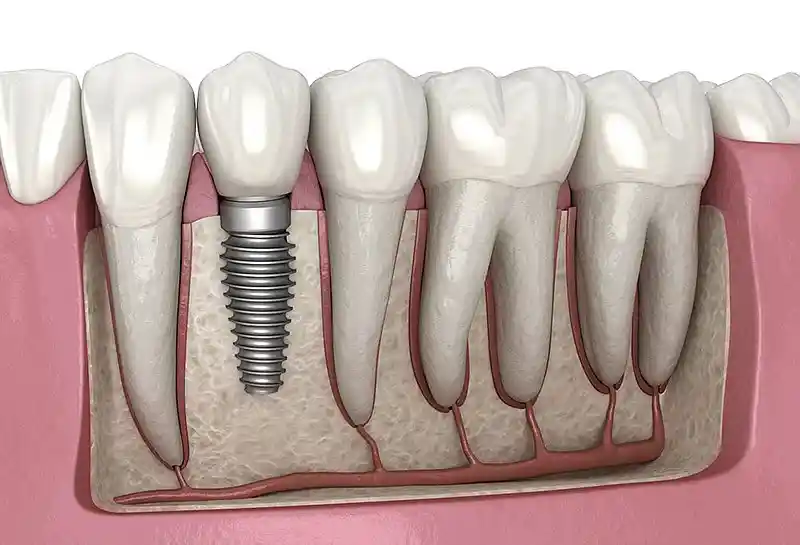
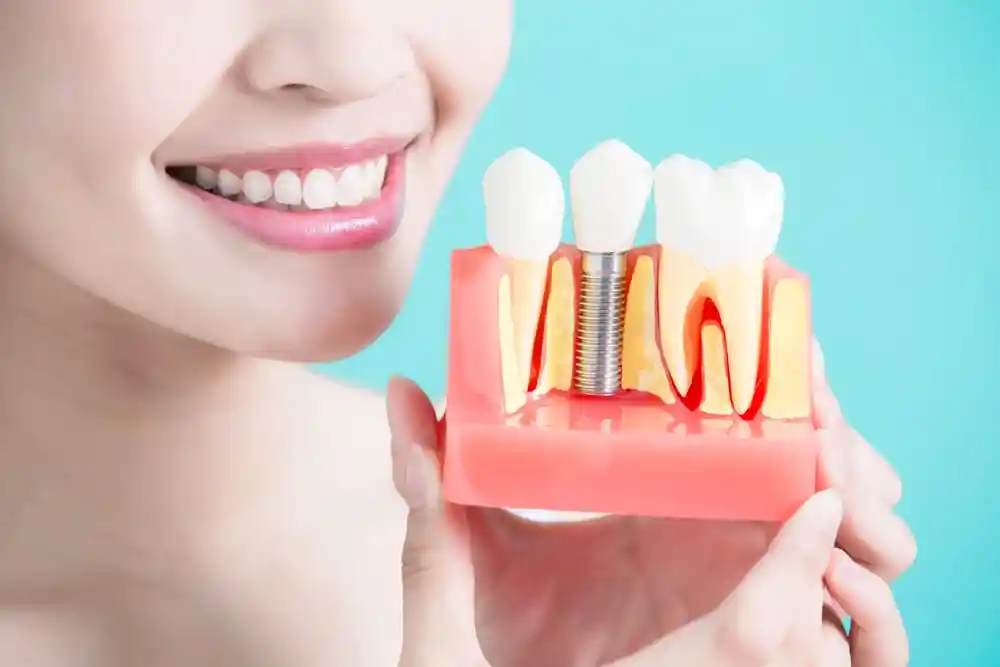
Advanced implant treatments encompass additional surgical techniques and special implantation protocols applied in cases where the jawbone into which the implant will be placed is insufficient in terms of quantity or quality, or where anatomical structures such as nerves and sinuses do not allow for standard implant positioning. While a screw is placed into the existing bone in a standard implant application, in advanced surgery, a “foundation on which an implant can be constructed” is created either beforehand or simultaneously, or maximum benefit is derived from the existing bone by using special angled implants. This discipline requires the multidisciplinary work of oral and maxillofacial surgery, prosthodontics, and radiology specializations.
Differences from Standard Implant Treatments
Standard implant treatment generally defines processes where there is sufficient bone volume, risk factors are minimized, and the implant is placed using simple surgical principles. However, advanced surgical techniques incorporate the principles of tissue engineering. While the process is shorter and more predictable in standard treatment, the treatment duration can be extended in advanced treatments due to bone formation (augmentation) processes, and the surgical precision is much higher. Advanced techniques are methods that turn cases deemed “impossible for implants” into “treatable” ones.
In Which Cases Are Advanced Implant Treatments Required?
These treatments are generally required in conditions where the jawbone has resorbed due to long-term toothlessness, bone loss has occurred due to traumatic tooth extractions or accidents, or advanced gum diseases (periodontitis) have resorbed the bone. Additionally, advanced surgical procedures are resorted to in cases where no bone height remains to place an implant as a result of the downward sagging of the sinus cavities in the upper jaw, or in cases where the nerve line (mandibular canal) in the lower jaw is very close to the bone crest.
Implant Solutions in Insufficient Bone Structure
For an implant to be long-lasting, its perimeter must be surrounded by healthy bone with a thickness of at least 1.5 – 2 mm. Insufficient bone structure threatens the stability and success of the implant. In these cases, reconstructive surgical procedures aimed at increasing bone volume are applied. These procedures target bone gain in the horizontal (width) or vertical (height) direction. Block bone grafts, particulate grafting, or bone splitting techniques are among the methods used for this purpose.
Implant Planning in Patients with Bone Loss
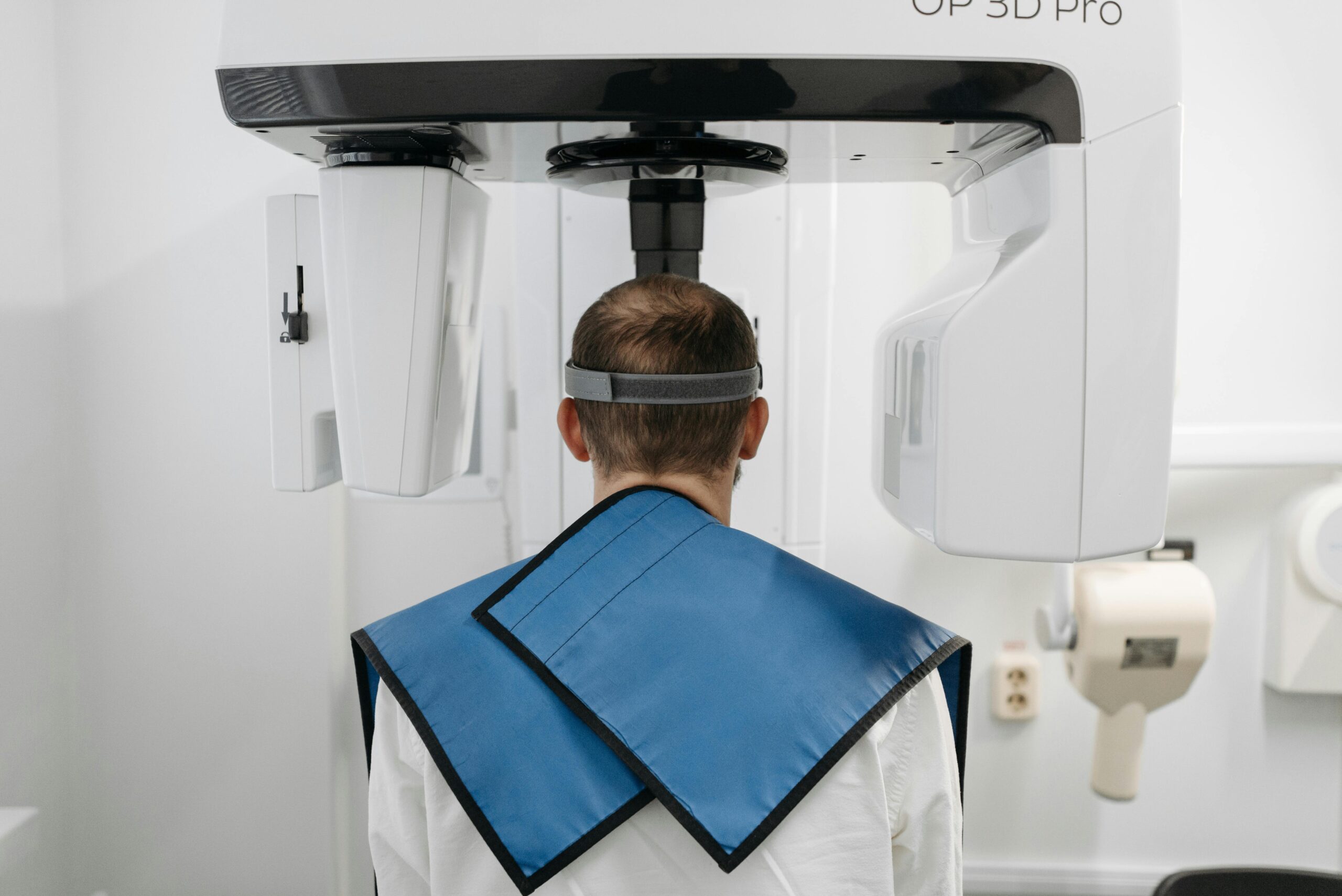
In patients with bone loss, planning is conducted not with standard X-rays, but through three-dimensional imaging methods (Tomography). The density (quality) and dimensions of the existing bone are measured milimetrically. During the planning stage, the densest regions of the bone are identified to determine the position and angle of the implants. In our clinic in Ankara, a staged treatment protocol (bone construction first, then the implant) or simultaneous protocols (bone powder and implant at the same time) are preferred depending on the degree of bone loss.
What is Sinus Lifting (Sinus Elevation)?
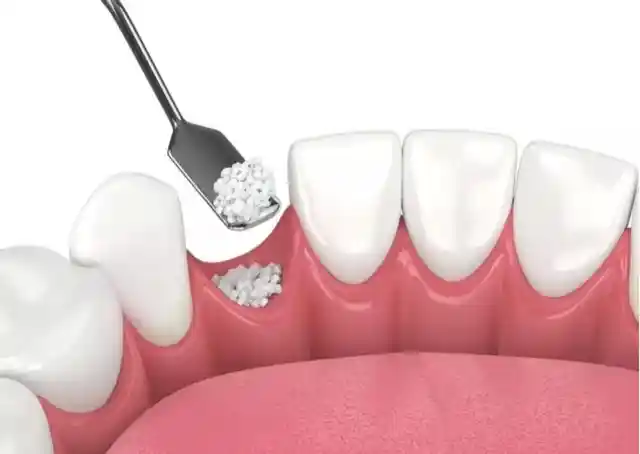
In the posterior region of the upper jaw, right above the molars, there are air cavities called the maxillary sinus. When teeth are lost, these cavities expand downwards (pneumatization) and the jawbone thins. Sinus lifting is the procedure of surgically elevating the floor of this air cavity and placing a bone graft (bone powder) into the created space to gain the vertical bone height necessary for the implant. It is one of the most frequently applied procedures of advanced implantology.
Open and Closed Sinus Lifting Techniques
The sinus elevation procedure is applied using two different techniques:
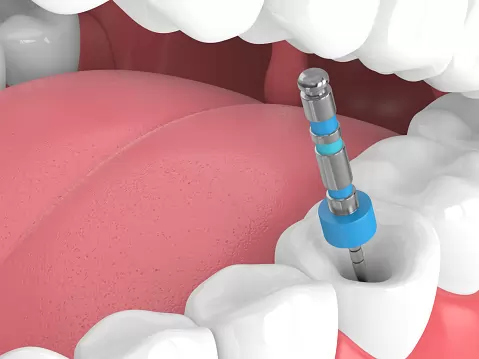
Closed Sinus Lifting: In cases where the bone height is 4-5 mm and above, it is the process of tapping the sinus floor upward with special instruments while opening the implant socket. It is less invasive and is generally performed simultaneously with the implant.
Open Sinus Lifting (Lateral Window): In cases where the bone height is very limited (1-4 mm), the gum is opened from the lateral side to create a window into the sinus. The sinus membrane is elevated, and the region is filled with an intensive bone graft. Usually, a 6-month ossification period is expected prior to implant placement.
Advanced Implant Applications with Bone Grafting
Bone grafting is commonly known among the public as “adding bone powder.” The grafts used can be harvested from the person’s own body (autogenous), human-derived (allogeneic), animal-derived (xenogeneic), or synthetic (alloplastic). In advanced implant surgery, in cases where the threads of the implant remain exposed or where extraction sockets are incompatible with the implant, grafting is performed to support the perimeter of the implant with biological materials.
What is Guided Bone Regeneration (GBR)?
Guided Bone Regeneration (GBR) is a technique in which barrier membranes are used to ensure bone formation. Gum tissue grows much faster than bone tissue. If a space is left open, the gum fills that space before bone can form. With the GBR technique, the area where bone powder is placed is covered with a special membrane (barrier) to prevent the entry of gum cells. Thus, the time and space required for the underlying graft material to transform into bone are provided.
Digital Planning in Advanced Implant Surgery
While the surgeon decides by seeing the bone structure during surgery in traditional methods, all surprises are eliminated prior to surgery in digital dentistry. The intraoral scan of the patient and the bone tomography are superimposed in a digital environment. In this way, prosthesis-driven implant planning is performed. That is, first the tooth to be fabricated is designed, and then the implant position that will best support this tooth is determined. This approach minimizes aesthetic and functional errors.
The Importance of Implant Planning with 3D Tomography
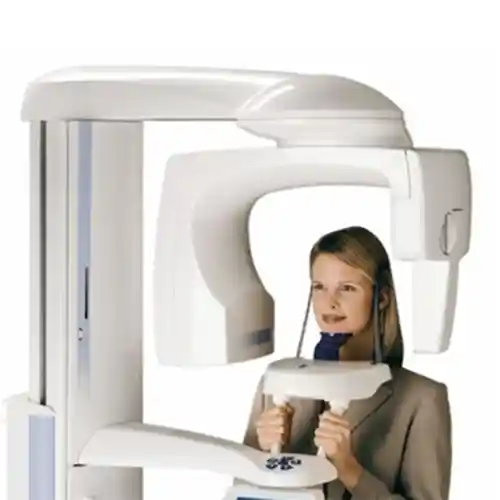
Two-dimensional panoramic X-rays do not show bone thickness (width). Knowing bone width is of vital importance in advanced cases. 3D Dental Tomography (CBCT) provides three-dimensional cross-sections of the jawbone, nerve canals, and sinus cavities. Thanks to this technology, measurements are performed with millimetric precision, the risk of nerve damage is eliminated, and the length/diameter of the implant is definitively determined prior to surgery. Tomography is a standard requirement in advanced surgical applications in Ankara.
Navigated (Guided) Implant Surgery
Navigated surgery is the transfer of digital planning into the mouth via a surgical guide. Customized guide templates manufactured with 3D printers ensure that the implant is placed precisely at the planned angle and depth. This method often allows implants to be placed using a closed method (flapless/sutureless) without the need to cut the gum (lifting a flap). The recovery process is much faster and more comfortable.
Same-Day Implant and Loading Applications
In this protocol, known as “Immediate Loading,” the goal is to fit temporary fixed teeth to the patient on the day of implant surgery or within the following hours. For this procedure to be performed, it is mandatory for the implant to anchor very tightly into the bone (high primary stability). It is generally applied in areas where bone quality is high, such as the anterior region of the lower jaw, or in full-arch rehabilitations (such as All-on-4). The patient does not leave the clinic toothless.
Implant Systems Used in Advanced Implant Treatments
The surface properties and designs of implants used in challenging cases may differ from standard implants. Special implants that have a more aggressive thread structure, a bone-anchoring surface enhanced by nanotechnology, and a neck region designed to prevent bone resorption (platform switching) are preferred. Additionally, very short implants (short implants) or very long implants (zygomatic implants) are also part of the advanced surgical inventory.
Advanced Implant Solutions in Multiple Tooth Deficiencies
In cases where more than one adjacent tooth is missing, instead of making an implant for each tooth, bridge prostheses are planned over a number of implants determined according to biomechanical principles. If there is bone insufficiency, implants can be placed not straight, but angled toward regions where bone is present. This strategy can protect the patient from additional operations by reducing the need for advanced surgery (grafting).
Advanced Implant Protocols in Full Toothlessness
In fully toothless mouths, advanced surgical protocols come into play when the patient does not wish to use removable dentures. If the bone volume is sufficient, fixed porcelains are fabricated over 6-8 implants for each jaw. However, if bone resorption is at an advanced level and grafting procedures are too risky or will take too long, angled implant concepts such as All-on-4 or All-on-6 are applied.
All-on-4 and All-on-6 Treatment Approaches
These techniques are a special concept for fully toothless patients where posterior implants are placed at an angle of 30-45 degrees to avoid the sinus or nerve anatomy in the posterior regions, while 2 straight implants are placed in the anterior region. A fixed temporary prosthesis is loaded on the same day over a total of 4 or 6 implants. The greatest advantage of this system is that fixed teeth can be fabricated without the need for advanced bone surgeries (sinus lift, bone addition). Biomechanically, the load distribution is perfect.
Comparison of Implant Treatment Methods
| Feature | Standard Implant | All-on-4 Technique | Sinus Lifting + Implant |
|---|---|---|---|
| Number of Implants | According to the number of missing teeth | 4 units per jaw | Variable |
| Bone Requirement | Vertical/Horizontal must be sufficient | Sufficient in the anterior region is enough | Applied in insufficient vertical bone |
| Treatment Duration | 3-6 Months | Same-day temporary tooth | 6-9 Months (Including ossification) |
| Surgical Scope | Minimal | Medium/Advanced | Advanced |
Anesthesia Options in Advanced Implant Treatments
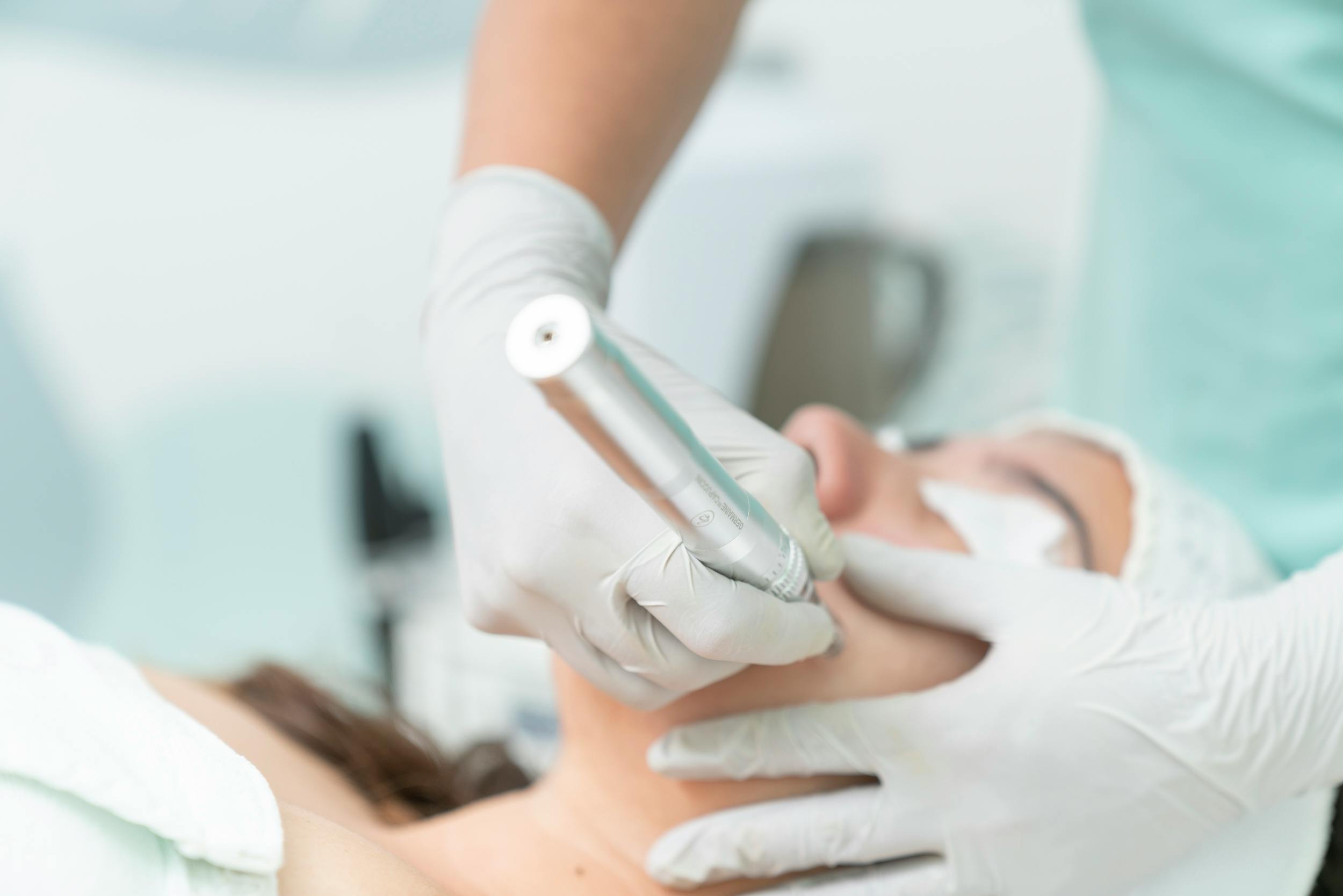
Advanced surgical procedures can generally be performed safely and painlessly under local anesthesia. However, options of sedation or general anesthesia are evaluated in cases where the procedure duration will be long, the patient has a dental phobia, or the gag reflex is intense. Sedation performed accompanied by an anesthesiologist in fully equipped clinics in Ankara ensures that the patient does not remember the procedure and experiences a comfortable process.
Surgical Process and Treatment Stages
- Consultation and Planning: Tomography analysis and digital planning.
- Surgical Preparation: Ensuring oral hygiene and premedication.
- Operation: Bone augmentation, sinus lifting, and implant placement.
- Healing Period: Osseointegration (fusion of the bone with the implant) process (3-6 months).
- Gum Shaping: Fitting of healing abutments.
- Prosthesis Stage: Impression taking and fitting of teeth.
Recovery Process After Advanced Implant Treatments
Since tissue manipulation is extensive in advanced surgeries, it is normal to experience post-operative edema (swelling) and mild bruising compared to standard implants. Applying cold for the first 72 hours reduces edema. Regular use of antibiotics and painkillers prescribed by the physician prevents the risk of infection and keeps pain under control. Sutures are generally removed after 7-10 days. In cases where bone addition is performed, the waiting period for prosthesis fabrication is longer compared to standard cases.
Factors Affecting Success in Advanced Implant Treatments
Success depends on the experience of the physician, the quality of the material used, and the healing potential of the patient. Full compliance with sterilization conditions, the correct surgical technique, and precise planning form the basis of success. The most important task falling upon the patient is to keep oral hygiene excellent and avoid smoking. Smoking directly impairs vascularization, preventing the nourishment of bone grafts and increasing the risk of failure.
Management of Possible Risks and Complications
As in any surgical procedure, risks such as infection, bleeding, and opening of the wound site are present. Specific to advanced surgeries, tearing of the sinus membrane, infection of the graft, or nerve sensitivity (paresthesia) can be observed. However, these risks are minimized through detailed tomographic analysis and competent surgical hands. In case of a complication, problems can usually be resolved through early intervention.
For Whom Are Advanced Implant Treatments Not Suitable?
Advanced implant surgeries may be risky for patients with uncontrolled diabetes, individuals who have recently undergone radiotherapy to the head and neck region, users of intravenous bisphosphonates (osteoporosis medication), those with severe bleeding disorders, and patients undergoing active chemotherapy. In these situations, a decision is made by conducting a consultation with the patient’s medical doctor.
Frequently Asked Questions About Advanced Implant Treatments
1. Is the bone powder (graft) addition procedure painful?
Since the procedure is performed under anesthesia, no pain is felt. The pain occurring afterwards is manageable with painkillers.
2. Does the body reject the implant or bone powder?
Titanium implants and biocompatible graft materials are tissue-friendly. Tissue rejection (as in organ transplantation) is out of the question; however, if an infection develops, healing may be impaired.
3. What should I consider after sinus lifting?
It is necessary to avoid actions that will create pressure (blowing the nose forcefully, drinking through a straw, holding back a sneeze).
4. Will I be left toothless in All-on-4 treatment?
No, the purpose of this technique is to fit temporary fixed teeth to the patient on the day of the operation.
Long-Lasting and Functional Implant Treatment Approaches
Advanced implant treatments are a powerful discipline in dentistry that offers functional and aesthetic solutions to cases deemed hopeless. Thanks to correct diagnosis, use of advanced technology, and planning conducted with an expert staff, even serious bone losses can be compensated for, allowing patients to regain their healthy teeth. Panorama Ankara continues to raise public awareness regarding these advanced surgical processes in Ankara and guide them under the light of scientific data.