

What are expansion and snoring appliances?
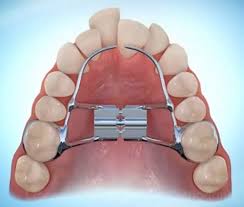
Expansion and snoring appliances are biomechanical devices frequently resorted to in dentistry to correct skeletal constrictions in the craniofacial structure and to alleviate obstructions in the respiratory tract. Jaw expansion appliances increase bone volume by stimulating the palatal sutures (jaw suture lines), whereas snoring appliances (mandibular advancement devices) prevent the tongue and soft tissues from obstructing the airway by holding the lower jaw in a specific anterior position during sleep. Both groups of appliances are produced in a laboratory environment using computer-aided design (CAD/CAM) or traditional acrylic casting methods, in accordance with the patient’s anatomical structure.
- Mechanical Expansion: Creates space by applying controlled force to the bone tissue and dental arch.
- Airway Stabilization: Protects oxygen saturation by preventing collapses in the pharynx region.
- Biocompatible Materials: Contain medical-grade acrylic and stainless steel components that do not harm oral flora.
| Appliance Type | Primary Medical Goal | Main Mechanism |
|---|---|---|
| Expansion Appliance | Resolve maxillary/mandibular constriction | Openable screw system (Hyrax/screw) |
| Snoring Appliance | Prevent sleep apnea and snoring | Mandibular advancement (advancing the lower jaw) |
In which situations are expansion appliances used?
Expansion appliances are indicated in skeletal or dental anomalies where the upper jaw (maxilla) is narrow in the transverse direction relative to the lower jaw, and consequently, teeth cannot be aligned correctly along the arch. The use of these appliances is mandatory in posterior crossbite cases where posterior teeth are in reverse closure, in severe crowding cases where there is insufficient space for permanent teeth to erupt, and in patients who turn to mouth breathing due to difficulty in nasal respiration resulting from jaw constriction. This intervention performed at an early age eliminates surgical options that might be needed in the future.
- Posterior Crossbite: The condition where posterior teeth meet in the wrong position.
- Severe Dental Crowding: Millimetric space deficiency in the bone for permanent teeth to erupt.
- Mouth Breathing Syndrome: The situation where a narrow upper jaw vault restricts the nasal passage.
| Clinical Indication | Reason for Application | Expected Outcome |
|---|---|---|
| Maxillary Constriction | Skeletal incompatibility | Expansion of the upper jaw arch |
| Impacted Tooth Risk | Space deficiency | Opening eruption space for permanent teeth |
How do snoring appliances work?
The working principle of snoring appliances relies on mechanically stabilizing the pharyngeal surrounding tissues that relax during sleep and the tongue base that sags backward. The device has a two-piece integrated design that seats onto the lower and upper teeth, and it positions the lower jaw (mandibula) further forward and downward by several millimeters relative to its normal closure position. Thanks to this anterior displacement, the airway (oropharyngeal passage) in the upper part of the windpipe is stretched and widened, the speed of airflow decreases, and soft tissue vibrations causing snoring and tissue collapses leading to sleep apnea are completely prevented.
- Mandibular Advancement: Increases the tongue-base distance by taking the lower jaw forward.
- Tissue Tension: Reduces relaxation in the soft palate and pharyngeal wall by making them taut.
- Patent Airway: Guarantees uninterrupted oxygen intake throughout sleep.
| Position | Condition of Intraoral Tissues | Airway Patency |
|---|---|---|
| Sleep Without Appliance | Tongue base posterior, tissues loose and sagging | Obstructed or Narrow (Snoring/Apnea) |
| Sleep With Appliance | Lower jaw anterior, tissues taut and stable | Fully Open (Comfortable Respiration) |
Who is suitable for expansion and snoring appliances?
Suitability criteria for these appliances are evaluated in two different categories depending on the patient’s complaint and biological age. Expansion appliances are the most suitable solution at the skeletal level for children and individuals in the adolescent period whose growth and development potential continues and whose palatal sutures have not yet closed. Snoring appliances, on the other hand, are ideal for adult patients who have snoring complaints due to obesity or anatomical structure, have been diagnosed with mild to moderate Obstructive Sleep Apnea (OSA), and cannot tolerate CPAP (air machine with mask) devices.
- Children in Growth Period: Patients whose jawbone growth will be guided.
- Mild/Moderate Apnea Patients: Adult individuals not wishing for surgical intervention.
- Those Experiencing CPAP Incompatibility: Those unable to use positive airway pressure masks.
| Patient Profile | Suitable Appliance | Basic Suitability Condition |
|---|---|---|
| Children Aged 7-14 | Jaw Expansion Appliance | Active growth development period |
| Adults Over 18 | Snoring Appliance | Sufficient number of sound tooth supports |
How is an expansion appliance applied?
Clinical application of jaw expansion appliances involves fixation protocols determined by whether the device is fixed or removable. Fixed appliances (e.g., Hyrax appliance) are mounted firmly onto the molars with the help of specialized dental cements (adhesives) and cannot be removed by the patient. Removable appliances consist of acrylic plates with clasps that can be inserted and removed by the patient themselves. In the application session, the physician ensures the appliance does not exert pressure on soft tissues and demonstrates to the patient or their parent how to rotate the screw in the middle (activation mechanism) using a specialized key.
- Clinical Fit and Cementation: Chemical bonding and fixation of fixed models to teeth.
- Activation Training: Rotating the screws at intervals specified by the physician (daily/weekly).
- Pressure Control: Checking for ischemia (whitening) or ulceration on the gums.
| Application Type | Physician Intervention | Patient Responsibility |
|---|---|---|
| Fixed Expansion | Bonding and fixation to teeth | Rotating the screw on specified days |
| Removable Expansion | Fit control and clasp adjustment | Wearing at least 20 hours daily and rotating |
In which situations are snoring appliances preferred?
Snoring appliances are preferred as one of the primary non-surgical initial-step treatments in social snoring cases that degrade the patient’s life quality and in sleep apnea syndromes posing medical risks. They are a priority alternative for individuals with an active lifestyle who do not wish to travel with large and noisy CPAP devices, for those wanting to suppress snoring during weight-loss processes, and for patients avoiding the risks of throat/tongue-base surgeries. Furthermore, its clinical success has been verified in individuals with upper airway resistance syndrome who wake up tired in the mornings.
- Social Discomfort Situations: Severe snoring leading to sleep fragmentation between spouses.
- Surgical Contraindications: Apnea patients for whom receiving general anesthesia is risky.
- CPAP Refusal: Those refusing the machine due to mask claustrophobia or noise.
| Clinical Situation | Reason for Preference | Success Rate |
|---|---|---|
| Simple Snoring | Blocking tissue vibration | 90% and above |
| Mild/Moderate OSA | Preventing oxygen drop | Between 75% – 85% |
How do expansion appliances contribute to orthodontic treatment?
Expansion appliances are the tools that realize the space-gaining process, forming the foundation of comprehensive orthodontic treatments (wire or clear aligner treatments), in the most natural and biomechanical way. By expanding the jawbone in the transverse plane, they provide the millimetric gaps (arch length excess) needed for teeth to align properly on the dental arch. This significantly reduces the need for extraction of sound permanent teeth, which is frequently resorted to in orthodontics, and protects the health of the periodontium (gum and bone tissue) by preventing teeth from moving outside the bone (dehiscence/fenestration).
- Preventing Tooth Extraction: Eliminates the risk of extracting sound teeth due to space deficiency.
- Enhancing Smile Aesthetics: Fills buccal corridors (dark spaces remaining at the corners of the mouth while smiling).
- Shortening Treatment Duration: Ensures the second-stage dental brace treatment yields faster results.
| Contribution Area | Orthodontic Effect Mechanism | Long-Term Advantage |
|---|---|---|
| Space Acquisition | Increasing bone volume in the transverse direction | Possibility of non-extraction fixed orthodontics |
| Closure Balance | Width harmony of lower and upper dental arches | Stable, non-relapsing treatment outcome |
How are expansion appliances used in jaw constriction?
The operation of appliances used in jaw constriction treatment is strictly dependent on a precise activation and retention (protection) calendar determined by the physician. The patient or parent inserts a specialized key into the screw located at the center of the appliance and performs millimetric rotations in the direction of the arrow; this operation is planned to be once or twice daily (approximately 0.25 mm expansion). Once the active expansion phase is complete, the appliance is locked with composite filling material so the opened screw does not turn back and is kept passively in the mouth for months for new bone tissue to mature.
- Regular Screw Rotation: Activation performed without omission at hours specified by the physician.
- Passive Waiting Period: Keeping the appliance in the mouth after expansion finishes to ensure completion of ossification.
- Strict Hygiene Follow-up: Cleaning after every meal to prevent plaque accumulation in screw gaps.
| Treatment Phase | Procedure Performed | Average Duration |
|---|---|---|
| Active Phase | Regular daily rotation of the screw | 2 – 4 Weeks |
| Passive Phase (Retention) | Waiting for bone hardening by keeping the appliance fixed | 3 – 6 Months |
How do snoring appliances support the relationship between the lower and upper jaw?
Snoring appliances are dynamic orthopedic devices that temporarily re-regulate the sagittal and vertical relationships between the lower jaw (mandibula) and upper jaw (maxilla). They lock the lower jaw, which escapes backward due to the effect of gravity and muscle relaxation during sleep, into a predetermined safe anterior boundary. This positioning, while keeping the temporomandibular joint (jaw joint) disc in a protective location, stabilizes the resting length of masticatory muscles and prevents airway constrictions resulting from the lower jaw being positioned posteriorly by establishing a functional balance between the jaws.
- Sagittal Stabilization: Physically blocks the posterior displacement of the lower jaw.
- Reduction of Joint Load: Optimizes the position of the condyle in the joint space to alleviate pressure.
- Preservation of Muscle Tone: Prevents excessive relaxation of masticatory muscles throughout sleep.
| Parameter | Normal Sleep Position | Sleep Position with Appliance |
|---|---|---|
| Lower Jaw Position | Posterior (Backward and sagging) | Anterior (Forward and controlled) |
| Distance Between Jaws | Uncontrolled constriction/closure | Physiological increase in vertical dimension |
How is the evaluation conducted before expansion and snoring appliances?
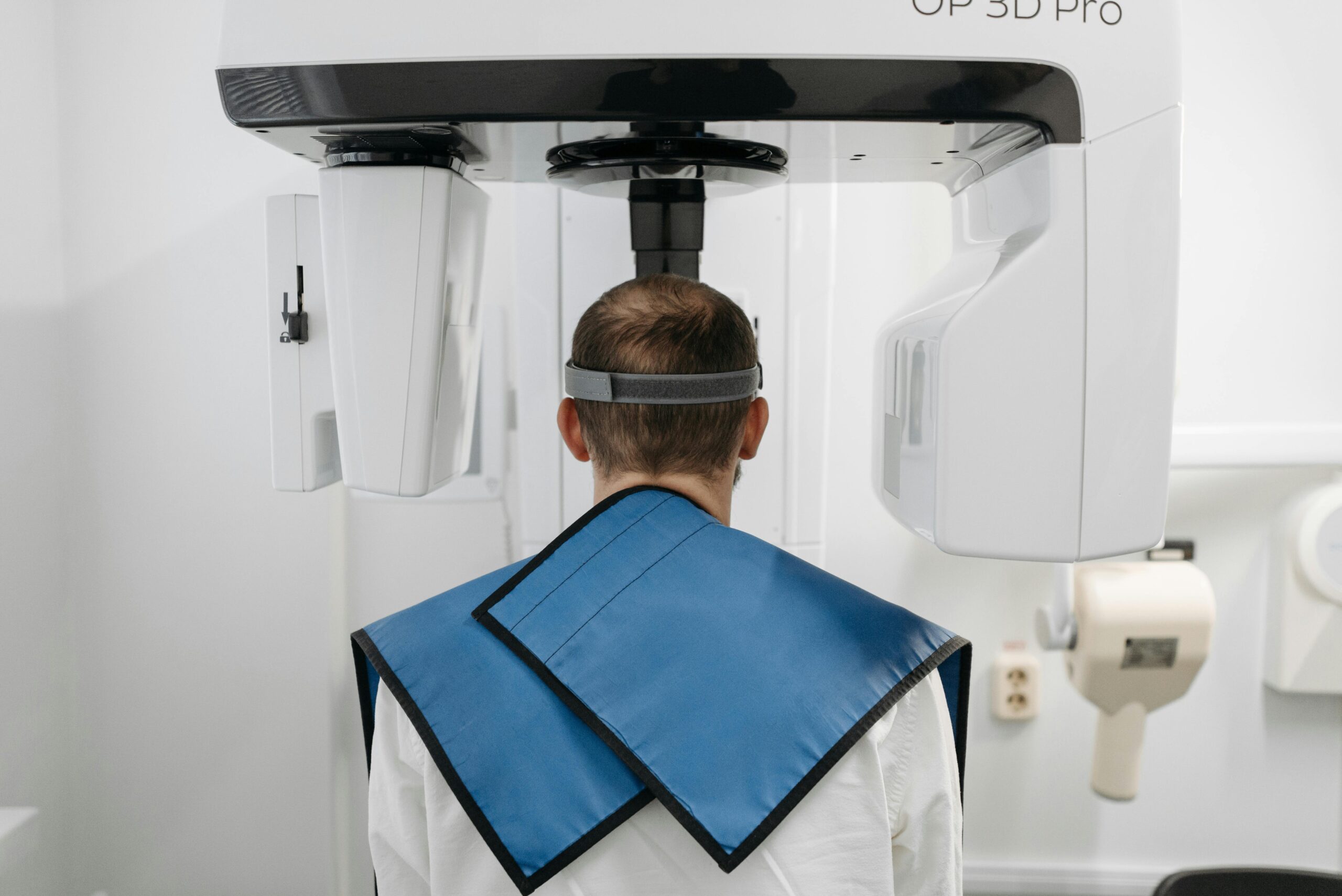
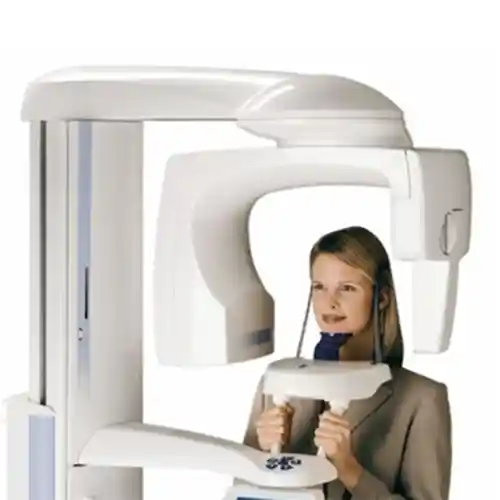
Before proceeding to appliance design and treatment decisions, the patient’s craniofacial and systemic status is analyzed meticulously with a multidisciplinary approach. In the clinical examination, the periodontal health of teeth, presence of decay, and range of motion of the jaw joint (TMJ) are examined in detail. In radiological evaluation, root structures are analyzed via panoramic X-rays and skeletal jaw relationships via cephalometric X-rays; additionally, a polysomnography (sleep test) report from a full-fledged hospital is mandatorily requested from snoring and apnea patients to verify the apnea index (AHI) score.
- Clinical TMJ Examination: Detecting the presence of clicking, pain, or restriction in the jaw joint.
- Polysomnography Analysis: Objective detection of the severity of sleep apnea (mild, moderate, severe).
- Cephalometric Arch Analysis: Millimetric measurement of the expansion potential of the jawbone.
| Evaluation Step | Criterion Examined | Effect on Treatment |
|---|---|---|
| Radiological Analysis | Bone density and root health | Selection of appliance anchorage type |
| Sleep Test (PSG) | Apnea-Hypopnea Index (AHI) | Approval for suitability to snoring appliance |
How are impressions taken for expansion and snoring appliances?
The impression taking stage must be executed errorlessly so that the appliances provide micron-level adaptation to intraoral tissues and do not disturb the patient. In today’s modern dentistry, three-dimensional (3D) digital intraoral scanners have largely replaced traditional alginate or silicone impression materials that can trigger a gag reflex. These specialized optical camera scanners transfer the precise topographical map of teeth and gums to the computer within seconds; for snoring appliances, specialized bite waxes (centric relation records) that fix the ideal treatment position where the patient advances the lower jaw are additionally recorded digitally.
- 3D Digital Scanning: Extracting a high-resolution virtual model of intraoral structures.
- Bite Registration: Registering the spatial relationship of the upper and lower jaws into the system.
- Prototype Verification: Error-free transfer of digital data to the laboratory.
| Impression Method | Gag Reflex Risk | Level of Precision and Detail |
|---|---|---|
| Traditional Putty Impression | High | Standard (Open to error margin) |
| 3D Intraoral Scanning | None / Very Low | Maximum (Micron-level precise) |
How are expansion and snoring appliances prepared custom-made?
The production process starting after impression taking is an industrial design workflow shaped entirely according to custom anatomical rules. In the digital laboratory, using CAD softwares, the axis where the screw will be placed according to the patient’s jaw constriction amount or the mandibular advancement degree (titration amount) of the snoring patient is simulated virtually. The designed modeling is produced from biocompatible medical acrylic blocks using 3D printers or precision milling machines; subsequently, it is subjected to finishing and polishing processes after metal clasps, screws, or titration arms are added.
- CAD/CAM Modeling: Drawing the boundaries and thickness of the appliance on the computer screen.
- Biocompatible Curing: Curing processes that eliminate allergy risks for resin or acrylic materials.
- Mechanical Integration: Embedding stainless steel titration screws into the appliance body.
| Production Stage | Technology Used | Quality Control Criterion |
|---|---|---|
| Virtual Design | Dental CAD Softwares | Perfect fit to gingival boundaries |
| Physical Production | 3D Laser Sintering / 3D Printer | Achieving a non-porous, smooth surface |
How should expansion and snoring appliances be used?
To obtain maximum therapeutic efficacy from the appliances, strict adherence to usage instructions is mandatory. Fixed expansion appliances remain in the mouth continuously, while removable expansion appliances should be removed only while eating and should be worn actively for at least 20-22 hours daily. Snoring appliances, on the other hand, are fitted over clean teeth only during the sleep transition stage and removed from the mouth as soon as waking up in the morning; both device groups should be manipulated with balanced force by holding the body, without applying pressure to metal wires or delicate joint mechanisms while inserting and removing them.
- Correct Insertion Technique: Pressing with fingers until ensuring the appliance seats fully over the teeth (it must never be seated by biting).
- Meal Management: Storing removable expansion plates in their cases during meals.
- Night Routine: Mandatory continuous use of the snoring appliance throughout sleep.
| Appliance Class | Daily Usage Duration | Status During Meals |
|---|---|---|
| Jaw Expansion (Removable) | 20 – 22 Hours (All day) | Must be removed from mouth |
| Snoring Appliance | 7 – 8 Hours (Only throughout sleep) | Not used (No eating) |
How long should expansion and snoring appliances be used?
Total usage durations of these medical devices vary according to the nature of the targeted tissue change. In jaw expansion appliances, the active expansion period is generally completed in a short duration such as 2 to 4 weeks; however, for new bone formation to occur in the opened suture line (consolidation), the appliance must remain passively in the mouth for at least 3 to 6 months. Snoring appliances, since they provide symptomatic treatment rather than structural or surgical correction, must be used regularly every night for many years as long as sleep apnea and snoring problems continue.
- Short-Term Active Treatment: The first few weeks of the period when the expansion screw is rotated.
- Medium-Term Protection: Months required for the stabilization of the expanded jawbone.
- Long-Term/Lifelong Management: Constant use of the snoring appliance for chronic symptom control.
| Appliance Model | Active Application Duration | Total Clinical Follow-up Duration |
|---|---|---|
| Maxillary Expander | 1 Month | 6 Months (including bone maturation) |
| Mandibular Advancer | Indefinite (Continuous) | Lifelong with routine annual physician controls |
What is the acclimation process like for expansion and snoring appliances?
An immediate adaptation reaction by the neuromuscular system and salivary glands upon the entry of a foreign object into the mouth is a completely physiological situation. An increase in saliva secretion, slight irritations on the tongue and inner cheeks, lisping during speech, or difficulty in fully pronouncing some letters (s, t, z) occurring between the first 3 to 7 days are accepted as normal reflex responses. In snoring appliances, additionally, tension in chewing muscles and slight sensitivity in lower teeth may be felt the first time you wake up in the morning; all these symptoms completely disappear within 1-2 weeks as the masticatory system adopts the appliance.
- Speech Exercises: Correcting phonetics by reading books aloud during the first days.
- Temporary Muscle Sensitivity: Mild jaw fatigue lasting 10-15 minutes in the mornings following a snoring appliance.
- Tissue Adaptation: The mucosa gaining resistance against acrylic surfaces over time.
| Process Phase | Visible Symptoms | Recommended Behavioral Manner |
|---|---|---|
| First 48 Hours | Excessive salivation, difficulty speaking, tension | Continue wearing the appliance with determination |
| After 1 Week | 80% reduction in symptoms, comfortable speech | Sticking to routine cleaning and usage |
How should the cleaning of expansion and snoring appliances be performed?
Cleaning of appliances is a critical maintenance routine that must be applied with discipline every day, both to extend the life of the device and to prevent fungal (candida) infections or bacterial plaque development inside the mouth. Immediately after removing the appliance from the mouth, it should be cleaned by foaming it under warm or cold running water with the help of a soft-bristled brush and liquid soap. Since microscopic abrasive particles contained within toothpastes can scratch acrylic surfaces and facilitate bacterial attachment, toothpaste should not be used in cleaning; specialized protective cleaning tablets/crystals sold in pharmacies should be dissolved in water and the appliances should be soaked in this solution for 15 minutes once or twice a week.
- Non-Abrasive Agents: Preferring granule-free liquid soaps or foams for cleaning.
- Heat Protection Factor: Avoiding hot water to prevent the acrylic body from melting or warping.
- Drying and Storage: Drying the cleaned appliance and storing it in its case to prevent moisture retention and odor formation.
| Cleaning Material | Usage Suitability | Potential Side Effect |
|---|---|---|
| Liquid Hand Soap + Cold Water | Every day (Ideal) | None (Safe cleaning) |
| Standard Toothpaste | Not recommended | Micro-scratches and dulling on the surface |
| Boiling/Boiled Water | Strictly Forbidden | Permanent distortion (deformity) of the appliance |
What should be considered while using expansion and snoring appliances?
There are fundamental safety rules that appliance users must pay attention to in their daily lives to prevent mechanical failures and tissue injuries. Removable appliances should strictly never be wrapped in napkins when not in the mouth; they must be kept in hard, protective plastic boxes where there is no risk of breakage and pets cannot reach. During jaw expansion, the physician’s screw rotation schedule should not be exceeded; no extra rotations should be performed. Adults using snoring appliances, when feeling severe, persistent pain radiating to the front of the ear in their jaw joints, must stop using the device and apply to their physician immediately.
- Case Usage Habit: The rule of not wrapping in napkins in restaurants/cafes where 90% of losses occur.
- Activation Discipline: Firmly rotating the expansion screw only in one direction without reversing.
- Routine Tooth Brushing: The risk of decay speed increasing 3-fold when appliances are worn over dirty teeth.
| Faulty Behavior | Potential Problem | Correct Approach |
|---|---|---|
| Bending the loosening wire manually | Appliance not seating and applying incorrect force to the tooth | Adjustment by the physician in the clinic |
| Chewing gum while wearing the appliance | Breaking/soiling the acrylic body | Removing the appliance before gum or hard foods |
What are the advantages of expansion and snoring appliances?
The greatest advantage of these functional appliances is that they offer highly effective results without requiring invasive (surgical), heavy, and costly operations. Jaw expansion procedures eliminate future skeletal asymmetries and the need for orthognathic surgery in children at an early stage. Snoring appliances provide a completely reversible, side-effect-free, and economical comfort compared to soft palate surgeries harboring general anesthesia risks; furthermore, patient compliance is much higher because they do not carry the claustrophobia, facial pressure, and noise factors created by CPAP masks.
- Non-Surgical Solution: Tissue/position modification without scalpels, sutures, or pain.
- Portability and Lightweight: Advantage of easy use, especially during travel, without searching for an electrical source.
- Rapid Symptom Control: Success in reducing snoring noise and breathing interruptions from the very first night.
| Treatment Method | Invasiveness Level | Patient Comfort Scoring |
|---|---|---|
| Surgical Intervention | High (Invasive) | Low (Demanding recovery period) |
| Intraoral Appliance | None (Non-invasive) | High (Short-term adaptation) |
In which age groups can expansion and snoring appliances be used?
Biological action mechanisms of appliances are separated by definite boundaries according to age groups. The ideal chronological age range for jaw expansion appliances is between 7 and 13 years; because the suture line in the middle of the palate (sutura palatina mediana) has not yet fully ossified during this period and allows for easy separation with mechanical forces, enabling new bone cells to precipitate into the gap. Snoring appliances, since they do not target skeletal growth but only perform soft tissue positioning, can be safely applied to all adult individuals aged 18 and over who have completed permanent tooth eruption and possess sufficient dental anchorage.
- Pedodontic Period (7-12 Years): The golden standard time frame for skeletal jaw expansion.
- Adolescent Period (13-16 Years): The borderline period for hybrid or semi-fixed expansion systems.
- Adult Period (18 Years and Over): The application field only for functional snoring and sleep apnea appliances.
| Age Range | Bone Structure Status | Applicable Appliance Option |
|---|---|---|
| Child (7 – 12 Years) | Flexible sutures, active growth | Removable/Fixed Jaw Expanders |
| Adult (18+ Years) | Fused bones, stable anatomy | Mandibular Advancement Snoring Appliances |
What are the frequently asked questions about expansion and snoring appliances?
Does the child feel a lot of pain while the jaw expansion screw is rotated?
When the screw is first rotated, a slight sensation of pressure and tickling forms in the upper jaw, nasal base, and front teeth. This is not a pain, but a cellular response of the bone to the force, and it completely passes within approximately 5-10 minutes.
Do snoring appliances completely cure sleep apnea?
A snoring appliance does not surgically eliminate sleep apnea; however, it mechanically prevents obstruction by taking the lower jaw forward on nights it is worn. As long as the device is used, apnea and snoring symptoms are suppressed successfully.
Why do front teeth space out when the expansion appliance is fitted?
When the upper jawbone is expanded successfully toward the middle, a temporary gap termed “diastema” forms between the two middle front teeth. This is proof that the treatment is progressing correctly; after activation finishes, the fibers in the gingiva will bring the teeth side by side again within a few weeks.
Can prosthesis (false teeth) users wear a snoring appliance?
The snoring appliance requires a specific number of sound and rooted natural teeth to remain in the mouth. In situations of complete edentulism or in patients using very flexible complete dentures, specialized implant-supported solutions are required as the appliance cannot remain stable.
Who We Are? Panorama Ankara Oral and Dental Health Polyclinic
As Panorama Ankara, we offer high-standard healthcare services in the fields of craniofacial growth guidance, jaw orthopedics, and sleep dentistry by combining innovative dental technologies and an expert physician staff under a single roof. In our fully equipped clinic in Ankara, we analyze the jaw constriction problems of our pediatric patients with the comfort of 3D intraoral scanners and apply precision expansion appliances prepared in our laboratory with a fully digital workflow. At the same time, we meticulously evaluate the polysomnography data of our adult patients with snoring and sleep apnea complaints, design custom mandibular advancement devices that will increase their sleep quality and general health parameters, and aim for our patients to start the day with vigor and a healthy smile.
- Regional Leadership: Integration of digital dental design and sleep dentistry in Ankara.
- Multidisciplinary Approach: Joint case analysis by orthodontics, pediatric dentistry, and maxillofacial surgery specialists.
- Advanced Technology Laboratory: Biocompatible CAD/CAM appliance production providing micron-level adaptation.
| Clinic Name | Service Focus Area | Technological Infrastructure Applied |
|---|---|---|
| Panorama Ankara Oral and Dental Health | Jaw Expansion & Sleep Apnea/Snoring Treatments | 3D Intraoral Scanners, Digitally Titrated CAD Design Systems |