

1. What is Incognito (Lingual Orthodontics)?
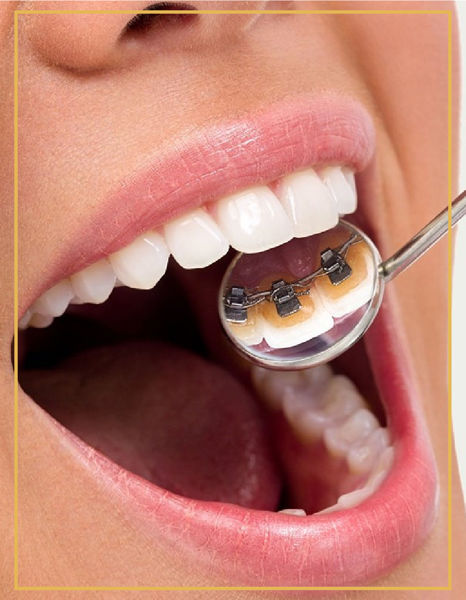
Incognito lingual orthodontics is a fixed orthodontic treatment system applied to the inner (lingual) part of the tooth surface, which is not visible, unlike traditional dental brace treatments. The most distinguishing feature of this system is that it is manufactured from scratch in specialized laboratories in Germany using computer-aided design and manufacturing (CAD/CAM) technology, entirely in accordance with the patient’s dental anatomy. Unlike standard lingual brackets, Incognito is manufactured from a gold-based alloy; this increases biomechanical harmony while minimizing the risk of metal allergy. Since it is positioned behind the teeth, this method, which remains completely invisible from the outside throughout the treatment, provides both clinically highly precise results and completely eliminates the patient’s aesthetic concerns.
2. How is Incognito Lingual Orthodontics Applied?
The clinical application of the Incognito system is performed through advanced technological steps and a specialized technique called “indirect bonding.” Rather than being bonded one by one onto the teeth, the brackets, which are manufactured custom-made for the patient in the laboratory, reach the clinic arranged inside a specialized clear transfer tray (tray) prepared according to the patient’s dental model. After the physician cleans and smooths the inner surfaces of the teeth, applies specialized adhesive agents, and seats this clear transfer tray onto the patient’s teeth, all brackets are bonded simultaneously in the millimetrically correct position. Subsequently, smart arch wires, which have again been custom-bent for the patient by computer-controlled robots, are placed into the bracket slots to activate the system.
3. Who is Suitable for Incognito Treatment?
This treatment method is suitable for all individuals who require orthodontic intervention but strictly do not wish it to be known from the outside that they are using dental braces due to social, professional, or personal reasons. It is frequently preferred by executives who are constantly in the spotlight in business life, on-screen professionals, stage artists, models, public relations experts, and adult patients. It offers a fixed and invisible alternative for those who think they cannot comply with the discipline of “wearing for 22 hours a day and constantly removing to clean” required by clear aligner treatment, yet also do not wish to compromise on aesthetics. It can be safely applied to every individual possessing healthy tooth and gum tissues whose jawbone development is completed or ongoing.
4. In Which Dental Problems is Lingual Orthodontics Preferred?
Lingual orthodontics can be successfully preferred not only in simple aesthetic alignments but in all complex orthodontic cases that can be treated by traditional externally applied braces. The high mechanical power of the system, designed custom-made for the individual, allows complex tooth movements to be managed in a controlled manner. The primary indications where this treatment is particularly preferred and its clinical success is high are as follows:
- Severe Dental Crowding: Situations where teeth overlap or rotate due to insufficient space in the jaw arch.
- Diastema (Spaced Teeth): Presence of gaps between teeth that create functional and aesthetic problems.
- Bite Disorders (Malocclusion): Halted contact of lower and upper jaw teeth such as deep bite, open bite, and crossbite.
- Eruption of Impacted Teeth: The process of pulling teeth such as canines that remain inside the jawbone in a vertical direction to include them in the alignment.
5. How is the Dental Evaluation Conducted Before Incognito Treatment?
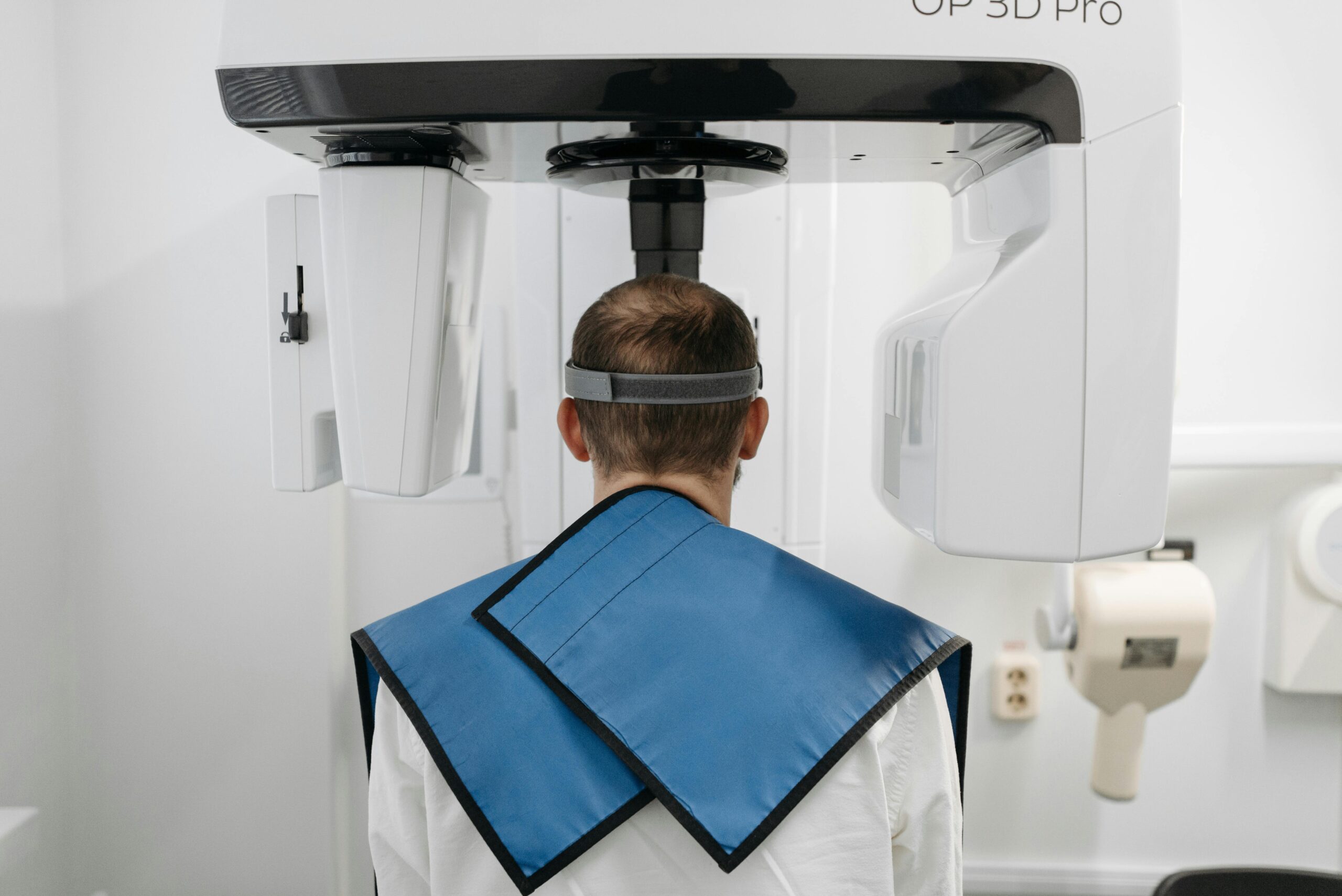
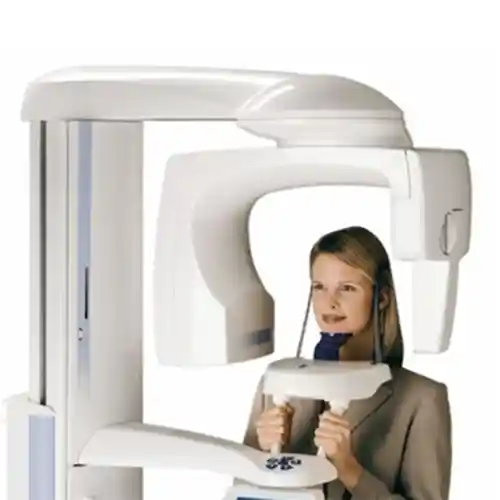
The clinical and radiological pre-evaluation process based on the zero-error principle is the most vital step determining the success of the treatment. In the first examination, the orthodontist inspects the patient’s overall oral hygiene, gingival health, and the morphology of the inner surfaces of the teeth; because treatment cannot be initiated while active periodontal disease or uncleared dental calculus is present. Subsequently, panoramic and cephalometric X-ray films are taken to examine the patient’s jaw and root structure, and facial and intraoral profile photographs are recorded. The most critical step at this stage is obtaining three-dimensional digital models by scanning the teeth with micron-level precision; because all gold brackets to be produced will be shaped over these digital data.
6. How is the Incognito Lingual Orthodontic Treatment Process Planned?
Treatment planning begins with transferring three-dimensional digital jaw scans obtained in the clinic to the Incognito production center in Germany via the internet. The orthodontist performs the ideal final position (setup) the treatment aims for by moving the teeth in a computer environment. During this planning stage, the millimetric movement boundaries of the teeth, root angle balances, and the ideal closure of the jaws are approved by the physician. According to this final goal approved by the physician on the computer screen, the laboratory proceeds to the production stage of brackets and arch wires. Since planning relies entirely on digital simulation, the margin of error is nearly zero.
7. How are Lingual Brackets Prepared?
The manufacturing process of lingual brackets requires precision above industrial standards and industrial 3D printing technology. In accordance with the patient’s approved digital dental model, bracket bases that will seat perfectly into every indentation and protrusion on the inner surface of the tooth are designed by the computer. These designs are printed as high-precision wax models and then transformed into genuine gold alloy using the precision casting technique utilized in jewelry manufacturing. Once produced brackets are finished and polished, they are positioned inside a specialized chemical transfer tray (tray) in the laboratory environment to ensure they can be transferred to the teeth without error, and then packaged to be sent to the physician.
8. How is the Incognito System Designed Custom-Made?
Traditional externally applied brackets are mass-produced and the same form is used in every patient; however, the internal surface anatomy of teeth (lingual morphology) is entirely unique to every human, just like a fingerprint. What makes the Incognito system custom-made is that the base of the bracket embraces all indentations and protrusions on the inner surface of the tooth where it will be bonded, like a jigsaw puzzle piece. Not only brackets but also the arch wires that will pass through these brackets throughout the treatment are bent into a custom form for the patient via computer-controlled bending robots, according to the width of the patient’s jaw arch and the ideal position of their teeth. This high level of personalization reduces the risk of brackets snapping off due to the tongue while enabling the mechanical force to be transmitted to the tooth at the most ideal angle.
9. What is the Difference Between Lingual Orthodontics and Traditional Brackets?
There are very fundamental differences between lingual orthodontics and traditional (labial) orthodontics both in terms of application area and production technology. These differences are elements that directly determine the comfort and visuality of the treatment.
| Feature | Incognito (Lingual Orthodontics) | Traditional Brackets (Metal/Ceramic) |
|---|---|---|
| Application Surface | Inner (tongue-side) surface of teeth | Outer (lip/cheek-side) surface of teeth |
| Visibility | 100% Invisible, completely hidden | Visible as metal or clear porcelain |
| Production Technique | Custom CAD/CAM and Gold alloy | Standard mass production |
| Allergy Risk | Negligible (Biocompatible gold) | Allergy risk present due to nickel content |
| Initial Acclimation Region | Tip of the tongue and lateral surfaces of the tongue | Cheek mucosa and lips |
10. What are the Aesthetic Advantages of Incognito Treatment?
The most indisputable advantage of the Incognito system is that there is no indication inside the mouth showing that a treatment is being performed when viewed from the outside. The patient can smile freely, take part in photographs without the appearance of wires, and speak in business meetings without having their focus disrupted while undergoing treatment. While even traditional porcelain (clear) brackets reveal themselves when looked at closely or when elastics turn yellow over time, Incognito is completely hidden. Furthermore, since no risk of staining, demineralization (white spot lesion), or adhesive residue occurs on the outer surface of the teeth throughout the treatment, the natural aesthetic appearance of the teeth is always preserved on the front side.
11. How are Dental Crowdings Corrected with Lingual Orthodontics?
The correction of dental crowding with the lingual method relies on the rules of physical force and bone remodeling. Brackets bonded to the inner surface are positioned closer to the center of resistance of the tooth compared to traditional wires. This creates a biomechanical advantage, especially in procedures of retracting anterior teeth and uprighting teeth. Once robotically bent arch wires enter the bracket slots, they apply a continuous, light, and controlled force to the teeth while wanting to return to their original form; along with this force, bone destruction on the side the root is directed toward, and new bone construction on the back side occurs, solving the crowding step by step.
12. How is Digital Technology Used in Incognito Treatment?
The Incognito system is one of the most advanced examples of Digital Dentistry from start to finish. The process begins with the use of three-dimensional intraoral optical scanners instead of traditional impression trays. The obtained digital data (STL file) is processed in computer softwares to perform the ideal alignment of teeth in a virtual environment. Bracket designs are made with CAD softwares, while the bending of arch wires is performed by robotic arms working with commands received from the computer, without human touch, onto heat-memory wires. This integrated digital network elevates clinical success to the highest point by eliminating the human-induced margin of error.
13. How Long Does Incognito Lingual Orthodontic Treatment Last?
The duration of the treatment varies from person to person depending on the severity of crowding in the teeth, the dimension of the bite disorder between jaws, and the biological response speed of the patient’s bone structure. In general, Incognito treatment duration is either the same as traditional externally applied wires or can take a few months shorter depending on the case; because, unlike aligners, it applies force uninterruptedly for 24 hours, and since it is custom-manufactured, harmony losses during intermediate stages are not experienced. While mild and moderate cases are completed between 12 to 18 months, complex treatments requiring tooth extraction or involving advanced-level jaw relationship disorders can extend up to 24 months. Regular physician controls are mandatory for the treatment to proceed as planned.
14. What Should Be Considered During Incognito Treatment?
Since brackets are located on the inner surfaces of teeth, making some modifications in nutrition and daily habits throughout the treatment is essential for preserving mechanical integrity. The fundamental rules that patients must adhere to ensure the treatment proceeds without issues and bracket snapping does not occur are as follows:
- Avoiding Hard Foods: Foods with pits such as plums or olives must be pitted before being put in the mouth; hard foods like nuts should not be consumed.
- Chewing by Dividing Foods: Foods such as apples, carrots, or sandwiches should not be bitten into with front teeth but divided into small pieces to be chewed at the back.
- Restricting Sticky Foods: Sticky substances like chewing gum, jelly beans, and caramel must be kept away from the diet as they can get stuck between brackets and lead to wires coming out of place.
- Appointment Loyalty: Periodic appointments of 4-6 weeks determined by the physician for the activation and control of arch wires must not be neglected.
15. How Should Maintenance and Cleaning of Lingual Brackets Be Performed?
The inner surfaces of teeth are more prone to bacterial plaque and dental calculus (tartar) formation compared to outer surfaces due to the position of salivary glands; the presence of brackets further increases this situation. For this reason, Incognito users must show maximum care to oral hygiene. Teeth must be brushed carefully after every meal, covering the lower and upper parts of the brackets in circular motions. Specialized interdental brushes (interdental brush) must definitely be included in the daily routine to enter bracket gaps and under the wires that standard brushes cannot reach. Additionally, orthodontic dental floss with stiffened tips (superfloss) must be used to clean between teeth, and oral irrigators (water flosser) must be utilized to remove remnants along the gingival margin with pressurized water.
16. What is the Speech and Acclimation Process Like in Incognito Treatment?
When wires are first fitted, the movement area of the tongue within the oral cavity narrows slightly, and the tongue experiences unfamiliarity toward the presence of the brackets. This situation may cause a slight lisp or difference in speech—particularly in sounds such as “s, sh, z, t” where the tongue touches behind the teeth—during the first 1 to 3 weeks of the treatment process. The tip of the tongue may rub against the corners of the brackets, creating sensitivity and small reddenings in the first days; however, because Incognito brackets are designed with a very thin and flat-based structure, this process is much more comfortable than old-generation lingual wires. While practicing reading books aloud during this adaptation period ensures speech improves rapidly, sticking orthodontic protective wax on poking regions protects the tongue.
17. In Which Age Groups Can Lingual Orthodontics Be Applied?
Lingual orthodontics is a treatment applied depending on intraoral anatomical criteria rather than an age limit. In childhood, the permanent eruption of all permanent incisors and molars (usually 12-13 years and later) forms the lower boundary for the initiation of treatment. There is strictly no upper age limit for adolescents and especially adult patients with high aesthetic expectations. Incognito treatment can be safely applied even to a patient aged 50-60 who does not harbor an advanced-level systemic periodontal disease such as bone resorption and possesses healthy jawbone support surrounding the teeth. It is one of the most preferred methods in adult orthodontics today.
18. What are the Advantages of Incognito Lingual Orthodontic Treatment?
The Incognito system harbors numerous clinical advantages compared to traditional methods in terms of both patient comfort and biomechanical efficiency. The primary benefits of this high-level stage reached by modern orthodontics can be summarized as follows:
- Absolute Secrecy: It is not visible at all when viewed from the outside; the fact that the person is undergoing treatment remains completely hidden.
- Personalized Comfort: Thanks to CAD/CAM production, bracket profiles are very thin; speech and tongue discomfort are minimized.
- Enamel Conservation: The enamel layer on the inner surface of the tooth is more resistant to decay than the outer surface; therefore, no risk of stain and demineralization forms on the front side.
- High Predictability: Thanks to digital planning, the final simulation is known at the beginning of the treatment, and the targeted result is reached without deviation.
- No Allergens: Thanks to its gold alloy structure, it is the safest option for sensitive constitutions with nickel allergy.
19. How is the Retention Phase After Incognito Treatment?
When orthodontic force is eliminated and brackets are removed, the fibers around the teeth and the jawbone have not yet fully stabilized, and teeth show a tendency to return to their old crooked positions; this situation is called relapse in orthodontics. To protect the obtained perfect alignment, the retention phase begins immediately after the completion of Incognito treatment. Generally, a thin protective wire (lingual retainer) that is invisible from the outside is bonded to the inner (tongue-side) surfaces of the lower and upper anterior six teeth. In addition to this wire, clear protective aligners are provided to the patient to be worn at night. The regular use of these retention appliances in line with the calendar determined by the physician is the sole guarantee for the straightened teeth to remain permanent for a lifetime.
20. What are the Frequently Asked Questions About Incognito (Lingual Orthodontics)?
The scientific and candid answers to the fundamental questions that our patients, who are at the decision stage regarding invisible dental brace treatment, wonder about and frequently face in our clinical examinations are presented below:
Frequently Asked Questions (FAQ)
Is Incognito more expensive than normal wires because the brackets are gold?
Yes, the Incognito system has a higher budget compared to traditional metal or porcelain brackets. The reason for this is that brackets are cast from pure gold alloy custom-made for the patient in a laboratory environment, personalized arch wires are produced with robotic technologies, and it is subject to entirely Germany-based high-technological copyright and production processes.
Are clear aligners or Incognito more advantageous?
Both methods offer aesthetic solutions, but their mechanisms differ. Clear aligners require patient discipline as they are removable; it is mandatory to remove them while eating. Incognito, on the other hand, works uninterruptedly 24 hours a day as it is fixed behind the teeth, and it possesses a higher mechanical control power in very advanced-level, complex jaw closure disorders compared to aligners.
Do lingual wires leave permanent damage or stains on the inner surfaces of the teeth?
Absolutely no. The enamel structure on the inner surfaces of teeth is more protected against decay compared to the outer surface due to the constant washing effect of salivary fluid and its acid-buffering capacity. When treatment concludes, brackets are removed with specialized instruments without harming the dental enamel, residual adhesive particles are cleaned, and the tooth surface returns to its first-day smooth and stain-free state.
Is the treatment duration with Incognito wires longer than with normal wires?
This is a myth; lingual orthodontics does not prolong treatment. On the contrary, since each bracket and arch wire is produced in full harmony with the patient’s dental anatomy via computer simulation, tooth movements are aimed directly at the goal and unwanted side effects that might be experienced in intermediate stages are eliminated. Therefore, the treatment duration is the same as traditional wires, and can even be shorter in some cases.
Who We Are? Invisible Orthodontic Solutions with Panorama Ankara
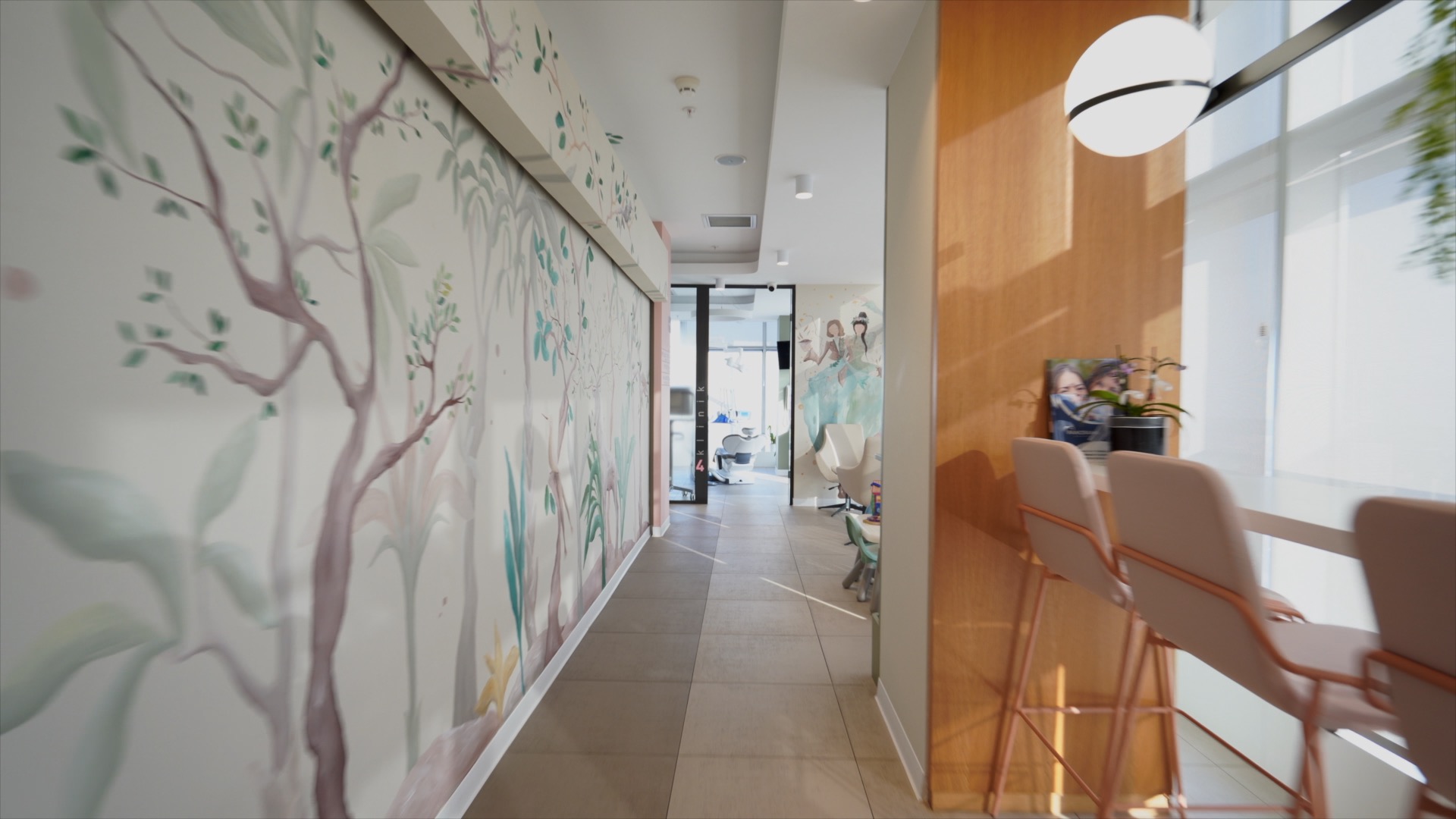
As Panorama Ankara, we bring world-class digital dentistry and advanced technology orthodontic services together with our patients in the heart of our capital, Ankara. We meticulously apply custom Incognito (Lingual Orthodontics) treatment with our expert staff and modern clinical infrastructure for our patients who wish to attain an ideal smile without compromising their social and professional life, and without carrying aesthetic anxiety regarding dental braces.
For individuals in search of invisible, internally applied dental braces in Ankara, we digitalize the impression stage entirely with our high-resolution 3D intraoral scanners within our clinic; we manage your treatment planning in synchronization directly with production centers in Germany. With our aesthetic vision and biomechanical expertise, we create hidden but radical changes by remaining loyal to every patient’s unique dental anatomy. If you wish to attain bright white and straight teeth without anyone noticing during the treatment with the assurance of “Panorama Ankara,” and review your personalized treatment simulation, you can visit our clinic for a detailed preliminary examination. Your smile is safe with us.