

1. What is Restorative Dental Treatment?
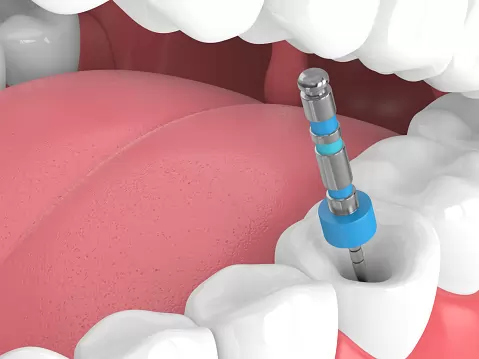
Restorative Dental Treatment is a branch of specialization that treats structural defects affecting dental hard tissues (enamel and dentin), such as decay, fractures, developmental anomalies, erosion, or wear, using biocompatible materials while preserving the vitality and natural anatomy of the tooth. In the past, this field was simplified as merely “doing a filling,” but in modern dentistry, it is built upon biomimetic (nature-mimicking) principles.
Within Panorama Ankara, restorative dentistry applications do not just restore the previous volume of the tooth; they are carried out with advanced-generation nano-hybrid and ceramic filling systems whose light transmittance, fluorescence properties, and elasticity coefficient are equivalent to natural teeth. The primary goal is to bring a tooth that has suffered tissue loss to a performance closest to its original state mechanically, functionally, and aesthetically.

2. In Which Conditions are Restorative Dental Treatments Applied?
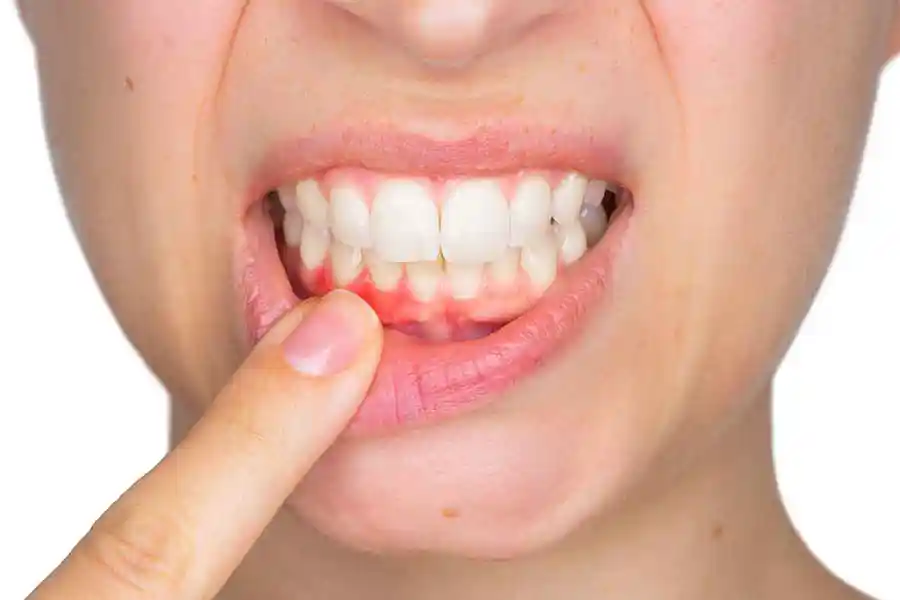
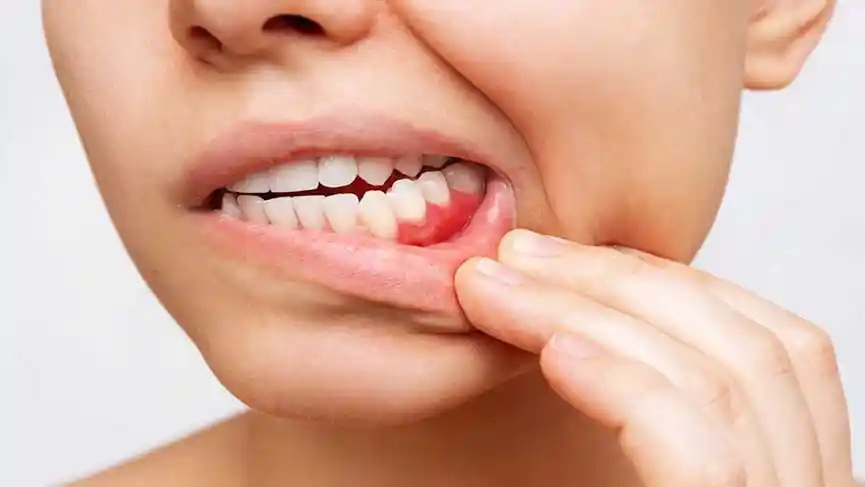
Restorative methods come into play across a wide pathological spectrum that strains the biological limits and threatens the structural integrity of the tooth. The primary clinical conditions where these treatments are applied are as follows:
- Bacterial Tooth Decay: Progressive hard tissue destruction occurring on the enamel, dentin, or root surfaces.
- Traumatic Tooth Fractures: Coronal fractures and cracks occurring as a result of accidents, falls, or impacts, especially in the anterior aesthetic zone.
- Non-Carious Hard Tissue Wear: Loss of substance caused by incorrect brushing (abrasion), acidic foods or stomach acid (erosion), and teeth clenching/grinding (attrition/abfraction).
- Micro-Leaking and Expired Restorations: Renewal of old amalgam or composite fillings with disrupted marginal adaptation and secondary decay development underneath.
- Developmental Tissue Defects: Genetic anomalies where tooth enamel develops stained, incomplete, or weak, such as amelogenesis imperfecta, dentinogenesis imperfecta, or fluorosis.
- Aesthetic Correction Needs (Diastema): Closing gaps located between teeth that cause functional or aesthetic problems.
3. What is the Goal of Restorative Dental Treatments?
The philosophy of restorative treatment is to provide maximum biomechanical resistance with a tissue-preserving (minimally invasive) approach. The main goals of the restorations we perform at Panorama Ankara are:
Elimination of Infection and Protection of the Pulp: Stopping bacterial activity by completely removing decayed tissue and preventing the need for root canal treatment by protecting the vital center of the tooth (pulp/nerve chamber).
Restoration of Anatomical Form and Function: Recreating the tubercle (cusp) and fossa (groove) relationships and the occlusal surface morphology of the tooth with millimetric precision so that chewing forces can be transmitted evenly to the jawbone.
Marginal Integrity and Gum Health: Preventing food accumulation and protecting the surrounding gum tissue from chronic inflammation by establishing a zero-gap (micro-leakage-free) junction line between the tooth and the filling material.
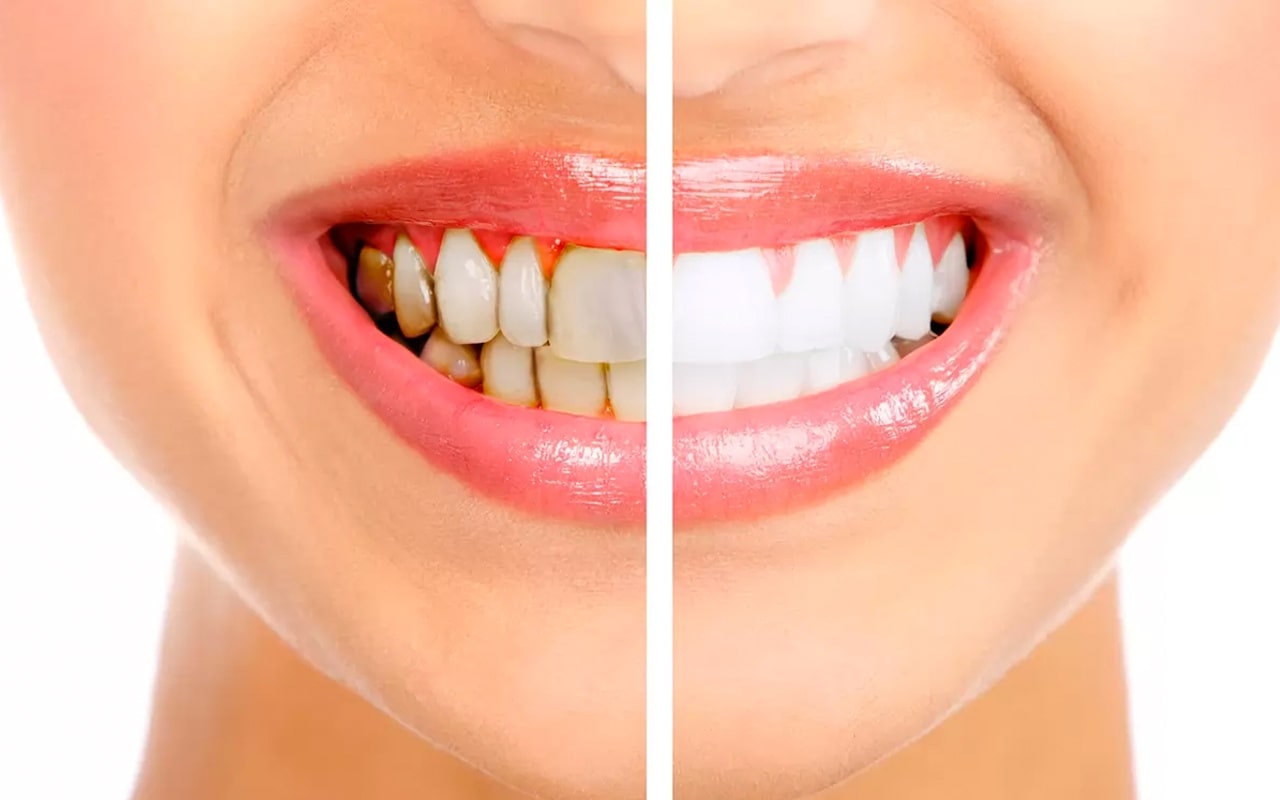
Optical and Aesthetic Integration: Ensuring the restoration is invisible inside the mouth by mimicking the light reflection and absorption capacity of natural tooth enamel.
4. Who is Suitable for Restorative Dental Treatments?
Restorative dental treatments are suitable for any individual who has suffered a loss of substance in permanent or primary teeth, without any limitations regarding age, gender, or systemic condition. It possesses a wide capability of modification, ranging from compomer treatments applied to extend the retention period of primary teeth in pediatric patients to glass ionomer systems used in treating decay developing on root surfaces in elderly patients.
Especially all conscious patients who wish to avoid methods requiring aggressive tooth reduction, such as prosthetic or crown treatments, and who aim to preserve their natural tooth tissue to the maximum extent, are the primary candidates for restorative dentistry.
5. How is the Evaluation Conducted Before Restorative Dental Treatment?
A flawless restoration begins with micro-level planning and an accurate diagnosis. At Panorama Ankara clinics, our patients undergo the following pre-operative examination stages:
Visual and Microscopic Examination: Tooth surfaces are dried and examined under magnifying loupes or a dental microscope. Thus, incipient decay and micro-cracks undetectable to the naked eye are identified.
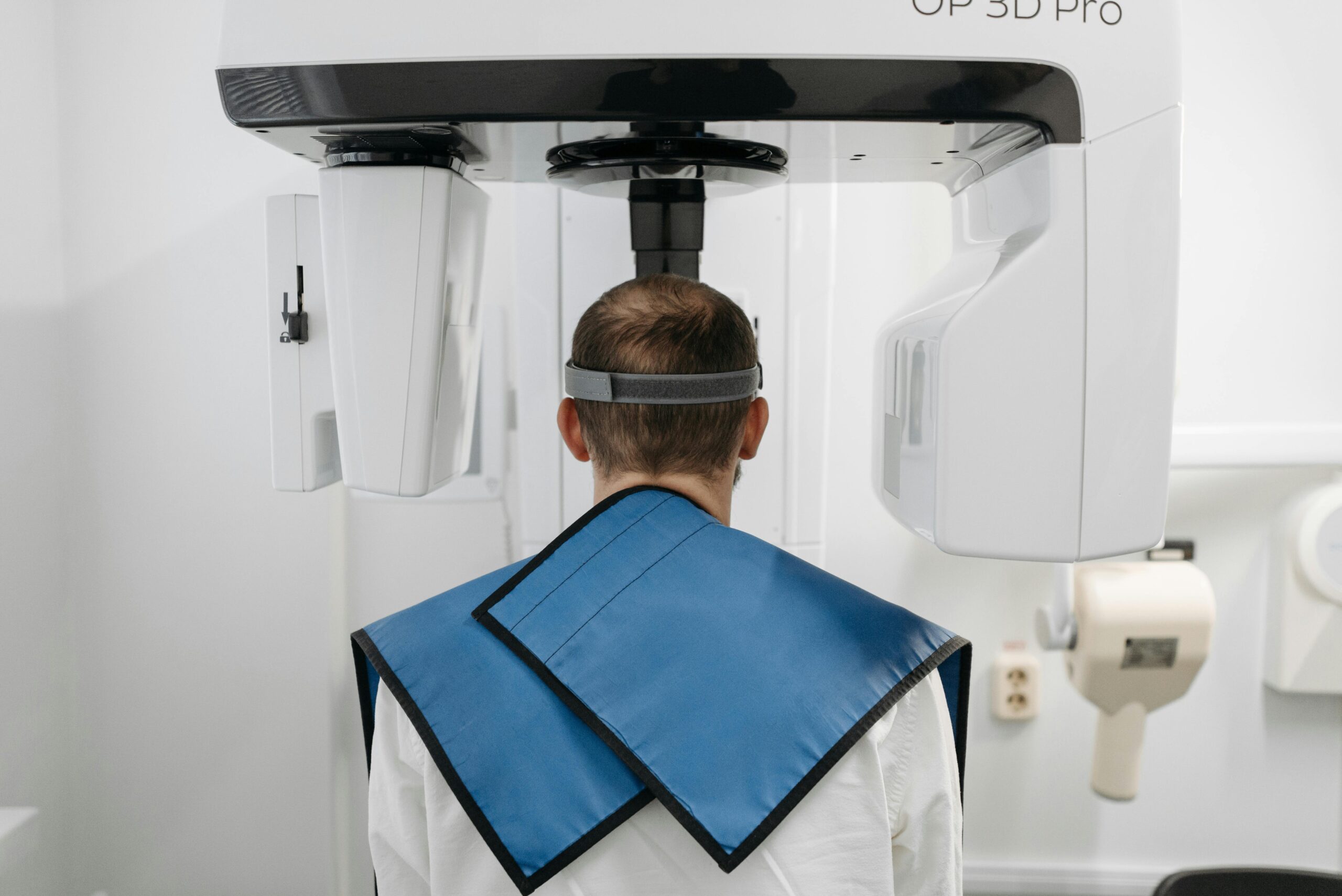
Digital Radiography and Transillumination: Panoramic and especially bite-wing radiographs, which show interproximal decay most clearly, are taken. When necessary, light of a specific wavelength is applied to the tooth surface (transillumination) to map the depth of the decay within the dentin.
Pulp Vitality Tests: In teeth with deep decay or trauma, the health of the nerve tissue is tested before restoration by applying thermal (cold) or electrical stimuli to the tooth. After ensuring the tooth is vital, the restoration plan is finalized.
6. How is Tooth Decay Treated with Restorative Methods?
In modern decay treatment, the concept of “the larger the filling, the stronger the tooth” has been completely abandoned. Restorative methods proceed with a focus on tissue preservation, from the clearing of decay to the completion of the filling:
Decayed tissue is selectively removed down to the healthy dentin and enamel boundaries using specialized hand instruments and low-speed smart burs (accompanied by caries detector dyes). While designing the cavity, healthy tissues are never sacrificed just to gain mechanical retention for the tooth; this is because modern filling materials bond to the tooth chemically and micromechanically (adhesion).
After the cleaned area is disinfected, calcium hydroxide or bio-ceramic liners are placed to protect the pulp depending on the depth of the decay. Subsequently, by utilizing etching and bonding agents applied to the tooth, the restoration material penetrates the enamel-dentin complex to form a monolithic (single-piece) structure.
7. What is Composite Filling Treatment?
A composite filling is a tooth-colored, aesthetic restorative material consisting of a combination of an organic polymer matrix (usually BIS-GMA) and inorganic fillers (silica, quartz, glass particles). Today, it is the most frequently used material in dentistry, applied to the tooth while in a plastic consistency and hardened using blue light (halogen or LED).
The new-generation nano-composites used at Panorama Ankara demonstrate excellent wear resistance against chewing forces and accurately reflect the natural enamel gloss with their wonderful polishability after treatment, thanks to the reduction of filler particle sizes to the nanometer level. Composite fillings are the healthiest alternative to old amalgam fillings containing mercury due to their biocompatible structure.
8. How is a Dental Filling Done?
In our clinics, a dental filling operation is performed with strict technical precision to prevent marginal leakage and post-operative sensitivity as follows:
- Local Anesthesia: The tooth to be treated and the surrounding tissues are numbed, ensuring the patient experiences a completely painless process.
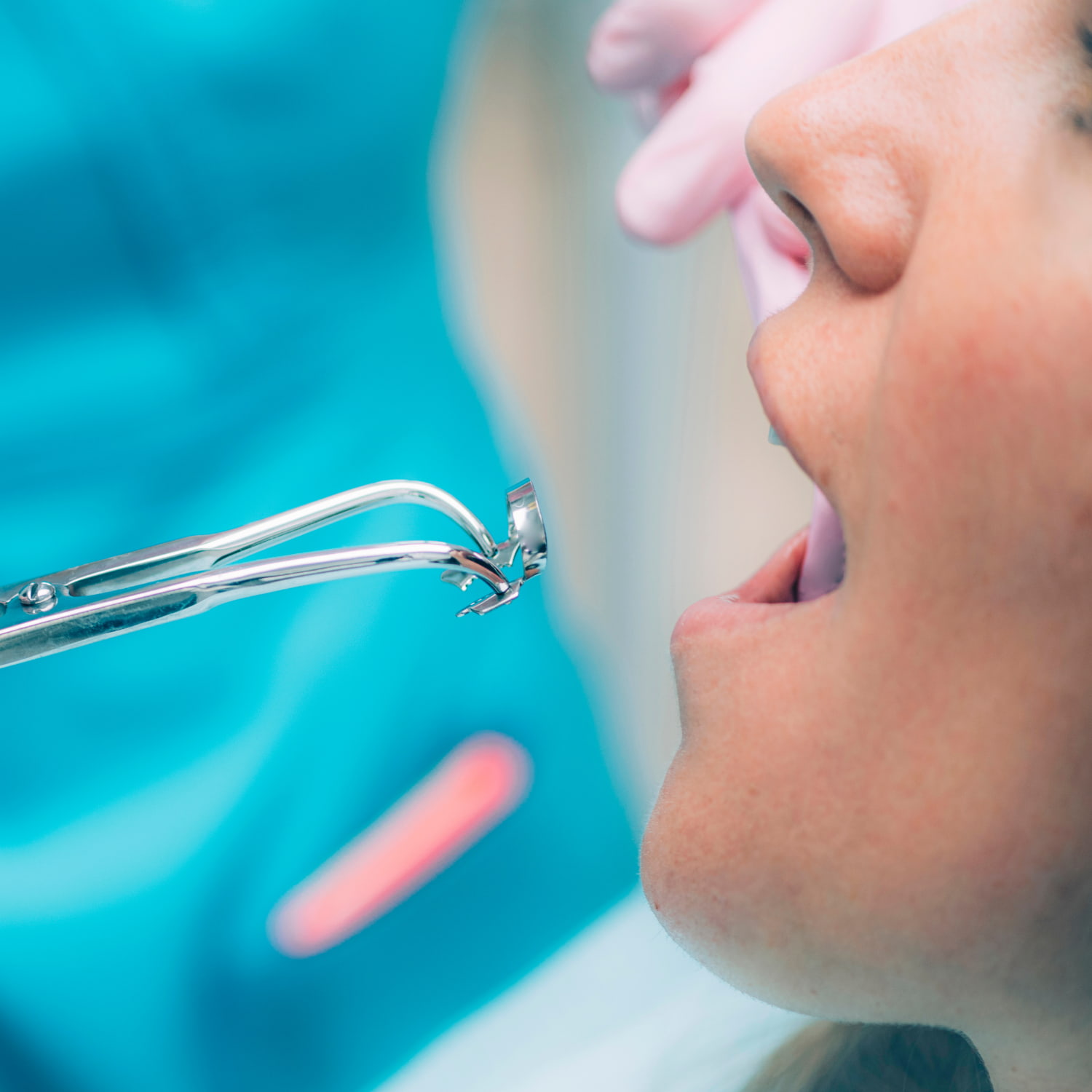
- Isolation (Rubber Dam Application): In this stage, which constitutes 80% of restoration success, the tooth is completely isolated from the oral environment, saliva, and moisture in the patient’s breath using a special rubber sheet called a “rubber dam.” Moisture is the biggest enemy preventing the filling from bonding to the tooth.
- Cavity Preparation and Conditioning: Decay is removed. Orthophosphoric acid is applied to the tooth surface (etching) to open microscopic pores.
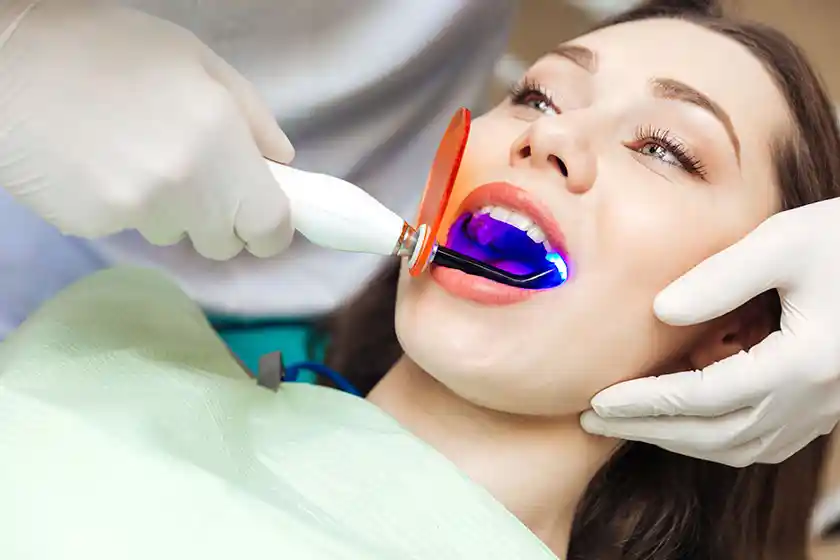
- Bonding and Layering: The bonding agent (bond) is applied and cured with light. The composite material is placed into the cavity in layers of maximum 2 mm to prevent polymerization shrinkage (the shrinking of the filling as it hardens), and each layer is light-cured individually.
- Adjustment and Polishing: After the filling is completed, the intraoral bite (occlusion) is checked using carbon articulating paper. Once excess material is removed, the filling surface is smoothed using diamond spiral discs and felt tips.
9. How is the Restoration of Fractured and Worn Teeth Performed?
Fractured and worn teeth are not just an aesthetic loss; they are a mechanical problem that paves the way for vertical dimension loss and temporomandibular joint (TMJ) disorders. A “biomimetic restorative layering” method is followed in the restoration of these teeth.
First, sharp corners along the fracture line are rounded off with micro-burs to eliminate stress concentration areas. In wear cases (caused by bruxism), the lost dentin and enamel layers of the tooth are constructed step-by-step with computer-aided occlusal analyses (wax-up/mock-up techniques) while staying true to their original thicknesses. If the wear is very deep and the vertical dimension has collapsed, the chewing surfaces of the posterior teeth are raised with composite or ceramic “overlay” restorations to recalibrate jaw relationships.
10. What are Aesthetic Filling Applications?
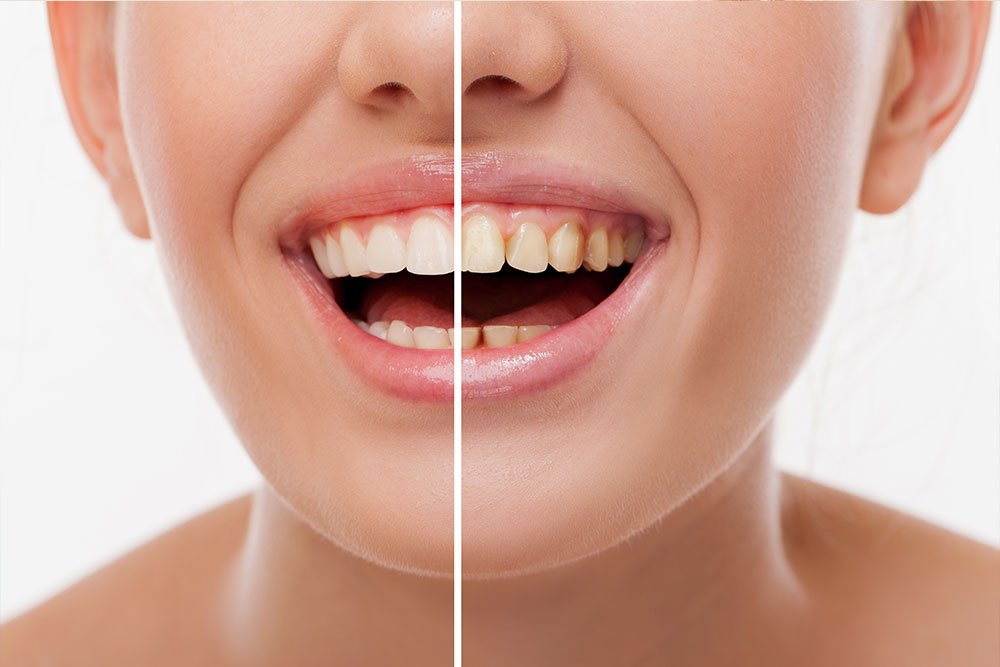
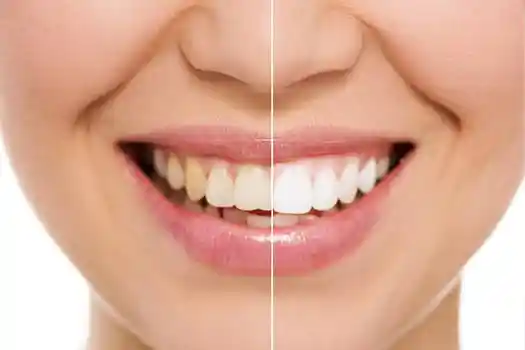
An aesthetic filling (cosmetic restoration) is not just filling the tooth with a white material; it is shaping optical properties such as opacity, transparency, fluorescence, and gloss in the tooth’s color in artistic harmony with the facial anatomy and smile line.
When performing aesthetic fillings at Panorama Ankara, multiple color spectrums that mimic the anatomical layers of the tooth (polychromatic layering) are utilized. The innermost dark and opaque dentin color of the tooth, the semi-translucent enamel color over it, and the translucent (halo) effect at the tooth tip are replicated using distinct composite masses. Consequently, when viewed under light, the restoration can never be distinguished from the neighboring natural teeth.
Panorama Ankara Note: An aesthetic filling does not just correct the form of the tooth; it can also make the tooth look illusionally smaller, wider, or more symmetrical by regulating the refraction angles of light on the tooth (macro and micro-morphology).
11. What are Inlay and Onlay Restorations?
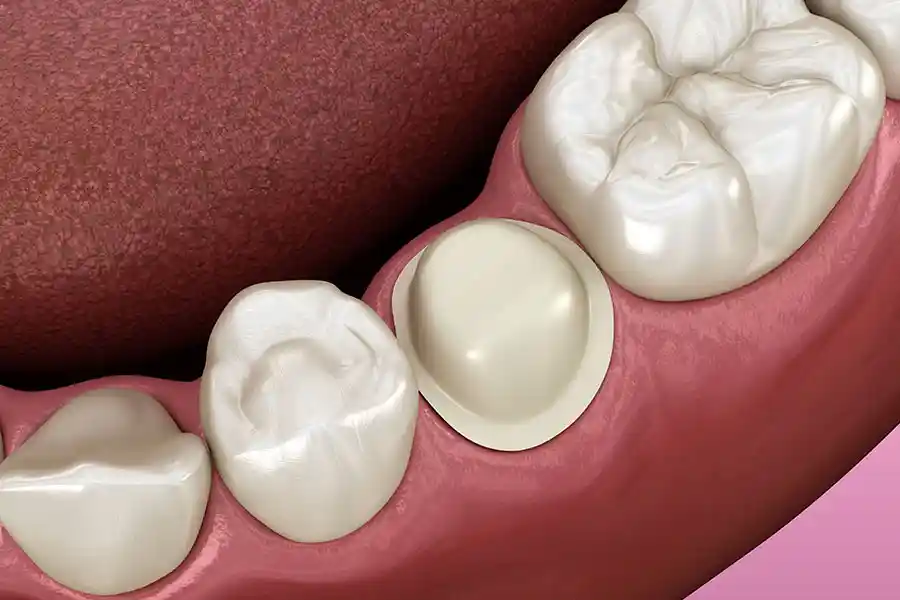
Inlay and Onlay restorations (computerized filling / indirect restoration) represent the most ideal conservative solution for posterior teeth that have suffered excessive substance loss, positioned between traditional fillings and full crowns. Unlike fillings done directly in the mouth by the dentist, these restorations are produced in a laboratory environment or on in-clinic CAD/CAM (3D milling) devices following digital impressions.
| Restoration Type | Covered Area and Structure | Clinical Reason for Preference |
|---|---|---|
| Inlay Restoration | It covers the internal area remaining between the cusps (tubercles) on the chewing surface of the tooth. | In cases where interproximal decay is deep and the contact point with the neighboring tooth must be perfectly established. |
| Onlay Restoration | It covers large areas, encapsulating one or more cusps along with the chewing surface. | For the protection of teeth that have undergone root canal treatment, have weakened walls, and carry a high risk of fracturing under vertical chewing loads. |
12. Which Materials are Used in Restorative Dental Treatments?
At Panorama Ankara, due to our biocompatibility criteria, toxic materials (such as amalgam containing mercury) are never used. The high-tech materials we prefer in restorative processes are as follows:
- Nano-Hybrid and Micro-Fill Composites: Universal restorative agents offering high polish quality in anterior aesthetics and high fracture resistance in the posterior region.
- Lithium Disilicate (E-max) and Glass-Ceramics: Premium materials that 100% mimic the optical properties and wear coefficient of natural enamel in inlay, onlay, and laminate applications.
- Resin-Modified Glass Ionomer Cements (RM-GIC): Smart materials that prevent secondary decay by continuously releasing fluoride to surrounding tissues in root caries and pediatric dentistry.
- Bio-Active Restorative Materials: New-generation smart fillings that mineralize dentin tubules by exchanging ions with the tooth structure, virtually treating the tooth from within.
13. How are Anterior Tooth Restorations Planned?
The restoration of anterior teeth requires a high level of artistic and geometric planning, as it directly affects the patient’s social life, speech (phonetics), and self-confidence. The process is conducted in integration with Digital Smile Design.
In planning; the midline of the face, the horizontal line passing through the pupils, the curvature of the lower lip (smile line), and the width-to-length ratios of the teeth (the philosophy of the golden ratio) are analyzed. Thanks to “silicone keys” (indices) prepared in the laboratory before the operation, the rear wall thickness and incisal transparency of the tooth are controlled with an accuracy of one-tenth of a millimeter while the filling material is being applied to the mouth. Thus, asymmetries and functional obstacles are eliminated before the treatment even begins.
14. How are Posterior Tooth Restorations Applied?
In posterior tooth restorations, priority is given to biomechanical resistance and functional occlusion rather than aesthetics. Posterior teeth are exposed to vertical and horizontal stresses reaching hundreds of kilograms per square centimeter during chewing. Therefore, the application is carried out according to these criteria:
To prevent the polymerization shrinkage of the composite filling from pulling the tooth walls inward and creating micro-cracks, “C-Factor” optimization is performed. The filling is placed layer by layer (incremental technique), sloping toward the cusp slopes. The contact point (interproximal area) with the neighboring tooth is built anatomically using special three-dimensional matrix systems (sectional matrices) with a tightness that allows dental floss to pass without snagging, yet prevents food from getting trapped in between.
15. What are the Stages of Restorative Dental Treatment?
A standard direct restorative treatment session with Panorama Ankara quality is completed through the following flowchart:
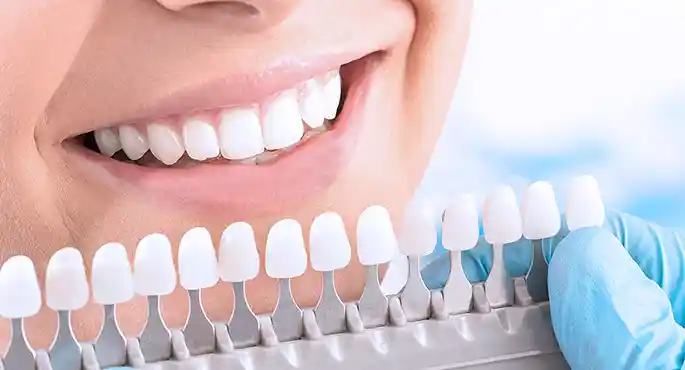
- Shade Selection: While the tooth surface is moist, the unique shade of the tooth is determined under special lamps receiving natural daylight with the help of digital spectrophotometer devices and shade guides.
- Anesthesia and Preparation: Regional numbing is provided, and plaques on the tooth surface are cleaned.
- Minimally Invasive Cavity Preparation: Only pathological tissues are removed; healthy tooth structure is left untouched.
- Isolation and Chemical Bonding: A rubber sheet (rubber dam) is placed. Acid, primer, and bonding layers are applied and polymerized with LED light.
- Anatomical Layering and Shaping: Material with composite or ceramic content is placed and hardened in accordance with the tooth form.
- Occlusal Adjustment and Microscopic Polishing: Biting movements are checked. All excesses that disturb the chewing system are eliminated. With the help of multi-stage polishing discs and diamond pastes, a smooth surface of “wet look” (high-gloss) quality is achieved.
16. What Should Be Considered After Restorative Dental Treatment?
To extend the life of the restoration and prevent complications after treatment, the rules our patients must follow are:
- Anesthesia Duration: Until the numbness of the local anesthesia wears off completely (approximately 2-3 hours), solid foods must strictly not be consumed in order to prevent biting injuries to the lips, cheeks, and tongue.
- Temporary Sensitivity: After the treatment of deep decay, it is normal to experience hot-cold sensitivity for a few weeks due to the chemical procedures applied to the tooth and temperature fluctuations. Sensitivity-relief toothpastes can be used during this period.
- Staining Foods: For the first 48 hours following aesthetic anterior composite fillings, highly pigmented foods such as tea, coffee, red wine, curry, and especially smoking should be avoided to allow the color stability of the filling to mature fully.
- Mechanical Protection: Directly biting hard foods (cracking seeds, nail-biting, pen-biting, etc.) with aesthetic restorations made on the front teeth should be avoided, and foods should be chewed with the back teeth.
17. What Factors Affect the Lifespan of Dental Restorations?
The lifespan of a dental filling in the mouth does not depend solely on the success of the physician; it is the result of a multi-faceted biological and mechanical equation:
Oral Hygiene and Care: The filling material does not decay, but if the margin line (marginal boundary) where the filling meets the natural tooth is exposed to bacterial plaque, “secondary decay” (secondary caries) begins. Regular brushing and flossing eliminate this risk.
Parafunctional Habits (Bruksizm): In individuals who clench or grind their teeth at night, a load 4-5 times higher than normal is placed on the fillings. This situation causes micro-cracks, fractures, or displacement in the fillings. These patients must absolutely use a protective “night guard.”
Nutritional Culture: Excessive consumption of acidic beverages disrupts the marginal fit of the filling by melting the enamel tissue around the filling at a micro level (demineralization). Cracking hard-shelled foods with teeth leads to mechanical fatigue.
18. What are the Advantages of Restorative Dental Treatments?
Restorative approaches hold unique advantages for both the patient and the physician compared to aggressive prosthetic treatments:
- Maximum Tissue Preservation: Healthy parts of the tooth are left completely untouched; only the damaged area is repaired.
- Results in a Single Session: Direct composite restorations and aesthetic fillings are generally finished on the same day, in a single clinical session (approximately 45-60 minutes), and the patient achieves their new smile instantly.
- Economical Solution: It is much more budget-friendly and accessible compared to crown and bridge treatments that require a laboratory process.
- Repairability: A composite restoration that fractures or wears over the years due to trauma can easily be repaired and renewed inside the mouth without being completely removed, simply by smoothing its damaged area.
19. What Factors Affect the Prices of Restorative Dental Treatment?
The cost profile of restorative procedures varies specifically according to the patient’s pathology, far removed from a standard “filling fee” template. The fundamental elements determining prices are as follows:
- Size of the Cavity and Number of Surfaces: The material and labor costs differ between a filling involving only a single surface of the tooth (e.g., only the upper chewing surface) and two-surface (classic two-walled) or three-surface (MOD fillings) restorations that also encompass interproximal spaces between neighboring teeth.
- Technological Class of the Applied Material: Raw material costs of standard posterior composites versus multi-layered aesthetic nano-composites or bio-active smart fillings produced for the anterior region.
- Choice of Direct or Indirect Restoration: Whether the filling will be performed in a single session in the mouth, or if it will be a laboratory/CAD-CAM manufactured Inlay/Onlay (ceramic filling), directly affects the price due to digital workflow and laboratory expenses.
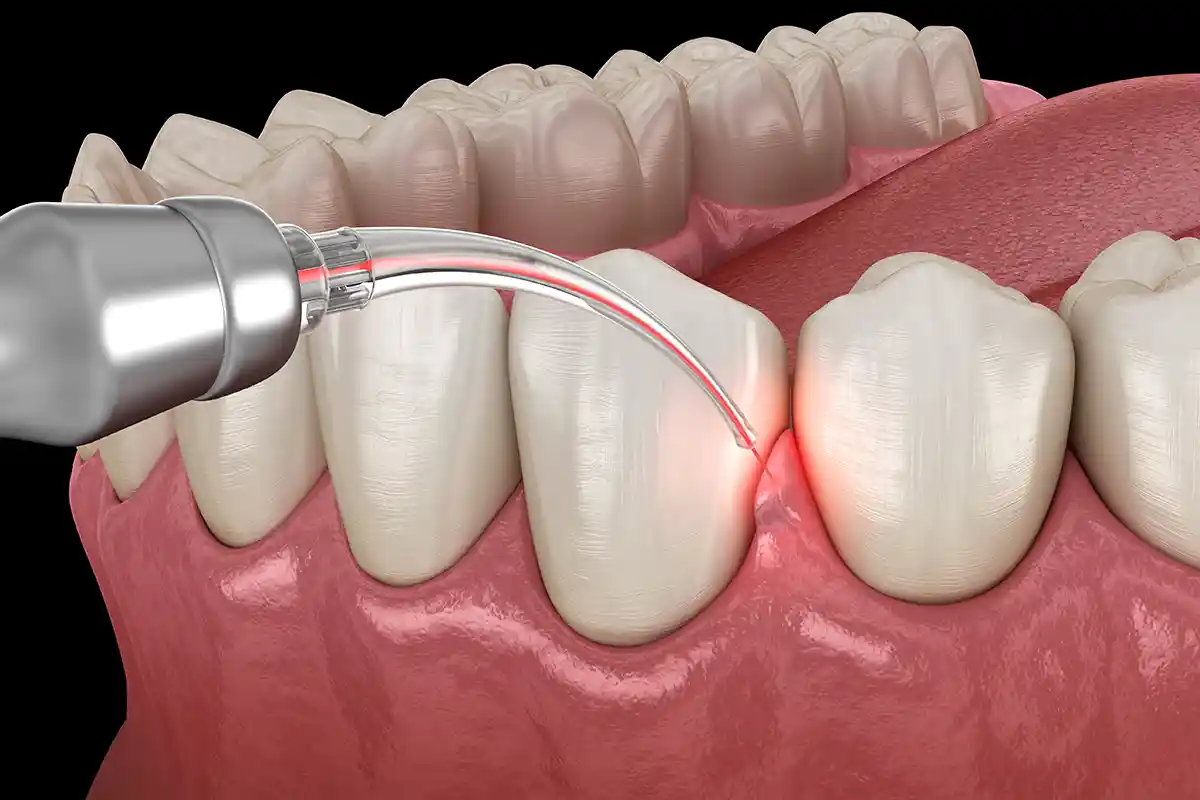
- Use of Advanced Technology and Equipment: Active use of an operational dental microscope, laser systems, or rubber dam isolation protocols during treatment shapes the clinical precision and therefore the budget.