

1. What is Teeth Whitening?
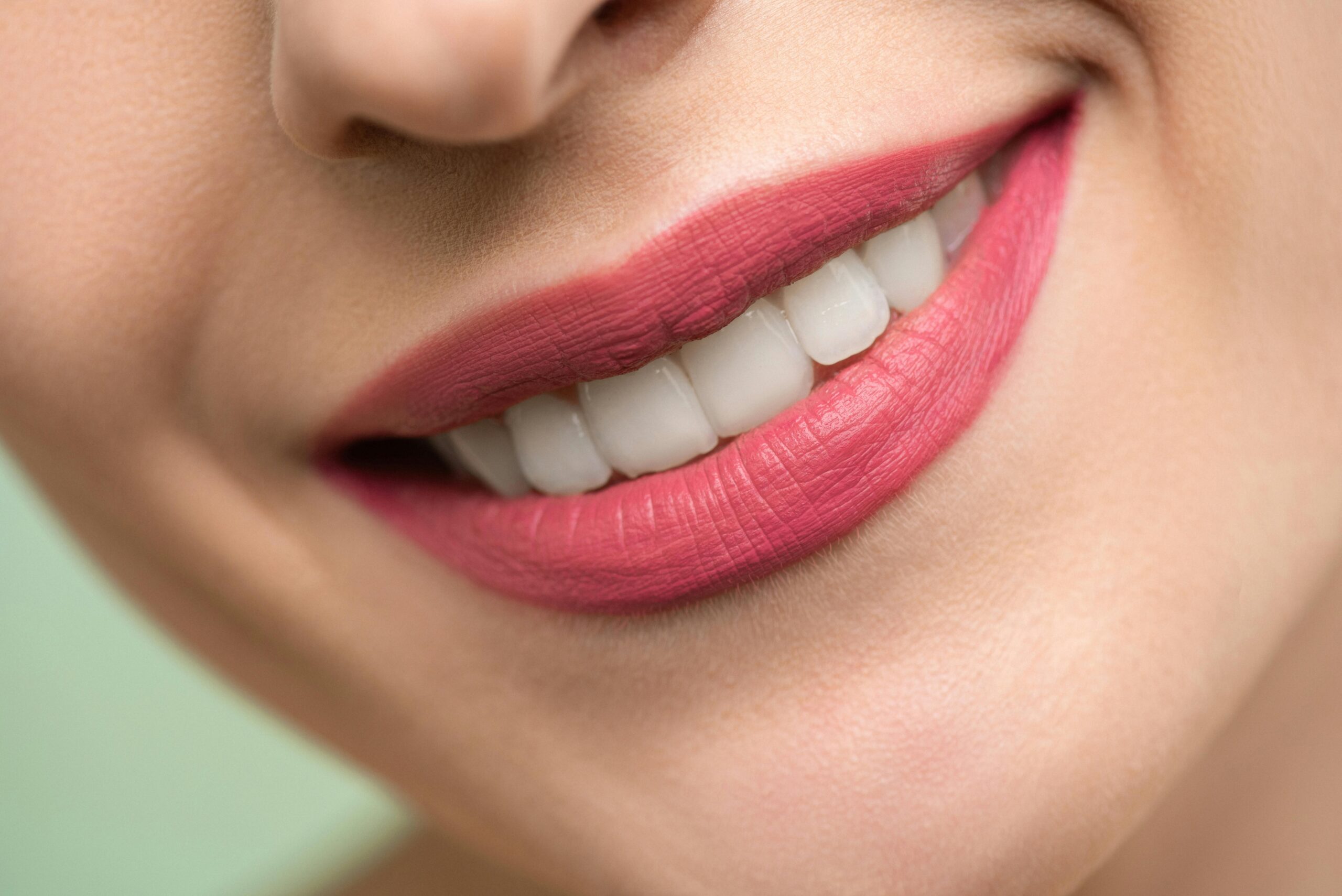
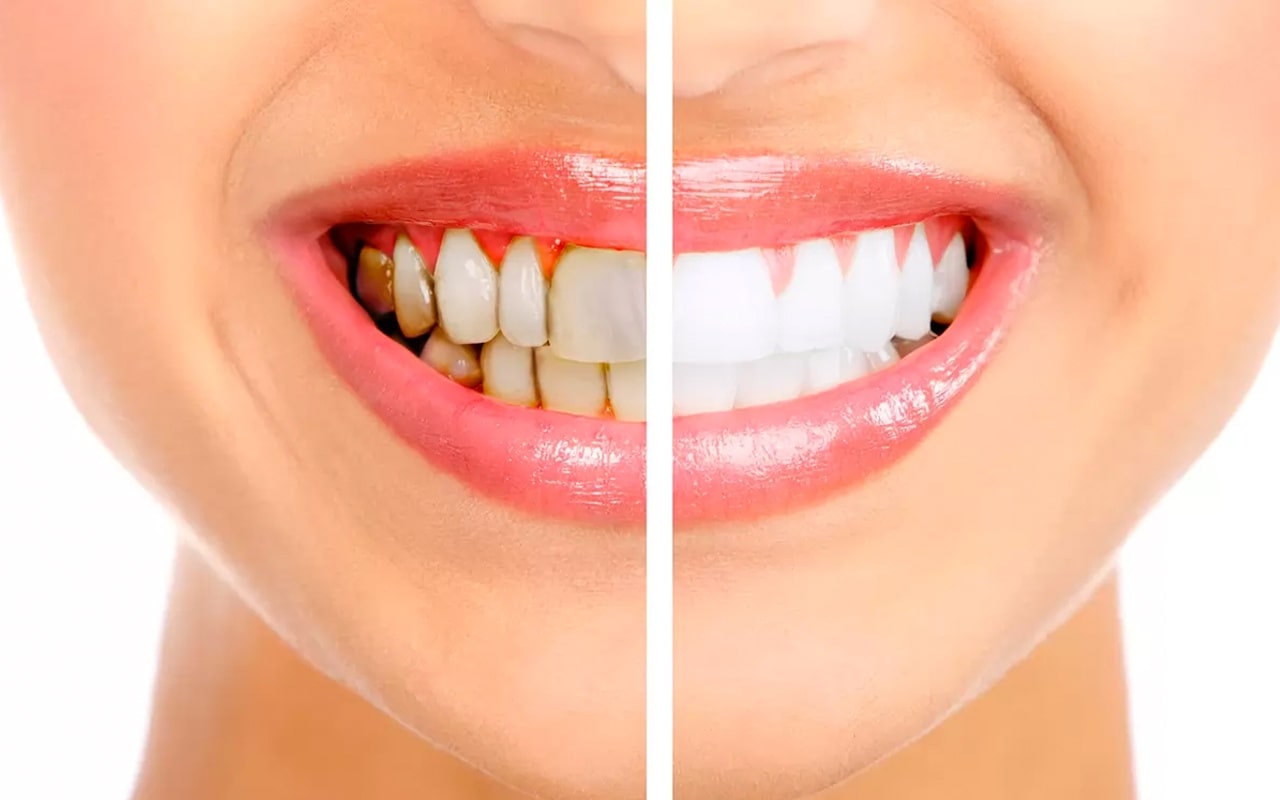
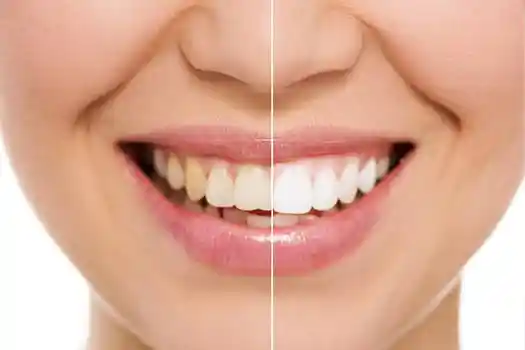
Teeth whitening, medically known as bleaching, is a professional cosmetic dentistry procedure applied to remove discolorations that occur over time in the structure of teeth (in the enamel and dentin layers). Factors such as daily consumption of tea, coffee, chromogenic foods, or the use of tobacco cause teeth to lose their natural brightness. Unlike abrasive mechanical cleaning, this process is based on the principle of chemical agents, such as hydrogen peroxide or carbamide peroxide, penetrating the tooth pores to break down stain molecules. Thus, while the structural integrity of the tooth is preserved, its color is restored to an aesthetic and natural whiteness.
2. How is Teeth Whitening Applied?
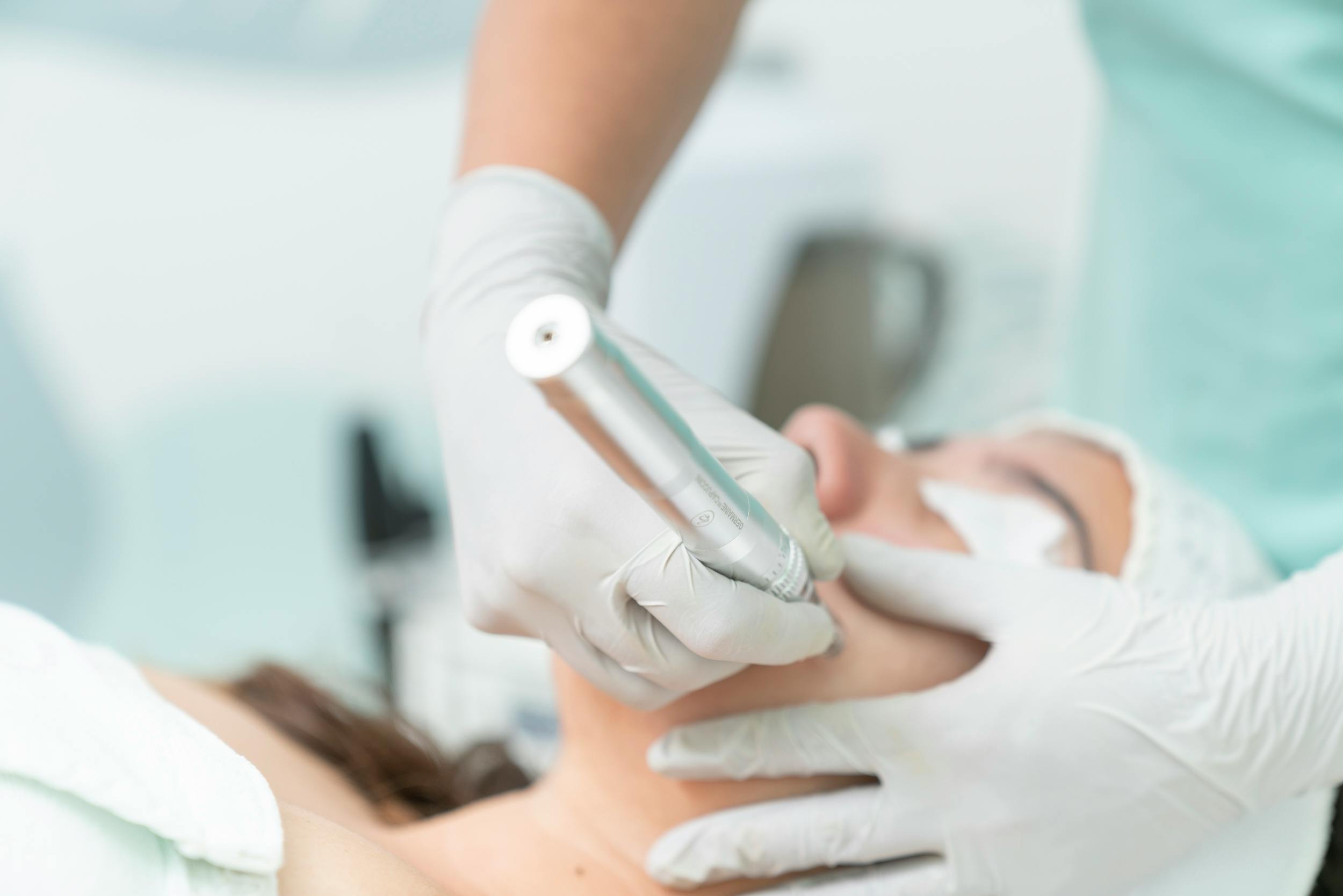
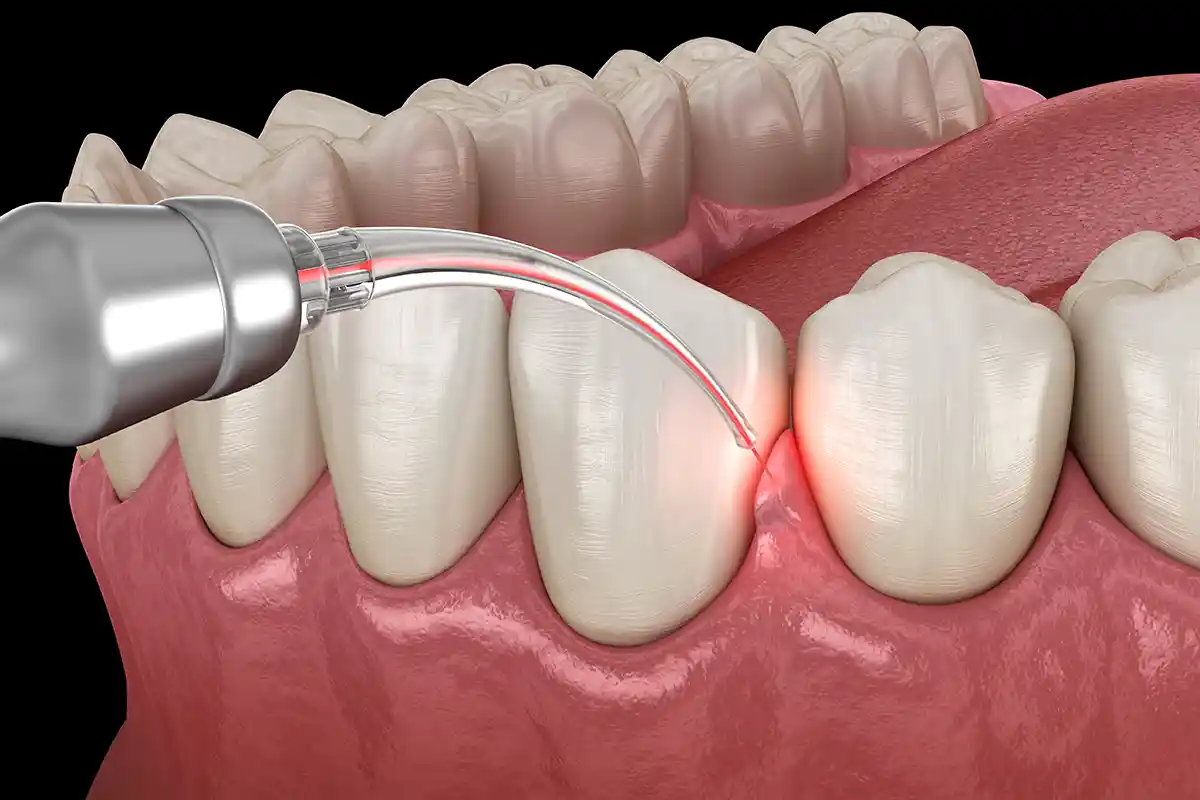
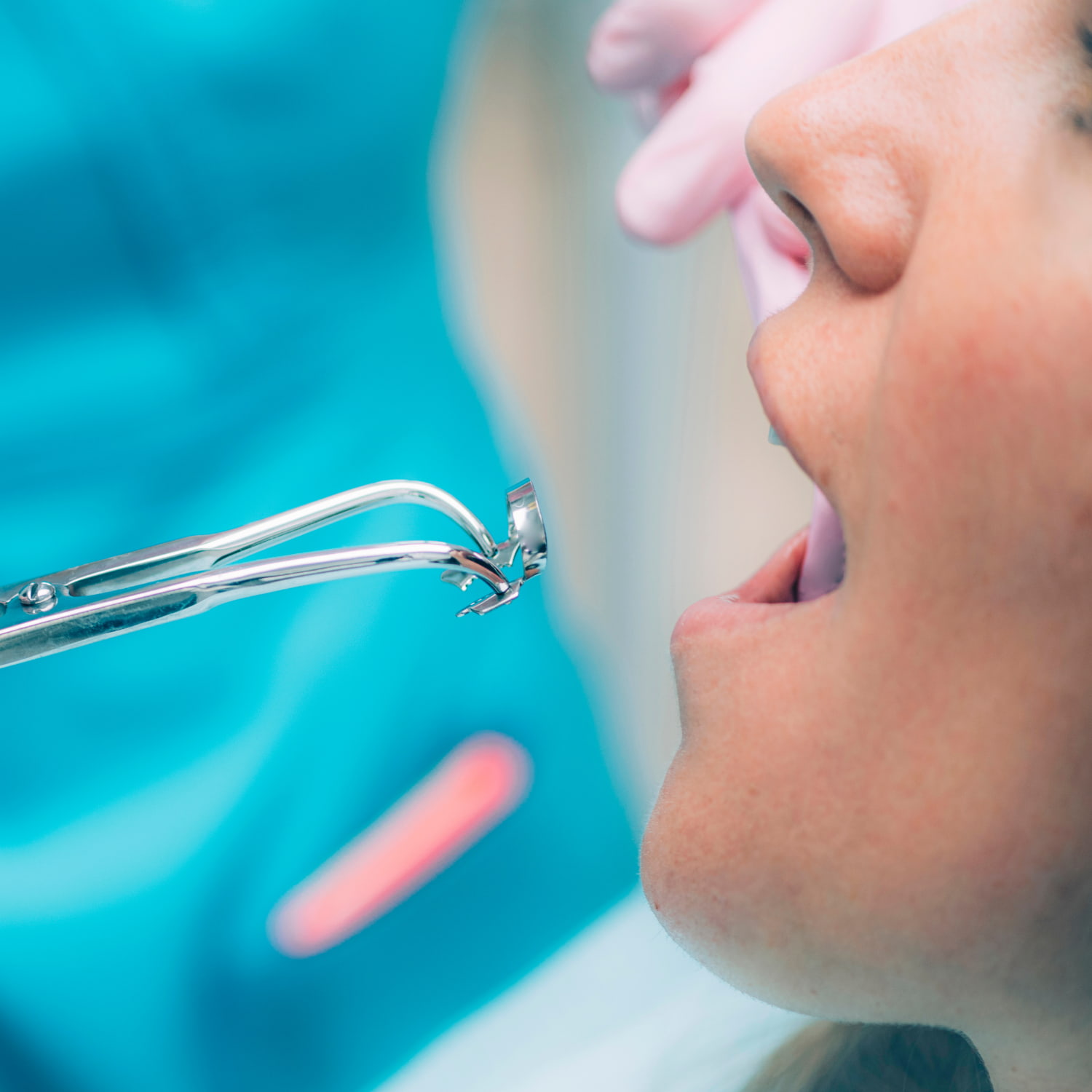
The foundation of the teeth whitening application relies on the safe contact of the whitening agent at a concentration determined by the physician with the tooth surface. Before the procedure, plaque and dental calculi are removed to make the tooth surface smooth. Then, a protective barrier is applied to the gums to protect them from chemical agents and is hardened with light. The special whitening gels applied to the anterior surfaces of the teeth are activated using laser or specialized LED light sources according to the technique. This process is repeated in sessions until the desired level of whiteness is reached, and in the final stage, the teeth are reinforced with desensitizing agents such as fluoride.
3. Who is Suitable for Teeth Whitening?
The teeth whitening procedure is highly suitable for adult individuals who have overall good oral and dental health, caries-free teeth, and healthy gums. It can be safely applied to individuals over the age of 18 who have completed the adolescent period and whose dental enamel has fully matured. However, this procedure is not recommended for pregnant women, nursing mothers, those experiencing severe gingival recession, or individuals with numerous porcelain crowns and fillings (as whitening gel does not affect porcelain). Therefore, suitability for the individual must be determined through a dental examination.
4. In Which Situations is Teeth Whitening Preferred?
Individuals who are dissatisfied with their smile and wish to achieve a brighter, more aesthetic appearance frequently resort to this method. Teeth whitening is preferred for color darkening due to physiological aging, extrinsic staining resulting from intensive tobacco and coffee consumption, and intrinsic discolorations caused by childhood febrile illnesses or the use of antibiotics (especially tetracycline). It is also a widely used procedure to lighten the color of a single tooth that has darkened following root canal treatment or to equalize the base shade prior to a holistic smile design.
5. How is the Dental Evaluation Conducted Before Teeth Whitening?
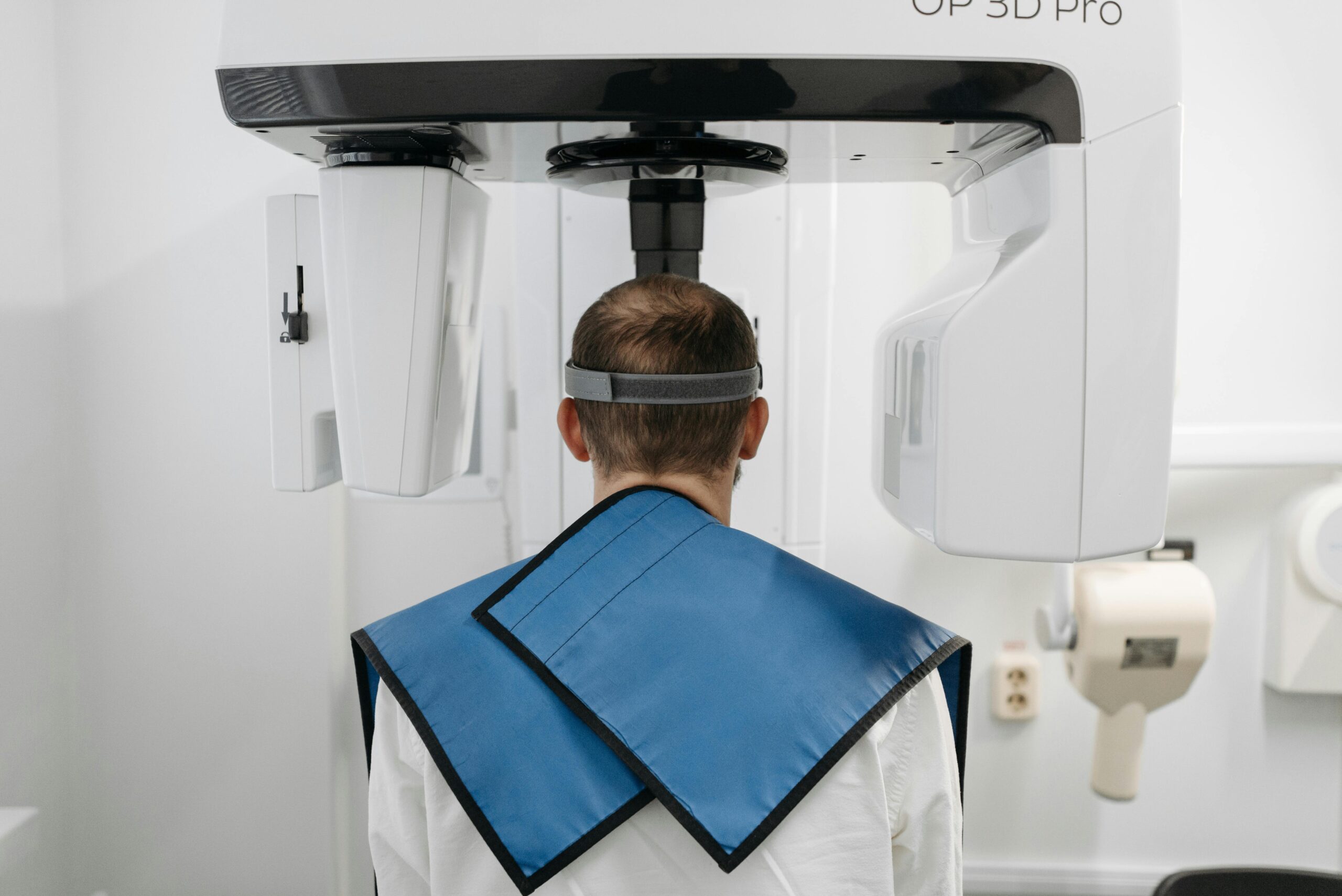
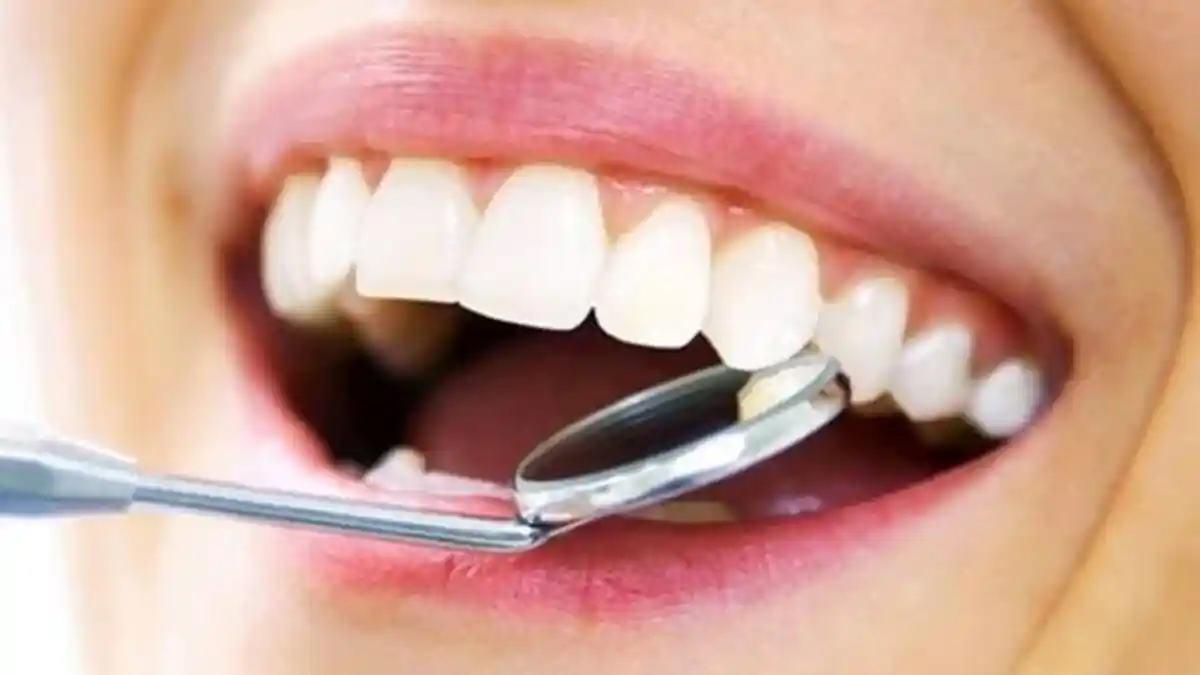
The first step of a successful whitening process is a detailed clinical examination and radiographic evaluation. The dentist records the existing color of the teeth with the help of a shade guide and diagnoses the type of discoloration (intrinsic or extrinsic). The mouth is meticulously examined for the presence of caries, leaking fillings, cracks, or enamel defects. If there is gum disease or tartar accumulation, periodontal treatment and professional dental cleaning are definitely performed before whitening. This stage is critically important to prevent pain and sensitivity that may occur during whitening.
- Checking root health via panoramic or periapical X-rays.
- Performing dental calculus (tartar) cleaning and polishing.
- Documenting the starting shade with photographs and a shade guide.
- Examining enamel structure against sensitivity risks.
6. How is the Teeth Whitening Treatment Process Planned?
The treatment process is custom-designed by considering the patient’s expectations, the degree of staining, and their social life. The physician decides which method—in-office, at-home, or a combination of both—will yield the best result. The duration and frequency of application sessions are planned; for instance, in stubborn discolorations, at-home supporters may be prescribed following in-office sessions. Treatment planning is a holistic approach encompassing not only the day the procedure is performed but also post-procedure sensitivity management and long-term color protection strategies.
7. What are the Methods Used in Teeth Whitening?
In contemporary dentistry, whitening procedures are categorized into different groups according to the application site and the concentration of the gel used. Different techniques have been developed to provide the highest efficacy and maximize patient comfort. These methods are fundamentally classified as those applied in a clinical environment, those applied by the patient at home, and local treatments applied to a single tooth.
| Method Name | Application Site | Duration / Session | Speed of Effect |
|---|---|---|---|
| In-Office (Office Bleaching) | Clinic / Under Physician Supervision | 45-60 Minutes (1-2 Sessions) | Immediate and very fast |
| At-Home (Home Bleaching) | Home / By Patient | 1-2 Weeks (4-8 hours daily) | Gradual and slow |
| Combination Method | Clinic + Home | 1 In-Office Session + 1 Week Home | Maximum and permanent |
| Internal Whitening (Devital Bleaching) | Clinic | 2-3 Sessions at intervals of several days | Gradual (for root-canal treated teeth) |
8. How is In-Office Teeth Whitening Applied?
In-office teeth whitening (Office Bleaching) is the clinical application where the fastest and most dramatic results are obtained. The dentist first isolates soft tissues by placing protective barriers on the gums and lips. Then, a specialized whitening gel containing high-concentration hydrogen peroxide is carefully applied to the anterior surfaces of the teeth. To accelerate and activate the active agent within the gel, UV, halogen, or LED laser light devices are projected onto the teeth for a specific duration. The procedure is usually completed in the same session in 2 or 3 cycles of 15-20 minute periods, providing an instantly visible shade lightening.
9. How is At-Home Teeth Whitening Applied?
At-home whitening (Home Bleaching) is a method with lower-concentration agents, applied under physician supervision but by the patient in their own home. The process begins with the dentist taking impressions of the patient’s jaw to have specialized clear, custom-fit whitening trays (cassettes) prepared in the laboratory. The patient dispenses the carbamide peroxide-containing gel—provided by the physician—into these trays and applies them to their teeth for an average of 4 to 8 hours daily (usually during night sleep). Reaching the targeted whiteness takes an average of 1 to 2 weeks, depending on the status of the stain. This method is usually preferred by individuals with sensitive teeth or to support in-office treatment.
10. What is Single Tooth (Internal) Whitening?
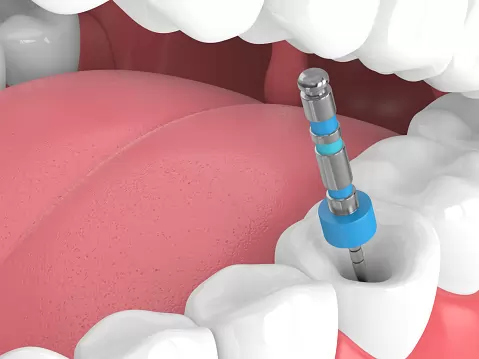
Single tooth whitening, also known as devital bleaching, is a special procedure applied to teeth that have previously undergone root canal treatment, lost their vitality, and darkened from the inside out over time. In this method, discoloration is not on the external surface of the tooth, but occurs due to tissue debris or root canal filling materials accumulated in the pulp chamber inside. The physician opens a small cavity from the back of the tooth, places the whitening agent directly inside the tooth, and covers it with a temporary filling. The gel is refreshed at intervals of several days until the desired shade is obtained, after which a permanent restoration is placed.
11. How Does the Teeth Whitening Process Affect Tooth Shade?
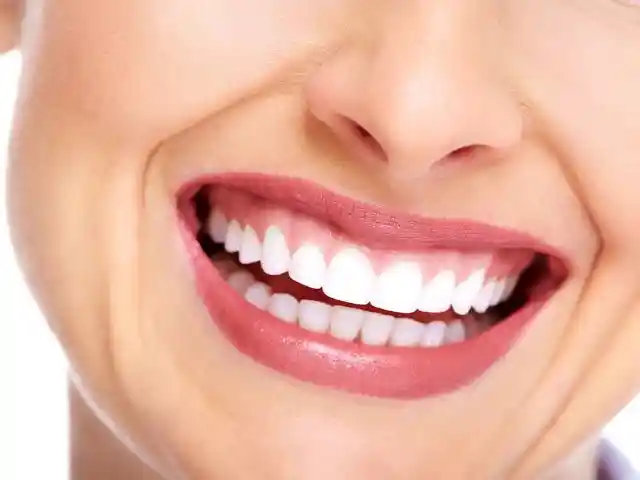
The teeth whitening process allows the shade to lighten by several shades (usually between 2 to 8 shades), based on the natural anatomical color of the tooth. The process does not paint the tooth an artificial, opaque, or chalky white; on the contrary, by oxidizing pigments in the pores, it reveals the tooth’s own natural transparent and natural brightness. How much the shade will lighten varies from person to person depending on the original shade of the tooth, the thickness of the enamel structure, age, and the characteristics of the stains. While yellow and brown-toned teeth respond best to whitening, gray-toned teeth may be more difficult to lighten.
12. In Which Stains is Teeth Whitening Effective?
Whitening agents exhibit a superior solvent effect, especially on stains of organic origin. The structure of the stain directly affects the success rate of the process. Yellowing due to aging and food-borne discolorations are the most easily resolved issues.
- Extrinsic Stains: Stains formed on the enamel surface by staining beverages like coffee, tea, red wine, cola, and tobacco products like cigarettes and cigars. This is the group responding fastest to whitening.
- Intrinsic Stains: Stains formed as a result of fluoride (fluorosis) taken during tooth development, the use of tetracycline-group antibiotics, or trauma to the tooth. Removing these stains is more difficult and may require combination or long-term whitening sessions.
13. How Long Does the Teeth Whitening Procedure Take?
The duration of the procedure depends entirely on the selected technique. An in-office whitening session completed in a clinical environment takes approximately 45 minutes to 1 hour, including preparation stages. Depending on the patient’s status, this procedure can be completed in a single session or planned as 2-3 sessions at intervals of several days. In at-home whitening, reaching the desired result takes an average of 7 to 14 days, provided the patient uses the tray regularly every day. Internal whitening (devital bleaching) sessions can be spread over a total of 1-2 weeks with the gel being changed every 3-4 days.
14. What Should Be Considered After Teeth Whitening?
Following teeth whitening, the pores in the dental enamel remain open for a while, and the teeth become maximally vulnerable to staining. Since this increases the risk of “rebound,” the period named “white diet” must be strictly adhered to for the first 48 hours after the procedure. Consumption of excessively hot and excessively cold foods should be avoided, as temporary thermal sensitivity may develop. If sensitivity is of a magnitude affecting daily life, desensitizing toothpastes containing fluoride or potassium nitrate recommended by the physician should be used.
15. How Should Nutrition Be After Teeth Whitening?
Nutrition after the procedure is the most critical element ensuring the permanence of whiteness. During the first 2 days, intense coloring foods such as tea, coffee, red wine, cherry juice, turnip juice, tomato paste, soy sauce, curry, chocolate, and caramel must be strictly avoided. Furthermore, acidic beverages and foods like citrus fruits should be restricted as they may irritate the enamel. During this period, it is advised to consume “white” and colorless foods such as milk, yogurt, white cheese, chicken, fish, banana, pasta (plain), and boiled potatoes. It is recommended to consume staining liquids through a straw in the following periods.
16. How Long Does the Effect of Teeth Whitening Continue?
The permanence of the teeth whitening procedure depends entirely on the patient’s lifestyle, dietary habits, and oral hygiene routine. In general, the effect of a professional teeth whitening procedure continues for 1 to 3 years. However, while this duration may drop to 6 months for an individual who smokes several packs of cigarettes a day or consumes intensive coffee/tea, it can be preserved for years in individuals who are careful with their diet and brush regularly. When the effect begins to fade, short-term (1-2 day) reinforcement (touch-up) treatments performed with at-home trays once every six months or once a year seriously extend the lifespan of the whiteness.
17. What are the Advantages of Teeth Whitening?
Among cosmetic dentistry procedures, teeth whitening is one of the most popular and highest patient-satisfaction applications. The fundamental reason for this is that, unlike procedures like porcelain crowns (zirconium, laminate), aesthetic improvement is provided without any abrasion or cutting from the tooth, preserving the tooth’s own tissue completely. The procedure is quite fast, generally requires no needles or anesthesia, and is fairly painless. It increases the individual’s self-confidence and contributes positively to their social life by ensuring the smile looks instantly younger, cleaner, and healthier.
18. What is the Relationship Between Teeth Whitening and Aesthetic Smile Design?
Aesthetic smile design (Hollywood Smile) is a multidisciplinary approach aiming to maximize the harmony of the lips, gums, and teeth with one another. Teeth whitening is an indispensable part or frequently the first step of this process. Whitening is applied to lighten the base shade after teeth are aligned via orthodontic treatments (braces or clear aligners) or immediately prior to composite bonding applications. Fillings or porcelain restorations to be fabricated after the shade of the existing natural teeth is lightened are manufactured to be compatible with this new, bright, and lighter shade, thus achieving a holistic, flawless aesthetic.
19. How Should Oral Care Be Maintained After Teeth Whitening?
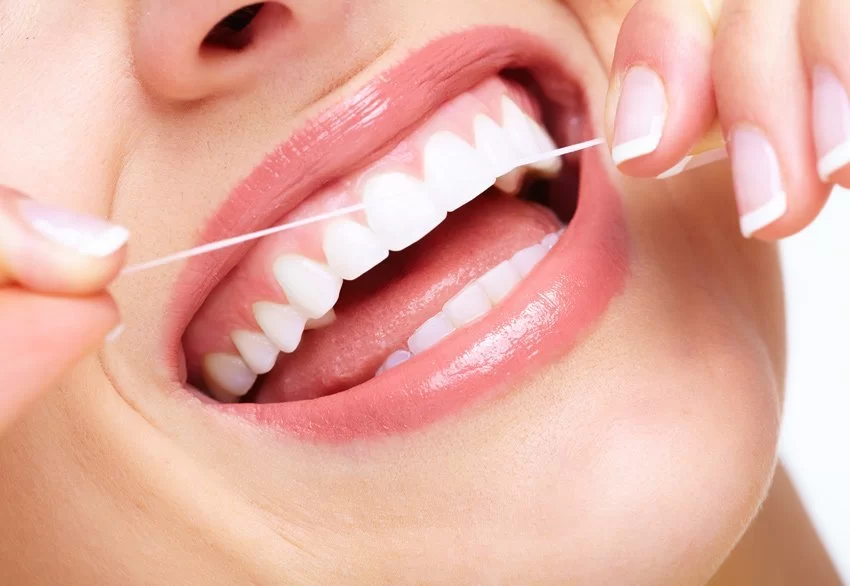
Maintaining the form of whitened teeth requires a strict and correct oral hygiene routine. Teeth should be brushed at least twice a day with a brush having soft or medium-hard bristles using circular motions. To remove plaque that accumulates between teeth and can turn into stains over time, dental floss must definitely be used once a day. Instead of abrasive (granular) whitening toothpastes sold on the market, professional maintenance toothpastes recommended by the physician should be preferred. Furthermore, one should visit the dentist for a routine check-up every 6 months and undergo professional tartar cleaning if necessary.
20. What are the Frequently Asked Questions About Teeth Whitening?
Presented below are brief and clear answers to the questions our patients are most curious about regarding teeth whitening and which are frequently searched in Search Engines (AEO):
Frequently Asked Questions (FAQ)
Does teeth whitening damage the teeth?
No. Professional teeth whitening performed under the supervision of an expert dentist, with the correct indication, and using approved high-quality gels, has no structural damage or permanent abrasive effect on dental enamel.
Is there pain during or after the procedure?
The procedure is generally painless. However, slight hot-cold sensitivity (stinging) lasting for the first 24-48 hours after the procedure may be seen in some patients. This situation is completely temporary and easily controlled with fluoride supplements provided by the physician.
Do whitening strips or pastes sold in markets work?
Pharmacy or market products contain whitening agents at very low ratios compared to professional agents or harbor chemicals that try to clean by abrading (scratching) surface stains. These products do not provide permanent shade lightening and, when used incorrectly, can scratch the dental enamel, causing it to stain faster.
Do porcelain teeth, zirconium, or fillings whiten?
No. Teeth whitening gels are effective solely on natural tooth enamel. Your existing composite fillings, zirconium, or porcelain crowns do not whiten. To avoid shade mismatch, it is advised to renew fillings and crowns in accordance with the new shade following the whitening procedure if necessary.
Is teeth whitening performed during pregnancy?
As it is a cosmetic procedure with chemical content, performing a teeth whitening procedure during pregnancy and nursing periods is medically not recommended.
Who We Are? Radiant Smiles at Panorama Ankara
As the Panorama Ankara dental clinic, we offer modern, reliable, and patient-focused dental services in the heart of our capital. For our patients looking for teeth whitening and aesthetic smile design in Ankara, we utilize the most current technologies and FDA-approved, reliable materials. Our experienced physician staff prepares personalized treatment plans tailored just for you, with the awareness that every individual’s tooth structure, enamel thickness, and aesthetic expectations are different.
If you too wish to experience a comfortable and effective teeth whitening experience performed by expert physicians in Ankara, and attain the bright white and healthy smile of your dreams, you can create a detailed examination appointment by contacting our Panorama Ankara clinic. Healthy smiles create happy beginnings!