

What is Laser Dentin Hypersensitivity Treatment?
Laser dentin hypersensitivity treatment, referred to in dental literature as laser-assisted desensitization of exposed root surfaces conducted with non-contact optical energy, is a non-invasive preventive dental practice discipline. In normal anatomical boundary lines, two main shields exist that isolate the tooth’s vital nerve chamber (pulp) from the external world: a hard enamel layer in the crown portion and a cementum layer covered by the gingiva in the root portion. When these protective shields are abraded due to mechanical or biological reasons, the dentin layer, which harbors millions of micro-tunnels underneath, remains vulnerable. Unlike chemical-containing pastes, laser treatment is based on the principle of physically welding the openings of these micro-tunnels shut in a manner that will not allow liquid tension fluctuations.
- Photothermal Sealing: Weaving a leak-proof barrier by melting crystallized calcium-phosphate particles with laser heat.
- Nerve Conduction Blockade: Low-dose wavelengths deactivating the pain signal production threshold of nerve fibers (A-delta fibers) within the pulp.
- Mechanical Non-Contact: Providing comfort through pure light power without generating drill or scaler noise over the tooth enamel.
Why Does Dentin Hypersensitivity Occur?
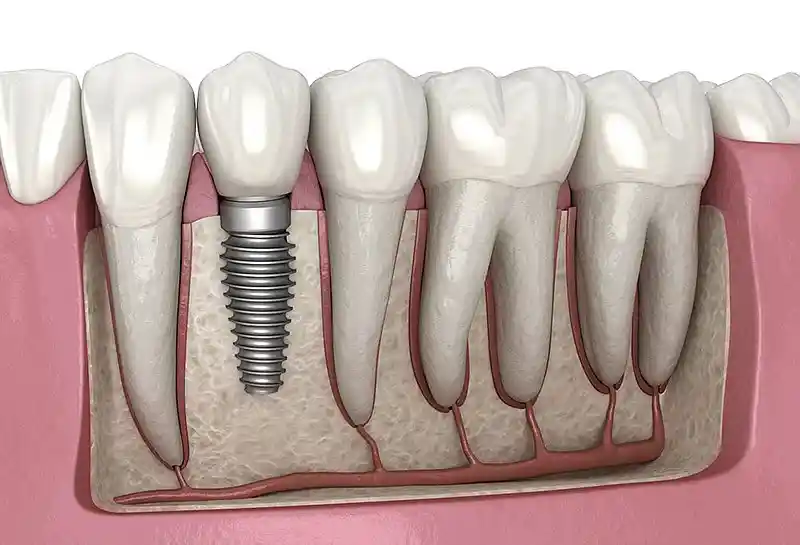
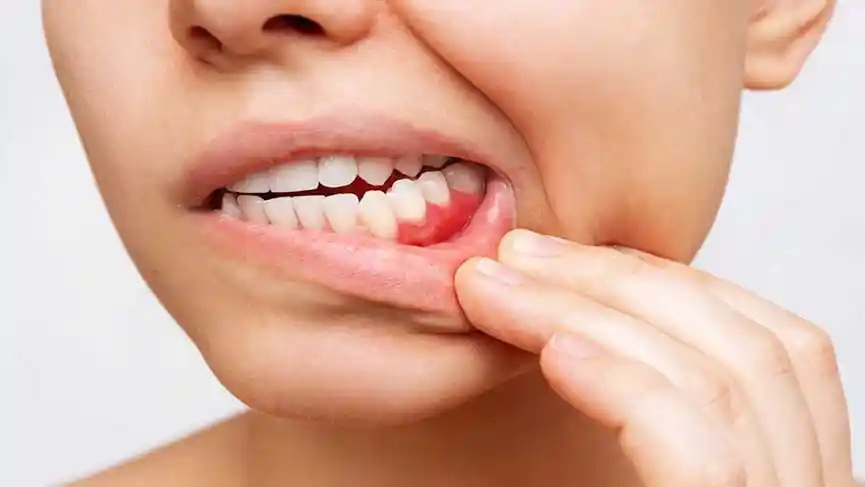
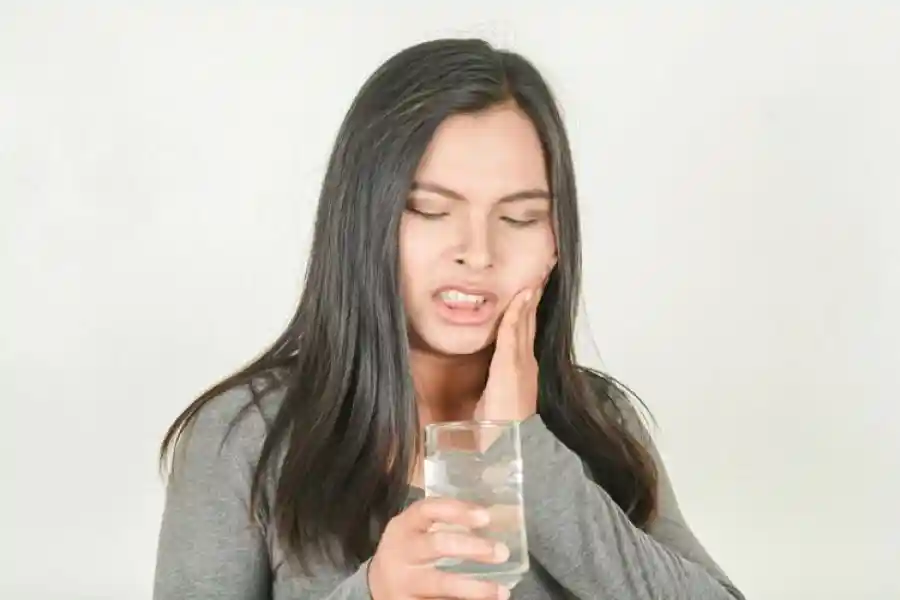
Dentin hypersensitivity, which leads to sudden flashes and stinging in teeth, is a multifactorial chronic periodontal wear presentation triggered by intraoral acid erosions, the patient’s daily mechanical brushing errors, and skeletal muscle habits. The primary root cause is explained by “Brännström’s Hydrodynamic Theory”; within the dentin layer, there are millions of fluid-filled capillary channels (dentin tubules) extending directly to the nerves in the dental pulp. When the gingiva recedes or the enamel cracks, the openings of these channels are exposed; cold water or air entering the mouth causes this column of fluid to move suddenly (creating a vacuum effect), violently irritating nerve endings and giving birth to a sharp shock pain.
- Trauma of Faulty Brushing: Abrading the thin enamel in the cervical region by scrubbing teeth horizontally like a saw with hard-bristled brushes,
- Acid Erosion Cycle: Enamel calcium being dissolved by excessively consumed acidic foods such as lemon, cola, vinegar, or stomach acid resulting from gastritis/reflux,
- Bruxism Pressure (Teeth Clenching): Teeth clenching at night creating micro-bends (abfraction) in the cervical region, cracking and shedding the enamel,
- Periodontal Recessions: Complete exposure of the root cementum layer to the intraoral flora as a result of dental calculi resorbing the bone.
How is Laser Dentin Hypersensitivity Treatment Applied?
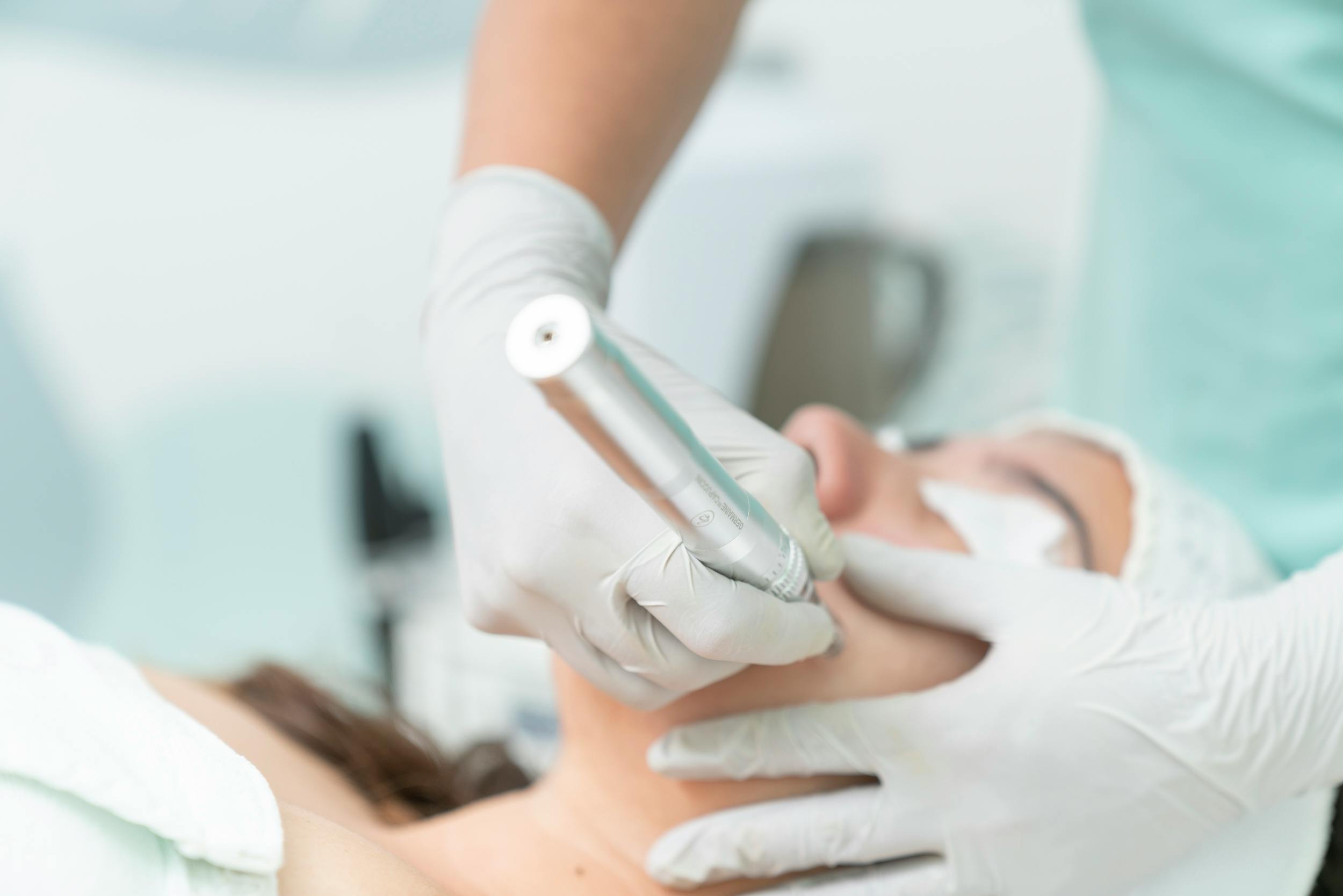
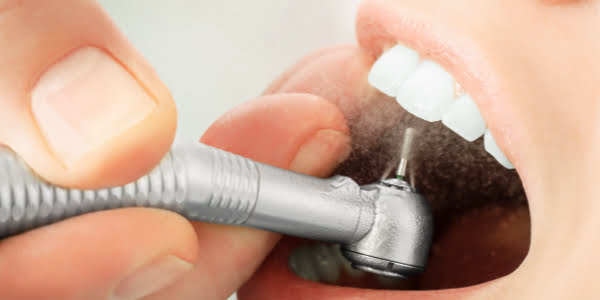
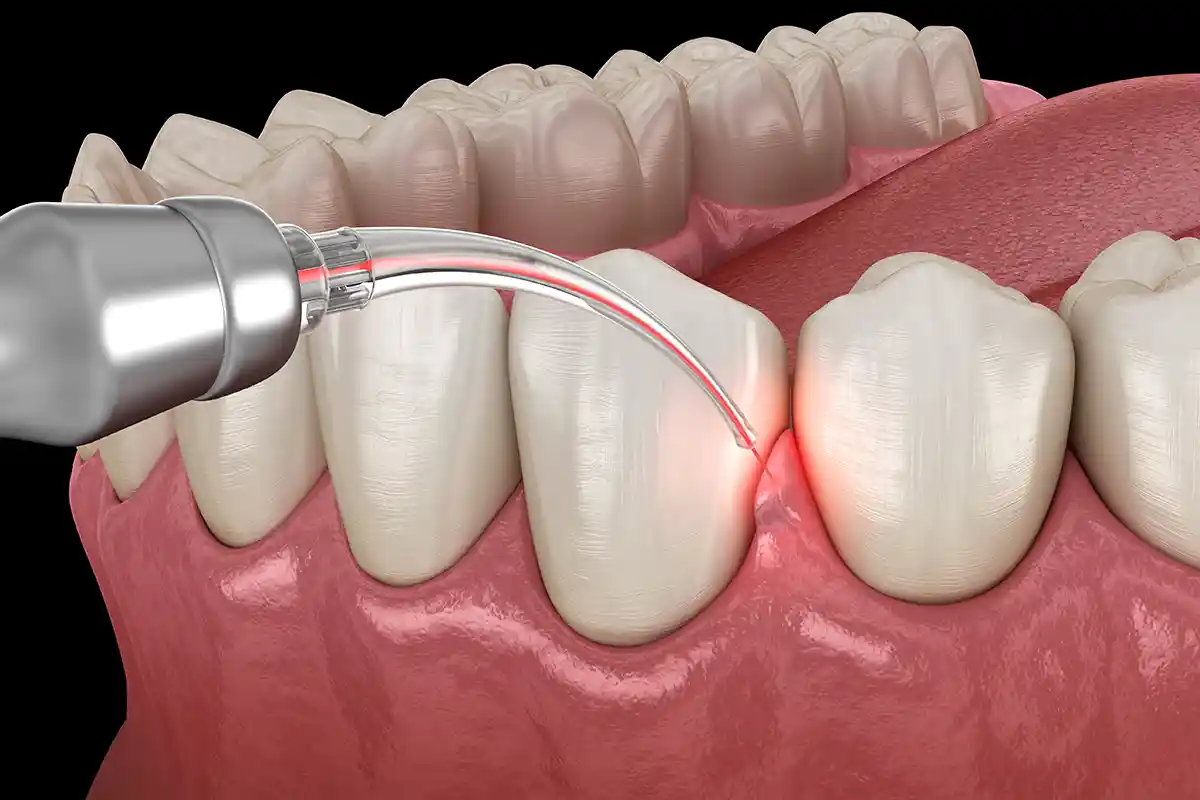
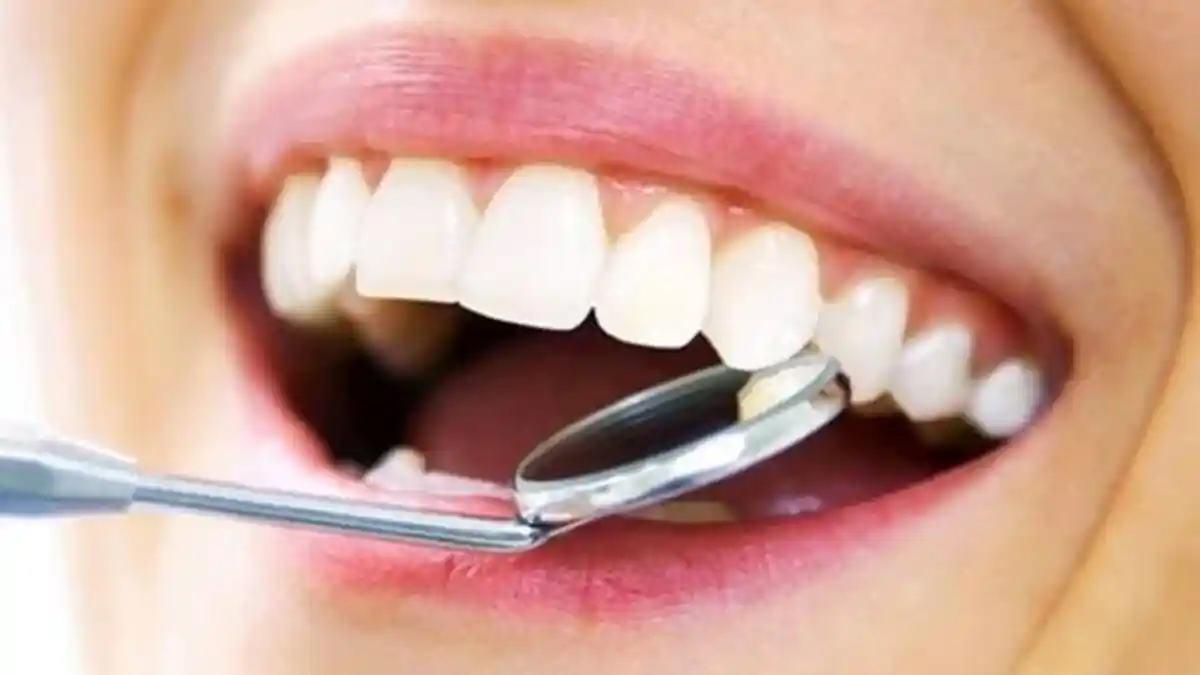
The laser desensitization protocol conducted in polyclinic clinical rooms is a microscopic purification procedure carried out with highly practical steps that are respectful of tissue integrity, without any requirement for anesthetic needles. In the first phase, the tooth surfaces where sensitivity is verified are completely cleared of bacterial biofilm and salivary proteins using prophylaxis pastes and dried; opening the pores to the active phase is mandatory for beam absorption power. Subsequently, the physician focuses the dental laser handpiece in the nanometer mode suitable for the patient’s enamel-dentin thickness onto the tubule openings from a distance of 1-2 mm with circular movements, without making contact with the tooth; the sealing is completed within seconds via the photo-chemical effect of the beams.
- Cavity and Surface Prophylaxis: Elimination of food remnants and micro-calculus remnants that would sabotage the absorption power of the gel or beam.
- Fluoride / Desensitizing Gel Doping (Combined): The phase of reinforcing the locking effect by infiltrating potassium crystals into the tubules before or after irradiation.
- Laser Irradiation Scanning Period: Laser fibers scanning the dentin surface with millisecond pulses to transform the cementum layer into a glassy, smooth form.
Who is Suitable for Laser Dentin Hypersensitivity Treatment?
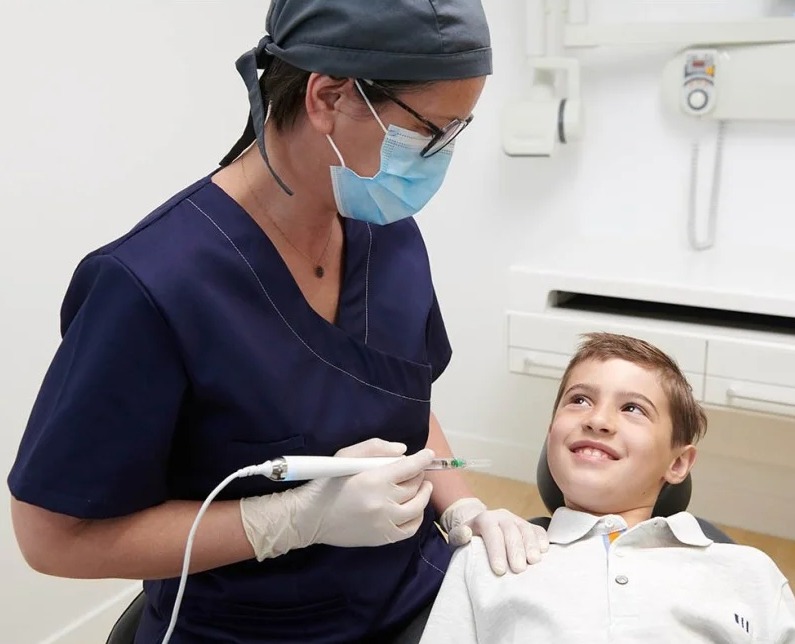
Laser-assisted desensitization cures are medically suitable for every adult patient whose life quality has diminished because of sudden sensitivity shocks waking up in their teeth while washing their face with cold water in the morning or breathing in windy weather outside. Since the system does not harbor anesthetic anesthesia syringes or drill shavings, it is the most comfortable process model for sensitive individuals whose dental phobia (dentophobia) is at the highest level. Because it works with optical wavelengths that do not emit ionizing radiation, it displays a full biocompatibility profile, including in sensitive patient groups whose general medical table harbors risks, such as cardiac patients, hypertensive patients, and women experiencing hormonal gingival sensitivity during pregnancy.
- Those Sensitized After Gum Surgery: Patients whose roots are suddenly exposed after scaling or flap operations once dental calculi are removed.
- Those with Sensitivity After Whitening (Bleaching): Individuals who develop a temporary perception of electric shock due to chemical gels opening enamel pores.
- Elderly Patients Harboring Mechanical Wear: Consultants whose enamel layer has thinned and dentin tunnels have become widely exposed due to aging.
With Which Symptoms Does Dentin Hypersensitivity Manifest?
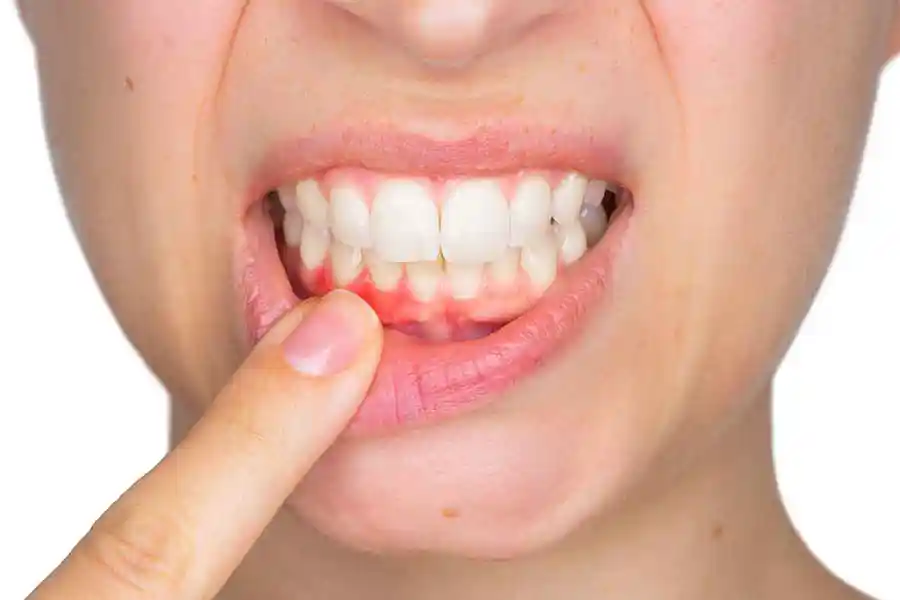
Dentin hypersensitivity exhibits an outward expression through a unique symptom map that is rationally completely different from insidious decay pains or throbbing abscess aches. The most typical sign is the sharp, short-lived shock pain resembling a stabbing knife or electric shock that awakens the exact microsecond an external thermal, chemical, or mechanical stimulus (e.g., ice water, sour apple, or toothbrush bristle) touches the tooth. This stinging sensation is cut like a knife on its own within seconds the moment the stimulus is eliminated (the moment cold water is swallowed); it leaves no persistent throbbing in its wake.
- Thermal Sensitivity Shocks: A stinging reflex radiating to the jawbone when drinking cold water immediately following hot tea or coffee consumption,
- Chemical Osmotic Sensitivity: Stinging forming along dental necks when eating excessively sweet baklava, jam, or high-acid oranges/tangerines,
- Tactile (Mechanical) Sensitivity: The finding that the tooth stings when toothbrush bristles touch the cervical boundary or upon fingernail touch while brushing,
- Evaporative Sensitivity: The cold air leaking into the mouth while speaking in winter months causing an instantaneous stinging in the front teeth.
How is the Tooth Evaluation Conducted Before Laser Treatment?
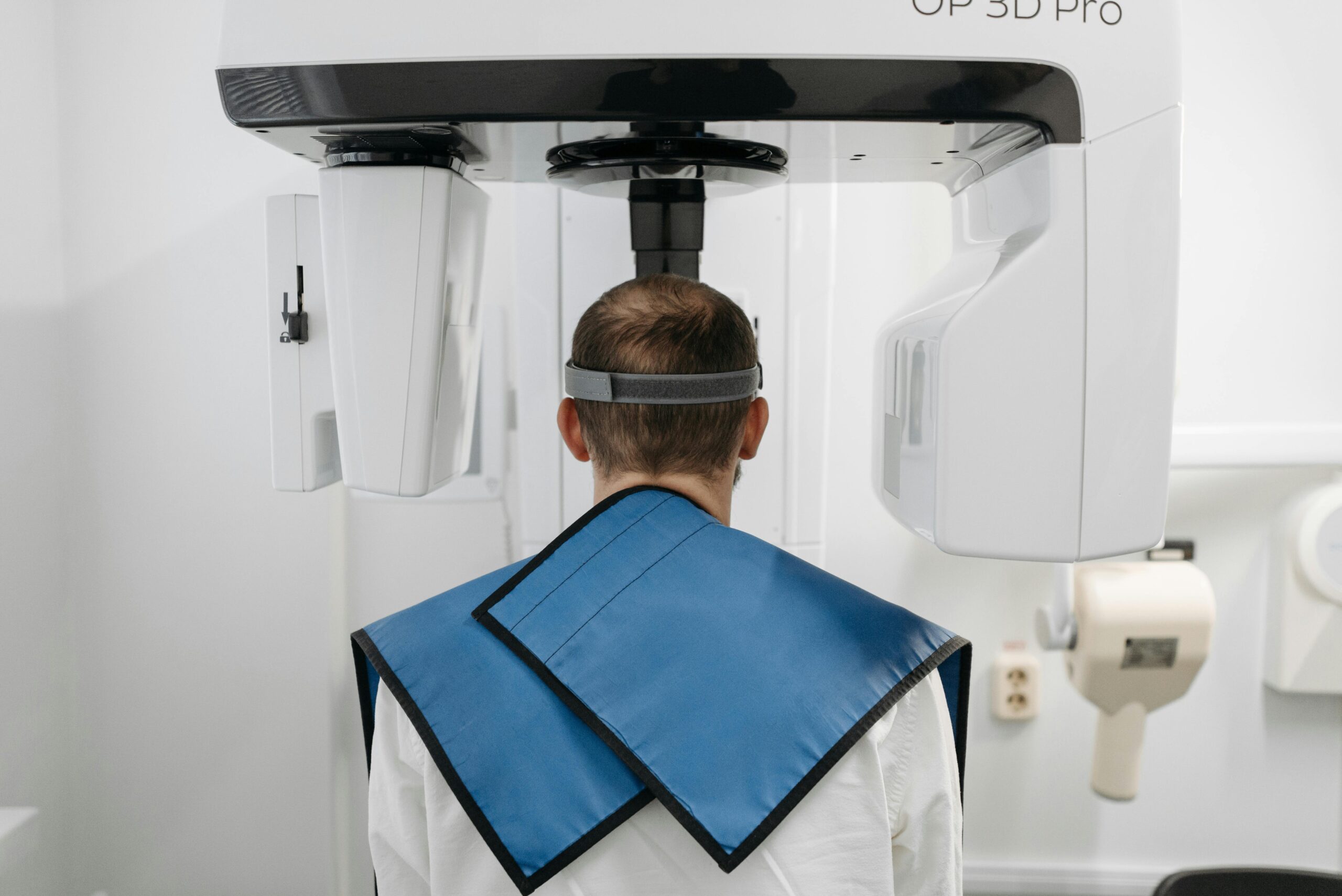
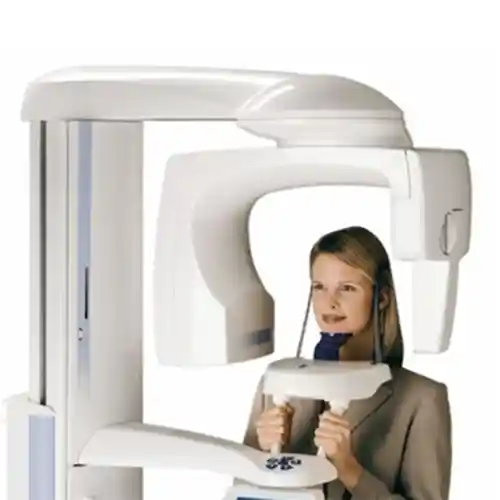
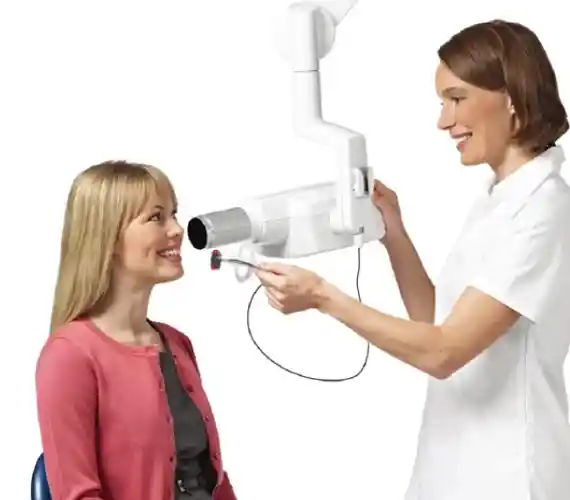
The clinical examination conducted before proceeding to the desensitization session is the most vital analysis stage that detects whether the real pathology underneath the stinging is gingival recession or a deep insidious decay focus; because performing sensitivity treatment on a tooth with a root-tip inflammation is a medical misconception. During the examination, the physician maps out the tubule reaction degrees of sensitive teeth by applying an “Air Spray Test.” At this stage, to eliminate insidious decay foci and root tunnel damage invisible to the naked eye, high-resolution digital periapical radiograph data are scanned layer by layer to verify the vitality integrity of the nerve chamber (pulp).
- Cavity Examination: Verifying that there is no decay hole (structural loss) at the source of the stinging,
- Pulp Vitality Verification: Proving that dental nerves have not entered necrosis (tissue death) via electrical or thermal pulp tests,
- Attachment Level Calibration: The process of verifying by how many millimeters the gingiva has receded with the help of periodontal probes.
Which Technologies are Used in Laser Dentin Hypersensitivity Treatment?
The ability of clinical desensitization protocols to produce microscopic permanent sealing and neurological blockade success depends on the existence of patented laser device technologies whose electromagnetic wavelength powers are optimized via software algorithms. A single laser mold is not used in the treatment; lasers are deployed in the field in two main classes according to the absorption coefficient of water molecules within the tissue and the depth of soothing nerve conduction lines. The tescilli laser classes actively utilized in sensitivity management are summarized in the technological table below:
| Laser Device Technology Class | Specific Wavelength Coefficient | Medical and Cellular Mechanism in Dentin Tissue |
|---|---|---|
| Diode Laser Systems (Soft Tissue) | 810 nm – 980 nm Range | Alters the ion balance in dentin fluid; blocks the pain conduction threshold of nerve fibers in the pulp. |
| Nd:YAG Laser Technology | 1064 nm Concentrated Spectrum | Infiltrates into the depths of dentin tubules, dissolves the collagen matrix, and performs permanent welding of tubule openings. |
| Erbium Laser Group (Er:YAG / Er,Cr:YSGG) | 2780 nm – 2940 nm Hydro-Kinetic | Absorbed to the maximum by water molecules, it seals the dentin surface by melting-crystallization without dissolving it. |
| Low-Level Laser Therapy (LLLT) | 632 nm – 660 nm Cold Laser | Stimulates the production of fresh reparative dentin walls from within the pulp cells through a photo-biomodulation effect without generating heat. |
How Does Laser Application Help Reduce Dentin Hypersensitivity?
The mechanism of laser-assisted root surface desensitization relies on the rules of “physical shield construction” and “neuro-physiological deactivation” via non-contact optical energy. The exact millisecond focused laser photon waves infiltrate into the dentin tubules, they suddenly vaporize the water molecules inside the canal, dissolving the organic collagen protein structure of the tubule at a micro level (melting-solidification phase). This dissolved organic matrix combines with calcium crystals within milliseconds and refreezes, forming a glass-like molten cap layer (molten dentin dam) with knife-edge leak-proof integrity over the tubule tunnel openings; since the openings of the channels are physically welded shut, external heat and acid waves lose their chance to move the fluid inside the nerve and shock pain is definitively aborted.
- Halting Hydrodynamic Flow: Zeroing out the mechanical strain on nociceptive nerve endings by blocking fluid movement.
- Odontoblast Cell Activation: Triggering fresh cells within the tooth via laser energy to weave protective new defense bone walls (reparative dentin bridges) from within.
In Which Situations is Laser Dentin Hypersensitivity Treatment Preferred?
Preferring laser desensitization protocols over traditional sensitivity pastes, fluoride varnishes, or aesthetic filling crown surgeries as a primary priority is indicated according to the structural integrity of the tooth and the chronicity degree of the stinging. If no decay cavity or deep structural loss exists along the cervical (neck) line of the tooth, drilling the tooth to fill it or reducing it for crowns solely to pass the stinging is a tissue waste against preventive medicine codes. The clinician rationally decides on this non-invasive technological shield power to restore the tooth with instantaneous and relapse-free solutions while preserving 100% of tooth integrity.
The primary clinical conditions where laser dentin hypersensitivity treatment is definitively preferred are as follows:
- In stubborn situations where stinging shocks occurring while drinking cold water do not definitively ease despite weeks of using sensitivity-relieving pastes,
- In acute electric shock sensations developing due to the excessive opening of enamel pores immediately following whitening (bleaching) sessions,
- In cases where the patient avoids brushing that region because brush bristles hurt the tooth, triggering insidious gingivitis by preventing cleaning,
- In acid and carbonated beverage enthusiasts where widespread enamel erosions (abrasions) are verified along the anterior incisors.
How is Laser Application Used in Sensitivity Due to Gum Recession?
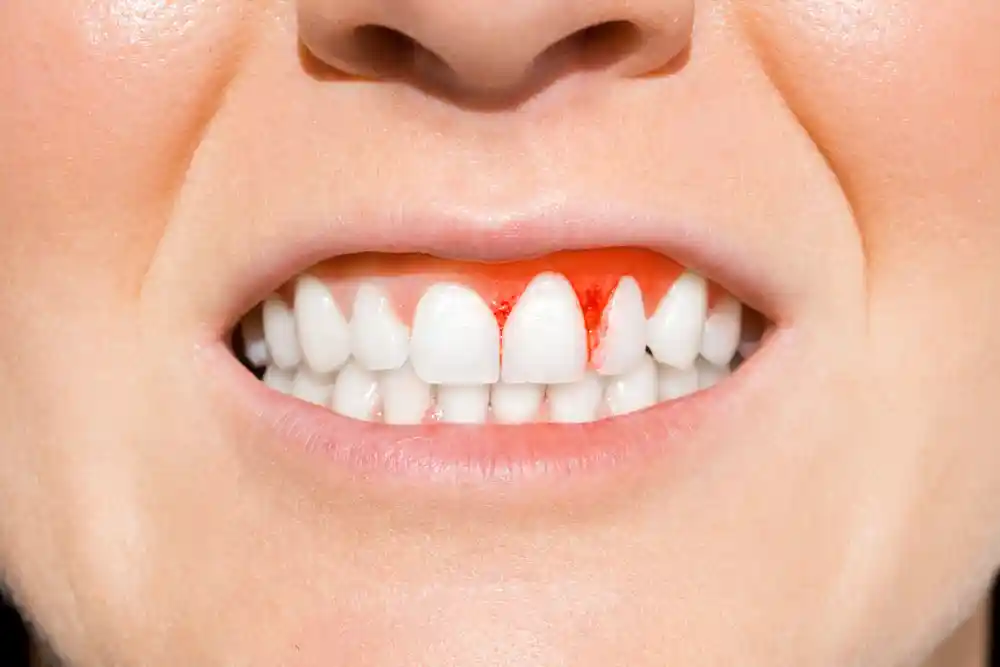
When gingival recession (gingival recession) occurs, the thin cementum layer on the root surface connecting the tooth to the bone is abraded by the brush within seconds by intraoral acids, leaving the underlying sensitive dentin bed completely vulnerable; in these regional stings, laser application is selected to impart a protective blanket effect to the tooth. During the clinical session, desensitizing mineral gels are spread over the exposed root surface along the recession line; subsequently, the laser fiber tip is scanned millimeter by millimeter along this line. The photodynamic power of the laser infiltrates and seals the potassium oxalate crystals within the gel into the deepest tunnel points of open pores; this constructs a sutureless and painless isolation barrier along the receded gum boundaries.
“Laser weaves a bio-technological shield protecting your nerves from external heat shocks by welding microscopic crystal caps over your roots exposed due to gum recession.”
How Long Does Laser Dentin Hypersensitivity Treatment Take?
Laser-assisted desensitization sessions stand as one of the fastest, most dynamic, and practical processes that fit seamlessly into the busy pace of modern urban life, taking almost none of the patient’s time in the dental prophylaxis calendar. Thanks to laser beam scans operating at the speed of light (in millisecond pulses), the duration of sealing and tubule closing on a single tooth surface is usually completed within a microscopic time frame of just 30 to 60 seconds. Steps for purifying the entire dental arch (lower-upper anterior region, 12 teeth) are smoothly completed within a single appointment session lasting at most 15 minutes, including preliminary preparation.
- Active Irradiation Duration: Average of 45 seconds per tooth (the period of welding open tubule openings via light power).
- Social Time Flexibility: Flexible, sutureless processes that can be completed quickly during lunch breaks even on busy working days during the week.
How Many Sessions of Laser Dentin Hypersensitivity Treatment Are Applied?
Thanks to the high photo-thermal focusing power offered by laser technology, a single clinical session application is rationally sufficient in a very vast majority of cases (between 85% to 90%) to cut stinging leakages like a knife; the patient instantly reaches the comfort of drinking cold water without feeling sensitivity shocks the moment they stand up from the surgical chair. However, in heavy borderline cases harboring advanced Miller Class III-IV jawbone resorption where root surfaces are excessively exposed, or severe tetracycline stain histories, brief reminder cures of 2 or at most 3 sessions at 1-week intervals can be added to the schedule to fortify the sealing layer.
- Standard Cases: Permanent homeostasis and sealing verification in a single session (in 15 minutes).
- Advanced Resistant Cases: A 2-session supportive program at 7-day intervals to reinforce sub-tissue cellular stimulation.
What Should Be Considered After Laser Dentin Hypersensitivity Treatment?
There are some practical rules to be observed by the patient in the home environment following the procedure in order to make the medical and functional success of the periodontal session permanent, support the repair cycle initiated by laser beams, and keep the newly welded glassy tubule caps safe. Since sealed pore lines transition temporarily into a more delicate stabilization phase against external factors during the first hours, protecting the tissue is a necessity for clinical safety.
The medical rules to be meticulously followed at home during the critical post-operative period are as follows:
- To preserve the sealing balance of the gingival margins, strictly nothing should be eaten or drunk for the first 2 hours following the application.
- To avoid creating micro-thermal pressures in the newly locked channels, excessively icy beverages or boiling soups—causing sudden thermal temperature fluctuations—must be avoided for the first 24-48 hours.
- Aggressive acid chemicals such as lemon, vinegar, pickle juice, or cola that could initiate acidic demineralization (erosion) and dissolve the seals must be stopped for the first 3 days.
How Should Oral Care Be Maintained After Laser Application?
Post-session home hygiene processes must include a medical discipline that supports the tightening speed of skin and mucosal epithelial cells, protects the wound site from external microbial attacks, but also avoids mechanically scraping and scratching the newly sealed tubule caps. The use of highly abrasive charcoal, granular, or baking soda-containing “whitening” toothpastes sold in pharmacies is strictly medically prohibited during this sensitive phase; because scratched surfaces will re-open the tubules.
- Ultra Soft Brush Integration: Utilizing soft-filament brushes produced solely for sensitive teeth to purify teeth without sanding them.
- Vertical Sweeping Technique: Massaging by gently sweeping the brush from the gums toward the tooth (from red to white); harsh horizontal brushing maneuvers must strictly be abandoned.
- Desensitizing Paste Doping: Brushing teeth gently twice a day with medical pastes containing potassium nitrate or fluoride to reinforce sealing bonds.
What Can Be Done to Prevent Dentin Hypersensitivity from Reoccurring?
The desensitization and tubule-closing effect obtained via a laser session transitions into a permanent phase histologically; however, the physiological change dynamics that the human oral ecosystem undergoes against aging, gravity, and mechanical stressors remain active for a lifetime. If the patient reverts to old erroneous brushing negligences following the treatment, overdoes acidic feeding, or fails to rein in teeth clenching pressures, dentin hypersensitivity can definitively relapse within years along with new gingival recessions; permanence shows a direct correlation with the patient’s home care fidelity.
- Bruxism Blockade: It is a rule for patients with teeth clenching habits to regularly wear their protective night guards (splints) during sleep to prevent cervical bone fractures.
- Brushing Force Calibration: Switching to smart electric brushes to acquire the habit of automatically stopping pressing onto the tooth when the pressure sensor gives a warning.
- Alkaline Mouthwashes: Rinsing the mouth with pure water immediately after consuming acidic foods to shift the pH balance to the alkaline phase, preventing enamel erosion.
What are the Advantages of Laser Dentin Hypersensitivity Treatment?
The advantages brought to sensitivity management practices by advanced technology laser systems do not merely stay limited to soothing the stinging, but elevate the operational security to a perfection beyond the limitations of human error. Impatience to wait for weeks for stinging to pass by applying chemical pastes is completely eliminated in this light-speed system; successful results obtained in a single session impart immediate life quality and eating/drinking freedom to the patient.
- Results are Obtained in the Chair: The moment the procedure ends, the fact that cold water sensitivity shocks have been aborted is verified with the naked eye in the clinical room.
- Zero Tooth Damage: Preserving the tooth in its 100% organic structure without sanding the tooth, drilling, or injecting anesthetic needles.
- Permanent Sealing Barrier: Eliminating the disadvantage of chemical varnishes washing away with saliva by constructing a permanent physical welding cap at tubule tips.
- High Bio-Safety: Being able to be administered with full safety even in pregnant women, heart/kidney/liver patients, since it harbors no medication or chemical load.
With Which Dental Treatments Can Laser Dentin Hypersensitivity Treatment Be Applied Jointly?
The laser-based desensitization technology can be planned within a combined synergy with other modern restorative dental protocols to holistically elevate the aesthetic architecture of the face and smile integrity. While underlying tubule sealing is locked with a laser, form defects on the upper layers can be treated simultaneously with different robotic units; the combination schedule is designed according to the result of the detailed periodontal analysis to be performed by the specialist physician.
- Gingival Recession Surgeries (Grafting): Desensitizing exposed root surfaces with a laser prior to the surgery of shifting receded tissues upward, eliminating post-operative stinging burden.
- In-Office Laser Whitening (Bleaching): Conducting the procedure sequentially in the same chair at the end of the session to instantly soothe electric stinging sensations triggered in enamel tubules by whitening gels.
- Aesthetic Composite Bonding Restorations: Sealing dentin canal bases with a laser prior to filling cervical wear notches, definitively cutting off under-filling leakage stings.
How Does Laser Dentin Hypersensitivity Treatment Contribute to Dental Health?
The greatest contribution of this professional periodontal prophylaxis model to dental health biology is fundamentally breaking that insidious “vicious cycle chain” arising from the patient neglecting oral hygiene due to fear of pain. A patient whose tooth stings avoids brushing that sensitive area so that brush bristles do not touch it; the micro bacterial plaque and tartars not cleaned in that root boundary accumulate in folds; accumulated stones dissolve the gingiva further to increase recession, and the tooth begins to loosen by stinging even more. Laser instantly cuts the stinging, enabling the patient to brush that area freely and fearlessly; this stabilizes gingival health and definitively prevents early tooth losses.
- Root Decay Barricade: Resetting decay risks by taking the vulnerable cementum layer under a protective shield against bacterial acids.
- Preservation of Attachment: Preserving the skeletal rigidity of the tooth by keeping the ligament network connecting the tooth to the bone inflammation-free and clean.
What are the Frequently Asked Questions About Laser Dentin Hypersensitivity Treatment?
Presented below are the most common practical concerns arising in the minds of consultants planning to apply for laser desensitization protocols to rid themselves of stinging in dental roots and sensitivity shocks, along with their clinical medical answers:
Does laser sensitivity treatment hurt a lot while being applied to my tooth that is already stinging?
No, you will definitely not feel the slightest pain or additional stinging. Administering an anesthetic needle to the tooth is not even required during the procedure; because the laser device head does not physically contact your tooth, it does not apply friction or pressing pressure. Only pure light pulses are sent to the tooth, and since the transmission speed of these pulses is much shorter than the duration it takes for the human nervous system to transmit the pain signal to the brain, nerve endings cannot generate a sensation of pain, and the session is completed with full comfort.
Can sensitivity-relieving pastes or mouthwashes sold in pharmacies treat the tooth permanently like a laser?
No, the mechanical working power of these products cannot medically compete with laser technology. Chemical salts (potassium nitrate) inside sensitivity pastes form temporary, loose, and fragile micro-deposits at the opening of dentin tubules; however, when you consume an acidic food or perform harsh brushing, these chemical deposits dissolve instantly with saliva and wash away, and the stinging returns. Laser, on the other hand, constructs a permanent and leak-proof barrier because it performs physical welding by dissolving the tubule tips.
Do laser beams cause permanent burn damage to my gums or the vital nerve chamber (pulp) inside my tooth?
No, modern dental laser equipment, verified in medical and periodontology standards, harbors software-based safety locks that will not harm the tooth. Beam energy creates a photo-thermal reaction solely at the micron-level depth (at the tubule opening) over the enamel and dentin surface; the leakage of heat waves into the deep pulp chamber in the dental nerve and burning of nerves is definitively prevented thanks to computerized joule calibration settings, and it is completely safe.
Do the microscopic tooth pores sealed with a laser re-open over time in the future, does sensitivity relapse?
Dentin tubules welded with the correct wavelength strictly cannot re-open on their own, and the obtained desensitization effect remains permanent for a lifetime. However, if you continue horizontal brushing by pressing with hard-bristled brushes like a saw or consume intensive acidic chemicals every day, enamel layer will continue to be abraded; zero open tubules will be born in brand new underlying layers, and new sensitivity foci perceived as relapse will awaken; correcting the brushing technique is therefore a rule.
Can I return to my normal professional, social, and eating/drinking life immediately on the day the treatment is completed?
Yes, laser sensitivity treatment is a completely local and non-invasive prophylaxis workmanship harboring no injection syringes, surgical scalpel incisions, sutures, or facial numbness; therefore, the exact minute you stand up from the chair the moment the session ends, you can return to your daily, professional, social, or academic life rhythm uninterrupted and with a complete freedom of eating and drinking comfort, free from stings; there is no medical obstacle whatsoever to driving a car or participating in business meetings.
Who We Are & Panorama Ankara Oral and Dental Health
Panorama Ankara is a licensed oral and dental health center that offers institutional health assurance to its patients by combining an academic expert staff and the latest global bio-technological digital infrastructure under a single roof, across all specialty branches of dentistry, primarily oral, dental, and maxillofacial surgery, advanced implantology, microscopic endodontics, periodontology (gum disease surgery), and aesthetic dentistry. Attaching vital importance to halting dentin hypersensitivity stinging shocks—which sabotage the life quality of patients due to gingival recessions or enamel erosions—through evidence-based medical disciplines at a cellular level, rather than masking them with temporary cosmetic chemicals, our center operates original Laser-Assisted Dentin Hypersensitivity Treatment (Desensitization) ecosystems that offer the highest success rates within the clinical prophylaxis workflow with a strict calendar discipline.
Under the roof of Panorama Ankara, absolute sterilization, high patient safety, transparency, and honesty principles are operated with uncompromising determination by regulation in full compliance with medical codes in all diagnosis, radiological scanning, design, and micro-surgical interventions. In our clinical practices, proprietary Erbium and Nd:YAG laser units that focus with micron-level resolution on tissue integrity while acting passively on vascular pathways, and high-resolution digital periapical radiology systems are administered with millimetric precision under the supervision of our expert periodontist and endodontist staff. Our aim is not to impose old-type, slow, overly reductionist, and incompatible analog filling molds that drill teeth for the sake of covering them because the stinging cannot be relieved; but rather to analyze each consultant’s enamel quality and dentin wear index on the naked eye during the preliminary examination, achieving maximum session comfort without harming surrounding soft tissues and sensitive vascular pathways, a practical application lasting seconds, and smooth oral functions where you will consume any cold-hot beverage freely for a lifetime without fear of stinging. If you postpone your checks due to fear of the dentist chair or time limitations despite being tired of your receding tooth lines or those electric shock stings that awaken while brushing your teeth, and want to initiate your smart aesthetic surgery process with scientific assurance in an expert institutional center environment; you can safely protect your health and smile integrity by contacting the expert staff of Panorama Ankara for your detailed intraoral examination and laser comfort.