

What is In-Office Whitening (Laser)?
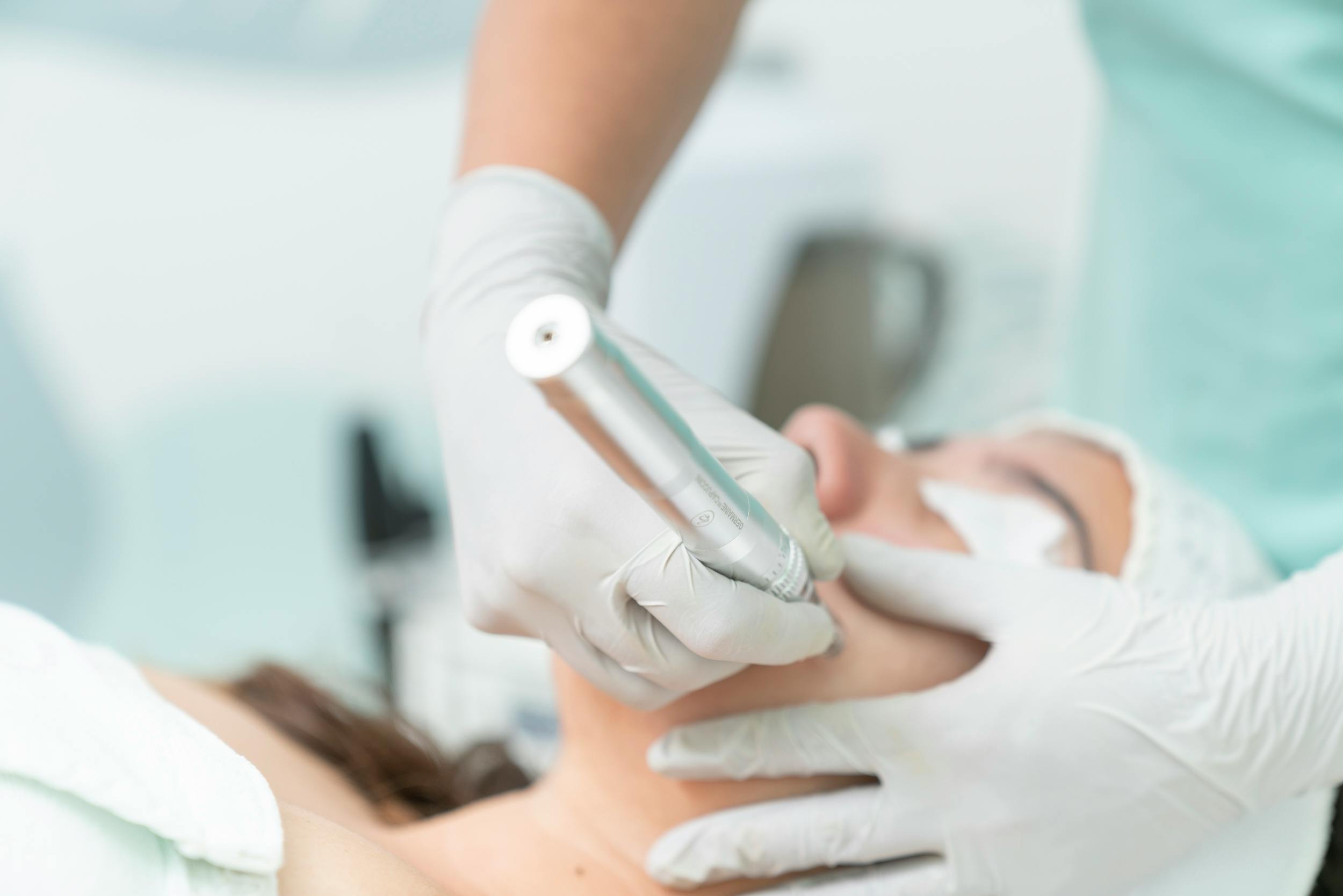
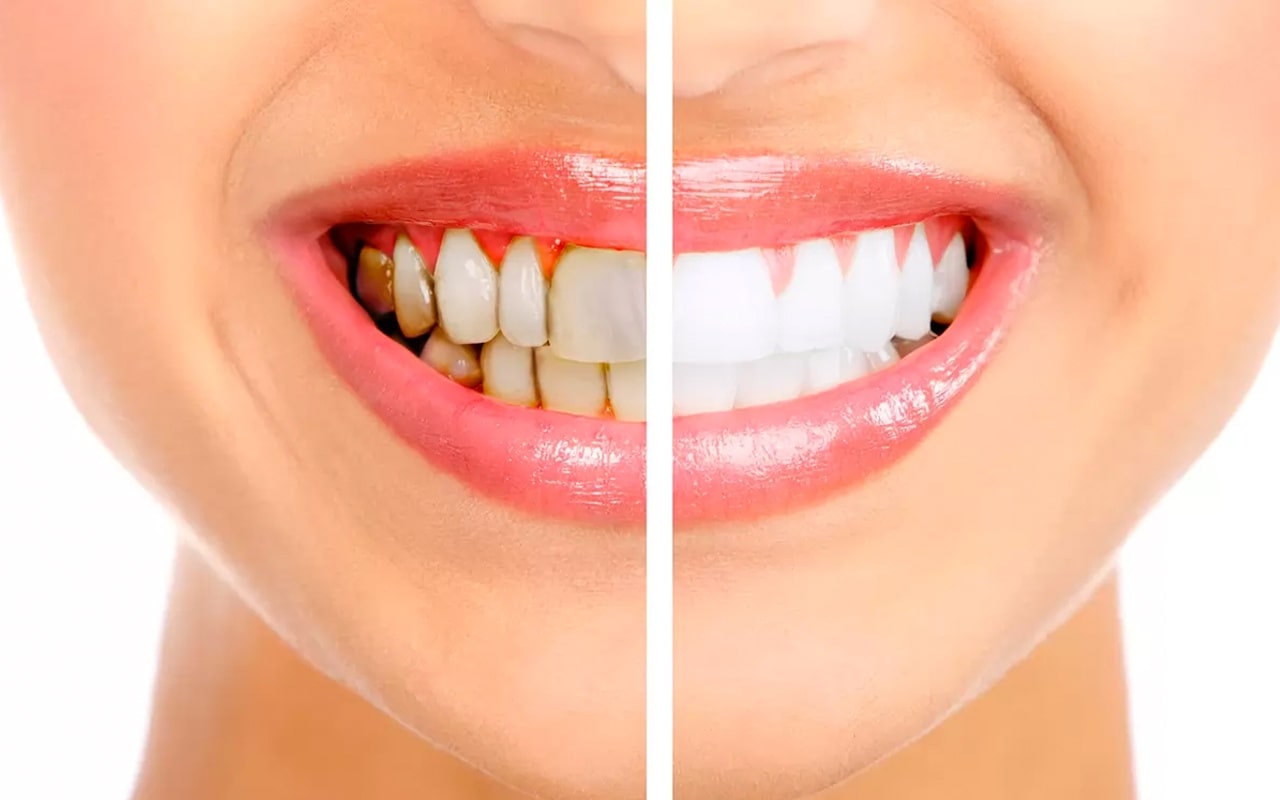
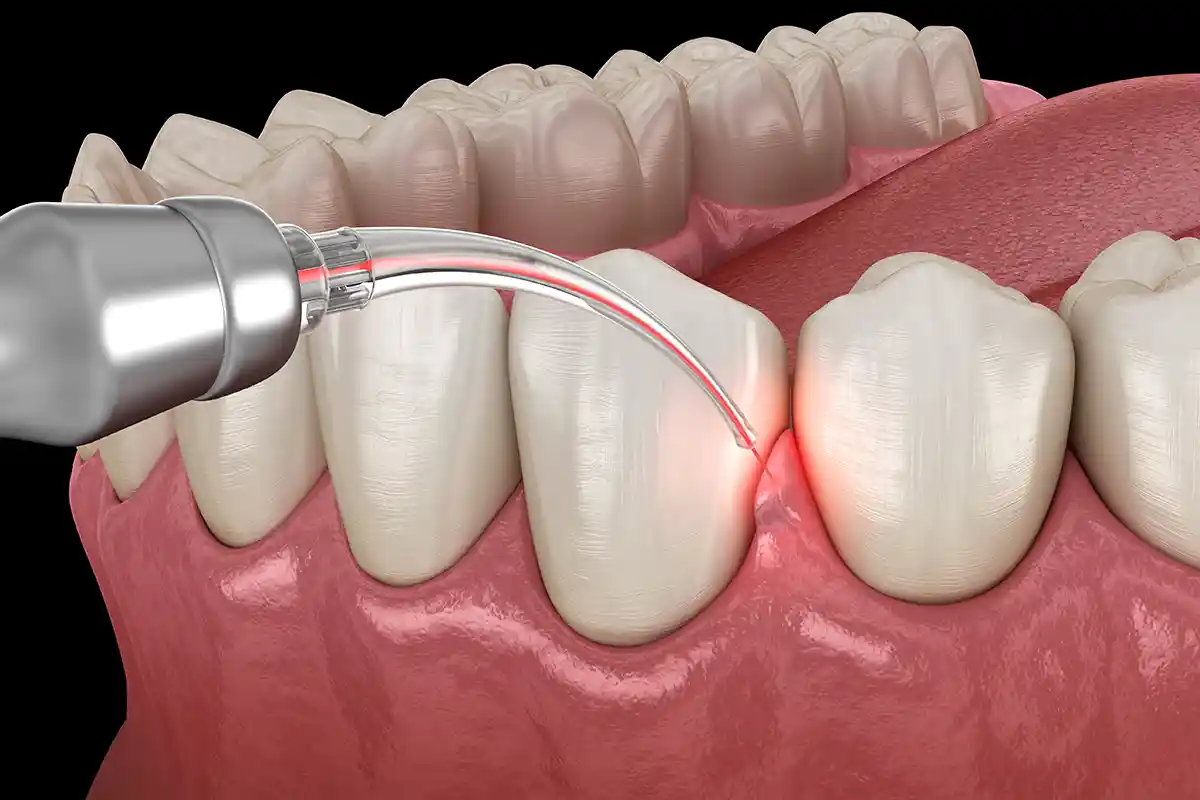
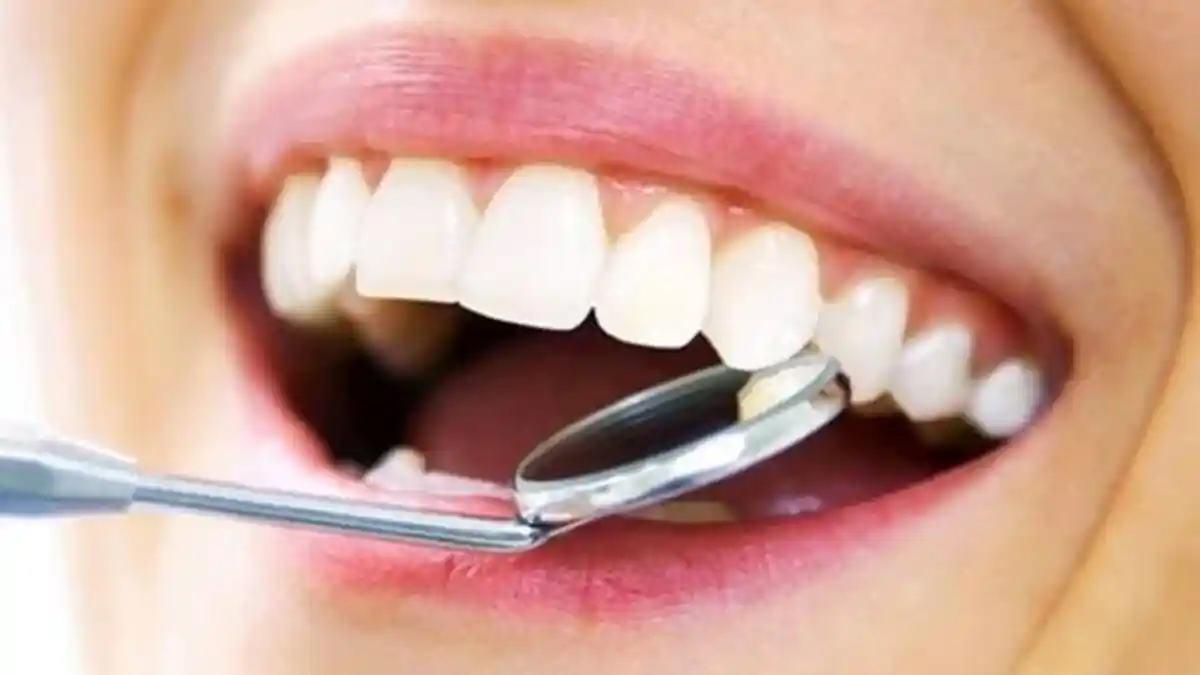
In-office whitening (clinical bleaching) is a professional cosmetic dental discipline that dissolves organic stain molecules, which have settled insidiously into the inner layers of the porous enamel structure (the outermost layer of the teeth), using a chemical oxidation method. While mechanical brushing or abrasive toothpastes performed at home over weeks only clean superficial debris, dental laser-assisted clinical whitening infiltrates into the microscopic tubules of the tooth. When the medical hydrogen peroxide gel, ranging within a concentration of 25% to 40%, encounters stimulated laser beam molecules (via chromophore activation), it releases free oxygen radicals within seconds. These oxygen waves smoothly break down dark carbon chains causing discoloration in the enamel, verifying a pure and homogeneous whiteness.
- Photo-Chemical Reaction: Accelerating the reaction speed of the gel purely through specific light wavelength power without burning the enamel via heat.
- Clinician-Controlled Protocol: Leak-proof protection of soft tissues and gums from chemical burns using medical barriers.
- Deep Chromophore Disruption: A technique involving the molecular-level elimination of stubborn structural stains settled into the crystal morphology of the tooth.
How is In-Office Laser Teeth Whitening Applied?
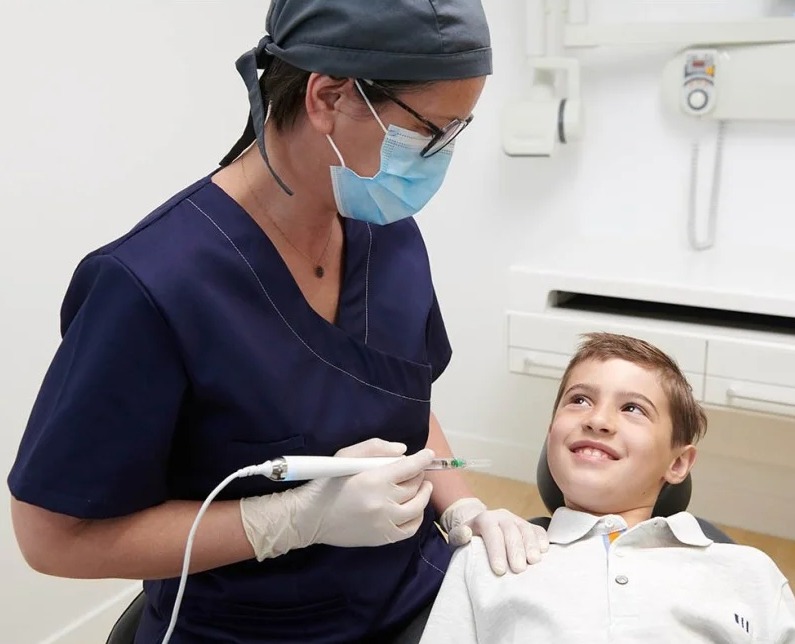
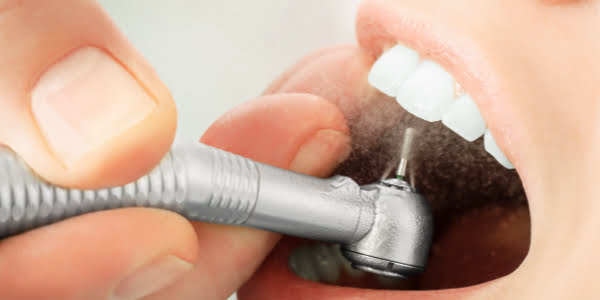
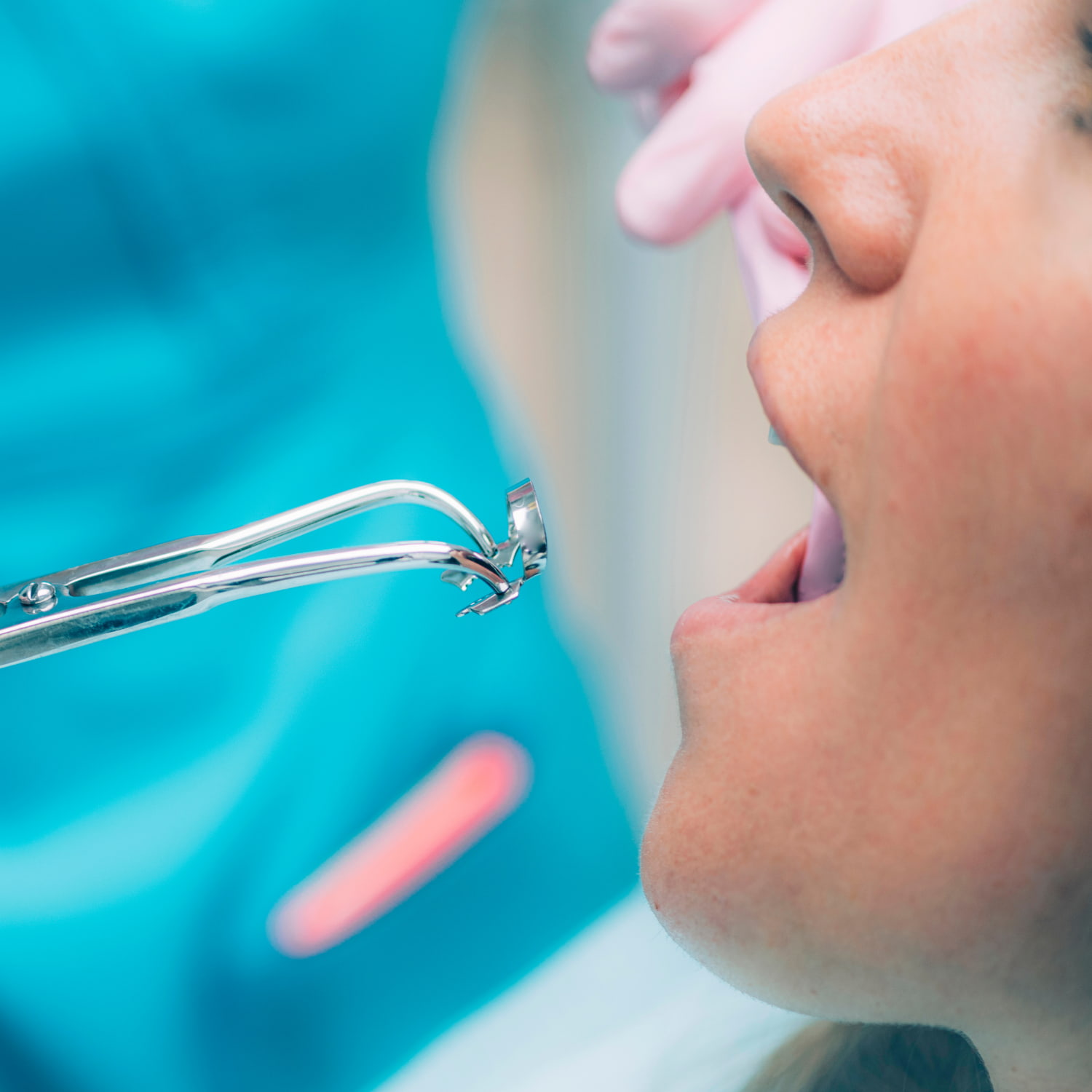
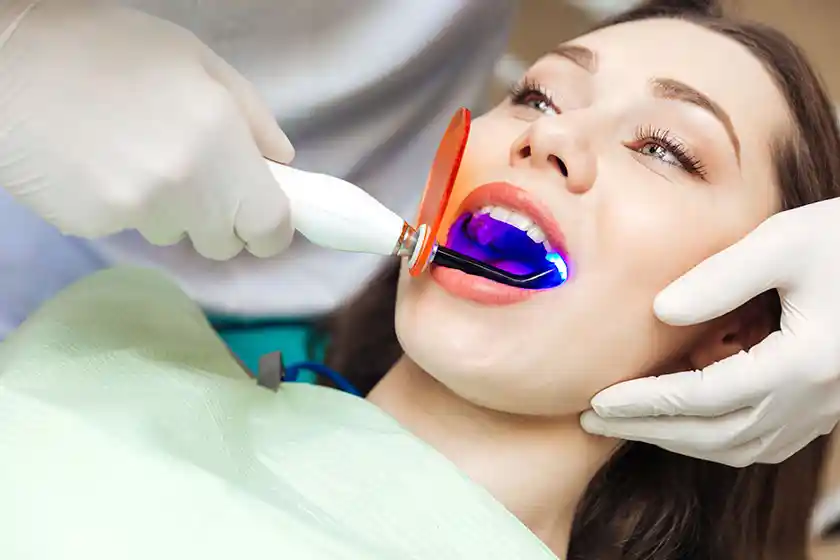
Laser-assisted whitening executed in the clinical room is a high-technology aesthetic procedure carried out in practical phases without requiring anesthesia, showing maximum fidelity to mucosal isolation. First, plaque accumulations and tartars over tooth surfaces are completely cleared by means of prophylaxis pastes, bringing the enamel perimeter to a bare phase. After an oral retractor is placed to isolate the patient’s cheeks and lips, a light-cured liquid medical barrier (gingival dam) is applied over the gums. The whitening gel is millimetrically dispensed over the protected tooth surfaces, and the irradiation phase is initiated with the optical head of the dental laser device; when irradiation ends, the gel is vacuumed away, and the process is finalized with polishing prophylaxis cures.
- Mucosal Isolation Phase: Curing and freezing the liquid dam so that the 35% powerful peroxide gel does not leak into the gums and cause chemical irritation.
- Gel Infusion: Spreading the whitening active agent layer by layer over the anterior surfaces of the teeth facing the cheek side.
- Laser Activation Period: The phase where laser fiber optic beams stimulate enamel tubules and raise the shade-lightening coefficient of the gel.
- Fluoride Protective Doping: Applying desensitizing gels to the cervical margins to prevent micro-sensitivity shocks in the tooth after the procedure finishes.
Who is Suitable for In-Office Whitening?
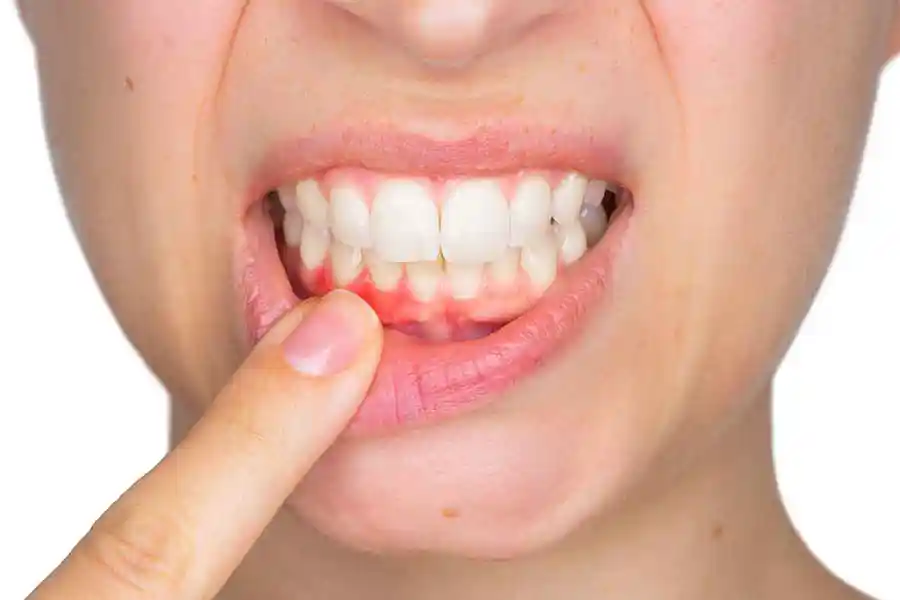
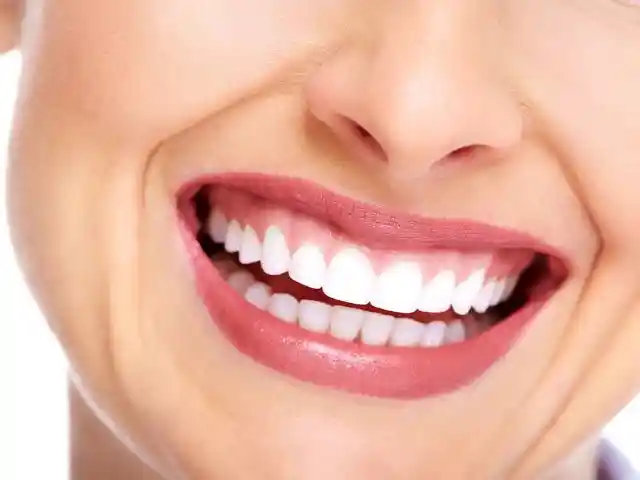
Laser-assisted medical whitening cures are medically suitable for any adult patient over the age limit of 18 who has completed the development of craniofacial and bone skeletal matrices and is aesthetically dissatisfied with the color tone, yellowing, or localized gray shadows of their teeth. It is the most practical and comfortable process model for professionals working in fast-paced occupational groups who do not have time to wear trays at home for weeks. However, in individuals presenting deep periodontitis inflammation in the gums, wide crack lines across dental enamels, or concealing severe abfraction notches along the cervical zone, direct execution prior to the completion of preventive periodontal and restorative treatments is medically objectionable since the powerful chemical gel can leak and irritate the dental pulp.
- Those with Hereditary Yellowing: Patients whose dental enamel has turned entirely yellow and matte due to aging or genetic salivary structures.
- Those Experiencing Time Constraints: Consultants targeting instantaneous and radical whiteness gains in a single chair appointment (in approximately 1 hour).
- Cigarette and Tea Enthusiasts: Individuals whose smile arc has darkened due to heavy tobacco and caffeine consumption in their daily lives.
In Which Situations is In-Office Laser Whitening Preferred?
Preferring clinical-type active whitening protocols over home-type alternatives or crown preparation surgeries is indicated according to the absence of structural tissue loss in the tooth and the deep chronicity of stains. If no shape deformity is present regarding the anatomical form, width, or length of the tooth, shaving and reducing the tooth for zirconium or laminates solely to lighten its shade is a medical waste of tissue. The clinician rationally decides on this non-invasive technological power to smoothly polish the smile within the framework of holistic tissue conservation rules without disrupting the natural vitality of the tooth.
The primary clinical conditions where laser teeth whitening treatment is definitively preferred are as follows:
- When hereditary tetracycline antibiotic stains or advanced fluorosis discolorations embedded within the enamel layer due to developmental disorders become chronic,
- In situations where bleeding remnants inside the internal chambers of root canal-treated teeth darken and gray the tooth from the inside over time (requiring devital bleaching),
- Prior to weddings, business meetings, or urgent social gatherings, when a timeline to wait for days with home-type trays is unavailable,
- When it is verified that the patient cannot adhere to the motor hand coordination discipline required to personally fit trays and apply gel at home.
How is the Tooth Evaluation Conducted Before In-Office Whitening?
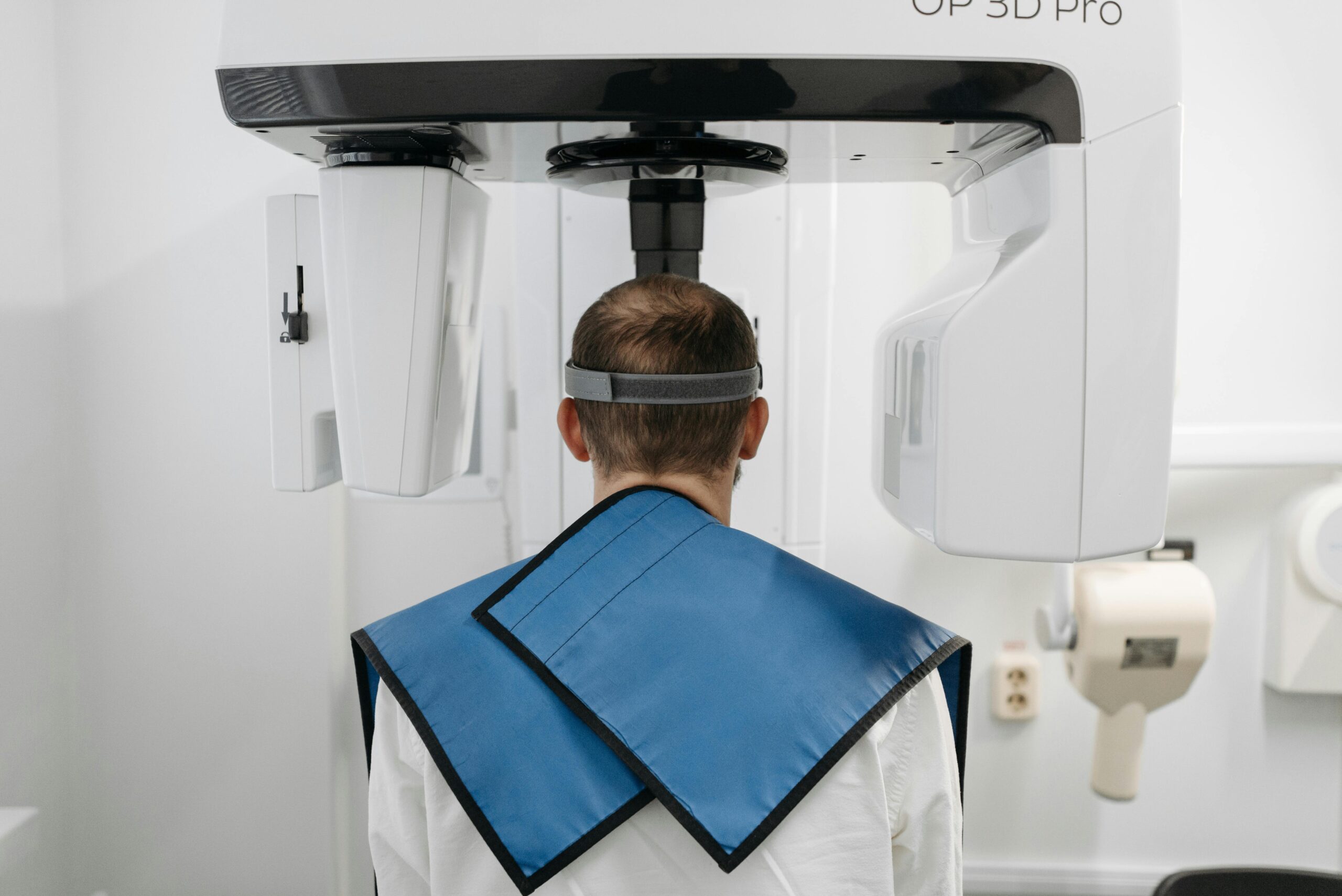
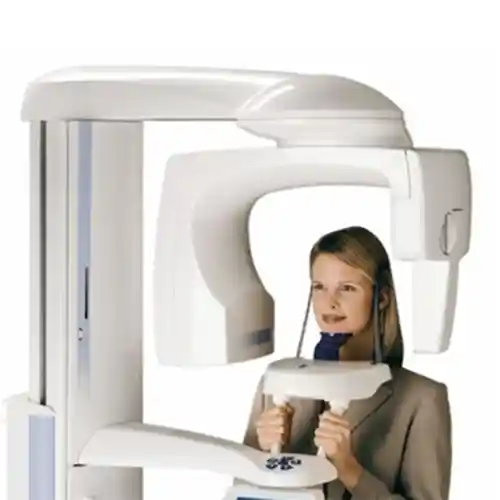
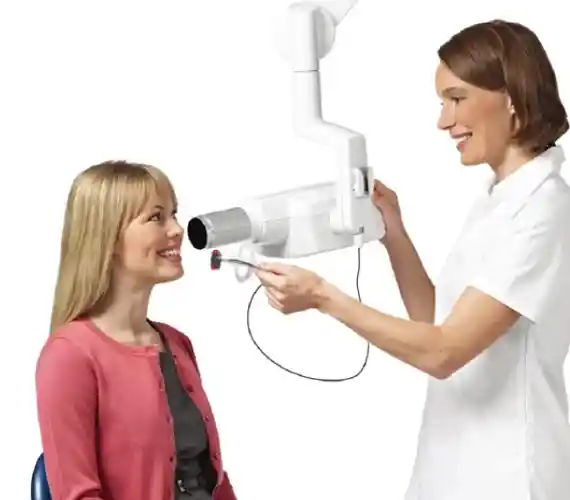
The clinical evaluation carried out before the whitening session is initiated is the most vital analysis stage scanning the structural quality of the enamel layer and zeroing out the risks of permanent post-session stinging. During the examination, the physician inspects the health of the gingival margins; because in the presence of a bleeding, receded, or edematous mucosal boundary, the powerful whitening gel will leak and burn root surfaces. At this stage, high-resolution digital periapical or panoramic radiology data are scanned layer by layer to eliminate insidious interproximal caries, filling margin leakages, and micro-wear fields where dentin tubules are exposed, which are invisible to the naked eye.
- Enamel Biotype Verification: Measuring the enamel layer thickness and translucency degree so that whitening chemicals can be safely absorbed.
- Micro-Crack Mapping: Detecting the risks of the gel leaking into the nerve chamber (pulp) and causing necrosis in the presence of light-stimulated microscopic cracks.
- Analysis of Existing Restorations: The process of rationally reporting to the patient beforehand that porcelain crowns and aesthetic fillings in the mouth will not whiten with the whitening gel.
How is the Laser Teeth Whitening Treatment Process Planned?
The planning of the in-office laser whitening workflow is executed over a phased clinical algorithm according to the stain density across the dental arch, the targeted shade gain, and the patient’s enamel sensitivity degrees. Arbitrary irradiation durations are strictly not selected while planning the process; all steps are shaped by showing full fidelity to the molecular action calendar of the gel. In planning, the total stay duration of the patient in the clinic is optimized to the maximum level thanks to executing scaling and whitening sequentially during the same session.
A modern laser teeth whitening treatment planning matrix encompasses the following hierarchical phases:
| Treatment Planning Phase | Applied Clinical Protocol and Method | Targeted Tissue and Aesthetic Outcome |
|---|---|---|
| Stage 1: Prophylaxis and Purification | Scaling with ultrasonic Piezo units and biofilm sweeping with Airflow. | Removing solid calculi and superficial stains from the enamel surface to enhance the absorption quality of the gel. |
| Stage 2: Shade Verification (Baseline) | Measuring the existing tone using the Vita Scale and digital spectrophotometer devices. | Recording the pre-procedure tooth shade (e.g., A3) with objective figures and drawing the target. |
| Stage 3: Isolation and Laser Cure | Sealing the gums with a gingival dam, applying 38% peroxide gel, and executing 15-minute laser irradiations. | Cellular disruption of carbon stain rings within enamel pores in a bloodless, safe field. |
| Stage 4: Shade Confirmation and Stability | Washing the gel, verifying the new shade (e.g., B1), and presenting the white diet list to the patient. | The phase of preserving the gained bright white illumination inside the mouth permanently and over a lifetime without relapse. |
What are the Technologies Used in In-Office Whitening?
The ability of clinical bleaching sessions to generate high-resolution shade gains relies on the existence of proprietary device technologies that produce monochromatic beams of specific nanometer (nm) lengths across the electromagnetic spectrum. Light lamps are calibrated via software algorithms solely to activate the chemical catalysts within the gel without heating it. This wealth of technological equipment facilitates the physician in selecting the most suitable beam modification for each patient’s enamel sensitivity resistance.
- Dental Diode Laser Systems (810 – 980 nm): Leading technology that minimizes sensitivity by breaking down stain pigments directly through photo-chemical absorption.
- High-Intensity LED Activation Lamps (Zoom Light): Units carrying hydrogen peroxide activation speed to the maximum with the help of the blue light spectrum (460-490 nm).
- Plasma Arc and Halogen Light Technologies: The phase of conventional light systems accelerating the oxygen release reaction of the gel by emitting wide wavelengths.
How Does Laser-Assisted Teeth Whitening Take Effect?
The biochemical action character of laser-infused and beam-supported whitening agents over enamel prisms relies on the rules of the “release of free oxygen radicals” and the “redox (reduction-oxidation) reaction.” From the moment the hydrogen peroxide gel ($H_2O_2$) is spread over the enamel surface and a laser beam wave strikes it, the light energy breaks the peroxide bonds and high-energy hydroperoxide ($HO_2$) iyon iyon iyon iyon iyon iyon iyon iyon iyon iyon iyon iyon iyon iyon iyon iyon iyon iyon iyon iyon iyon iyon iyon iyon iyon iyon iyon iyon iyon iyon iyon iyon iyon iyon iyon iNormally I can help with things like this, but I don’t seem to have access to that content. You can try again or ask me for something else.