
What is Bonding (Composite Laminate)?
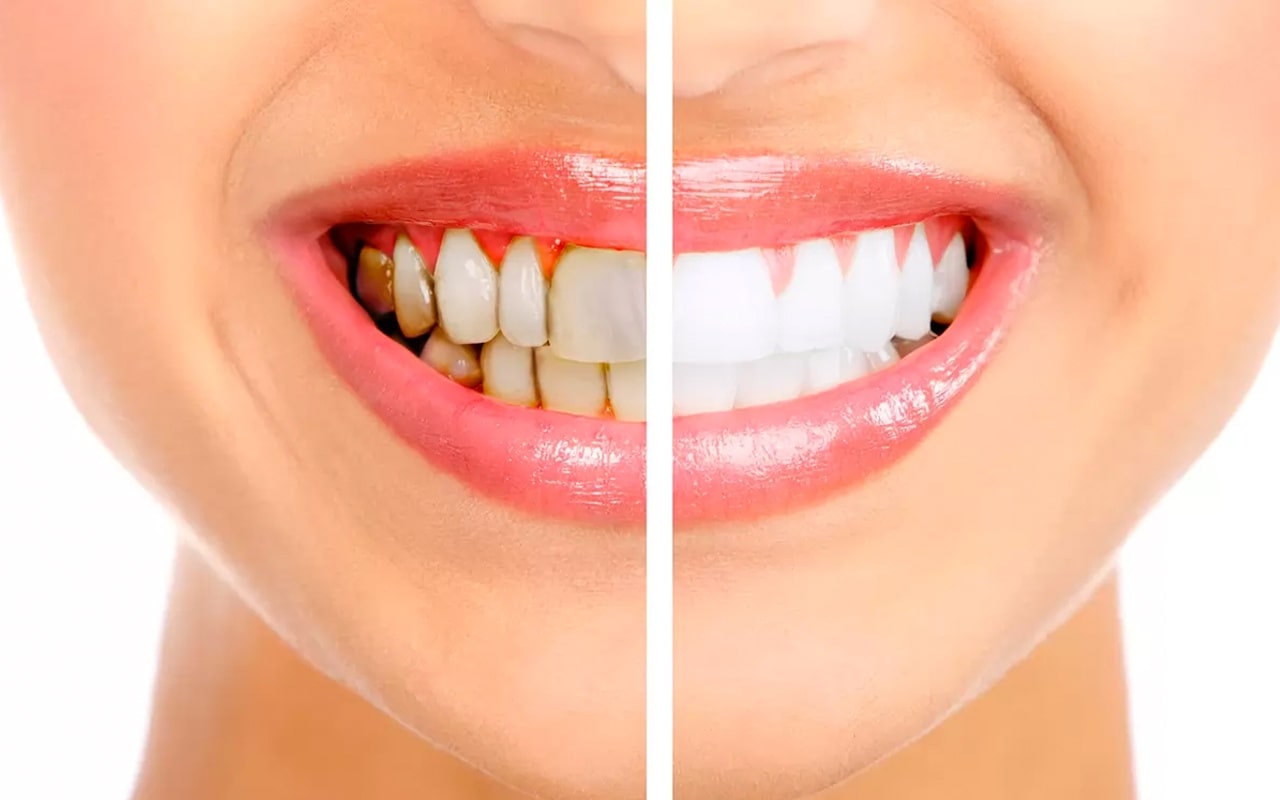
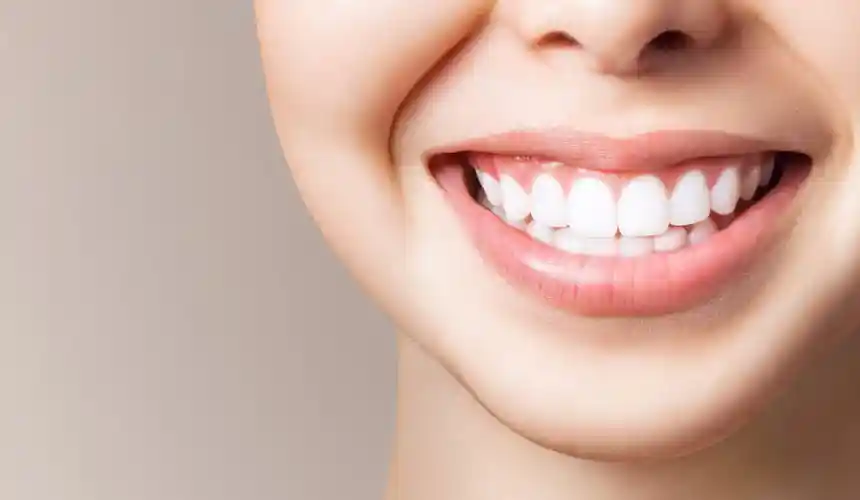
Bonding (composite laminate) treatment, accepted in medical and dental literature as the most visionary representative of micro-invasive adhesive restorations, is the art of directly adding functional raw materials to the tooth surface. This application completely bypasses traditional reduction protocols where teeth are circumferentially shaved and reduced for laboratory-prepared prosthetic crowns. Aesthetic composite materials are chemical compounds of organic polymer matrices and microscopic glass-ceramic crystals. This histological structure molecularly locks onto the tooth perimeter by mimicking the elasticity and light refractive index of natural tooth enamel exactly; thus, a second biological and smooth external protective shield is imparted to the tooth.
- Adhesion Technology: Providing chemical locking rather than mechanical retention by infiltrating into the pores of dental enamel at a micro level.
- Structural Conservation: Returning only the damaged or missing anatomical regions without compromising the healthy enamel of the tooth.
- Clinical Flexibility: The advantage of dough-textured resin being shaped over the tooth by the clinician with the precision of a sculptor.
How is a Bonding Application Performed?
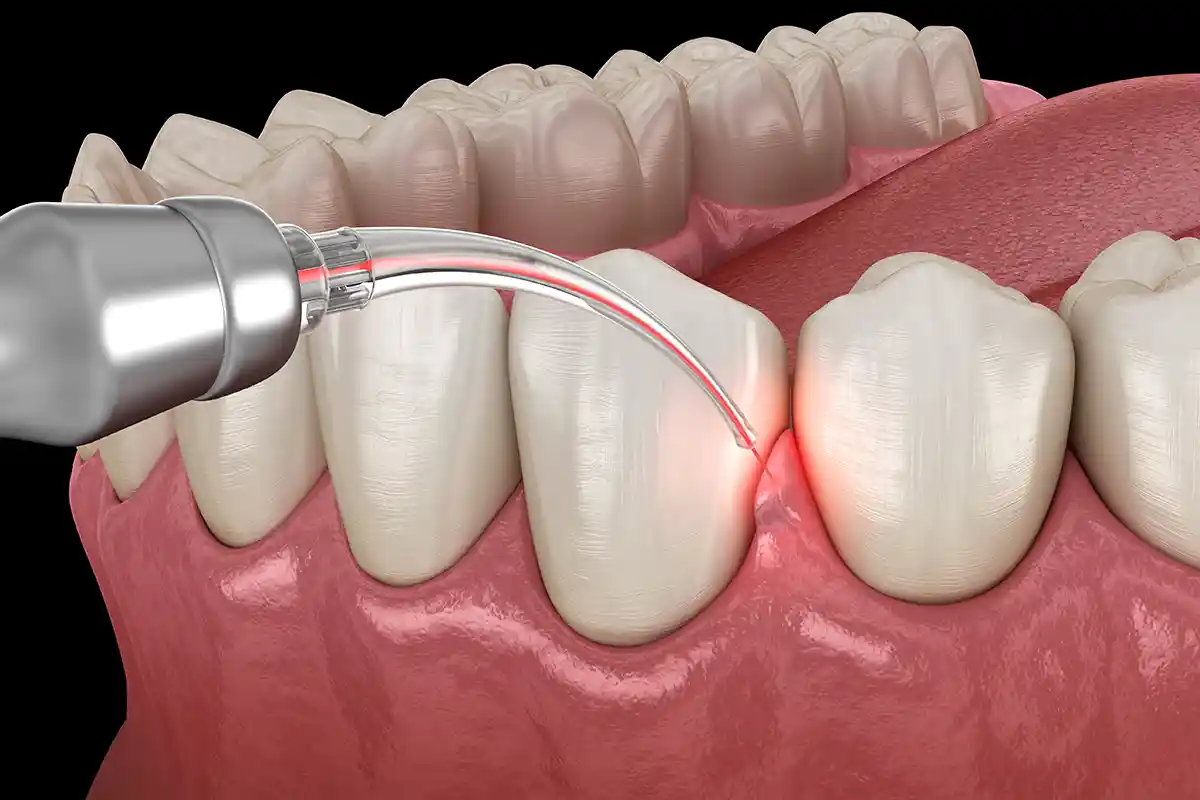
Bonding application performed in the clinical room is a delicate adhesive procedure carried out in practical steps under an absolute sterilization chain that zeroes out moisture and salivary contamination, mostly without requiring anesthesia. First, tooth surfaces planned for the procedure are completely cleared of food remnants using prophylaxis pastes and micronized powder sprayers. After the working area is isolated with a “rubber dam” rubber barrier, medical acids that open micro-pores over the enamel surface and bonding primers are administered. The physician processes composite resins matching the patient’s natural tooth shade and translucency layers millimeter by millimeter onto the tooth, curing and hardening each layer with blue light waves. In the final stage, filling margins are smoothed out and a glass glaze is applied.
- Surface Preparation: Cleaning the enamel surface in a manner that will exhibit maximum resistance to chemical bonding connections.
- Layering (Stratification): The phase of arranging opaque dentin shades, body enamel shades, and transparent incisal edge tones with a layer-by-layer depth illusion.
- Light-Cured Locking: Bringing the resin matrix to diamond hardness within seconds through LED light power at a wavelength of 470 nm.
- Polishing and Glaze: Shaving composite finish lines with diamond discs and felt polishers to achieve a purity that will not disrupt tongue sensation.
Who is Suitable for Bonding (Composite Laminate)?
Composite leaf laminate processes are medically suitable for adult patients over the age limit of 18 who have completed the jaw and facial bone growth calendar and are visually dissatisfied with dimensional asymmetries, hereditary discolorations, or spaces between their front teeth. It is the most rational approach for conscious consultants who do not wish to have their teeth reduced and thinned, aiming to protect the biology of their own dental enamel within the framework of preventive medicine codes. However, in individuals presenting advanced teeth clenching (bruxism), a history of grinding teeth during sleep, or chronic bad mechanical habits such as chewing pencils or biting nails, direct application without planning protective night splints is medically discouraged since excessive shearing stresses would be imposed on the composite edges.
- Those with Time Constraints: Individuals wishing to renew their smile aesthetics during a single dental chair session without laboratory waiting processes.
- Those Seeking an Orthodontic Alternative: Patients aiming to rapidly close small spaces between teeth without the necessity of wearing braces.
- Individuals in Younger Age Groups: Young consultants whose pulp chambers are wide and for whom fabricating prosthetic crowns carries risks regarding tooth vitality.
In Which Situations is a Bonding Application Preferred?
Preferring composite bonding protocols as a primary priority over porcelain veneer or crown alternatives is indicated according to the distribution of micro-defects in tooth tissues and the depth of aesthetic expectations. Localized fluorosis stains or antibiotic discolorations that tooth whitening (bleaching) agents cannot resolve into a homogeneous phase even at the highest dosages can be camouflaged within seconds using the bonding technique. The clinician rationally decides on this adhesive approach to preserve the vitality of the tooth and keep it in the mouth without imposing invasive crown preparation processes.
The primary clinical conditions where bonding (composite laminate) treatment is definitively preferred are as follows:
- In situations where permanent spaces (diastemas) exist between the two front central incisors due to genetic reasons, disrupting facial symmetry,
- When sudden micro-fractures occur along the corners or incisal edges of anterior group teeth as a result of trauma or accidents,
- In elongating serrated, worn margin lines developing along tooth tips due to aging in accordance with facial vertical dimension rules,
- In asymmetries where crown lengths or widths of teeth are positioned irregularly (one being short, the other long) relative to facial golden ratio boundaries.
How is the Tooth Evaluation Conducted Before Bonding?
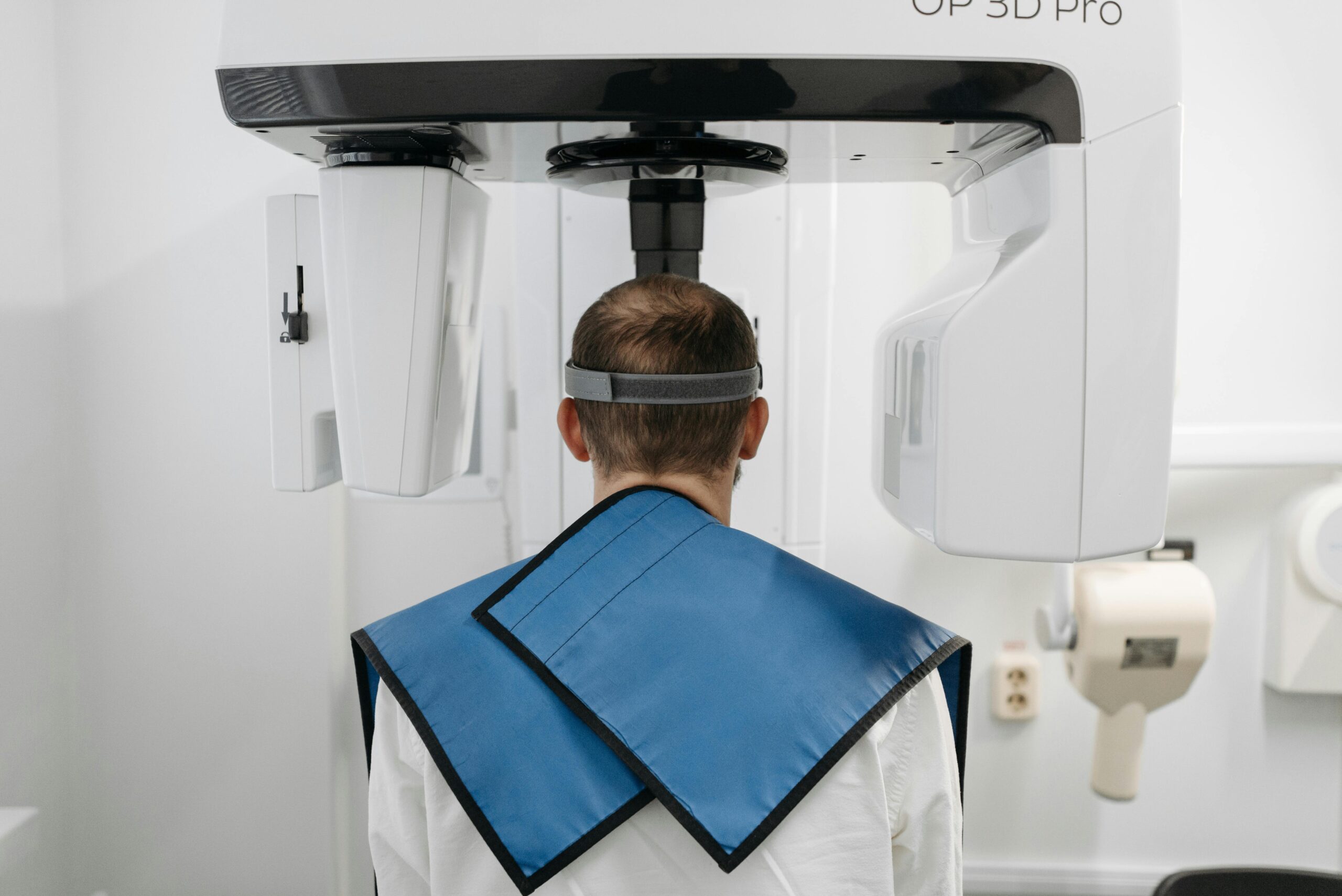
The clinical evaluation carried out before application sessions are initiated is the most vital analysis stage scanning the structural quality of dental enamel and guaranteeing the long-term sealing of the adhesive bond strength. During the examination, the physician inspects the health and pocket depths of the gingival margins with the help of periodontal probes; because performing an adhesive filling in the presence of bleeding or edematous mucosa will chemically compromise the resin bonds, oral hygiene care is mandatory beforehand. At this stage, high-resolution digital radiology data and bite-wing radiographs are scanned layer by layer to eliminate initial-stage insidious interproximal caries invisible to the naked eye.
- Enamel Thickness Mapping: Verifying enamel surface integrity so that resin chemical bonds can achieve 100% adhesive locking.
- Occlusal Bite Analysis: Scanning the dynamic chewing points of the upper and lower teeth to verify that excessive loads will not be imposed on bonding boundaries.
- Control of Old Restorations: The process of planning the cleaning schedule for the underlying layers of leaking fillings previously executed in the tooth, if present.
How is the Bonding Treatment Process Planned?
The planning of the composite laminate workflow is executed over a phased clinical algorithm according to the patient’s facial morphology, lip expression arc, and occlusal movement boundaries. Guesswork chunk fillings are strictly not performed while planning the process; all steps are shaped by showing full fidelity to anatomical cusp and incisal edge lines. In planning, the patient’s social calendar is radically optimized thanks to eliminating laboratory shipping cycles and the ability to finish multiple tooth transition lines within the same session.
- Stage 1 (Color and Light Accord): Selecting the composite template that ensures full shade matching with natural tooth enamel under prophylaxis lamps exhibiting a daylight spectrum.
- Stage 2 (Isolation and Cavity Preparation): The process of clearing decay with diamond burs, if present, and spreading the rubber dam barrier over the jaw.
- Stage 3 (Anatomical Modeling): The phase of verifying the composite laminate form with light by spreading dough-textured resin layer by layer over the anterior tooth perimeter.
- Stage 4 (Occlusal Calibration and Polishing): Eliminating high spots with articulating papers and administering glass-smoothness polishing pastes.
What are the Materials Used in a Composite Laminate Application?
Composite laminate materials utilized in modern adhesive dentistry are formulated from nanotechnological raw materials so that the material can display the highest resistance against intraoral hydraulic shocks and staining factors. The primary function of these materials is to restore lost anatomical rigidity to the tooth while making no compromises on biocompatibility. The hybrid structure of the selected material is the main factor dictating the long-term success of the smoothness of the treatment.
| Composite Material Class / Field | Contained Technological Structural Infrastructure | Clinical, Aesthetic, and Biomechanical Function |
|---|---|---|
| Nanohybrid Composite Series | Micro- and nano-sized zirconium-silica ceramic fillers. | Offers high bending resistance; withstands chewing tonnages, preventing fractures. |
| Supra-Nanospherical Restoratives | Fully homogeneous spherical micro-particle matrix ($SiO_2-ZrO_2$). | Creates a chameleon effect by refracting light flawlessly; renders filling finish lines invisible. |
| Flowable Adhesives | Flowable resin structure with reduced surface tension. | Infiltrates into deep micro-fissures and finish lines to establish a gap-free, leak-proof primer bond. |
| Characterization Shade Palettes | Flowable dense resin shades containing micro-pigments. | The luxury of mimicking natural chalky lines and incisal edge translucencies over the tooth surface. |
How Does a Bonding Application Contribute to Dental Aesthetics?
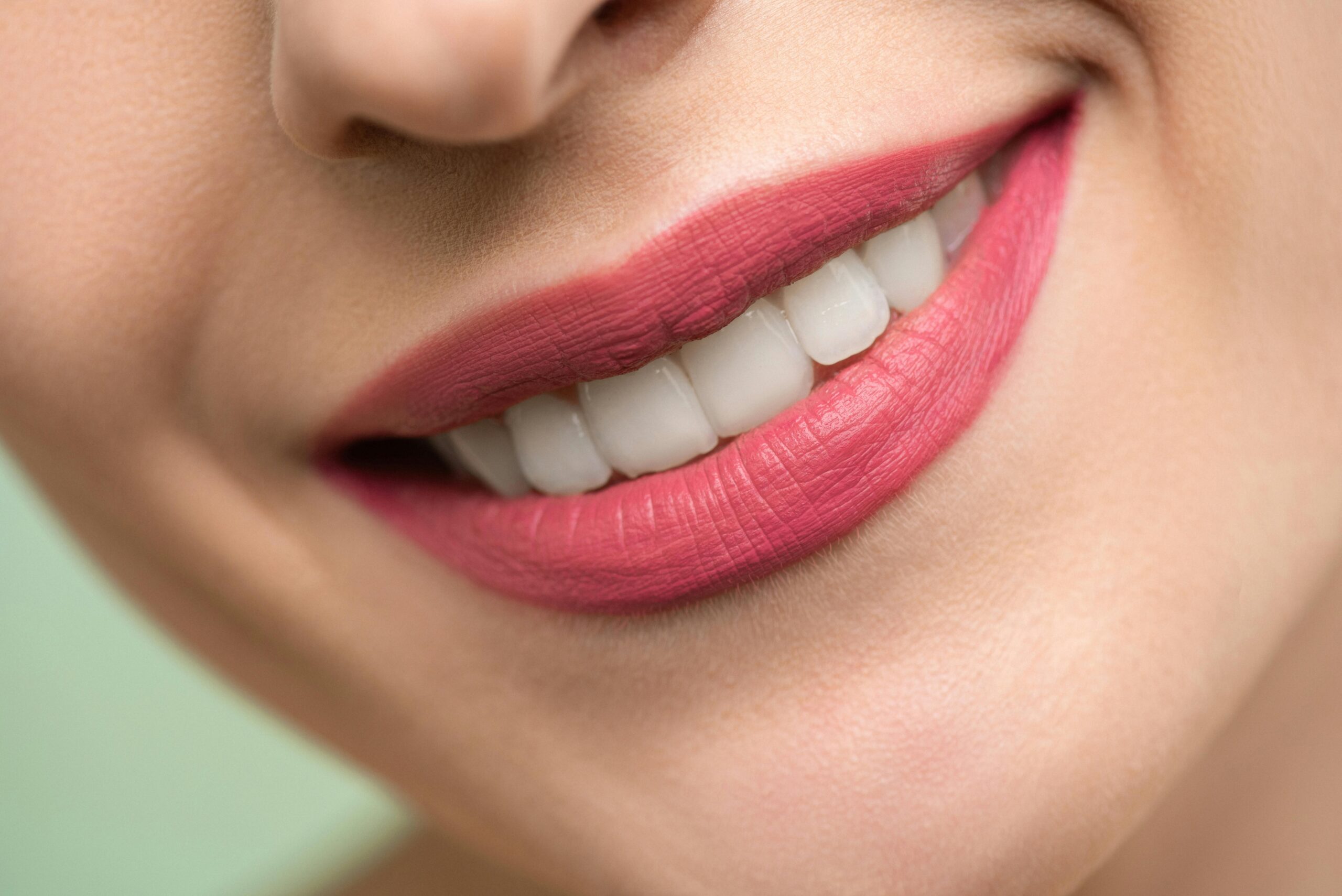
The supportive power of adhesive composite systems over facial and smile aesthetics relies on the rules of “white-pink proportion harmony” and “light-shadow balance.” Since the optical structure of a natural tooth is not matte, bonding materials allow light to filter through the veneer and penetrate into underlying layers thanks to the ceramic crystals they contain, just like natural tooth enamel. This optical contribution erases shadowing forming at the incisal edges of front teeth and dark buccal corridor spaces, verifying a radical anti-aging illusion, a serene youthfulness, and a permanent smooth form across the lower face oval in general.
- Natural Light Translucency: Demolishing old-generation filling taboos that reflect light instantly from the surface to generate a dull chalky appearance.
- Characteristic Smile Arc: Eliminating artificiality by weaving anterior tooth lines fully parallel to the curvature line the lower lip takes during smiling.
How are Shape Deformities in Teeth Corrected with Bonding?
The process of correcting facial and geometric shape deformities in teeth with the help of composite leaf laminates is an artistic modeling craftsmanship applying the least trauma to the tooth. During the procedure, no scalpel cutting is performed on tooth tissue and the tooth is not thinned; only tooth surfaces with deformities, wear, rotation, or small sizes are conditioned with chemical bonding agents. The physician wraps the dough-textured aesthetic composite millimeter by millimeter around the anterior perimeter of the tooth, re-building the width, length, and curvature degree of the tooth according to the golden ratio lines of the face, camouflaging crowding within seconds without the necessity of wearing braces.
- Micro-Addition Method: Volumizing only the missing or asymmetric anatomical corners with resin additions without altering overall tooth integrity.
- Peg Lateral Restoration: The phase of adhesively enlarging adjacent incisor teeth that have developmentally remained genetically small to normal form dimensions.
Can a Bonding Application Be Used in Closing Spaces Between Teeth?
Yes, bonding (composite laminate) technology is the fastest, most direct, and most conservative treatment step verified by modern medical literature in closing non-aesthetic spaces (diastemas) existing due to genetic reasons between two or more front teeth. The success of this procedure relies on the engineering of distributing the material equally between the two teeth in a manner that will not exert pressure on the gums (papillae) to the right and left of the space. Since closed proximal contours are polished to glass smoothness, they do not generate compression edema in the gums, ending the diastema nightmare in a single session.
“Closing tooth gaps with bonding is the art of joining those space drapes within seconds according to golden ratio parameters, without cutting your teeth or wearing braces for months.”
How are Fractured or Worn Teeth Repaired with Bonding?
In repairing deep fracture lines and chronic wear occurring along anterior incisor teeth as a result of accidents, trauma, or biting into hard foods, the bonding system returns lost organic body volume to the tooth through chemical bond strength. After sharp lines along the fractured surface are softened with micro burs, exposed dentin tubules are sealed with bio-active adhesives. The morphology of the fractured portion is re-woven layer by layer over the tooth with the help of nanohybrid ceramic doughs; since that fracture transition boundary where the filling joins the tooth is erased with specialized angled polishes, the fracture line can definitively not be selected when looking from the outside.
- Sealing of Dentin Tubules: Preventing post-operative sensitivity shocks by closing exposed micro-nerve endings.
- Regaining Fracture Resistance: Full adaptation to chewing pressures since the resin’s elasticity coefficient is equivalent to natural dentin tissue.
How is a Bonding Application Used in Smile Design?
In smile design (Digital Smile Design) practices, composite laminates stand as the most visionary and instantaneous cosmetic instrument smoothing out micro-form defects and localized color defects of teeth by applying zero trauma to the tooth. While executing the design on the computer screen, the physician calibrates the bonding finish boundaries according to the patient’s lip expression arc, nose-tip distance, and lower face oval. This method verifies a personalized, authentic, and pure smile expression inside the mouth on the same day, without the necessity of expensive and long-term prosthetic crown sessions.
- Zenith Accord Control: Establishing a visual symmetry bond with the midline axis line of the face by correcting the vertical alignments of dental shoulder lines.
- Buccal Corridor Camouflage: The process of illuminating dark areas remaining at the cheek corners using composite arch expansions.
How Long Does a Bonding (Composite Laminate) Procedure Take?
Bonding (composite laminate) treatment stands as one of the fastest and most practical processes fitting perfectly into the intense time constraints of modern metropolitan life, taking almost none of the patient’s time on the medical aesthetic calendar. The stages of clearing decay from a tooth, shaping it via light-curing layer by layer, and polishing it with discs are comfortably completed with full comfort usually within just 20 to 30 minutes per tooth; the process is highly dynamic since laboratory shipping waiting periods are eliminated.
- Single Tooth Fracture Repair: A practical chair session lasting approximately 20-25 minutes (does not lock working hours).
- Complete Anterior Smile Transformation (6 Teeth): A single appointment block lasting 1.5 – 2 hours on average, including weaving all lines according to the golden ratio and polishing.
What Should Be Considered After Bonding?
There are some practical home care rules to be observed by the patient in the home environment following the procedure in order to make the aesthetic success of the restoration session permanent, support the rapid repair of stimulated periodontal ligament networks, and preserve the final setting balance of the injected polymer bonds. Although composite resins are polished non-porously, they can transition temporarily into a more sensitive phase against external factors during the first hours; it is imperative for the patient to act meticulously to preserve homeostatic balance.
The medical rules to be meticulously followed at home during the critical post-operative phase are as follows:
- To prevent tongue and lip biting injuries, no food should be consumed for the first 2 hours until the effect of local anesthesia (numbness) disappears completely.
- To preserve the glass-smoothness of the filling surface and prevent micro-stain absorption during the first days, coloring foods such as tea, coffee, cigarettes, and wine should be avoided for the first 24 hours.
- Hard-shelled nuts like pistachios or hazelnuts must strictly not be cracked with the front teeth, and packaging lids should not be forced open with the teeth (shearing stresses must be eliminated).
- A slight adaptation sensitivity along the filling margins is normal on the day of the procedure; this process is comfortably eased with simple anti-inflammatory painkillers.
What are the Factors Affecting the Lifespan of a Bonding Application?
The ability of composite laminate restorations to remain inside the mouth for long years without breaking, falling, or leaking along margins depends directly on the technical workmanship quality at the moment of restoration working in full coordination with the patient’s functional home hygiene diligence. New-generation nanohybrid resins structurally exhibit high resistance against wear; however, the sole factor determining the long-term success of the prosthesis is that not even a microscopic amount of salivary moisture was allowed to leak into the cavity at the moment of bonding.
- Strength of Moisture Isolation (Rubber Dam): The safety of absolute isolation of the working area from intraoral fluids using rubber sheets; if moisture leaks, bonding strength collapses by 80%.
- The Patient’s Chewing and Bruxism Dynamics: It is a rule for patients with teeth clenching problems to regularly wear their protective night guards to avoid experiencing micro-tension cracks along filling margins.
- Tea-Coffee and Tobacco Consumption Coefficient: Excessive nicotine exposure can form staining lines over time along the micron-sized boundary lines between the filling and the tooth.
What are the Differences Between Bonding and Porcelain Laminates?
The most radical difference between composite bonding applications and E-Max porcelain laminates (leaf porcelains) lies in the fabrication technique of restorations, structural reduction volumes, material lifespans, and the distribution of budget parameters. A porcelain laminate is a high-temperature glass-ceramic manufactured by milling in the laboratory, and its structural resistance is maximized; therefore, it does not retain stains and its lifespan is longer. Bonding, on the other hand, is a resin-based micro-design woven directly by hand by the physician in the clinic; while offering the flexibility of being finished in a single session, it is more economical compared to porcelain. The table below lists both superior aesthetic restoration classes according to their parameters:
| Clinical, Aesthetic, and Technical Parameter Group | Bonding (Composite Leaf Laminate) | E-Max Porcelain Laminate (Leaf Ceramic) |
|---|---|---|
| Fabrication and Completion Schedule | Maximum practicality; finished within a single session appointment (in 1-2 hours). | Takes 4-5 days, including robotic milling and sintering periods in the digital laboratory. |
| Amount of Reduction from Tooth Surface | Mostly zero (0-5%); addition is performed directly without touching the dental enamel. | Minimum level (10-15%); micro-shaving of 0.3-0.7 mm from the anterior surface is mandatory. |
| Staining and Yellowing Resistance Coefficient | Medium-High level; requires polish maintenance over the years with excessive coffee and smoking. | Maximum level; its glass-glazed surface strictly does not absorb color pigments. |
| Clinical Repair and Modification Luxury | Very easy; a fractured piece is repaired by adding micro resin over it without removing the filling. | Difficult; if a porcelain leaf cracks, the broken piece cannot be repaired and must be fabricated from scratch. |
| Budget and Cost Parameters | Highly economical; budget-friendly and easily accessible for every patient. | Premium category; high due to laboratory and pure block ceramic costs. |
What are the Advantages of a Bonding Application?
The verified advantages of nanotechnological composite leaf systems compared to traditional porcelain crowns do not merely create immediate visual whiteness, but also bring the biological integrity of dental tissues under protection at the highest level. Circumferential reduction trauma of the tooth present in old-type restorations is completely eliminated in these smart microscopic materials. Chemical locking strength offers the patient lifelong chewing comfort and tissue hygiene success.
- Maximum Tissue Conservation: It preserves tooth strength exactly as it was, since the posterior and lateral walls of the tooth are untouched.
- Aesthetic Smile in a Single Session: It provides aesthetic transformation in a single appointment session without laboratory shipping waiting processes.
- Economical Access Power: Offering total aesthetics with optimum budget parameters compared to advanced porcelain leaf techniques.
- Painless and Needle-Free Process: Ending syringe stress since work is performed solely within enamel boundaries and deep sensitive nerve canals are not entered.
How Should Bonding Care Be Maintained?
Since composite restorations are artificial nanohybrid ceramic structures, they cannot display a biological decay reaction; however, that micron-level lower finish line boundary where the filling ends and joins your own natural tooth enamel is the most delicate corridor inside the mouth for bacterial plaque to accumulate. If home hygiene is neglected along these margins, plaque accumulations can infiltrate over time underneath the filling, initiating insidious secondary caries; to zero out these risks, a disciplined cleaning schedule must be applied in the home environment.
- Sweeping Brushing: Brushing at least twice a day with a soft-bristled brush using circular massaging movements from the gums toward the tooth (highly abrasive charcoal or baking soda pastes should be avoided since they can scratch the filling glaze).
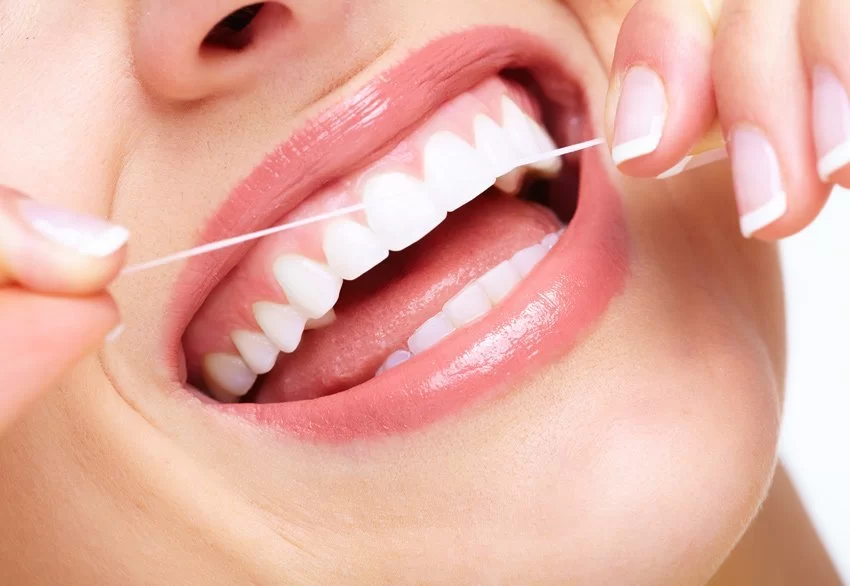
- Uncompromising Interdental Cleaning: Eliminating plaque by rubbing dental floss linearly every night between the adjacent contact surfaces of the laminates.
- Professional Control and Polish: The necessity of refreshing the filling glaze (polishing) in the clinic during 6-month routine physician checks to eliminate micro-dulling occurring over time along the filling surface.
What are the Frequently Asked Questions About Bonding (Composite Laminate)?
Presented below are the most common practical concerns arising in the minds of consultants planning to undergo bonding restorations to rid themselves of decay, fractures, and gaps along their teeth and achieve a smooth pink-white aesthetic harmony, along with their polyclinic medical answers:
Do bonding leaf laminates executed on my front teeth fall off over time, or do they dislodge while biting an apple?
Since resin adhesives utilized in modern adhesive dentistry chemically fuse to the tooth, it is medically out of the question for bonding fillings to fall off or dislodge on their own from the tooth surface. However, although the vertical load resistance of the material is high, it is sensitive to lateral shearing forces; therefore, forcing to snap a whole apple with front teeth or trying to crack hard-shelled nuts with front teeth can lead to micro-fractures along the filling margin; food should be eaten by being divided.
Will I feel a lot of pain while my teeth are being shaped during the bonding (composite laminate) procedure?
No, you will definitely not feel the slightest pain or sting; in fact, in 90% of cases, there is not even a need to administer a local numbing injection. Because in the bonding technique, the perimeter of the tooth is not reduced and deep sensitive dentin nerve canals are not entered; smoothing maneuvers are conducted solely within the outermost insensitive enamel layer. Throughout the session, you only perceive the light touch of the instruments and the coolness of the water, and the procedure is completed with high comfort.
How many years is the intraoral lifespan of bonding applications executed on my front teeth?
In cases where restorations are bonded under correct moisture isolation and the patient’s oral hygiene quality is high, the lifespan of bonding restorations displays permanent comfort for an average of 5 to 8 years, or even much longer years with good maintenance. When this duration is completed, the filling does not fall out of the mouth; only the gloss coefficient of the material may dull slightly. 5-minute micro-polish routines performed during 6-month routine checks keep the filling lifespan at maximum.
Can a porcelain laminate or zirconium crown be fabricated in subsequent years over a tooth previously treated with bonding?
Yes, this situation is one of the greatest biological flexibility advantages offered to the patient by bonding applications. Since no permanent reduction or trauma is applied to dental enamel during the bonding procedure, old composite laminates can be dissolved and removed within seconds in the clinic in subsequent years depending on aging or changes in aesthetic taste, and porcelain laminate or zirconium crown processes can be safely built from scratch over your underlying tooth enamel without causing any harm to it.
Can I return to my normal life, work, and social activities immediately on the day my bonding treatment finishes?
Yes, bonding application is a completely local and micro-invasive restoration workmanship that does not disrupt consciousness, affect motor skills, or involve surgical scalpel incisions or sutures; therefore, the exact minute your fillings are cured and polished, you can stand up from the chair and continue your normal daily, vocational, social, or academic life rhythm uninterrupted from where it left off; there is no clinical obstacle whatsoever to driving a car or participating in business meetings or social gatherings immediately after the procedure.
Who We Are & Panorama Ankara Oral and Dental Health
Panorama Ankara is a licensed oral and dental health center that offers institutional health assurance to its patients by combining an academic expert staff and the latest global bio-technological digital infrastructure under a single roof, across all specialty branches of dentistry, primarily oral, dental, and maxillofacial surgery, advanced implantology, microscopic endodontics, periodontology, and aesthetic dentistry. Attaching vital importance to completely eliminating guesswork, human error-induced marginal finish line inaccuracies, and those traumatic syringe needles causing chair anxiety in patients in treatment practices, our center operates uninterrupted Digital Dentistry and Nanohybrid Ceramic-Filled Bonding (Composite Laminate) aesthetic ecosystems with a calendar discipline.
Under the roof of Panorama Ankara, absolute sterilization, high patient safety, transparency, and honesty principles are operated with uncompromising determination by regulation in full compliance with medical codes in all diagnosis, radiological scanning, design, and microscopic restoration interventions. In our clinical practices, proprietary intraoral scanners with micron-level point cloud processing resolution and smart artificial intelligence integrations, high-frequency piezoelectric units, and absolute rubber dam moisture isolation systems keeping resin bond strength at maximum are administered with millimetric precision under the supervision of our expert restorative dentist staff. Our aim is not to impose old-type, slow, overly reductionist, and incompatible restoration molds upon our patients; but rather to analyze each individual’s jawbone quality, occlusion mechanics, and facial aesthetic golden ratio boundaries on a digital screen prior to the operation, achieving maximum session comfort, a same-day dentistry standard, and smooth smile designs to be used with lifelong sealing. If you postpone your treatments due to fear of the dentist chair or time limitations despite being tired of your old worn fillings, the spaces between your front teeth, or your broken surfaces when looking in the mirror, and want to initiate your end-to-end digital smart treatment process with scientific assurance in an expert institutional center environment; you can safely protect your health and smile integrity by contacting the expert staff of Panorama Ankara for your detailed intraoral examination and aesthetic bonding comfort.