

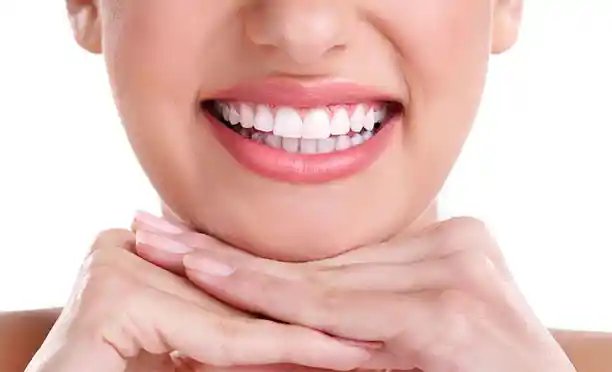
What is an Aesthetic Filling?
An aesthetic filling, referred to as a “composite restoration” or “adhesive dentistry application” in clinical dental literature, is a micro-invasive treatment discipline aimed at flawlessly verifying structural tissue loss both functionally and visually. Unlike mercury-based amalgam (gray/black) fillings used in past years, which held onto the tooth solely through mechanical friction, modern aesthetic fillings chemically bond to the tooth (adhesion). These smart resin materials consist of microscopic glass and ceramic fillers embedded within an organic polymer matrix. This histological structure enables the filling to refract light, flex, and display high biomechanical resistance against chewing forces just like natural tooth enamel.
- Chemical Adhesion: Molecular-level bonding of the filling to the enamel and dentin tissues to preserve tooth integrity.
- Shade Adaptation (Chameleon Effect): An optical property that makes the filling boundaries invisible by reflecting the color of the surrounding natural tooth tissue.
- Conservative Treatment: A structure that prevents unnecessary cutting of sound tissues (opening macro-mechanical retention slots) to hold the filling, unlike amalgam fillings.
How is an Aesthetic Filling Applied?
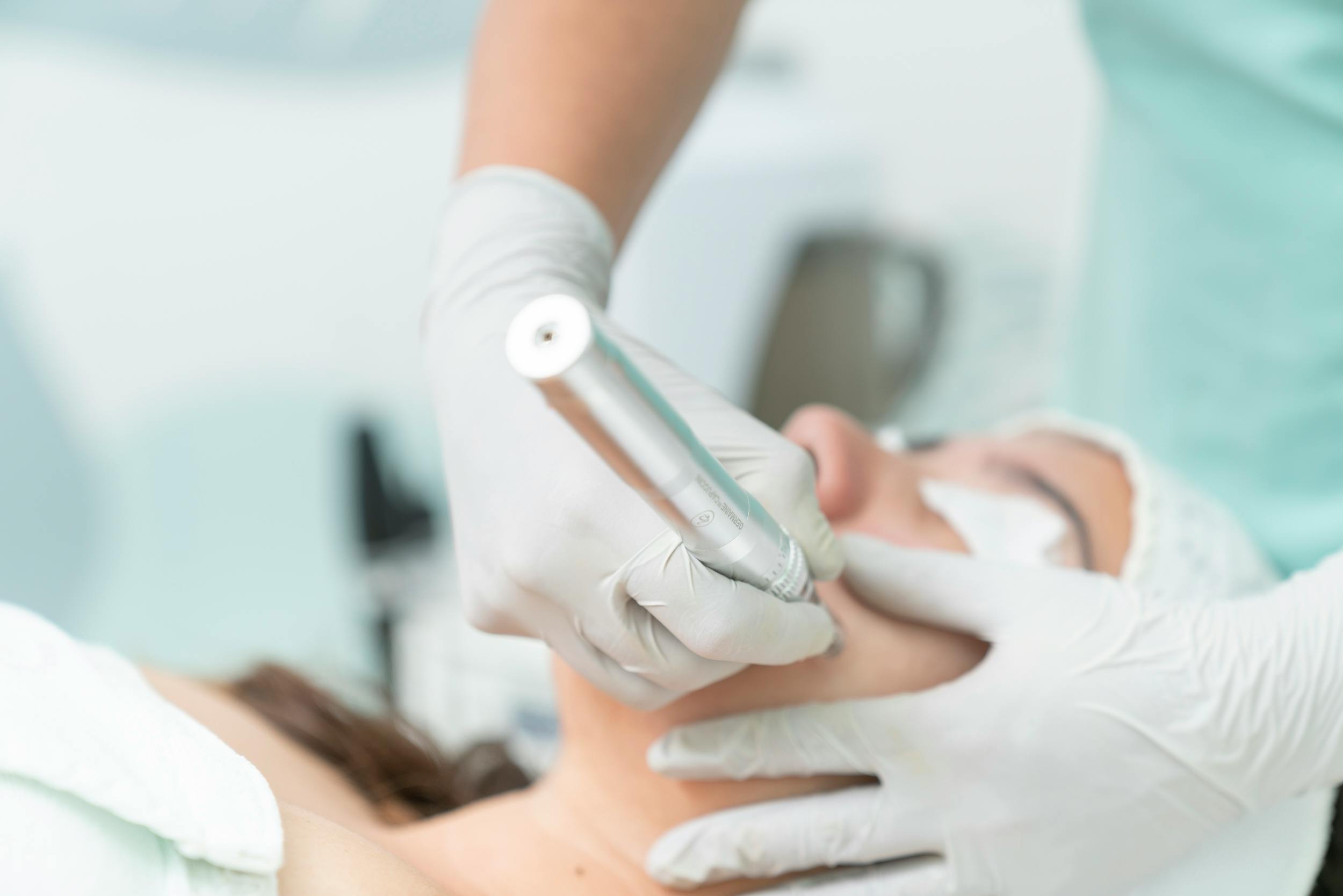
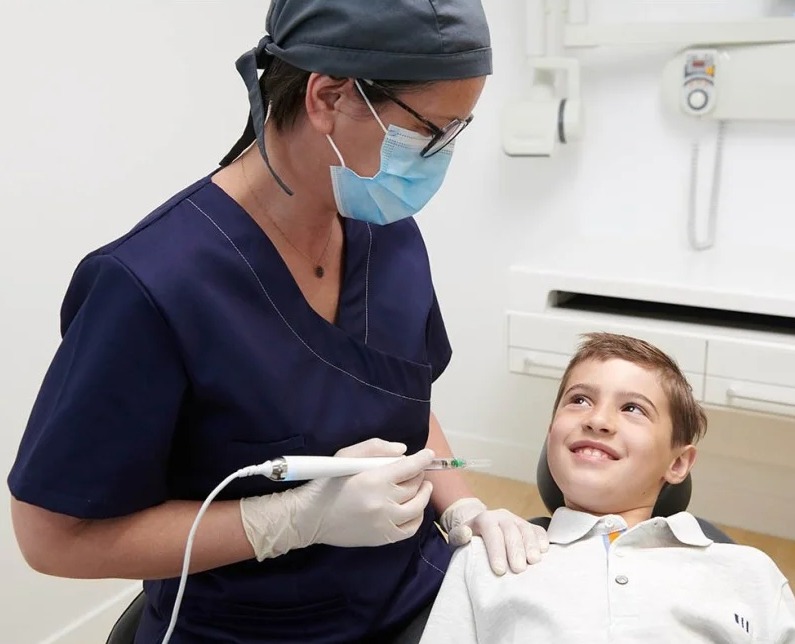
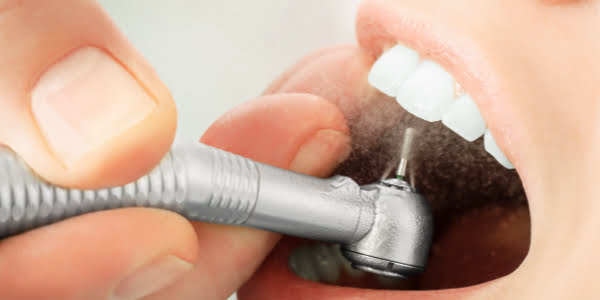
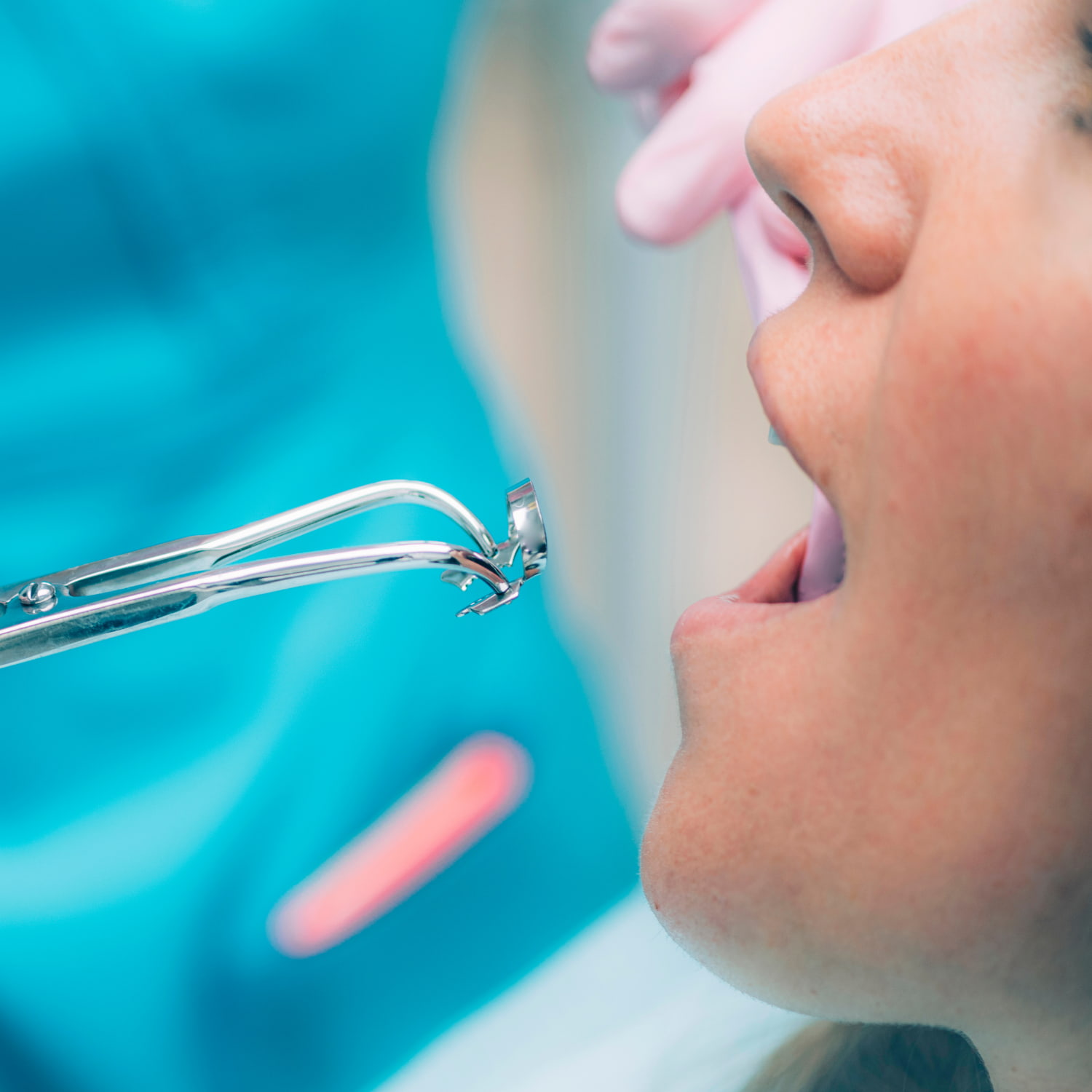
Aesthetic filling application is a delicate restoration procedure carried out progressively in fully sterilized clinical rooms under comfortable local anesthesia, verified by digital and chemical isolation protocols. First, the carious tissue or old darkened fillings in the tooth are completely cleared with the help of micro-diamond burs. Then, the tooth is isolated with a “rubber dam” (waterproof rubber sheet) to block intraoral moisture and saliva that sabotage the bonding quality of the filling. After applying adhesive acids and bonding agents that open microscopic pores on the tooth surface, the composite resin material is placed layer by layer to mimic the natural strata of the tooth (dentin and enamel layers), and each layer is cured with blue LED light waves.
- Cavity Preparation: Minimally invasive vaporization of the carious focus without harming surrounding healthy tissues.
- Adhesive Protocol: Curing the bonding liquid applied to the tooth walls to form a leak-proof bonding primer for the filling.
- Layering (Stratification) Technique: Curing the resin in micro-layers to zero out shrinkage stress instead of placing the filling as a single mass.
- Finishing and Polishing: Checking the height with anatomical articulating papers after the filling is completed, and smoothing it with gloss-imparting discs.
Who is Suitable for an Aesthetic Filling?
This advanced technology restorative dental process is medically suitable for child and adult individuals across age groups who have decay, fractures, cracks, or wear in their teeth, are disturbed by spaces between their teeth, or wish to replace old black amalgam fillings for aesthetic and health reasons. Since the system harbors no toxic heavy metals in its content and operates through adhesive bond strength, it can be administered with a high biocompatibility profile, including in patients with sensitive general health profiles. It is the most cost-effective and conservative solution for all consultants who do not wish to have their teeth entirely reduced and crowned (with zirconium or laminates) and aim to protect the natural organic structure of dental tissue.
- Pediatric Patients: Children who cannot remain in the dental chair for long durations, thanks to practical and rapid session times.
- Individuals with Allergic Constitutions: Individuals who develop intraoral reactions, lichenoid lesions, or sensitivities against traditional metals.
- Those Wishing to Renew Their Smile: Consultants presenting minimal shape and color variations in their front teeth, seeking rapid aesthetics without wearing braces.
In Which Situations is an Aesthetic Filling Preferred?
Preferring biocompatible composite filling technologies as a primary priority over traditional restoration alternatives is indicated according to the dimension of structural, functional, and visual destruction in tooth tissues. Localized stains or developmental enamel hypoplasias that tooth whitening (bleaching) agents cannot resolve can be camouflaged within seconds using aesthetic fillings. The clinician rationally decides on this adhesive approach to preserve the vitality of the tooth and keep it in the mouth without undergoing crown preparation surgeries.
The primary clinical conditions where aesthetic filling treatment is definitively preferred are as follows:
- In repairing micro-fractures occurring at the incisal edges of teeth located in the anterior dental arch as a result of trauma or accidents,
- In treating hidden interproximal decay developing and progressing insidiously along the adjacent surfaces (contact points) of teeth,
- In sealing wedge-shaped wear (abfraction) notches formed along the cervical regions (neck zone) of teeth due to harsh brushing or bruxism,
- In closing small spaces (diastemas) existing genetically between the two front teeth without the necessity of fabricating laminate veneers.
How is the Tooth Evaluation Conducted Before an Aesthetic Filling?
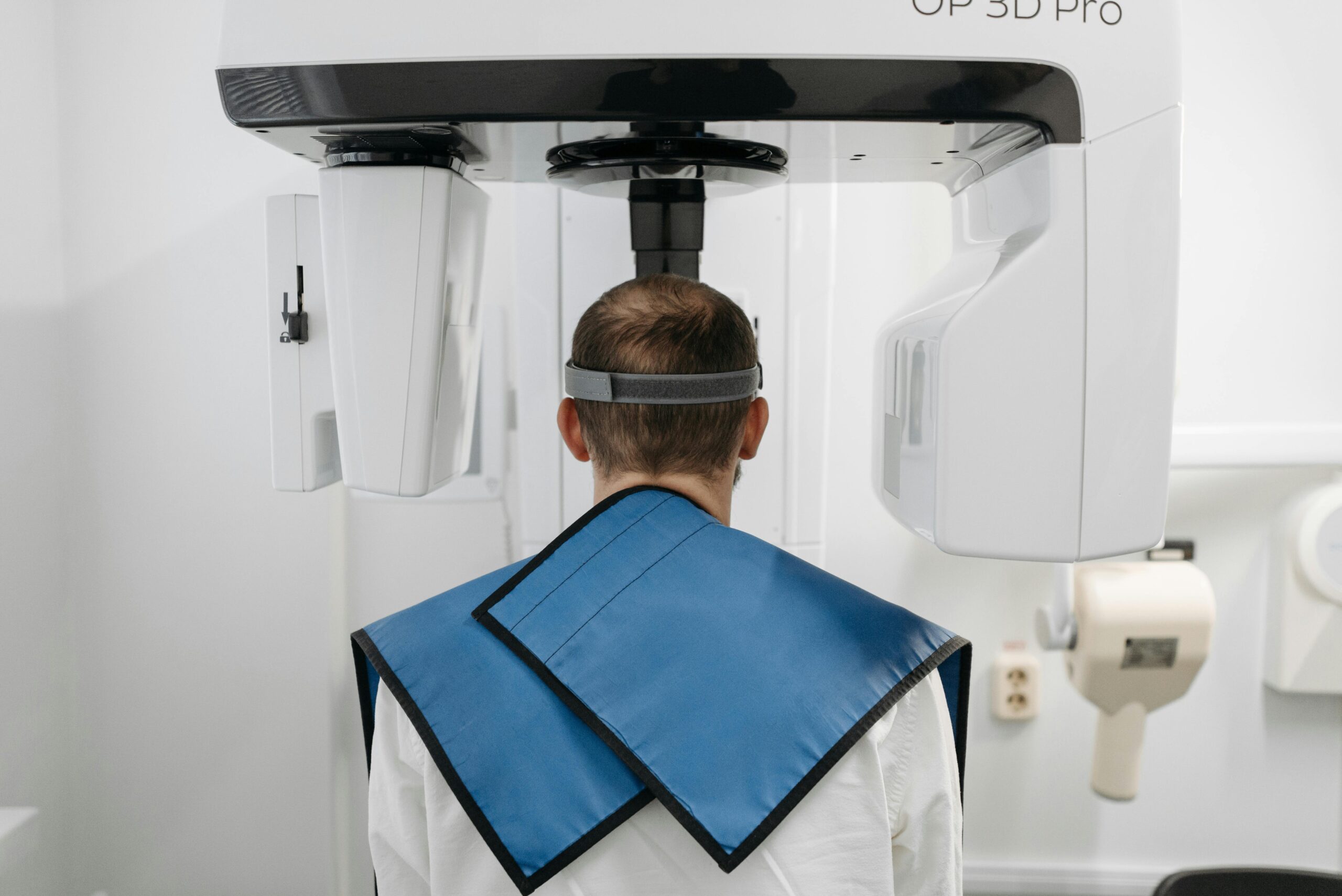
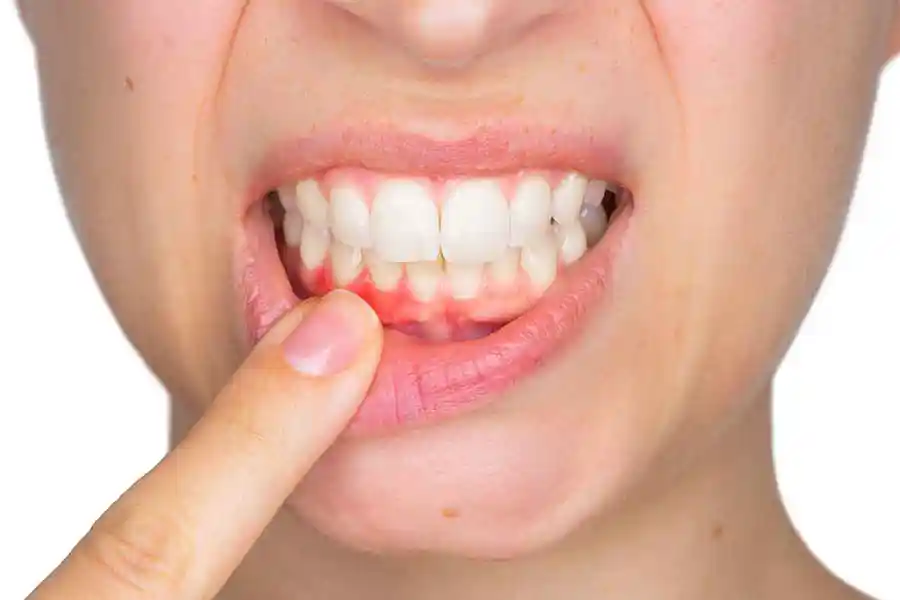
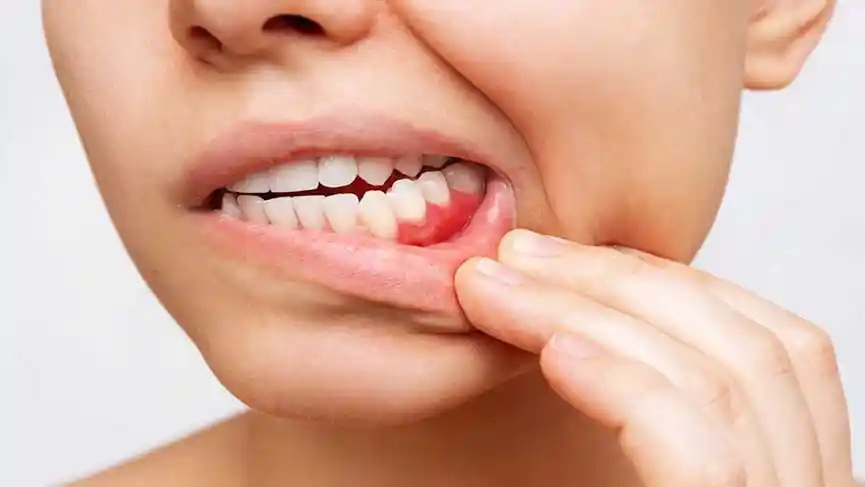
The clinical evaluation carried out before the restoration session is initiated is the most vital analysis stage scanning the biological salvageability potential of the tooth and guaranteeing the long-term sealing of the filling. During the examination, the physician inspects the health of the gingival margins; because performing an adhesive filling in the presence of bleeding and edematous gums will zero out the adhesive bond strength. At this stage, digital periapical or bite-wing radiograph data are scanned layer by layer to eliminate deep carious lines and root-tip abscesses invisible to the naked eye.
- Pulp Distance Control: Radiological verification of the millimetric distance of the decay to the vital nerve chamber (pulp) of the tooth.
- Diagnosis of Root Canal Treatment Necessity: Deciding on root canal treatment prior to filling if an insidious chronic inflammation or a history of nocturnal pain is present in the tooth.
- Dentin Wall Integrity Analysis: Measuring the thickness of the remaining sound tooth walls to determine whether a standard filling will be sufficient.
How is the Aesthetic Filling Treatment Process Planned?
The planning of the aesthetic dental workflow is executed over a phased clinical algorithm according to the depth of the decay, the number of teeth to be treated, and the patient’s occlusal (bite) movement lines. Guesswork fillings are strictly not performed while planning the process; all steps are shaped by showing full fidelity to anatomical cusp and fossa morphologies. In planning, the total number of days the patient spends in the clinic is radically optimized thanks to the flexibility of restoring multiple teeth within the same day.
A modern aesthetic filling treatment planning matrix encompasses the following hierarchical phases:
| Treatment Planning Phase / Step | Applied Clinical Protocol and Method | Targeted Tissue and Biomechanical Outcome |
|---|---|---|
| Stage 1: Diagnosis and Shade Selection | Radiological scanning and verifying the tooth shade in daylight using the “Vita Scale.” | Determining the resin shade matching 100% with the natural tooth color and translucency level. |
| Stage 2: Cavity Preparation and Isolation | Clearing decay with diamond burs and spreading the rubber dam sheet. | A sterile working field completely purified of bacteria and isolated from salivary moisture. |
| Stage 3: Adhesive Chemical Lock | Acid etching, bonding application, and light-cured filling via layering technique. | Building a leak-proof, monoblock filling that molecularly adheres to tooth tissue. |
| Stage 4: Occlusal Adjustment and Polish | Bite testing with articulating paper, polishing with diamond discs. | Eliminating early contact points; verifying a glass-smooth surface that does not retain bacteria and stains. |
What are the Materials Used in Aesthetic Fillings?
Aesthetic filling materials utilized in modern restorative dentistry are formulated from nanotechnological raw materials so that the material can exhibit resistance against intraoral hydraulic shocks and wear factors. The primary function of these materials is to restore lost anatomical rigidity to the tooth while making no compromises on biocompatibility. The hybrid structure of the selected material is the main factor dictating the long-term success of the treatment.
- Nanohibrit Composites: Premium resins harboring both micro- and nano-sized ceramic fillers in their content, where both polishing quality and fracture resistance are maximized.
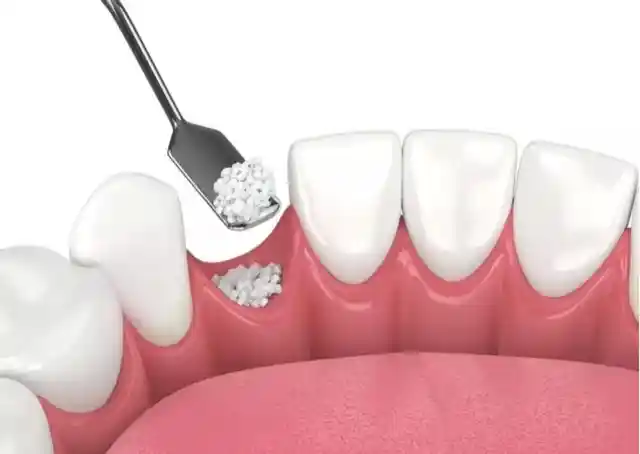
- Flowable Composites: Flexible-viscosity resin components that infiltrate into micro-fissures and narrow tunnels at the base of deep cavities to provide gap-free adaptation.
- Bio-Active Restoratives: Smart materials that prevent secondary caries formation along filling margins by secreting calcium, phosphate, and fluoride ions into the surrounding tooth tissue.
- Ceramic Inlay / Onley Blocks: High-strength hybrid porcelain filling bodies manufactured by milling in the laboratory in situations where the filling volume is very extensive.
What is a Composite Aesthetic Filling?
A composite aesthetic filling is a proprietary structural dental material obtained by combining an organic acrylic polymer matrix (usually Bis-GMA or UDMA) and inorganic silica, quartz, and zirconium dioxide glass particles by means of a chemical coupling agent (silane). This material is dough-textured when outside the mouth; this flexibility allows the physician to process the original anatomical indentations, groove lines, and chewing cusps of the tooth onto the filling with the precision of a sculptor. When the material encounters dental curing lights of a specific wavelength (470 nm blue light), it completes its polymerization reaction within seconds to reach diamond hardness, establishing a holistic biomechanical collaboration with natural tooth enamel.
- Light Curing (Polymerization): The resin dough transitioning into its final hardness and resistance phase within seconds under blue light.
- Silanization Bridge: Micro-bond integrity connecting the organic resin and hard ceramic fillers to each other, preventing the material from cracking.
How Does an Aesthetic Filling Contribute to a Natural Tooth Appearance?
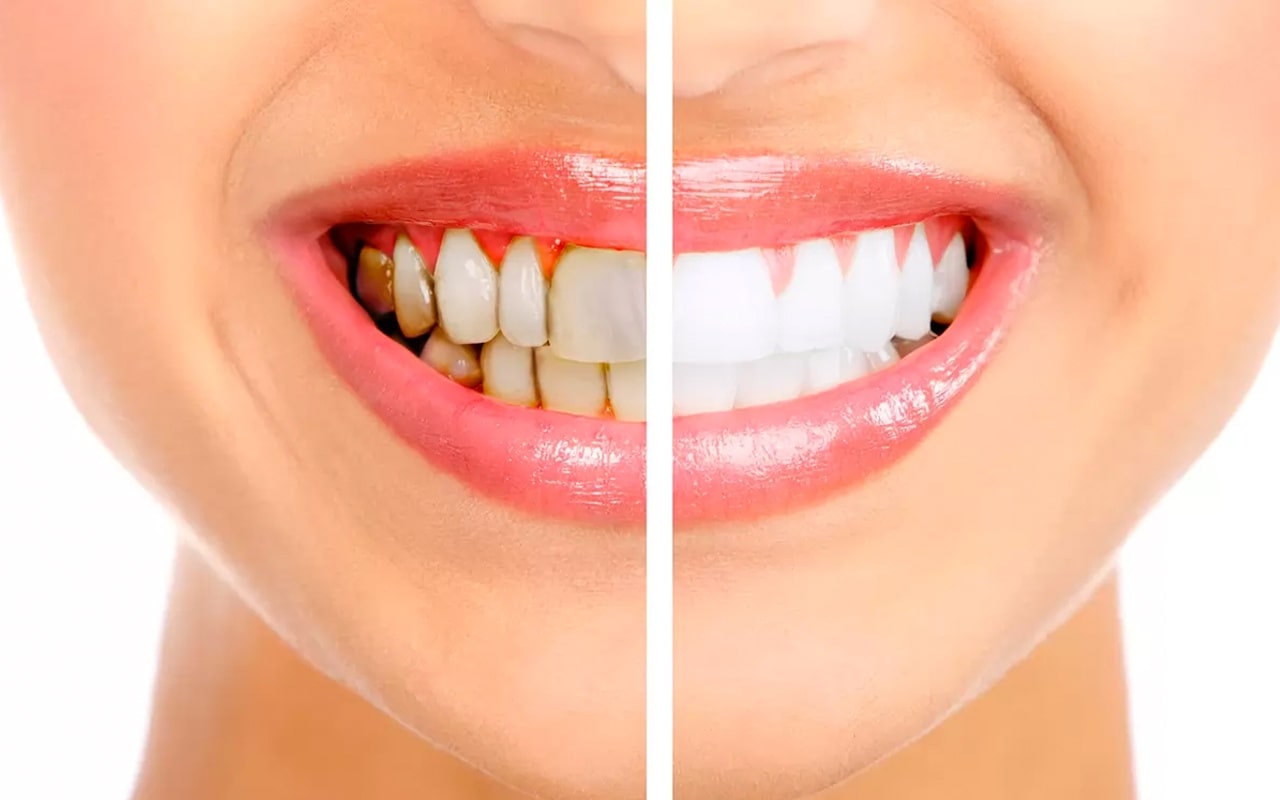
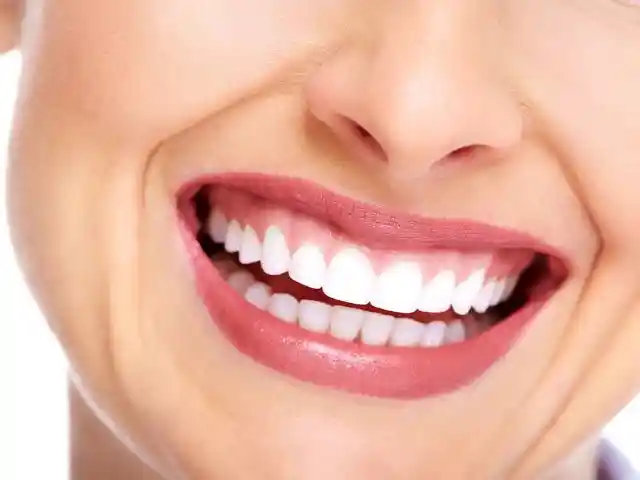
A natural human tooth is not an optically matte and homogeneous mass; light enters through the semi-transparent enamel layer on the outermost perimeter of the tooth, reflects by refracting from the underlying dentin, and this imparts depth and vitality to the tooth. While old-type metal amalgam fillings completely block light to impose an artificial, grayish, and lifeless chalky appearance on the tooth; aesthetic composite fillings refract light and allow it to penetrate deep just like natural tooth enamel, thanks to the glass-ceramic crystals they contain. This “chameleon effect” (Chameleon Effect) of the filling ensures that the filling finish lines disappear completely when viewed with the naked eye, verifying that the restoration stands inside the mouth not like an artificial filling, but like the tooth’s own original organic component.
- Opalescence and Fluorescence: Glowing like a natural tooth under daylight or nocturnal UV lamps, without forming artificial dark shadows.
- Multi-Shade Layering: Replicating the dark yellow tone along the neck region of the tooth and the transparent grayness at its incisal edge exactly using filling shade palettes.
How are Shape Deformities in Teeth Corrected with an Aesthetic Filling?
The process of correcting facial and geometric shape deformities in teeth with the help of composite aesthetic fillings is an analytical artistic craftsmanship termed “Composite Bonding” (composite laminate) application in clinical literature. During the procedure, no scalpel cutting is performed on tooth tissue and the tooth is not thinned; only tooth surfaces with deformities, wear, rotation, or small sizes are conditioned with chemical agents. The physician wraps the dough-textured aesthetic composite millimeter by millimeter around the anterior perimeter of the tooth, re-building the width, length, and curvature degree of the tooth according to the golden ratio lines of the face, camouflaging crowding within seconds without the necessity of wearing braces.
- Micro-Addition Method: Volumizing only the missing anatomical corners with resin additions without altering overall tooth integrity.
- Diastema Closure: The phase of closing the space between spaced teeth by distributing it evenly so as not to exert pressure on the right and left gums.
Which Tooth Regions Can an Aesthetic Filling Be Applied To?
Thanks to their high bending and wear resistance, new-generation nanohybrid ceramic filling technologies can be safely applied both to the aesthetic lines located in the anterior region of the dental arch and to the molars exposed to high hydraulic chewing tonnages in the posterior region. While light transmittance and shade matching come to the forefront in front teeth, micro-mechanical hardness parameters to withstand chewing forces are optimized in posterior molars; therefore, it operates at full performance along the finish line of any tooth, regardless of its intraoral position.
- Anterior (Front Incisor) Region: The zone of closing fractures and diastemas via aesthetic bonding in front teeth directly participating in the smile line.
- Posterior (Back Molar) Region: Restoring deep groove decay (fissures) over the chewing surface of large molars using load-bearing nano-composites.
How is an Aesthetic Filling Used in Smile Aesthetics?
In smile design (Digital Smile Design) architecture, aesthetic fillings stand as the most visionary cosmetic instrument smoothing out micro-form defects, dimensional asymmetries, and localized color defects of teeth by applying minimal trauma to the tooth (with minimal tissue loss). While executing the design on the computer screen, the physician calibrates the finish boundaries of the filling according to the patient’s lip expression arc and lower face oval. This instant intervention flexibility offered by the composite bonding technique verifies a personalized, authentic, and pure smile expression inside the mouth immediately, without the necessity of expensive and long-term prosthetic crown sessions.
- Visual Light Line Construction: Leveling the incisal edges of front teeth to ensure they reflect light fully symmetrically.
- Pink-White Harmony Synergy: Eliminating artificial step appearances as a result of the filling finish lines integrating smoothly with the gingival margin.
How Long Does an Aesthetic Filling Procedure Take?
Thanks to the speed of modern clinicians and the practicality of adhesive systems, aesthetic filling treatment stands as one of the most dynamic dental processes fitting perfectly into the intense time constraints of modern metropolitan life. The stages of clearing decay from a tooth, filling it via light-curing layer by layer, and polishing it are comfortably completed with full comfort usually within just 20 to 30 minutes per tooth, depending on the size of the case; fillings for multiple teeth can be finished without losing time during the same dental chair session.
- Single-Surface Standard Filling: A practical mechanical purification and curing period averaging 20 minutes (does not split working hours).
- Multi-Surface / Complete Bonding Applications: Session duration can reach approximately 1 – 1.5 hours in anterior region 6-tooth aesthetic bonding restorations.
What Should Be Considered After an Aesthetic Filling?
There are some practical home care rules to be observed by the patient in the home environment following the procedure in order to make the aesthetic and functional success of the restoration session permanent, support the rapid repair of stimulated periodontal ligament networks, and preserve the final setting balance of the injected polymer bonds. Micro-strains to which dental enamel is exposed during injection and curing moments can transition temporarily into a more sensitive phase against external factors during the first hours; it is imperative for the patient to act meticulously.
The medical rules to be meticulously followed at home during the critical post-operative phase are as follows:
- To prevent tongue, lip, and cheek biting injuries, no food should be consumed for the first 2 hours until the effect of local anesthesia (numbness) disappears completely.
- To preserve the glass-smoothness of the filling surface and prevent stain absorption during the first days, intense coloring foods such as tea, coffee, cigarettes, and wine should be avoided for the first 24 hours.
- If extensive bonding fillings are executed in the anterior region, bad habits such as chewing ice, trying to open packaging lids with teeth, or forcing to crack hard nuts with front teeth should be abandoned.
- A slight adaptation sensitivity along the filling margins is normal on the day of the procedure; this process is comfortably eased with anti-inflammatory painkillers.
What are the Factors Affecting the Lifespan of an Aesthetic Filling?
The ability of aesthetic composite fillings to remain inside the mouth for long years without breaking, falling, or leaking along margins depends directly on the technical workmanship quality at the moment of restoration working in full coordination with the patient’s functional home hygiene diligence. New-generation nanohybrid resins structurally exhibit high resistance against wear; however, the sole factor determining the long-term success of the prosthesis is that not even a microscopic amount of salivary moisture was allowed to leak into the cavity at the moment of bonding.
- Strength of Moisture Isolation (Rubber Dam): The safety of absolute isolation of the working area from intraoral fluids using rubber sheets; if moisture leaks, bonding strength collapses by 80%.
- The Patient’s Chewing and Bruxism Dynamics: It is a rule for patients with teeth clenching problems to regularly wear their protective night guards to avoid experiencing micro-tension cracks along filling margins.
- Tea-Coffee and Tobacco Consumption Coefficient: Excessive nicotine exposure can form staining lines over time along the micron-sized boundary lines between the filling and the tooth.
What are the Advantages of an Aesthetic Filling?
The verified advantages of nanotechnological composite filling systems compared to traditional gray amalgam fillings do not merely create immediate visual privacy and whiteness, but also bring the biological integrity of dental tissues under protection at the highest level. Risks of staining the tooth gray due to corrosion in old-type fillings are completely eliminated in these smart materials. Chemical locking strength offers the patient lifelong chewing comfort and tissue hygiene success.
- Maximum Tissue Conservation: It does not require cutting sound tooth tissues to retain the filling, clearing only the decay.
- Identical Elastic Modulus to the Tooth: Flexing like natural dentin to absorb loads arriving during chewing, preventing tooth walls from cracking in half.
- Finished in a Single Session: It provides aesthetic smile transformation in a single appointment session without laboratory shipping waiting processes.
- Economical and Repairable Structure: The luxury of repairing via micro-additions without completely removing the filling, even if a slight wear or fracture occurs along the filling margin in the future.
With Which Other Dental Treatments Can an Aesthetic Filling Be Applied Jointly?
Aesthetic composite filling technology can be planned within a combined synergy with other modern instruments of aesthetic dentistry to holistically elevate the rejuvenation architecture of the lower face oval and smile quality. The physician does not impose a single treatment mold onto the patient according to the distribution of intraoral damages; in complex cases, multi-disciplinary technologies are recorded onto a joint schedule, accelerating process management.
- In-Office Whitening (Bleaching): First, the shade of all teeth is lightened using medical gels, followed by executing fillings in the new shade to equalize the color harmony.
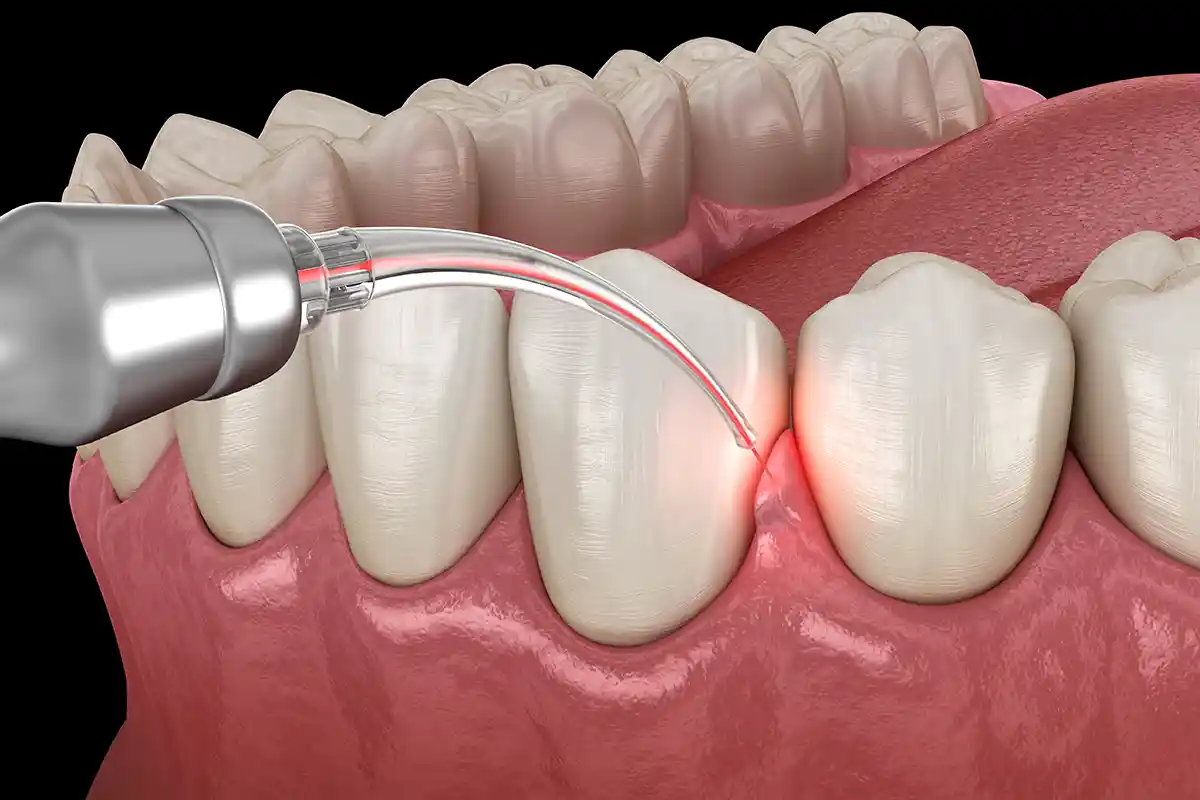
- Pink Aesthetics (Gingivectomy): Performing aesthetic bonding fillings at the incisal edges of front teeth after gingival boundaries are aligned with lasers and a gummy smile is eased.
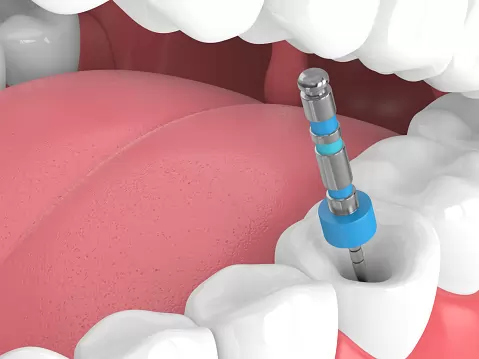
- Microscopic Root Canal Treatment: The process of leak-proof sealing of the upper crown cavity with aesthetic resins after persistent infections inside the tooth are cleared under a microscope.
How Should Aesthetic Filling Care Be Maintained?
Since composite restorations are artificial nanohybrid ceramic structures, they cannot display a biological decay reaction; however, that micron-level lower finish line boundary where the filling ends and joins your own natural tooth enamel is the most delicate corridor inside the mouth for bacterial plaque to accumulate. If home hygiene is neglected along these margins, plaque accumulations can infiltrate over time underneath the filling, initiating insidious under-filling decay termed “secondary caries”; to zero out these risks, a disciplined cleaning schedule must be applied in the home environment.
- Sweeping Brushing: Brushing at least twice a day for 2 minutes with a soft-bristled brush using circular massaging movements from the gums toward the tooth (highly abrasive charcoal or baking soda pastes should be avoided since they can scratch the filling glaze).
- Uncompromising Interdental Cleaning: Eliminating plaque by rubbing dental floss linearly every night between the adjacent surfaces of the fillings.
- Professional Control and Polish: The necessity of refreshing the filling glaze (polishing) in the clinic during 6-month routine physician checks to eliminate micro-dulling occurring over time along the filling surface.
What are the Frequently Asked Questions About Aesthetic Fillings?
Presented below are the most common practical concerns arising in the minds of consultants planning to undergo aesthetic filling restorations to rid themselves of decay and fractures along their teeth and achieve a smooth pink-white aesthetic harmony, along with their polyclinic medical answers:
Are aesthetic composite fillings as strong as gray amalgam fillings, do they break immediately under chewing pressure?
Old-generation composites were weak regarding fracture coefficients, but new-generation “nanohybrid” ceramic-filler composites utilized in today’s dentistry have been elevated to a level to compete with amalgam metal fillings regarding bending and compression resistance. Since they bond to the tooth chemically, they protect the tooth by wrapping it like a belt from the inside; therefore, they serve safely for decades without breaking or cracking even under the heaviest chewing tonnages of posterior molars.
Does the decay clearing stage hurt a lot while undergoing an aesthetic filling?
No, you will definitely not feel the slightest pain or sting. Powerful topical numbing gels are applied to the gingival mucosa prior to the procedure, followed by the administration of local solutions at a speed suitable for tissue resistance via computer-controlled digital anesthesia units to ensure full desensitization. Since nerve conduction lines are completely closed throughout the session, you only perceive the light touch of the instruments and the coolness of the water, and the procedure is completed with high comfort.
Do the aesthetic bonding fillings executed on my front teeth turn yellow over time due to tea, coffee, or cigarettes?
Although composite resins are polished non-porously, they can accumulate superficial stain pigments over time under very heavy tea, coffee, and nicotine exposure, just like natural tooth enamel. However, this yellowing is not a permanent material degradation; when you come for your 6-month routine checks, our physician polishes the filling surface with specialized polishing pastes and felt discs within just 5 minutes chairside, instantly restoring your filling to its first-day bright and transparent white shade.
Is replacing those old gray/black amalgam fillings in my mouth with aesthetic fillings safe according to medical standards?
Yes, replacing amalgam fillings with aesthetic composites is a highly popular and safe clinical practice step to halt both aesthetic issues and toxic mercury release risks. However, it is imperative that the mercury vapor emerging from the old filling during this removal procedure is not swallowed by the patient; amalgam removals are conducted in our clinics under the rules of the “Smart Protocol,” accompanied by rubber dam isolation protection and specialized mercury-filtered aspirators exhibiting high suction power at maximum vascular safety.
Can I return to my normal life, work, and social activities immediately on the day my aesthetic filling treatment finishes?
Yes, aesthetic filling application is a completely local and micro-invasive restoration workmanship that does not disrupt consciousness, affect motor skills, or involve surgical scalpel incisions or sutures; therefore, the exact minute your fillings are cured and polished, you can stand up from the chair and continue your normal daily, vocational, social, or academic life rhythm uninterrupted from where it left off; there is no clinical obstacle whatsoever to driving a car or participating in business meetings or social gatherings immediately after the procedure.
Who We Are & Panorama Ankara Oral and Dental Health
Panorama Ankara is a licensed oral and dental health center that offers institutional health assurance to its patients by combining an academic expert staff and the latest global bio-technological digital infrastructure under a single roof, across all specialty branches of dentistry, primarily oral, dental, and maxillofacial surgery, advanced implantology, microscopic endodontics, periodontology, and aesthetic dentistry. Attaching vital importance to completely eliminating guesswork, human error-induced marginal finish line inaccuracies, and those traumatic syringe needles causing chair anxiety in patients in treatment practices, our center operates uninterrupted Digital Dentistry and Nanohybrid Aesthetic Filling (Bonding) ecosystems with a calendar discipline.
Under the roof of Panorama Ankara, absolute sterilization, high patient safety, transparency, and honesty principles are operated with uncompromising determination by regulation in full compliance with medical codes in all diagnosis, radiological scanning, design, and microscopic restoration interventions. In our clinical practices, proprietary intraoral scanners with micron-level point cloud processing resolution and smart artificial intelligence integrations, high-frequency piezoelectric units, and absolute rubber dam moisture isolation systems keeping resin bond strength at maximum are administered with millimetric precision under the supervision of our expert restorative dentist staff. Our aim is not to impose old-type, slow, overly reductionist, and incompatible filling molds upon our patients; but rather to analyze each individual’s jawbone quality, occlusion mechanics, and facial aesthetic golden ratio boundaries on a digital screen prior to the operation, achieving maximum session comfort, a same-day dentistry standard, and smooth smile designs to be used with lifelong sealing. If you postpone your treatments due to fear of the dentist chair or time limitations despite being tired of your old worn black fillings, the spaces between your front teeth, or your broken surfaces when looking in the mirror, and want to initiate your end-to-end digital smart treatment process with scientific assurance in an expert institutional center environment; you can safely protect your health and smile integrity by contacting the expert staff of Panorama Ankara for your detailed intraoral examination and aesthetic filling comfort.