
1. What are Prosthodontic Dental Treatments?
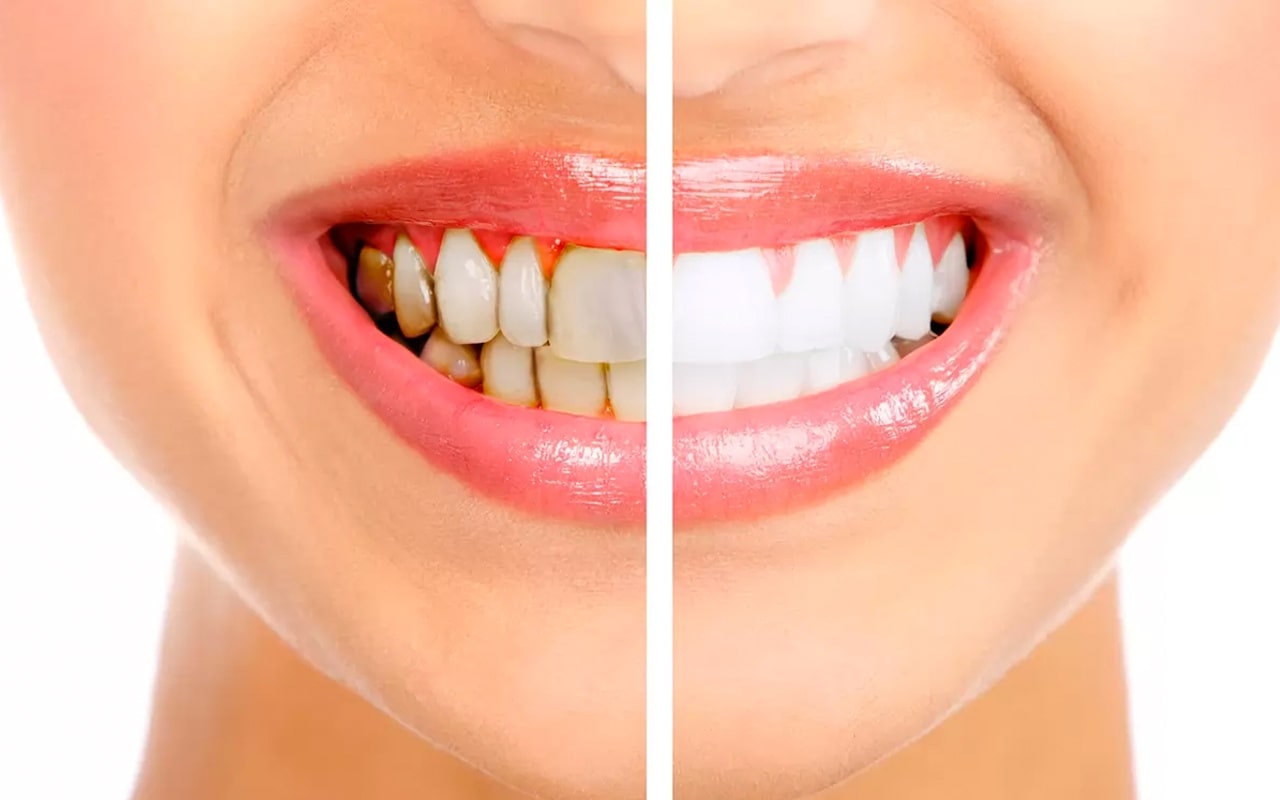
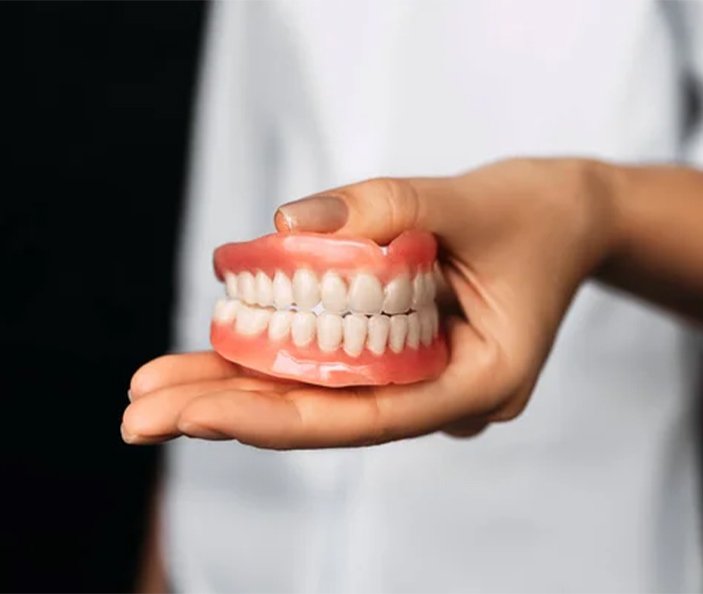
Prosthodontic Dental Treatment (Prosthodontics) is a specialty branch of dentistry that aims to anatomically, functionally, phonetically, and aesthetically reconstruct teeth, surrounding soft tissues, and lost jawbone volumes that have been lost due to various reasons, using artificial materials. This branch does not only manage the process of filling missing teeth; it also aims to protect and restore the neuromuscular balance among the chewing system (stomatognathic system), temporomandibular joints (jaw joint), and facial muscles.
Prosthodontic treatments carried out within Panorama Ankara are brought to life with a completely biomimetic (imitating natural tissues) philosophy. Losses in the hard tissues of the teeth or complete edentulism states are resolved using nano-ceramics, zirconium oxide compounds, and biocompatible polymers, which represent the latest stage reached by material science. Each restoration is custom-designed for the individual by calculating the patient’s facial proportions, lower jaw movement axes, and lip dynamics during speech.
2. In Which Situations Are Prosthodontic Dental Treatments Applied?
Prosthodontic dental treatment applications step in across a wide clinical spectrum where the mechanical or biological balance of intraoral tissues is disrupted. The primary situations in which this specialty field is applied are as follows:
- Partial or Complete Tooth Deficiencies: In all functional gaps, ranging from a single tooth loss to complete edentulism (toothlessness) situations where all teeth in the jaws are lost.
- Excessive Dental Hard Tissue Losses: In teeth with extensive cavities, weakened tooth walls after root canal treatment, or teeth whose large pieces have been broken as a result of trauma, which cannot be granted structural resistance with standard filling methods.
- Pathological Tooth Wear (Attrition, Abrasion, Erosion): In cases where the vertical dimension (facial height) of the teeth has decreased due to teeth clenching and grinding (bruxism), incorrect brushing, or acidic foods.
- Maxillofacial Region Defects: In the rehabilitation of hard and soft tissue losses that develop as a result of tumor surgery, congenital anomalies (cleft lip and palate), or major traumas, using obturators and special prostheses.
- Aesthetic and Positional Dissatisfactions: In bringing widespread gaps between teeth (diastema), discolorations, or mild crowding to an aesthetic form via crowns or porcelain laminates.
3. Who are Prosthodontic Dental Treatments Suitable For?
Prosthodontic dental treatments are suitable for individuals of all ages who feel a volumetric, functional, or aesthetic deficiency in their intraoral tissues and whose general health status is stable. A very wide audience, from young adults who have completed their tooth and bone development to geriatric patients experiencing multiple tissue losses due to old age, can benefit from these treatments.
In addition, individuals who have used traditional removable prostheses in the past but complain about prosthesis mobility during speaking and chewing are ideal candidates for prosthodontic dental treatment for fixed implant-supported solutions. In our patients with systemic disorders such as heart disease, diabetes, or hypertension, tissue-friendly prosthesis planning can be safely applied by consulting with the relevant medical doctors.
4. What Kind of Evaluation is Performed Before Prosthodontic Dental Treatment?
The success of a long-lasting and functional prosthesis depends on the comprehensive diagnosis and analysis protocols performed before the operation. At Panorama Ankara clinics, the prosthodontic examination is carried out through the following stages:
Intraoral and Extraoral Physical Examination: The periodontal (gum and bone) supports, cavity statuses, and mobility (shaking) degrees of existing teeth are examined. In the extraoral examination, the patient’s lower facial height, lip support, smile line, and occlusion patterns of the lower jaw are evaluated.
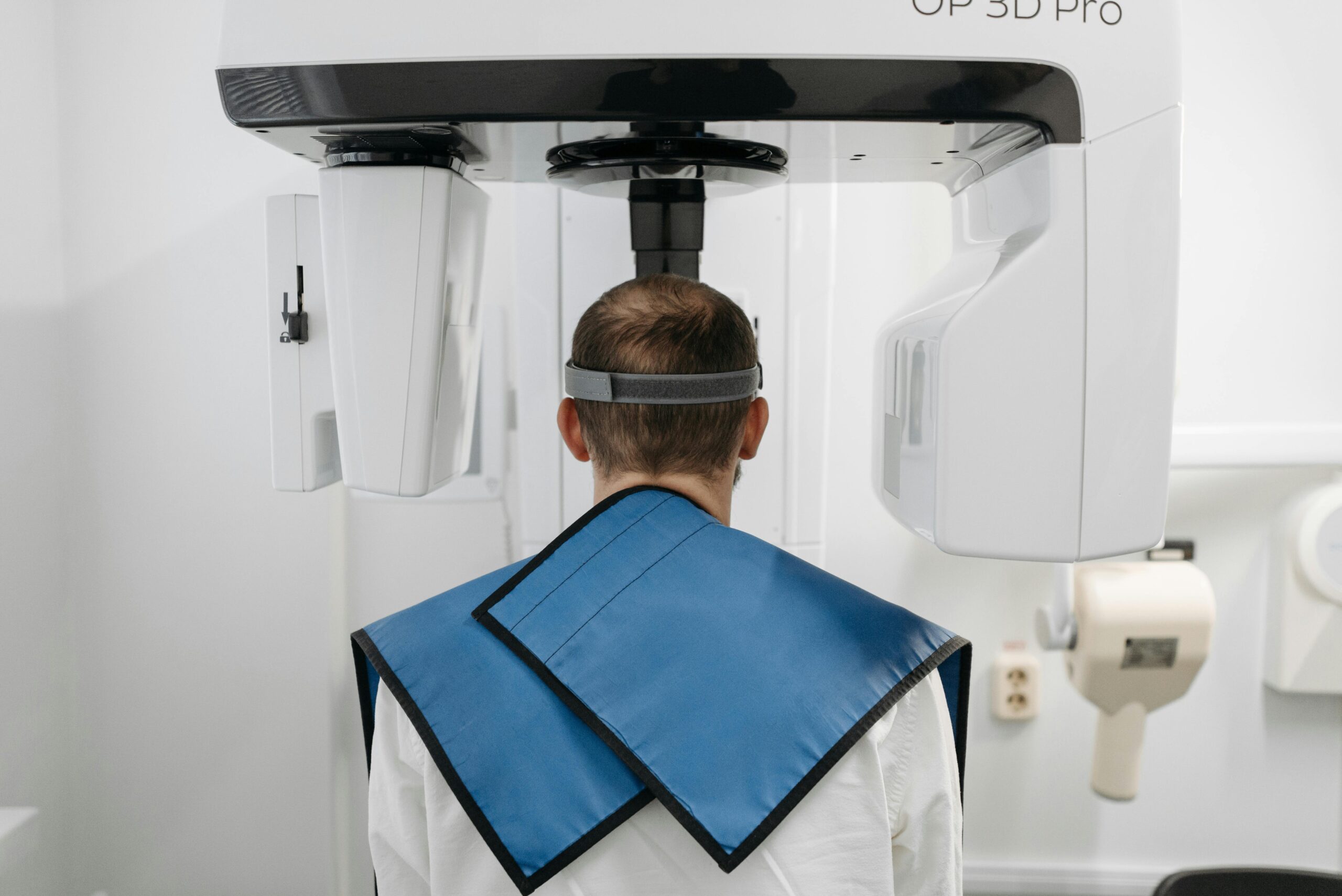
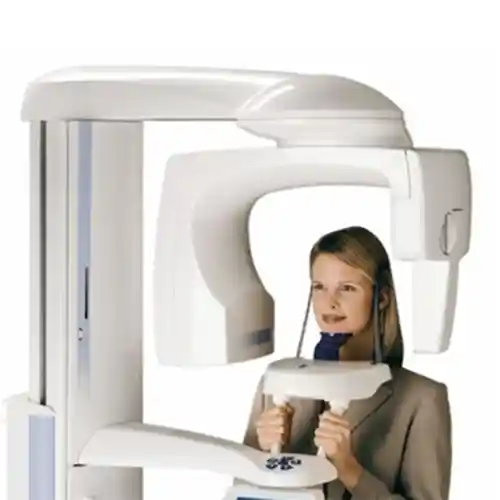
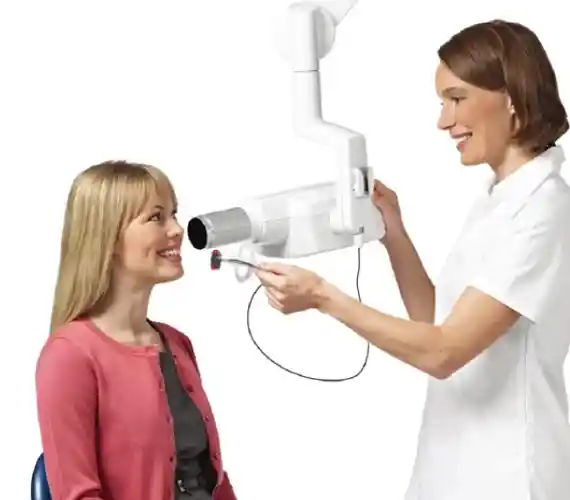
3D Radiological Analysis and Digital Scanning: The density of jawbones and the anatomical conditions of the roots are examined with panoramic X-rays and, when necessary, CBCT (Computed Tomography). Then, instead of traditional impression materials, three-dimensional digital models of the teeth and surrounding tissues are obtained using intraoral digital scanners.
Temporomandibular Joint and Muscle Analysis: By moving the lower jaw, it is checked whether there is any sound coming from the joint or whether there is any sensitivity in the muscles. In order to accurately transfer jaw movements to the laboratory environment, face-bow records are taken, and the models are placed into special simulators called articulators.
5. How is Prosthodontic Dental Treatment Planned?
Prosthodontic planning is a multidisciplinary process in which the obtained digital data are evaluated jointly from surgical, orthodontic, and periodontological perspectives. At Panorama Ankara, planning steps are shaped within the framework of the following criteria:
“Prosthesis-Oriented Surgery” Approach: In cases where implants will be placed, the location of the implant is determined not randomly, but in a digital environment according to the chewing axis of the future prosthesis using the backward planning method.
During the planning phase, the type of prosthesis to be made for the patient (fixed, removable, or implant-supported) is finalized. The biomechanical load-bearing capacities of the teeth are calculated according to Ante’s Law. In order to fully meet aesthetic expectations, a digitally designed “Mock-up” (temporary aesthetic model) in the laboratory is applied to the patient’s mouth, allowing the appearance at the end of the treatment to be tested before the teeth are even touched, and the patient’s approval is obtained.
6. What are Fixed Dental Prostheses?
Fixed dental prostheses are restorations that are fixed onto existing teeth or implants by means of special adhesives (cements) when there is a small number of missing teeth or single tissue losses in the mouth, and they cannot be removed by the patient at will. It is the type of prosthesis closest to the feeling of natural teeth and chewing comfort.
This group includes crowns (single tooth caps), bridges, porcelain laminates (porcelain veneers), inlay and onlay restorations. Since fixed prostheses transmit chewing forces directly to the roots of the teeth they receive support from and the surrounding bone tissue, they help protect the natural structure of the jawbone. Their cleaning and care are performed through brushing and interdental care, just as it is with natural teeth.
7. What are Removable Dental Prostheses?
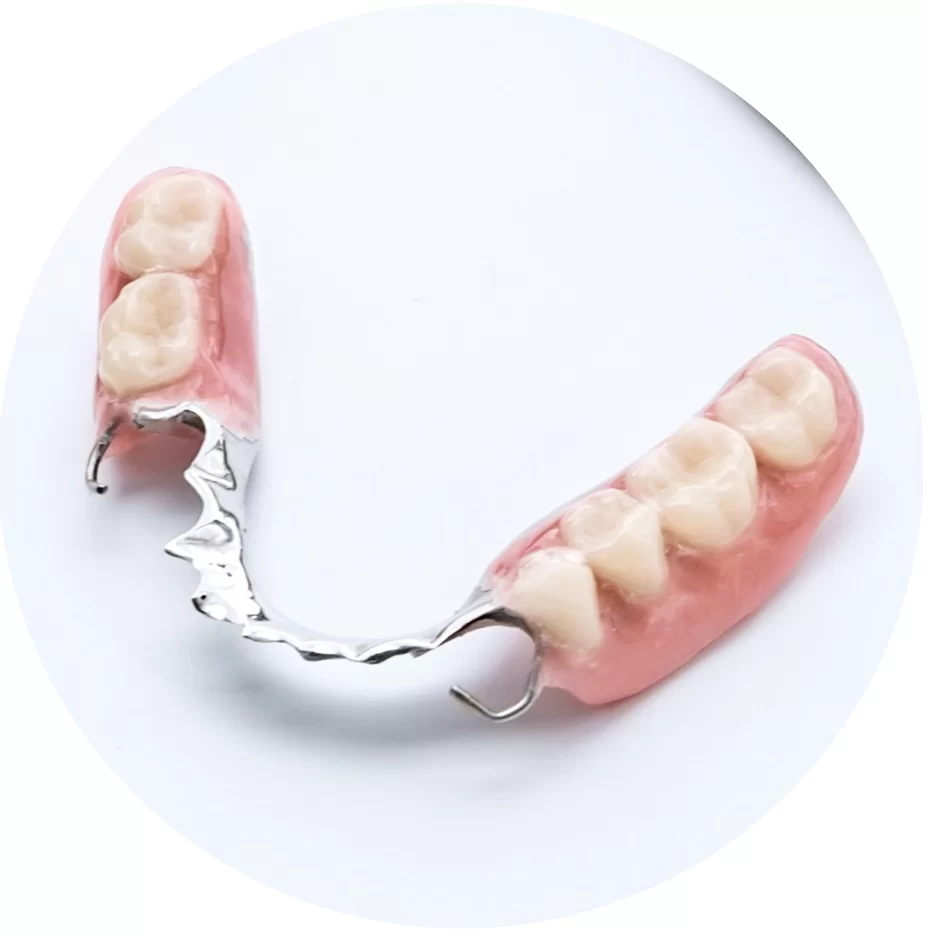
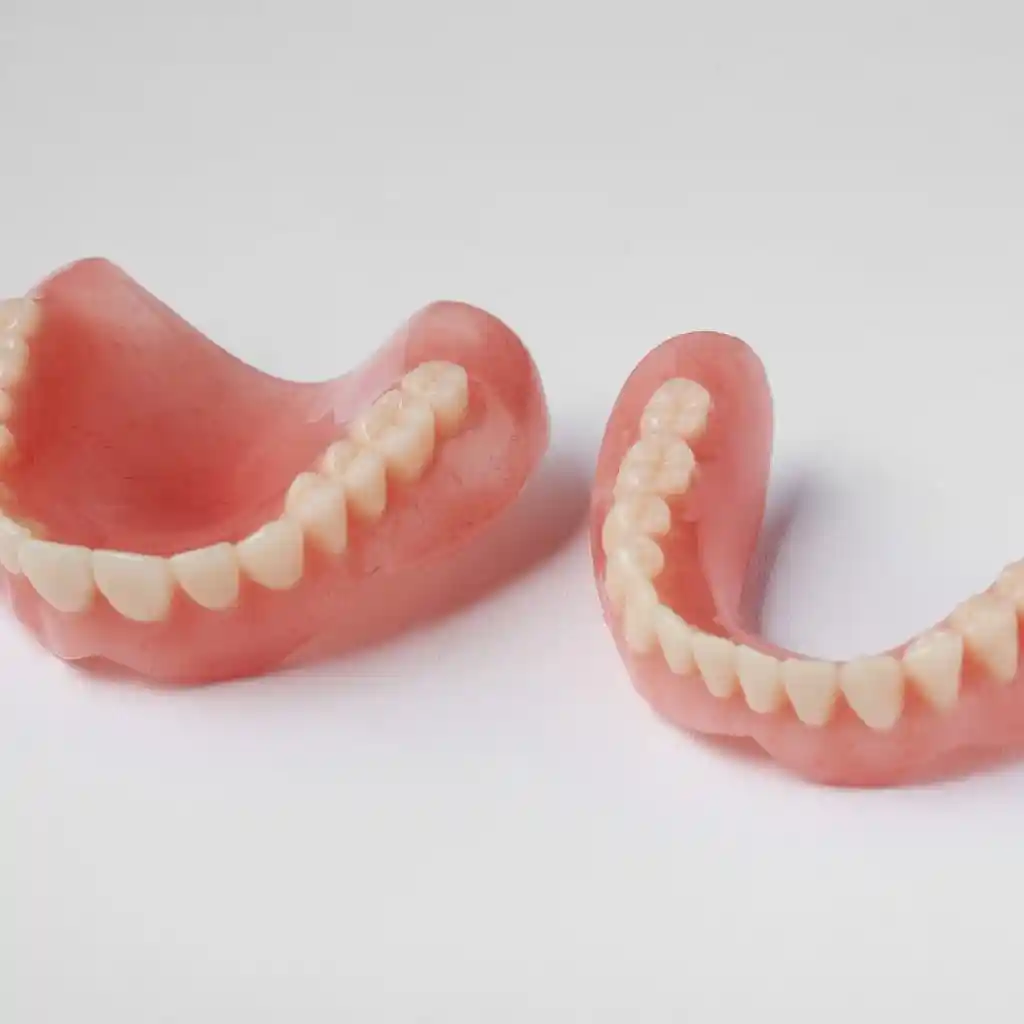
Removable dental prostheses are appliances that can be inserted and removed daily by the patient, applied in cases where there are not enough teeth or implants to provide fixed prosthesis support and extensive tissue losses are experienced. These prostheses receive chewing force not only from existing teeth but also from the mucosa (gums) and the underlying jawbone in edentulous areas.
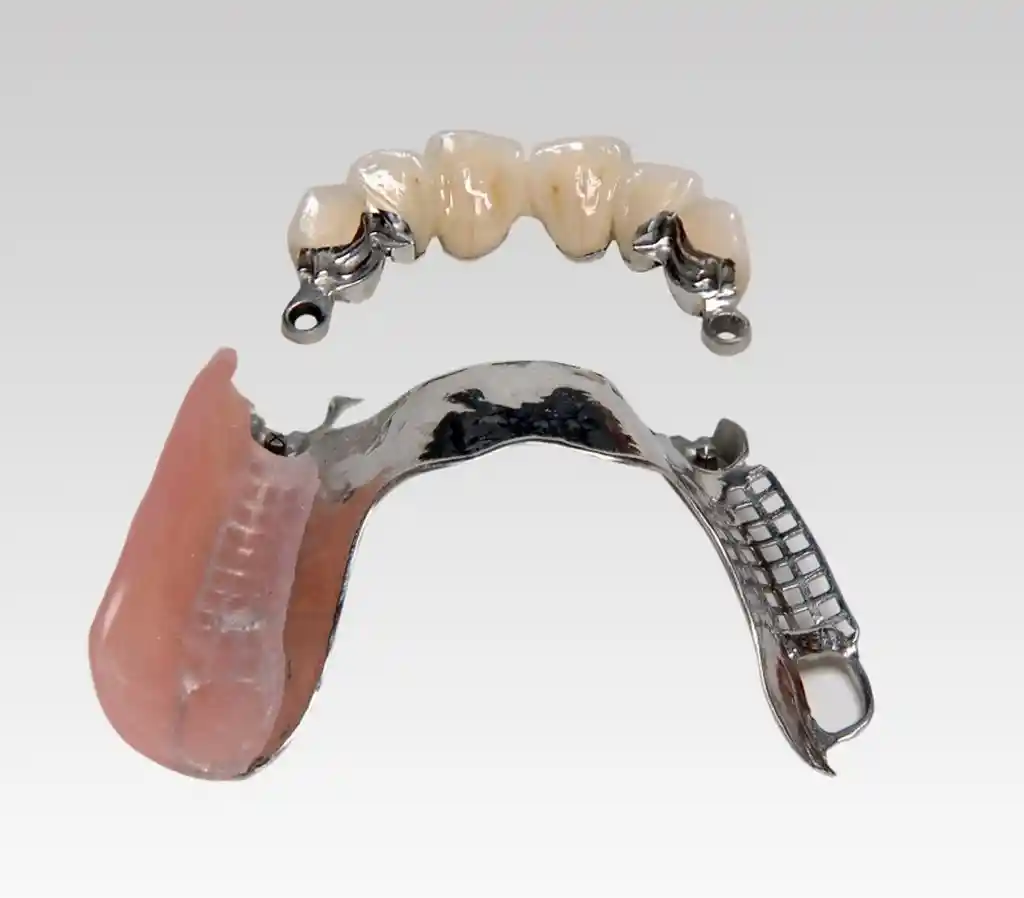
Along with advancing technology, biocompatible polymers (acetal resin, polyamide-based materials) that are tissue-colored and flexible in structure have replaced metal alloys used in the infrastructures of removable prostheses. This has reduced the weight of the prostheses inside the mouth and increased their aesthetic harmony. They offer an option that protects tissue integrity, especially in cases of complete edentulism at advanced ages or in systemic profiles where implant surgery is risky.
8. What are the Differences Between Complete and Partial Prostheses?
Removable prostheses are divided into two within themselves, depending on the presence of teeth in the mouth, as “Complete (Total) Prostheses” and “Partial (Sectional) Prostheses.” The fundamental functional and structural differences between these two systems are as follows:
| Clinical Feature | Complete (Total) Prostheses | Partial (Sectional) Prostheses |
|---|---|---|
| Tooth Indication | Applied in cases where all teeth in the jaw are completely lost. | Applied in cases where some natural teeth are preserved in the mouth. |
| Support Mechanism | Relies completely on jawbone and mucosa (vacuum effect) support. | Receives support from both existing teeth (clasps/attachments) and the mucosa. |
| Retention Elements | Negative pressure provided by saliva hydraulics and tissue harmony. | Clasps (hooks) or precision attachments (snap-on systems). |
| Biomechanical Stability | The tendency to displace during chewing is relatively higher. | Since it holds onto existing teeth, it is much more stable in the mouth and does not wiggle. |
9. What is Crown (Cap) Treatment?
Crown treatment is the process of restoring a single tooth that has weakened functionally or aesthetically with caps produced in an anatomical form to completely cover it. It is generally preferred for protecting decayed teeth with excessive material loss, extending the lifespan of fragile teeth that have undergone root canal treatment, or correcting teeth with formal deformities.
For crown application, primarily a millimetric abrasion as much as the thickness of the material to be used (average 0.5 – 1.5 mm) is carried out from the tooth surface. This abrasion is completed by opening a shoulder (chamfer or shoulder concept) at the gum line so that it remains within the biological boundaries of the tooth. The crown, produced by digital methods, is adhered onto this prepared tooth with mechanical and chemical binders, restoring the structural integrity of the tooth.
10. How is Dental Bridge Treatment Applied?
A dental bridge is a traditional fixed prosthesis method based on the principle of reducing healthy support teeth located on both sides of the gap and receiving support from them in case of one or more missing teeth. The artificial tooth closing the gap is called the “pontic,” and the crowns covering the support teeth are called “abutments.”
During the application process, the teeth to the right and left of the gap are brought to small sizes under local anesthesia so that they can be crowned. Micron-level measurements taken with digital intraoral scanners are transmitted to the laboratory environment. The bridge structure, milled from monolithic blocks in CAD/CAM units, is cemented onto the teeth after its trial is made. The contact of the bridge pontic with the gum is designed in modified anatomical forms where the patient can easily clean that area with dental floss.
11. What are Implant-Supported Prostheses?
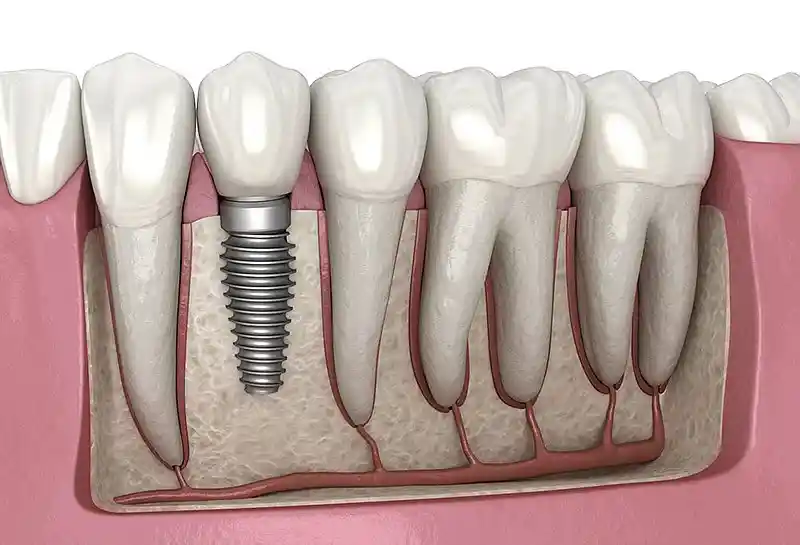
Implant-supported prostheses are the most modern prosthodontic systems prepared by receiving support from titanium artificial roots placed into the jawbone. Since they do not need natural tooth support, they completely eliminate the obligation to cut the teeth next to the gaps. These prostheses are planned in two main groups according to the degree of edentulism in the mouth:
A. Fixed Implant-Supported Prostheses
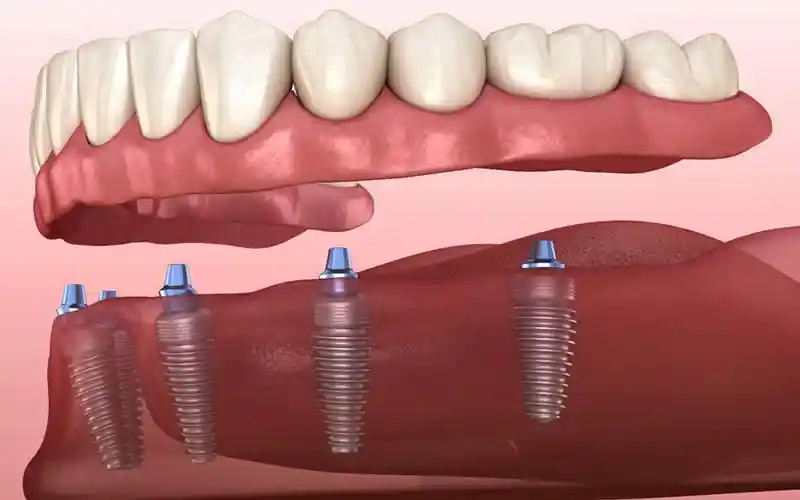
Single crowns made on a single implant in case of a single tooth deficiency, bridges stretched between implants in multiple deficiencies, or monolithic zirconium arches screwed onto 4-6 implants with the All-on-4/All-on-6 concept in complete edentulism fall into this group. These prostheses are designed as cemented or, as a more up-to-date approach, directly screwed into the implant body (screw-retained), thereby increasing clinical comfort.
B. Removable Implant-Supported Prostheses (Overdenture)
In complete edentulism cases where the jawbone volume is very low, special snap-on mechanisms called “Locator” or “Bar” are attached onto 2 or 4 implants placed into the existing bone. The prosthesis sits on top of these mechanisms. These structures, which never move from their places at the moment of chewing, can be easily removed by the patient whenever desired for cleaning purposes.
12. What are the Differences Between Porcelain and Zirconium Restorations?
Material selection in modern prosthodontic dentistry is determined according to the aesthetic and mechanical needs of the region where the restoration will be made. The differences between traditional metal-supported porcelains and new-generation zirconium-based restorations are as follows:
| Comparison Criterion | Metal-Supported Porcelains | Zirconium-Supported Restorations |
|---|---|---|
| Light Translucency | Since the underlying metal is opaque, it does not transmit light, offering a matte appearance. | Mimics natural tooth enamel with high semi-translucency. |
| Gum Harmony | Can cause gray-purple shadowing at the gum margin over time. | Its biocompatibility is high; it does not cause color changes at the gum margin. |
| Mechanical Durability | Fracture resistance is high due to the metal infrastructure, but porcelain chipping can occur. | Flexural and fracture resistance (above 1200 MPa) is at an exceptional level. |
| Allergy Risk | An allergic reaction may develop depending on the nickel or chromium alloys in its content. | It is a completely bio-inert material and carries no risk of allergy. |
13. What are the Stages of Prosthodontic Dental Treatment?
A fixed prosthodontic restoration process at Panorama Ankara is conducted with the following chronological stages for millimetric marginal fit and occlusal balance:
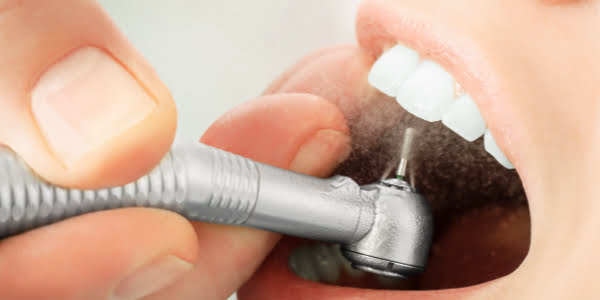
- Preparation (Preparation of the Teeth): The teeth that will provide support are reduced under local anesthesia with geometric angles appropriate for the selected material type.
- Digital Impression and Temporary Prosthesis: A three-dimensional map of the prepared teeth is generated with intraoral optical scanners. In order for the patient not to leave the clinic without teeth, composite-containing “temporary prostheses” are prepared in the same session and temporarily adhered onto the teeth.
- Framework Trial: The millimetric fit of the zirconium or metal framework, designed in a digital environment, to the gum and the tooth is checked inside the mouth.
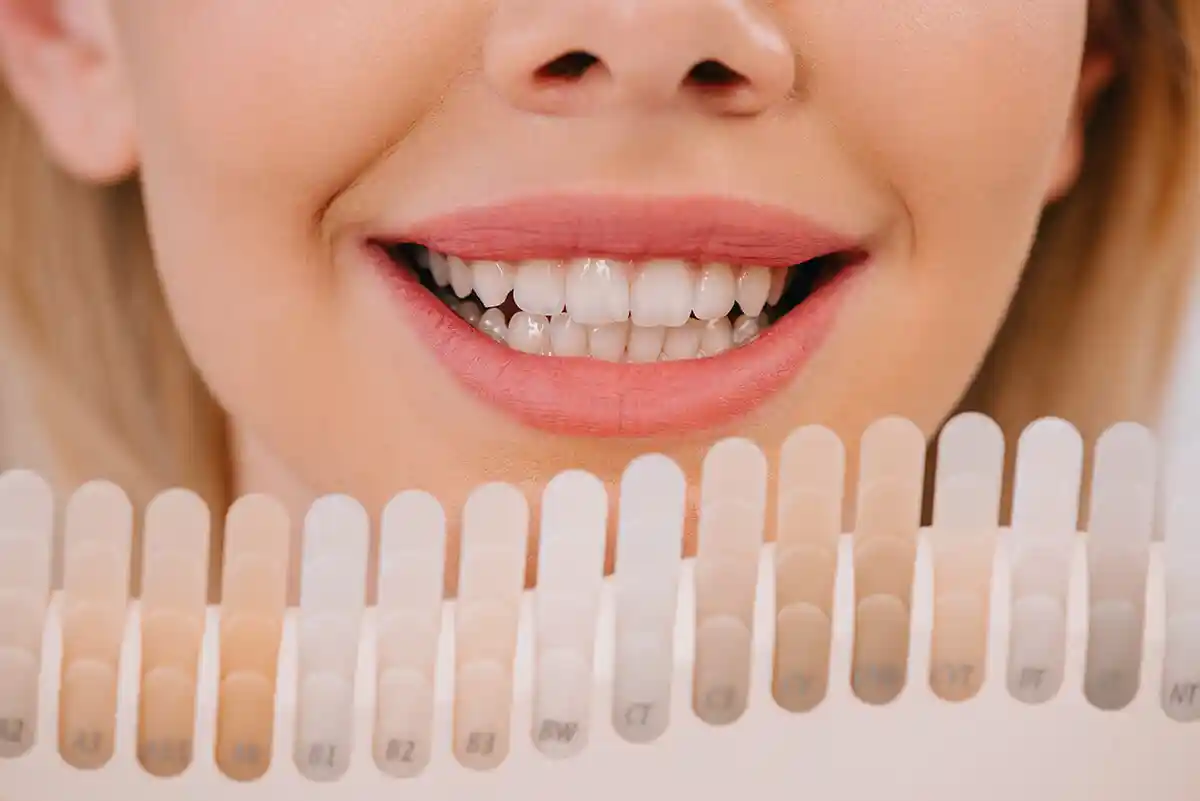
- Porcelain (Aesthetic) Trial: The color match of the porcelain processed on top of the framework with the neighboring teeth, characterization lines, chewing contacts, and the patient’s phonetics (speech) are tested.
- Glaze and Cementation (Finishing): The porcelain coming out of the polishing furnace is fixed to the tooth surface using biocompatible adhesives (resin cements).
14. How Long Does Prosthodontic Dental Treatment Take?
The completion time of prosthodontic dental treatments varies according to the type of prosthesis to be applied and the intensity of laboratory processes. Thanks to the CAD/CAM laboratory integration within Panorama Ankara, durations have shortened significantly compared to traditional methods.
A single zirconium crown or porcelain laminate application can be completed with a digital workflow within an average of 3 to 5 days, in a total of 2 or 3 sessions. On the other hand, wide bridges or removable partial prostheses require a process of 7-10 days and 4-5 clinical sessions since their tissue harmonies must be monitored sensitively. In implant-supported prostheses, after waiting for the implant’s osseointegration period with the bone (2-4 months), the prosthodontic construction on top of it is concluded within 1 week.
15. How is the Adaptation Process to Prosthetic Teeth?
Every new foreign body placed into the mouth requires an adaptation period by living tissues. Depending on the type of prostheses, the adaptation phase progresses with the following dynamics:
In fixed prostheses (crown-bridge), the adaptation period is quite short and usually takes 3-5 days. In the first few days, a different feeling of fullness during chewing or a slight tongue tangling is normal. In removable complete or partial prostheses, however, this process can spread over a time between 2 to 6 weeks. In the first weeks, an increase in secretion may be experienced due to the stimulation of salivary glands.
As a result of removable prostheses putting pressure on soft tissues, small rednesses and sensitive spots called “sore spots” may form inside the mouth. In these cases, our patients should absolutely not rasp their prostheses themselves and should apply to our clinic. These comfort problems are quickly eliminated with small adjustments (relieving the prosthesis base) to be made by the surgeon and prosthodontist.
16. How Should Oral Care be Done After Prosthodontic Dental Treatment?
The intraoral biological lifespan of prostheses shows a direct correlation with keeping the supporting tissues underneath clean. Care protocols differ according to fixed and removable structures:
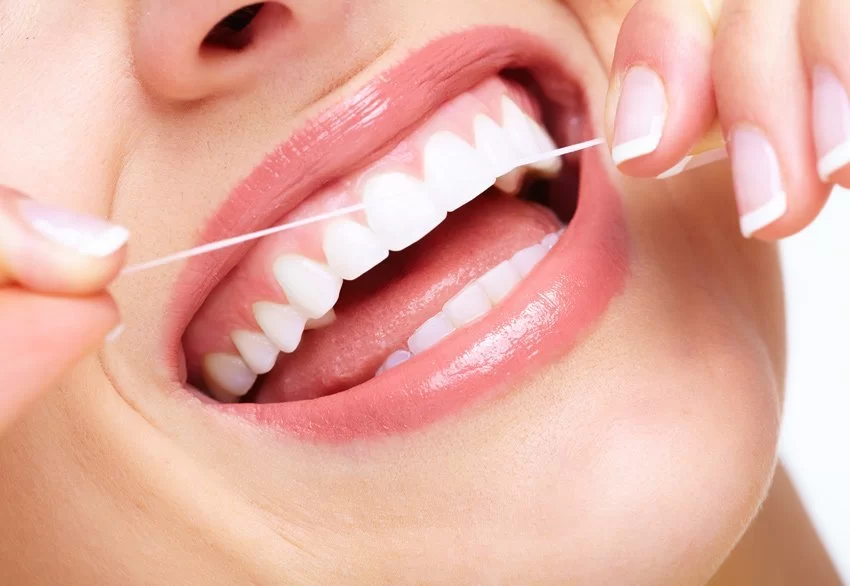
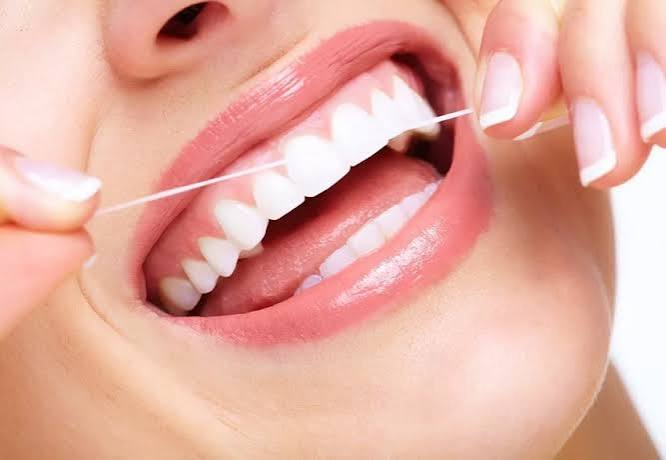
Care of Fixed Prostheses: Teeth should be brushed at least twice a day with circular movements, paying attention to the prosthesis boundaries (the place where it joins the gum). Edentulous areas remaining under bridge pontics are regions that normal brushes cannot reach. These areas must be cleaned every day with special sponge-tipped dental flosses called **Superfloss** and interdental brushes of appropriate thickness. The use of an oral irrigator raises the hygiene quality of fixed prostheses to the highest level.
Care of Removable Prostheses: After every meal, the prostheses should be removed from the mouth and cleaned under running water with the help of special prosthesis brushes or a soft-bristled brush. During cleaning, liquid soap or special prosthesis cleaning gels should be preferred instead of normal toothpastes containing abrasives that can scratch the prosthesis. Prostheses must definitely be removed from the mouth while sleeping at night, and microbial plaque accumulation should be prevented by keeping them in a damp container or in water into which effervescent cleaning tablets have been dropped 2-3 times a week.
17. What are the Factors Affecting the Usage Period of Prostheses?
For a dental prosthesis to serve problem-free in the mouth for a lifetime depends on keeping mechanical resistance elements and biological environmental factors in balance. The major factors affecting the usage period are as follows:
- Alveolar Bone Resorption (Bone Loss): The bone tissue under removable prostheses enters a natural resorption process over the years. When the bone resorbs, the fit between the prosthesis and the tissue is disrupted, and the prosthesis starts to become loose and wiggle. In these cases, the underneath of the prosthesis needs to be filled (relining/basing operation) or renewed.
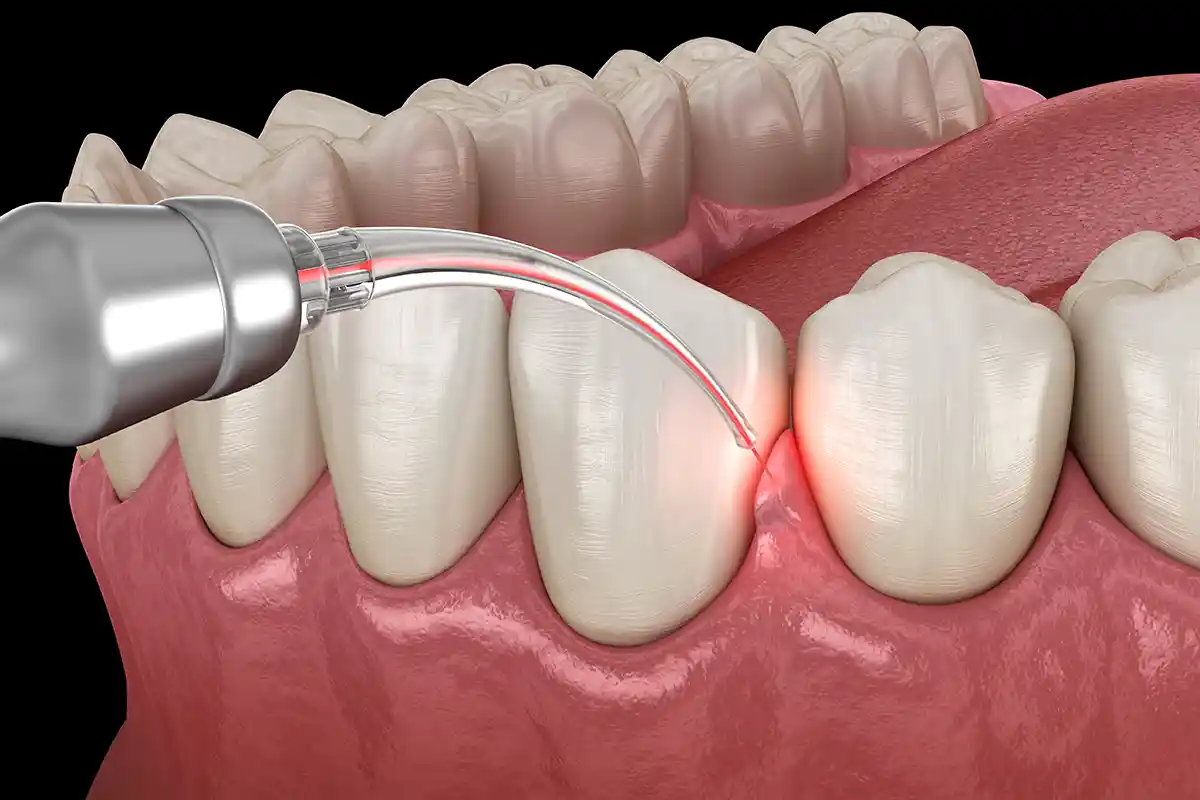
- Periodontal Health of Support Teeth: If gum recession or bone loss develops around the roots carrying bridges and crowns, the abutment teeth weaken and the lifespan of the prosthesis shortens.
- Parafunctional Forces (Bruksizm): In individuals with uncontrolled teeth clenching habits, micro-cracks and porcelain fractures can occur in porcelain superstructures. It is mandatory for these patients to use a night guard in order to protect their prostheses.
18. What are the Advantages of Prosthodontic Dental Treatments?
Prosthodontic dental rehabilitation provides multi-faceted benefits that directly affect the general quality of life of the patient:
- Return of Chewing Function: Stomach and digestive system disorders created by foods that cannot be ground due to missing teeth are prevented; balanced nutrition comfort is regained.
- Phonetic Rehabilitation: Clear speech is provided by correcting pronunciation errors of letters such as “S”, “F”, “V” that occur especially in anterior region tooth deficiencies.
- Protection of Neighboring Teeth: The occlusal anatomy is protected by preventing the teeth neighboring the tooth deficiency area from tipping toward the gap, and preventing the tooth in the opposing jaw from elongating toward the gap (extrusion).
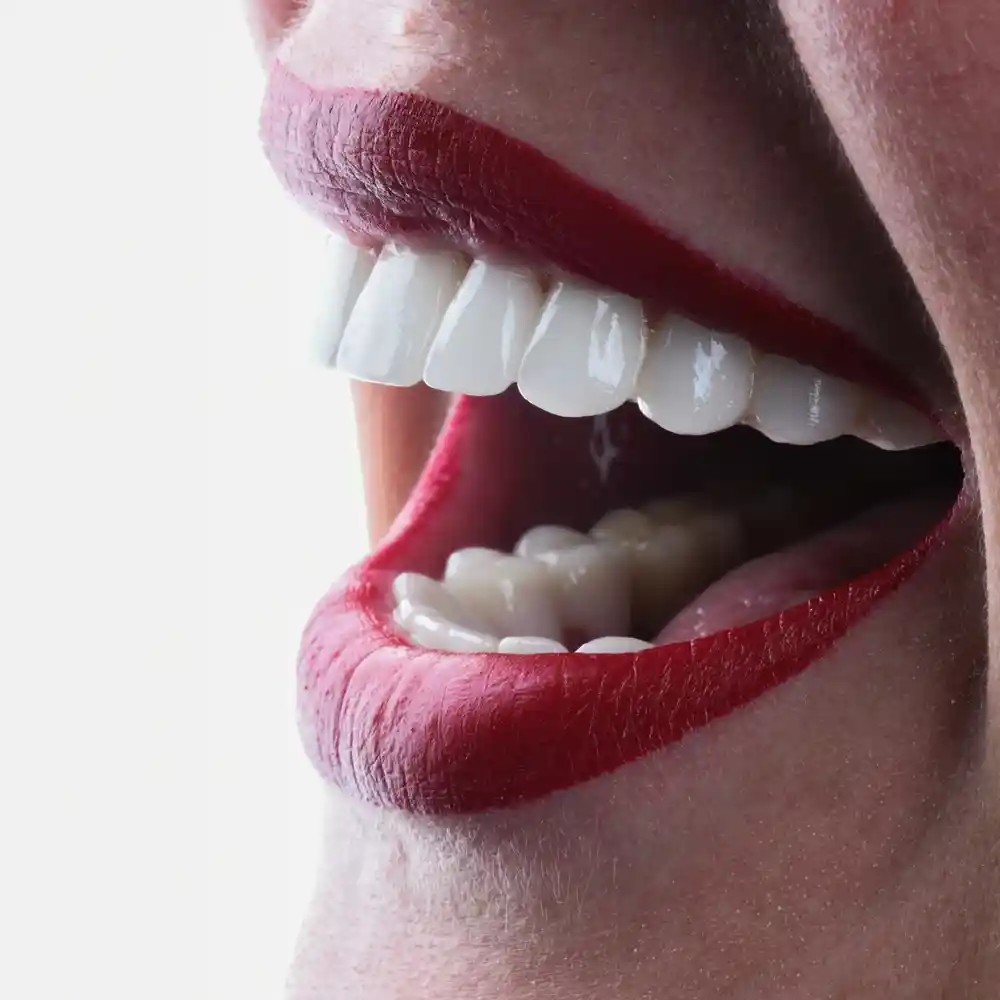
- Psychosocial Confidence: A natural smile profile suitable for facial lines is gained for individuals who hide their smiles and experience loss of self-confidence due to aesthetic concerns, by adjusting their vertical dimensions and lip supports.
19. What are the Factors Affecting Prosthodontic Dental Treatment Prices?
Prosthodontic dental treatment costs are calculated on a completely individual basis according to the biotechnological structure of the materials to be used and the scope of the case. The basic criteria determining the price index are as follows:
- Type and Unit Number of the Restoration: The cost structure of a single tooth crown is different from a 14-unit monolithic bridge covering the entire jaw or a combined prosthesis with precision attachments.
- Class of the Preferred Material: Whether traditional metal alloys, high-purity zirconium oxide blocks, or resin-reinforced glass-ceramics with top-level optical translucency (E-max, Empress) will be used in the infrastructure directly affects the price.
- Variety of Implant Components: The component costs of standard titanium abutments to be used in implant-supported prostheses versus custom digitally produced zirconium abutments (custom abutments) and retaining screws are reflected in the budget.
- Digital Design and Laboratory Sensitivity: The utilization of CAD/CAM milling technologies, three-dimensional digital printers, and meticulous characterization staining craftsmanship in the production of the prosthesis determines the optimization of dentistry and technician work.
As Panorama Ankara Oral and Dental Health Polyclinic, we reconstruct your lost teeth and smile with the most aesthetic forms of modern material science and digital engineering. A functional oral structure is the foundation of a healthy future.