
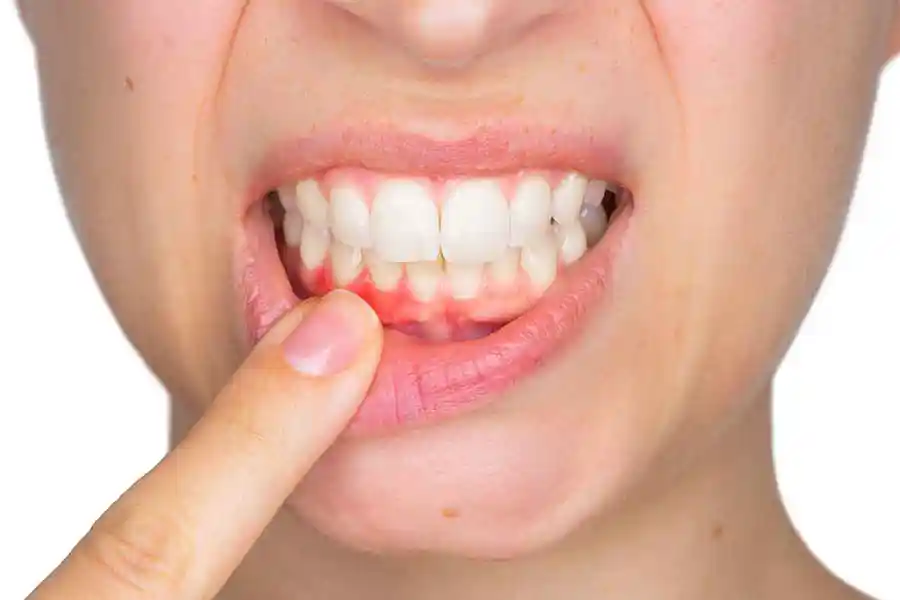
What Are Soft Tissue Aesthetic Surgical Procedures?
Soft tissue aesthetic surgery (pink aesthetic surgery) is a dental micro-surgical discipline that optimizes the functional and visual architecture of the mucosa above the bone surrounding the teeth, along with the boundaries of the free and attached gum tissue, within oral anatomy. No matter how high the quality of a tooth’s hard enamel tissue is, asymmetries in the contour lines of the soft tissue surrounding it, dark hyperpigmentation, or excessive tissue buildup directly overshadow overall facial aesthetics. The surgical process is based on staying faithful to the anatomical bone-to-gum distance limits known as “biological width,” while re-harmonizing and defining the mucosal barriers in line with the golden-ratio lines of the facial features.
- Pink Aesthetic Foundation: Balancing the soft tissue contours that frame white tooth aesthetics (white aesthetics).
- Micro-Surgical Precision: Using millimetric medical instruments that apply minimal trauma to the periosteal bed of the soft tissue.
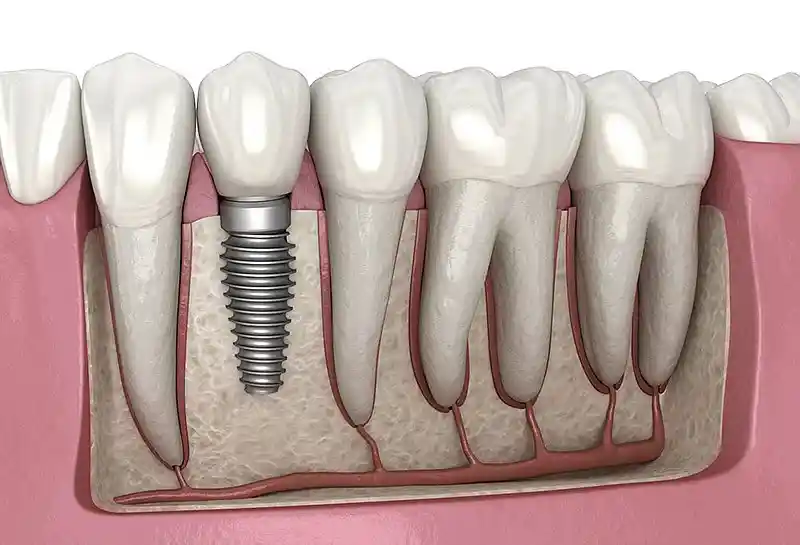
- Preservation of Biological Limits: Planning carried out without jeopardizing the physiological health of the supporting connective tissue fibers beneath the gum.
In Which Situations Are Soft Tissue Aesthetic Surgical Procedures Applied?
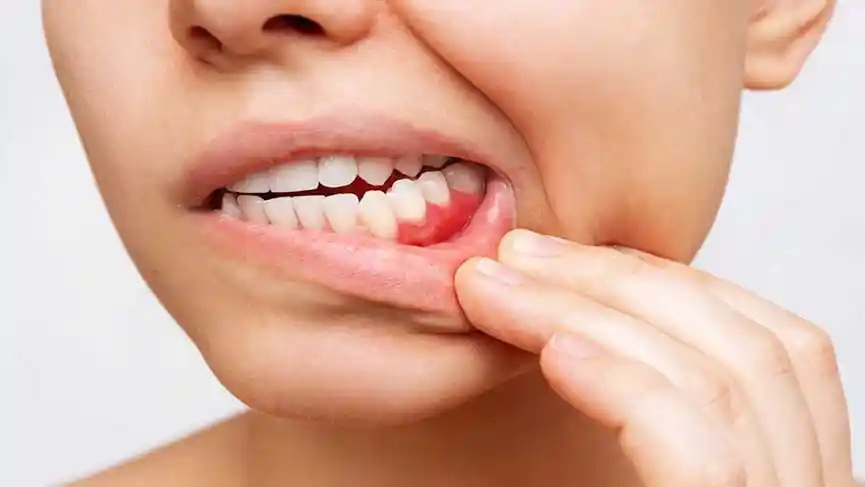
Mucosal aesthetic surgical interventions are applied in specific indication scenarios where the boundaries of the gum tissue are clinically irregular or show excessive buildup over the tooth crown, shortening the teeth and making them look stunted, and disrupting the overall symmetry map. Excessive upward movement of the upper lip muscles when smiling, or gums that appear like a wide barricade due to the height of the maxillary bone, are a source of social anxiety. At the same time, fibrous tissue overgrowth developing due to non-inflammatory medication use, or genetic melanin buildup, are also among the pathological reasons that make this surgical treatment cycle necessary.
The main clinical situations in which soft tissue aesthetic interventions are definitively indicated are:
- In “Gummy Smile” (excessive gum visibility) cases where more than 3 mm of gum is visible while smiling,
- In situations where the mucosal lines at the neck of the teeth have lost their right-left symmetry and sit at different (asymmetric) levels,
- In cases where dark brown, purplish stains (melanin hyperpigmentation) have accumulated in the pink gum tissue due to chronic smoking or genetic causes,
- Before crown restorations (zirconium, veneers) or porcelain fillings are placed, in order to clarify margin boundaries and aesthetically lengthen the teeth.
Who Is Soft Tissue Aesthetic Surgery Suitable For?
These surgical steps are medically suitable for any adult patient over the age of 18 whose jaw and gum mucosa development is complete, who has no active systemic periodontitis (gum inflammation) infection, and who wants to permanently improve smile symmetry. Because the system does not involve heavy osteotomy processes like bone-level implant surgeries, it can be managed under local anesthesia with a high biocompatibility and safety profile. However, in individuals with uncontrolled diabetes or those on major medications that extend blood clotting time (INR values), obtaining approval from the relevant physician before the operation is a surgical necessity, in order to prevent risk to wound-healing quality and homeostasis balance.
| Patient Profile Table | Degree of Surgical Suitability | Expected Tissue and Histological Response |
|---|---|---|
| Those with Short Tooth Length and Gummy Smile Complaints | Fully Suitable / Primary Candidate | Balances the visibility ratio of the teeth by lengthening the clinical crown. |
| Those Wanting Gum Darkening (Depigmentation) | Fully Suitable | Peels away the melanin layer with laser beams, revealing fresh pink tissue underneath. |
| Those with Active Tartar and Severe Gum Inflammation | Conditionally Suitable / Should Be Postponed | Inflammation must first be resolved through scaling and oral hygiene care, then surgery can proceed. |
| Patients Who Are Pregnant | Not Suitable (Elective Procedure) | Postponed until after delivery due to hormonal gum sensitivity and surgical stress risk. |
What Procedures Are Performed in Soft Tissue Aesthetic Surgery?
Pink aesthetic operations are not made up of a single standard procedure; they include a synergistic combination of different surgical components depending on the patient’s soft tissue thickness, bone boundary, and facial character. Sometimes the dentist only trims the mucosal line in the operating room, while in some complex cases they may also need to intervene on the alveolar bone ridges beneath the tissue (osteotomy/osteoplasty). The nature of the procedures applied directly reinforces the long-term stability of the treatment’s success.
- Gingivectomy: Surgically cutting away and removing the excess free edge line of the gum,
- Gingivoplasty: Shaping the trimmed edges of the gum with micro-files to restore their natural anatomical form and smoothness,
- Crown Lengthening: Moving the gum and bone boundary uniformly downward to enlarge the visible crown portion of the tooth in the mouth,
- Laser Stain Peeling: The phase of vaporizing and cleaning away hyperpigmented upper mucosal cells with laser energy.
How Is Gum Shaping Performed?
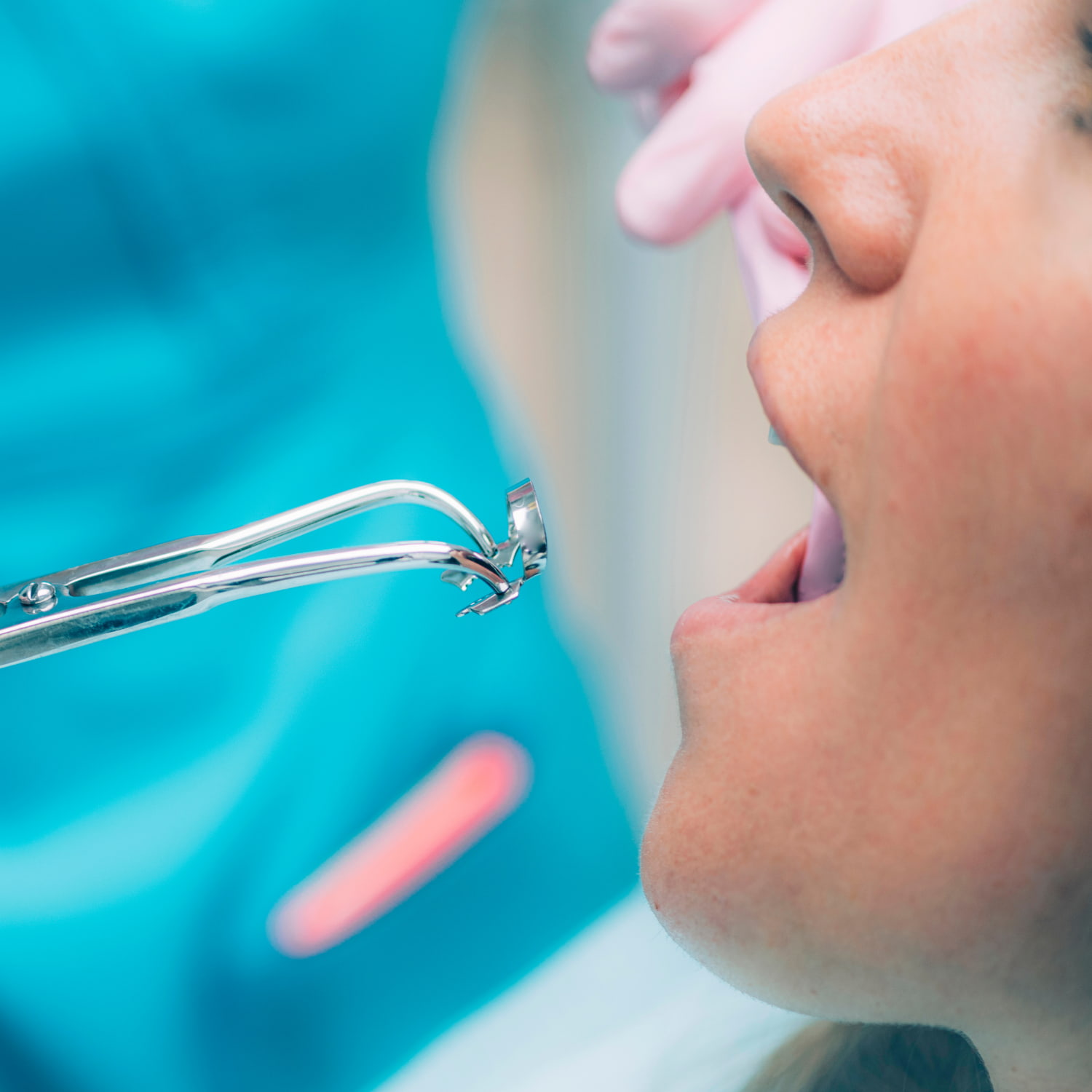
Gum shaping is a phased procedure carried out under a local anesthesia block in clinical operating rooms with a full sterilization chain, taking into account the vascular richness of the periodontal area. Once the tissue is prevented from producing pain or sensitivity, the dentist draws the reference boundary lines — previously mapped out using facial golden-ratio software — onto the mucosa with millimetric surgical markers. Then, using conventional scalpels or next-generation electrosurgical/laser units, the excess tissue is removed along this drawn line with a smooth incision. During the procedure, maximum care is taken to preserve the anatomical attachment integrity of the surrounding periodontal ligament fibers.
- Anesthetic Blockage: Achieving painless numbness with computer-controlled digital anesthesia injections.
- Resection Phase: Trimming the excess free gum while preserving the tooth’s natural 45-degree physiological slope angle.
- Architectural Formation: Thinning the thickened walls of the gum to create a fresh architectural curve (an Eros-bow shape) at the neck of the teeth.
What Is Gingival Contouring?
Gingival contouring is the process of repositioning and symmetrizing the highest curve points (the zenith points) where the teeth meet the gum, in line with each tooth’s own anatomical character. In an aesthetic smile, the zenith points of the front incisors and canine teeth should align on the same horizontal line, while the boundary of the lateral incisors should sit about 1 mm lower than this line. Contouring rebuilds this millimetric hierarchy inside the mouth, transforming wavy, irregularly zigzagging mucosal boundaries into a smooth, linear light line that is fully in harmony with facial symmetry.
Gum contouring means lifting that asymmetric curtain drawn over your teeth using golden-ratio measurements, and revealing the true geometry of the smile.
What Is the Difference Between Gingivectomy and Gingivoplasty?
Gingivectomy and gingivoplasty are two different periodontal phases that are frequently mentioned together in medical literature but are clearly distinguished in terms of their surgical goals on soft tissue, incision depths, and histological manipulation techniques. Gingivectomy is directly a “tissue removal, resection” procedure; that is, it represents the radical cutting away and removal of thickened tissue or tissue creating a gummy smile. Gingivoplasty, on the other hand, is an “aesthetic filing, plastic shaping” step; it thins out the artificial thickness at the edges of the trimmed tissue, eliminates the appearance of a hard ledge, and lets the skin and mucosa attach to the tooth with knife-edge smoothness. The table below compares the two surgical procedures by parameter:
| Surgical Criterion / Feature | Gingivectomy (Tissue Resection) | Gingivoplasty (Plastic Shaping) |
|---|---|---|
| Basic Clinical Purpose | Trimming excessive, overgrown gum mass to reduce its size or remove it from the line. | Thinning the edges of the gum to rebuild a natural, physiological knife-edge morphology. |
| Tissue Area Treated | The vertical pocket walls of the free gum and areas of coronal hyperplasia. | The boundaries of the gingivectomy incision, gum papillae, and marginal soft tissue surfaces. |
| Surgical Tools Used | Specially angled periodontal knives (Orban/Kirkland) or intense surgical lasers. | Fine-tipped diamond burs, electrosurgical tips, or soft-tissue polishing laser modes. |
| Histological Outcome in the Tissue | Lengthens the clinical crown on the vertical plane and shallows out the pockets. | Provides surface smoothness, making it easier for food to slide off the gum and be naturally cleaned away. |
How Is the Assessment Performed Before Soft Tissue Aesthetic Surgery?
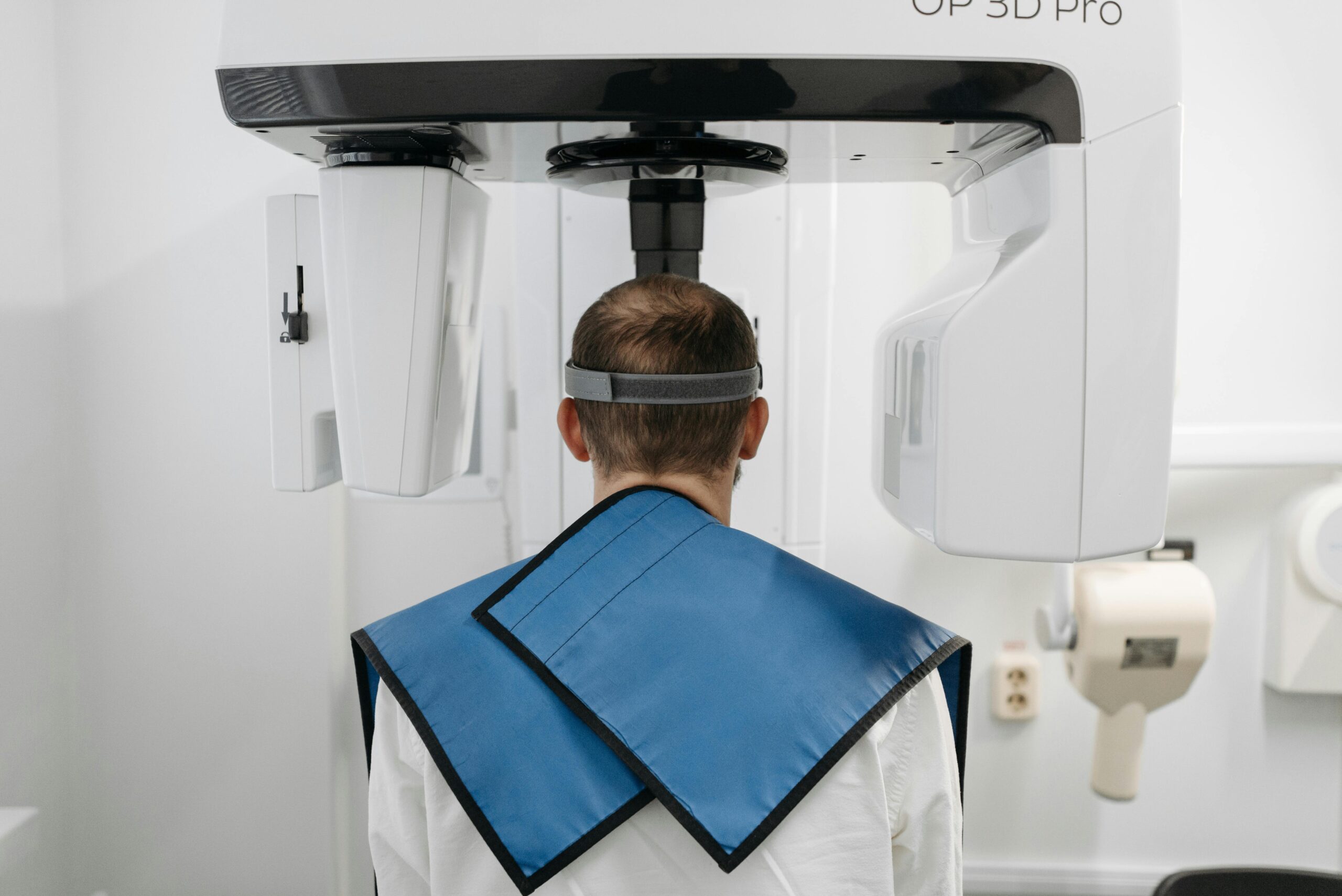
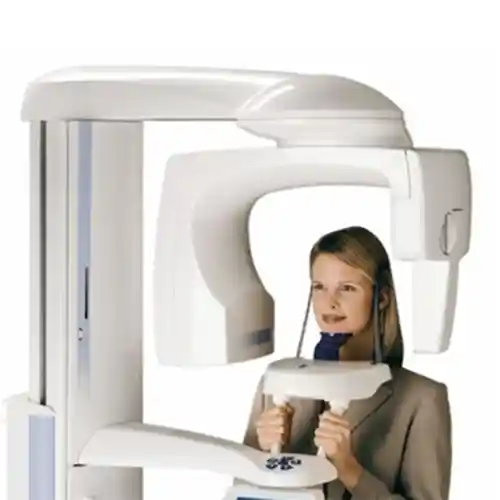
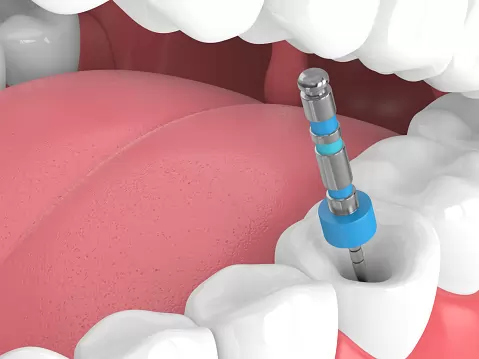
The clinical assessment carried out before the operation schedule is finalized is the most vital analysis phase, charting the surgery’s course and guaranteeing that the aesthetic success remains stable and recurrence-free over the long term. During the examination, the dentist measures the “biological width” distance using periodontal probes — that is, it is essential to confirm that the distance between where the gum ends and the top of the alveolar bone beneath it is at least 2 mm. If only the gum is trimmed without measuring this distance, the tissue will grow back to its original position within a few months (recurrence) in order to preserve tissue homeostasis balance. In the assessment, digital panoramic X-rays or 3D tomography scans are used to see the bone boundary, and a rational decision is made on whether bone shaving (osteoplasty) is needed.
- Biological Width Analysis: Three-dimensionally mapping the gum and bone boundaries to eliminate recurrence risks.
- Zenith Point Mapping: Measuring the peak curve coordinates of each tooth in the front region relative to the face’s central axis line.
- Biotype Determination: Determining the thickness of the soft tissue (thick flap biotype or thin translucent biotype) to predict the speed of surgical healing.
Can Laser Technology Be Used in Soft Tissue Aesthetic Surgery?
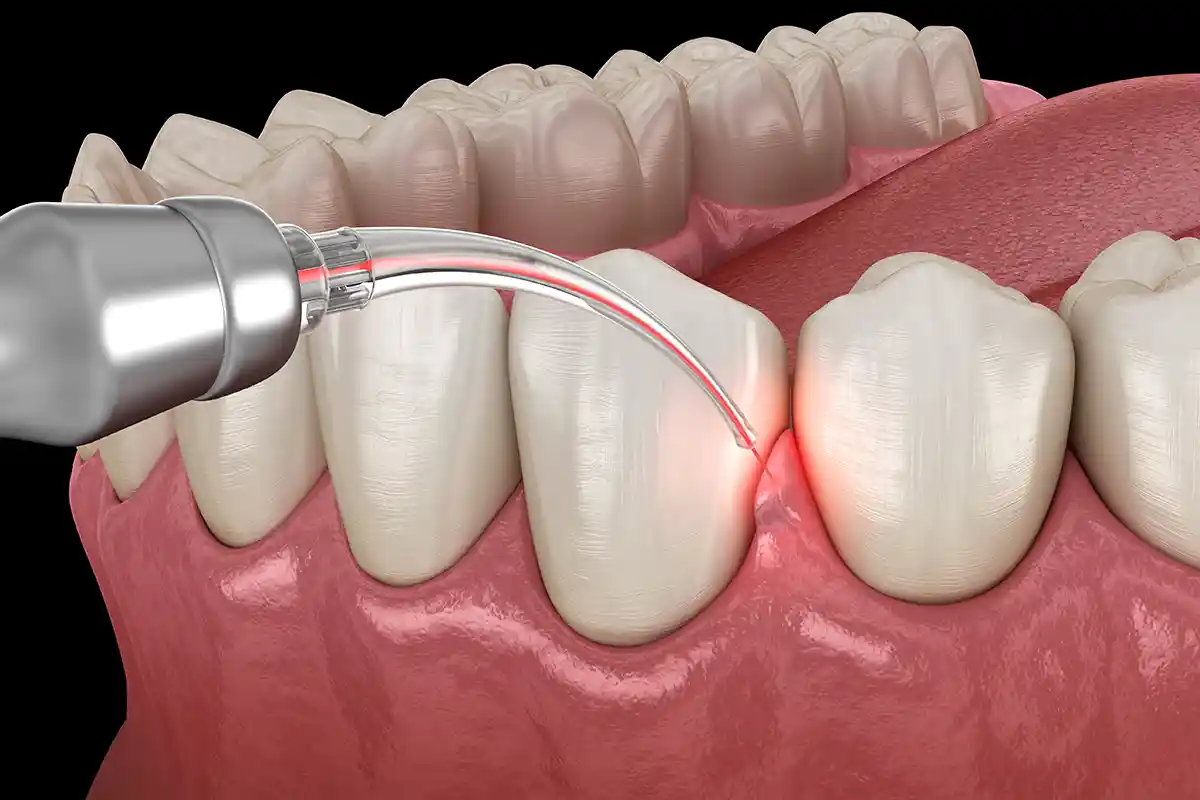
Yes, in next-generation digital dentistry and periodontology practices, soft tissue aesthetic operations are applied with high patient comfort, drawing their power from proprietary medical laser equipment (Diode, Nd:YAG, or Er:YAG laser systems). The focused, high-energy waves of laser beams are instantly absorbed by the water molecules in mucosal cells, allowing the tissue to be cut smoothly through vaporization without scalpel contact. Because laser technology also seals (coagulates) the capillary vessels beneath the tissue with heat at the exact millisecond it makes the cut, the operation is carried out in a completely bloodless surgical field; this gives the surgeon millimetric control over their field of view.
- Bloodless Surgical Field: The elimination of the need for stitches, since blood vessels are sealed at the moment of incision.
- Photobiomodulation Cell Effect: Low-energy beams stimulating cell mitochondria to accelerate the speed of wound repair after the procedure.
- Sterile Incision Quality: The heat of the laser instantly killing all bacterial flora in the operative area, reducing infection risks to zero.
How Does Soft Tissue Aesthetic Surgery Support Smile Aesthetics?
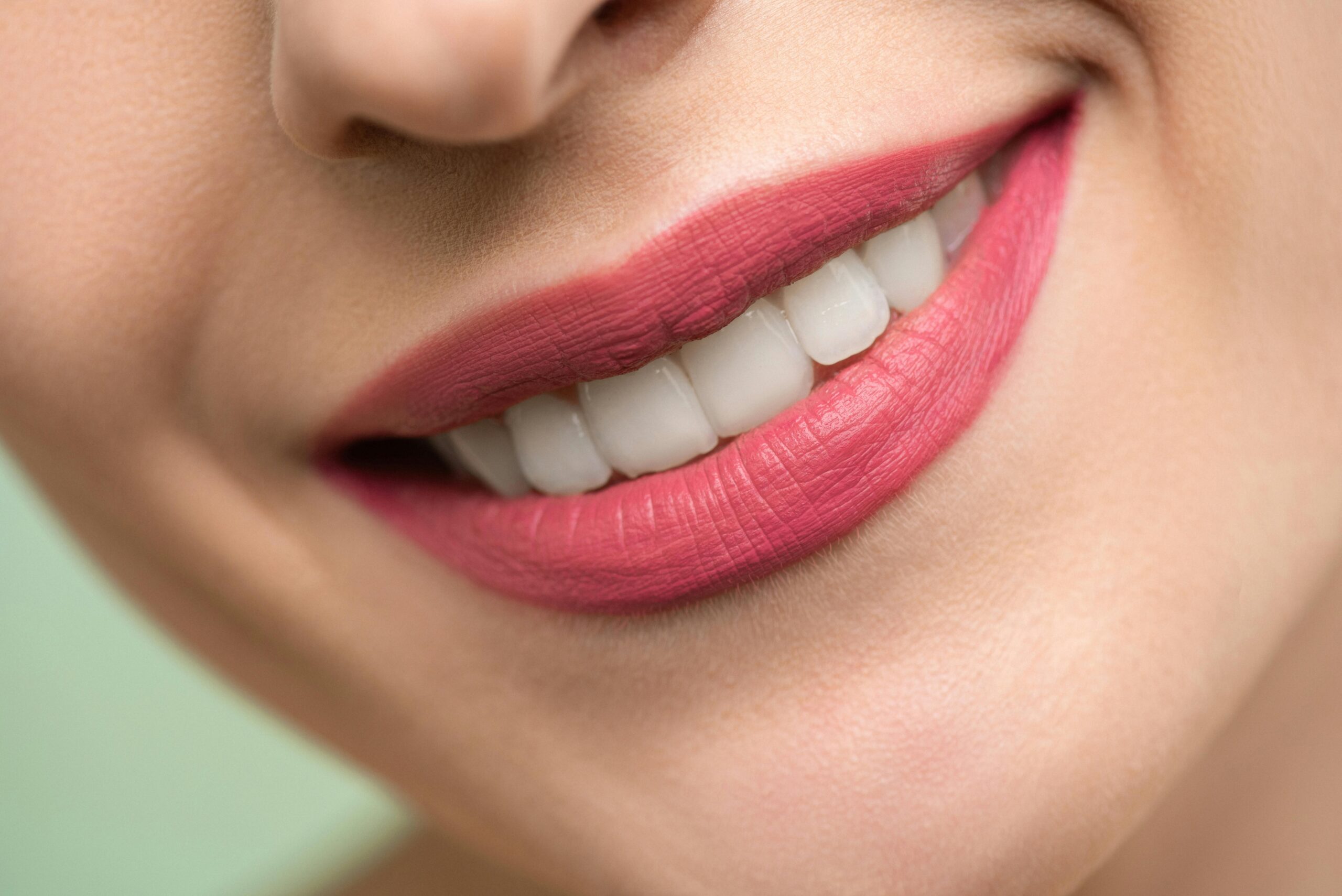
The supportive power of mucosal surgical steps on overall facial and smile aesthetics is based on the principles of “light-shadow balance” and “white-pink ratio harmonization.” The mathematical rule of an aesthetic smile is that the upper lip line should be tangent to the vermilion border exactly where the gums end, and that the visible volume of the teeth should fill out the lower facial oval. Soft tissue operations remove the dark, thick, and irregular mucosal curtains that cover the teeth, revealing the original crown form of the teeth; this breaks the asymmetric, shadowy, aged, and tired-looking expression across the face, instantly bringing a fresh brightness and smoothness to the appearance.
- Increase in Clinical Crown Volume: Bringing short, stunted, squared-off tooth lines to a graceful, elongated rectangular aesthetic form.
- Zenith Alignment Control: Correcting the shoulder alignments of the tooth arches to establish a visual symmetry bond with the midline of the face.
How Are Gum Asymmetries Corrected?
Correcting gum asymmetries is an analytical piece of surgical work based on proportionally equalizing the mucosal lines of the right and left jaw quadrants to a millimetric standard. During the clinical session, the dentist selects a reference tooth where the asymmetry is smallest and closest to the golden ratio; a plan is then made to bring the faded or overextended gum boundary on the opposite side into the same vertical plane as this reference point. Using laser or electrosurgical tips, the excess tissue on one side is shaved away millimeter by millimeter and locked into place; if there is an underlying skeletal asymmetry at the base of the discrepancy (a difference in alveolar thickness), the bone ridge is also filed down so that right-left harmony is permanently equalized.
- Micro-Shaving Method: Balancing the boundary lines of the gums by scanning them with a precision of a tenth of a millimeter.
- Papilla Reconstruction: The phase of reshaping the form of the triangular tissue between two teeth without disrupting symmetry.
- Dynamic Balancing: Fitting mucosal levels fully in line with the movement lines of the lower facial muscles while speaking or smiling.
How Long Does Soft Tissue Aesthetic Surgery Take?
Soft tissue aesthetic surgery operations are extremely fast and practical micro-surgical processes that fit perfectly with the intense time constraints of modern metropolitan life, falling under the “lunchtime procedure” concept in medical aesthetic clinical practices. The active cutting, shaping, and laser coagulation phases are generally completed comfortably in just 2 to 3 minutes per tooth, and in an average of 15 to 20 minutes for the entire front region, depending on the number of teeth being treated and the nature of the procedure (whether it is just a gingivectomy or a crown lengthening involving bone shaving). The total time, including preliminary examination and anesthesia phases, is a single appointment block of no more than 45 minutes.
- Preparation and Numbing Phase: 15 minutes (waiting for topical numbing cream to take effect and the digital anesthesia infusion period).
- Active Staining / Cutting Phase: 15–20 minutes (scanning the mucosal boundary contours using laser or scalpel).
- Closing and Soothing: 5 minutes (applying barrier-repairing protective medical pastes or rinsing steps).
How Does the Healing Process Progress After Soft Tissue Aesthetic Surgery?
The tissue healing phase after the operation proceeds extremely quickly, predictably, and comfortably, with near-zero recovery burden (no downtime), especially in cases where laser technologies are used and the need for stitches is eliminated. On the day of surgery, mild redness at the injection points and a fine, linear sensitivity along the incision edges are a completely natural and expected physiological repair reflex to cellular stimulation. The healing process moves along a linear path; epithelial tissue cells rapidly divide within the first 24–48 hours to cover the incision lines, and within an average of 7 to 10 days, the gums fully normalize, regaining their fresh, firm form.
- First 24 Hours (Coagulation Phase): Formation of a mild whitish/yellowish protective fibrin tissue layer along the incision edges (this must absolutely not be disturbed).
- Days 3 to 5 (Epithelialization): Sensitivity fully resolves, tissue swelling is drained, and the gums begin to transition into a healthy, light pink color.
- Day 10 (Final Restoration): The soft tissue barrier fully locks together with the extracellular matrix, smooth healing is confirmed, and the groundwork is ready for aesthetic filling and crown placement stages.
What Should Be Watched For After Soft Tissue Aesthetic Surgery?
Making the aesthetic success of the micro-surgical session permanent, supporting the cellular repair cycle initiated in the lower layers of the tissue, and protecting the sensitive mucosa at the injection points — which are still in the process of closing — from outside infection all depend on the care discipline the patient follows at home after the procedure. Since the skin barrier is temporarily sensitive to external stimuli at this stage, protecting the tissue from overly irritating (acidic, spicy) chemicals and mechanical loads is a clinical safety requirement.
The medical rules that must be carefully followed during the critical period after the procedure are as follows:
- During the first 24 hours after the procedure, extremely hot, ice-cold, or acidic (lemon, cola) foods should not be consumed, in order to preserve the integrity of the mouth.
- For the first 3 days, grainy, crumbly foods (crackers, chips) and spicy hard foods should be avoided in order not to create an infection risk at the wound edges.
- Aggressive brushing motions should be avoided on the day of the procedure, and the healing line should not be scratched; from the next day onward, the teeth should be gently swept with the soft prophylaxis brushes recommended by the dentist.
- For at least 1 week, sauna, steam bath, tanning bed use, and heavy cardio sports activities that would increase the tissue’s swelling factor and raise capillary pressure should be avoided.
When Can Daily Life Be Resumed After Soft Tissue Aesthetic Surgery?
Soft tissue aesthetic surgical interventions are completely local, minimally invasive procedures that create no fatigue, drowsiness, or restriction on the patient’s motor skills, concentration, consciousness, or general functionality. Since general anesthesia is not given during the procedure, and especially in laser-based work there is no stitch/bandage burden, the patient can get up from the surgical chair and continue their normal daily, professional, social, or academic life rhythm right where they left off, without interruption, the very minute the procedure ends; there is no clinical barrier to driving or attending work meetings immediately after the procedure.
- Instant Social Compatibility: Unlike conventional surgery, there is no facial dressing or bandaging, no restriction on facial expression, and zero social disruption.
- Break-Time Flexibility: Even during busy weekday work schedules, the operation can be planned during break hours, and the patient can comfortably return to work right after the session.
What Are the Advantages of Soft Tissue Aesthetic Surgery?
Among non-surgical facial rejuvenation and overall aesthetic alternatives, pink aesthetic surgery is one of the most popular procedures in modern medical aesthetics, thanks to both the instant visual satisfaction it offers patients and its high tissue safety profile that carries no surgical risks. By clarifying the asymmetric curtains of the gums with knife-sharp precision and revealing tooth integrity, this method becomes one of the most rational solutions against lower facial sagging and a lackluster smile expression.
- Results Are Seen Instantly: The moment the patient gets up from the chair after the session, the lengthening of the teeth and the establishment of symmetry can be seen with the naked eye.
- Doesn’t Thin the Tissue: Since the tooth enamel’s own original structure is not touched, it carries no risk of permanent wear or aching.
- High Bio-Safety: Since the extracellular matrix’s own natural healing mechanism is stimulated, the possibility of tissue rejection or allergic reactions is zero.
- Permanent Aesthetic Form: As long as the correct biological width is calculated, the symmetric line achieved remains permanently in the mouth for a lifetime.
Which Dental Treatments Can Soft Tissue Aesthetic Surgery Be Planned Alongside?
Soft tissue aesthetic surgery can be planned in combined synergy with other medical aesthetic and restorative dental protocols, in order to comprehensively elevate the facial rejuvenation architecture and smile integrity. While the underlying mucosal lines are sharpened with surgery, color and form defects on the upper layers of the teeth can be treated simultaneously with different technologies. The combination schedule is designed based on the results of a detailed facial analysis carried out by the specialist dentist.
- Zirconium and Porcelain Veneers (Laminate): Porcelain crowns placed after the gum’s zenith points have been equalized achieve zero-error margin adaptation.
- Teeth Whitening (Bleaching): Medical whitening gels applied to the tooth line whose symmetry has been established through pink aesthetics bring striking brightness to the smile.
- Lip Filler and Botox: Micro-Botox support applied to the upper lip after gummy smile surgery prevents excessive contraction of the lip muscle, reinforcing the permanence of the pink aesthetic result.
How Does Soft Tissue Aesthetic Surgery Contribute to a Natural Smile Appearance?
The naturalness that mucosal surgery brings to a smile is achieved by remaining faithful to the patient’s authentic facial bone proportions and drawing curves fully in harmony with their gender-specific anatomy. The sole rule of naturalness is to completely avoid the mistake of cutting all the teeth on a single, dead-straight line like a military row; the gum edges of the lateral incisors should remain slightly lower than the front teeth, preserving that natural light-shadow illusion. Injections and incisions made with attention to the deep plane and the periosteal boundary do not sit like an artificial mask on the face during dynamic speech and expressions, but flex smoothly in harmony with the facial muscles.
- Natural Color Harmony: Bringing darkened, purplish gums to a fresh, pale pink tone that creates a natural contrast with tooth whiteness.
- Golden Ratio Synchronization: Preserving the micro-harmony between the curvature degree of the jaw arch and the bow shape the lower lip takes when smiling.
Vascular Safety and Deep Anatomical Knowledge in Soft Tissue Surgery
Because the jaw and mucosal lines lie along the routes of the major palatal artery and labial vascular beds that supply blood to the face, it is a legal and medical requirement that surgical injections and incisions in this area be performed exclusively by specialist dentists with thorough knowledge of deep anatomy. Uncontrolled scraping or deep scalpel movements performed in unlicensed, informal settings can invite uncontrollable vascular bleeding, tissue necrosis (tissue death), or permanent asymmetry defects. In a safe clinical process, the dentist uses intelligent depth guides before every incision and keeps the subsurface homeostasis balance at maximum safety.
- Sterilization Assurance: It is protocol to open single-use sterile tips for each patient in Ministry-approved clinical operating rooms.
- Emergency Intervention Infrastructure: The assurance that cautery kits are kept ready in the clinic to instantly seal the tissue with a laser within seconds in the rare event of a capillary vessel leak.
Frequently Asked Questions About Soft Tissue Aesthetic Surgery
Below are the most common practical concerns on the minds of individuals planning to undergo pink aesthetic surgical protocols to clarify their gum lines or get rid of a gummy smile appearance, along with their clear, straightforward medical answers:
Does soft tissue aesthetic surgery hurt a lot during the session?
No, you will absolutely not feel the slightest pain or ache. Before the procedure, clinical-strength topical numbing gels are applied to the gum mucosa, after which computer-controlled digital anesthesia technologies infuse the solution at a rate matched to the tissue’s resistance, achieving full numbness; additionally, especially in sessions where a laser is used, nerve endings are instantly sealed, so the operation is completed in complete comfort.
Will my gums grow back to their original position after gummy smile surgery?
If a detailed periodontal analysis was not performed before the operation, and only the surface layer of tissue was trimmed without respecting the boundary of the bone ridge beneath the gum — violating the “biological width” distance — the tissue will definitely grow back to its original position within a few months (recurrence) in order to protect itself. However, in proper crown-lengthening protocols carried out by our team of specialist dentists together with bone shaving (osteoplasty), the risk of the gum growing back to its old form is zero, and the results are permanent for life.
Does the darkening go away permanently after laser gum lightening (peeling)?
A laser depigmentation (color lightening) session vaporizes the aged cells producing excessive melanin pigment in the upper mucosa, allowing a completely clean, clear, and fresh pink new cell layer to emerge underneath; this brings a radical improvement in appearance, ranging from 80% to 95%. However, if the patient continues to consume heavy cigarettes or tobacco products after the procedure, nicotine will re-irritate the cells, and mild recurring discoloration may be observed over the years; giving up harmful habits reinforces the permanence of the results.
Will there be severe swelling or bruising on my face after a gum shaping operation?
No, soft tissue aesthetic operations (especially those managed with laser or electrosurgical tips) are minimally invasive procedures; that is, your skin is not cut from outside with a scalpel, nor does it carry any stitch burden. Thanks to this biological safety, severe facial swelling, extensive bruising, or facial sagging absolutely does not occur after the procedure; only mild micro-edema, not visible from the outside, forms at the needle entry points and gum boundary for 1–2 days and resolves on its own.
Can I go back to my normal social life and work right away on the day the procedure is finished?
Yes, after soft tissue aesthetic surgical injections and scanning, the patient absolutely does not need to be hospitalized or rest at home. As soon as the session ends, protective medical moisturizing creams are applied to the wound edges, and the patient can immediately continue their social, professional, or academic life rhythm right where they left off; there is no medical obstacle to driving immediately after the session or attending work meetings or social engagements.
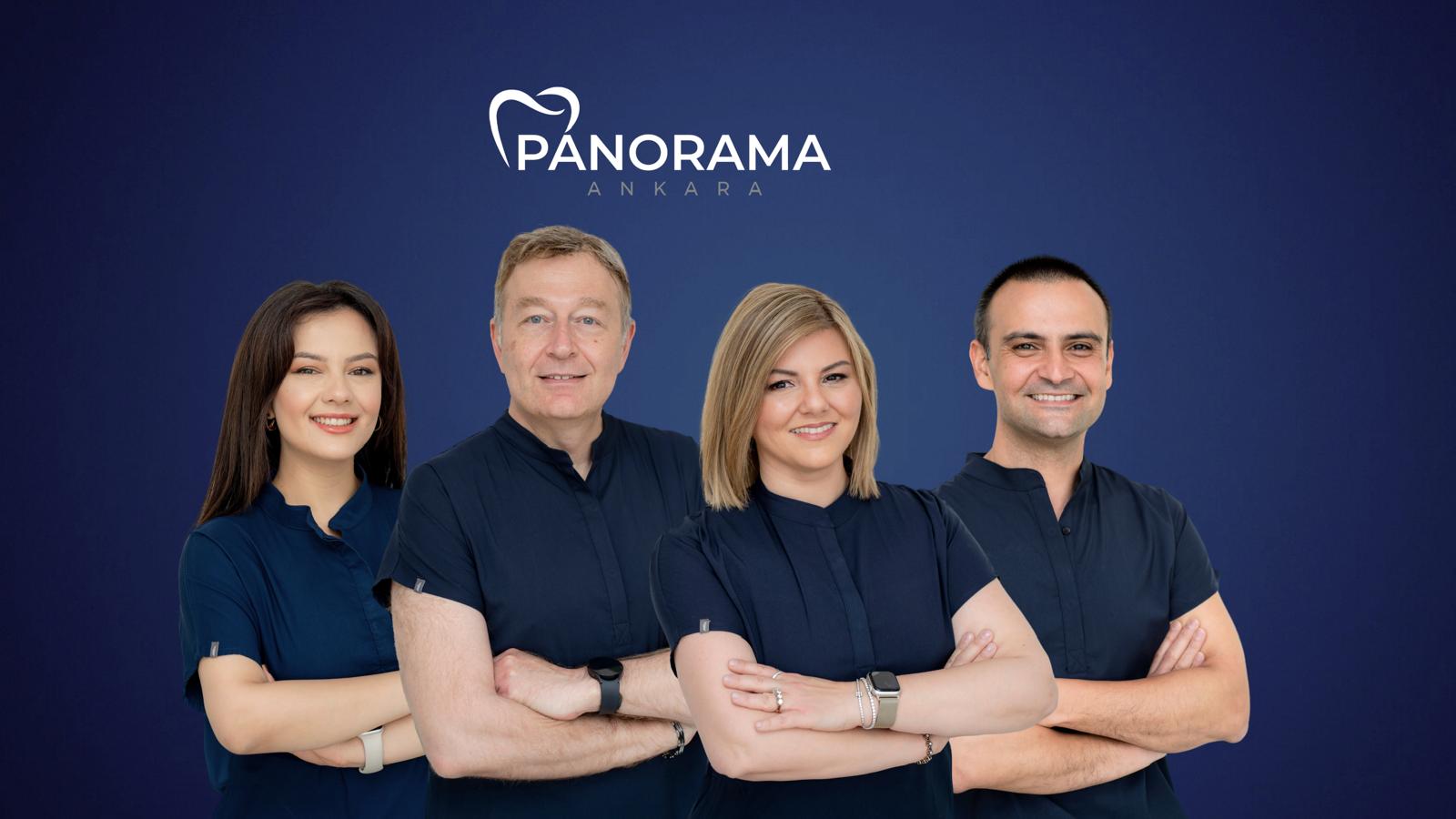
Who We Are? & Panorama Ankara Oral and Dental Health
Panorama Ankara is a licensed oral and dental health center that brings together an academic team of specialists and the latest global technological digital equipment under one roof — in oral, dental, and maxillofacial surgery, implantology, orthodontics, prosthetic dentistry, and specialized periodontology (gum disease surgery) — providing patients with institutional health assurance. In our Soft Tissue Aesthetic Surgery (Pink Aesthetics) protocols, aimed at the permanent, safe, and recurrence-free treatment of gummy smile (excessive gum visibility), mucosal asymmetries, and hyperpigmentation darkening caused by aging, genetic factors, or irregularities in biological width in the lower facial oval, our center produces high success outcomes by centering evidence-based medical disciplines and personalized dermatological facial/tissue analysis.
Across all radiological, screening, design, and micro-surgical interventions carried out at Panorama Ankara, the principles of absolute sterilization, high patient safety, transparency, and honesty are enforced without compromise, in accordance with our founding charter. In our clinical practice, proprietary laser units that coagulate tissue while cutting bloodlessly and CBCT 3D tomography planning systems that capture micron-level cross-sections are applied with millimetric precision under the supervision of our team of expert dentists and periodontists. Our aim is not to offer our patients cookie-cutter package programs that turn everyone into similar-looking artificial faces and smile shapes; it is to analyze each client’s own authentic facial and periodontal anatomical quality with a discerning eye, providing maximum session comfort without harming tissues or sensitive blood vessels, a suture-free healing standard, and pink aesthetic lines that can be enjoyed with lifelong smoothness. If you’re tired of looking in the mirror and seeing your short tooth lines, gum contours that have lost their clarity, or excessive gum showing while you smile, and you want to begin your smart aesthetic surgical process from start to finish with scientific assurance at an expert center, you can get in touch with the expert team at Panorama Ankara and protect your health and the integrity of your smile through a detailed facial and tissue analysis.