

What is Dental Scaling?
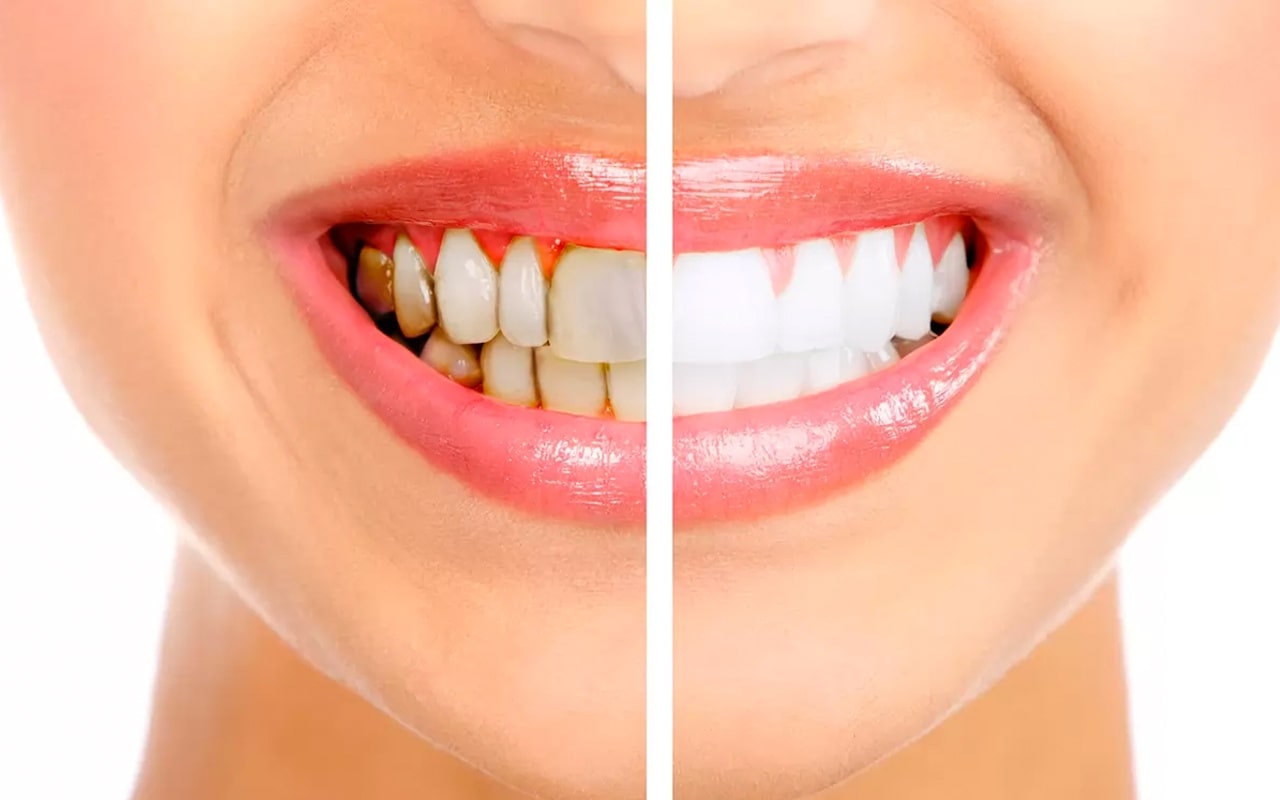
Dental scaling (medically termed detartrage) is the process of removing hardened deposits accumulated on the surfaces of teeth, in interdental spaces, and especially within the gingival sulcus. When teeth are not brushed regularly, food debris and glycoproteins in saliva combine to form a sticky bacterial plaque on the tooth surface. If this plaque layer is not cleared, minerals such as calcium and phosphate within the saliva infiltrate the plaque, calcifying—or petrifying—it within an average of 48 hours. Dental scaling is a clinical procedure executed by a clinician to split and clear these petrified pathogenic masses from the line, which are physically impossible to remove at home using a toothbrush or dental floss.
- Periodontal Foundation: It stands as the first and most mandatory step in preventing and treating gum diseases.
- Mechanical Purification: Performed strictly through physical vibration and scraping forces, without the use of chemical erosive acids.
- Polishing Integration: Finalized with surface polishing to make it difficult for new plaque to adhere once the calculus is removed.
Why Does Dental Calculus Form?
Dental calculus formation is a chronic mineralization process resulting from the dynamic synergy between inadequate oral hygiene and salivary biochemistry. The core root cause is macro and micro food residues remaining on tooth surfaces after meals combining with bacterial colonies to weave a soft “bacterial plaque.” When calcium salts secreted from the salivary glands settle into this soft matrix, the plaque hardens into a porous rock structure (tartar). The rate of dental calculus formation is significantly higher in individuals whose saliva pH tends to be alkaline (basic), because an alkaline environment accelerates the precipitation and petrification of minerals.
- Inadequate Mechanical Cleaning: Accumulation of soft plaque between teeth due to the non-use of interdental brushes and dental floss,
- Salivary Structure Factor: A high concentration of calcium in the saliva and an alkaline pH balance,
- Environmental Triggers: Smoking, crowded teeth alignments, and medications inducing dry mouth, which increase plaque accumulation.
Why is Dental Scaling Important?
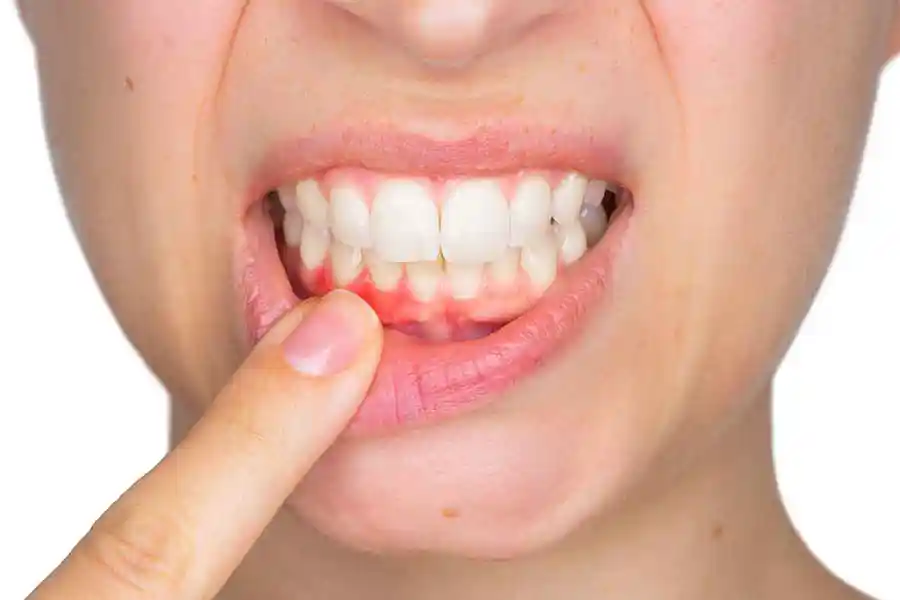
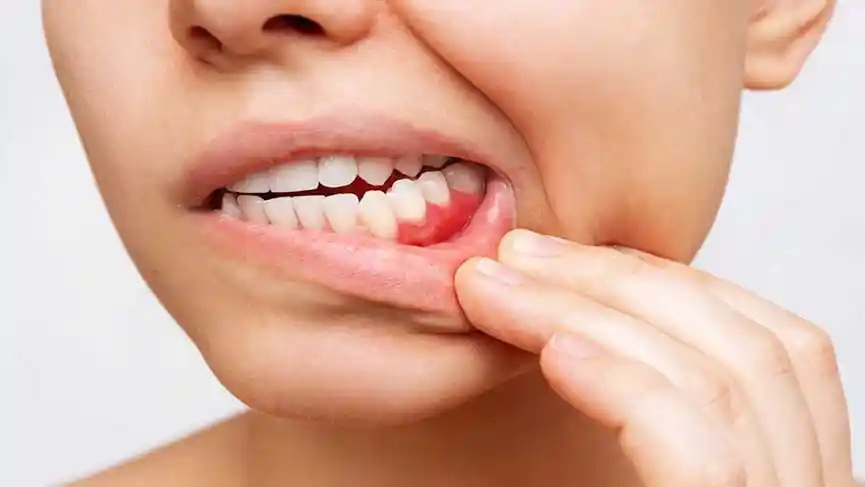
Due to their porous and rough microscopic structure, dental calculus functions as an excellent sheltered environment for intraoral pathogenic bacteria to adhere, multiply, and be protected like a fortress; failure to clean these structures drags oral health into irreversible destruction. Bacteria on the calculus secrete acids and toxins, directly initiating chronic inflammation (gingivitis) in the gums. The gums swell, turn red, and bleed with every brushing. If the scaling procedure is delayed, the inflammation spreads to the alveolar bone beneath the gums (periodontitis), and the bone tissue supporting the teeth begins to resorb; this process results in teeth loosening and falling out, even if they have zero decay.
Documents
“Calculus is the biological enemy of the gum tissue; every day it is not cleaned, it acts as an insidious mechanical wedge that causes jawbone resorption and tears dental supporting ligaments.”
Who is Dental Scaling Suitable For?
Dental scaling is medically suitable for all adult and pediatric individuals who have completed jaw and tooth development and wish to preserve oral hygiene, halt bleeding gums, and eliminate periodontitis risks. Because the procedure involves no general narcosis or systemic drug injections, it can be safely executed across all age groups and every systemic disease status (by taking necessary medical precautions). However, in patients housing artificial pacemakers, the cleaning must be conducted solely with manual hand instruments (curettes) to prevent the magnetic waves emitted by ultrasonic devices from affecting the device.
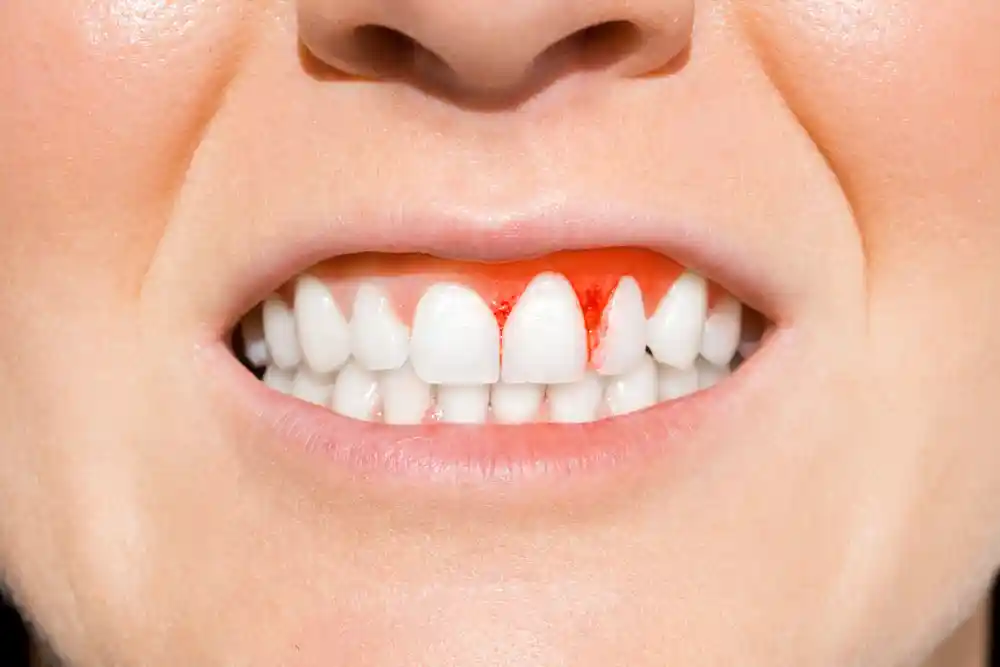
- Individuals with Bleeding Gums: All patients who experience blood coming from their mouths spontaneously or during brushing,
- Those with Chronic Bad Breath: Individuals with an unpleasant oral odor due to sulfur gas-producing bacteria harbored within dental calculus,
- Patients with Systemic Illnesses: Individuals with diabetes or cardiac conditions where lowering the intraoral infection load is vital.
In Which Situations Should Dental Scaling Be Done?
The scaling procedure must be executed without losing time whenever the presence of calcified masses within the oral cavity is clinically verified and in all situations where the gums exhibit inflammatory signals. Because dental calculus cannot be stripped away with home brushes once formed, it is a medical misconception for the patient to wait for the tartar to dissolve on its own. The gums losing their natural pink shade and turning dark red or purplish is the clearest urgent call that the calculus accumulated at the gingival margins must be cleaned immediately.
The primary clinical situations where dental scaling must conclusively be performed are:
- When yellow, brown, or blackish hard deposits are visible to the naked eye at the cervical regions and interdental spaces of the teeth,
- Whenever spontaneous bleeding initiates in the gums and inflammatory fluid (exudate) leaks from the gingival pockets,
- When gum recession occurs, exposing tooth roots, and the receded tissue margin is filled with black calculus masses,
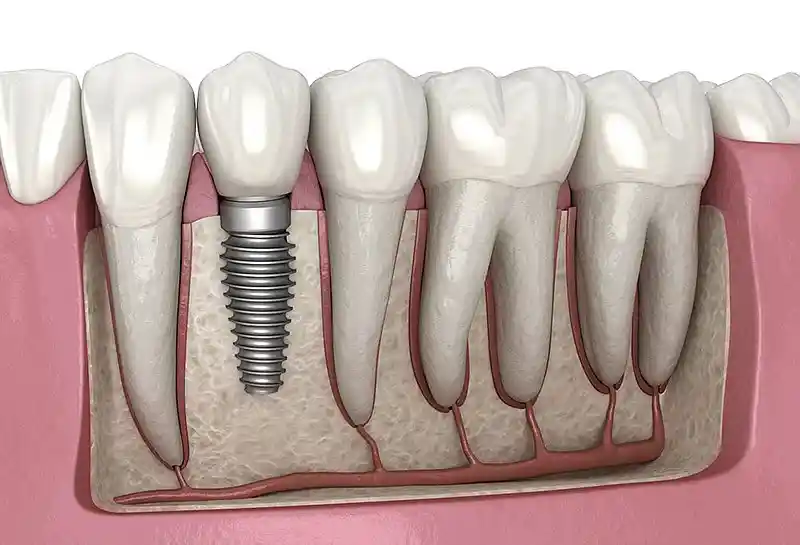
- Prior to initiating implant, porcelain crown, or orthodontic bracket treatments to establish a sterile oral environment.
Why is an Oral Examination Necessary Prior to Dental Scaling?
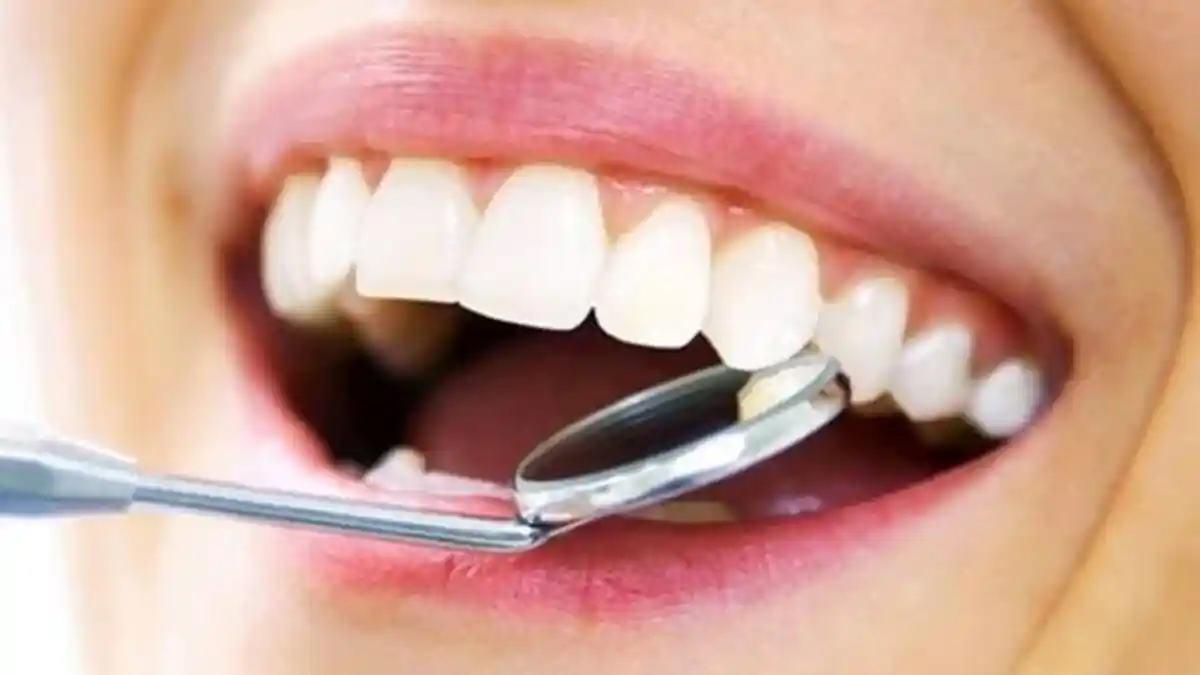
The enamel mineralization quality, gingival pocket depth, and bone resorption levels of each individual present a distinct pathological landscape; therefore, proceeding directly to a cleaning procedure without a preliminary examination is medically flawed. During the examination, the clinician measures the depth of the gingival pockets utilizing millimetric measuring instruments called periodontal probes. If the pockets are very deep (greater than 4 mm), standard superficial dental scaling will fall short, and root planing (curettage) workflows must be scheduled. Furthermore, if sensitive cervical caries or fracture lines are present in the mouth, precautions are taken through preliminary screening to ensure ultrasonic tips do not harm those zones.
- Pocket Depth Measurement: Millimetrically mapping how deeply the inflammation has descended along the tooth root,
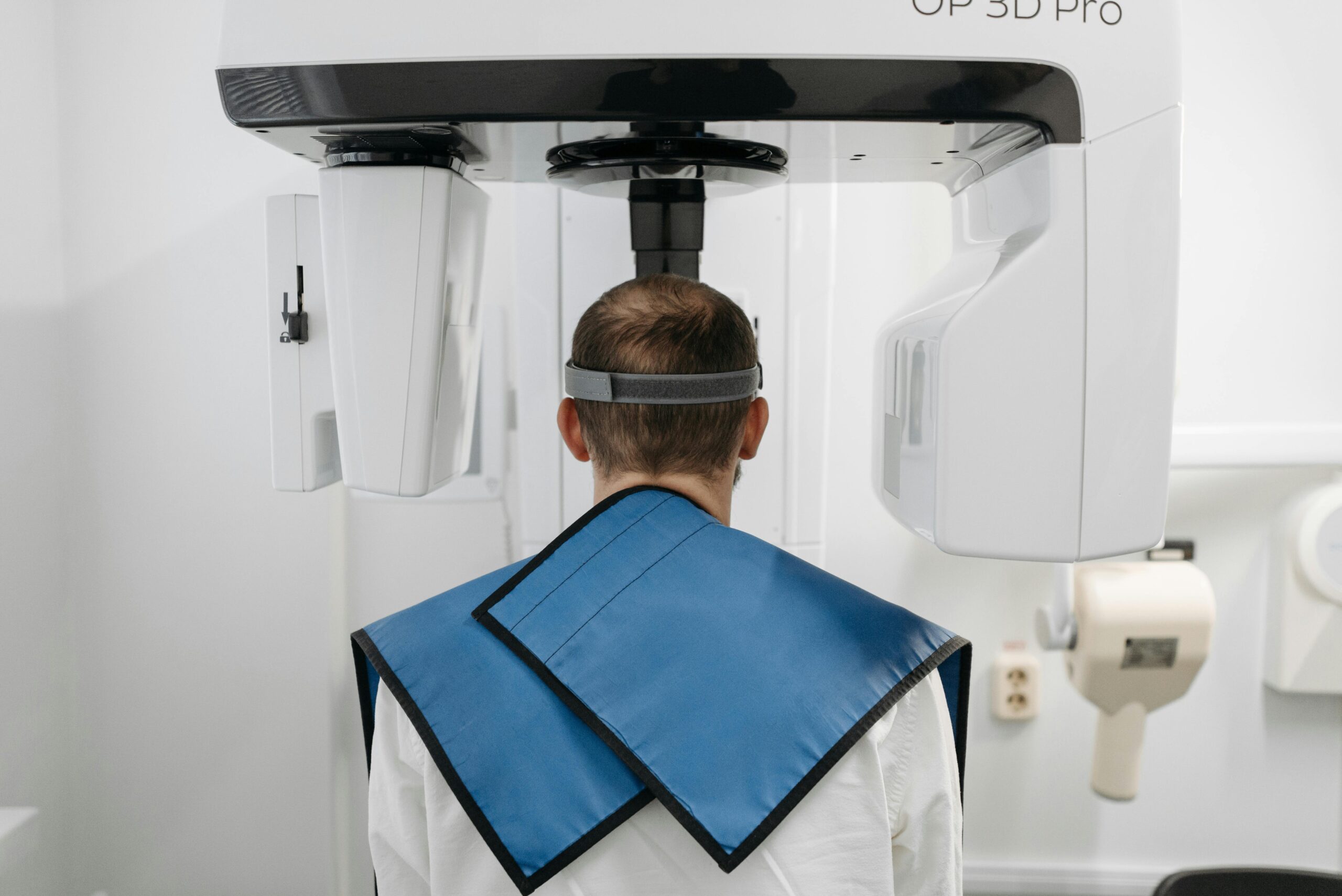
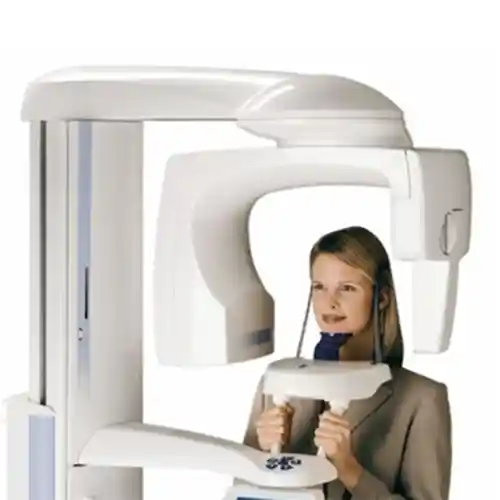
- Radiological Inspection: Screening bone margins with panoramic radiography data to assess the extent of bone resorption,
- Contraindication Control: Formulating decisions for pre-procedural antibiotic prophylaxis (preventive medication) in individuals with valvular heart disease to prevent bacteria entering the bloodstream from settling in the heart.
How is Dental Scaling Applied?
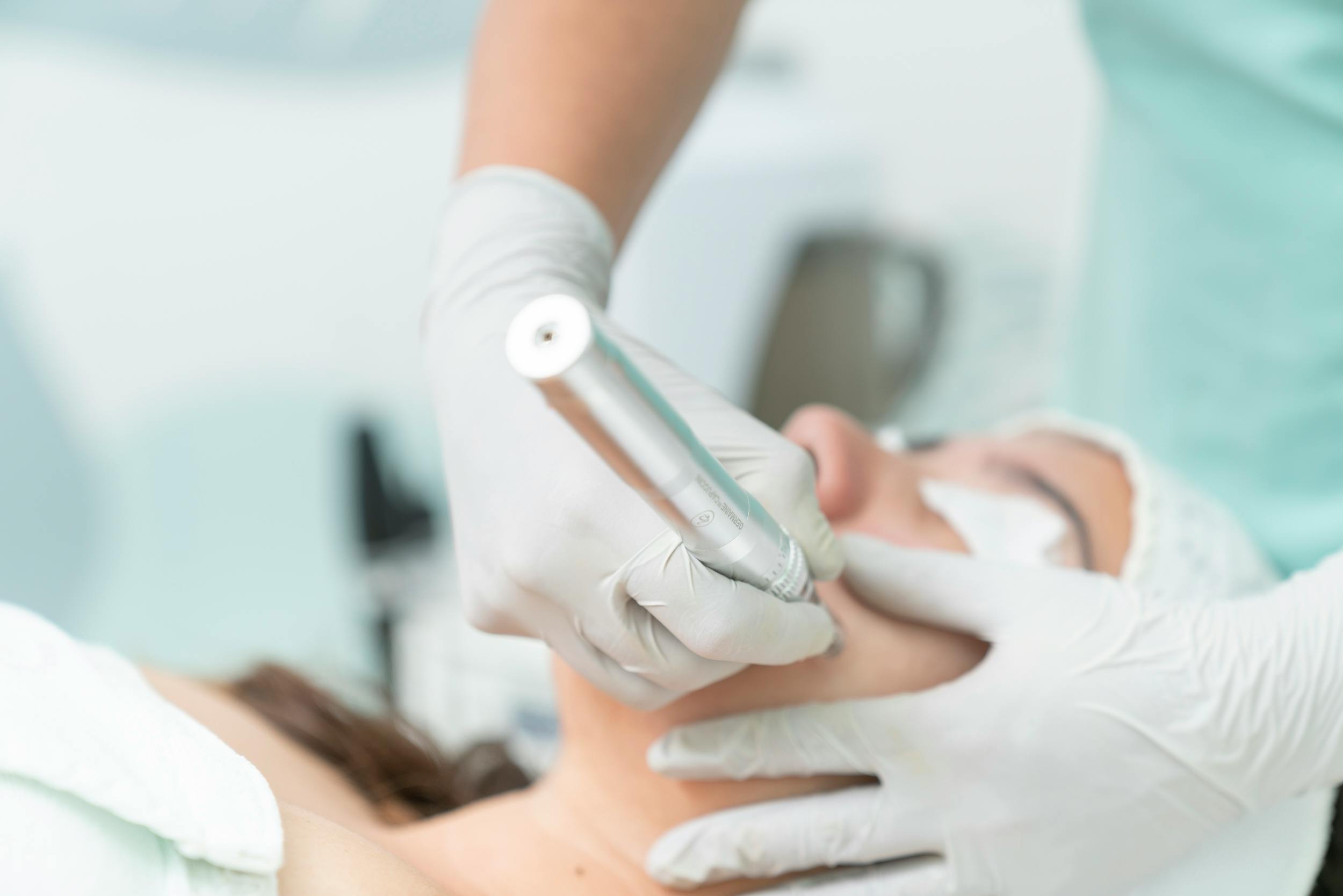
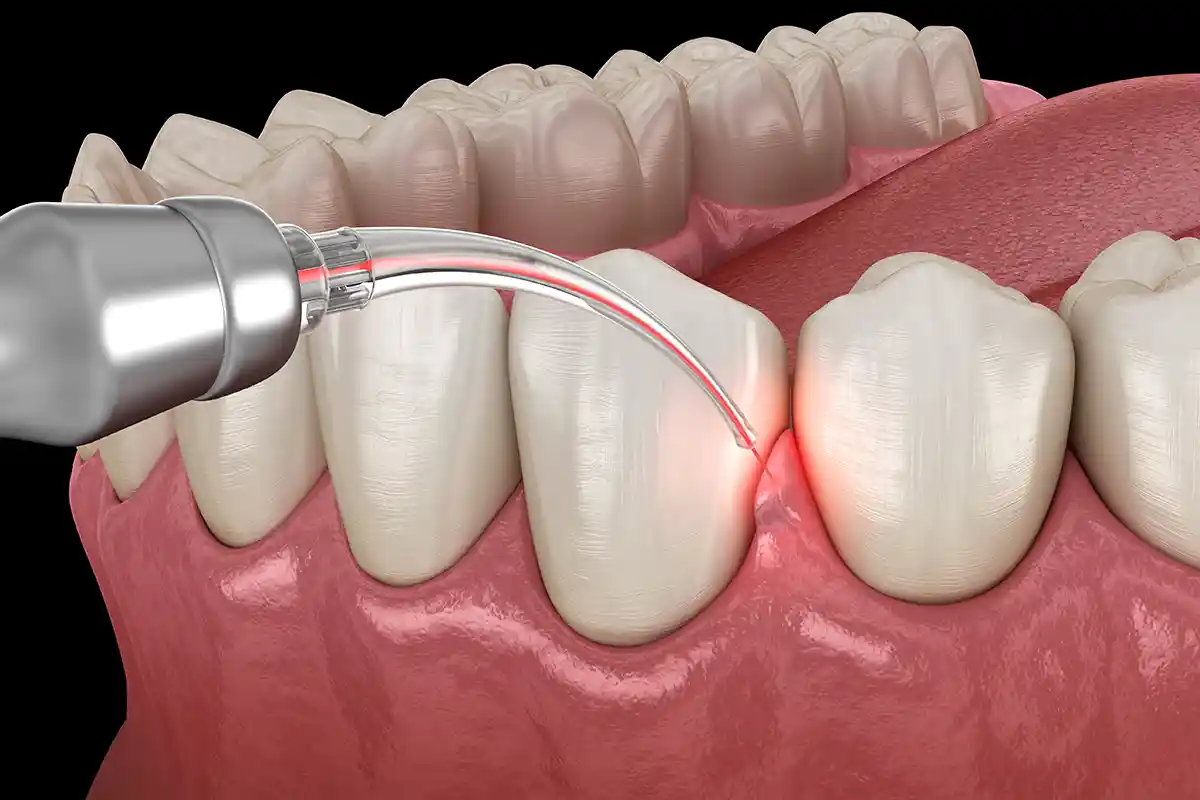
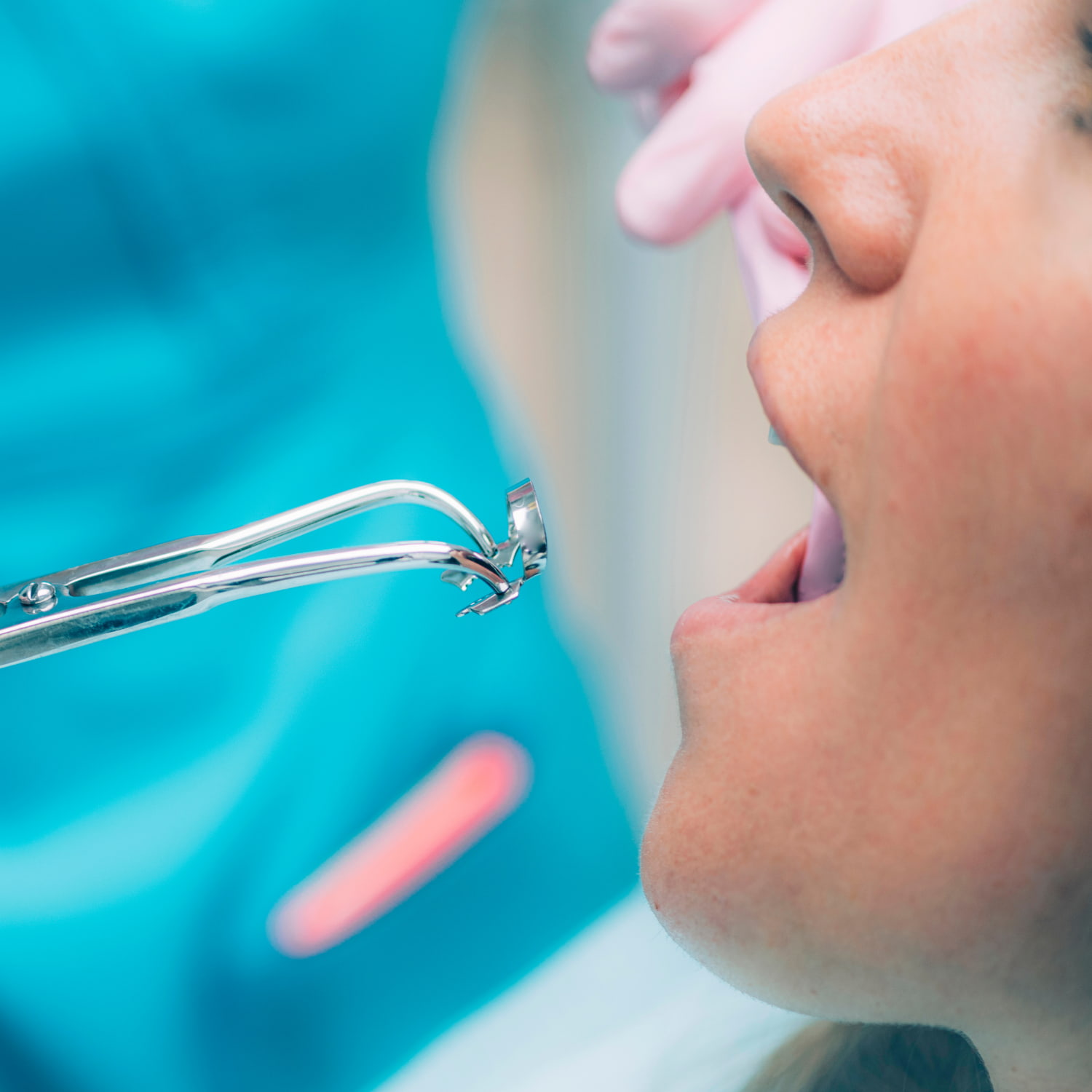
The dental scaling application is a mechanical procedure executed through practical steps in clinical environments subject to absolute sterilization rules, requiring no anesthesia (except for hyper-sensitive patients). The process initiates with the clinician regulating the intraoral illumination and screening the jaw arches with magnification glasses (loupes). In the first stage, large and coarse calculus masses on the tooth surface are loosened and split off with the aid of ultrasonic device tips. In the second stage, stubborn micro-calculus remaining in the interdental spaces and deep within the gingival pocket are gently scraped and cleared using precise hand instruments (periodontal curettes). In the final phase, a polishing paste is applied to the teeth, and polishing (burnishing) is executed with rotating brushes.
- Removal of Coarse Calculus: The phase of fracturing superficial tartar with mechanical waves,
- Subgingival Fine Scraping: Cleaning root calculus hidden beneath the gums with manual precision using curettes,
- Polishing: Erasing irregularities on the enamel surface to seal micro-niches where bacteria could re-adhere,
- Medical Lavage: Flushing gingival pockets with antiseptic solutions (chlorhexidine, etc.) to purge microbes.
How is Ultrasonic Dental Scaling Performed?
Ultrasonic dental scaling derives its power from proprietary medical device systems (piezoelectric or magnetostrictive units) that emit microscopic vibrations averaging 25,000 to 45,000 times per second. The sterile metal tips attached to the head of these devices are absolutely never pressed against the tooth enamel to perform scraping; they are merely brought close to the calculus mass. High-frequency sound waves (ultrasonic vibrations) emitted by the tip loosen the molecular bonds of the solidified calculus chains within seconds, causing the tartar to effortlessly crack and separate from the tooth. Pressurized water continuously projected from the device tip during the procedure both absorbs frictional heat to protect dental nerves and disrupts bacterial cell membranes via the bursting of generated micro-bubbles (cavitation effect).
- Micro-Vibrational Waves: Acoustic power that physically shatters calculus but remains safe against hard enamel tissue,
- Cavitation Water Flow: Pressurized water executing mechanical lavage while simultaneously killing anaerobic bacteria that live without oxygen,
- Zero Scraping Trauma: The comfort of achieving purification through wavelengths without creating scratches or mechanical gouges on the tooth surface.
What Are the Differences Between Dental Scaling and Plak Cleaning?
Dental scaling and plaque cleaning represent entirely different histological phases in terms of the nature of intraoral pathogenic deposits, their degree of hardness, and the methodologies used to clear them from the line. Plak is a soft, sticky, and transparent bacterial layer formed on teeth after meals that has not yet calcified; the patient can clean this themselves at home within seconds using a toothbrush. Dental calculus, conversely, is the calcium mineral configuration of plaque petrified by saliva; it is hard, impossible to strip away with a brush, and strictly demands clinical intervention. The qualitative differences between plaque and dental calculus are summarized in the comparison table below:
| Feature / Parameter | Bacterial Plaque (Soft Tissue Attachment) | Dental Calculus / Tartar (Calcified Hard Mass) |
|---|---|---|
| Physical Hardness Consistency | Soft, sticky, gelatinous, and transparent/whiteish layer. | Hard, porous, chalky, or petrified solid rock architecture. |
| Cleaning Methodology | Cleared at home through proper toothbrushing, dental flossing, and interdental brush utilization. | Cannot be cleaned at home; strictly requires an ultrasonic device and curettes in the clinic. |
| Timeline of Formation | Coated onto the tooth surface within minutes immediately after meals. | Begins to petrify within 48-72 hours in scenarios where plaque is left uncleaned. |
| Tissue Destruction Coefficient | The cause of superficial gum redness (gingivitis); reversible. | The cause of deep jawbone resorption (periodontitis); bone loss is permanent. |
How Does Dental Scaling Support Gum Health?
The mechanism of action of the scaling procedure on gum health relies on relieving the tissue from chronic infection pressure, allowing the immune system’s repair mechanisms to deploy. When dental calculus is removed from the line, the mechanical wedge and bacterial reservoir continuously irritating the gums are eradicated. With this purification, the excessive dilation of capillaries (congestion) in the gums halts, and edema fluid within the tissue is drained via lymphatic channels; thus, the gum tissue sheds that pathological red shade to reclaim its original pale pink form, which is healthy, firm, non-bleeding, and tightly hugs the tooth like an orange peel.
- Subduing Inflammation: Halting micro-inflammatory pathways in the gums at a cellular level,
- Ensuring Tissue Re-Attachment: Tightened gums re-attaching biologically to the tooth neck to seal the pocket depth,
- Inhibiting Bone Destruction: Safeguarding bone integrity by halting osteoclast (bone-resorbing) cells once inflammatory signals are cut off.
Does Dental Scaling Contribute to Reducing Bad Breath?
Yes, dental scaling is the most robust and direct treatment step validated by medical aesthetics and dentistry for eliminating persistent and foul intraoral odors (halitosis). Ninety percent of bad breath originates from “Volatile Sulfur Compounds” (VSC—hydrogen sulfide, methyl mercaptan) gases secreted by anaerobic bacteria that multiply within the rough pores of dental calculus and thrive in oxygen-free environments. When these bacterial fortresses are completely shattered and swept away through scaling and Airflow procedures, the sulfur gas manufacturing plant is shut down; this instantly generates permanent freshness, a clean breath sensation, and high social comfort within the oral cavity.
- Volatile Sulfur Elimination: Purging volatile sulfur compounds that radiate foul odors from the root,
- Terminating Food Putrefaction Foci: Halting the decay processes of food debris trapped between calculus that cannot be extracted via brushing.
How Long Does Dental Scaling Take?
The dental scaling procedure is an exceedingly rapid and practical medical process that fits perfectly into the intense time constraints of modern metropolitan life, without fragmenting the patient’s schedule. The active cleaning duration of the session is comfortably completed usually in just 20 to 30 minutes, depending on the tartar accumulation intensity and the degree of gingival inflammation in the patient’s mouth. Total clinical residence time, encompassing the preliminary examination, ultrasonic scanning, and post-session burnishing (polishing) phases, consists of a single appointment lasting 45 minutes at most.
- Active Ultrasonic Scanning: Approximately 15 – 20 Minutes (The period for fracturing large calculus masses and clearing them from the line),
- Polishing and Lavage Phase: 10 Minutes (Burnishing teeth with specialized pastes and executing antiseptic rinsing steps),
- Time Flexibility: Practical workflows that can be quickly finalized even during lunchtime breaks on intense weekdays.
Is Sensitivity Normal Following Dental Scaling?
Yes, experiencing a mild tingling, soreness, or sensitivity sensation in the teeth immediately following dental scaling—especially when drinking very cold water or consuming a hot fluid—is a completely normal, expected, and transient physiological reaction. The medical cause of this is that with the immediate removal of tartar masses that have blanketed tooth roots and necks like a thick blanket for years, the underlying sensitive dentin layer encounters external temperature fluctuations directly bare for the first time. This status does not imply the tooth has sustained damage; it resolves completely on its own within an average of 3 to 5 days without requiring medical intervention, as the protective mineralization balance of the skin is established and salivary proteins re-coat the enamel.
- Dentin Tubule Hypersensitivity: Temporary stimulation of exposed micro-nerve channels through fluid movements,
- Zero Enamel Harm: Because ultrasonic tips do not thin the enamel, the resulting sting is entirely a temporary tissue adaptation process.
What Should Be Considered Following Dental Scaling?
To make the success of the clinical session permanent, support the rapid healing of stimulated gingival margins, and safeguard sensitive dentin tubules, the care discipline followed by the patient at home post-procedure is of vital importance. Since dental surfaces newly cleared of calculus are temporarily more permeable to external factors, protecting the tissue from excessive irritant (acidic/spicy) chemical and mechanical loads during the initial days is a requirement for clinical safety.
The considerations to be meticulously observed during the critical period post-procedure include:
- Absolutely nothing should be eaten or drunk for the first 2 hours post-procedure to preserve the sealing balance of the gums.
- Extremely hot, iced-cold, highly acidic (lemon, cola), or excessively spicy foods must be cut for the first 24 hours to avoid triggering a tingling sensation.
- It is normal to experience mild micro-leakage bleeding in the gums on the first day; saliva should be swallowed continuously, and the oral cavity should not be vacuumed and spit out (spitting lifts the clot).
- Aggressive brushing should not be performed on the day of the procedure; starting from the following day, routine cleaning with a soft-bristled brush and dental floss must be initiated without compromise.
Can One Return to Daily Life Immediately Following Dental Scaling?
Yes, a dental scaling session is a completely non-invasive prophylactic step that induces no fatigue, numbness, or restrictions on the patient’s motor skills, nervous system, focus capacity, or general speech functions. No needles are pricked, no scalpels used, and there is no need for even local numbing injections during the procedure; therefore, the exact second the session concludes, the patient can resume their normal daily, social, professional, or academic life rhythm uninterrupted without the burden of an IV catheter or bandages. There are no clinical barriers to driving or attending business meetings post-procedure.
- Social Comfort: Because there is no drooping numbness enveloping the lip or cheek, speech impairment is not experienced, allowing immediate adaptation to life.
- Instant Lightness: That tremendous sensation of freshness and lightness experienced by the patient in their mouth upon clearing calculus enhances social self-confidence.
At Which Frequency Should Dental Scaling Be Done?
The periodic repetition frequency of the scaling procedure is personalized and determined by the clinician according to the patient’s personal oral care quality, tooth alignment morphology (crowded status), and most importantly, the mineral coefficient and pH balance of their saliva. For individuals with high oral care discipline whose salivary configuration is not prone to generating calculus, a general check-up examination and cleaning performed once a year remains sufficient; for patients whose saliva rapidly precipitates tartar or who smoke heavily, this timeline must be accelerated.
- Golden Standard Interval: Recommended to be performed every 6 months in general clinical protocols to safeguard oral and gingival integrity.
- Cases Generating Rapid Calculus: Session periods can be drawn back to 3 or 4 months in patients with high salivary mineralization or crowding.
- Periodontal Monitoring Control: Following up patients with a history of severe gum surgery (flap) every 4 months during the maintenance phase is a rule.
How Can Dental Calculus Formation Be Prevented?
Halting dental calculus formation entirely is biologically impossible as long as salivary secretion exists; however, it is conclusively possible to prevent it from turning into hard tartar by removing the soft “bacterial plaque,” which is the core raw material of petrification, from the line in time. The sole path to this is an uncompromising and proper mechanical cleaning routine executed in home comfort before that critical 48-hour time barrier—the window in which plaque mineralizes—is breached. When the proper instruments are selected, the need to undergo scaling at the dentist is reduced to a minimum wave level.
- Proper Brushing Discipline: Brushing twice a day for at least 2 minutes using sweeping massage movements from the gums toward the teeth,
- Dental Floss Obligation: Scraping interdental surfaces with dental floss every night, where teeth touch each other and brush bristles can never enter,
- Interdental Brush Utilization: Cleaning wide spaces with interdental brushes for patients experiencing gum recession or housing bridge prostheses,
- Antiseptic Rinsing: Routinely adding anti-plaque oral rinses upon the clinician’s recommendation to decelerate the plaque accumulation rate.
What Are the Contributions of Dental Scaling to Oral and Dental Health?
Professional scaling sessions undergoing periodically are the highest cost-effective preventive anti-aging investment that extends the biological lifespan of intraoral tissues and halts insidious tissue destruction. It does not merely generate a superficial tooth cleaning sensation; it safeguards the jawbone architecture that surrounds the teeth and upholds facial aesthetics. When the infection load in the deep layers of tissues is alleviated, the immune resistance of the entire organism is supported.
- Inhibiting Early Loss: Zeroes out the risk of teeth loosening and shedding prematurely by halting bone resorption.
- Diagnosing Hidden Cavities: When calculus blocking interdental spaces is cleaned, insidious interproximal decay hidden underneath is rendered visible, granting an opportunity for early filling.
- Systemic Health Shield: Severs the systemic propagation chain of pathogenic microbes that mix into the bloodstream from inflamed vessels in the gums to settle in the heart, kidneys, or joints.
What Are the Frequently Asked Questions About Dental Scaling?
The most common practical anxieties arising in the minds of patients advised to undergo dental scaling to safeguard gum health or purge bad breath, along with their uncensored, bare medical answers, are presented below:
Does undergoing dental scaling thin the tooth enamel or scratch the teeth?
No, this is an exceedingly common public disinformation that is entirely untrue. Ultrasonic device tips utilized in dental scaling do not execute rotating or scraping movements; they merely emit microscopic sound waves (vibrations). These vibrations reside at a frequency incapable of harming hard enamel tissue, simply cracking and separating tartar masses subsequently adhered to the tooth surface; therefore, it conclusively does not thin or scratch the enamel layer.
Is the claim “Once dental scaling is done, you always have to get it done, teeth capture more calculus” true?
No, this is a medically completely baseless urban legend. Teeth do not capture calculus faster once cleaned; however, patients experience those spaces between teeth and the smoothness meeting the tongue once tartar is cleaned. If brushing and dental flossing routines at home are neglected post-cleaning, bacterial plaque settles onto those clean surfaces once more and petrifies again via saliva. The cause of re-formation is not the procedure itself, but hygiene neglect at home.
Spaces opened between my teeth and my teeth appear elongated post-cleaning, why does this happen?
This status is a natural optical presentation resulting from cleaning thick tartar masses that have settled between teeth for years, filling those spaces like a wall. Devices did not open those spaces; on the contrary, dental calculus resorbing the bone in those regions generated a chronic void there, and the true status was exposed once the calculus was lifted. As your gums heal and tighten, those fields stabilize anew with healthy pink tissue.
Is a lot of pain or ache felt during a dental scaling session?
No, the scaling procedure is not a painful procedure in standard cases and is comfortably completed without requiring anesthesia. The sole sensation perceived is the coolness of the water stream emitted by the ultrasonic tip and a mild tickling/tingling sensation generated by micro-vibrations. However, in hyper-sensitive patients where gum recession is highly advanced and root surfaces are completely exposed, local sprays or digital anesthesia supports can be applied to preserve session comfort.
Do tooth-scraping appliances sold for home use or vinegar/baking soda routines dissolve dental calculus?
Conclusively no; attempting to scrape teeth in front of a mirror with sharp metal appliances sold for home use cuts the gums, leading to deep infections, and permanently scratches the enamel. Keeping highly acidic materials like vinegar or lemon in the mouth chemically dissolves calcium-based tooth enamel (generating demineralization), inviting widespread tooth decay and permanent sensitivity shocks; calculus can only be safely split off with clinical hardware, not acid.
Who Are We? & Panorama Ankara Oral and Dental Health
Panorama Ankara is a licensed oral and dental health center extending institutional health assurances to its patients by uniting an academic expert staff and the latest global technological digital infrastructure under a single roof, particularly in oral, dental, and maxillofacial surgery, periodontology (treatment of gum diseases), implantology, and aesthetic dentistry. Attaching vital importance to halting bleeding gums, insidiously advancing bone resorption foci, and bad breath problems sabotaging social comfort at an incipient stage through evidence-based medical disciplines, our center operates original Ultrasonic Dental Scaling (Detartrage) and Airflow ecosystems, which stand as the safest link of modern guided biofilm treatments across clinical prophylaxis workflows, without compromise.
Across all radiological, surgical, and periodontal interventions executed under the roof of Panorama Ankara, absolute sterilization, high patient safety, transparency, and honesty principles are operated with uncompromising determination as per our charter. In our clinical practices, intelligent piezoelectric units that split tartar masses purely through wavelengths while remaining passive against hard enamel tissue, along with aromatically flavored micro-particle systems, are meticulously applied under the supervision of our expert medical staff and periodontologist cohort. Our goal is not to impose old-school analog scraping patterns on our patients that scratch the enamel, cause pain, or harass the gums; it is to analyze every individual’s intraoral pathology and tartar map bare to the eye with the aid of digital panoramic X-rays before the operation, achieving maximum session comfort, application practicality that lasts for seconds, and pink gingival integrity that will remain healthy for a lifetime. If you are tired of your gums bleeding when looking in the mirror, your fading smile integrity, or unremitting bad breath, yet postpone your check-ups due to fear of needles or pain, and wish to initiate your painless scaling process with a scientific guarantee in an expert center environment, you can safely protect your health and smile integrity by contacting the expert staff of Panorama Ankara for your detailed intraoral examination.