

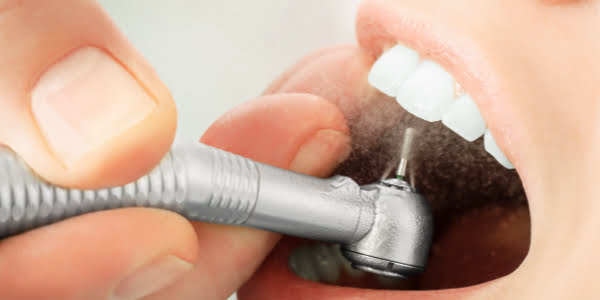
What is Stain Removal (Airflow)?
The Airflow stain removal system is accepted as one of the most dynamic components of preventive and protective treatments (prophylaxis) in modern dentistry, standing as a tooth surface cleaning technology that does not perform mechanical or chemical abrasion. Unlike the rigid rotating brushes and abrasive pastes used in traditional polishing procedures, Airflow operates on the principle of kinetic energy. The device delivers a mixture of air, water, and specialized micron-sized powder particles, projected at a controlled velocity from a specially calibrated handpiece, directly onto the tooth surface. This mixture infiltrates into the most anatomically difficult-to-reach interproximal spaces between teeth and deep into the gingival pockets, sweeping away all organic deposits and discolorations without physically scraping the tissues.
- Kinetic Cleaning Power: Provides cleaning solely through the impact energy of micronized powders, without creating scraping or scrape-induced scratches on the tooth enamel.
- Biofilm Elimination: Disrupts the invisible microscopic bacterial plaque (biofilm) layer, which causes dental caries and gum diseases, at a cellular level.
- Non-Invasive Character: A protective medical protocol that respects the integrity of the gums and oral mucosa, avoiding any bleeding or stinging sensations.
How is Airflow Stain Cleaning Applied?
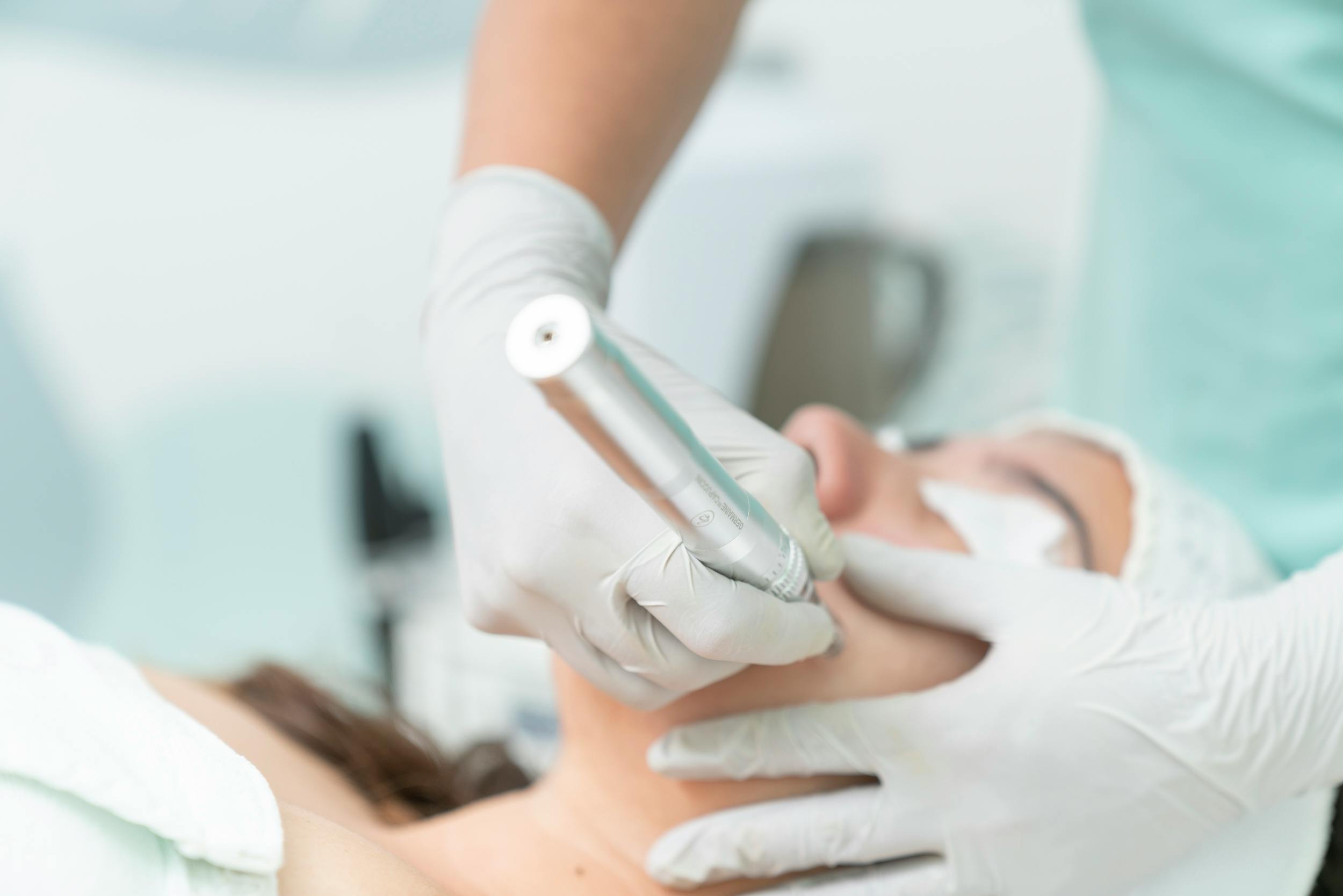
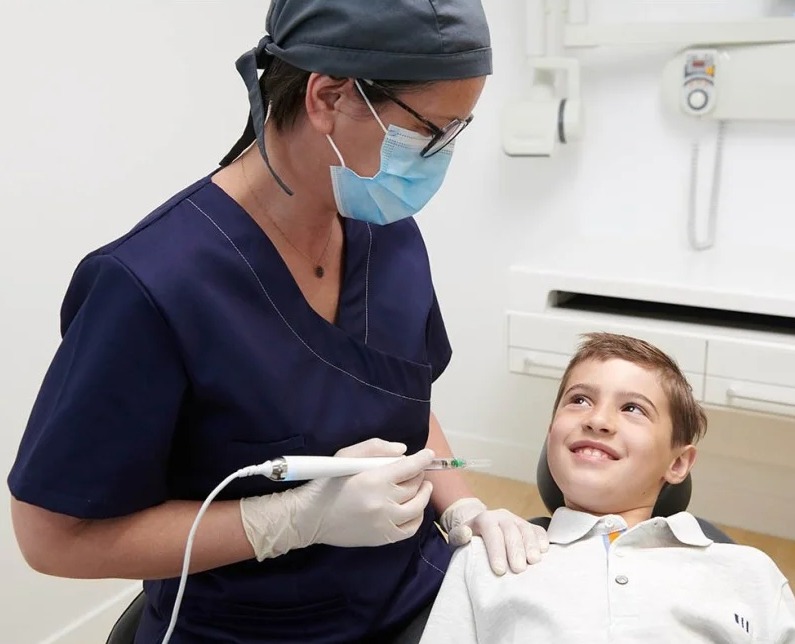
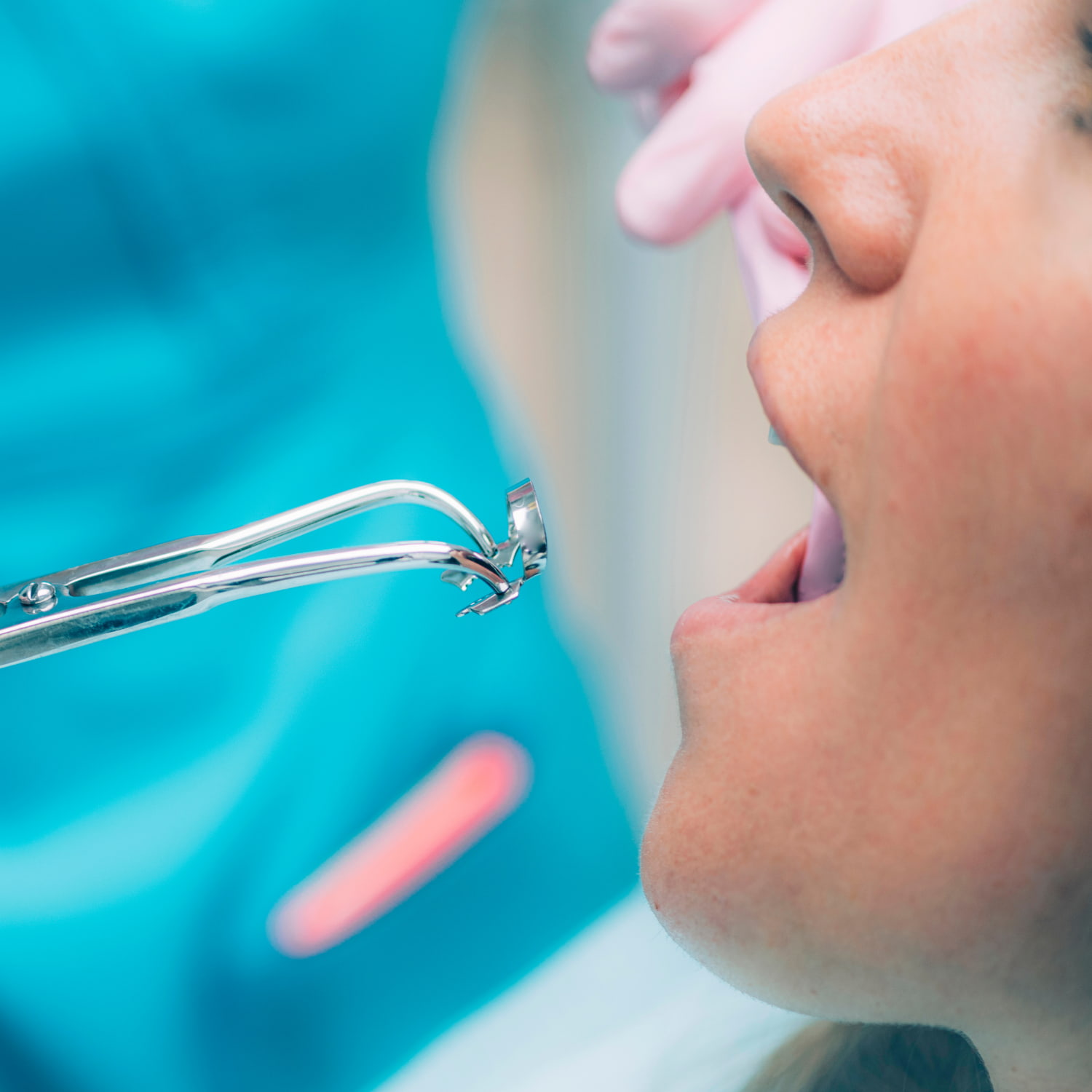
The Airflow application is a highly practical and comfortable procedure designed to maintain patient comfort at the highest level in a dental clinic setting, requiring no anesthesia. At the start of the session, a flexible optragate (lip retractor) is placed to protect the patient’s lips and comfortably provide a wide oral opening. The dentist or dental hygienist positions the handpiece of the Airflow device at a distance of approximately 3-5 millimeters from the tooth surface and at a specific 45-degree angle. By pressing the device’s foot pedal, the mixture of water and specialized polishing powder is projected onto the tooth surface across an aerodynamic flow line. The clinician completes the sweep by guiding this pen-like handpiece across all tooth surfaces, interdental spaces, and gingival margins with gentle circular movements.
- Angular Positioning: Holding the tip at the correct angle from the gum toward the tooth to ensure the pressurized spray does not irritate the gingival tissue.
- Continuous Evacuation: Instantly removing the water and powder mixture accumulated in the mouth during the procedure using high-suction surgical aspirators.
- Final Control: Thoroughly drying the teeth with air after all discolorations are cleaned to inspect the superficial smoothness status with the naked eye.
On Which Dental Stains is Airflow Effective?
The Airflow prophylaxis system demonstrates superior clinical success in cleaning all extrinsic discolorations and stains adhered to the surface of the enamel, which is the outermost layer of the teeth. These stains form over time due to the accumulation of chromogenic (color-producing) substances that infiltrate the porous enamel structure. Airflow physically breaks these stubborn pigment bonds without disrupting the mechanical structure of the teeth. However, Airflow stain cleaning cannot be effective on intrinsic color changes within the internal structure of the tooth that develop due to antibiotics used in childhood (tetracycline), excessive fluoride intake (fluorosis), or aging; in such cases, chemical teeth whitening (bleaching) protocols must be deployed.
The specific stain types where the Airflow system is most effective for complete removal are:
- Tar and nicotine stains resulting from the use of tobacco, cigarettes, hookahs, and electronic cigarettes,
- Dark brown/black linear stains settled due to daily heavy consumption of tea, coffee, filter coffee, and green tea,
- Color residues left by foods containing intense pigments such as red wine, turnip juice, curry, and soy sauce,
- Green-black chromogenic bacterial stains that form especially at the margins where the teeth meet the gums, as a result of enzymes secreted by intraoral bacteria.
Who is the Airflow Application Suitable For?
Airflow stain cleaning is medically suitable for any adult individual over the age of 18 who has stains on their tooth surfaces causing aesthetic and hygienic discomfort, and who houses implants, crown restorations, or orthodontic brackets/wires in their mouth. Since the system does not contain chemical whitening acids or hırpalayıcı rotating stones, it can be safely applied across all dental phototypes and every degree of sensitivity. However, for individuals with major respiratory disorders such as severe asthma, chronic bronchitis, or COPD, the Airflow application must be carefully planned—or the powder must be selected from soft glycine-based contents—to prevent the micro-powder cloud that may form in the air during the procedure from triggering a reaction.
| Patient Group / Oral Status | Airflow Suitability Status | Expected Clinical Benefit and Mechanism |
|---|---|---|
| Heavy Smokers and Coffee Consumers | Fully Suitable / Ideal | Instantly sweeps away stubborn nicotine and caffeine stains without scratching the tooth enamel. |
| Those Wearing Orthodontic Brackets / Wires | Fully Suitable / Recommended | Cleans plaque by infiltrating into the blind spots around brackets and underneath wires. |
| Those with Numerous Zirconium/Porcelain Crowns | Fully Suitable | Safely wipes away coffee stains without scratching the polished surface glaze of the restorations. |
| Patients with Acute Respiratory Failure / Severe COPD | Controlled Suitability / Postponable | Should be evaluated flexibly upon the clinician’s decision due to the inhalation risk of powder particles. |
Are Airflow and Teeth Scaling the Same Procedure?
No, the Airflow application and teeth scaling (detartrage) are two entirely different but complementary prophylaxis stages in terms of their clinical purposes, working principles, and the technologies they utilize. Teeth scaling is the process of breaking down and removing kalsified, hardened masses (tartar/calculus) located below and above the gingival margin using ultrasonic vibrating device tips (scalers); this procedure cannot fully remove stains. Airflow, on the other hand, cannot dissolve hardened tartar; it is a “final smoothing and stain purification” phase that steps in to clean the remaining superficial stains, soft plaque, and biofilm once the tartar has been cleared from the line.
- Teeth Scaling (Ultrasonic): The purpose is to break hardened mineralized masses (calculus); mechanical contact with the tooth is mandatory.
- Airflow (Spraying): The purpose is to sweep away unhardened soft plaque, biofilm, and color pigment stains through non-contact spraying from a distance.
- Clinical Synergy: For a comprehensive professional cleaning, tartar is cleaned with an ultrasonic device first, followed immediately by stain purification with Airflow.
What Are the Advantages of the Airflow Application?
The advantages brought by Airflow technology to modern preventive dentistry maximize the patient’s psychological comfort in the operatory room while safeguarding the microscopic integrity of the tooth enamel. The mechanical friction, squeaking noise, and sensation of pricking the gums experienced during old-school cleanings performed with brushes and abrasive pastes are entirely eliminated in this system. Executing the workflow through a completely aerodynamic stream shapes oral hygiene management into a far more rational, rapid form aligned with medical disciplines.
- Enamel-Friendly Approach: Does not scratch or abrade the tooth enamel even at a micro level, preserving the quality of the enamel glaze.
- Superior Blind Spot Cleaning: Easily infiltrates into the narrow interproximal spaces (contact points) facing each other between teeth, unlike regular brushes.
- Zero Thermal Heat Pain: Does not generate friction heat on the tooth surface like ultrasonic tips, avoiding any stinging sensation during the procedure.
- Personalized Powder Options: The capability to select ultra-soft powders based on glycine or erythritol instead of sodium bicarbonate for sensitive tissues and gums.
Why is an Oral Examination Important Before Airflow?
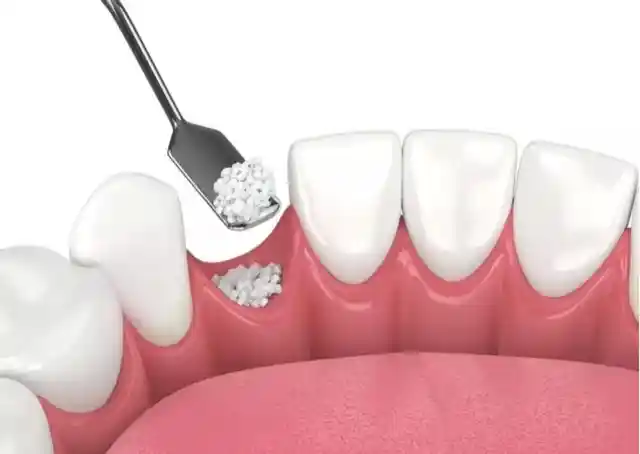
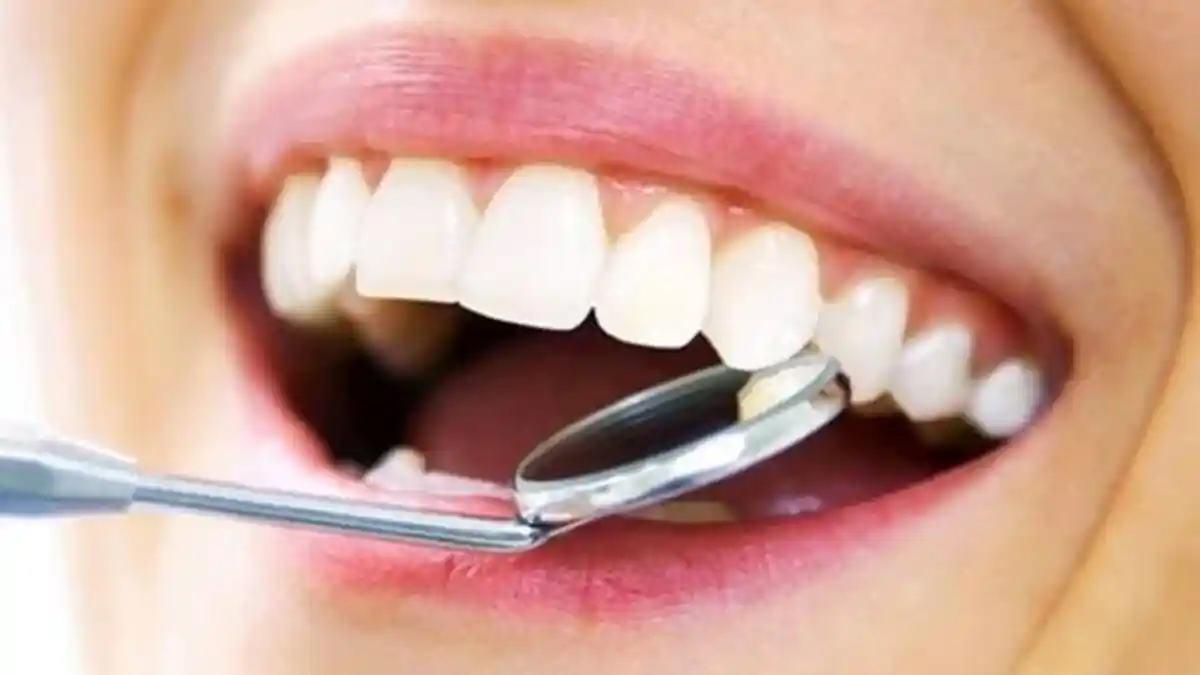
The enamel mineralization quality, gingival health status (presence of gingivitis/periodontitis), and the structural integrity of restorations are unique to each patient’s clinical presentation; therefore, proceeding directly to an Airflow application without a preliminary examination is medically inappropriate. During the examination, the clinician identifies whether there are active, deep, and sensitive cervical caries (tooth neck decay) or exposed, sensitive root surfaces (gum recession) on the teeth. If pressurized Airflow air is projected directly onto these sensitive zones without protection, a sudden and severe pain shock (stimulation of dentin hypersensitivity) can be triggered in the patient; the preliminary examination maps out these risky regions to exclude them from the line.
- Caries and Defect Screening: Detecting open dentin tubules and fracture lines where solution pressure must not penetrate.
- Measuring the Degree of Inflammation: Calibrating the device’s water and air pressure levels according to the bleeding and inflammatory status of the gums.
- Restoration Audit: Reviewing boundary lines of implants or aesthetic fillings inside the mouth to decide on the most accurate powder configuration.
In Which Situations is the Airflow Application Preferred?
Recourse to Airflow protocols in medical aesthetic and preventive dentistry practices takes place in specific indication scenarios where tooth surfaces require complete biological purification and optical brightening. This technology is clinically deployed not merely to wipe away daily tea-coffee stains, but also to tear down microscopic pathogen barricades that threaten the health of the gums. The core philosophy of the procedure is to attain the fastest, most homogeneous smoothness configuration without harming the skin and the tooth.
The primary clinical situations where the Airflow system is preferred include:
- Prior to teeth whitening (bleaching) sessions, to clean the biofilm so that the whitening gel can fully penetrate the enamel pores,
- In patients undergoing orthodontic bracket treatment, to purify stubborn plaque accumulated around brackets that a toothbrush cannot reach,
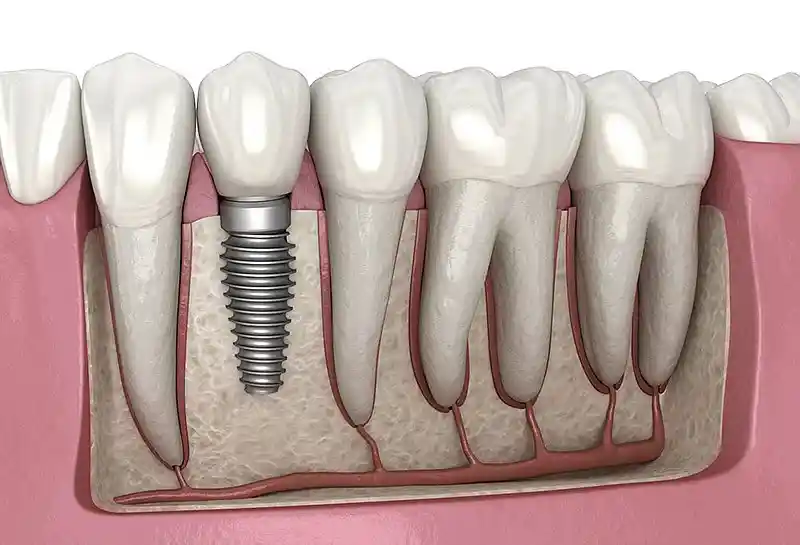
- To prevent inflammation of tissues surrounding implants (peri-implantitis), sweeping away bacteria on the implant surface without harming the metal,
- Whenever it is desired to minimize the intraoral bacterial load (infection focus) prior to gum surgeries or deep curettage procedures.
Is Airflow Effective on Smoking and Coffee Stains?
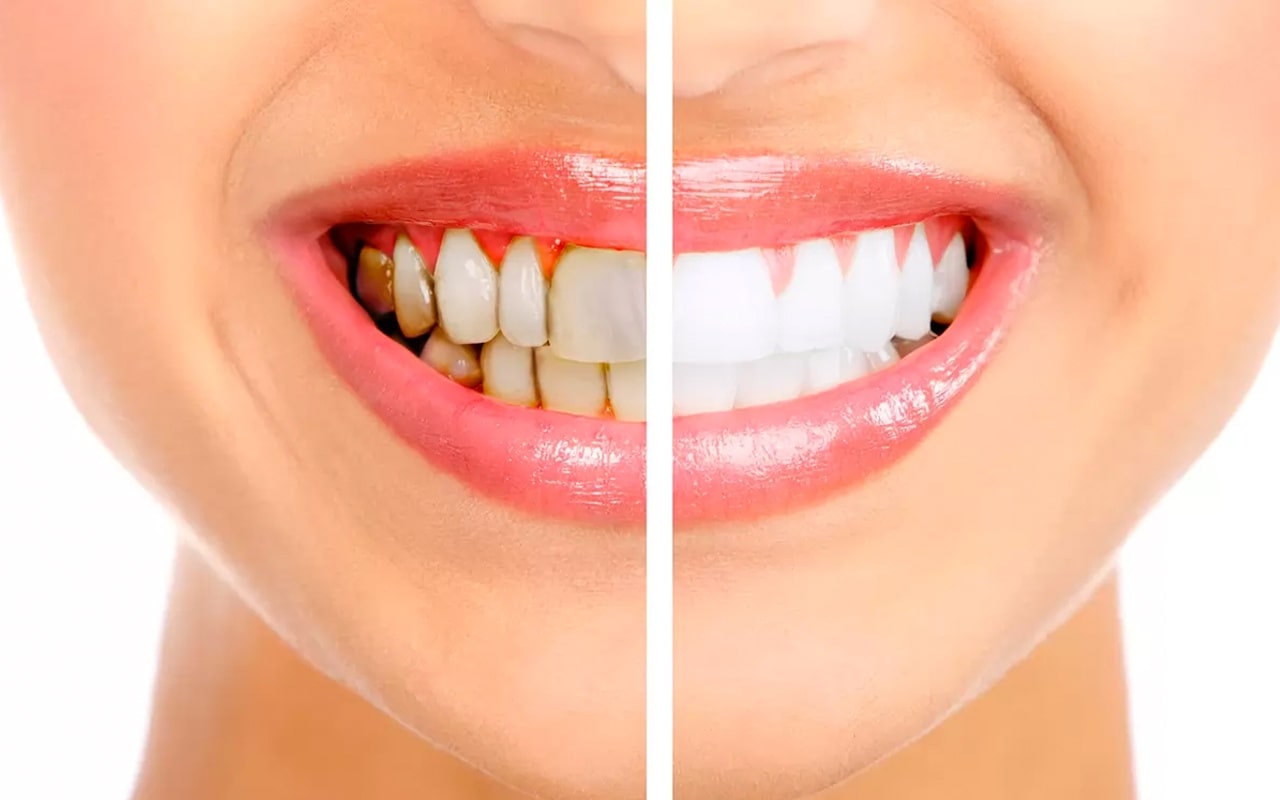
Yes, Airflow spray technology is globally verified as the fastest and most effective clinical method for removing stubborn tar/nicotine stains settled due to smoking, as well as chronic coffee and tea discolorations. Tar molecules in cigarette smoke adhere very tightly to the microscopic indentations (enamel rod spaces) of the tooth enamel via chemical bonds; normal toothbrushes or home-type whitening pastes cannot strip away this solidified layer. The micro-particulate powders projected by Airflow’s kinetic energy break apart and separate these nicotine and caffeine layers within seconds through a microscopic sandblasting effect, instantly bringing the original tooth color and brightness hidden underneath to the surface.
- Dispersing the Tar Layer: Dissolving the sticky nicotine film coated on the tooth surface through pressurized air-water power.
- Color Restoration: Revealing the tooth’s own natural, healthy, and clean shade from underneath dark brown/black stains.
- Odor Elimination: Cleaning porous bacterial deposits that cause bad breath (halitosis) along with the stains from the line.
Does Airflow Damage Tooth Enamel?
No, the Airflow application absolutely does not cause any damage to the tooth enamel, nor does it abrade or thin the enamel, as long as it is applied at the correct angles using original medical powders with accurate particle sizes under expert clinician control. Human tooth enamel possesses a calcium phosphate richness (hydroxyapatite crystals) that stands as one of the hardest structures in nature after diamonds. The hardness degree of the sodium bicarbonate or glycine powders used in Airflow procedures (Mohs hardness scale) is significantly lower than the hardness degree of tooth enamel; therefore, it is medically and physically impossible for the powder to physically scratch or abrade the enamel, as the system is calibrated strictly to possess the power to sweep away foreign stain layers on the enamel.
- Selective Abrasion Technology: Targets exclusively soft tissue attachments and stains, remaining passive against hard enamel architecture.
- Scratch-Free Polishing: Offers smooth integrity by zeroing out micro-scratch risks that traditional polishing brushes might trigger.
- Bio-Integrity Safeguard: Preserves the quality of the tooth’s anatomical enamel layer, maintaining its resistance against acid attacks.
How Long Does an Airflow Application Take?
The Airflow stain removal procedure is a highly rapid, dynamic, and practical clinical process that fits perfectly into the intense time constraints of modern metropolitan life, falling under the “lunchtime lift” concept in medical aesthetic and preventive dentistry literature. The active spraying and stain purification phase is comfortably completed in a short window of usually just 10 to 15 minutes, depending on the stain intensity in the patient’s mouth and the number of teeth to be operated on. The total process, including the preliminary examination and post-session rinsing stages, does not exceed 20-30 minutes.
- Active Spraying Duration: 10 – 15 Minutes on average (The period for guiding the air-water-powder mixture across all dental arches).
- Total Clinical Process: A session lasting a half-hour at most, including fitting the lip retractor, scanning, and final rinsing.
- Time Practicality: The luxury of achieving rapid dental revitalization by stopping by the polyclinic even during break hours on working days.
What Should Be Considered After Airflow?
To make the success of the session permanent, prevent early staining of the cleaned enamel pores by new pigments in the environment, and protect the sensitive gingival margins, the care discipline followed by the patient at home post-procedure is of vital importance. Tooth enamel that has its plaque and biofilm shield swept away via Airflow temporarily transitions into a more absorbent and permeable phase against incoming coloring agents during the initial hours; therefore, the patient must show dedication to “white diet” guidelines.
The medical rules that must be meticulously followed during the critical period post-procedure include:
- Coloring substances such as cigarettes, tea, coffee, and cola must absolutely not be consumed for the first 2-3 hours after the procedure to prevent enamel pores from rapidly re-absorbing stains.
- A “White Diet” protocol must be implemented for the first 24-48 hours; foods containing intense colorants such as tomato paste, red meat, turnip juice, cherries, and curry must be avoided.
- Since there may be a mild stimulation sensation in the gums on the first day, extremely hot or iced-cold foods should not be consumed, and nutrition should be maintained at room temperature.
- Aggressive toothbrushing movements should be avoided on the day of the procedure, and teeth should be cleaned gently with the aid of a soft-bristled brush.
Does Sensitive Teeth Happen After Airflow?
Experiencing a mild, temporary tingling or sensitivity sensation in the teeth immediately following an Airflow application—especially when drinking very cold water or consuming hot food—is a completely normal, expected, and transient physiological reaction. The cause of this is that with the sudden removal of the thick stain and bacterial plaque layer that has blanketed the tooth surface for months, the underlying tooth enamel encounters external stimuli (temperature fluctuations) directly bare for the first time. This sensitivity status resolves completely on its own within an average of 24 to 48 hours without requiring any medical intervention, as the protective pellicle (salivary protein) layer of the skin re-coats the tooth surface.
- Temporary Pellicle Deficiency: Mild sensitivity occurring during the hours until proteins in the saliva re-cover the enamel.
- Zero Permanent Damage: A completely superficial stretching sensation that does not harm the dental nerves (pulp) and does not disrupt tissue integrity.
Can One Return to Daily Life Immediately After the Airflow Application?
Yes, an Airflow stain cleaning scan is a completely non-invasive prophylactic step that induces no fatigue, numbness, or restrictions on the patient’s motor skills, nervous system, focus capacity, or general speech functions. No needles are pricked into the skin or gums, no injections are performed, and there is no need for even local numbing creams during the procedure; therefore, the exact second the session concludes, the patient can resume their normal daily, professional, social, or academic life rhythm uninterrupted without the burden of an IV catheter or bandages. There are no clinical barriers to driving or attending business meetings immediately after the procedure.
- Social Comfort: Because there is no drooping numbness in the lip or cheek, speech impairment is not experienced, allowing an immediate return to life.
- Practical Process: Teeth feeling clean and refreshed post-session grants the patient instant self-confidence and smile comfort.
How Does Airflow Support Oral Hygiene?
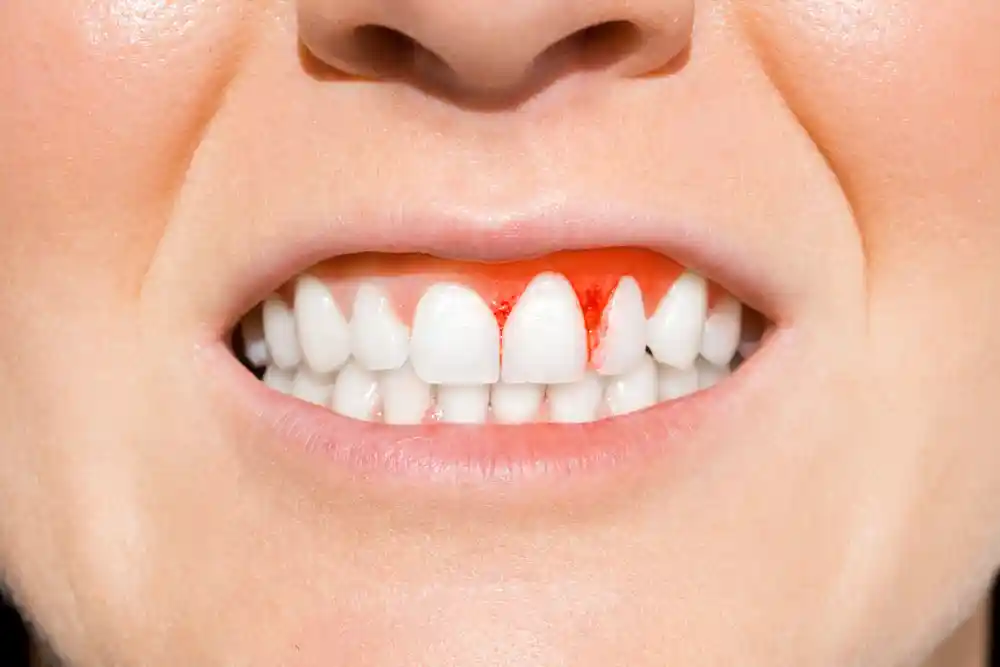
Airflow supports oral hygiene not merely by wiping away visual stains, but by tearing down microscopic pathogen barricades that threaten the health of the gums and surrounding bone tissues at a cellular level. The invisible “biofilm” (bacterial plaque) layer that settles on tooth surfaces and cannot be stripped away by normal brushing is the main root cause of gum diseases and insidious tooth decay. Airflow’s pressurized powder microns mechanically disrupt and sweep away this biofilm layer entirely from the line; this purification balances the intraoral bacterial population, halts bleeding gums, and delivers a complete hygiene boost by eliminating stubborn bad breath (halitosis).
- Biofilm Destruction: Breaking the sticky matrix chain that allows bacteria to adhere to the tooth surface via pressurized spraying.
- Gingivitis Prevention: Subduing gum redness and swelling by cleaning plaque at the gingival margin.
- Sealing Support: Rationally blocking the risk of interproximal decay development by thoroughly cleaning between teeth.
Can Airflow Be Applied to Patients Undergoing Orthodontic Treatment?
Yes, the Airflow application is the most vital, safe, and comfortable cleaning method verified by modern dentistry for the oral hygiene management of patients wearing orthodontic wires or brackets. In wire treatments, the areas around brackets, underneath wires, and ligation spaces are excellent blind spots for the accumulation of food debris and plaque; completely cleaning these zones with normal toothbrushes is physically impossible. While traditional polishing brushes can catch on brackets and damage wires, Airflow uses remote spraying intelligence to infiltrate inside those microscopic narrow gaps without touching the wires, flawlessly cleaning all stains and plaque around bracket margins without imposing even the slightest mechanical load onto the wires.
- Bracket-Protective Cleaning: The power to provide surrounding purification without harming the adhesive bonds of metal or porcelain brackets.
- Decalcification Prevention: Inhibiting the development of white spot (early decay) foci that form as a result of plaque accumulation around wires.
At Which Intervals Should the Airflow Application Be Done?
The periodic repetition frequency of Airflow stain cleaning is personalized and determined by the clinician according to the patient’s personal oral hygiene habits, salivary structure (fluidity and mineral coefficient), and most importantly, the intensity of consuming coloring agents such as cigarettes, tea, and coffee during the day. For individuals with high oral care quality who do not consume heavy colorants, a general check-up cleaning performed once a year remains sufficient; for patients who smoke heavily or have high tea-coffee consumption, the session timeline must be made more frequent in parallel with the stain accumulation rate.
- Standard Routine Interval: The golden rule in general clinical standard protocols is to perform it every 6 months to safeguard oral health.
- Patients Generating Intense Stains: In cases with heavy nicotine and caffeine exposure, sessions can be drawn back to 3 or 4-month periods.
- Orthodontic Patients: Recommended to be performed every 3 months during orthodontic wire treatment to keep bracket boundaries clean.
What is the Relationship Between Airflow and Professional Teeth Cleaning?
Airflow constitutes the most visionary, advanced, and certified polishing/purification stage of “Professional Teeth Cleaning” (Guided Biofilm Therapy – GBT) protocols in modern clinical dentistry. In traditional professional teeth cleanings, teeth were polished with a brush and paste (polishing) after tartar was removed; this analog step was time-consuming and micro-distressing to the enamel. Airflow shifts the professional teeth cleaning concept into a completely digital and aerodynamic standard, serving as an inseparable leading component of prophylaxis sessions that cleans biofilms and stains on tooth surfaces within minutes through the power of water and air.
- Modern Polishing Alternative: A next-generation non-contact polishing standard that takes the place of rotating mechanical brushes.
- Holistic Prophylaxis Chain: The relationship of achieving full oral hygiene and aesthetic brightness by combining it with detartrage (tartar scaling).
What Are the Differences Between Airflow and Teeth Whitening (Bleaching)?
Airflow stain cleaning and teeth whitening (bleaching) procedures are two separate aesthetic dental procedures frequently confused by patients, but they operate through completely different chemical and physical mechanisms across the anatomical layers of the skin and the tooth. Airflow does not change the internal color of the tooth; it simply sweeps away the brown/black foreign stain layer subsequently adhered to the outer enamel surface, revealing the tooth’s hidden “original color.” Teeth whitening, conversely, is the process of altering the tooth’s own hereditary intrinsic color (its yellowish or grayish shade) to reach 2-3 shades whiter by penetrating inside the enamel pores with peroxide-containing medical gels and initiating a chemical reaction.
| Aesthetic Parameter | Airflow Stain Cleaning | Medical Teeth Whitening (Bleaching) |
|---|---|---|
| Mechanism of Action | Sweeps away superficial extrinsic stains and plaque through mechanical spraying. | Penetrates enamel pores with chemical gels to brighten the internal color of the tooth. |
| Change in Tooth Color | Restores the tooth to its own original shade; cannot whiten genetic color. | Chemically transports the genetic color of the tooth 2 to 4 shades whiter. |
| Application Period | Can be repeated every 6 months for routine hygiene and prophylaxis purposes. | An intense cure typically performed every 1-2 years under clinician control. |
What Are the Frequently Asked Questions About Airflow?
The most common practical anxieties arising in the minds of individuals planning to recourse to Airflow stain removal protocols to get rid of stubborn nicotine, tea, and coffee stains on their tooth surfaces and achieve a natural cleanliness, along with their clear, uncensored medical answers, are presented below:
Will the Airflow stain cleaning procedure hurt during the session, and will my gums bleed?
No, it is definitely not a procedure that causes pain or ache; the session is completed in a highly comfortable manner. Since only pressurized water and a fine powder breeze are projected onto the tooth surface at the moment of the procedure, the sole feeling perceived consists of a pleasant freshness and a mild tickling sensation. Unless you have chronic severe inflammation (gingivitis) in your gums, bleeding is absolutely not encountered during the procedure.
What do Airflow powders taste like, and will an unpleasant chemical odor enter my mouth during the procedure?
No, an unpleasant taste or odor is absolutely out of the question. Premium Airflow powders utilized in modern dental clinics are aromatically flavored to enhance the patient’s session comfort. A soft lemon, mint, cherry, or tropical fruit aroma taste enters your mouth during the procedure; this turns the session into a complete spa freshness experience, elevating treatment motivation.
How long will my teeth remain stain-free and white after having Airflow done?
The durability lifespan of the achieved cleanliness and brightness effect depends entirely on your daily oral care quality post-session and your frequency of consuming coloring agents such as cigarettes, tea, and coffee. If you adhere to the “white diet” guidelines recommended by the clinician after the procedure, reduce smoking, and brush twice a day, your teeth will maintain their smooth and stain-free form for an average of 6 months.
Are whitening teeth powders or baking soda mixtures sold for home use the same as Airflow?
They are definitely not the same, and unconscious mixtures made at home inflict permanent major damage on the tooth enamel. Hard baking soda crystals or whitening powders applied to a toothbrush at home scratch, abrade, and create permanent scratches on the tooth enamel due to uncontrolled high friction forces; scratched enamel catches stains faster in the future. Airflow, conversely, projects micron-sized rounded soft medical powders with pressure accompanied by a water shield, so the risk of scratching is zero.
Can I return to my normal life and work immediately on the day my Airflow session finishes?
Yes, it is absolutely not necessary for the patient to be hospitalized or rest at home following Airflow applications. The moment the session ends, the lip retractor is removed, the mouth is rinsed for the last time, and the patient can immediately resume their social, professional, or academic life uninterrupted right from that minute; not smoking or drinking tea-coffee for just the first 2-3 hours is a practical detail that will not affect social comfort.
Who Are We? & Panorama Ankara Oral and Dental Health
Panorama Ankara is a licensed oral and dental health center extending institutional health assurances to its patients by combining an academic expert staff and the latest global technological infrastructure under a single roof, particularly in oral, dental, and maxillofacial surgery, implantology, orthodontics, and aesthetic dentistry. Attaching vital importance to polishing discolorations along dental outlines without harming or scratching the tooth enamel, and extending modern clinical prophylaxis comfort removed from painful mechanical brush pressures to its patients, our center operates original Premium Airflow Stain Removal and Polishing systems, which stand as the strongest link of guided biofilm treatments across clinical operational workflows, without compromise.
Across all radiological, scanning, and prophylaxis interventions executed under the roof of Panorama Ankara, absolute sterilization, high patient safety, transparency, and honesty principles are operated with uncompromising determination as per our charter. In our clinical practices, smart Airflow handpiece units that millimetrically calibrate water-air pressure powers according to the patient’s gum sensitivity coefficient, presence of fillings, and stain intensity are meticulously applied under the supervision of our expert medical staff and dental hygienist cohort. Our goal is not to impose old-school, rigid, and distressing brushing patterns that scratch the enamel on our patients; it is to analyze every individual’s intraoral bacterial and stain map bare to the eye during the preliminary examination, achieving maximum session comfort, application practicality that lasts for seconds, and smooth smile designs that will remain sparkling bright at any given moment without harming surrounding soft tissues and vascular pathways. If you are tired of seeing smoking, tea, and coffee stains on your teeth when looking in the mirror, possessing a matte and dim smile, and wish to initiate your painless stain cleaning process with a scientific guarantee in an expert center environment, you can safely protect your health and smile integrity by contacting the expert staff of Panorama Ankara for your detailed intraoral examination and Airflow comfort.