
Ankara Hollywood Smile (Smile Design) Treatment
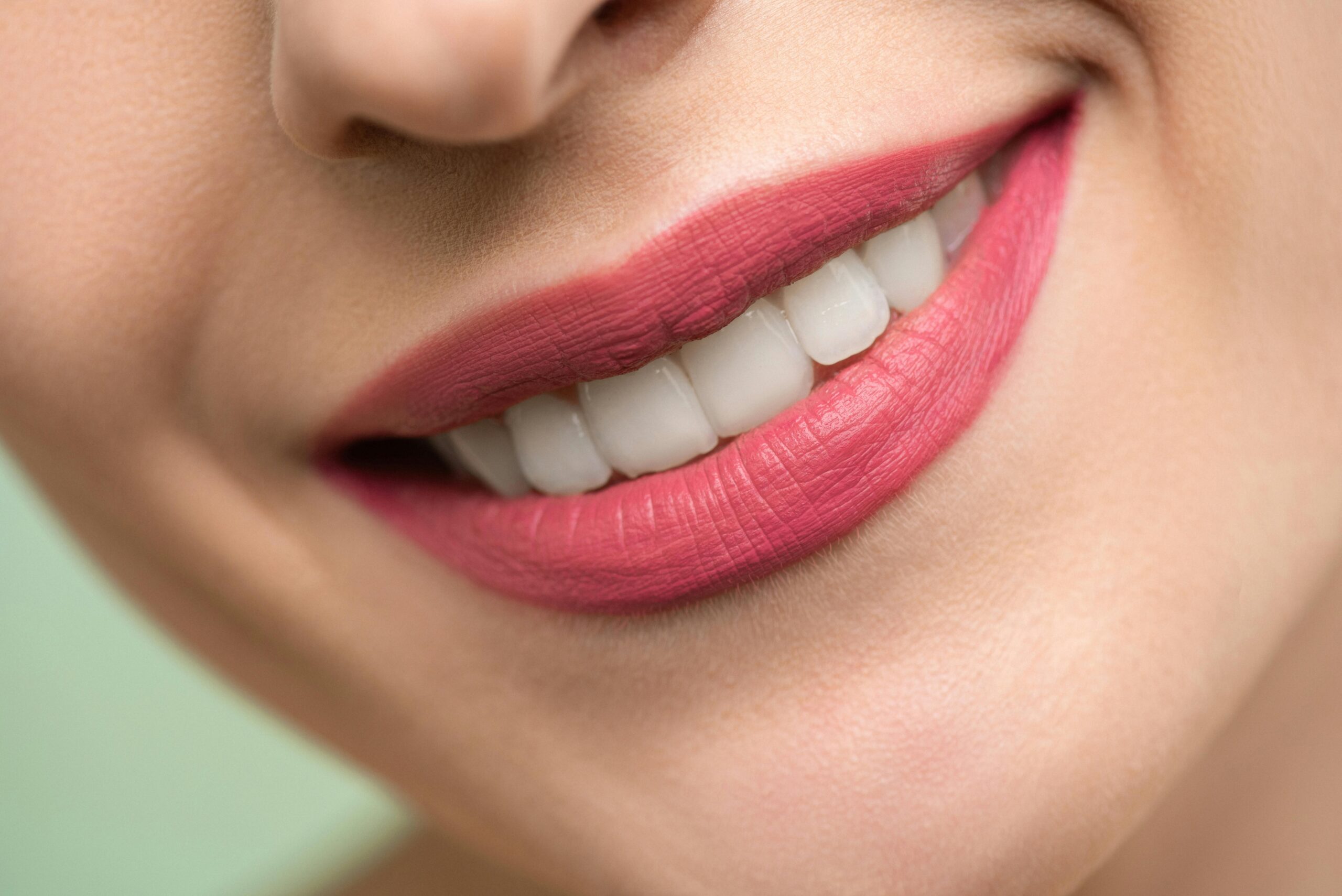
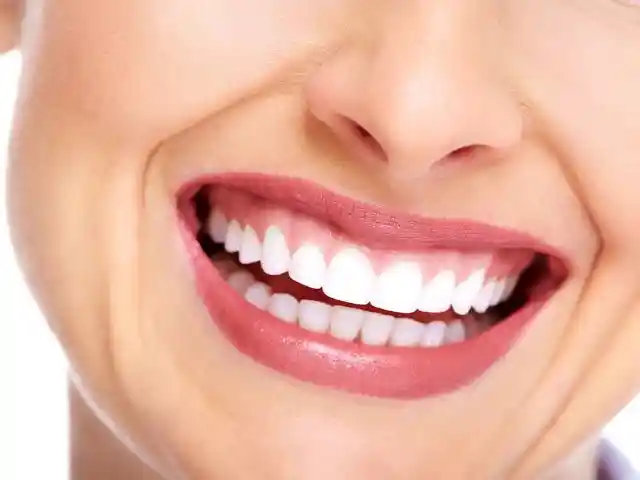
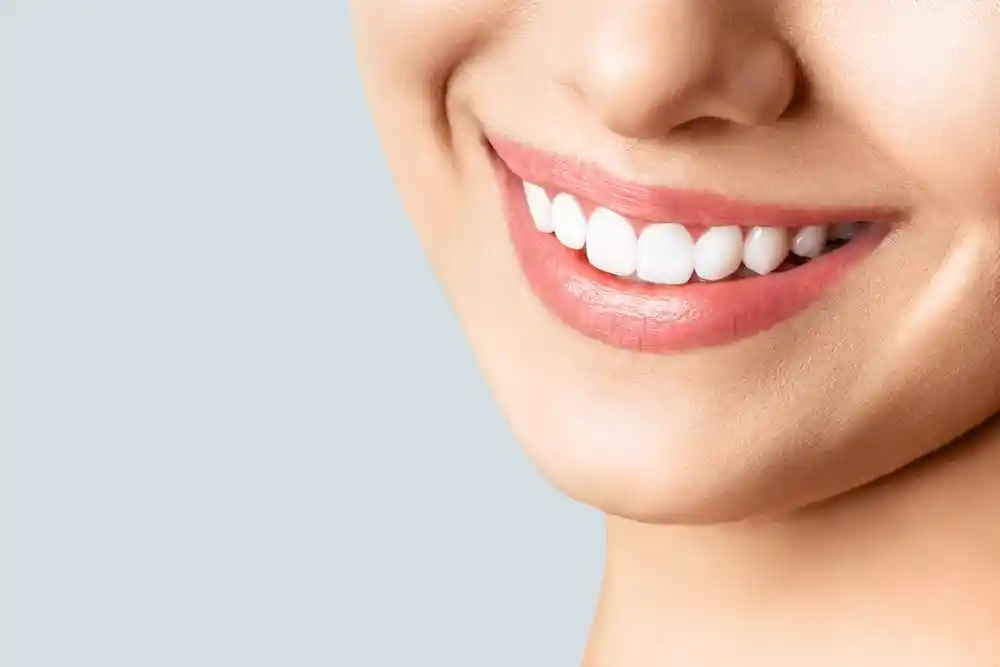
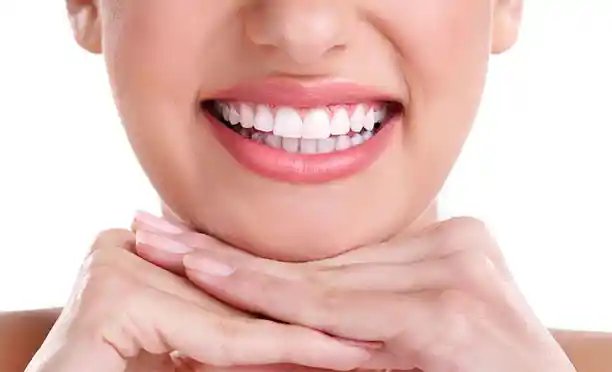
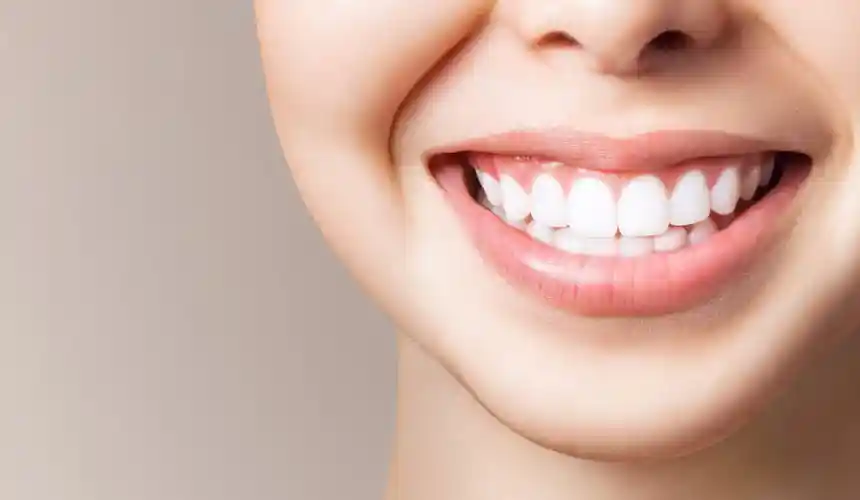
Although inspired by the flawless, radiant, and symmetrical smiles of Hollywood stars, the goal in modern dentistry is not to create a “uniform” smile, but to design a natural and aesthetically pleasing smile that best suits an individual’s character and facial anatomy.
Hollywood Smile
Flawless Aesthetics & The Golden Ratio
Digital Design
See your result in advance with a completely personalized digital smile preview tailored to match your facial features.
Laminate & Zirconia
Achieve your dream whiteness with premium materials that reflect light exactly like natural teeth.
Gingival Aesthetics
Capture absolute harmony by beautifully recontouring and regulating the gum lines with Pink Aesthetics.
Enduring Radiance
Stay vibrant with an ultra-smooth surface architecture that preserves its shade flawlessly as the years pass.
What is Hollywood Smile (Smile Design)?
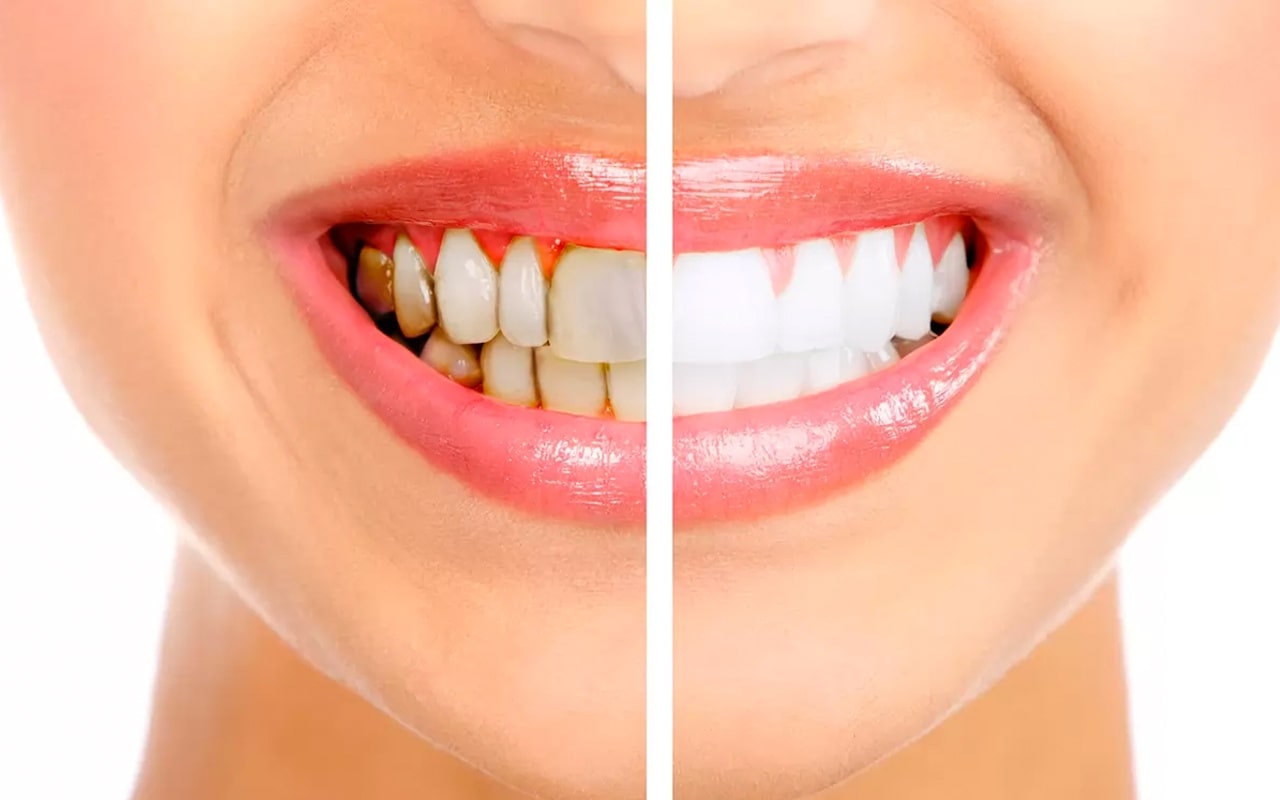
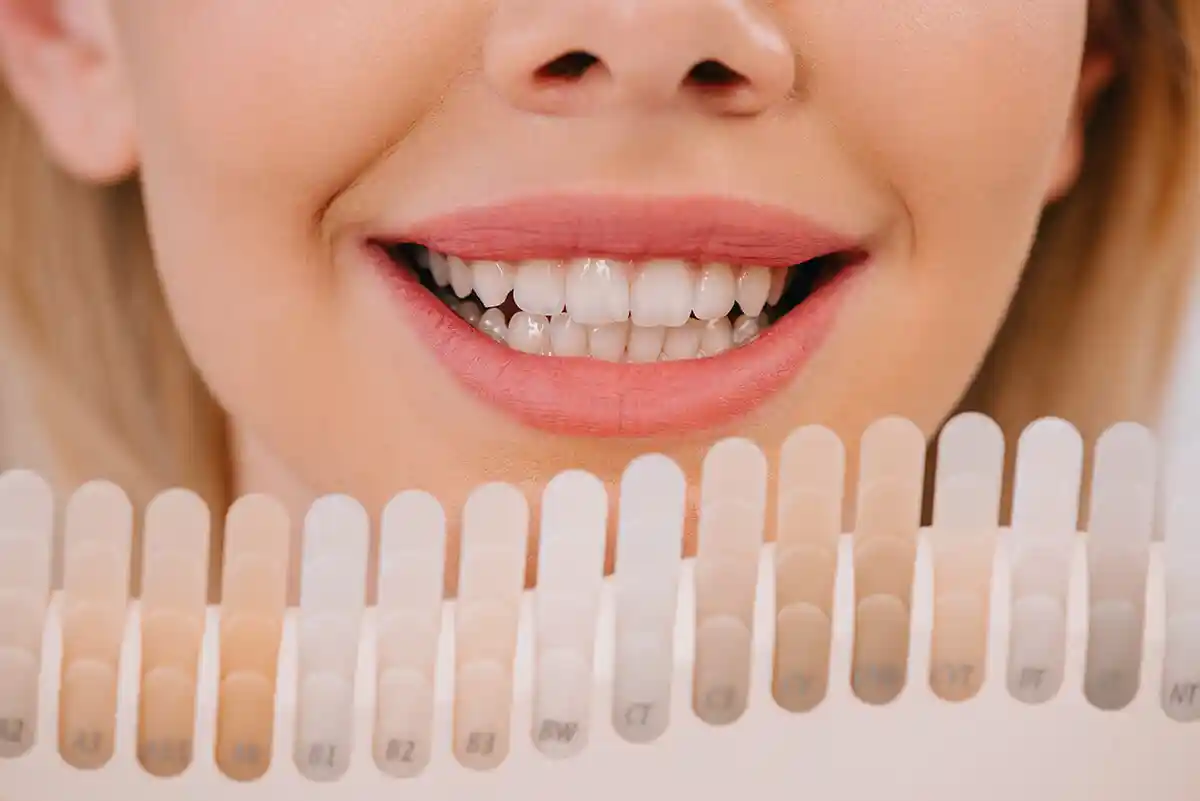
Hollywood Smile is not just a teeth whitening procedure; it is a comprehensive aesthetic dentistry protocol aimed at harmonizing the shape, color, size, and relationship of the teeth with the gums, in relation to the person’s facial features. Although this concept takes its name from the flawless, bright, and symmetrical smiles of Hollywood stars, the goal in modern dentistry is not to create a “uniform” smile, but to design a natural and aesthetic smile that best suits the person’s character and facial anatomy. The process requires a multidisciplinary approach; it is shaped by the collaborative work of orthodontics, prosthetics, and periodontology (gum disease) branches.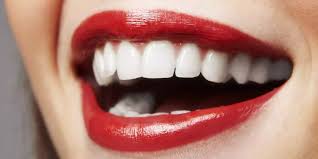
The Place of Smile Design in Aesthetic Dentistry
Modern dentistry has evolved into a “biomimetic” philosophy, meaning it imitates nature. Aesthetic dentistry is not only concerned with treating a patient’s decayed teeth; it also takes into account the self-confidence and psychosocial state of the individual when smiling. Smile design is at the heart of this discipline. While crooked teeth, discolorations, wear, or missing teeth are restored using aesthetic materials, tissue compatibility and longevity are prioritized.
What Determines an Ideal Smile?
An ideal smile has both mathematical and artistic parameters. White teeth alone do not make an ideal smile. An ideal smile is determined by factors such as the alignment of the dental midline with the facial midline, the incisal edges of the teeth following the contour of the lower lip, the gum line (gingival display) being at an optimal level during a smile, and the absence of dark corridors between the teeth. In clinical approaches in Ankara, these parameters are blended with the patient’s gender, age, and expectations to create a customized plan.
Why Is the Harmony of Face, Lips, and Teeth Important?
Facial aesthetics is a whole. The teeth, lips, and the general shape of the face (oval, square, triangular, etc.) should complement one another. For instance, in an individual with round facial features, sharp-angled and long teeth may look artificial. Similarly, in a person with a thin lip structure, positioning the teeth too far forward can disrupt lip closure. The harmony of the face, lips, and teeth is the most critical factor determining the success of smile design. During the design process, a profile analysis is conducted by taking into account the relationships between the nasolabial folds, the tip of the nose, and the tip of the chin (Ricketts’ aesthetic plane).
Who Is the Hollywood Smile Suitable For?
✅ Suitable Indications
- Those with permanent discoloration on their teeth (antibiotic staining, etc.)
- Those with fractures, cracks, or wear on their teeth
- Those with gaps (diastema) between their teeth
- Those with mild crowding who do not wish to undergo orthodontic treatment
- Individuals whose gums are overly visible when smiling (Gummy Smile)
- Those who want to have a younger and more dynamic smile
⚠️ Considerations Before Treatment
- First and foremost, dental and gingival development must be complete (over 18 years old).
- If cavities and gum diseases are present, they must absolutely be treated prior to aesthetic procedures.
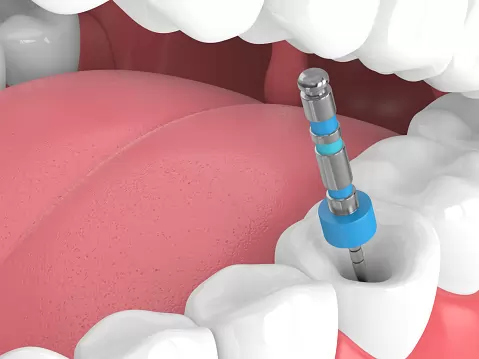
- If there are teeth requiring root canal treatment, these health issues must be resolved first.
- An aesthetic structure cannot be built without a healthy foundation.
What Is Digital Smile Design (DSD)?
Emerging from the integration of technology into dentistry, Digital Smile Design (DSD) is a protocol that allows the treatment result to be predicted in a digital environment before any procedure is even performed. High-resolution photographs and videos taken from the patient are analyzed using specialized software. The dentist designs the new form of the teeth based on this data, which is combined with digital impressions (obtained via intraoral scanners). This technology strengthens communication between the patient and the dentist and prevents unexpected results.
Evaluation Process Before Smile Design
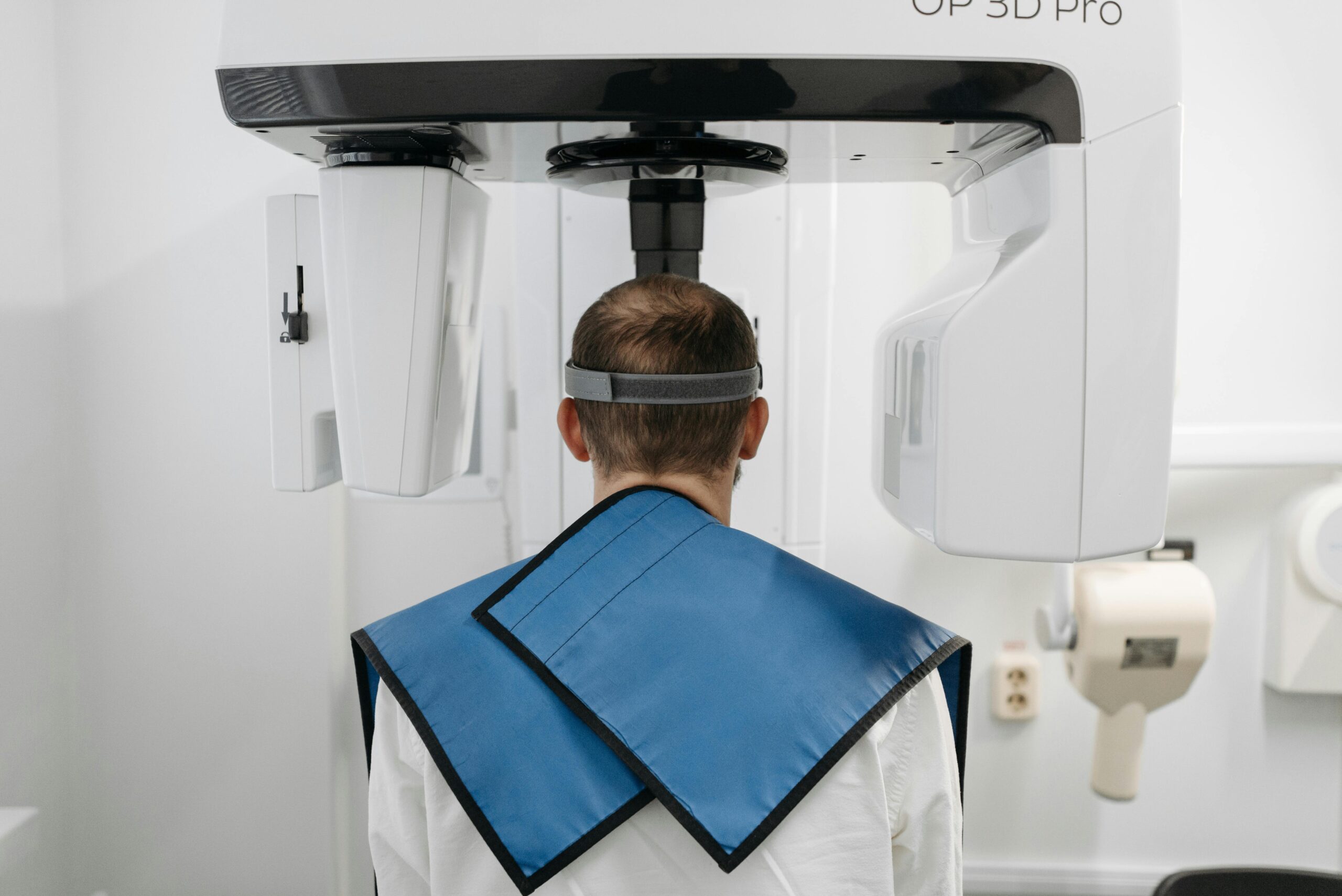
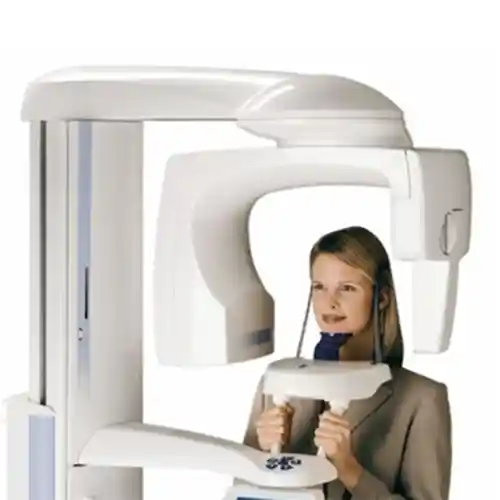
A successful treatment begins with a detailed analysis. At our clinic located in Ankara, the process starts with a comprehensive intraoral and extraoral examination of the patient. The bone structure and the condition of the tooth roots are evaluated using radiological imaging (Panoramic X-ray or Tomography). If there are cavities, gum diseases, or conditions requiring root canal treatment, these health concerns must absolutely be resolved before any aesthetic procedures.
Treatment Methods Used in Smile Design
Hollywood Smile applications do not consist of a single procedure; they involve various treatments combined according to the needs of the case. The core methods are:
- Porcelain Veneer (Laminate Veneer) applications
- Full Ceramic (E-max) or Zirconia crowns
- Teeth Whitening (Bleaching)
- Gingival Aesthetics (Gingivectomy / Gingivoplasty)
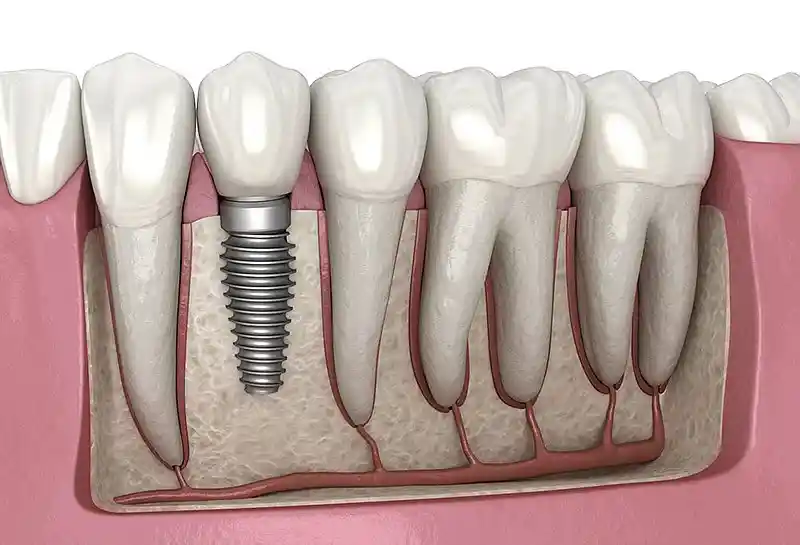
- Implant treatments (if there are missing teeth)
- Bonding applications (reshaping with composite fillings)
What Is a Porcelain Veneer (Laminate Veneer)?
One of the most important applications of minimally invasive dentistry, Porcelain Veneers are ultra-thin porcelain shells applied by preparing only a minimal amount (0.3 – 0.7 mm) from the front surfaces of the teeth, or sometimes with no preparation at all (Prepless). Their light translucency is identical to natural teeth. They are frequently preferred in smile design due to maximizing the preservation of tooth tissue and yielding excellent aesthetic results.
Zirconia Crowns and Smile Design
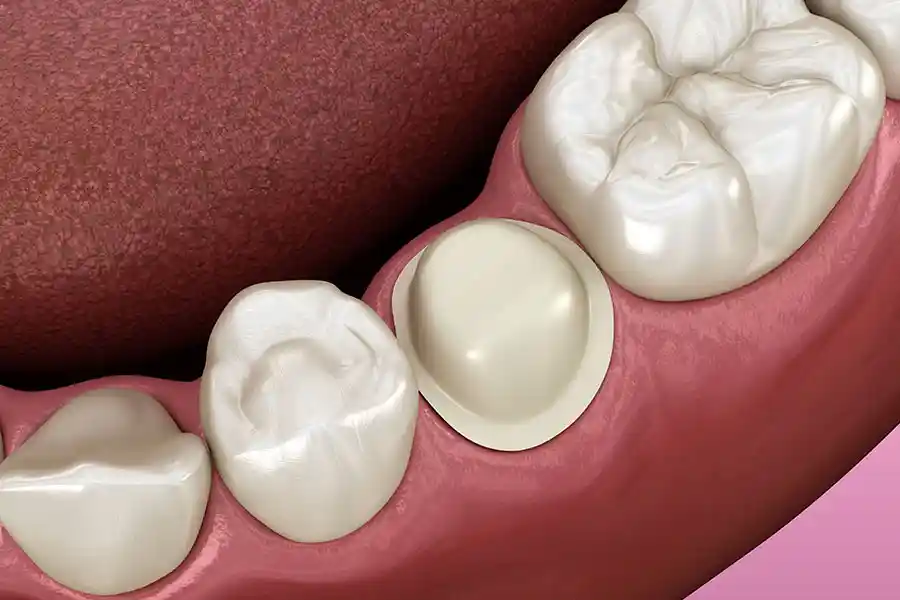
Zirconia crowns are manufactured from a metal-free, white-colored alloy with high light translucency. Their durability is as high as metal-supported porcelains, and their aesthetics are as successful as full ceramics. They are particularly utilized for posterior teeth restorations or teeth that are heavily damaged, root canal-treated, and discolored. Since it is a biocompatible material, it does not cause discoloration (purpling) at the gum line or allergic reactions.
Comparison of Porcelain Veneers and Zirconia
| Feature | Porcelain Veneer (Laminate) | Zirconia Crown |
|---|---|---|
| Application Area | Only the front surface of the tooth | The entire circumference of the tooth |
| Material Reduction | Minimal or none (0.3-0.7 mm) | More extensive (1.5-2 mm) |
| Durability | Aesthetics-oriented, delicate | Resistant to high chewing forces |
| Indication | Discoloration, spacing, mild crowding | Decay, fractures, missing teeth bridges |
How Is Teeth Whitening Used in Smile Design?
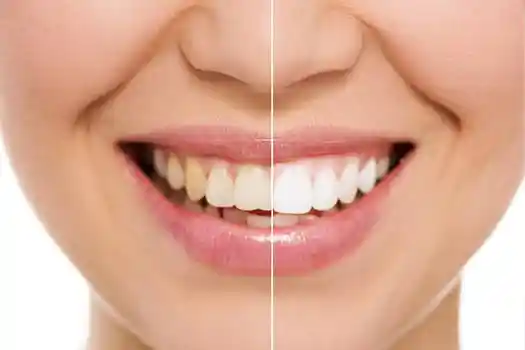
In some cases, the desired smile can be achieved without the need for porcelain crowns, relying solely on teeth whitening (bleaching) and minor bonding touches. Alternatively, in veneer applications to be performed on the upper and lower jaws, veneers are applied only to the highly visible teeth to reduce costs and preserve tooth tissue, while whitening is applied to the posterior teeth to ensure shade harmony. The shade of the teeth can be lightened by several tones using in-office (clinical setting) or home whitening methods.
The Relationship Between Gingival Aesthetics and Smile Design
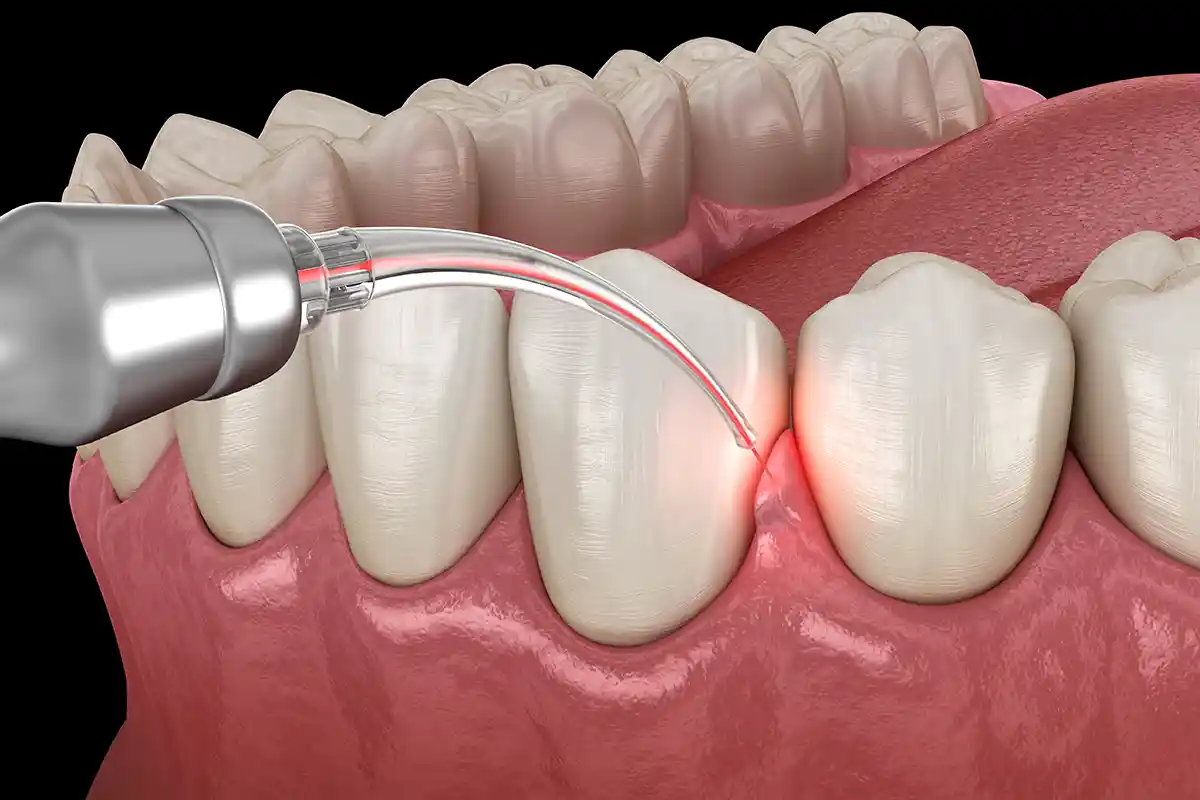
The health and appearance of the gums, referred to as “Pink Aesthetics”, is just as critical as “White Aesthetics” (the teeth). Excessive visibility of the gums when smiling (Gummy Smile) or asymmetries in the gum line disrupt the balance of the smile. Through gingival contouring (gingivectomy) procedures performed using lasers or electrocautery, tooth heights can be lengthened and gum lines can be evened out. This procedure grants a fuller and more symmetrical appearance to the teeth.
The Effect of Tooth Length and Form on the Smile
The form of the teeth can reflect an individual’s character. For instance, oval and rounded teeth give a softer and more feminine expression, whereas square and straight-lined teeth can create a more masculine and dominant expression. Tooth length, on the other hand, is directly associated with the perception of youth. With age, teeth wear down and shorten. In smile design, making the two front central incisors slightly longer than the others (an ideal ratio, not a buck-tooth appearance) adds a younger and more dynamic air to the individual.
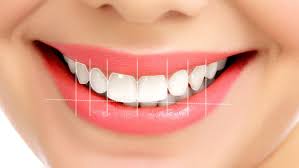
The Golden Ratio and Aesthetic Criteria in Smile Design
The “Golden Ratio” (Phi number: 1.618), found in every object in nature that is pleasing to the eye, is also utilized in dentistry. The ratio of the width to the height of the teeth and their visibility levels are calculated according to this rule. For example, the ratio of the width of the central incisor to the lateral incisor must rest in a specific mathematical balance. The golden ratio ensures the creation of an objective aesthetic perception rather than a subjective preference.
Previewing the Result with Temporary Teeth (Mock-Up)
The greatest concern for patients is the question “What will the result look like?”. The mock-up (trial) stage eliminates this anxiety. Following the digital design, a temporary model prepared in the laboratory is applied to the patient’s teeth without any reduction being made. The patient sees the smile they will have at the end of the treatment live in the mirror, takes videos of it, and decides on any necessary revisions (lengthening/shortening tooth heights, etc.) together with the dentist at this stage.
How Does the Hollywood Smile Treatment Process Progress?
STEP 01 Examination and Digital Planning
The process begins with a detailed oral examination and digital planning. All data is analyzed to create a personalized smile form.
STEP 02 Gingival Adjustment
If deemed necessary, the level and symmetry of the gums are adjusted through pink aesthetic applications.
STEP 03 Mock-Up Trial
Thanks to the prepared temporary model, the patient previews the final result live in the mouth before any reduction is made to the teeth.
STEP 04 Preparation and Impression
Minimal preparation of the teeth is performed, followed by taking precise impressions and fitting temporary teeth.
STEP 05 Permanent Cementation (Bonding)
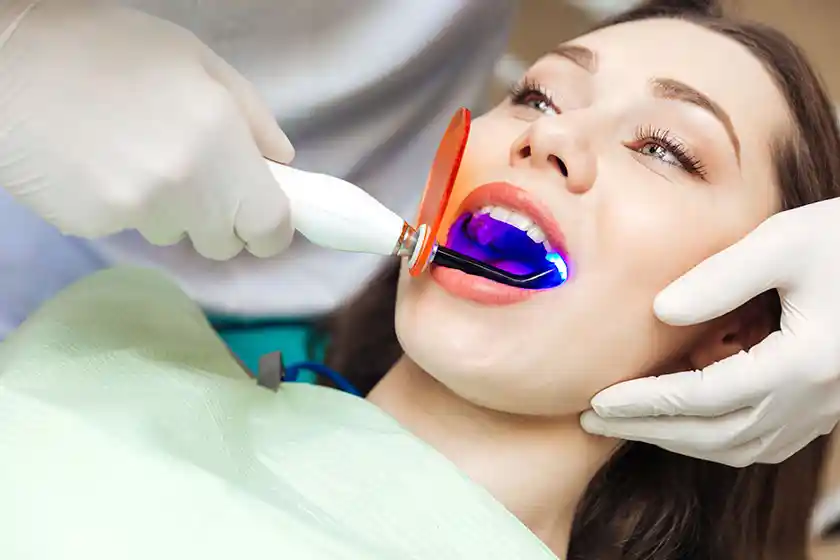
Once the laboratory phase is complete (usually 5-7 days), the porcelains are permanently integrated onto the teeth using special adhesive luting agents.
Treatment Duration and Session Planning
The treatment duration varies according to the scope of the procedure to be performed. While teeth whitening and bonding procedures alone can be completed in a single session, comprehensive smile designs involving veneers or zirconia usually take 3 or 4 sessions. The total duration is generally within the range of 7-10 days. For patients coming to Ankara from out of town or abroad, this process can be optimized through seamless laboratory coordination.
Post-Smile Design Care and Oral Hygiene
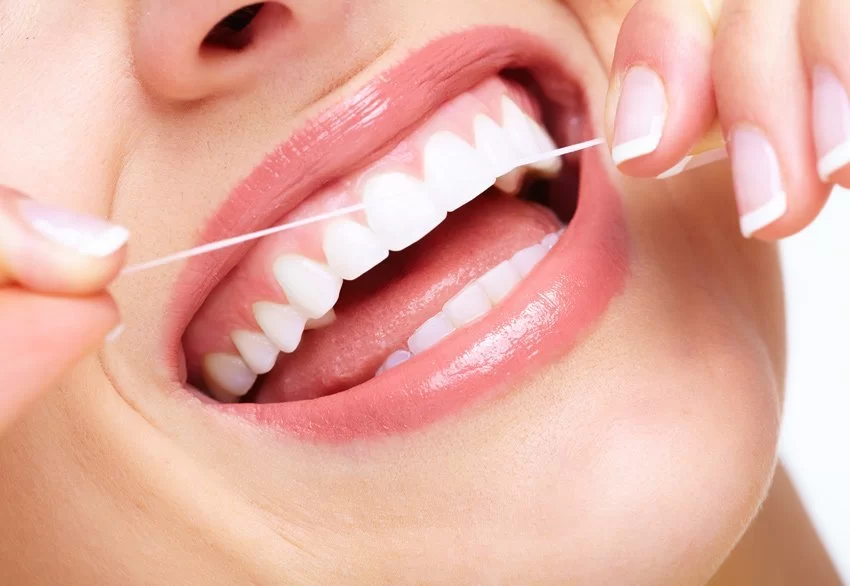
The lifespan of the completed restorations is directly proportional to the care the patient shows toward oral hygiene. Brushing, flossing, and using an interdental brush, which apply to natural teeth, apply to crowns and veneers as well. Toothpastes with high abrasive properties should be avoided. Furthermore, it is strongly recommended that patients with a teeth clenching (bruxism) habit use a night guard to prevent the porcelains from fracturing.
How Permanent Is the Hollywood Smile?
Hollywood Smile applications are permanent procedures, but materials have a lifespan. With good care and regular dental check-ups, porcelain veneers and zirconia crowns can be used without any problems for 10-15 years or more. Permanence depends on the health of the gums, the patient’s dietary habits, and parafunctional habits (teeth clenching, nail biting, pen biting, etc.).
How Is Naturalness Achieved in Smile Design?
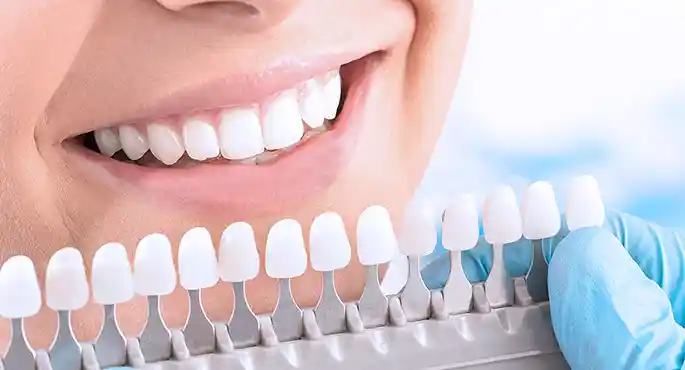
The most successful aesthetic dentistry application is one where it is not apparent from the outside that a procedure has been performed. Naturalness is achieved by using materials that become translucent toward the incisal edge of the tooth, feature a detailed surface architecture (texture), and mimic the light reflections of natural tooth enamel, instead of monochrome, opaque, and chalk-white teeth. Selecting a shade compatible with the patient’s skin tone and the color of the sclera (whites of the eyes) is the key to naturalness.
The Hollywood Smile and Functional Dental Health
Aesthetics should never be achieved by compromising on function. Smile design is not only about looking beautiful, but also about proper chewing, correct speech (phonation), and protecting the health of the jaw joint (TMJ). A design with incorrectly adjusted occlusal relationships can lead to joint pain and porcelain fractures. For this reason, aesthetic planning at Panorama Ankara is carried out in tandem with the principles of functional occlusion.
Potential Risks and Management of Patient Expectations
As with any medical procedure, risks are present. Temporary post-operative hot-cold sensitivity may be observed. Rarely, cracking in the porcelains or dissolution of the adhesive (decementation) can be experienced. The most significant risk stems from unrealistic expectations. The dentist must clearly explain the boundaries of what can be achieved and the biological limitations to the patient.
Dietary Habits After the Hollywood Smile
After the treatment is completed, it is not recommended to crack very hard foods (shelled nuts, ice, etc.) with the teeth, or to tear hard fruits such as apples or quinces by biting into them with the front teeth. These types of forces can damage natural teeth as well, and they can cause the laminate veneers to dislodge or fracture. A normal diet can be maintained, but “mindful use” extends the lifespan of the restorations.
Frequently Asked Questions About the Hollywood Smile
Will I feel pain during the procedure?
Procedures are performed under local anesthesia, so no pain is felt. Mild aching or sensitivity may occur after the effect of anesthesia wears off.
Do porcelain veneers fall off?
Today’s bonding (adhesive) technologies are highly advanced. It is very difficult for veneers that bind chemically and mechanically to the enamel tissue to fall off on their own.
Do smoking and coffee cause discoloration?
The surfaces of high-quality dental ceramics are glass-like and stain-resistant. They do not change color like natural teeth, but dental calculus can form, which is why regular cleanings are important.
Self-Confidence and Quality of Life with Smile Design
Smiling is the most powerful tool of social communication. Individuals who hide their smile or cover their mouth with their hand due to dental problems may experience a lack of self-confidence and social isolation. Following smile design applications, it is observed that patients express themselves better, smile more frequently, and consequently experience a positive increase in their quality of life. A physical transformation brings along psychological healing as well.
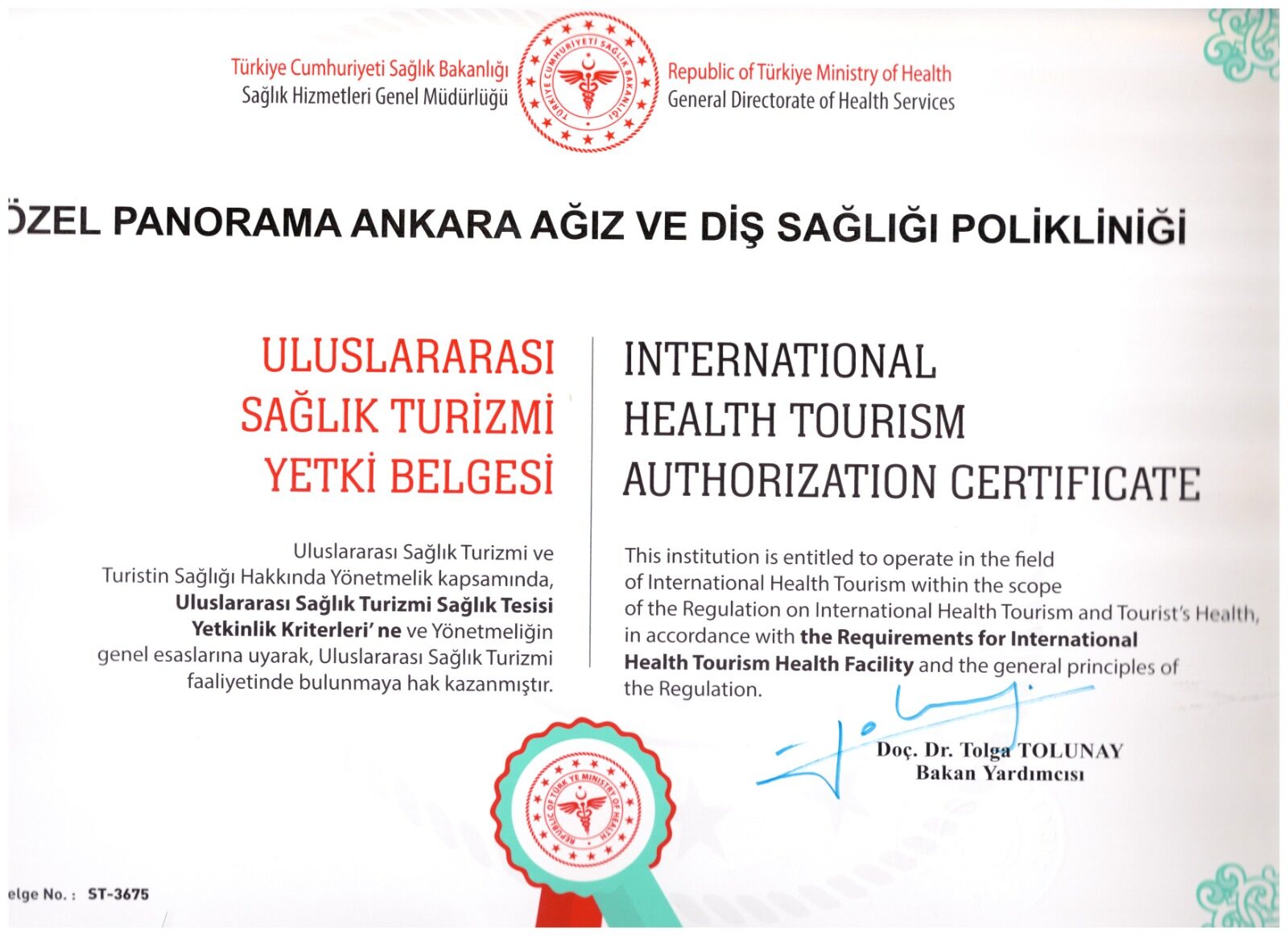
Our organization holds an international health tourism license and is a member of Health Turkey.
Our Specialist Physicians

Dr. Berçem KALENDER ARSLAN

Emine SEVİM

Merve YILMAZ
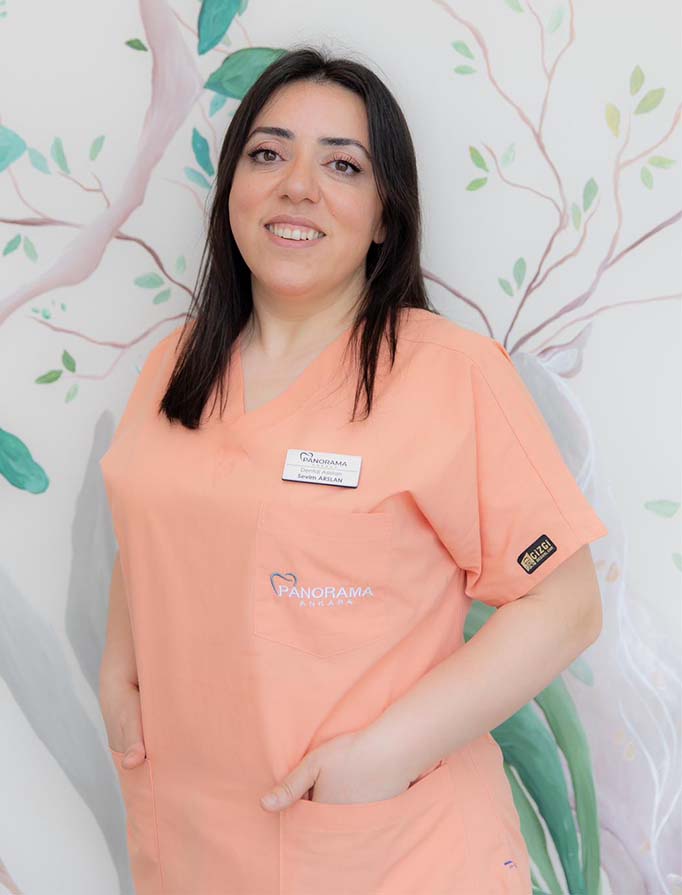
Sevim ARSLAN

Elif ELİEYİOĞLU
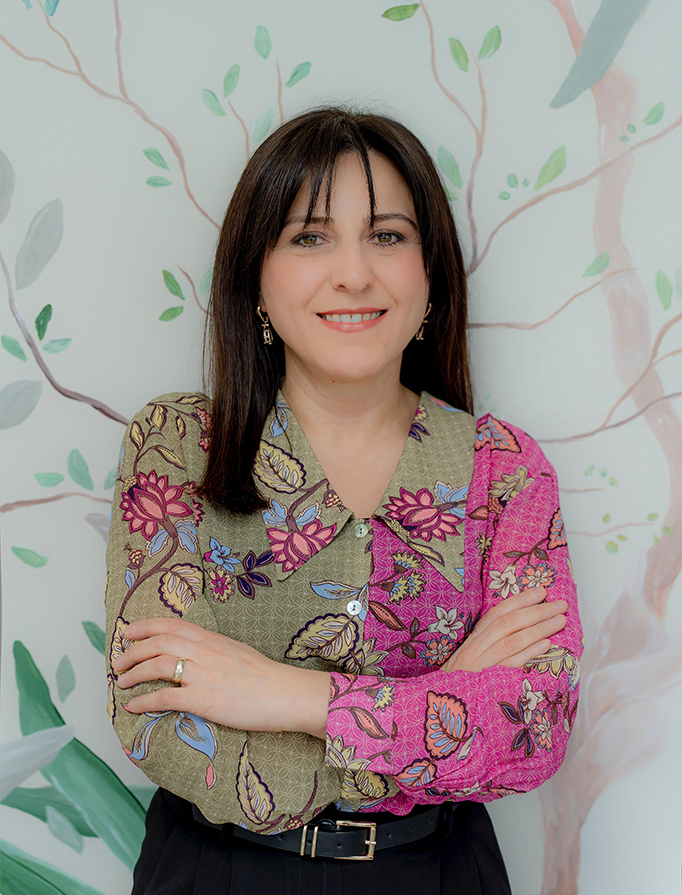
Yasemin BAŞARAN
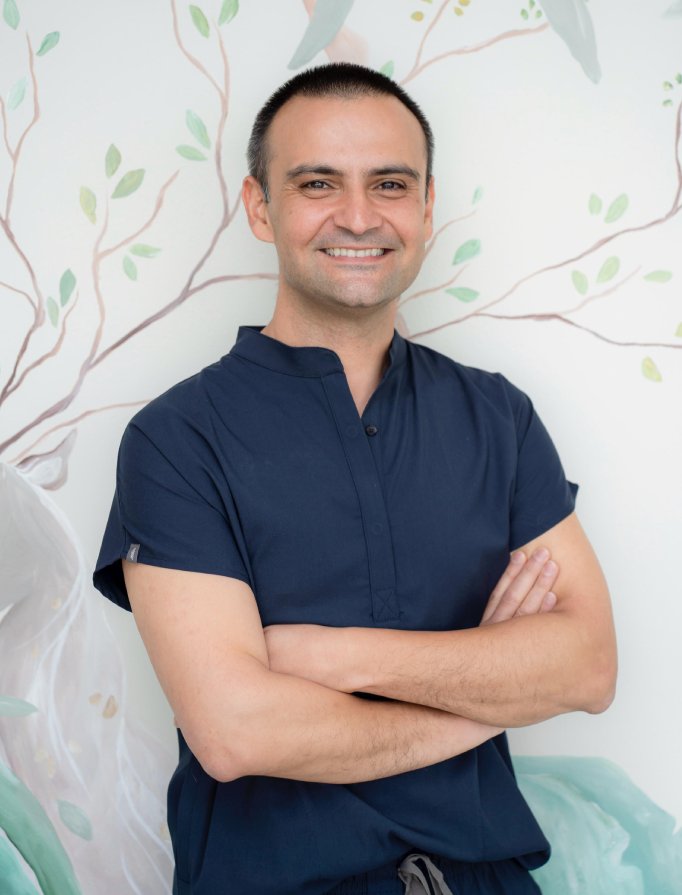
Assoc. Prof. Dr. Emre CESUR

Prof. Dr. Alper ÇAĞLAR

Expert Dt. Cansu YIKICI ÇÖL