

Functional Comfort
Privileges of Dental Implants
Natural Adaptation
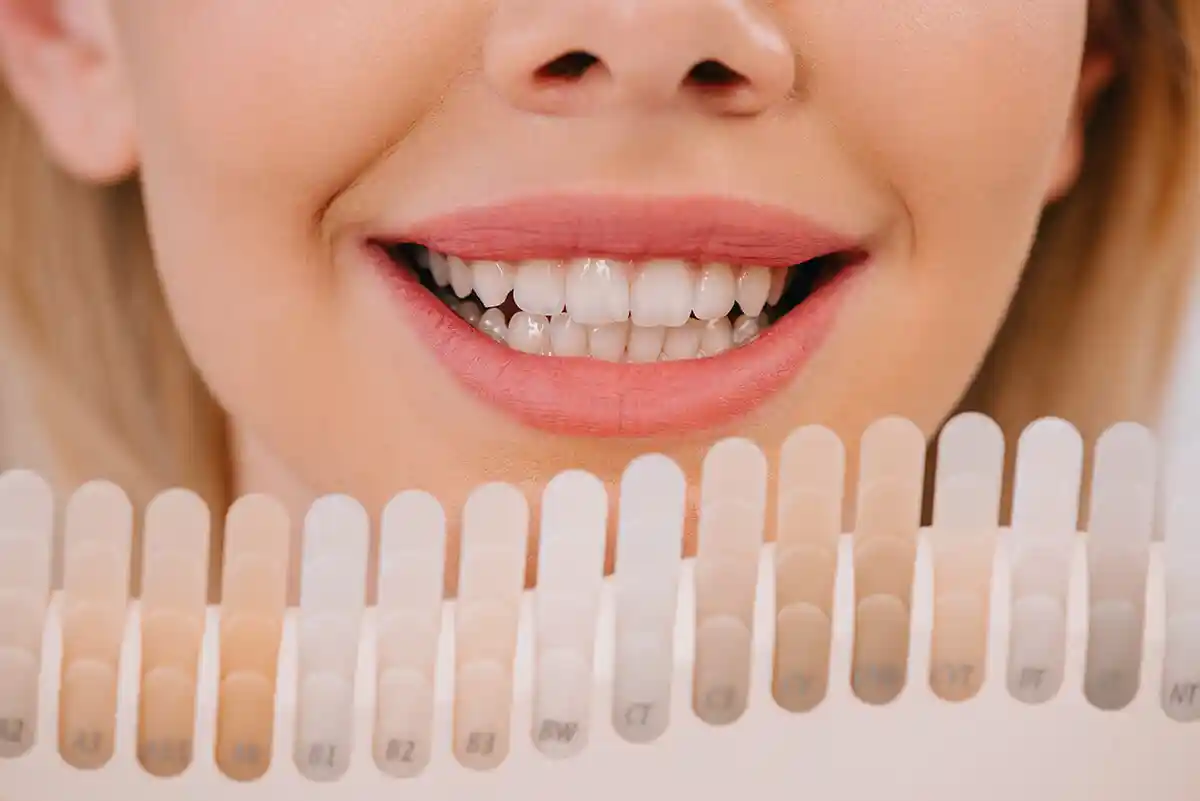
Rediscover the joy of life with chewing efficiency and aesthetic integrity indistinguishable from your own natural teeth.
Biological Protection
The only method that preserves jawbone tissue; it is scientifically proven to prevent your facial features from collapsing over time.
Healthy Neighborhood
Unlike traditional methods, adjacent healthy teeth remain untouched; every single implant stands as an independent value.
Enduring Investment
With proper care, this is modern dentistry's safest and most long-lasting solution that will accompany you for a lifetime.
What is a Dental Implant?
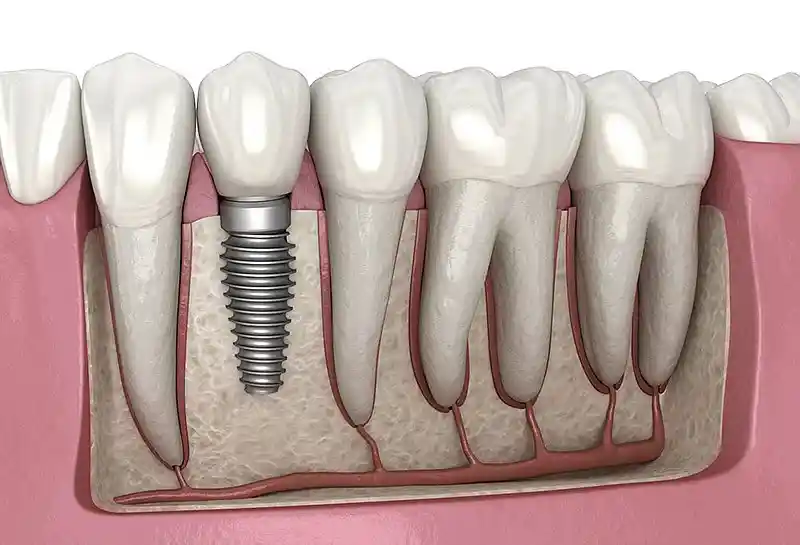
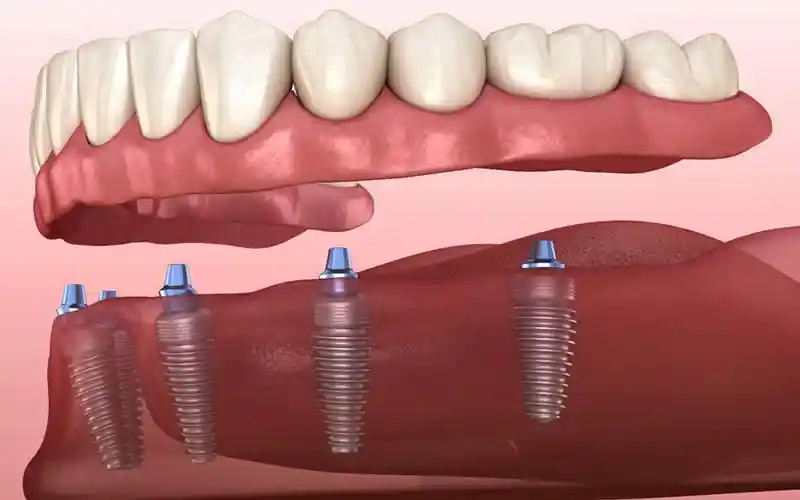
Dental implants are titanium screws that are placed in the jawbone to replace teeth lost for various reasons, restoring function and aesthetics, and acting as “artificial tooth roots.” These screws are made from pure titanium or titanium alloys, which are fully biologically compatible with the human body. Unlike traditional prostheses, implants fuse with the jawbone at the cellular level (osseointegration), creating a stable foundation. Porcelain crowns, bridges, or removable dentures are then placed on this foundation, depending on the extent of the patient’s tooth loss.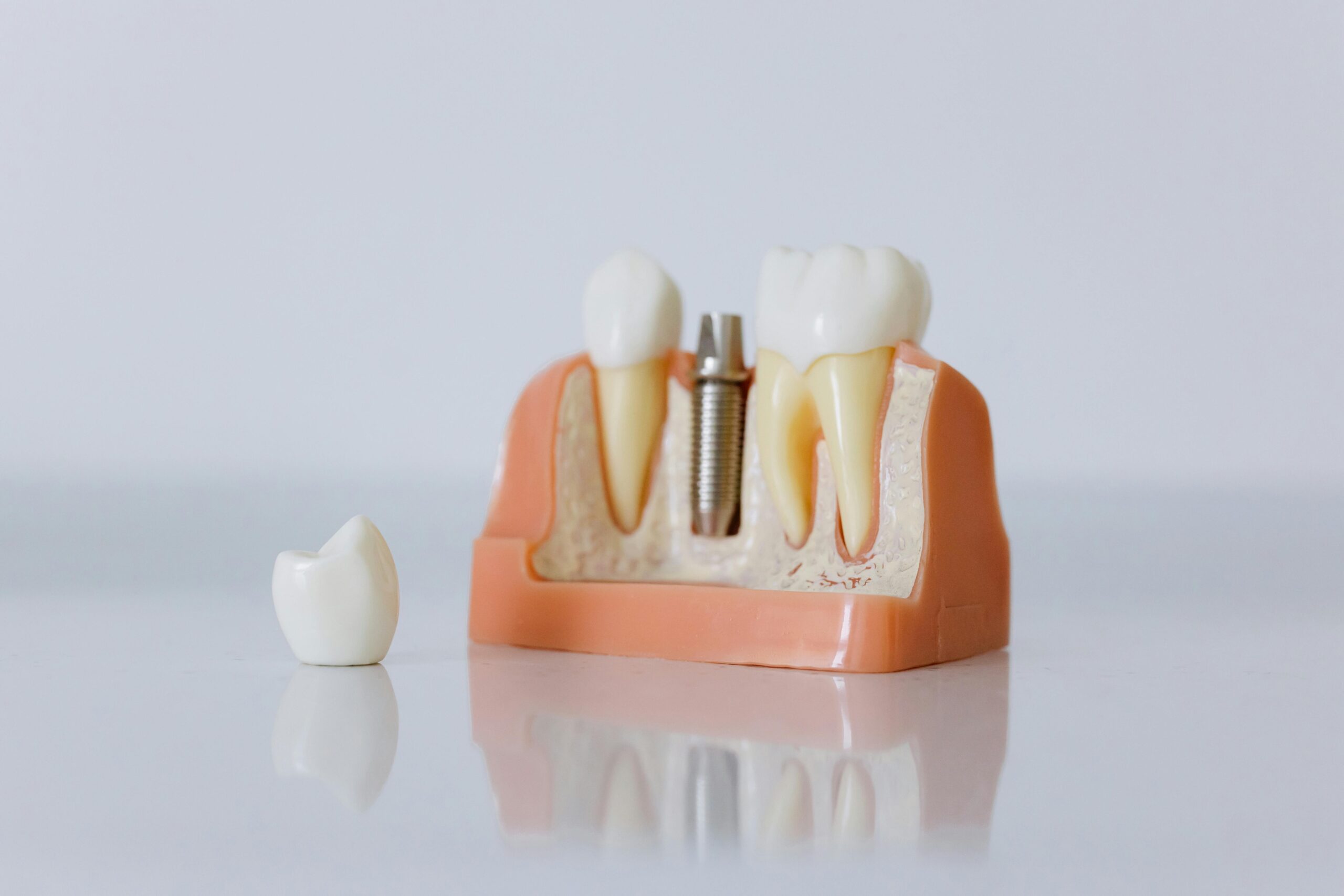
What is the Purpose of Dental Implants?
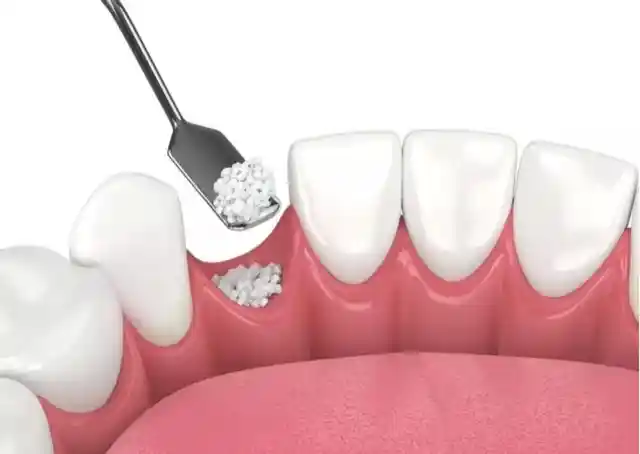
The primary purpose of implant placement is to rehabilitate the edentulous area without damaging the adjacent healthy teeth. In traditional bridge prostheses, the healthy teeth next to the missing tooth need to be reduced in size to fill the gap. In dental implant treatment, however, the adjacent teeth are not touched; only the area where the missing tooth is located is treated. Furthermore, implants help preserve the jaw structure by stopping bone resorption that occurs over time in the space created after tooth extraction. This prevents the facial profile from collapsing and preserves natural facial features.How Do Dental Implants Work?
The working principle of an implant is based on a biological process called “osseointegration.” The titanium implant, surgically placed into the jawbone, is surrounded by bone cells throughout the healing process. A structural and functional bond forms at a microscopic level between the titanium surface and the bone tissue. Once this fusion is complete, the implant acts exactly like a natural part of the bone and directly transmits chewing forces to the jawbone.
Differences Between Implants, Bridges, and Dentures
The table below summarizes the key differences and advantages of the primary methods utilized in missing teeth treatment:
| Feature | Dental Implant | Dental Bridge | Removable Denture |
|---|---|---|---|
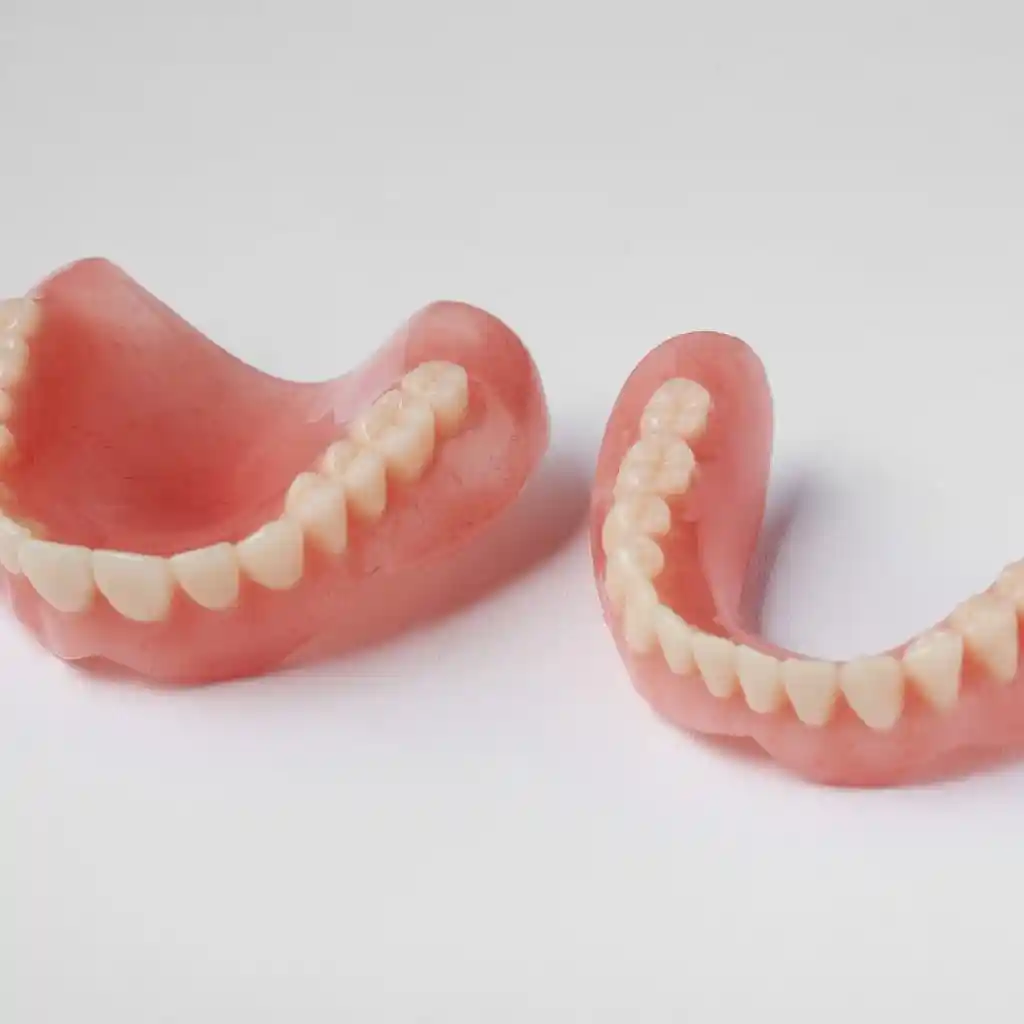
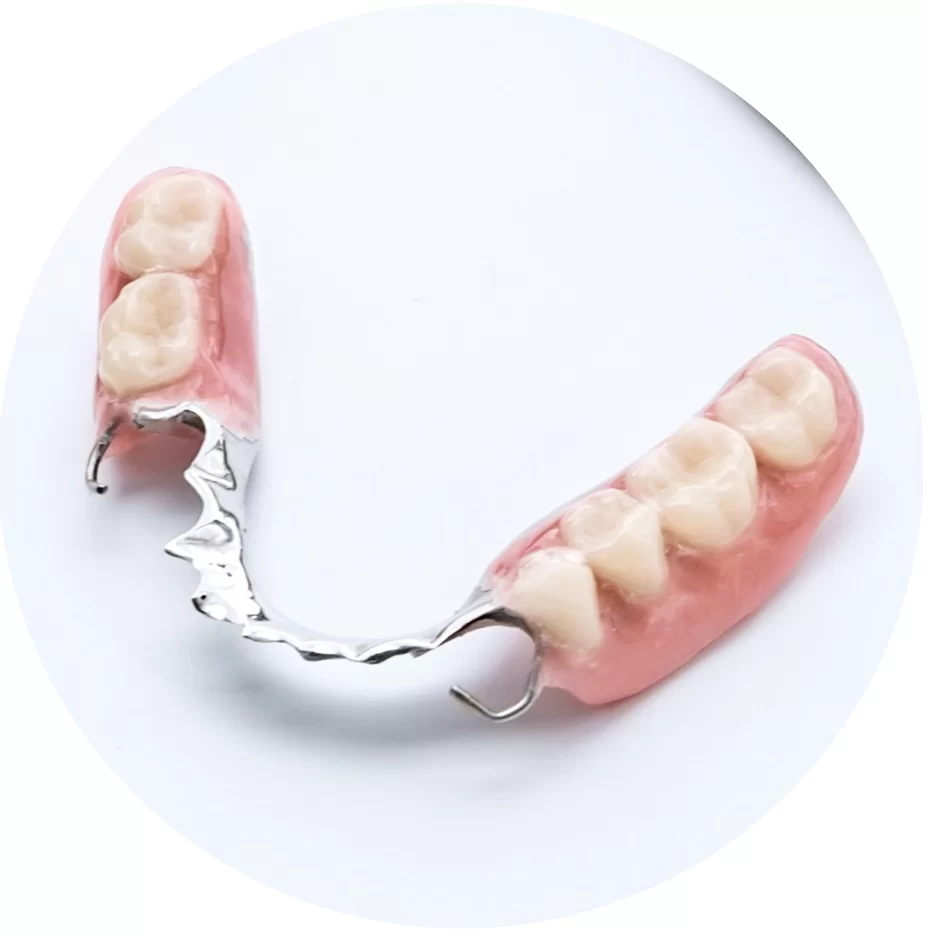
| Adjacent Teeth | Remains undamaged; no reduction or cutting required. | Requires reduction (cutting down) of teeth. | Supported by clasps/hooks on existing teeth. |
| Bone Preservation | Completely prevents bone resorption. | Bone resorption continues in the extraction gap. | Bone resorption continues across the jaw. |
| Comfort | Provides a natural tooth sensation; stays fixed. | Fixed in place, but hygiene maintenance is difficult. | Removable; overall comfort levels are low. |
| Lifespan | Can last a lifetime with proper care. | Average of 10-15 years. | Must be renewed every 5-7 years. |
Step-by-Step Implant Treatment Process
STEP 01 Examination and Planning
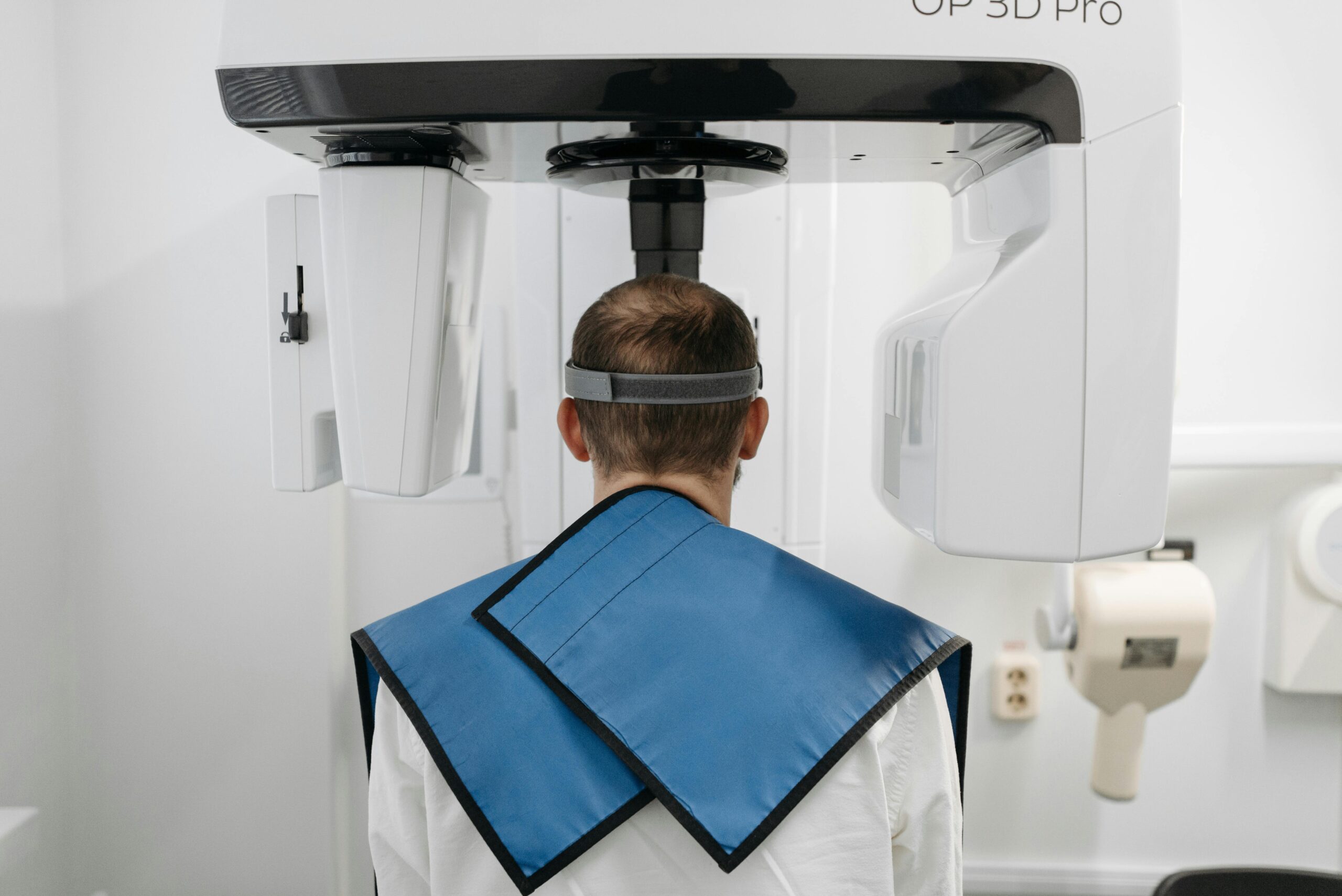
Prior to treatment, the jawbone architecture is analyzed millimetrically using a 3D Dental Tomography scan, and a personalized digital treatment plan is generated.
STEP 02 Surgical Phase
The procedure involves placing the titanium implant into the jawbone under local anesthesia in sterile clinical conditions. It takes an average of 15-20 minutes.
STEP 03 Healing Process
This is the anticipated period for the implant to biologically fuse with the bone (Osseointegration). It takes approximately 2 months for the lower jaw and 3 months for the upper jaw.
STEP 04 Healing Abutment
Once fusion is complete, a small shaping component is fitted onto the implant to ensure the surrounding gum tissue adapts seamlessly to the future permanent porcelain tooth.
STEP 05 Prosthetic Phase
Following the contouring of the gum, a digital impression is captured, and the treatment is successfully completed by fitting the custom porcelain or zirconia crown.
Technology and Material Quality
The foundation of a successful treatment is established via 3D Dental Tomography (CBCT). Thanks to this technology, the risk of nerve injury is minimized. The titanium material utilized is accepted by the body as a natural part due to its biocompatible architecture, representing the absolute key to long-lasting use.
Implant-Supported Prosthesis Options
Fixed Prosthesis
These represent single-unit crowns or fixed bridges. They cannot be removed by the patient, offering a user comfort identical to natural teeth.
Removable Denture
Utilized in completely edentulous mouths, these dentures latch onto 2-4 implants via “snap-on” attachments and can be removed by the patient for cleaning.
Hybrid Prosthesis
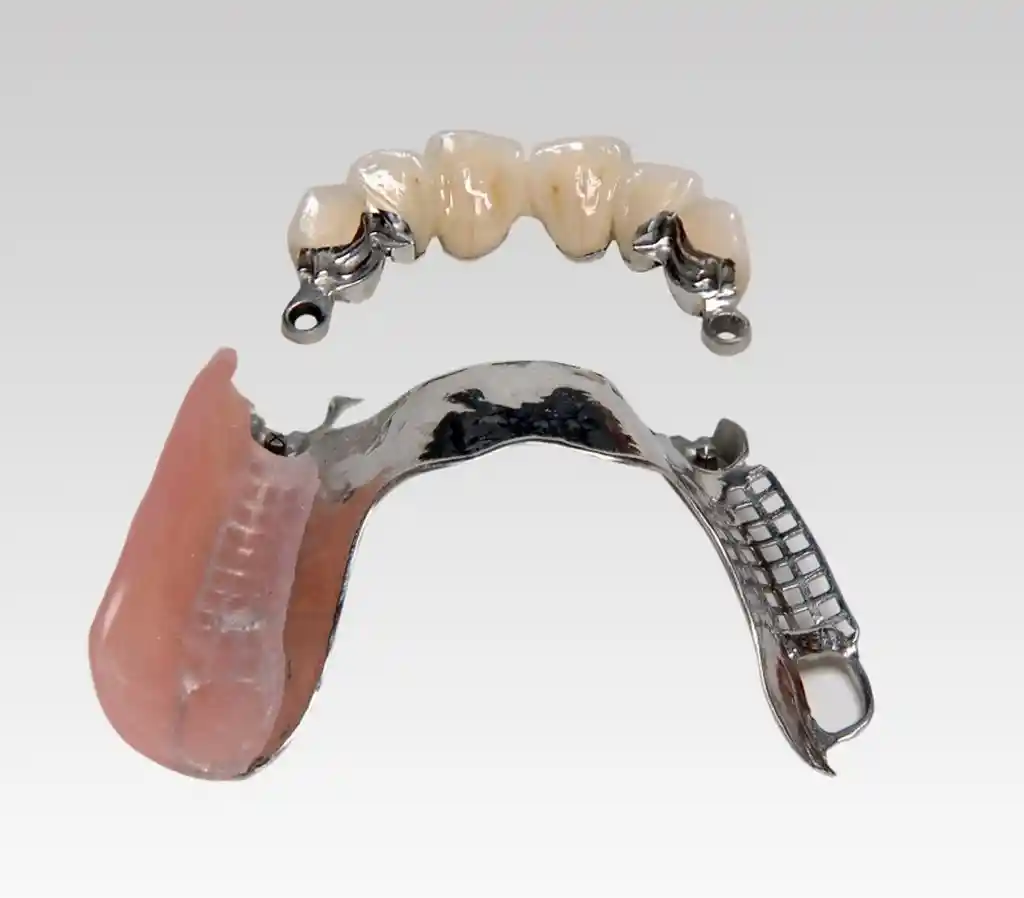
These are high-aesthetic prostheses fixed to the implants using a screw-retained mechanism, designed to be detached solely by a clinician.
Who Can Get Dental Implants?
✅ Suitable Candidates
- Individuals over 18 who have completed their bone development
- Patients possessing adequate jawbone volume and density
- Individuals in good overall medical health
- Patients whose periodontal (gum) diseases are brought under complete control
- Individuals capable of maintaining a regular oral hygiene routine
⚠️ Requires Careful Evaluation
- Patients with uncontrolled diabetes
- Individuals with heavy smoking habits
- Patients experiencing severe osteoporosis (bone loss)
- Jaw regions previously subjected to radiotherapy
- Individuals possessing blood coagulation (clotting) disorders
* This list is for general informational purposes only. The definitive decision is established following a comprehensive clinical examination and radiological evaluations performed by a specialist clinician.
Dental Implant Treatment: Functional Rehabilitation of Missing Teeth
At Panorama Ankara, we prioritize the clear understanding of modern treatment methodologies aimed at enhancing the quality of life for individuals experiencing missing teeth. Tooth loss is a serious medical health concern going far beyond basic aesthetics; it introduces physiological impairments such as the breakdown of chewing efficiency, disruption of clear phonation (speech), and progressive resorption of the jawbone tissue. In up-to-date dentistry, dental implant applications serve as the most effective solution by accurately mimicking natural tooth roots and perfectly restoring lost functional performance.
The Critical Role of 3D Tomography in Implant Planning
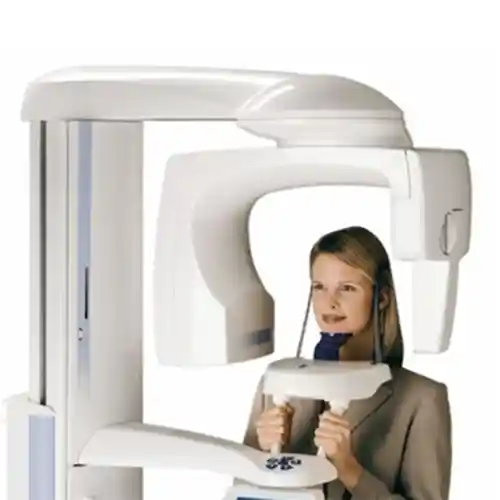
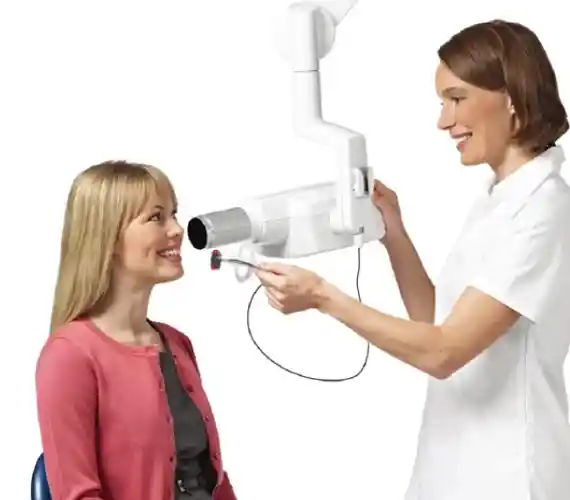
Traditional panoramic X-rays present purely two-dimensional records and are incapable of calculating real bone thickness or width. Conversely, 3D Cone Beam Computed Tomography (CBCT) generates a comprehensive three-dimensional model of the jawbone, granting the clinician the ability to perform millimetric structural measurements. Thanks to tomographic imaging, risks of nerve injury are minimized, the exact intraosseous position of the implant is virtually simulated prior to surgery, and potential intra-operative complications are securely thwarted. Utilizing advanced imaging technologies is a standard, non-negotiable procedure within the workflows of Panorama Ankara.
How is Implant Surgery Performed?
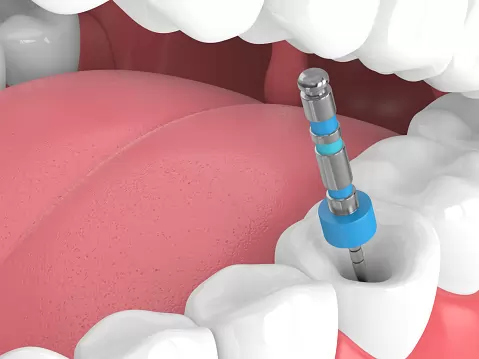
Implant surgery is a highly precise clinical intervention carried out within strict sterile constraints. Following localized anesthesia of the targeted site, a minimal incision is made in the soft tissue, or—if a flapless, sutureless protocol is utilized—the bone architecture is reached directly. Using specialized, calibrated burs, an osteotomy site matching the exact length and diameter of the implant is established inside the bone. The implant body is then inserted into this site using a calculated torque threshold. If a traditional flapped technique was employed, the gum margin is repositioned and secured with sutures. While total duration varies according to the scope and number of implants being performed, a single implant is completed within an average of 15–20 minutes.
Advanced Materials in Dental Implantology
Virtually all globally recognized, premium implant brands manufacture their components using high-purity Grade 4 or Grade 5 medical titanium and titanium alloys. In specific clinical scenarios or for individuals possessing validated metal allergies, Zirconia implants can be safely selected as an alternative. The surface morphology of the implant is treated with highly specialized engineering protocols (such as sandblasting, acid-etching, or laser processing) to significantly accelerate bone cell attachment. Material quality remains a critical baseline determinant for the long-term biological success of the prosthesis.
Biocompatibility of Titanium Implants
Titanium stands out as an exceptionally tissue-friendly (biocompatible) material. The human immune network does not recognize titanium as a foreign body threat, meaning allergic rejection responses are virtually non-existent (outside of exceedingly rare anomalies). This unique characteristic facilitates a direct, structural integration where bone tissue binds seamlessly onto the micro-textured metal surface. Consequently, implants perform as an intrinsic part of the skeletal system, securely serving inside the mouth for many years.
Anesthesia Modalities for Patient Comfort
The vast majority of implant operations are performed comfortably under local anesthesia. The patient experiences absolute painlessness throughout the procedure, noting only mild structural vibrations and localized pressure sensations. For individuals dealing with severe dental phobia (dentophobia), sensitive gag reflexes, or facing extensive surgeries where multiple implants are performed simultaneously, alternative pathways such as conscious sedation or general anesthesia can be seamlessly coordinated. These methods enhance overall clinical comfort by minimizing memory recall of the operational steps.
How Long Does Dental Implant Treatment Take?
The overall treatment timeline is divided into two distinct phases: the clinical surgical intervention and the subsequent biological waiting period. The surgical step is fully completed within a single day. However, the timeframe required for the implant to securely integrate with the living bone tissue (osseointegration) averages 2–3 months in the lower jaw and 3–4 months in the upper jaw. If advanced bone thickening procedures utilizing bone morphogenetic graft materials (bone powder) are executed, this phase can extend up to 6 months. Following the completion of the waiting window, fabricating and fitting the permanent prosthesis takes approximately 1–2 weeks. In eligible cases, a temporary tooth can be mounted on the very same day using an immediate loading protocol.
The Post-Operative Healing Phase
Experiencing a mild oozing of blood during the initial 24 hours and a certain degree of localized facial swelling (edema) across the next 2–3 days is completely normal. This phase is handled comfortably by adhering strictly to the prescribed regimen of antibiotics and anti-inflammatory medications, applying ice packs externally, and maintaining meticulous local hygiene. Sutures are typically checked and removed within 7–10 days, and patients are generally capable of seamlessly returning to their routine daily schedules the very next morning following the procedure.
Implant Protocols: Single Tooth, Multi-Tooth, and Complete Edentulism
Single Tooth Loss: The site is restored cleanly using an independent implant body and a custom aesthetic crown, leaving adjacent healthy dental structures completely untouched.
Multiple Teeth Loss: When several adjacent teeth are missing, the clinician can either place an individual implant for each space or construct a robust multi-unit bridge mounted over fewer implants—for example, replacing 3 missing teeth utilizing 2 implants.
Full-Mouth Edentulism: Utilizing specialized configurations such as All-on-4 or All-on-6 protocols, full-arch fixed prostheses covering the entire upper or lower jaw are securely mounted over a strategically optimized number of implants.
The Core Advantages of Dental Implants
Dental implants successfully restore the lost self-confidence of patients. Unlike traditional removable dentures, they eliminate the persistent fear of dislodgement or slippage during social speech or mastication. The chewing capacity provided is nearly identical to natural teeth, which is vital for the proper function of the digestive tract. Aesthetically, the final crown emerges from the gum line with an exceptionally natural profile, maximizing visual harmony.
Potential Risks and Long-Term Maintenance
As with any clinical surgical procedure, potential risks such as infection, post-operative bleeding, or localized nerve trauma (temporary numbness) exist. However, utilizing precise 3D pre-operative mapping (tomography) and an experienced surgical team reduces these variables to a minimum. Over a long-term horizon, individuals exhibiting poor home care run a distinct risk of developing an inflammatory peri-implant disease termed “peri-implantitis,” which can lead to localized bone loss around the implant fixture.
Key Determinants of Treatment Success
Primary success vectors include the direct clinical experience of the surgeon, absolute optimization of operating room sterilization, the engineering tier of the implant brand, the patient’s systemic baseline medical health, and, most critically, the patient’s adherence to a robust home oral care routine. Persistent smoking stands out as one of the most severe negative factors, significantly impairing tissue vascularization, delaying healing, and lowering the bone-to-implant contact success rate.
What is the Lifespan of a Dental Implant?
Long-term clinical data indicates that modern dental implants exhibit an outstanding 10-year success rate of approximately 95% to 98%. When backed by meticulous oral hygiene habits, regular clinical evaluations every six months, and an absolute absence of smoking, implants are fully capable of serving reliably for a lifetime. While the bio-inert titanium screw itself cannot decay or develop cavities, the surrounding hard bone matrix and soft mucosal tissues remain vulnerable to disease. Consequently, lifetime function relies completely on a lifetime commitment to care.
Post-Implant Home Care Protocols
Implants require even more deliberate, structured care than natural teeth. Beyond basic twice-daily tooth brushing, the areas surrounding the implant must be meticulously cleaned using dedicated dental floss, specialized interdental brushes, and high-performance oral irrigators (water flossers). Preventing the stagnation of microscopic food debris underneath bridge pontics is of paramount importance. Professional cleanings and diagnostic cross-checks performed every six months are essential for identifying potential tissue changes early.
How Do Dental Implants Work?
The core mechanism of an implant relies entirely on a biological synchronization termed “osseointegration.” The titanium fixture placed inside the jaw bone integrates directly with surrounding bone cells, performing seamlessly as an artificial root foundation to anchor the future prosthesis securely.
| Clinical Feature | Dental Implant | Dental Bridge | Removable Denture |
|---|---|---|---|
| Adjacent Teeth | Left completely intact; zero cutting or reduction. | Requires reduction and grinding of adjacent teeth. | Secured with visible metal clasps/hooks on existing teeth. |
| Bone Protection | Completely prevents progressive bone resorption. | Bone loss continues inside the edentulous gap. | Accelerates jawbone resorption across the ridge. |
| Comfort Level | Mimics natural tooth sensation; stays fully fixed. | Fixed in place, but hygiene maintenance is difficult. | Removable; prone to displacement, low overall comfort. |
| Lifespan Expected | Can last a lifetime with excellent home care. | Average of 10 to 15 years before renewal. | Must be completely replaced every 5 to 7 years. |
Examination & Digital Mapping
The patient’s jawbone architecture is analyzed millimetrically using advanced 3D Dental Tomography (CBCT) to formulate a risk-free, customized surgical roadmap.
Surgical Osteotomy
Under localized anesthesia in a sterile clinical room, the titanium fixture is carefully anchored into the bone tissue. This process takes roughly 15-20 minutes.
Osseointegration Period
A calm biological waiting window allows bone cells to completely fuse onto the implant surface, taking 2 months for the lower jaw and 3 months for the upper jaw.
Gingival Contouring
A healing abutment is fitted over the implant fixture for a short period to seamlessly shape the soft tissue boundary around the future crown.
Prosthetic Finalization
Meticulous digital scans are captured, and the treatment is finalized by securely mounting a custom, premium zirconia or porcelain crown.
Implant-Supported Prosthesis Choices
Fixed Prosthodontics
Single crowns or extensive multi-unit dental bridges cemented or screwed onto implants. They cannot be detached by the patient and offer optimal natural function.
Overdentures
Designed for full-mouth edentulism, these prostheses lock firmly onto 2-4 implants utilizing snap-on matrix attachments, allowing easy removal for cleaning.
Hybrid Restorations
Screw-retained full-arch prostheses offering premium aesthetics and rigid stability. They replicate missing tooth and gum tissue and are removable solely by a clinician.
Patient Eligibility Criteria
✅ Ideal Candidates
- Individuals over 18 who have fully completed skeletal bone development.
- Patients exhibiting adequate jawbone volume, width, and localized bone density.
- Individuals maintaining a clear, stable systemic medical background.
- Patients whose periodontal (gum) structures have been cleared of active disease.
- Individuals fully dedicated to a daily, meticulous oral hygiene regimen.
⚠️ High-Risk Conditions
- Patients managing uncontrolled diabetes mellitus (elevated HbA1c levels).
- Individuals with heavy, unmanaged tobacco or smoking habits.
- Patients with severe, advanced osteoporosis taking specific bone therapies.
- Jaw sites previously exposed to therapeutic medical radiotherapy.
- Individuals presenting severe blood coagulation or bleeding disorders.
Frequently Asked Questions
Thanks to up-to-date localized anesthesia protocols, patients experience absolute painlessness during the procedure. Any mild post-operative tenderness or aching is easily managed using standard over-the-counter painkillers.
No, surgical titanium is an inherently bio-inert material. The body’s immune network does not mount an allergic reaction against it. Cases of implant failure are almost exclusively linked to localized infections or insufficient home care routines.
The total cost is personalized according to the technological tier of the implant manufacturer, the volume of bone grafting material required, and the chosen material (zirconia or porcelain) of the final crown.
Absolutely. Provided the patient’s blood sugar parameters are well-regulated and their medical baseline values are approved by their physician, there are zero biological obstacles to treatment.
Yes, heavy smoking narrows micro-vessels, delaying critical soft tissue healing and reducing the probability of initial implant-to-bone integration by up to 15%.
At Panorama Ankara, we systematically implement advanced dental technologies and expert specialty protocols across our implant treatments. Please feel free to reach out to our clinic with any questions at any time.
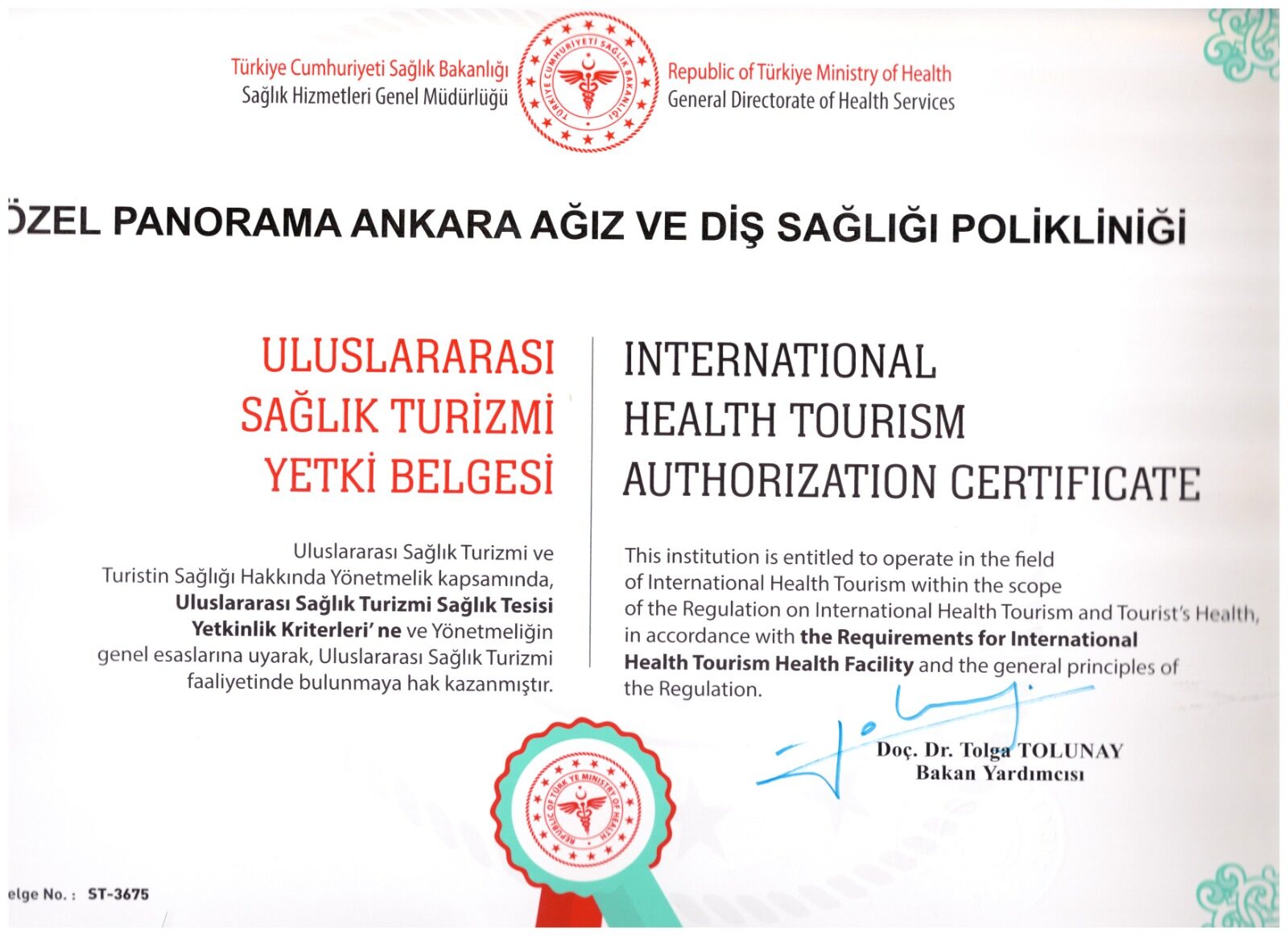
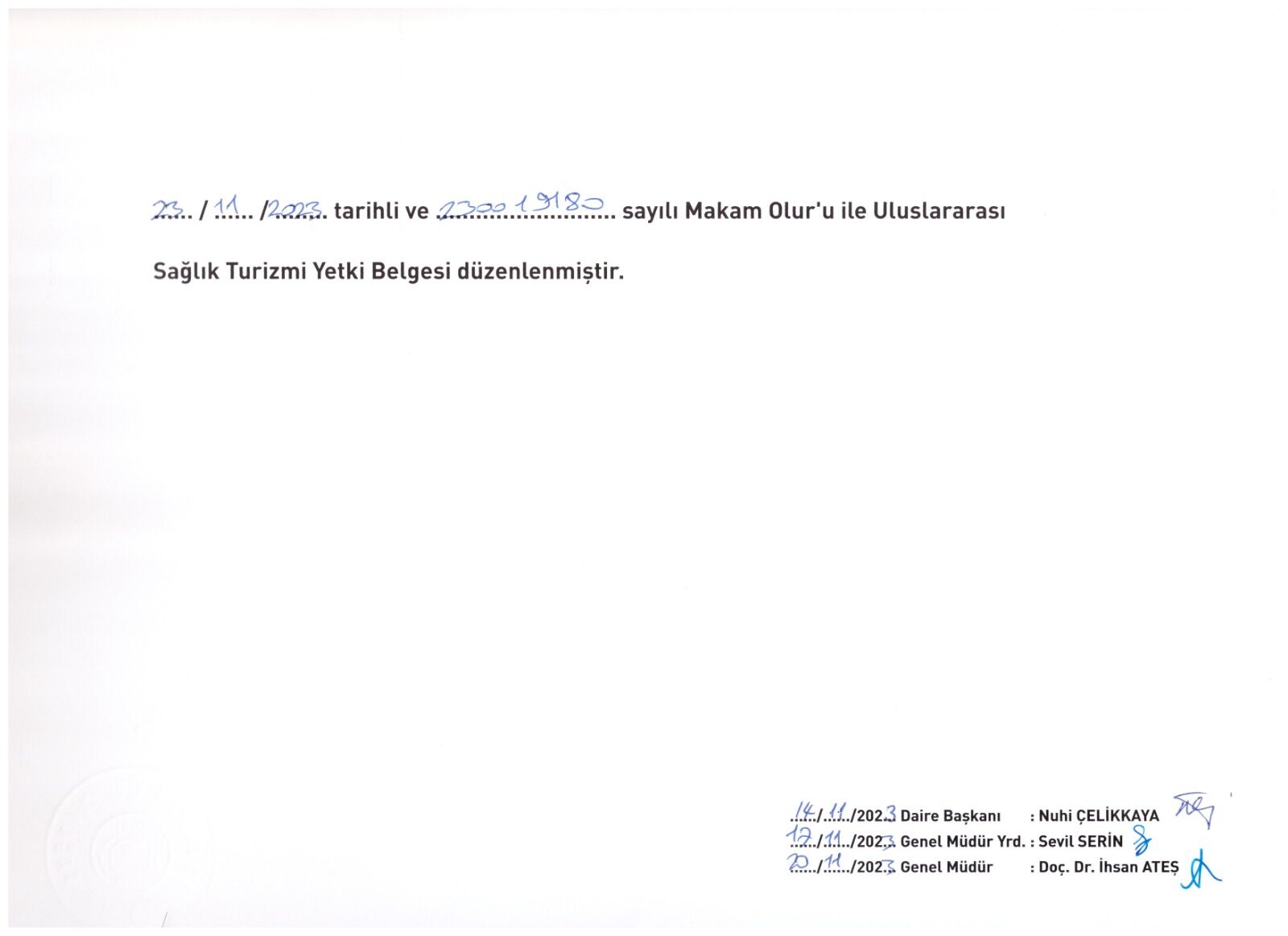
Our organization holds an international health tourism license and is a member of Health Turkey.
Our Specialist Physicians

Dr. Berçem KALENDER ARSLAN

Emine SEVİM

Merve YILMAZ
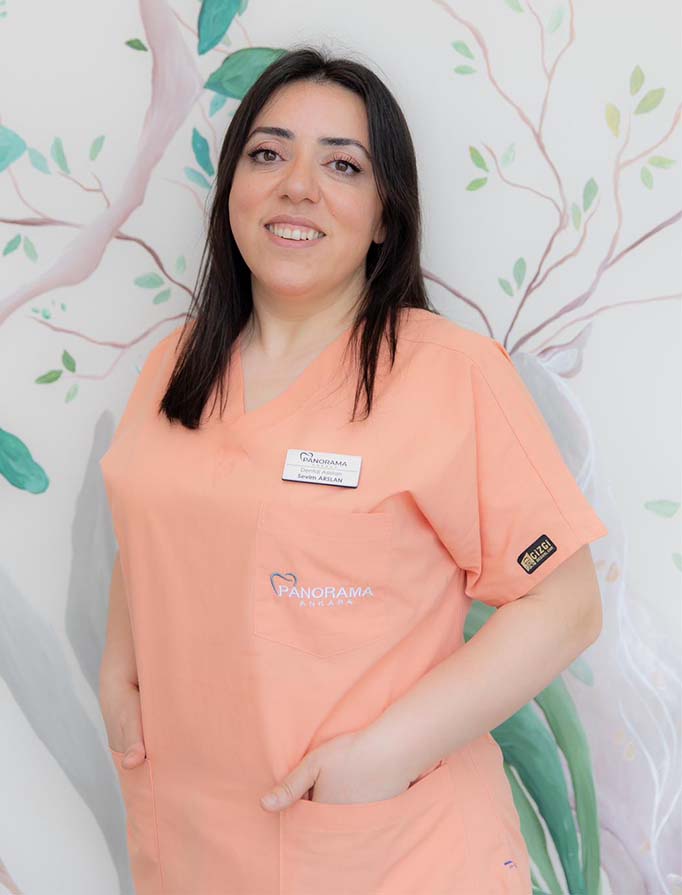
Sevim ARSLAN

Elif ELİEYİOĞLU

Yasemin BAŞARAN
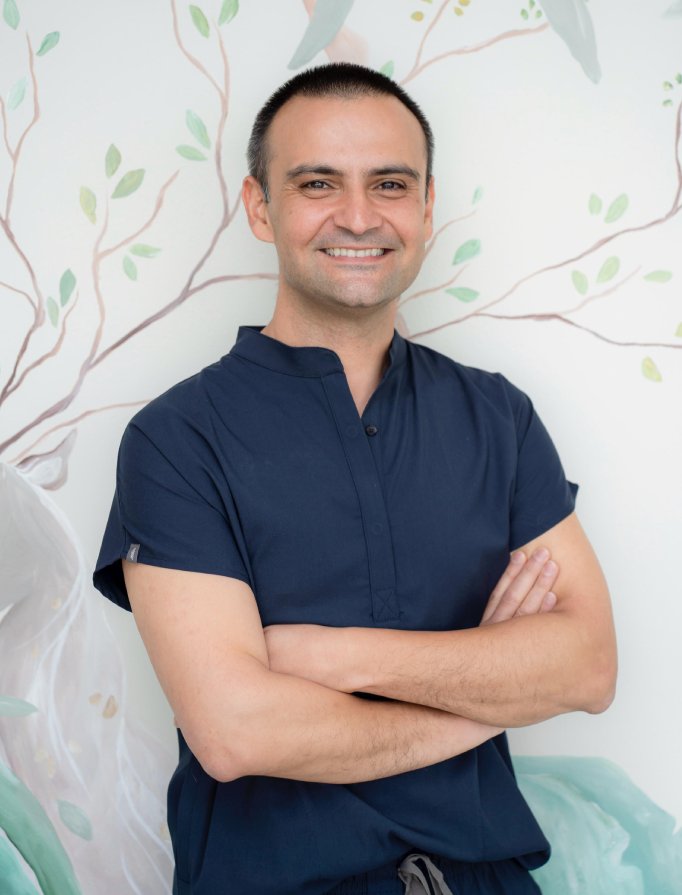
Assoc. Prof. Dr. Emre CESUR

Prof. Dr. Alper ÇAĞLAR

Expert Dt. Cansu YIKICI ÇÖL