

Ankara Implant Application
Throughout history, dentistry has not only aimed to relieve pain but also to functionally and aesthetically restore lost tissues. Developed in line with this goal and considered one of the most important inventions of modern medicine since the second half of the 20th century, “Dental Implants” have created a biological revolution in the treatment of tooth loss. The capital city, Ankara, with its established universities and advanced health infrastructure, is a center where scientific standards are high in dental implant applications. The concept of “Ankara implant application” refers not only to placing a screw into the bone; it also refers to a multidisciplinary treatment process that includes radiological planning, surgical precision, and prosthetic restoration.
Biological Foundations of Dental Implants: Titanium and Osseointegration
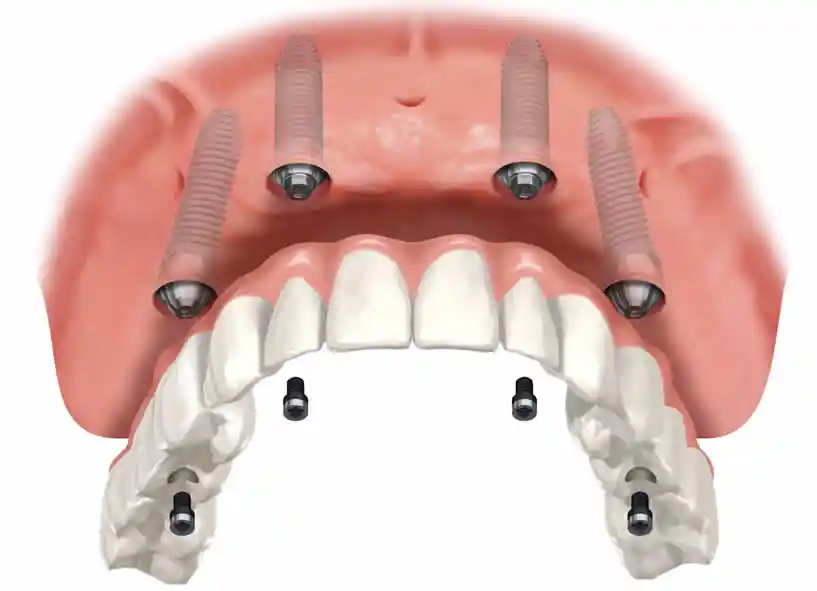
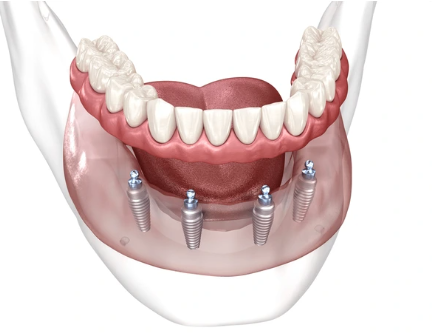
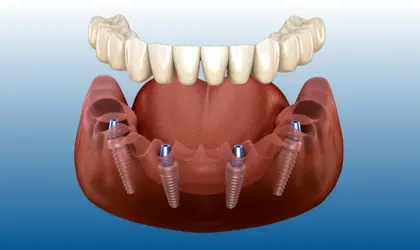
A dental implant is an artificial root form, usually made of titanium or zirconium alloys, designed to mimic the root of a missing tooth. The main reason for choosing titanium is its “biocompatibility” property. The human body does not perceive titanium as a foreign body and reject it (allergic reactions are extremely rare). On the contrary, bone cells (osteoblasts) migrate to the titanium surface and attach to it. This process is called “osseointegration”.
A successful implant application in Ankara depends on the quality of osseointegration. This process is a biological bond at the cellular level, rather than a mechanical compression. The microstructure of the implant surface (roughness, hydrophilic properties) determines the speed and strength of bone cell attachment. Modern implants used today undergo special surface treatments to accelerate bone healing.
Implant Treatment Process in Ankara: Step-by-Step Clinical Protocol
Implant treatment begins not with the patient’s arrival at the clinic, but with a detailed radiological analysis. In modern clinics in Ankara, the process generally follows these stages:
1. Diagnosis and 3D Radiological Planning
Traditional panoramic X-rays only show the height of the bone; they do not show its width (thickness). Therefore, the use of “Dental Volumetric Tomography” (CBCT) is becoming standard in advanced centers in Ankara. The following are analyzed with tomography:
- Vertical and horizontal dimensions of the bone.
- Density (quality) of the bone.
- Location of the nerve canal (Mandibular canal) in the lower jaw.
- Anatomy and sagging of the sinus cavities in the upper jaw.
2. Surgical Operation
In the operation, performed under local anesthesia and sterile conditions, the gum is opened (or in some cases, using a sutureless method) and an implant socket is prepared on the bone. The titanium screw is placed with a specific torque (force). At this stage, the “Primary Stability” value, which is the initial strength of the implant’s attachment to the bone, is measured. This value guides the dentist on when the implant can be loaded (when teeth can be placed on it).
3. Healing Process (Biological Waiting)
After the implant is placed, a waiting period is necessary for bone cells to surround the implant. In standard cases, this period is 2-3 months for the lower jaw and 3-4 months for the upper jaw. If bone graft was used or a sinus lift was performed, the waiting period can be extended up to 6 months. During this process, the patient is not left without teeth; aesthetics and function are provided with temporary prostheses.
4. Prosthetic (Superstructure) Stage
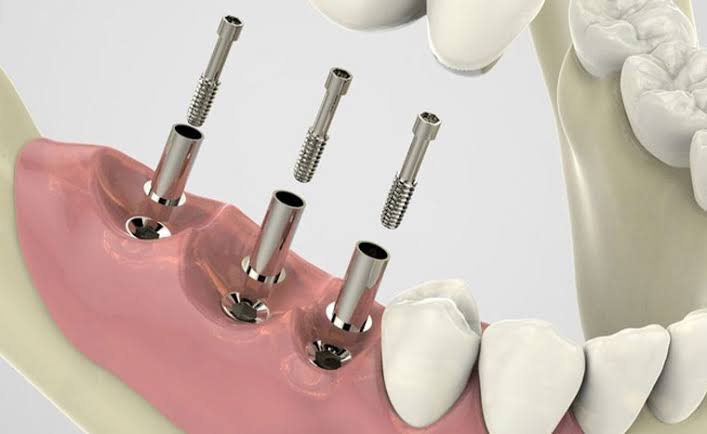
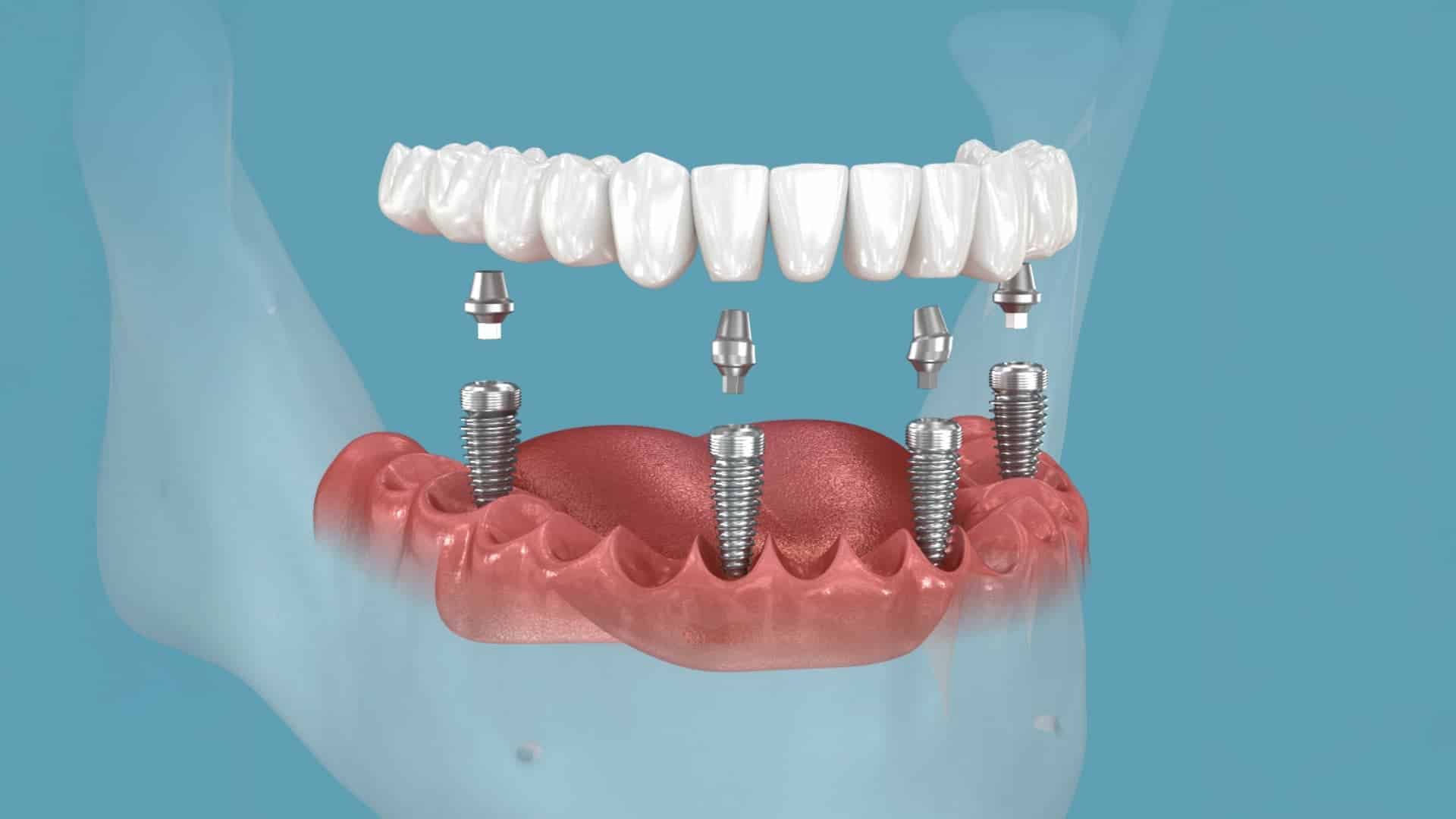
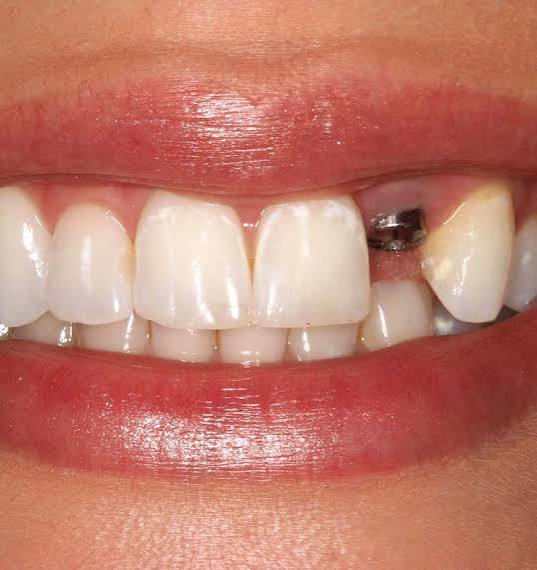
After bone fusion is complete, the parts that shape the gum are attached to the implant. Then, impressions are taken and the laboratory process begins. Zirconium or metal-supported porcelain teeth are screwed or bonded onto the implant, completing the treatment.
Advanced Surgical Techniques: Solutions for Bone Deficiency
Not every patient’s bone structure may be suitable for implants. Bone resorption can occur as a result of long-term edentulism, trauma, or gum disease. In Ankara implant applications, regenerative techniques are applied for such cases:
In the posterior region of the upper jaw, the sinus cavities sag downwards with tooth extraction, and bone volume decreases. To prevent the implant from falling into the sinus cavity, the sinus floor is surgically lifted, and bone graft (bone powder) is filled into the resulting space. This procedure makes it possible to place implants in areas previously considered impossible.
Implant or Traditional Bridge? A Scientific Comparison
The most common dilemma for patients with missing teeth is the choice between an implant and a traditional bridge prosthesis. The following table compares these two methods from a biological and functional perspective:
| Comparison Criteria | Dental Implant Treatment | Traditional Bridge Prosthesis |
|---|---|---|
| Effect on Adjacent Teeth | Adjacent teeth are not touched, their integrity is preserved. | For support, please contact usAdjacent teeth are cut (reduced in size). |
| Bone Protection | It prevents bone resorption by transmitting chewing force to the bone. | The bone in the edentulous area resorbs over time because it is not stimulated. |
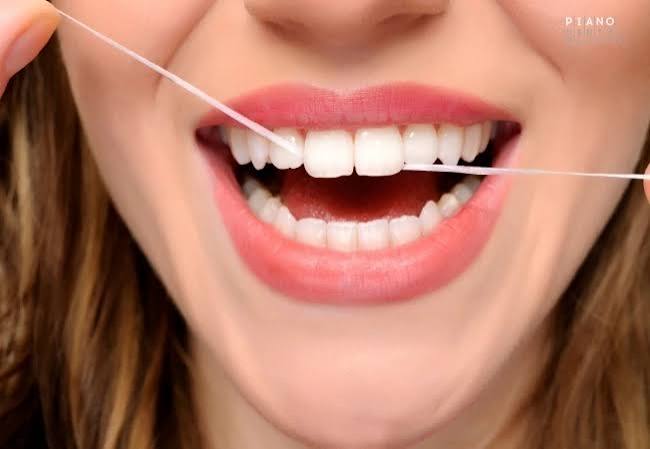
| Hygiene and Care | It can be cleaned individually with dental floss. | Special bridge flosses are needed for cleaning the underside of the bridge. |
| Lifespan | With good care, many years (20+ years in the literature). | Average 10-15 years (depending on the condition of the supporting teeth) (dependent). |
| Cost Analysis | Initial cost is high, but it is economical in the long term. | Initial cost is low, but renewal may be needed. |
Patient Selection: Who Can Receive Implants?
Specialist physicians in Ankara thoroughly examine the patient’s systemic health status before implant treatment. Implants can be applied to individuals whose bone development is complete (after 16-17 years of age for women, and after 18 years of age for men). However, caution should be exercised in some cases:
- Uncontrolled Diabetes (Sugar): In patients with high HbA1c values, wound healing may be impaired and the risk of infection increases. Implants can be placed after diabetes is brought under control.
- Smoking: Smoking impairs blood circulation, negatively affecting osseointegration (fusion) and increasing the risk of implant loss by 2-3 times.
- Bisphosphonate Use: In patients using bone resorption medication, special protocols are applied according to the type and duration of use of the medication.
- Radiotherapy: Special evaluation is required in patients who have received radiotherapy to the head and neck region because bone vitality (vascularization) is reduced.
Peri-implant Diseases: Peri-implantitis
Implants do not decay, but this does not mean that they do not require care. The equivalent of gum disease in natural teeth is called “Peri-implantitis”. Bacteria accumulating around the implant as a result of inadequate oral hygiene infect first the gum, then the bone, causing it to erode. This situation can result in implant loss. Therefore, for the sustainability of treatment success, it is essential for patients to have regular check-ups with their doctor every 6 months and to use hygiene tools such as oral irrigators after implant placement in Ankara.
Conclusion: Scientific Approach and Expertise
Implant placement in Ankara is not just an aesthetic procedure, but a serious surgical procedure. Success depends more on the surgeon’s surgical experience, sterilization standards, proper planning, and post-treatment care of the patient, rather than the brand of implant used. Tooth loss is a condition that reduces chewing function and quality of life; however, thanks to today’s technology and biological materials, it is possible to restore lost teeth in a form closest to natural.