

Smoking after an implant is one of the most important habits that slows healing and weakens the chance of the implant bonding to the bone. Cigarette smoke reduces blood flow and oxygen to the wound, so the most reliable approach is not to touch a cigarette at all during the healing period after surgery. Even if you cannot quit, pausing for as long as your dentist tells you and attending every check-up helps protect the chance of the implant taking hold.
How smoking affects implant healing
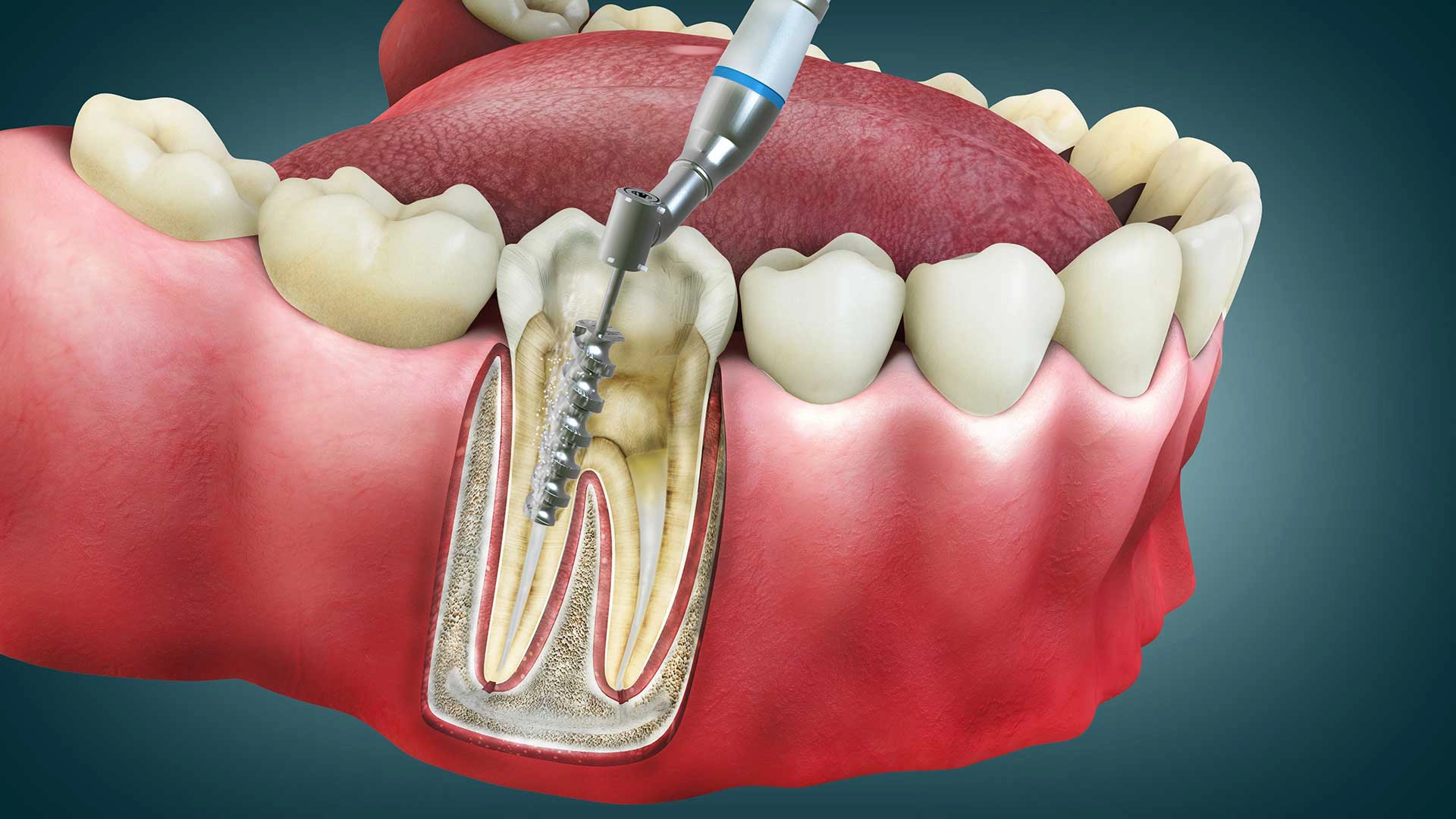
The success of an implant depends on the titanium screw fusing with the jawbone over a few months, a process called osseointegration. The nicotine in cigarettes narrows blood vessels, less blood reaches the wound area and the gum closes later. Heat and smoke also reach the same wound, which can disrupt blood clotting.
E-cigarettes are not a solution either, because as long as they contain nicotine the narrowing of the blood vessels continues in the same way.
How long to stay away
How long you need to stay away from smoking depends on the procedure performed. The healing schedule of a single implant is not the same as that of a procedure combined with a bone graft. The digital panoramic X-ray and 3D dental tomography (CBCT) images taken within the Oral Diagnosis and Radiology service at Panorama Ankara show your bone structure, so your dentist can set a period specific to you.
The general rule is this: the first days are the most critical period, but the whole time until integration is complete carries risk. That is why the thought “the first days have passed, I can smoke now” is misleading; bone fusion takes months and the effect of smoke builds up throughout that time. If possible, use this period as a starting point for quitting smoking completely and ask your dentist for support with it.
Extra care for smokers
If you smoke, you need to keep your care routine a little stricter:
- Clean the surgical area gently, the way your dentist showed you, and avoid brushing hard.
- Do not skip check-up appointments; gum problems progress more silently in smokers.
- Do not wait if you notice bad breath, bleeding or receding gums.
- If you have smoked, do not probe the area with your tongue or finger; rinse your mouth slowly with the solution your dentist recommends.
If you also have another health condition such as diabetes, you can look at the points to watch in our article on diabetes and implant treatment.
Swelling, bruising and signs of infection
Mild swelling and bruising on the face after surgery are expected and in most people fade within days. In smokers these signs may take longer to settle. Tell your dentist if the swelling grows instead of shrinking as the days pass, if there is a bad smell or discharge from the area, if you develop a fever or if the implant moves. Our article on the healing process after oral, dental and jaw surgery guides you through the general course after surgery.
The long-term effect of quitting smoking
The life of an implant does not depend only on the first weeks. Over time, smoking increases the risk of gum and bone loss around the implant. Quitting reduces this risk; the earlier you decide to quit, the better the long-term health of the implant is protected. For the steps of the process, see the article on the stages of a dental implant.
Frequently asked questions
When can I start smoking again after an implant?
If possible, do not start again at all. If you do restart, do it only after your dentist has checked the wound and the bone at a follow-up examination and given the go-ahead.
Does smoking prevent the implant from taking hold?
On its own it does not prevent it, but it clearly increases the likelihood of failed integration and infection.
What extra precautions should I take if I smoke?
Cut down on smoking as much as you can, keep up your oral hygiene and attend check-ups regularly. To discuss your situation with your dentist beforehand at our clinic in Çankaya, you can reach us through our implant treatment page.