
Ankara Zirconium Dental Veneers
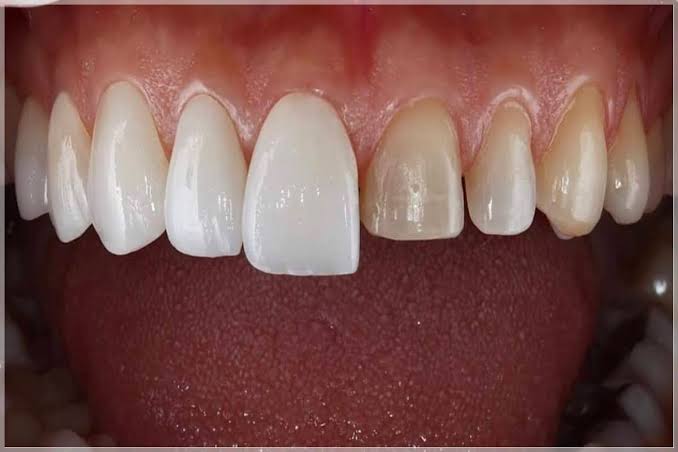
In dental practice, restoring patients’ chewing function while simultaneously mimicking natural tooth aesthetics has been a primary goal for dentists and researchers for many years. While metal-supported porcelain veneers, commonly used in the past, provided satisfactory results in terms of durability, they had some limitations in terms of aesthetics. The opacity of metal and the gray reflections it can create at the gum line over time made it difficult to fully meet aesthetic expectations, especially in anterior tooth restorations. With revolutionary developments in materials science, “Zirconium” (Zirconium Dioxide – ZrO2) material has been introduced to dentistry. Ankara, being the capital of Türkiye and having an advanced dental laboratory infrastructure, is a center where zirconium veneer applications and digital dentistry technologies (CAD/CAM) are used intensively. Zirconium has become one of the indispensable materials of modern dentistry with its structure that can resist chewing forces in posterior teeth and its light transmittance that meets the aesthetic requirements in anterior teeth.
1. Properties and Biocompatibility of Zirconium Material
Zirconium is a naturally occurring element, but in dentistry it is used not in its pure metallic form, but as “Zirconium Dioxide” (ZrO2), an oxidized ceramic form. This material has such high fracture resistance that it is called “ceramic steel.” However, what makes zirconium unique in dentistry is its excellent biological compatibility with the human body.
Tissue compatibility means that a material does not cause any allergic reactions, toxic effects, or chronic inflammation when it comes into contact with body tissues. Zirconium is a material that can be safely used even in individuals with metal allergies, establishing a neutral relationship with the gums. The bruising or graying (gingival tattooing) that traditional metal substructures can cause in the gums over time is not seen in zirconium material. Furthermore, zirconium has lower thermal conductivity than metals. This property contributes to minimizing sensitivity that may occur in the teeth during the consumption of hot and cold foods and drinks. Zirconium blocks processed in dental laboratories in Ankara are produced with micron precision using computer-aided design and manufacturing (CAD/CAM) systems, aiming for the highest level of adaptation (marginal adaptation) between the tooth and the crown.
2. Treatment Protocol and Clinical Processes
The zirconium dental crown process is not just about bonding a material to the tooth; it is a multi-stage prosthetic treatment requiring the dentist’s planning, the laboratory’s precise workmanship, and the integration of technology.
- Clinical Examination and Radiographic Analysis: The process begins with a detailed intraoral examination. Panoramic or periapical X-rays are used to evaluate the root health, bone support, and need for root canal treatment. Gum health must be brought to an ideal level before veneering.
- Preparation (Tooth Cutting): In order for the zirconium veneer to fit the tooth and gain an aesthetic form, a certain amount (usually 1-1.5 mm) of abrasion must be made on the tooth surface. This procedure is performed under local anesthesia.
- Digital or Conventional Impression: The impression of the prepared teeth is taken digitally using sensitive silicone materials or intraoral scanners. Digital impressions are frequently preferred in modern clinics in Ankara due to their comfort and speed.
- Temporary Restorations: Temporary teeth are applied in the same session to prevent the patient from experiencing loss of function and aesthetics until permanent crowns are prepared, and also to protect the prepared teeth from external factors.
- Laboratory Phase and CAD/CAM: The impressions taken are sent to the laboratory. The teeth designed in a computer environment are milled from zirconium blocks and sintered in high-temperature furnaces to reach their final hardness.
- Trial and Fitting: The prepared zirconium substructure or finished crown,The veneers are tried in the mouth. Color, form, relationship with adjacent teeth, and occlusion are checked.
- Cementation (Bonding): The veneers, approved by the dentist and the patient, are permanently fixed to the teeth using special adhesive agents (cements).
3. Zirconium vs. Metal-Supported Porcelain: Technical Comparison
In prosthetic dentistry, the choice of material is made according to the case and aesthetic expectations. The differences between zirconium and traditional metal-supported porcelains are the fundamental factors that determine the outcome of the treatment. The following table analyzes these two materials from a technical perspective.
is rare.
| Technical Specifications | Metal Supported Porcelain | Zirconium Coating |
|---|---|---|
| Light Transmittance | Low (Metal substructure blocks light). | High (Semi-transparent like natural tooth enamel). |
| Biocompatibility | Some patients may have a risk of metal allergy. | Complete biological compatibility, allergy risk is negligible. |
| Gum Aesthetics | May create a gray reflection at the gum line over time. | Provides a natural color transition with the gum. |
| Corrosion Resistance | Risk of corrosion in oral fluids over time. | Completely resistant to corrosion. |
| Manufacturing Technology | Generally casting method. | CAD/CAM (Computer-Aided Manufacturing). |
4. Monolithic Zirconium and Aesthetic Approaches
In traditional zirconium applications, zirconium was used only as a substructure (skeleton), and aesthetic porcelain was applied on top. However, advances in materials science have led to the development of “Monolithic Zirconium” technology.
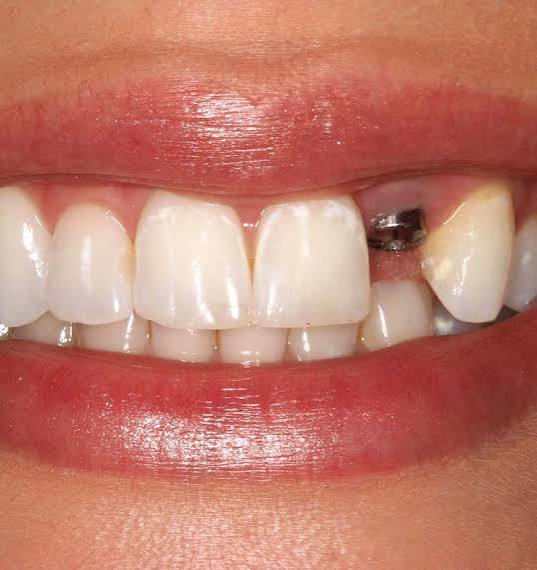
Monolithic zirconium veneers are produced and colored entirely from block-shaped zirconium without the use of a porcelain superstructure. The biggest advantage of this method is that it eliminates the risk of porcelain chipping. Monolithic zirconium provides extra durability, especially in patients with bruxism or in posterior teeth where chewing forces are very high. New generation “Multilayer” zirconium blocks offer a natural color gradient from the neck to the incisal edge of the tooth, combining both durability and aesthetics in a single material. Dental laboratories in Ankara can produce restorations in anatomical forms specific to each patient using this technology.
5. Maintenance and Long-Term Success
The clinical lifespan of zirconium dental crowns depends on the quality of the material, the precision of the dentist’s application, and most importantly, the patient’s oral hygiene habits. Zirconium material does not decay, but the natural tooth tissue under the crown can decay or develop gum disease (periodontitis) in cases of inadequate hygiene.
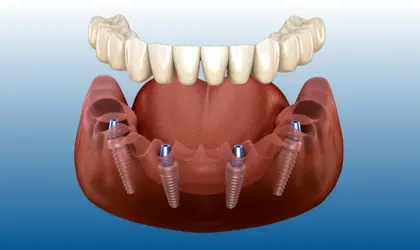
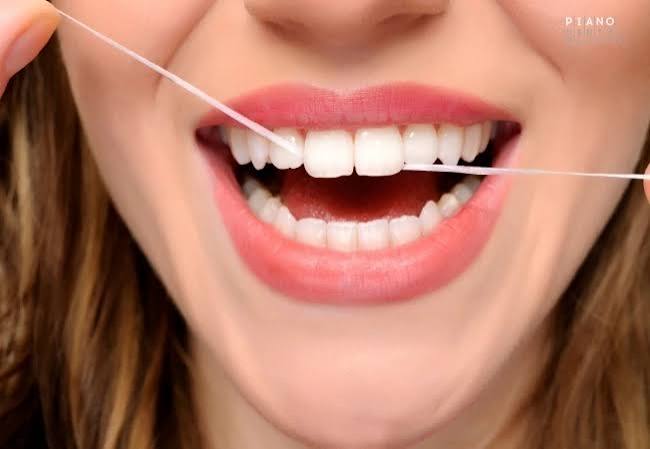
The maintenance of zirconium crowns is no different from that of natural teeth. Brushing at least twice a day, flossing, and mouthwash routines should not be neglected. Especially in “bridge” shaped restorations, special dental floss (superfloss) or interdental brushes should be used for cleaning the area under the crown. In addition, regular dental check-ups every six months are vital for checking the marginal fit of the veneers and for the early detection of possible gum problems.
6. Legal Regulations and Patient Rights
Dental practices are a healthcare service, not a commercial transaction. Therefore, treatment processes must be carried out within the legal framework determined by the Ministry of Health.
Legal Information in Healthcare
This content is prepared for informational purposes only and does not replace diagnosis and treatment. Zirconium dental veneer treatment varies according to each patient’s anatomical structure, jaw relationships, oral health status, and aesthetic expectations. Suitability for treatment, the scope of the procedures to be performed, and the treatment plan can only be determined as a result of a clinical and radiological examination by a dentist. According to Law No. 1219 and related regulations, it is prohibited to advertise, guarantee, use expressions such as “best” or “cheapest,” create demand by sharing before-and-after images, and state prices in healthcare services. For the most accurate and personalized information, please consult your dentist.
Conclusion: The Synthesis of Naturalness and Technology
In conclusion; Ankara Zirconium Dental Veneers applications are a powerful treatment option supported by scientific data, standing at the intersection of aesthetic concerns and functional needs. The cooling of the metalThis material, far from being thick and opaque, embraces light and is biologically compatible with the gums. When applied with the correct indication and by expert hands, it contributes to the long-term oral health of patients. A healthy smile is not just an aesthetic choice, but a reflection of overall health and quality of life.