

What is Clear Aligner Treatment? Who is it Suitable For?
The digitalization process in the field of dentistry and orthodontics has enabled the development of new approaches that meet aesthetic expectations as well as traditional treatment methods. One of these innovative approaches, known as “brace-free treatment” among the public, is clear aligner treatment, a current orthodontic treatment method used to correct crowding, spacing, and bite disorders in teeth. Unlike traditional metal wires, these almost invisible aligners aim to help patients achieve their ideal teeth positions without affecting their social and professional lives.
In orthodontic treatments, aesthetic concerns are one of the most important factors influencing patients’ decision to start treatment. Adults, in particular, may postpone orthodontic treatment because they are hesitant about the appearance of metal brackets. Clear aligner systems eliminate this aesthetic barrier, offering a comfortable process with custom-made and removable appliances.
What is Clear Aligner Treatment (Invisible Orthodontics)?
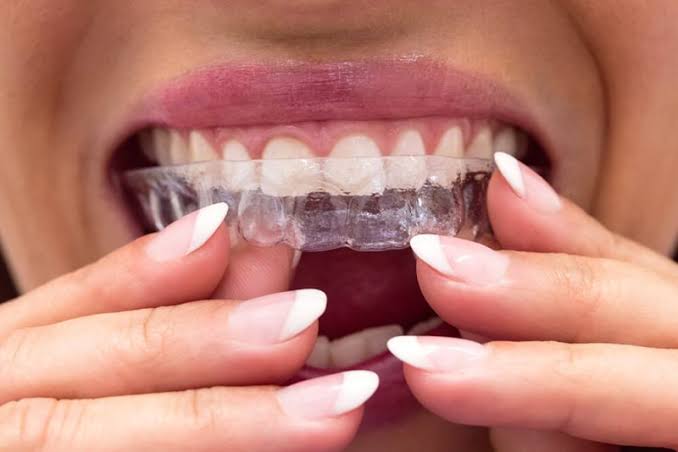
Clear aligner treatment is a method that uses a series of aligners made of transparent thermoplastic material, designed digitally to perfectly match the patient’s dental structure, instead of metal wires and brackets to straighten teeth. In this system, the desired direction and amount of tooth movement are calculated using computer-aided 3D modeling programs.
The treatment is not performed with a single aligner, but with a series of aligners that allow the teeth to move gradually. The patient changes their aligners at intervals determined by their dentist (usually every 1 or 2 weeks) to move to the next stage. Each new aligner forces the teeth into a slightly different position than the previous one, allowing for gradual progress towards the ideal final alignment.
How is Clear Aligner Treatment Applied?
The planning and application stages of clear aligner treatment involve a high-tech digital workflow. The treatment process generally consists of the following steps:
1. Digital Imaging and Analysis:
During the initial examination, the patient’s oral condition is assessed. Instead of traditional clay impressions, intraoral scanners are used to obtain a 3D digital image of the teeth. This method offers a more comfortable experience for patients and increases the accuracy of the measurements.
2. Treatment Planning (Simulation):
The obtained digital data is analyzed through special software. A movement simulation is created between the current state of the teeth and the targeted state after treatment. At this stage, the patient can see how their teeth will look in three dimensions in a digital environment at the end of the treatment.
3. Aligner Production:
According to the treatment plan approved by the physician, a series of aligners specific to the patient is produced using 3D printing technologies. The number of aligners varies from person to person depending on the degree of misalignment in the teeth and the planned amount of movement.
4. Attachment Application and Aligner Delivery:
Small, tooth-colored composite protrusions (attachments) can be placed on the teeth to support some tooth movements. These attachments allow the aligner to grip the tooth better and transmit the force in the correct direction. The patient is given the first aligners, along with instructions on how to put them on, take them off, and clean them.
Advantages of Clear Aligner Treatment
While the biggest factor in choosing clear aligners is their aesthetic appearance, this method also has various biological and functional advantages. These advantages directly affect the patient’s quality of daily life:
- Aesthetic Appearance: Since the aligners are made of completely transparent material, they are very difficult to notice from the outside. This helps the patient maintain their self-confidence.
- Removable: The aligners can be removed while eating or drinking, eliminating restrictions on eating and drinking. Hard or sticky foods, which are forbidden with traditional braces, can be consumed as long as the aligners are removed.
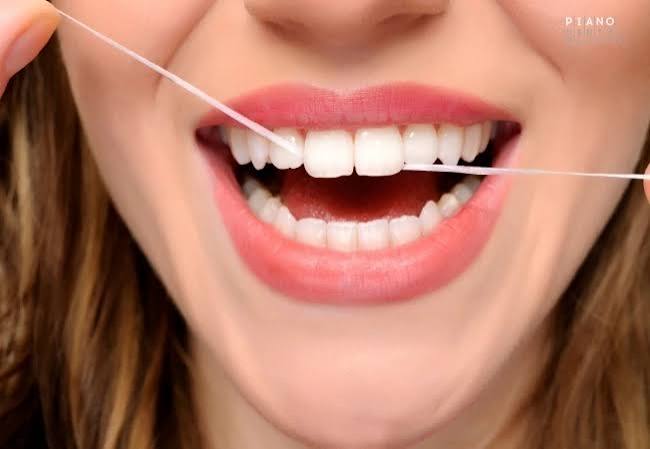
- Ease of Oral Hygiene: While cleaning fixed braces requires special interdental brushes and care, with clear aligner treatment, the aligners can be removed, allowing teeth to be brushed and flossed normally. This minimizes the risk of cavities and gum disease.
- Comfort: Lip and cheek irritations that can be caused by metal brackets and wires are much less common with clear aligners that have a smooth surface.
- Appointment Frequency: Control appointments can generally be scheduled less frequently than with traditional treatments, saving time for individuals with busy work schedules.
Important Note: Clear aligner treatment bThe success of treatment is directly dependent on patient compliance. The aligners need to be worn for an average of 20-22 hours a day, excluding meals. Insufficient use can lead to prolonged treatment or failure to achieve the desired result.
Who is Suitable for Clear Aligner Treatment?
With advancing technology, the use of clear aligners has expanded considerably. Previously used only for simple malocclusions, this method can now be applied to complex bite disorders. Generally, suitable candidates for clear aligner treatment include:
- Individuals with mild to moderate crowding (overcrowding) of teeth.
- Patients with gaps between teeth (diastema).
- Certain cases with malocclusion (deep bite, open bite, crossbite).
- Individuals who have previously undergone orthodontic treatment but have experienced relapse.
- Adults and young patients who are uncomfortable with the appearance of metal braces.
- Individuals who have difficulty maintaining oral hygiene and have a high risk of cavities.
However, in some complex cases where skeletal problems are very severe or require surgical intervention (orthognathic surgery), your doctor may recommend fixed orthodontic treatments or combination treatments. The most accurate decision will be made by the orthodontist after a detailed clinical and radiographic examination.
Comparison of Traditional Metal Aligners and Clear Aligners
One of the most frequently asked questions by patients when choosing treatment is the difference between clear aligners and traditional methods. The following table compares these two methods based on key criteria:
| Features | Clear Aligner Treatment | Traditional Metal Braces |
|---|---|---|
| Visibility | Almost invisible, aesthetic. | Distinct, metallic appearance. |
| Removability | Removable by the patient. | Fixed to the teeth, cannot be removed. |
| Eating – Drinking | No restrictions (aligners are removable). | Hard, Foods with shells and sticky textures are prohibited. |
| Oral Hygiene | Easy (brushing and flossing are done comfortably). | Difficult (requires special brushes and time). |
| Comfort | High (less soft tissue irritation). | May cause stinging and sores during the adjustment period. |
| Patient Compliance | Disciplined use is essential (22 hours a day). | No compliance required, the system is stable. |
Factors Affecting Treatment Duration
Transparent The duration of aligner treatment varies depending on the complexity of the case. While treatment can be completed in as little as 6 months for simple tooth movements, it can extend to 18-24 months for more complex cases requiring bite correction. The most critical factor affecting treatment duration is whether the patient uses the aligners regularly. Wearing the aligners for shorter periods than specified can lead to the teeth not completing the planned movement and subsequent aligners being ill-fitting.
How to Care for Clear Aligners?
Maintaining the transparency of the aligners and maintaining oral health is crucial. Aligners should be removed before each meal, and both teeth should be brushed and the aligners cleaned before putting them back on. Warm water and liquid soap can be used for aligner cleaning, or special cleaning tablets can be used. Hot water should absolutely not be used, as it can cause the thermoplastic aligners to lose their shape. Also, when not in the mouth, the aligners must be stored in their own special case; wrapping them in a napkin increases the risk of accidentally throwing them in the trash.
Conclusion
Clear aligner treatment is a comfortable, aesthetic, and effective treatment option offered by modern dentistry. If you want to straighten your teeth but are hesitant about the appearance of braces, this method may be the ideal solution for you. Since the suitability, duration, and planning of the treatment are individual, it is best to consult a specialist dentist or orthodontist for detailed information. It should be remembered that every treatment process is personal, and following your doctor’s recommendations is key to achieving the best possible result.