

Ankara Implant Clinic
Health is the most fundamental building block of human life, and oral and dental health, as an inseparable part of this whole, is a discipline that directly affects general body health. Today, missing teeth are considered not only an aesthetic concern but also the main source of physiological problems such as impaired chewing function, which is the beginning of the digestive system, loss of phonation (speech) ability, and temporomandibular joint disorders. Our capital city, Ankara, is one of the most important centers in Türkiye for health tourism and advanced dental practices. In this context, it is of great importance for patients searching for an “Ankara implant clinic” to learn about the scientific foundations of treatment processes, the sterilization standards that the clinical environment must meet, and the biological mechanisms of implantology from reliable sources.
Implant Treatment in a Clinical Setting: Definition and Biological Processes
Dental implants are biocompatible artificial tooth roots surgically placed in the jawbone to replace lost teeth. These structures, usually made from metals such as titanium or zirconium, function by forming a cellular-level bond with living bone tissue. This biological fusion process is called “osseointegration” in the literature. The success of an implant depends on the healthy completion of this osseointegration process and the implant becoming resistant to chewing forces. These procedures, performed in a clinical setting, represent a delicate surgical discipline combining biology and engineering, rather than a simple mechanical operation.
The most fundamental element that patients should consider when searching for an implant clinic is the physical and hygienic conditions of the environment where the treatment will be performed. Implant surgery is a process where the sterilization chain must absolutely not be broken. From airborne particles to surgical instruments, microbiological control of every detail is essential to minimize the risk of postoperative infection and optimize the healing process. Modern dental clinics in Ankara aim to maximize patient safety by offering operating room environments equipped with international standard sterilization devices (autoclaves) and air filtration systems.
Diagnosis and Planning: The Importance of Radiology
The foundation of successful implant treatment rests on flawless planning. Each individual’s anatomical structure, bone density, nerve network locations, and sinus cavities are different. Therefore, it is not possible to speak of a standard approach. In a modern implant clinic, in addition to two-dimensional panoramic X-rays, three-dimensional dental tomography (CBCT – Cone Beam Computed Tomography) technology is used in the pre-treatment diagnostic process. Tomography allows the physician to examine the jawbone in three dimensions, measure bone thickness in millimeters, and determine the ideal angle for implant placement digitally before the surgical procedure.
Digital planning not only reduces surgical risks but also ensures predictability of the prosthetic phase. In cases where bone volume is insufficient, advanced imaging techniques allow for the pre-determination of whether additional surgical procedures (bone grafting, sinus lifting, etc.) will be required in the area where the implant will be placed. This detailed analysis prevents the patient from encountering surprises and contributes to the transparent management of the treatment process.
Implant Treatment Stages and Protocols
Implant treatment requires disciplined process management and is generally examined in two main phases: the surgical phase and the prosthetic phase. In the surgical phase, under local anesthesia, the gum tissue in the relevant area is opened, or in some suitable cases, the implant is placed in the jawbone using a flapless (sutureless) method. All necessary anesthesia protocols are applied to ensure the patient does not experience pain during this procedure. Following implant placement, a waiting period begins during which the body’s healing mechanisms are activated. This period is usually around 2-3 months for the lower jaw and 3-4 months for the upper jaw. However, this period may be longer if advanced surgical procedures such as bone graft application have been performed.
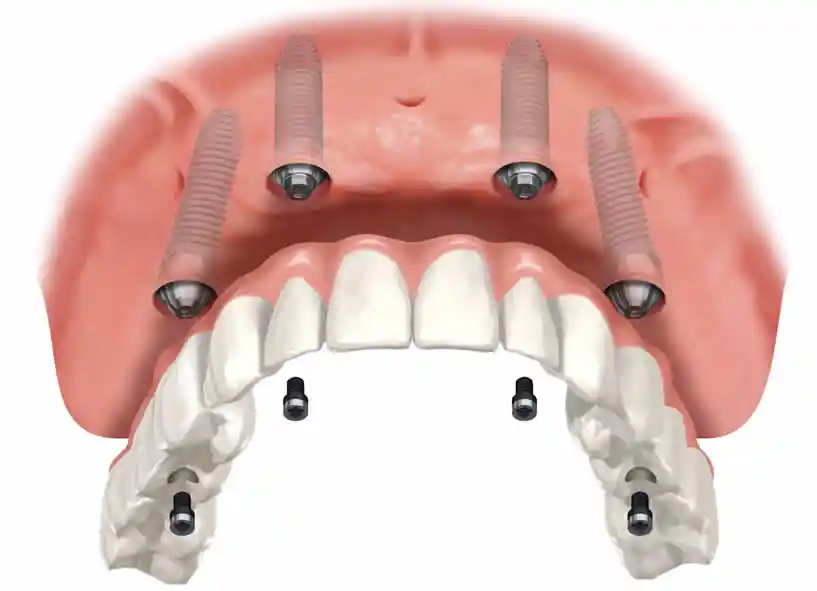
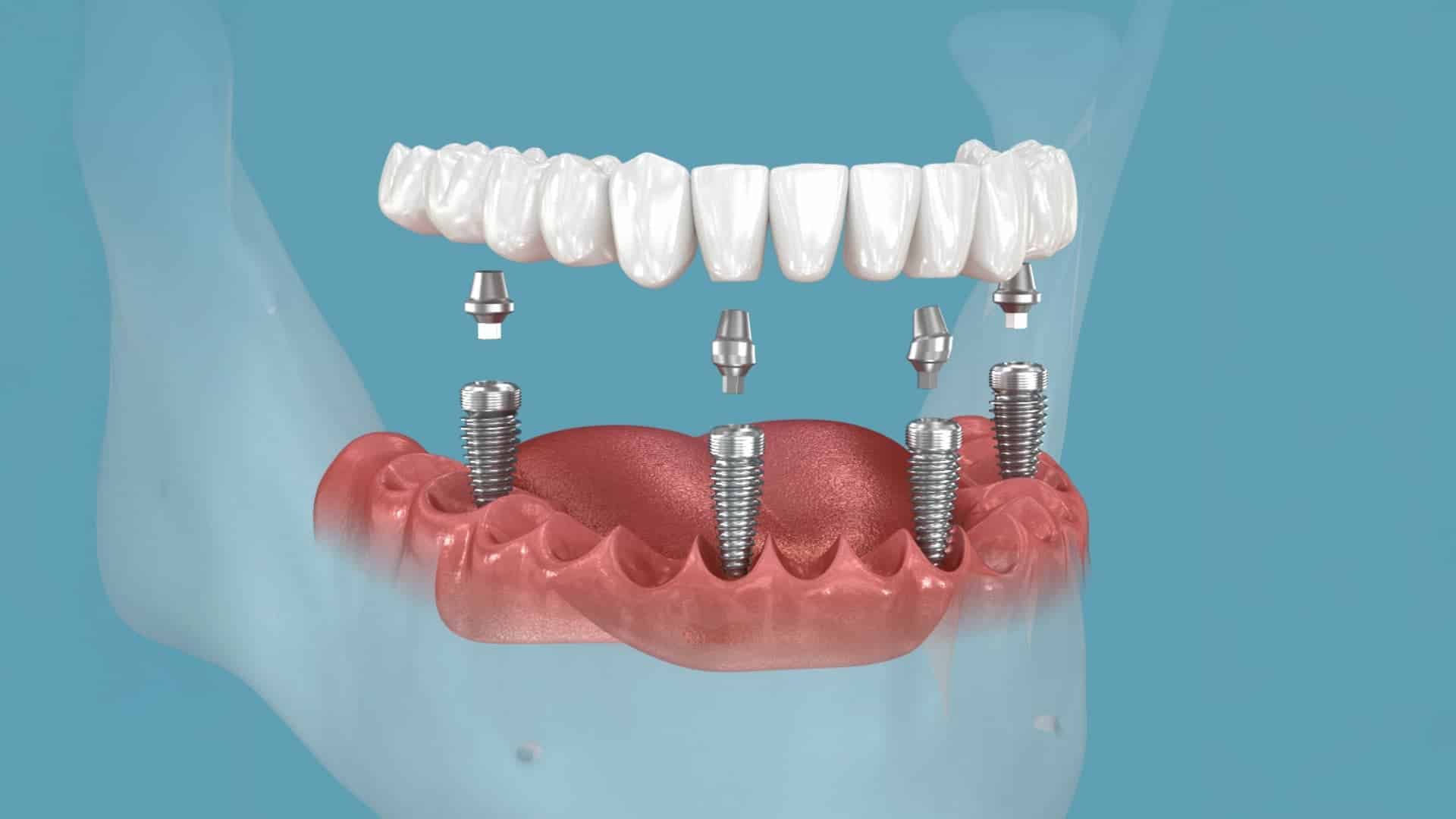
After the healing process is complete and osseointegration is radiologically confirmed, the second stage, the superstructure (prosthesis) stage, begins. In this stage, healing abutments are fitted to shape the gum, and then impressions are taken to start the laboratory process. Clinics working in integration with dental laboratories in Ankara produce porcelain or zirconium teeth that best suit the patient’s facial aesthetics, lip structure, and bite relationships, thus completing the treatment. Some basic approaches used in this process are:
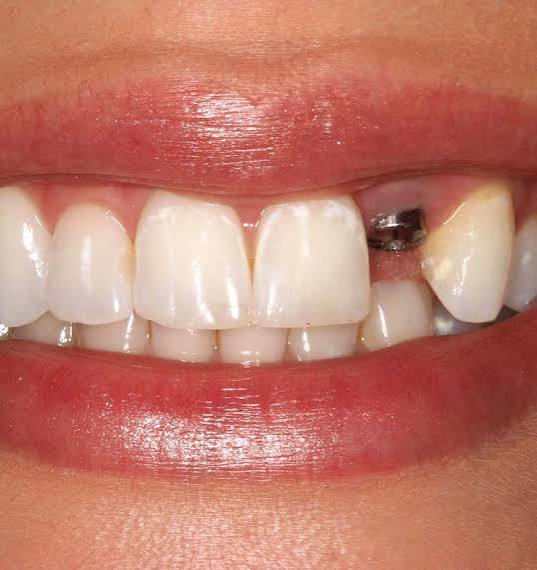
- Single Tooth Implant Applications: Without damaging adjacent teeth, only the externalIt is the process of completing two teeth.
- Multiple Tooth Loss: In cases where more than one tooth is missing side by side, these are implant treatments applied with the logic of a bridge.
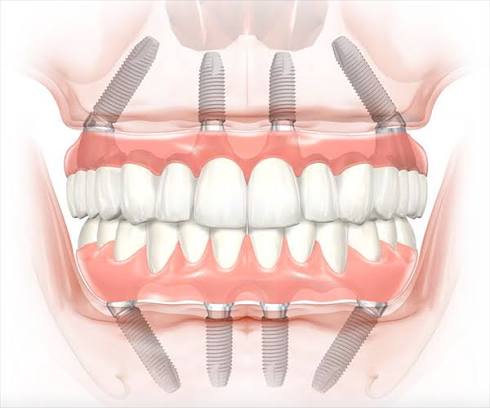
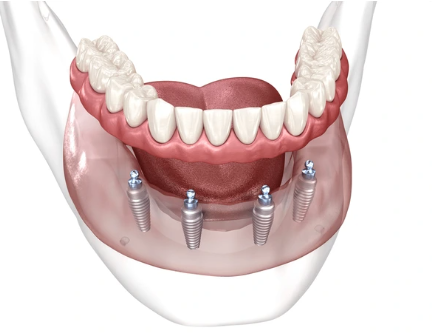
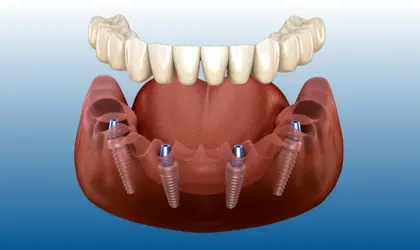
- Complete Edentulism Solutions: In patients with no teeth, these are hybrid prostheses fixed on a certain number of implants or bar/ball attachment systems that increase the retention of removable prostheses.
Comparison of Implant and Traditional Methods
Our patients often wonder about the differences between traditional prostheses and implant-supported solutions. The table below objectively summarizes the key functional and structural differences between these two approaches:
| Features | Traditional Bridge / Removable Denture | Implant-Supported Denture |
|---|---|---|
| Bone Preservation | The bone in the area where a tooth is extracted tends to resorb over time. | The implant slows down bone resorption by transferring pressure to the bone and preserves bone volume. |
| Adjacent Teeth | It may be necessary to cut healthy adjacent teeth to provide support. | Adjacent teeth are not touched, only the gap is treated is done. |
| Chewing Force | Chewing force is lower compared to natural teeth. | Offers the closest chewing performance to natural teeth. |
| Comfort | Problems such as bumping or loosening can occur with removable dentures. | It is fixed, does not move in the mouth, and gives the feeling of a natural tooth. |
Points to Consider When Choosing a Clinic
When researching implant clinics in Ankara, patients should focus on “value” and “safety,” not “price.” Implant surgery is a procedure prone to complications that may be difficult to reverse. Therefore, the clinic’s technological equipment, the experience of its medical staff, whether the implant brands used have international certifications (FDA, CE), and whether long-term follow-up of the treatment is performed should be questioned. Furthermore, the use of original abutments and screws for the implant is critical to preventing mechanical complications.
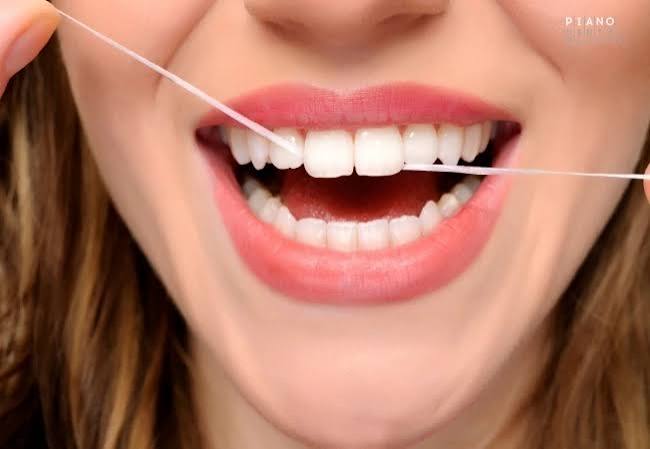
The quality of a dental clinic is measured not only by the treatment it provides but also by the support it offers after treatment. After implant treatment is completed, the patient’s attention to oral hygiene is the most important factor determining the lifespan of the treatment. The condition called “peri-implantitis,” which results in inflammation of the gum tissue around the implant, is usually caused by inadequate oral care. Therefore, clinics that schedule regular check-up appointments for their patients, provide oral hygiene education, and follow up on the process should be preferred.
Conclusion and Evaluation
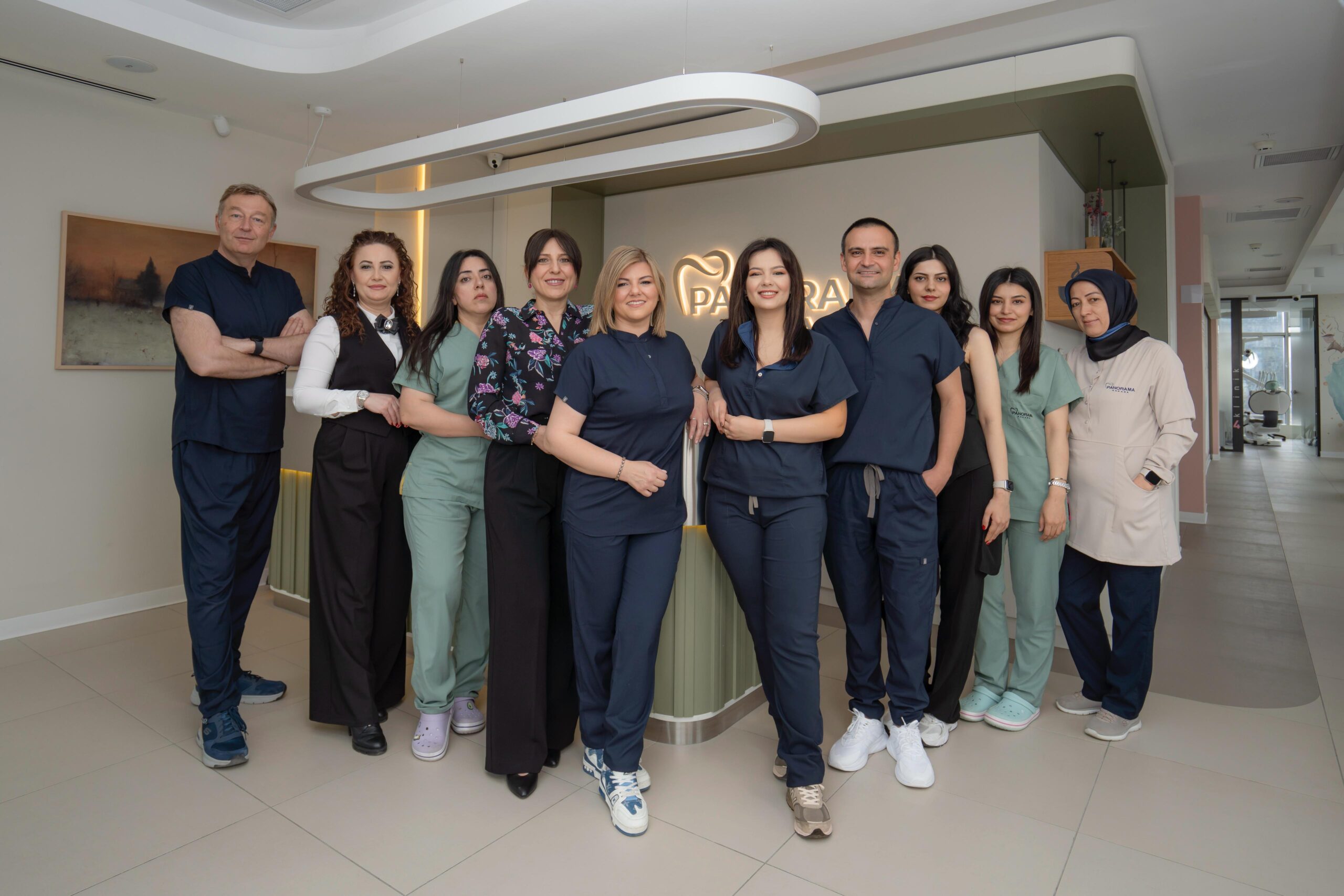
Tooth loss is not an unsolvable problem in the modern medical world. In light of scientific data, implant treatments performed with the correct indications and by competent hands significantly improve the quality of life for patients. At Panorama Ankara, we operate with the understanding that each patient has a unique anatomy and needs. Our goal is not just to replace a missing tooth, but to provide comprehensive rehabilitation that offers chewing function, speech ability, and aesthetic integrity all at once. For a healthy smile and a functional oral structure, taking advantage of the opportunities offered by dental science and not neglecting regular check-ups are among the most important steps you can take for your overall health.