
What Is Clear Aligner Treatment in Ankara?
The rapidly changing dynamics of the modern era are reshaping individuals’ health and aesthetic expectations from top to bottom. Orthodontic interventions that
were once viewed solely as a functional necessity have now evolved into a holistic approach that both protects oral health and supports a person’s stance,
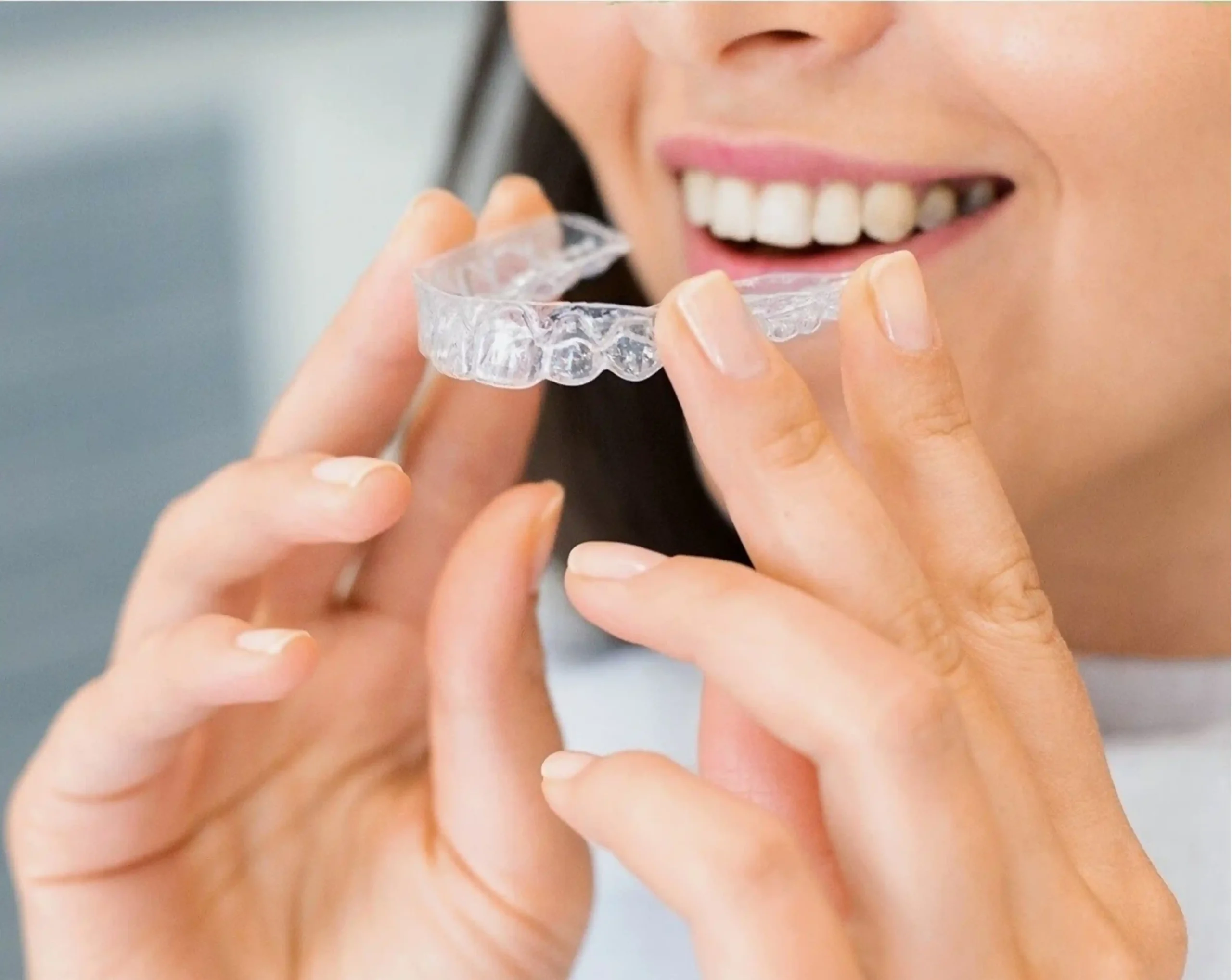
self-confidence, and communication strength in social life. At this exact point, clear aligner treatment in Ankara emerges as a high-technology
method that resolves structural irregularities in tooth alignment in an almost invisible form—without the need for traditional metal materials. Also referred to
in medical literature as “wire-free orthodontics,” this system aims to move the teeth into their ideal anatomical positions by using a sequence of custom-made,
high-quality thermoplastic materials. Unlike traditional approaches, these aligners are very difficult to notice from the outside, preventing aesthetic concerns
and ensuring that the treatment process does not become an obstacle in social or professional life.
The core philosophy behind clear aligners is based on the principle of continuous and controlled force. Tooth movement within the jawbone is an extremely delicate
biomechanical process. Aligners are manufactured with one-tenth-of-a-millimeter precision using computer-aided design (CAD) and computer-aided manufacturing (CAM)
technologies. Each aligner placed in the patient’s mouth is designed to move the teeth a small amount toward the intended final outcome. Thanks to these aligners,
which are replaced on average every one to two weeks, a controlled bone remodeling process is initiated in the bone tissue surrounding the tooth roots. These
microscopic movements both preserve gum health and make the patient’s adaptation process highly comfortable.
Digital Workflow and Planning Strategy at Panorama Ankara
The success of an orthodontic intervention is directly related to accurate diagnosis and flawless planning. Panorama Ankara integrates the most
up-to-date innovations offered by digital dentistry into its clinical routine at every step of this process. The treatment journey begins not with the use of
traditional, often uncomfortable putty-like impression materials, but with high-resolution digital intraoral scanners. Within seconds, an exact three-dimensional
topographic map of the intraoral tissues and teeth is created and transferred into a virtual environment. This digital data is combined with radiographic images
and cephalometric analyses to form the foundation of a comprehensive treatment plan.
The resulting high-precision data is processed through specialized orthodontic software. The dentist simulates, step by step on the computer screen, the entire
process from the teeth’s current position to the ideal position. The most fascinating aspect of this simulation is that the patient can see—three-dimensionally—
the final smile aesthetics they will achieve months later, even before beginning treatment. After the virtual planning is completed and receives the dentist’s
clinical approval, the aligner set that will cover the patient’s entire treatment process is produced with the help of 3D printers using biocompatible and FDA-approved
special materials, in line with the data sent to the manufacturing centers. Panorama Ankara’s transparent and technology-focused approach eliminates patients’
uncertainties about the process and elevates treatment motivation to its peak.
Clinical Stages of Clear Aligner Treatment
How long the process will take, the number of aligners to be used, and the frequency of appointments vary entirely according to the individual’s anatomical
structure and the severity of crowding. However, from a general perspective, the wire-free orthodontic journey consists of certain standard stages:
| Clinical Stage | Implementation Details and Workflow |
|---|---|
| 1. Comprehensive Examination and Data Collection | Taking radiographic images, clinical photographs, and creating a digital intraoral replica using optical scanners. At this stage, gum health and the temporomandibular joint (TMJ) are also examined in detail. |
| 2. 3D Simulation (ClinCheck/Setup) | Processing the collected data in software and planning tooth movements on a weekly basis. Presenting the virtual final outcome of the treatment to the patient and obtaining approval. |
| 3. Manufacturing and Initial Delivery | Producing the customized thermoplastic aligners and delivering them to the clinic. At the first appointment, small tooth-colored composite bumps called “attachments” are placed on the teeth to help the aligners grip and function effectively. |
| 4. Routine Wear and Change Interval | The patient wears the aligners in accordance with the 20–22 hours-per-day rule and switches to the next aligner at the intervals determined by the dentist (typically every 7–14 days). |
| 5. Clinical Check-Ups | Short clinical visits typically performed every 6 to 8 weeks. The dentist checks the alignment between the virtual plan and actual tooth movement and monitors the process. |
Who Is Wire-Free Orthodontics Suitable For?
Thanks to advancements in material science and software algorithms, the scope of clear aligners has expanded tremendously compared to previous years. Once used
only for closing simple gaps, this method now demonstrates superior success even in complex cases requiring multidimensional tooth movements. The main conditions
in which clear aligner treatment can be clinically applied include:
- Cases of crowding where, due to a narrow dental arch, the teeth cannot find sufficient space to align and overlap one another,
- Situations with noticeable spacing (diastema) between teeth due to missing teeth or genetic factors,
- Deep bite problems in which the upper teeth cover the lower teeth more than normal in the vertical plane,
- Open bite syndromes in which the front or back teeth do not contact each other when the jaws are closed.
Comfort in Daily Life: Eating, Drinking, and Cleaning Routine
The most crucial point that distinguishes this orthodontic system from traditional approaches is the extraordinary freedom it offers the patient. Since metal
brackets and wires cannot be removed during treatment, they impose serious restrictions on biting into hard foods, consuming nuts with shells, or eating sticky
textured foods. With clear aligners, however, it is sufficient to remove the aligners from the mouth with a simple motion when it is time to eat. In this way,
patients can enjoy the freedom of eating whatever they want, almost forgetting that they are undergoing treatment. The only rule to pay attention to is not
consuming hot liquids such as coffee, tea, or soup while the aligners are in the mouth, as the thermoplastic structure may lose its form at high temperatures.
When it comes to drinking cold water or water at room temperature, there is no need to remove the aligners.
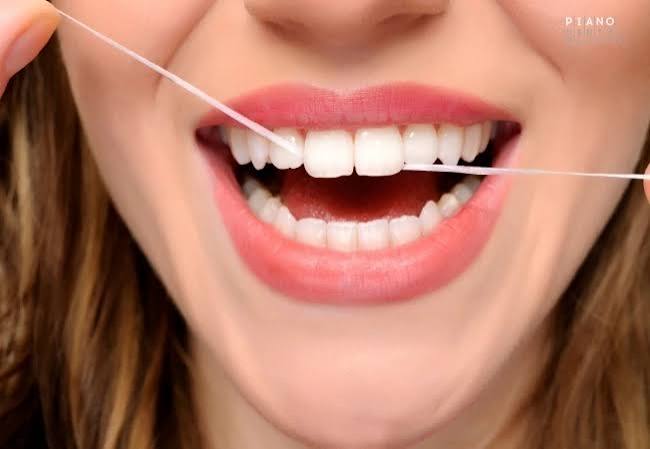
The oral hygiene routine similarly provides great convenience. After removing the aligners, patients can comfortably clean their teeth with the standard toothbrush
and dental floss they are accustomed to using. The risks of food debris accumulating around brackets—and the resulting tooth decay or gum inflammation—are
eliminated with this system. Cleaning the aligners themselves is also quite practical; washing them under running water with a soft brush accompanied by special
cleaning crystals or liquid soap is sufficient to maintain the material’s clarity and prevent odor formation in the mouth.
Investing in dental health is not merely an aesthetic concern; it is also a strategic step that improves overall quality of life—from the digestive system to
phonation (speech) abilities. In Panorama Ankara’s multidisciplinary clinical environment, you can meet with our specialist dentists to have your oral health
analyzed in detail and to have your suitability for clear aligner technology digitally evaluated. As you open the doors to a healthy smile, experiencing the
privilege of moving forward without missing life’s rhythm is entirely in your hands.