
Ankara Children’s Clear Aligners
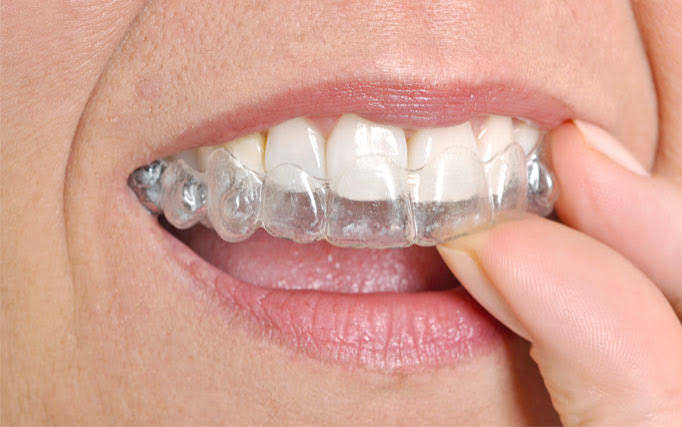
In traditional dentistry, it used to be common practice to wait until all primary (baby) teeth had fallen out and all permanent teeth had erupted—typically around ages 12–13—before starting orthodontic treatment (braces) for children. However, at the current level reached by modern medical science and the discipline of pedodontics (pediatric dentistry), this “waiting period” is now considered a missed opportunity that wastes a child’s skeletal growth potential. The next-generation treatment vision known as Interceptive (Preventive and Early) Orthodontics aims to identify and guide jaw constriction, crowding, deep bites, and airway-related problems early—between ages 6 and 11—while skeletal development is still actively ongoing. Precisely during this critical “mixed dentition” phase, Ankara children’s clear aligner treatments, which replace heavy and aesthetically unappealing metal braces, emerge as a revolutionary medical tool that dramatically simplifies life for both parents and young patients. With these advanced digital orthodontic systems centered on children’s sensitive psychology and physical comfort, Panorama Ankara safely builds children’s smiles while transforming the process from an intimidating medical obligation into an enjoyable and interactive developmental experience—almost like a fun game.
Clear aligners designed specifically for children (aligner systems) are produced from the same highly biocompatible, BPA-free transparent thermoplastic materials used for adult aligners; however, their biomechanical goals are far more sophisticated. While the primary goal in adults is simply to align existing teeth, pediatric clear aligners focus first on creating sufficient space in the jawbone for the incoming permanent (adult) teeth (arch expansion) and on naturally compensating skeletal anomalies—such as maxillary deficiency or mandibular protrusion—by harnessing the child’s own growth spurt. Panorama Ankara’s expert clinical team analyzes the child’s radiographic data and three-dimensional jaw models and simulates the future dental alignment with millimetric precision in a digital environment. In this way, the aligners do not merely correct existing crowding; they also act as a protective guide by directing erupting teeth so they can take their place in the arch at the correct angles and in healthy positions.
Clinical Differences Between Traditional Braces and Clear Aligners During the Mixed Dentition Phase
In early orthodontic treatment, the biggest obstacle facing the clinician and the family is often the child’s inability to cooperate consistently, as well as how orthodontic appliances can negatively affect daily life (eating, play, and school routines). Metal braces and bulky appliances can cause sores on children’s sensitive lip and cheek tissues, create aesthetic concerns that may expose them to peer bullying at school, and—most importantly—make maintaining oral hygiene significantly more difficult. Panorama Ankara aims to provide parents with transparent medical guidance when determining their child’s treatment route. The table below presents, in detail, the pedagogical, hygienic, and clinical differences between fixed braces (bracket systems) and removable digital clear aligner systems used in children aged 6–11.
| Pediatric Evaluation Criterion | Traditional Fixed Braces and Palatal Appliances | Children’s Clear Aligner Systems (Early Phase) |
|---|---|---|
| Eating Freedom and Dietary Restrictions | Hard, sticky, and acidic foods (apples, caramel, nuts) are strictly prohibited because they can break the braces. | Because aligners are removed during meals, there are no dietary restrictions; the child can eat freely. |
| Oral Hygiene and Caries Risk | Cleaning between wires is very difficult; the risk of decay and white spot lesions due to food retention is quite high in children. | Since aligners are removed and teeth can be brushed normally, excellent oral hygiene is maintained and aligners do not create a caries risk. |
| Emergencies and Clinic Visits | May require frequent urgent visits due to wire poking, bracket breakage, or appliance fracture. | There are no metal parts that can break or poke. Emergency risk is nearly zero. |
| Comfort, Aesthetics, and Sports Activities | Clearly visible from the outside. In sports with a risk of falls, may cause soft-tissue trauma inside the lips. | Almost completely invisible. Its smooth structure protects oral tissues at school and during sports. |
| Pedagogical Cooperation and Motivation | Children often resist treatment due to aesthetic concerns and perceived pain. | Because treatment is presented through digital simulation and aligners may include colored indicators, the child adopts the process like a game. |
Digital Scanning at Panorama Ankara: A Gag-Free and Enjoyable Start for Children
One of the most uncomfortable procedures—even for many adults—in a dental chair is taking impressions with mouthfuls of putty-like materials. This traditional method can trigger major panic, gagging, and fear in young children, especially those with a strong gag reflex, and may cause them to develop deep trauma toward the clinic and clinician at the very first step of treatment. The greatest pedagogical advantage of technology in Ankara children’s clear aligner applications is that the “putty impression era” is completely over. At Panorama Ankara, impressions for our pediatric patients are taken in a fully contactless and comfortable way using advanced 3D intraoral optical scanners.
This small, illuminated scanner camera—about the size of a toothbrush tip—collects millions of data points in seconds by moving gently over the child’s teeth. During the scan, the child can watch a three-dimensional, full-color model of their own teeth form on the screen in real time. This digital process is an enjoyable, interactive experience that captures children’s attention—almost like watching a video game or animation. Breathing is not restricted, nausea is not triggered, and no chemical taste is felt. As soon as the scan is completed, specialized simulation software immediately plays a digital preview of how straight and healthy the child’s teeth can look after treatment. Seeing the “reward” (beautiful teeth) with their own eyes in the very first session dramatically increases the child’s motivation and enthusiasm to wear aligners consistently.
Guiding Jaw Development and the Pediatric Airway
Untreated maxillary constriction (a narrow upper jaw) and mandibular retrognathia (a retrusive lower jaw) in childhood do not only cause crowded teeth; they can also hinder nasal breathing and turn the child into a chronic mouth breather. In children who breathe through the mouth continuously, a wide range of systemic problems may arise: enlarged tonsils and adenoids, nighttime snoring, sleep-disordered breathing and apnea (pediatric sleep apnea), waking up tired and irritable, attention deficit and hyperactivity at school, and more. Moreover, long-term mouth breathing can elongate facial growth downward and lead to permanent skeletal deformities known in the medical literature as “Adenoid Face” (a long and asymmetrical facial pattern). Panorama Ankara’s children’s clear aligner systems are designed to break this destructive chain from the very beginning.
Specific biomechanical features integrated into the aligners (for example, mandibular advancement wings or arch-expansion pressure zones) guide the child’s muscular function and bone growth in the correct direction. As the upper jaw is expanded slowly and within physiological limits, the nasal floor also widens and the child’s airway volume increases physically. The lower jaw is encouraged forward by leveraging the growth spurt. As a result, even mid-treatment, the child begins breathing more comfortably, sleep quality improves, and the facial skeleton develops in a healthier direction—toward the most ideal and aesthetic form permitted by genetics. This protective early intervention significantly reduces the likelihood that the child will later require heavy, difficult, and costly orthognathic jaw surgery after age 18, or very long phases of fixed-braces therapy.
Parent Guide: Compliance and Managing Daily Routines in Clear Aligner Treatment
The success of removable (mobile) orthodontic treatments in children depends not only on digital engineering in the clinic, but also directly on how well parents manage the process at home and how long the child wears the aligners each day. In pediatric aligner series, special compliance indicators are included to make it easier for families. These small dots, located on the back areas of the aligners, fade in color (typically from blue to clear) as they contact saliva, allowing parents and clinicians to objectively track whether the child is wearing the aligners for the recommended daily duration (ideally 20–22 hours). To ensure the process does not become a source of conflict at home and instead turns into a healthy routine, Panorama Ankara specialists recommend the following core steps:
- Encourage the child—using reward systems (sticker charts or small activities)—to keep aligners in at school, while playing, and during sleep, removing them only for meals and brushing.
- Prevent the risk of wrapping aligners in napkins and accidentally throwing them away by teaching the child to always place aligners into the special colorful, durable storage case provided by the clinic whenever they are removed.
- Clean aligners gently every morning and evening using only cool/room-temperature water (never hot water, which can distort the aligner), mild liquid soap, and a soft brush.
- If brushing is not possible after school snacks or lunch, teach the child to rinse the mouth vigorously with water and then reinsert aligners cleanly.
Build a Strong and Aesthetic Foundation for Your Children’s Smile with Panorama Ankara
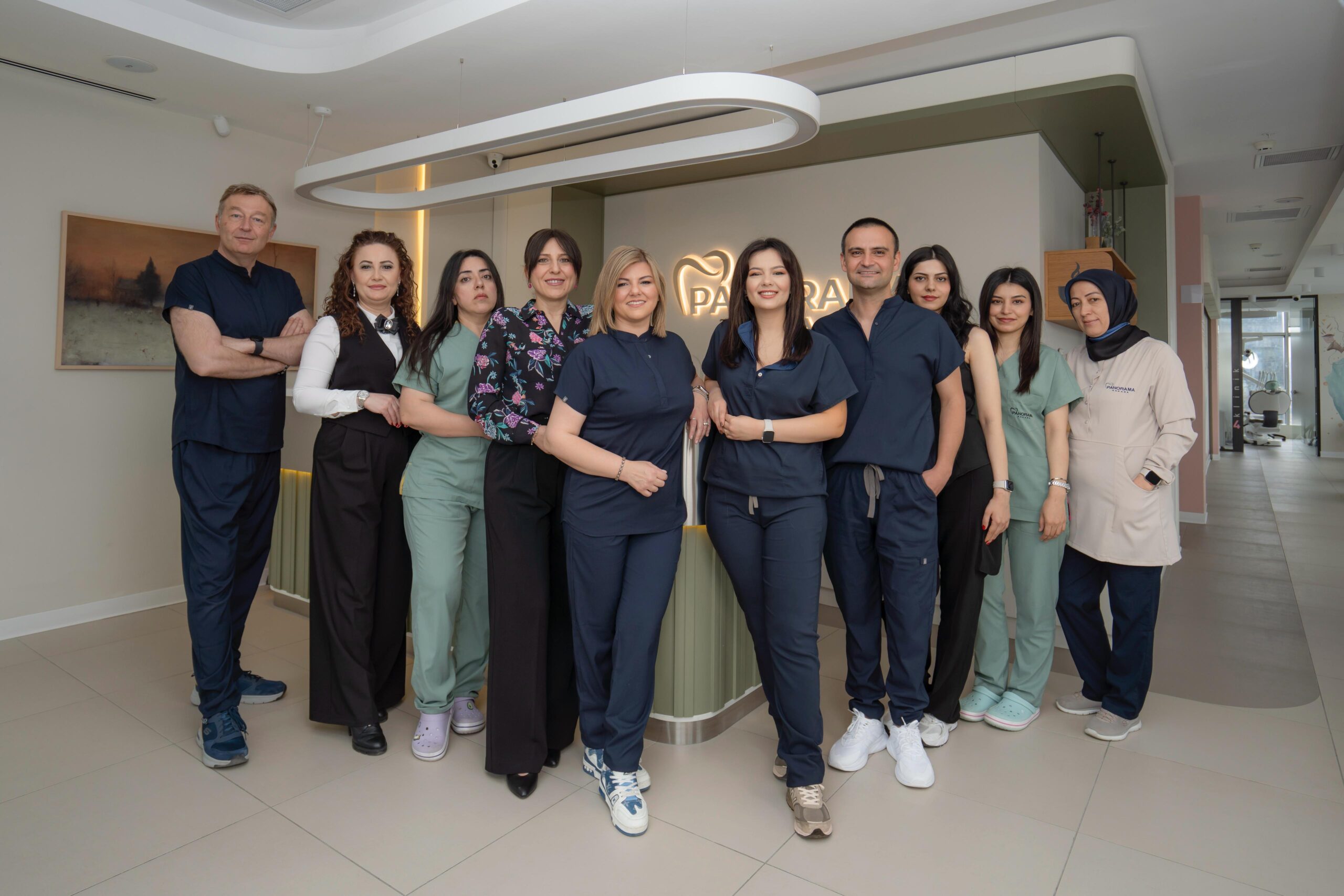
Childhood is the most sensitive period in which a person’s psychological confidence and social identity develop alongside physical growth. A childhood spent avoiding smiling or covering the mouth in photos due to crowded teeth or visible jaw anomalies can transform into deep self-confidence issues in adulthood. By applying the most current principles of digital pedodontics and orthodontics in Ankara children’s clear aligner treatments, Panorama Ankara protects children from the pain, aesthetic concerns, and restrictions associated with metal braces—offering a comfortable, invisible, and game-like medical journey. By blending the power of technology with compassionate clinical communication, our clinical team creates a transparent treatment environment for parents and a joyful one for children.
If your child has started losing baby teeth and you notice crowding, spacing, or bite problems in erupting teeth, do not miss the “golden” skeletal growth window by thinking, “They can always get braces later.” Gently preventing major orthodontic problems today can help your child breathe comfortably, eat freely, and enjoy a healthy smile they will proudly carry for life. You can schedule a detailed 3D scanning and interceptive orthodontics consultation appointment at Panorama Ankara to secure your child’s smile and overall development.