
Ankara Metal Braces
When we look at the historical evolution of orthodontic science, despite the remarkable level reached by aesthetic dentistry and technological innovation, there are certain unshakable truths that do not change in the nature of core mechanical principles and cellular jawbone movement. Although clear aligners and invisible lingual systems offer excellent alternatives for patients with high aesthetic concerns, the system that continues to carry the title of “gold standard” in the treatment of dental crowding, severe bite disorders (malocclusions), and skeletal asymmetries is unquestionably traditional metal braces. With millions of successfully treated cases accumulated over decades, metal brackets are an engineering marvel that transmits orthodontic force to tooth roots in the most direct, clear, and efficient way possible. By integrating evidence-based medicine principles and modern orthodontic mechanics into its clinical practice for Ankara metal braces treatments, Panorama Ankara aims to treat complex dental anomalies with high predictability and flawless biomechanical control—providing patients not only with aesthetics, but also a lifelong, stable, and healthy chewing function.
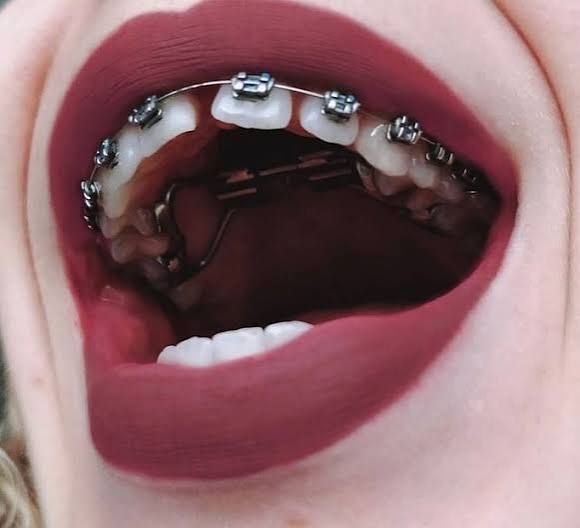
Although the public perception of metal braces is often limited to an “old-fashioned” or “for children” method, modern stainless-steel bracket systems have moved far beyond the bulky and rough designs of past decades. Contemporary low-profile metal brackets are miniaturized to minimize irritation of the lips and cheek mucosa, their edges are laser-rounded, and friction coefficients are reduced to the lowest possible levels. This aerodynamic and minimal design decreases tissue resistance during tooth movement within the bone, accelerates the treatment process, and significantly improves patient comfort. The high-quality stainless-steel or titanium-alloy metal brackets used at Panorama Ankara offer unmatched resistance to breakage, cracking, and deformation. This physical durability allows the clinician to control tooth rotation (turning around its own axis), torque (the angulation of the root within the bone), and angulation (tilting to the right or left) at a microscopic level with virtually zero flex. This uncompromising mechanical control is the key factor that makes metal braces superior to all other alternatives—especially in complex cases such as bringing in impacted canines, relieving severe crowding, and closing large spaces.
Archwires and Ligatures: The Force System That Triggers Cellular Renewal
The biological “miracle” behind metal braces treatment is the transformation of physical force into a cellular process of bone resorption and formation (remodeling). The system basically consists of three main components: the brackets bonded to the tooth surface with special composite agents, the archwires that pass through the slots in the brackets and generate the force, and ligatures, the small elastic rings that secure the wire to the bracket. In the initial stage of treatment—when teeth are extremely crowded and irregular—highly flexible and thin archwires known as shape-memory Nickel-Titanium (NiTi) wires are used. Activated by body temperature, these wires attempt to return from the bent, crowded position back to their original U-shape (the ideal dental arch form). As the wire tries to return to its original shape, it applies a continuous, gentle pulling/pushing force to the tooth through the brackets. Bone cells (osteoclasts) on the side toward which the tooth is moving resorb bone to create a path, while cells that build new bone (osteoblasts) construct fresh bone tissue in the space left behind the moving tooth. To manage this cellular physiology at the healthiest pace, Panorama Ankara specialists carefully plan archwire changes and force applications in precise intervals tailored to the patient’s bone metabolism.
As treatment progresses and teeth align into a neat row, flexible wires are replaced by thicker, angular, and more rigid stainless-steel archwires. These thicker wires are used to make tooth roots parallel within the jawbone and to lock the bite (occlusion) together as perfectly as the teeth of a zipper. One of the most fun aspects of metal bracket systems is the ligature elastics. Replaced during routine check-ups typically every 4 to 6 weeks, these tiny elastics are often the most motivating part of the process—especially for younger patients and adults who remain young at heart. Thanks to the wide range of colors offered at our clinic, patients can personalize their braces each month according to their taste, their favorite team’s colors, or the theme of the coming season—turning orthodontic treatment from a boring medical necessity into a colorful accessory.
Comparative Analysis: Metal Brackets and Other Orthodontic Systems
When choosing an orthodontic treatment route, it is crucial to strike a delicate balance among aesthetic expectations, the treatment budget, and the clinical difficulty of the case. Metal brackets are the systems with the longest technological history and the broadest support in the scientific literature. Panorama Ankara adopts a transparent patient-education philosophy so individuals can select the most appropriate method for their clinical needs. The table below summarizes the physical, economic, and biomechanical dynamics of classic metal braces—tested by time—compared with contemporary ceramic (aesthetic) brackets and clear aligner systems.
| Clinical and Operational Features | Traditional Metal Brackets | Ceramic / Clear Brackets | Clear Aligner Systems |
|---|---|---|---|
| Mechanical Durability and Fracture Resistance | Very high. Provides maximum resistance to chewing forces and external impacts. | Moderate. Bracket wings may crack or fracture with hard foods. | |
| Orthodontic Friction and Treatment Speed | Lowest friction coefficient; tooth movements are fast and smooth. | Ceramic surfaces create higher friction (wire binding), so treatment may take slightly longer than metal. | |
| Suitability for Complex Cases | The gold standard even for difficult cases such as impacted teeth and severe skeletal asymmetries. | Suitable for moderate and advanced cases, but applying flexible force is more challenging than with metal. | |
| Cost and Budget-Friendliness | Most accessible and economical orthodontic solution due to low manufacturing costs. | Higher cost than metal systems because it requires aesthetic material technology. | |
| Staining and Color Changes | Metal brackets never stain. Only the clear elastics around them may yellow (and are replaced). | With tea, coffee, and smoking, the bracket itself may not stain, but the surrounding areas may discolor over time. |
Adaptation with Metal Brackets, Nutrition, and Advanced Hygiene Protocols
On the day metal braces are first placed, mild tightness, pressure, and sensitivity when chewing may occur due to the cellular activity beginning in the roots—this is the most fundamental biological sign that the orthodontic mechanism is working correctly. This sensitivity typically decreases and disappears entirely within 3 to 5 days. During the same period, the inner mucosa of the lips and cheeks also tries to adapt to these new metal materials. Panorama Ankara specialists provide patients with special orthodontic protective wax (dental wax) that can be applied over brackets to make this adaptation period as comfortable as possible. Within a few weeks, soft tissues form a natural tolerance to the metal surfaces, and the risk of sores disappears. However, throughout treatment, minor modifications in dietary habits are essential to prevent brackets from detaching (debonding) from the tooth surface. Instead of biting hard foods (apples, quince) with the front teeth, slice them and place them on the back teeth; and strictly avoid sticky caramels, hard-shelled nuts, and traumatic habits such as cracking sunflower seeds—actions that can dislodge brackets—are vital rules so treatment can finish on schedule without interruptions.
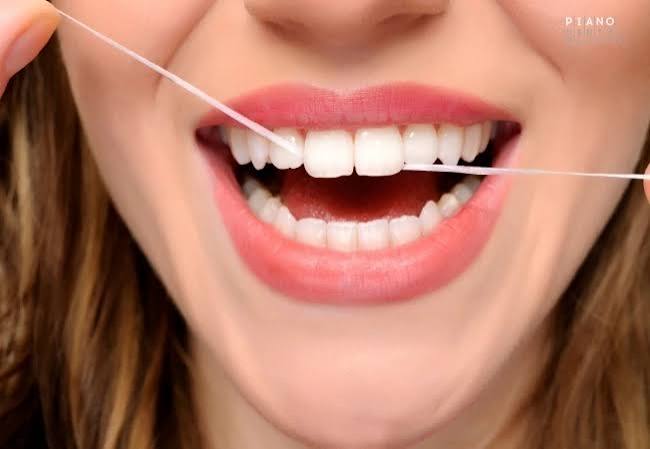
Another equally critical issue is oral hygiene. The complex geometry of metal brackets and the undercuts created by wires provide an excellent surface for bacterial plaque and food debris retention. Plaque that is not cleaned adequately can dissolve minerals in the enamel over months, leading to irreversible white spot lesions and severe gum bleeding. The golden rules for protecting bracketed teeth are as follows:
- At least three times a day—after breakfast, lunch, and dinner—perform detailed brushing with special orthodontic grooved (V-shaped) toothbrushes, using circular motions and 45-degree angles both above and below the brackets.
- After main brushing, use interdental brushes of the size recommended by your clinician every day to remove debris under the archwire and between teeth.
Reliable and Economical Smile Design with Panorama Ankara
Dental crowding is not only an aesthetic issue that makes people hide their smile in photos; it is also a chronic functional disorder that can lead to early tooth loss due to inadequate cleaning, and temporomandibular joint (TMJ) problems caused by unbalanced chewing forces. In Ankara metal braces treatments, Panorama Ankara combines years of evidence-based orthodontic vision with a modern clinical infrastructure to solve even the most severe dental problems with confidence. With its durability, biomechanical mastery, and budget-friendly economic structure, metal braces remain the most rational and powerful path to achieving perfectly aligned teeth.
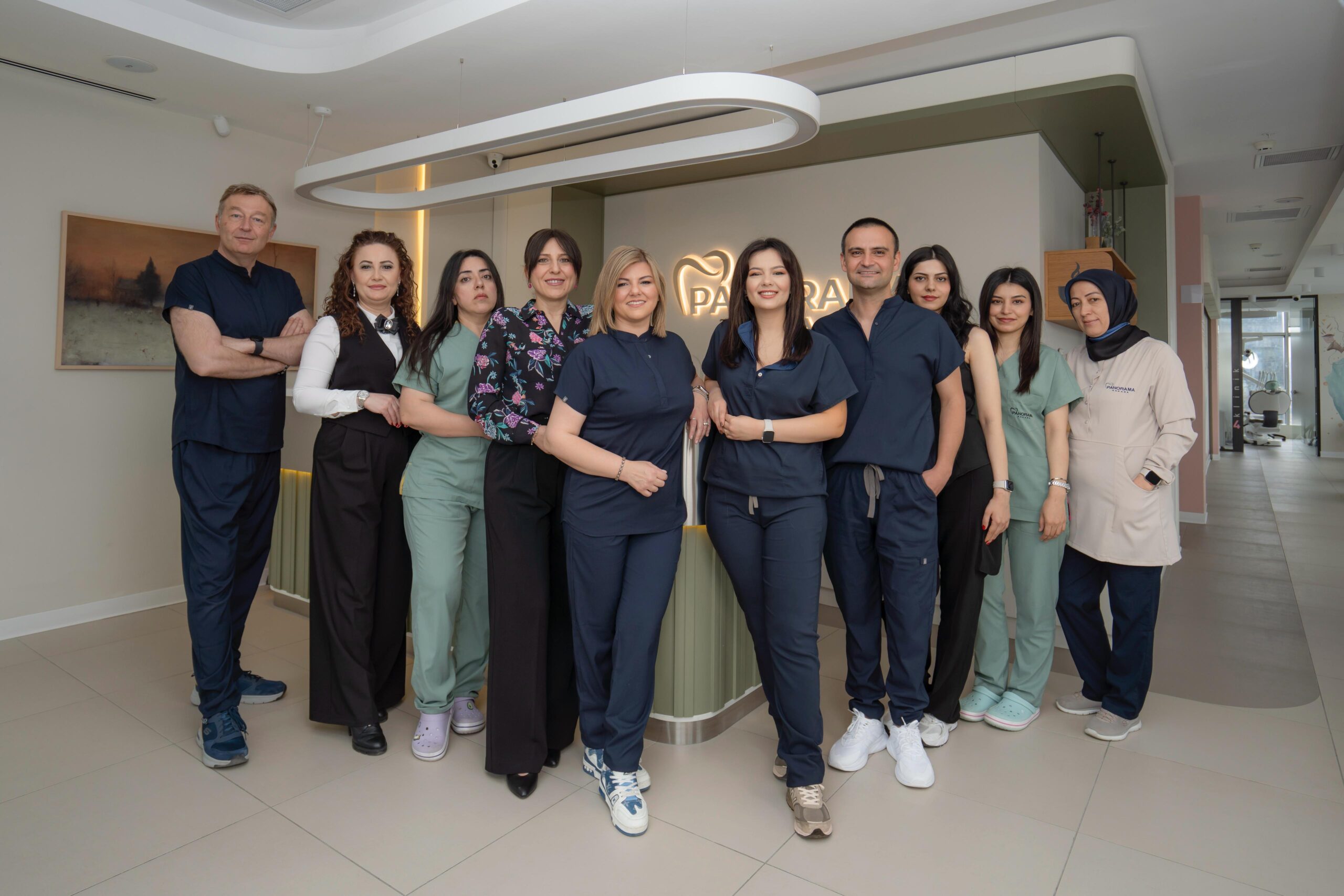
If you want to make a long-term investment in your oral health, entrust the healthy journey of your teeth within the bone to reliable hands, and enjoy a wide, confident smile for the rest of your life, you can schedule a detailed radiological examination appointment at Panorama Ankara and safely map out your personalized orthodontic route together with our expert clinicians.