
Ankara Fissure Sealant Application
Traditional dentistry focused for many years on treating teeth that were already decayed, fractured, or infected—repairing damage after it occurred. However, at the point reached by modern medical science and a proactive health vision, the true measure of success is not treating a disease, but preventing it at a cellular or microscopic level before it ever begins. One of the most powerful, effective, and comfortable clinical tools of this “Preventive Dentistry” (Prophylaxis) philosophy—especially in pediatric (children’s) and young adult dentistry—is fissure sealant (also known as “tooth varnish” or pit and fissure sealant) application. In the field of Ankara fissure sealant treatments, Panorama Ankara—monitoring children’s oral and dental development with a holistic approach—emphasizes that tooth decay is not destiny; painless, timely preventive interventions using the right materials can enable individuals to live healthily with their natural teeth throughout life. These micro-engineered protective shields, implemented with the goal of raising a cavity-free generation, turn the anatomical weaknesses of chewing teeth into an advantage by effectively “armoring” enamel against acid and bacterial attacks within the oral flora.
To understand why a tooth decays, we need to examine—through a microscopic lens—the occlusal (chewing) surface anatomy of the molars and premolars, especially those located at the back of the mouth and responsible for carrying most of the chewing load. These chewing surfaces are not flat; on the contrary, they consist of peaks (cusps) and deep, narrow, winding valleys (fissures) that lie between the cusps and enable food to be ground effectively. The problem is that some fissures are so deep and narrow that their microscopic anatomy is thinner than even the finest bristle of a toothbrush can reach. No matter how regularly and correctly children brush their teeth, residues from carbohydrates and sugary foods seep into the bottom of these deep grooves (retention areas) and become trapped there. Cariogenic (cavity-causing) bacteria naturally present in the oral flora ferment the sugars in these unreachable regions and produce acids. Over time, this acid dissolves (demineralizes) the enamel—the hardest layer of the tooth—leading to large occlusal cavities that begin at the depths of those valleys and progress silently toward the tooth’s nerve (pulp). To eliminate this anatomical trap, Panorama Ankara clinicians recommend filling these deep grooves with special biocompatible flowable materials as soon as the teeth erupt into the mouth, creating a smooth and slippery chewing surface with no recesses where bacteria can adhere.
A Non-Invasive Shield: The Structure and Biomechanics of Fissure Sealant Materials
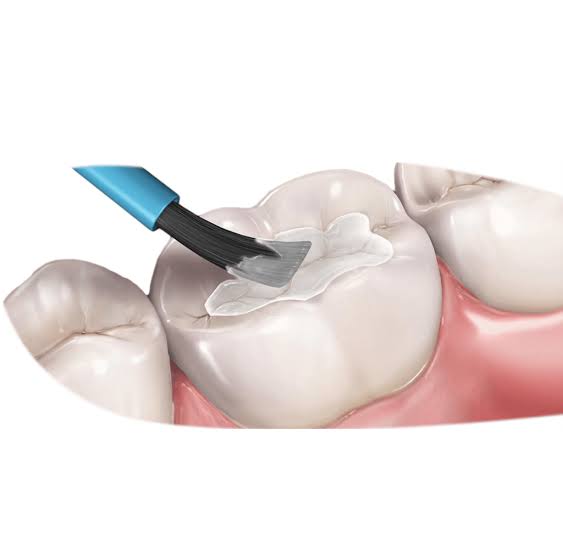
Fissure sealant materials are structurally very different from conventional filling materials and represent a distinct technology. These medical agents—primarily resin (composite)-based or glass ionomer–containing—have an ultra-flowable, honey-like consistency. This flowability allows the material to penetrate by capillary action into the most microscopic cracks, pits, and grooves on the tooth’s chewing surface, effectively “vacuum-sealing” and completely blocking that region. The material applied to the tooth surface is polymerized (hardened) within seconds using halogen or LED light sources with a specific wavelength (light-curing units). Once hardened, this transparent or milky-white protective layer chemically bonds to the enamel and becomes an inseparable part of the tooth. Sealants do more than create a physical barrier; some modern glass ionomer–containing materials slowly release fluoride ions over time (fluoride release), supporting remineralization (self-repair) of adjacent enamel and providing biochemical resistance against decay.
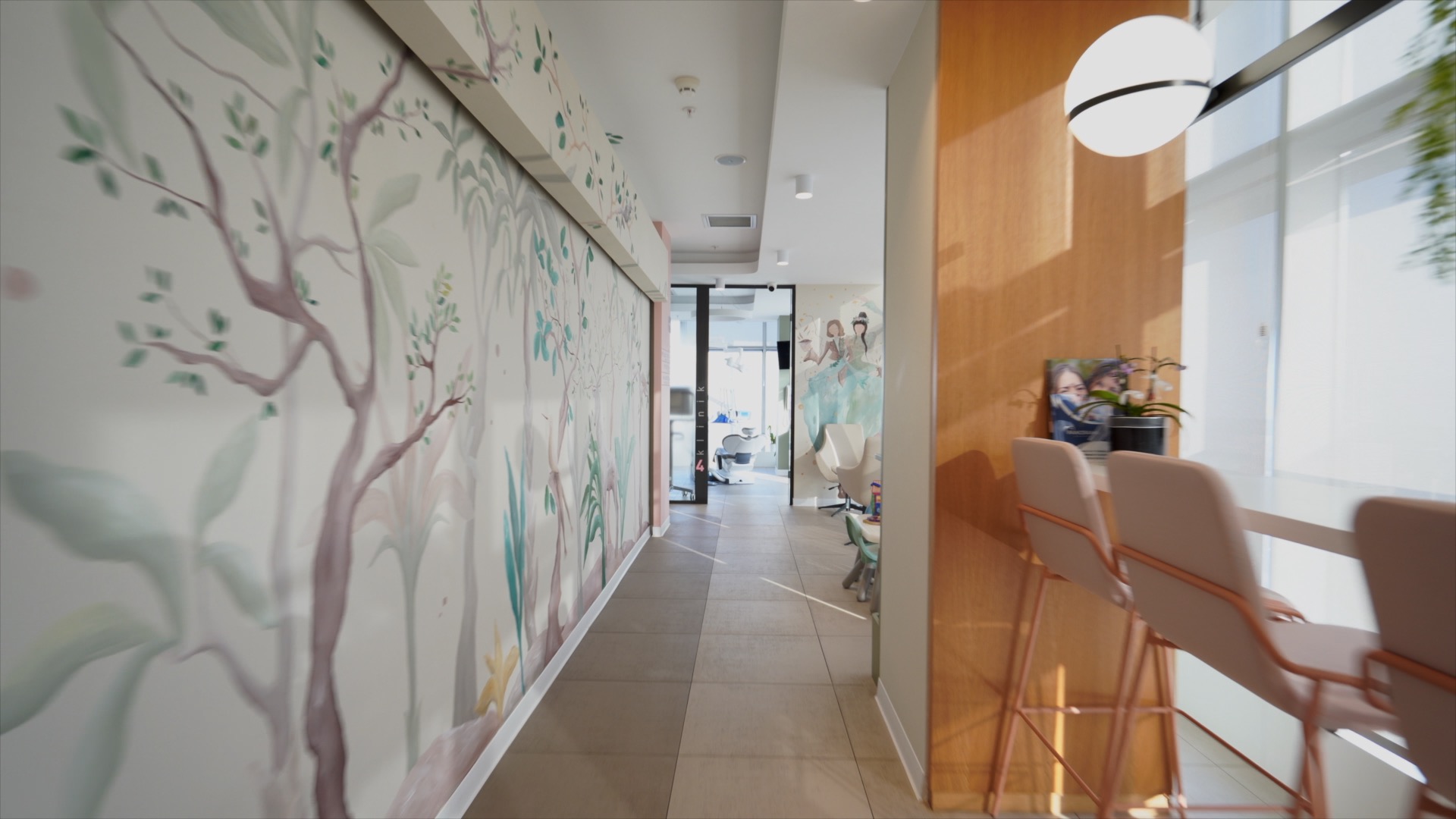
The most significant and truly revolutionary feature of this procedure in pediatric dentistry is that it is completely non-invasive (does not harm tissues). In a classic cavity treatment (a filling), the clinician must remove decayed tissue by drilling with rotary instruments (burs) and create a cavity—often requiring local anesthesia (an injection). In fissure sealant application, because no decay has started yet, there is absolutely no need to drill, cut, perforate, or remove tooth structure in any way. The natural enamel remains untouched. For this reason, local anesthesia (an injection) is also not necessary before the procedure. In Panorama Ankara’s child-friendly (pediatric) clinical environment, this painless, silent, needle-free process helps ensure that a child’s first experience in the dental chair is positive, reassuring, and even enjoyable—especially for young patients prone to fear or anxiety.
Analysis of Clinical Approaches: Preventive Fissure Sealants vs. Restorative Fillings
One of the most common questions from parents—and a frequent source of confusion—is: “Is a fissure sealant the same as a regular filling?” Although both materials can be applied to the tooth and hardened with light, their purpose, timing, and effect on tooth structure are fundamentally different. Panorama Ankara educates families about the value of preventive care, aiming to protect children’s teeth before decay begins. The table below clearly outlines the core philosophical differences between prophylactic (preventive) fissure sealants applied to healthy teeth and restorative fillings applied after decay has occurred.
| Clinical and Operational Differences | Prophylactic Fissure Sealant (Preventive) | Restorative Composite Filling (Therapeutic) |
|---|---|---|
| Purpose and Timing | Applied while the tooth is still completely healthy to prevent decay from forming in the first place. | Applied after the tooth has decayed and enamel/dentin have lost structure, to repair the damage. |
| Need for Local Anesthesia (Injection) | No anesthesia is needed because no drilling or abrasion is performed during the procedure. | Depending on the depth of decay, local anesthesia is generally required to prevent pain. |
| Intervention on Tooth Structure (Invasiveness) | No contact with bone or enamel structure. Only the chewing surface is cleaned with special brushes and the material is applied. | Decayed tissue must be removed by drilling with rotary instruments, requiring removal of tooth structure. |
| Clinical Time and Patient Comfort | Takes only a few minutes per tooth; completely painless and trauma-free for children. | Decay removal and shaping the filling takes time; instrument sounds can be tiring for children. |
Ideal Age and Timing: The Strategic Importance of the “Six-Year Molars”
The most critical variable for clinical success in fissure sealant therapy is applying it at the right time. The teeth that carry the greatest chewing load throughout life, guide jaw development, and—unfortunately due to their anatomy—are the easiest to decay are the permanent “first molars,” which typically erupt when a child is around six years old. Their eruption is often subtle, because they emerge silently behind the baby teeth without any baby tooth falling out. Many parents may assume these newly erupted teeth are temporary “baby teeth” and unintentionally neglect their care. Yet these six-year molars are lifelong teeth and key “cornerstones” of the dental arch. Panorama Ankara clinicians recommend applying fissure sealants as soon as these strategic six-year molars have fully erupted into the mouth (typically around ages 6–7), before bacteria settle into the deep fissures and initiate decay.
Preventive shield applications should not be limited to six-year molars. When a child reaches ages 11–13, the “second molars” and the “premolars” (small molars) in front of them should also be included in this preventive protocol, since they can also have deep fissures. Moreover, fissure sealants are not exclusively for children; even in adulthood, individuals with very deep developmental grooves on their chewing surfaces, low-quality saliva, or a high-caries-risk diet rich in carbohydrates can benefit greatly from these smoothing micro-barriers as an effective proactive treatment tool.
Post-Procedure Expectations and Parents’ Responsibilities
After a fissure sealant application is completed quickly and painlessly, the child can return immediately—without any restrictions—to normal life, including eating, drinking, and play. There is no need to wait for numbness to wear off or for the material to “set,” because the protective layer is instantly polymerized with LED light and reaches maximum hardness right away. However, it would be a misconception to believe that sealants make teeth magically “invincible” against cavities for life. Sealants protect only the chewing (occlusal) surface; protecting the contact surfaces between teeth and the cervical areas near the gumline from bacterial plaque depends entirely on the child’s and family’s consistent home oral hygiene routine. For long-term effectiveness over many years, the following key principles should be observed:
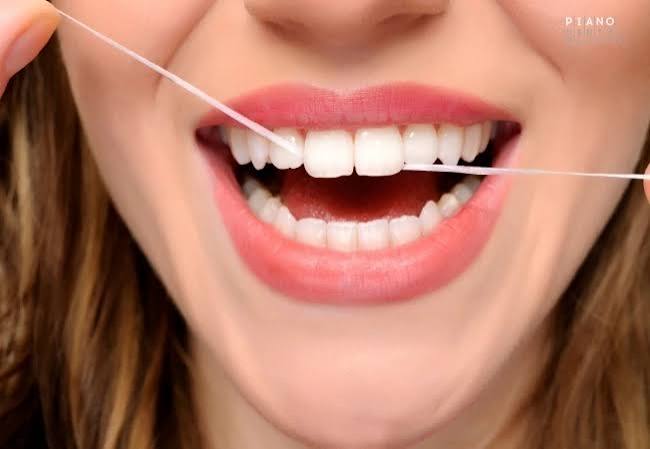
- Even after sealants are applied, continue brushing all tooth surfaces twice daily with fluoride toothpaste and maintain interdental cleaning with dental floss without compromise.
- Because chewing forces and time can cause microscopic wear or minor chipping of sealant material over the years, regular check-ups every 6 months at Panorama Ankara should not be skipped (worn areas can be refreshed with quick additions in seconds, keeping the protective shield up to date).
Turn Fear of the Dentist into Fun Trust with Panorama Ankara
Oral and dental health awareness is shaped by the experiences a child has in the dental chair at an early age. If a child’s first encounter with the dentist happens through a traumatic scenario—such as treating a painful tooth by drilling under anesthesia—it can lay the foundation for a lifelong dental phobia. With deep respect for child psychology in Ankara fissure sealant applications, Panorama Ankara makes that first contact needle-free, painless, and as simple as applying nail polish—helping children perceive the clinical environment as safe and enjoyable.
If your child’s permanent teeth have begun to erupt, now is the perfect time to protect them before they enter the spiral of decay. To eliminate the hidden risks in deep grooves early, and to protect your child from future painful and costly filling, root canal, or extraction procedures, you can schedule a detailed examination appointment with Panorama Ankara’s pediatric dentistry and preventive care unit and confidently open the doors to a cavity-free, bright future.