
Ankara Primary (Baby) Tooth Treatment
One of the biggest misconceptions in our society—unfortunately posing a serious threat to children’s oral and dental health—is the belief that “baby teeth will fall out anyway and be replaced, so they don’t need treatment.” In reality, primary teeth have unique and irreplaceable functions throughout childhood: they support physical development, healthy nutrition, clear speech articulation, and the correct shaping of the jaw–facial skeleton. A healthy primary dentition also serves as a natural guide and space maintainer for the permanent adult teeth that will erupt later. Untreated decay in primary teeth not only causes severe pain and abscess formation, but may also allow infection to progress from the root tip into the jawbone, permanently and irreversibly damaging the enamel of the permanent tooth developing directly underneath. Embracing the most up-to-date pediatric dentistry approaches in Ankara primary tooth treatment, the Panorama Ankara clinic combines the highest biocompatibility materials with child-specific behavioral guidance techniques so children can pass through these critical developmental stages in a healthy, painless, and trauma-free manner.
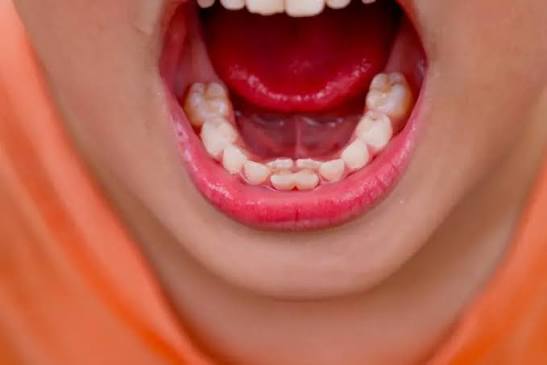
Just as children’s anatomy and physiology are completely different from adults, the microscopic tissue structures of primary teeth also differ significantly from permanent teeth. The protective enamel and dentin layers of primary teeth are much thinner and weaker in mineral content compared to adult teeth. In contrast, the pulp chamber (the “core” of the tooth), which contains nerves and blood vessels, occupies a proportionally much larger volume. This anatomical disadvantage means that a superficial cavity in children can spread very quickly, reach the nerves in a short time, and turn into severe nighttime pain. Known in the medical literature as “Early Childhood Caries (ECC)”—commonly referred to as “Bottle Caries”—these aggressive decay patterns not only erode tooth structure but also disrupt a child’s sleep routine, appetite, and psychological development. To stop this rapid destructive process, the expert team at Panorama Ankara adopts a core medical philosophy of detecting caries through regular radiographic check-ups while it is still at the enamel level, and restoring it with minimally invasive (tissue-preserving) methods.
Compomer and Composite Restorations: Biocompatible Fillings for Primary Teeth
In the treatment of carious lesions in primary teeth, gray amalgam (metal) fillings that were frequently used in the past have now been replaced by aesthetic, non-toxic, and biologically active materials. In superficial or moderately deep cases where decay has not yet reached the pulp (nerve) layer, Panorama Ankara prefers “Compomer” and “Composite” filling materials. Compomer restorations—revolutionary in pediatric dentistry—are hybrid materials that combine the aesthetics and durability of classic composites with the caries-preventive features of glass ionomer cements. The most significant medical advantage of compomers is that they slowly release fluoride ions over time (fluoride release), strengthening the healthy enamel around the filling and biochemically minimizing the risk of recurrent (secondary) caries in that region.
These aesthetic filling procedures are performed quickly and comfortably in our child-friendly clinical environment. After the decayed tissue is gently removed using special rotary instruments and excavators, the prepared cavity is filled with flowable restorative materials that closely match the natural tooth color and then hardened within seconds using a special blue light (LED polymerization device). Immediately after the procedure, the restoration reaches maximum strength, allowing the child to eat and drink freely as soon as they leave the clinic. Aesthetic restorations are not limited to posterior molars; they can also be successfully applied to anterior primary incisors severely damaged by bottle caries—helping rapidly restore the child’s compromised phonetics (speech) and wounded social self-confidence that may have led them to hide their smile.
Advanced Endodontic Approaches: Primary Tooth Pulpotomy and Root Canal Treatment
If decay has progressed beyond enamel and dentin layers and reached the pulp (nerve) tissue—the “heart” of the tooth—a simple filling will not be enough to save the tooth. While adult teeth typically require standard root canal therapy in such situations, the approach in primary teeth is quite different due to root anatomy and the presence of the developing permanent tooth underneath. In cases where the nerve is infected but the infection has not yet spread to the root tips and jawbone, Panorama Ankara specialists use a life-saving protocol called “Pulpotomy” (also known as amputation). In this procedure, only the diseased and inflamed pulp tissue in the crown (upper) portion of the tooth is removed, while the healthy pulp tissue in the roots is preserved. Special healing medicaments are placed so the tooth can remain functional and healthy in the jawbone until its natural shedding age.
A complete root canal treatment for a primary tooth (Pulpectomy) is preferred in more advanced cases where infection has fully spread into the root canals, accompanied by facial swelling or the formation of a gum fistula (a pimple-like abscess). Unlike adult root canals, primary tooth canal treatments use special tissue-friendly filling pastes that can resorb (dissolve) over time along with the roots. This allows the primary tooth roots to resorb normally when the permanent tooth erupts later, without disrupting the natural exfoliation process. To help our patients better understand treatment pathways, we present the clinical differences between simple fillings and pulpotomy (advanced pulp therapy) in the comparative table below.
| Clinical Evaluation Criteria | Primary Tooth Compomer Filling Treatment | Primary Tooth Pulpotomy |
|---|---|---|
| Depth of Caries and Target Tissue | Decay is limited to enamel and dentin. The pulp (nerve) tissue is completely healthy. | Decay is very deep; it has reached and infected the pulp tissue in the crown portion of the tooth. |
| Patient Symptoms and Pain Profile | Usually a brief sensitivity when eating sweets or drinking cold, which then subsides. | Severe, throbbing pain—especially at night—waking the child from sleep and not relieved even with pain medication. |
| Need for Local Anesthesia (Injection) | In superficial cavities, anesthesia is often not required, or a very mild topical anesthetic may be enough. | Because the procedure involves pulp tissue, full local anesthesia is essential for a pain-free treatment. |
| Extent of Intervention | Only the decayed tissue is removed and the physical cavity is sealed with an aesthetic material. | The coronal pulp is removed, bleeding is controlled, a therapeutic medicament is placed, and the tooth is restored with a filling or crown. |
Pediatric Crowns for Extensive Tooth Structure Loss (Stainless Steel and Zirconia)
Primary teeth that have undergone pulpotomy or root canal treatment become more brittle over time—much like a dried tree branch—because the nerve and blood supply inside the tooth is reduced or completely removed. In addition, after decay is cleaned out, the remaining tooth structure (walls) may be too thin and weak to support a standard filling. In such severely destroyed cases, placing only a filling can result in the filling or the tooth fracturing completely the first time the child bites into a hard food. To protect these fragile teeth and keep them firmly in the mouth until their natural exfoliation age (sometimes up to 10–12 years), Panorama Ankara uses “Prefabricated Pediatric Crowns.”
For posterior molars, “Stainless Steel Crowns (SSC)”—used for decades and extremely resistant to chewing forces—cover the tooth 360 degrees like a protective helmet, fully isolating it from external factors. Once cemented, the tooth is highly protected against future decay. With advances in technology, “Pediatric Zirconia Crowns” have also become common, especially for treating bottle caries in the front region or for families with high aesthetic expectations in posterior restorations. These zirconia crowns are produced in the natural color and translucency of primary teeth and offer an excellent biocompatible option for children with metal allergies or those who do not find gray-colored crowns aesthetically pleasing. When the crowns come out, they exfoliate together with the primary tooth, meaning they do not interfere in any way with the eruption of the underlying permanent tooth.
Overcoming Dental Fear: Treatment Under Sedation and General Anesthesia
The most important factor influencing the clinical success of primary tooth treatments is how well a child can cooperate (comply) in the dental chair. Negative early experiences, fear of injections, or being too young to communicate (for example, age 2–3) may cause intense reactions, crying, and sudden reflex movements during treatment. In an oral environment where sharp and rotating instruments are used, a child’s sudden head movement can pose serious injury risks. For pediatric patients who resist treatment, have multiple deep cavities, have a strong gag reflex, or have special needs (mental/physical disabilities), Panorama Ankara safely applies “Conscious Sedation” and “General Anesthesia” protocols under the supervision of specialist anesthesiology teams—transforming treatment from a traumatic ordeal into a controlled and comfortable process.
With these protocols, the child falls into a deep sleep. While the child feels no sound, vibration, or pain, our pediatric dentistry specialist completes all cavities, root canal treatments, fillings, and crown procedures perfectly in a single session (typically within 1–2 hours). After the procedure, the child wakes up feeling rested—as if waking from a short, pleasant nap—without remembering any negative details about pain, instruments, or treatment. This protects the child’s psychology and lifelong trust in dentistry, and it also relieves parents from repeated clinic visits and the stress of witnessing their child cry. A few golden rules for parents to follow at home after sedation or anesthesia include:
- Because mild numbness in the lips or cheeks may persist briefly after anesthesia and the child could accidentally bite those areas and cause a sore (traumatic ulcer), solid foods requiring chewing should not be given until the numbness has fully worn off.
- Depending on the number of treated teeth and the extent of procedures, mild discomfort or sensitivity may occur in the first 24 hours; pediatric analgesic (pain-relief) syrups prescribed by the dentist should be used according to the instructions.
Happy Children, Strong Foundations with Panorama Ankara
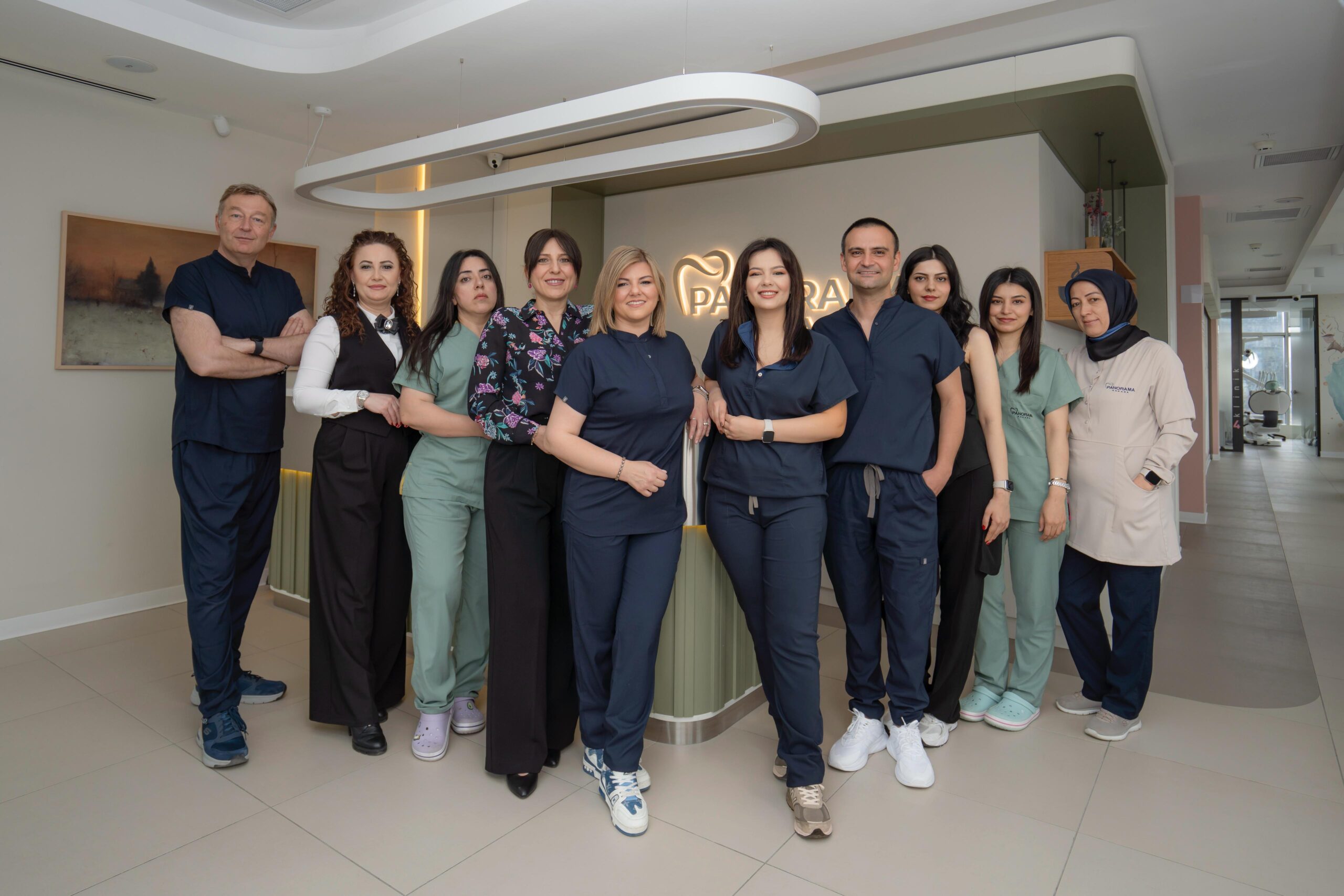
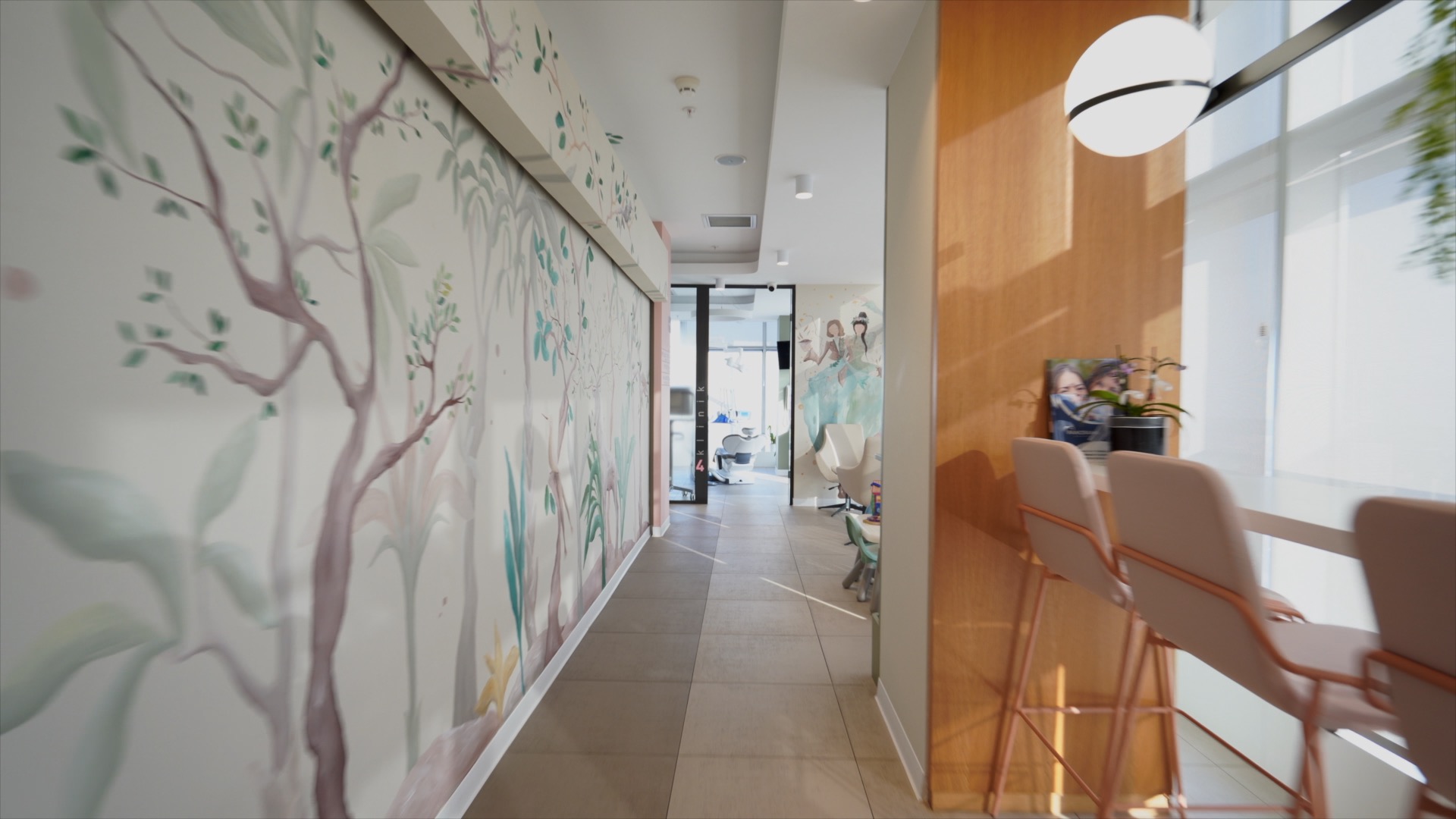
Childhood is an irreplaceable period in which the foundations of oral health are built and the future skeletal and aesthetic form is shaped. In Ankara primary tooth treatment services, Panorama Ankara evaluates each child through their unique psychological dynamics and physical needs—transforming fear into affection and decay into healthy, strong teeth. With our technological infrastructure, colorful and fun clinic environment that captures children’s interest, and an expert pediatric dentistry vision, we provide a treatment ecosystem where parents can confidently entrust their most valuable treasures—their children’s health.
Dark spots on your child’s teeth, gum swelling, or nighttime aches are warning signs of bigger problems. Don’t let infections in primary teeth compromise your child’s physical development and smile. To explore a wide range of solutions—from painless, needle-free preventive methods to safe “sleep dentistry” treatments completed in a single session—you can schedule a detailed pediatric dental evaluation appointment at Panorama Ankara and ensure your child continues their growth journey pain-free and bright.