

Ankara Pediatric Dental Treatments
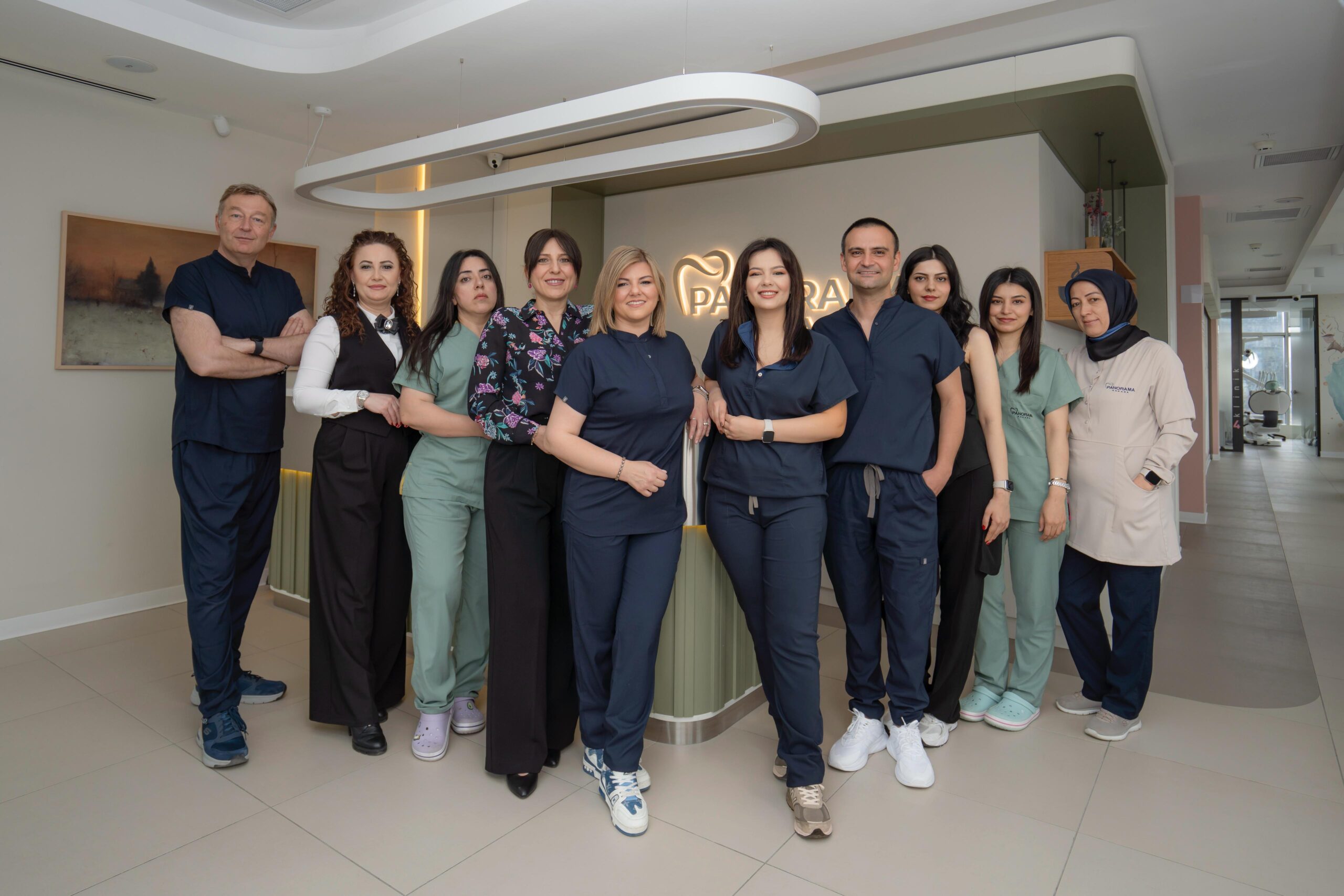
Childhood is the stage of life in which biological change in the human body occurs at its fastest and most delicate pace. During this period, the primary (baby) teeth in the oral cavity possess an anatomy, cellular structure, and physiology that differ dramatically from permanent adult teeth. The enamel layer—the outer protective covering of primary teeth—is approximately half as thick as that of adult teeth; in contrast, the “pulp” chamber (the core containing the nerve and blood vessel network) is proportionally much larger. This anatomical disadvantage, combined with high carbohydrate consumption during childhood and still-developing brushing motor skills, allows a superficial cavity to reach the tooth’s nerves very rapidly. When such decay is neglected under the misconception that “it will fall out anyway,” it can lead to severe pain that affects the child’s nutrition, acute infections that swell the submandibular lymph nodes, and developmental defects that permanently damage the enamel structure of the underlying permanent tooth (Turner’s hypoplasia). In the field of Ankara pediatric dental treatments, Panorama Ankara approaches pedodontics with a multidisciplinary medical vision, treating early childhood caries (baby bottle decay) and pediatric traumas through behavior-guidance techniques that respect the child’s psychological boundaries, advanced primary tooth endodontics, and highly biocompatible restorative materials. Our goal is to protect our young patients from dental phobias while maintaining healthy chewing function and jaw development.
The success of pediatric treatments depends not only on the dentist’s manual skill but also on effective Behavior Management strategies that make the child feel happy and safe in the dental chair. For communicative and cooperative children, Panorama Ankara specialists transform treatment into a game using “Tell–Show–Do” techniques, positive reinforcement, and age-appropriate terminology (for example, calling the air-water syringe a “water gun” or the saliva ejector a “vacuum cleaner”). However, in very young children (e.g., ages 2–4) with extremely high dental anxiety (dental phobia), special healthcare needs (such as autism or cerebral palsy), or multiple deep cavities requiring treatment in a single session, these classic communication methods may not be sufficient. Attempting to treat a child through physical restraint can create lifelong psychological trauma. In such extreme cases, Panorama Ankara utilizes the safest and most comfortable alternatives offered by medical science—Conscious Sedation and General Anesthesia—performed in fully equipped operating room conditions under the supervision of specialist anesthesiologists. While the child is in a deep sleep state (sedation), all necessary root canal treatments, extractions, and fillings are completed painlessly in a single session; upon waking, the child remembers no pain or negative experience.
Primary Tooth Endodontics: Protecting and Treating the Pulp (Nerve)
Although a cavity in a primary tooth may appear as just a small black spot externally, once it rapidly penetrates the thin enamel and reaches the wide pulp chamber, a standard filling is no longer sufficient to save the tooth. When decay bacteria have reached the pulp tissue but have not yet extended beyond the root tip to form an abscess in the jawbone, Panorama Ankara pedodontists perform microsurgical treatments known as Primary Tooth Endodontics. The concept of root canal treatment in primary teeth differs completely from that in adults, both in terms of biocompatible materials used and biomechanical philosophy. Since the roots of primary teeth will naturally resorb (dissolve) as the permanent tooth beneath approaches eruption, the filling materials used in primary root canals must also be resorbable by the body—this is a biological necessity.
Depending on the depth of pulp involvement, there are two main nerve treatment approaches in pedodontics: Pulpotomy (Amputation) and Pulpectomy (Primary Root Canal Treatment). In a pulpotomy, if decay has infected only the coronal (crown) portion of the pulp, the infected upper pulp tissue is gently removed while the healthy, living pulp tissue within the roots is preserved. The cavity is then filled with highly biocompatible regenerative materials such as MTA (Mineral Trioxide Aggregate), which promote healing of the remaining healthy pulp before restoring the tooth. However, if the infection has extended into the root canals, a pulpectomy is performed: all pulp tissue within the root canals is completely removed and replaced with tissue-friendly, resorbable canal filling pastes. These procedures are vital medical rescue operations that prevent premature extraction and the jaw narrowing (crowding) that would otherwise follow.
Clinical Classification: Restorative Alternatives for Primary Teeth
In pediatric dentistry, the choice of filling or crown material used to restore chewing strength in a tooth that has undergone nerve treatment or has extensive structural loss directly determines the longevity of the treatment. Panorama Ankara utilizes the most advanced material science to support jaw development and prevent secondary (recurrent) decay. The table below transparently compares the clinical indications of the most commonly used restorative materials in pedodontics.
| Clinical and Material Dynamics | Compomer Fillings (Colored/White) | Stainless Steel Crowns (SSC – Prefabricated) |
|---|---|---|
| Material Structure and Biological Function | A combination of composite (light-cured) and glass ionomer; releases fluoride over time to protect against decay. | High-quality, tissue-friendly, thin stainless steel or zirconia crowns designed to fit the tooth’s form. |
| Tissue Loss and Indication Limits | Ideal for small to medium-sized cavities where sufficient tooth walls remain. | Used in molars with extensive structural loss, missing walls, or after root canal treatment (fragile teeth). |
| Mechanical Strength and Chewing Resistance | Slight risk of fracture or detachment under very hard foods. | Encases the tooth like armor; does not fracture or fall off. Remains secure until the tooth exfoliates. |
| Child Psychology and Aesthetic Impact | Color options (pink, blue, etc.) significantly increase treatment motivation in children. | Provides a shiny silver appearance in back teeth (or white zirconia); introduced as a “silver/superhero tooth.” |
Pediatric Dental Traumatology: Emergency Management
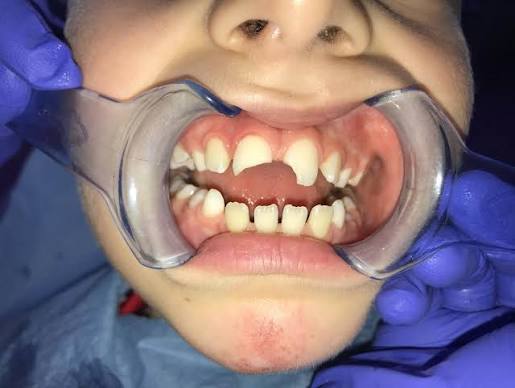
Childhood is a period filled with crawling, walking, running, and playground/school activities—making falls and collisions an inevitable part of life. Especially among newly walking toddlers (ages 1–3) and active school-age children (ages 7–10), facial injuries frequently result in fractured front teeth, intrusion into the jawbone (intrusion), or complete displacement of the tooth from its socket (avulsion). In such emergencies—referred to in medical literature as Dental Traumatology—the dentist’s microsurgical intervention is crucial, but the calm and correct first-aid steps taken by parents in the first few minutes after the accident are equally critical in determining whether the tooth survives.
Panorama Ankara pedodontic specialists emphasize that even seconds are vital for preserving tissue vitality (pulp and periodontal ligament cells) in dental trauma. To allow a fractured or completely avulsed tooth to be replanted (reimplanted) successfully without losing cellular vitality, parents must know and quickly apply the following two life-saving emergency protocols:
- If a permanent tooth is completely knocked out (avulsion), never hold it by the root; handle it only by the white crown portion, gently place it in cold milk or clean water without scrubbing or brushing it, and reach the clinic within 60 minutes at the latest (this is critical for preserving the living cells around the root so the tooth can reattach to the bone).
- If half of a primary or permanent tooth breaks off (crown fracture), immediately locate the broken fragment, store it in clean water or milk, and bring it to the dentist; using special adhesive systems, the fragment can often be reattached within minutes—restoring original form and strength without the need for additional filling material.
Protect Your Child’s Smile from Trauma and Decay with Panorama Ankara
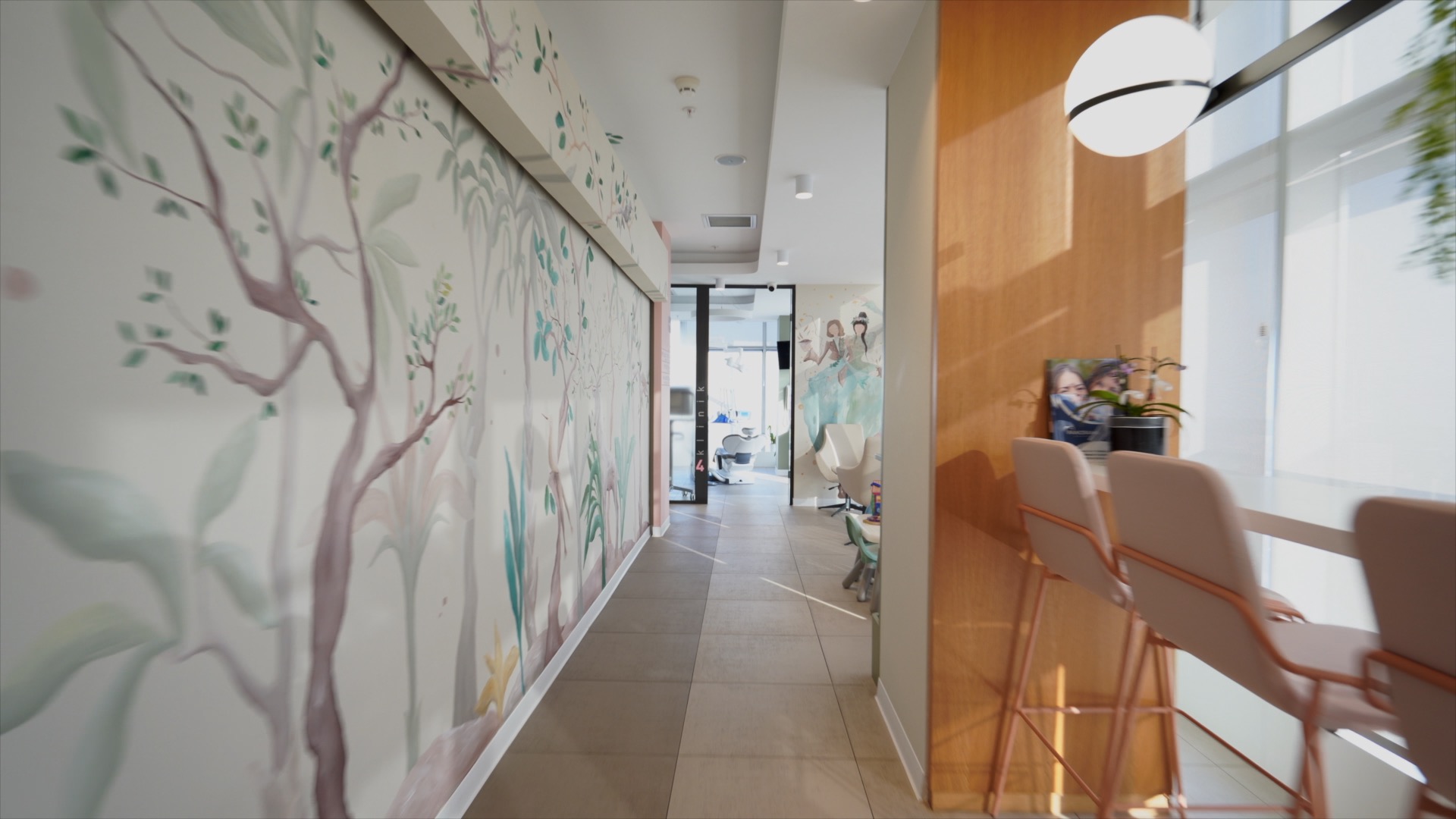
Pediatric dentistry is not simply a scaled-down version of adult dentistry; it is a highly sophisticated discipline with its own biological dynamics, psychological sensitivities, and growth-development parameters. In Ankara pediatric dental treatments, Panorama Ankara transforms the clinic from a frightening hospital environment into a trustworthy health playground for our young patients—offering comprehensive medical guidance for conditions ranging from severe baby bottle decay to unexpected school accidents (traumas).
Do not allow hidden cavities that disrupt your child’s sleep to progress further, nor let a broken tooth after trauma damage their self-confidence. To map the radiological status of your child’s primary and underlying permanent teeth, evaluate sedation, endodontic, or stainless steel crown (SSC) alternatives with our expert team, and design a personalized treatment plan, you can schedule a detailed pedodontic consultation at Panorama Ankara—becoming a strong architect of their healthy, joyful, and trauma-free growth journey.