

Ankara Pediatric Root Canal Treatment
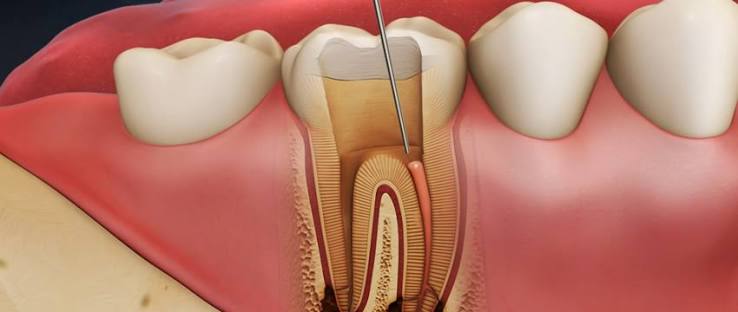
One of the most deeply rooted dental misconceptions in society is the belief that primary (baby) teeth are merely temporary structures and that extracting them when they decay will not harm a child’s oral health. In fact, during the biological development of jaw anatomy, primary teeth serve as both a guide and a natural space maintainer for the permanent teeth waiting to erupt beneath them. When decay in a primary tooth is no longer limited to the enamel and reaches the neurovascular bundle at the center of the tooth (the pulp chamber), severe night pain begins—disrupting the child’s sleep quality and eating habits. At the stage when the infection has reached the nerve tissue, it becomes impossible to save the tooth with a simple filling; however, extracting the tooth immediately can also lead to jaw constriction and orthodontic crowding that are very difficult to compensate for later. By adopting internationally current treatment protocols in Ankara pediatric root canal (primary tooth endodontics) applications, Panorama Ankara aims to preserve infected primary teeth biologically instead of removing them from the oral environment, by cleaning the infection within the roots using microsurgical techniques to protect jaw development. This approach not only relieves the child’s current pain, but also secures the child’s future facial symmetry and chewing function through a critically important medical intervention.
The anatomy of primary teeth differs dramatically from adult teeth at the cellular level. The protective enamel and dentin layers of a primary tooth are extremely thin, while the pulp (nerve) chamber is proportionally much larger and much closer to the surface. When this biological disadvantage combines with high carbohydrate consumption in childhood, a cavity can invade the nerve tissue not in months, but sometimes within only weeks. Once bacteria reach the pulp chamber, severe inflammation (pulpitis) occurs, followed by tissue death (necrosis). If pediatric root canal treatment (pulpectomy) is not performed at this stage, the infection can leak through the root tip (apical foramen) and spread into the jawbone. This aggressive pus (abscess) within the bone may cause irreversible chemical damage to the enamel structure of the developing permanent tooth bud (the permanent tooth germ) located just a few millimeters below. Before the infection reaches the bone and the permanent tooth germ, Panorama Ankara’s experienced pediatric dentists gently clean the roots of the primary tooth with microscopic canal instruments and stop this dangerous biological destruction at the cellular level.
Biomechanical Differences: Adult Endodontics vs. Primary Tooth Root Canal Treatment
The most common concern parents have when deciding on root canal treatment for their child is whether the procedure is the same as the long and exhausting root canal treatment performed in adults. Endodontic treatment in primary teeth (pulpectomy) is based on a completely different pharmacological engineering approach than adult root canals, both in philosophy and in the materials used. In adults, because the tooth root will remain in the mouth for life, the canals are tightly sealed with rubber-based, non-resorbable, hard filling materials (gutta-percha). However, the root of a primary tooth must physiologically resorb (dissolve) over time under the eruptive pressure of the permanent tooth beneath it. If a non-resorbable hard material like the adult fillings is placed in a primary tooth root, the eruption pathway of the permanent tooth can be physically blocked.
Because of this vital biological difference, in pediatric root canal treatments at Panorama Ankara, after the root canals are sterilized, they are filled by injecting special resorbable (body-absorbable) biocompatible pastes (typically medical mixtures containing calcium hydroxide and iodoform). These remarkable mixtures eliminate bacteria inside the root canal and support healing, while also dissolving and disappearing in perfect synchronization with the primary tooth root as the permanent tooth begins to erupt. In this way, the permanent tooth can safely take its place in the oral cavity at the proper time and angle without encountering any chemical or physical obstacle.
Clinical Classification: Nerve Treatment Alternatives in Pediatric Dentistry
In pediatric dentistry, reaching the pulp does not always mean performing a full root canal treatment down to the very end of the roots. Depending on the depth of destruction caused by decay in the nerve tissue, the dentist chooses between two different conservative pathways. To clarify the anatomical limits of the treatment and inform parents transparently, Panorama Ankara details the types of nerve treatments in children in the table below.
| Clinical and Operational Criteria | Pulpotomy (Partial Treatment / “Half Root Canal”) | Pulpectomy (Complete Root Canal Treatment) |
|---|---|---|
| Depth of Infection and Tissue Damage | Decay has affected only the coronal pulp (in the crown); the pulp in the roots is still alive and healthy. | Decay bacteria have passed beyond the crown and have killed the pulp in all root canals (necrosis). |
| Extent of Surgical Intervention | Only the infected pulp tissue in the crown is removed; the root canals are not entered. | All infected pulp tissue from the crown to the root tip is completely removed with special files. |
| Medical Material Used | Bio-regenerative agents (e.g., MTA) are placed to cover and heal the remaining vital pulp. | The entire cleaned root canal system is filled with antibacterial pastes that can resorb as the permanent tooth erupts. |
| Treatment Duration and Number of Visits | Usually very quick and easily completed in a single short visit. | Takes a bit longer due to irrigation and drying; sometimes completed in two visits. |
Post-Treatment Crown Restorations (Stainless Steel / Zirconia)
The success of root canal treatment in primary teeth does not end with cleaning bacteria from inside the roots. A tooth that has undergone root canal treatment loses its internal blood supply and gradually becomes less flexible—like a dried tree branch—making it highly prone to fracture under chewing forces. Primary molars are major pillars that carry most of a child’s chewing load. After root canal therapy, restoring these teeth with only a large standard composite (light-cured) filling can cause the tooth to split and fracture when the child bites into a hard food, wasting all treatment effort and ultimately requiring extraction.
To prevent this biomechanical collapse, Panorama Ankara’s advanced pedodontic protocols typically cover root-canal-treated primary molars with Stainless Steel Crowns (SSC – prefabricated full-coverage crowns) or Pediatric Zirconia Crowns, which encase the tooth 360 degrees like armor. Cemented with tooth-specific medical cements, these crowns protect the treated tooth against chewing fractures, prevent bacterial leakage around the tooth (secondary caries), and ensure that the tooth remains solidly in place until it naturally exfoliates at the appropriate time.
Healing After Pulpectomy and At-Home Care Routine
Root canal treatment in children is performed completely painlessly thanks to local anesthesia (or sedation). However, depending on the extent of infection within the bone and the biological relationship between the tooth and surrounding tissues, some temporary physiological sensitivity may occur in the first days after leaving the clinic due to the body’s cellular “cleanup” process in that area. To ensure that a root-canal-treated primary tooth continues to function and remain supported by the jawbone, and to help the healing period pass smoothly, Panorama Ankara specialists remind parents of the following two essential rules:
- Until the filling or crown placed by the dentist has fully set (the first 24 hours), avoid chewing hard, sticky, or crusty foods on the treated side, and prioritize soft-textured foods in the child’s diet.
- Although root canal treatment removes the nerve inside the tooth, the gum tissue surrounding the tooth is still alive and susceptible to infection; therefore, the area around the treated tooth must never be neglected during brushing and should be carefully cleared of bacterial plaque every day through mechanical cleaning.
Step Into Pain-Free Nights and Cavity-Free Tomorrows with Panorama Ankara
Waking up in the middle of the night with severe toothache is one of the most difficult physiological traumas for a child’s small body to endure. By combining child-friendly behavior guidance techniques with the most advanced endodontic science in Ankara pediatric root canal applications, Panorama Ankara safely rescues your little patients from this infection cycle. Rather than accepting the “easy” option of extraction—which can cause anatomical harm that is impossible to compensate for in the future—our clinic’s fundamental purpose is to keep primary teeth in the mouth and support jawbone development at the highest level.
You can schedule a detailed pediatric dentistry consultation at Panorama Ankara to analyze your child’s deeply decayed primary teeth with panoramic or periapical X-rays, determine whether the developing permanent tooth buds beneath are safe, and design the most suitable painless endodontic microsurgical route—adding a scientific assurance to their healthy, joyful, and pain-free growth journey.