

Ankara Dental Implant Placement
Dental implants—the most predictable method modern medicine has reached for restoring missing teeth and the closest approach to natural physiology—are often perceived by patients as nothing more than simple titanium screws placed into bone. In reality, placing an implant into the jawbone and building a functional tooth on top of it is a multi-stage, highly complex medical journey in which surgical precision, biomaterial engineering, and the human body’s remarkable healing capacity merge into a single process. Whether an implant can remain healthy in the mouth for a lifetime depends less on the implant’s brand and far more on which surgical protocols, which level of tissue sensitivity, and which biomechanical calculations guide the procedure. Embracing advanced maxillofacial surgery standards in Ankara implant placement, Panorama Ankara approaches the rehabilitation of missing teeth not as a single surgical moment, but as a holistic biological project consisting of diagnosis, surgical placement, cellular integration, and prosthetic loading phases. With protocols tailored to each patient’s bone density (from Type 1 to Type 4) and gingival biotype, our clinic reduces surgical trauma to microscopic levels and enables an artificial root to integrate flawlessly with the human body.
The fundamental philosophy of successful implant placement is cellular respect for the jawbone (the osteotomy site). Bone is a living, dynamically renewing, vascularized tissue. Excessive heating or injury to the bone while preparing the implant socket (cavity) can lead to the death of bone cells (osteocytes) and prevent the implant from integrating with bone (resulting in fibrosis). To protect the biological limits of bone during osteotomy preparation, Panorama Ankara’s expert oral and maxillofacial surgeons use physiodispenser systems with ultra-low speed and high torque, operating under copious sterile saline irrigation. In this way, the bone tissue is expanded with stepwise drills at one-tenth-of-a-millimeter precision without exposure to thermal shock (heat trauma). The implant is then slowly inserted into the prepared socket with a specific rotational force (torque). This initial mechanical compression force—where the implant threads tightly engage the bony walls and remain immobile—is called Primary Stability in medical literature. Primary stability is the most critical physical parameter determining the surgical success of the procedure and the implant’s future biological fate.
The Biological Miracle: Osteoblastic Activity and the Osseointegration Process
Once the implant is mechanically placed into the jawbone, only the surgical phase has been completed; the truly miraculous biological phase (the healing period) begins at that very moment. Titanium is inherently 100% biocompatible (bioinert) with human tissue. During manufacturing, the implant surface is made micro-rough—using special acids or sandblasting techniques—so that bone cells can easily attach. Immediately after surgery, a blood clot within the jawbone completely envelops this micro-rough titanium surface. Growth factors within the clot rapidly attract bone-forming cells (osteoblasts) toward the implant surface.
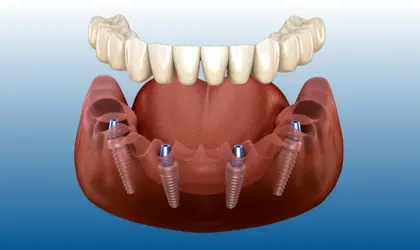
During this silent waiting period that lasts for months, osteoblasts enter the microscopic depressions on the titanium surface and synthesize a new, living bone matrix. This direct, cellular fusion between the implant and the jawbone—without any connective tissue layer or gap—is called Osseointegration. When osseointegration is complete, the implant ceases to be an externally placed screw and becomes an anatomical, inseparable part (a root) of the body. At this stage, the implant’s retention strength transitions from the initial mechanical compression (primary stability) to a fully biological retention known as Secondary Stability. Panorama Ankara clinicians radiologically monitor this biological integration period—typically ranging from 2 to 4 months depending on the patient’s bone structure—and proceed to the crown (tooth) fabrication phase only when intercellular integration is 100% complete.
Clinical Classification: Two-Stage Placement vs. Immediate Loading
In implant dentistry, the timing of when the tooth is attached after surgery varies depending on the patient’s jawbone quality and the esthetic/functional urgency of the treated region. In modern dentistry, advanced approaches that eliminate traditional waiting periods are also available. To help patients clearly anticipate the medical timeline, Panorama Ankara transparently compares different loading (tooth placement) protocols used in clinical practice in the table below.
| Clinical & Operational Parameters | Conventional Approach (Delayed Loading) | Immediate Loading Protocol |
|---|---|---|
| Biomechanical Strategy & Process | The implant is placed, fully covered by the gums, and bone healing is allowed for 2–4 months. | A temporary/permanent porcelain tooth is fixed on the implant the same day or within 48 hours. |
| Primary Stability (Bone Density) Requirement | Can be safely applied even if bone is soft (Type 4) or bone graft material has been added. | The implant must achieve exceptionally high insertion torque (very tight engagement) in bone. |
| Effect on Esthetics & Social Life | During healing, the area is usually left without a tooth (or a removable temporary appliance is used). | The patient arrives toothless and leaves the clinic the same day with a fixed tooth in place. |
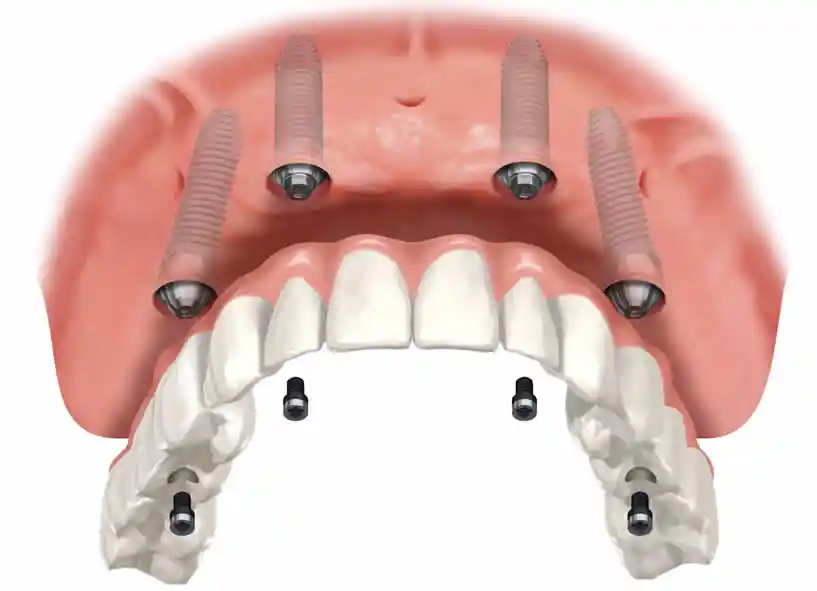
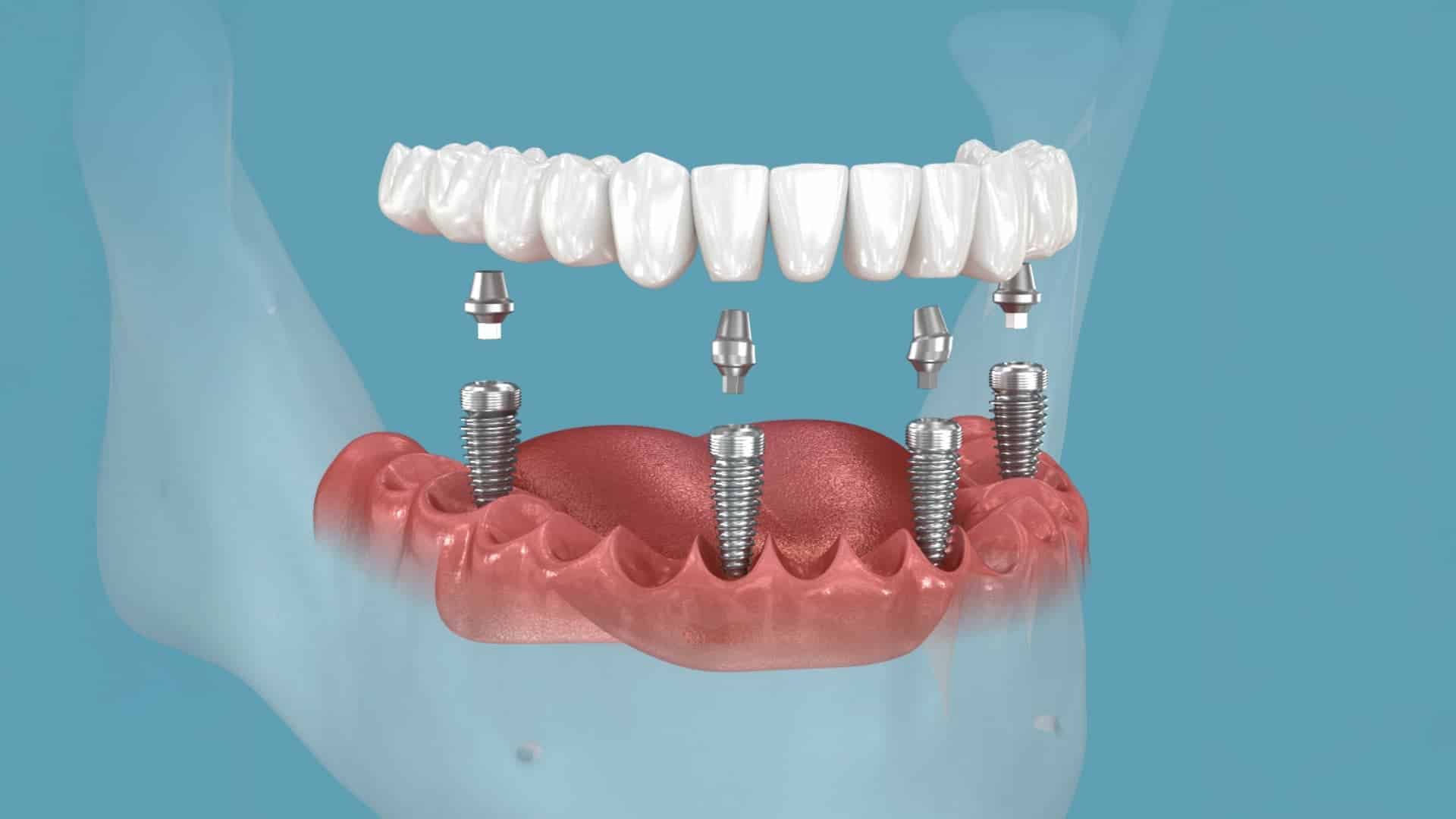
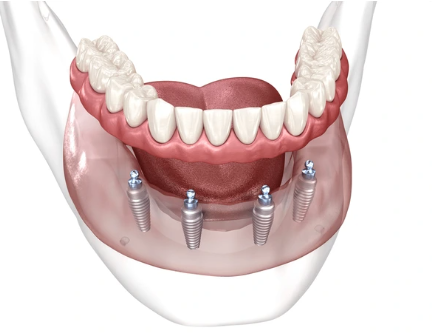
| Clinical Indication (Application Area) | The gold standard and safest route for all jaw regions and challenging bone anatomies. | Typically used for single-tooth gaps in the anterior esthetic zone or in full-arch “All-on-4” concepts. |
Soft Tissue Shaping: Emergence Profile and Healing Abutments
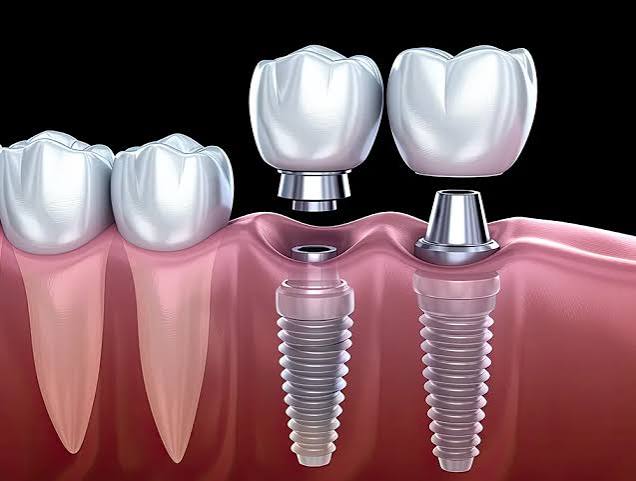
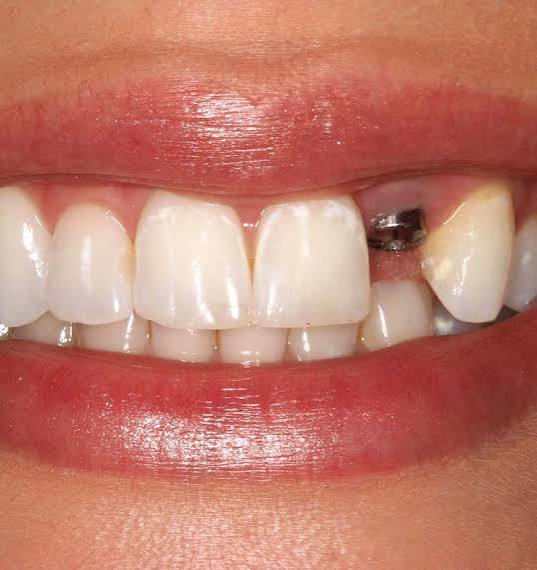
Achieving a flawless esthetic outcome depends not only on the implant integrating with bone but also on how the surrounding pink gingival tissue (the gingival crest) is shaped. A natural tooth, as it emerges from the jawbone into the oral cavity, gently expands the gums from within and creates a natural Emergence Profile. In conventional two-stage implant placement, once osseointegration is complete, the clinician accesses the implant cap by opening a millimetric window in the gum under local anesthesia. The cap is then replaced with a cylindrical titanium component known as a Healing Abutment.
The healing abutment typically remains in the mouth for 7 to 10 days, and its purpose is not to bond the implant to the bone but to sculpt the gum tissue. The gingiva heals by tightly embracing this smooth titanium cylinder, forming a perfectly rounded collar (gingival sulcus) similar to the one surrounding a natural tooth. After removing the healing abutment, Panorama Ankara clinicians place impression components (transfer copings) into this ideally shaped gingival collar and take a digital impression. The zirconia or porcelain crown fabricated in the laboratory then emerges through this gingival profile with organic continuity—just like a natural tooth. This delicate soft-tissue engineering is the most critical prosthetic stage that makes the implant appear not like an artificial screw, but like a natural organ extending from the jaw.
Post-Operative Tissue Maintenance and Physiological Protection
Because implant placement is performed with advanced surgical equipment and atraumatic (bone-respecting) techniques, post-operative pain or swelling is often even less than that experienced after a simple tooth extraction. However, for the bone cells and gum tissue around the implant to enter an uninterrupted repair (regeneration) cycle, patients must strictly follow physiological wound-care rules during the first days. To ensure osteoblastic (bone-forming) activity is not disrupted and the recovery is as comfortable as possible, the Panorama Ankara oral surgery board prescribes these two vital rules:
- For the first 48 hours after surgery, patients must strictly avoid smoking (and all tobacco/electronic vapor products), which blocks cellular oxygenation (blood supply), can halt the implant’s bone-fusion process at the cellular level, and may cause infection along suture lines.
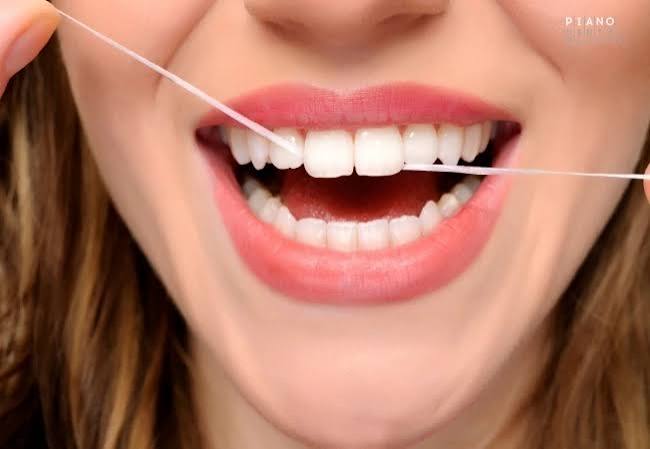
- After the porcelain tooth is attached and treatment is fully completed, patients must establish a meticulous nightly mechanical cleaning routine using special implant interdental brushes or pressurized water flossers to prevent microscopic plaque accumulation around the implant gums (reducing peri-implantitis risk).
Flawless Biological Integration with Panorama Ankara
Restoring a gap in your jawbone is not a purely mechanical act of placing a screw; it is an extraordinary process of biological and esthetic integration in which living tissues are persuaded to coexist peacefully with an artificial material. By combining advanced maxillofacial engineering with patient-specific tissue planning in Ankara implant placement, Panorama Ankara protects you from the functional losses of bone resorption and builds durable foundations you can chew on confidently for a lifetime. Our bone-respecting drilling techniques and highly biocompatible titanium technologies transform this medical journey into a uniquely comfortable experience.
To analyze your bone quality (density) and anatomical volume with our 3D tomographic scanners and to design the most suitable immediate or conventional loading protocol with our expert maxillofacial surgeons, you can schedule a detailed surgical consultation appointment at Panorama Ankara—replacing your missing teeth with the assurance of science and experience.