

Ankara Removable Space Maintainer
In childhood oral and dental health practice (Pediatric Dentistry), early loss of primary teeth does not always remain isolated or limited to a single tooth. Particularly in children with nursing-bottle caries (early childhood caries) syndrome, genetic enamel defects (amelogenesis imperfecta), or those exposed to severe facial trauma, multiple primary molars or anterior incisors on both sides of the jaw (bilateral) may be lost at the same time. Such a wide-ranging pattern of tooth loss can become a major syndrome that profoundly disrupts a child’s overall physiological and psychological development—far beyond the risk of the future permanent teeth losing their space (mesialization/drifting). A child who loses a series of grinding teeth in the posterior region cannot mechanically break down foods; this not only leads to inadequate nutrition and digestive system (stomach/intestine) disorders, but can also cause the vertical biting dimension between the lower and upper jaws (occlusal vertical dimension) to collapse, damaging the temporomandibular joint (TMJ). By integrating advanced pediatric orthopedic and prosthetic principles into Ankara removable space maintainer applications, Panorama Ankara treats these extensive tissue losses not with fixed wires designed to preserve a single tooth, but with high-engineering, removable “Removable Space Maintainer” (Pediatric Partial Denture) systems that instantly restore the child’s entire chewing arch, speech phonetics, and esthetic smile. Our goal is to protect our young patients from nutritional deficiencies and social isolation, and to reactivate the flawless growth potential (growth spurt) of their jaw skeleton.
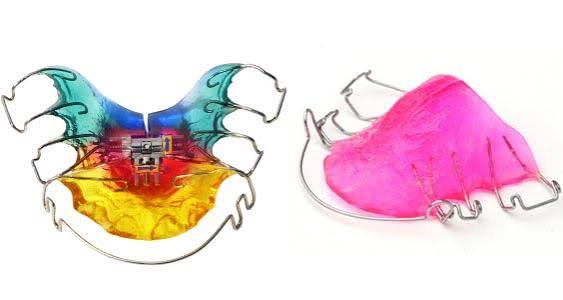
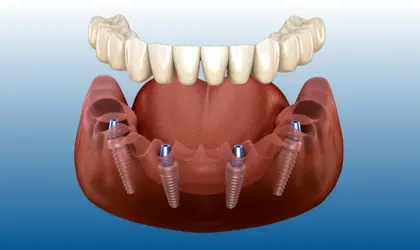
The biomechanical architecture of removable space maintainers is an elegant and highly biocompatible version of removable prostheses used in adults, precisely adapted to pediatric anatomy and tooth eruption physiology. The body of these appliances is produced from an anti-allergenic “Acrylic Base” material that sits with a soft, cushion-like feel on the child’s palatal vault or lower ridge (gingival tissue). Pediatric artificial (acrylic) teeth are placed directly over the missing primary teeth to physically reconstruct the child’s tearing and grinding function (mastication). The appliance is retained by thin, flexible stainless-steel “Retention Clasps” designed and bent specifically to engage the remaining healthy primary teeth. When designing these removable appliances, Panorama Ankara’s experienced pediatric dentists and orthodontic specialists do not merely fill the spaces; they also create special “eruption guide” relief areas within the acrylic base so that it will not block the path of the permanent teeth that will erupt when the time comes. Thanks to this high-level laboratory engineering, a removable space maintainer supports the child’s eating and speaking on one hand, while fully respecting the growth biodynamics of the developing permanent teeth within the jawbone on the other.
Clinical Classification: Why a Removable System Rather Than a Fixed One in Multiple Losses?
A common source of confusion for parents in pediatric dental clinics is why a clinician recommends a fixed wire bonded to teeth (Band-and-Loop) for some tooth losses, while recommending a removable, plate-like prosthesis (Removable Space Maintainer) in other situations. This clinical decision is never based on the personal preference of the clinician or the family; it depends on the width of the space (the size of the edentulous area) and how much of the child’s chewing ability has been lost (the biomechanical indication). To help parents clearly understand the boundaries of this medical rehabilitation, Panorama Ankara details the philosophical distinction between removable and fixed systems in the table below.
| Clinical and Functional Criteria | Removable Space Maintainers (Pediatric Plate) | Fixed Space Maintainers (Band/Crown-Supported Wires) |
|---|---|---|
| Number of Missing Teeth and Location in the Jaw | Used for large, extensive (major) deficiencies where 3–4 consecutive teeth are lost at the same time on both sides (bilateral). | Used for narrow and isolated (local) spaces on only one side, typically when one (at most two) molars have been extracted. |
| Restoration of Chewing Function (Mastication) | Because it contains artificial acrylic teeth, it gives the child a real tooth-like ability to crush and grind foods. | Consists only of a thin wire extending across the space; it prevents drifting but provides no physical contribution to chewing or grinding. |
| Contribution to Phonetics (Speech) and Esthetic Profile | If anterior teeth are also missing, it restores lip support with artificial teeth and enables proper articulation of sounds such as “S” and “T.” | Protects only posterior teeth. It does not meet esthetic expectations and has neither a positive nor negative effect on speech (phonetics). |
| Patient Discipline and Clinical Control Cycle | Directly depends on the child’s cooperation and discipline in wearing the appliance; if it is not worn, the treatment will definitely fail. | Because it is bonded with dental cements, it is independent of the child’s initiative and works safely in the mouth 24/7 until the clinician removes it. |
Phonetic Articulation and Psychological Rehabilitation (Smile Confidence)
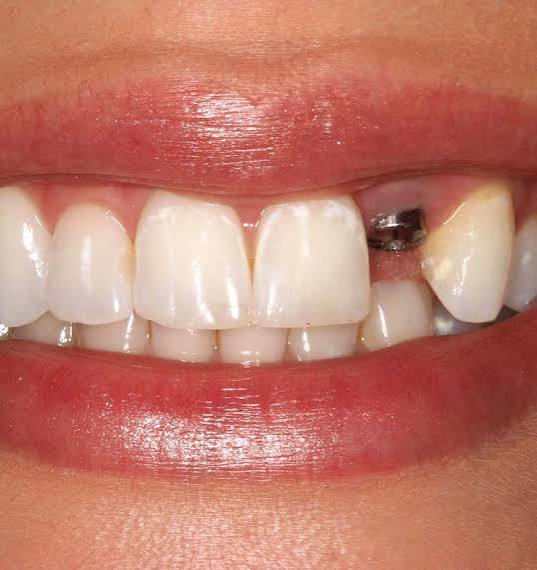
Multiple primary tooth losses (especially loss of maxillary anterior incisors due to trauma or nursing-bottle caries) harm not only a child’s physical nutrition but also the acoustic and social communication they establish with the outside world. In human speech (phonetic articulation), the most important reference and contact points for the tongue are the palatal (inner) surfaces of the anterior teeth. A child who loses the front teeth may begin to speak with a lisp and become unable to produce fricative and dental sounds such as “S,” “F,” “V,” and “T” (phonation disorder). In addition, fear of peer teasing in kindergarten or school due to a toothless appearance can cause the child to hide their smile and develop an introverted, shy personality (psychological isolation).
The removable space maintainers (pediatric partial dentures) used at Panorama Ankara eliminate this esthetic and phonetic breakdown within minutes, thanks to their pink acrylic base that mimics the gingiva and the bright white artificial teeth selected to match the child’s age and facial structure. The moment the appliance is inserted, the tongue regains its former contact points (behind the artificial teeth), and speech returns within seconds to its normal, clear acoustics. Seeing their complete, strong smile again in the mirror rapidly restores the child’s psychological self-confidence, allowing them to laugh freely in social settings without feeling the need to cover their mouth.
Patient Cooperation and Home Discipline in Pediatric Prosthetics
The greatest—perhaps the only—challenge in the success of removable space maintainers is persuading a child between the ages of 5 and 9 to carry a foreign appliance in the mouth and to make it part of daily life. To accelerate adaptation and transform the appliance into an enjoyable “toy” for the child, Panorama Ankara’s pediatric dentistry and orthodontic specialists produce personalized medical designs by fabricating acrylic bases in the child’s favorite color and embedding glitter or superhero figures/stickers. Once the child is motivated to wear the appliance willingly, parents must apply the following two critical home-care rules without compromise to avoid interruptions in treatment and to protect the health of the gingival flora:
- To prevent the acrylic (plastic) body of the appliance from undergoing thermal deformation (warping/melting), losing its fit, and turning into a bacterial reservoir, removable space maintainers must never be washed with hot water. Each time they are removed from the mouth, they should be gently cleaned under cold/lukewarm water using liquid soap and a soft brush designed for appliances.
- During times when the child participates in contact or hard sports (football, basketball, karate) or swims, the appliance must be removed from the mouth. To prevent tooth drifting, it should be worn during all remaining times (including night sleep). During the short periods when it is not worn, it must be stored in the special ventilated protective case provided by the clinician to prevent loss.
Turn Lost Function Back into Fun with Panorama Ankara
The consecutive loss of primary teeth can create a serious anatomical picture that prevents your child from obtaining the energy needed during growth, causes digestive issues, and may lead to a sunken cheek appearance (facial asymmetry). In Ankara removable space maintainer applications, Panorama Ankara aims not merely to fill spaces but to rehabilitate your child’s entire chewing, speaking, and esthetic system holistically—transforming the process from a traumatic medical necessity into a fun, colorful developmental project. With these special pediatric prostheses that are flexible, non-allergenic, and sit with a soft, cushion-like feel on the gingiva, your child’s nutrition chain begins functioning seamlessly again.
If your child has more than two missing teeth, struggles while eating, or avoids smiling due to a toothless appearance, you can schedule a detailed pediatric orthopedic consultation at Panorama Ankara to take digital measurements of their jaw skeleton and design that fun, life-changing removable space maintainer (pediatric plate) in their favorite colors—so you can confidently witness their cheerful, complete laughter once again.