

Ankara Primary Tooth Root Canal Treatment
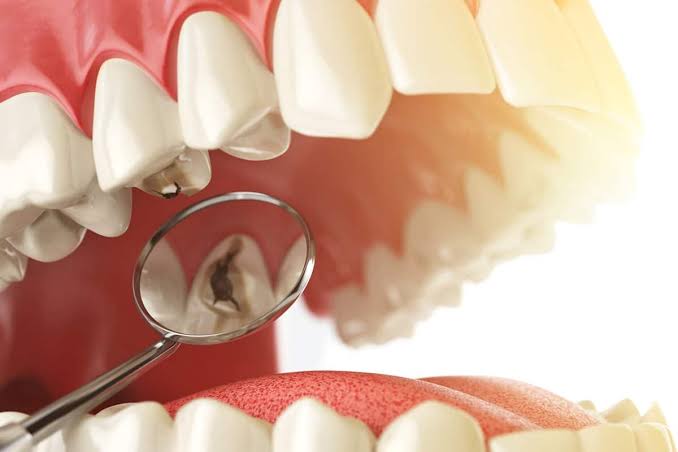
In childhood, the most insidious threat to oral and dental health is the massive biological destruction caused deep within the tooth by cavities that, from the outside, may look like nothing more than a small discoloration. Although primary (baby) teeth may appear to be merely smaller copies of permanent teeth, their cellular (histological) anatomy displays a completely different character in medical literature. The protective enamel and dentin layers of a primary tooth are nearly half as thick as those of an adult tooth; in contrast, the “pulp chamber” at the very center—housing nerves and blood vessels—is proportionally much larger and much closer to the surface. This anatomical disadvantage, combined with children’s high-carbohydrate dietary routine, means that a microscopic cavity that begins on the surface can reach the nerve tissue (pulp) within only weeks. Once the nerve tissue becomes infected, the severe “spontaneous nighttime pain” begins—pain that disrupts sleep and does not respond to analgesics. By adopting advanced pediatric endodontic protocols in Ankara primary tooth root canal treatment, Panorama Ankara does not “pull out” these teeth that have fallen into the grip of infection by saying, “It will be replaced anyway”; instead, we keep them in the mouth using the most up-to-date bioactive repair materials available in modern medical technology. By cleaning the infection in the roots with micro-instruments, our specialist pediatric dentists not only relieve your child from unbearable pain in the moment, but also create a strong biological barrier against post-extraction jaw narrowing and future orthodontic crowding that could cost thousands.
If an infection that reaches the nerve in a primary tooth is left untreated, bacteria can seep from the root tip (apex) and spread directly into the jawbone. This leads to the formation of pus-filled sacs that look like pimples on the gum, periodically bursting and draining—known medically as a “fistula.” This aggressive inflammation pooling within the jawbone can cause permanent acidic damage (Turner hypoplasia) to the enamel of the unique developing permanent tooth bud (germ) located just millimeters below, which will erupt years later. To stop this dangerous cellular spread, Panorama Ankara’s pediatric dentistry board initiates “Primary Tooth Root Canal Treatment” (Pulpectomy) or “Amputation” (Pulpotomy) procedures by fully anesthetizing the tooth under local anesthesia or sedation. This process is the art of removing the diseased, dead, and infected nerve tissue from inside the tooth—without physically harming the tooth—using special flexible files (micro-instruments), sterilizing the interior, and then filling it with medical pastes that can resorb (dissolve) in harmony with the permanent tooth that will later erupt underneath. With this advanced endodontic intervention, the tooth is freed of necrotic tissues while its physical form—and its priceless “natural space maintainer” role in the jawbone—remains protected for years.
Clinical Classification: Symptoms and Indications According to the Depth of Infection
For parents, correctly analyzing the character of their child’s toothache is the first and most critical step in determining the type of endodontic (nerve) treatment the clinician will apply. Which layer the caries bacteria have reached is directly proportional to the reactions the child exhibits. To provide medical guidance for parents, Panorama Ankara transparently maps the stages of pulpal inflammation (nerve infection) and the corresponding interventions in the table below.
| Clinical Symptom (Child’s Complaint) | Biological Picture and Depth of Infection | Panorama Ankara Endodontic Intervention Strategy |
|---|---|---|
| Temporary Sensitivity When Eating Sweets or Drinking Cold | Caries has progressed into dentin but has not fully perforated the pulp (nerve) chamber (Reversible Pulpitis). | No root canal treatment is needed. The decay is carefully removed, protective calcium is applied near the nerve, and the tooth is restored with a filling. |
| Pain When Food Gets Into the Tooth During Meals | Caries has perforated the roof of the pulp chamber, but the infection affects only the upper portion of the nerve tissue. The roots are healthy. | Pulpotomy (Partial Pulp Therapy): Only the infected coronal pulp tissue is removed; the vital pulp in the roots is preserved and covered with bioactive agents (MTA). |
| Night Pain That Wakes the Child Up, Spontaneous Throbbing | Bacteria have taken over the entire pulp; the nerve tissue inside the root canals is irreversibly inflamed. | Complete Root Canal Treatment (Pulpectomy): The canals are cleaned to the root tips; all nerve tissue is removed and the canals are filled with resorbable medicaments. |
| Gum “Pimple” (Fistula), Cheek Swelling, Chills/Fever | The nerve is completely dead (necrosis) and the infection has extended beyond the root tip into the jawbone and soft tissues (abscess). | First, the acute infection is controlled/drained with antibiotics as needed. If the tooth is salvageable, advanced root canal therapy is performed; if bone destruction is severe, extraction may be indicated. |
Bioactive Regeneration: The Miracle of MTA and Biodentine
The greatest engineering difference that separates nerve treatments in pediatric dentistry from adult endodontics is the use of “bioactive materials” (bioceramics). Especially in cases where only the upper portion of the nerve is removed (pulpotomy), the quality of the material placed over the vital pulp tissue left in the roots directly determines the lifespan of the treatment. Tissue fixatives such as formocresol, once used for this procedure in past years, have been completely replaced in modern medicine by bioceramics that trigger cellular healing. At Panorama Ankara, to cover the pulp and initiate healing, we use the highest-level bioactive agents in the literature: advanced calcium silicate–based materials known as MTA (Mineral Trioxide Aggregate) or Biodentine.
When these remarkable bioceramics come into contact with the moist environment inside the tooth (blood or tissue fluid), they undergo a powerful chemical reaction, harden within seconds, and create a bacteria-tight seal. Yet their most fascinating effect is cellular: MTA and Biodentine stimulate the living pulp tissue beneath them (odontoblast cells) and enable the tooth to build a new, hard “reparative dentin” (a bridge-like barrier) in that area. In other words, with this bioactive support applied from outside, the tooth heals and closes its wound from within using its own natural cellular mechanisms. This technology—transforming a tooth devastated by extensive decay into a self-repairing, bionic organ—is the most powerful guarantee of success in pediatric endodontics.
Healing Period After Root Canal Treatment and Protective Home Maintenance
After a primary tooth root canal procedure—completed with micro-precision and without pain thanks to local anesthesia (or sedation)—it is essential to go through the healing period properly so the tooth can reattach strongly to the jawbone and the cellular repair within the bone can be completed. To help the treated, precious tooth remain safely in the mouth for years (until its natural exfoliation time), Panorama Ankara’s pediatric dentistry and endodontics board recommends that parents integrate the following two major rules into the home routine:
- In the first 2–3 days after treatment, it is entirely physiological to experience mild tenderness when biting on the tooth (slight sensitivity on percussion) due to the body’s cellular cleansing process in the jawbone. To get through this phase comfortably, avoid chewing hard foods (nuts, toasted bread, etc.) on the treated side for 72 hours and use the pediatric analgesics prescribed by your clinician regularly.
- Because a primary tooth that has had its nerve network removed loses internal fluid support, it becomes less flexible and is more prone to fracture than a normal tooth. Therefore, to prevent bacterial leakage from the margins of the restoration built on the treated tooth—or from the edges of a stainless steel crown (SSC), if placed—daily hygiene around the tooth must be maintained uncompromisingly with brushing and interdental cleaning.
Wake Up to Pain-Free Nights and Complete Jaw Development with Panorama Ankara
Those helpless moments when your child cries while holding their cheek, develops a fever, or wakes from sleep are the most dangerous infection threshold reached by primary-tooth decay. Extracting a primary tooth early under the misconception of “It will fall out anyway” means taking away your child’s chewing power and laying the groundwork for orthodontic narrowing that can take years to correct. By embracing the philosophy of bioactive endodontics and cellular repair in Ankara primary tooth root canal treatment, Panorama Ankara frees you completely from this primitive extraction cycle. With our child-friendly Tell–Show–Do techniques that protect your child’s psychology and our resorbable medical canal pastes that respect the jawbone, we eliminate severe infection within minutes.
To analyze the deeply decayed tooth disrupting your child’s sleep with 3D imaging (CBCT/periapical), determine whether the infection has affected the underlying permanent tooth bud, and save that tooth painlessly with the bioceramic miracle of MTA/Biodentine, you can schedule a detailed pediatric endodontic consultation appointment at Panorama Ankara and place a flawless biomedical signature on their healthy, joyful, and complete growth journey.