
Ankara Wisdom Tooth Surgery
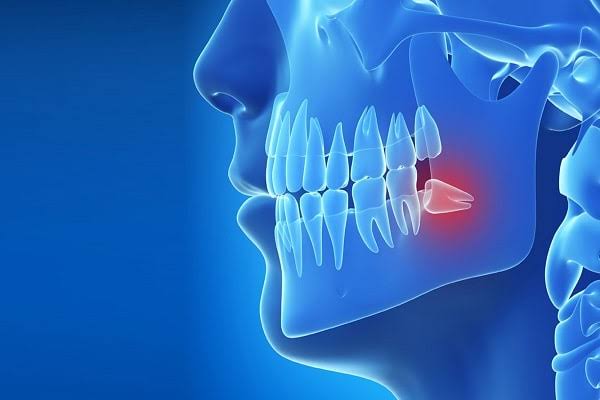
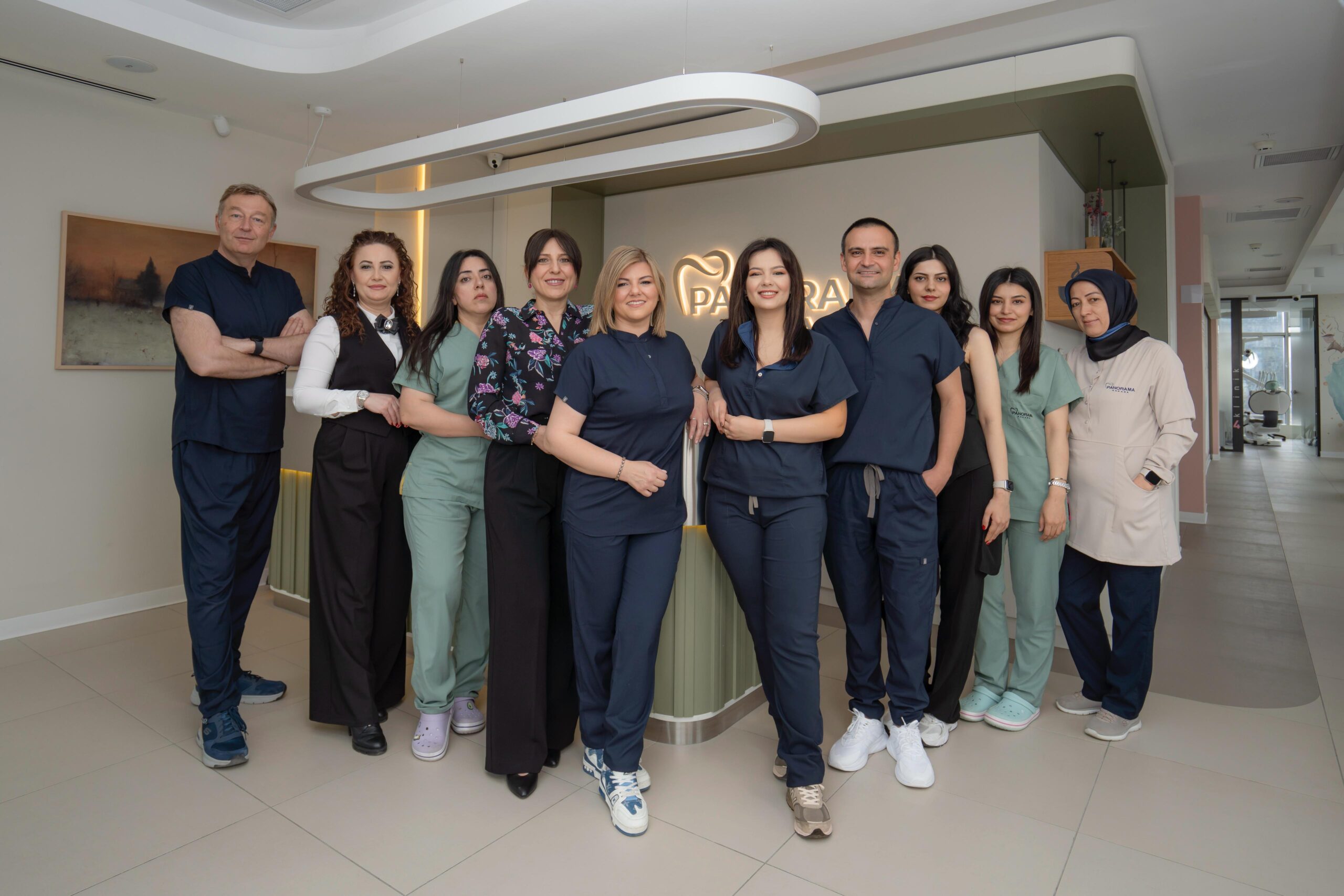
Over thousands of years of human evolution, changes in dietary habits have led to progressively narrower jawbones; however, the number of our teeth has not adapted to this reduction at the same pace. At the center of this anatomical mismatch are the “Third Molars,” commonly known as wisdom teeth—structures that attempt to erupt last into the oral cavity but often fail to find sufficient space. The need for surgical intervention is not merely a matter of simple pain. When wisdom teeth remain horizontally, inverted, or fully impacted in the rearmost part of the jaw (retromolar region), they can erode (resorb) the roots of adjacent healthy molars like acid, leading to permanent tooth loss. Embracing advanced radiological diagnostics and microsurgical protocols in Ankara wisdom tooth surgery, Panorama Ankara Clinic approaches these complex anatomical cases not as a routine “tooth extraction,” but as an advanced surgical art focused on preserving the structural integrity of the jaw skeleton and its vital nerve networks. Our specialist oral and maxillofacial surgeons plan each case with millimetric precision using 3D tomographic mapping (CBCT), employing atraumatic techniques that show maximum respect to bone and gum tissue—relieving current pain while preventing future skeletal complications.
The most critical threshold in wisdom tooth surgery is the dangerous proximity between the tooth roots and the main nerve line known in medical literature as the “Inferior Alveolar Nerve,” which provides sensation to the lower lip. In conventional methods, even minimal pressure during extraction of teeth located close to this nerve can result in months-long or permanent numbness of the lip (paresthesia). To minimize this risk, Panorama Ankara utilizes “Piezosurgery” (ultrasonic bone surgery) technology. Unlike traditional rotary instruments, piezo technology is selective for hard tissue (bone) only; when it comes into contact with soft tissue or nerve bundles, it automatically stops, providing the surgeon with a controlled safety zone. During the process of separating the tooth from the bone, high-frequency sound waves prevent overheating of bone cells (thermal necrosis). As a result, postoperative swelling (edema) and pain levels are reduced by up to 60% compared to traditional methods, and tissue healing at the cellular level is significantly accelerated.
Clinical Classification: Anatomical Positions of Wisdom Teeth and Degrees of Surgical Difficulty
Every wisdom tooth operation requires a different surgical strategy depending on the tooth’s three-dimensional angulation within the jawbone and the thickness of the overlying bone barrier. Prior to surgery, Panorama Ankara specialists provide detailed patient information and predict the recovery process using the following clinical classification table.
| Anatomical Position (Classification) | Clinical and Radiological Presentation | Panorama Ankara Surgical Intervention Protocol |
|---|---|---|
| Mesioangular Impaction | The tooth is tilted forward toward the adjacent healthy molar. This is the most common position and the one that most frequently causes decay in the neighboring tooth. | The tooth is sectioned within the bone using piezosurgery (odontectomy) and removed without harming the adjacent tooth. |
| Horizontal Impaction | The tooth lies completely parallel to the ground within the jawbone. It is one of the most surgically challenging cases. | The overlying bone is removed with microscopic precision, and the crown-root separation is performed for atraumatic extraction. |
| Distoangular Impaction | The tooth is angled toward the jaw corner (ramus region). Its eruption path is completely blocked by bone. | Requires advanced surgical expertise. The operation is completed with minimal tissue loss while preserving the integrity of the jaw joint and ramus. |
| Vertical but Fully Impacted in Bone | The tooth is positioned correctly but fails to erupt due to a thick overlying bone layer. | A bone window is created to facilitate extraction. This group generally experiences the fastest postoperative recovery. |
Odontectomy and Bone Regeneration: Preservation of the Socket
In complex wisdom tooth surgeries, forcing the tooth out in one piece can create extensive trauma and a large defect in the jawbone. The “Odontectomy” technique practiced at Panorama Ankara is based on strategic sectioning of the tooth within the bone. This eliminates the need to expand or excessively remove the cortical crest of the jawbone. After extraction, the resulting “socket” is a valuable biological site for the body’s healing cells. If an active cyst or infection is present around the tooth, the area is surgically cleaned (curettage). In selected cases, to promote faster bone fill and maintain support for adjacent teeth, “L-PRF” (leukocyte- and platelet-rich fibrin derived from the patient’s own blood) or bone grafts are placed into the extraction site to preserve skeletal density. This approach is not merely about removing the tooth but also about preventing future bone collapse in that region.
Postoperative Biological Harmony and Recovery Discipline
Completing the operation with microsurgical precision is the first step toward success; however, long-term healing depends on the patient’s discipline in protecting the vital blood clot (coagulum) within the surgical site. To prevent insidious infections and avoid the formation of “Alveolitis” (dry socket), a severely painful condition, the Panorama Ankara surgical board strongly advises patients to follow these two fundamental healing principles:
- For the first 48 hours after surgery, avoid any actions that create negative pressure—such as spitting, forceful rinsing, or using a straw—that could dislodge the vital clot. Do not touch the surgical area with your tongue to maintain suture stability.
- Smoking and tobacco use, which impair oxygenation at the cellular level and delay bone healing while increasing infection risk, must be completely discontinued until sutures are removed (at least 7 days). Oral hygiene should be supported with antiseptic mouthwashes recommended by your dentist to maintain site sterility.
Transform Your Surgical Concerns into Confidence with Panorama Ankara
The chronic pain, swallowing difficulties, and jaw locking caused by wisdom teeth are urgent distress signals from your body. Postponing treatment out of fear of their “complex” anatomy can lead to loss of adjacent teeth or the development of large cysts in the jawbone. By adopting global standards such as Piezosurgery and 3D navigational planning in Ankara wisdom tooth surgery, Panorama Ankara frees you from these surgical burdens with scientific precision and elegance. We protect your nerve line with millimetric accuracy, respect your bone tissue, and minimize the feared postoperative swelling to the highest degree.
To create a three-dimensional map of hidden threats at the back of your jaw, analyze the distance between your tooth roots and nerve line using CBCT technology, and regain your health through a comfortable and safe surgical experience, you can schedule a detailed surgical consultation appointment at Panorama Ankara Clinic—and experience the most comfortable and secure dental surgery of your life.