

Ankara Tooth Extraction Clinic
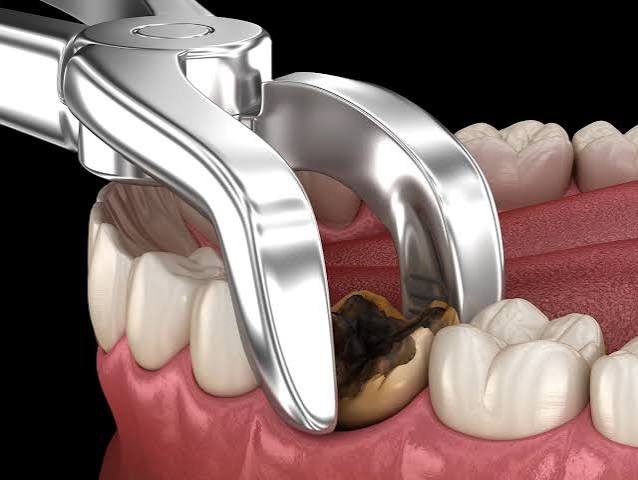
Although the fundamental philosophy of dental science is based on preserving and maintaining existing tooth structure, extraction sometimes becomes an unavoidable medical intervention due to excessive structural loss, vertical root fractures, advanced periodontal (gum) destruction, or orthodontic requirements. While “tooth extraction” is often perceived as a simple mechanical procedure by the general public, it is in fact an extremely delicate surgical process in which living tissue is removed from within the jawbone, and the integrity of the bone and surrounding soft tissues must be preserved for future restorations (implant/bridge). Redefining Ankara tooth extraction clinic standards with the vision of not merely removing the tooth but “removing it while preserving the bone,” Panorama Ankara frees patients from traumatic and painful experiences. Thanks to the “Atraumatic Extraction” techniques applied in our clinic, the bone socket (alveolar socket) in which the tooth resides is preserved without any damage. This approach not only minimizes postoperative pain and swelling, but also guarantees that the extraction site forms the ideal skeletal foundation for a future implant.
The success of a tooth extraction is measured not by how quickly the tooth is removed, but by how intact the surrounding bone walls remain afterward. In traditional methods, uncontrolled force (using forceps) to rock the tooth back and forth can fracture the thin buccal cortical bone wall on the cheek side. When this wall breaks, significant bone collapse may occur during healing, potentially making future implant placement impossible. To prevent this loss, the specialist maxillofacial surgeons at Panorama Ankara utilize advanced microsurgical instruments to perform “Periotomy” and “Luxation” techniques. Instead of directly pulling the tooth from the bone, the microscopic fibers between the tooth and bone (periodontal ligaments) are gently severed to loosen the tooth’s attachment. As a result, the tooth slides out without exerting pressure on the bone socket. This tissue-friendly approach transforms the procedure into an extremely comfortable and psychologically non-traumatic experience, especially for patients with dental phobia.
Clinical Classification: Types of Tooth Extractions and Surgical Difficulty Analysis
The condition of the tooth in the mouth, the anatomical structure of its roots, and its relationship with surrounding tissues determine the complexity of the extraction technique to be applied. To help patients clearly understand postoperative healing times and operational dynamics, Panorama Ankara presents the types of extractions performed in its clinical setting within a scientific framework in the table below.
| Extraction Category | Clinical Indication and Anatomical Condition | Panorama Ankara Operational Approach |
|---|---|---|
| Simple (Routine) Extraction | Removal of fully visible teeth with straight roots and reduced bone support. | Performed under local anesthesia using atraumatic instruments while preserving the bone socket. |
| Complicated (Surgical) Extraction | Includes teeth remaining under the gum, roots curved like hooks, or ankylosed (fused to bone). | A small incision is made in the gum; bone is preserved using Piezo (ultrasonic) technology and the tooth is sectioned before removal. |
| Socket Preservation (Bone Conservation) | Critical extractions in esthetic areas where future implant placement is planned. | Immediately after extraction, bone graft material and a membrane are placed to prevent bone resorption (atrophy). |
| Sedation-Assisted Extraction | Suitable for patients with severe dental anxiety or those requiring multiple extractions in a single session. | Performed under the supervision of an anesthesiologist, inducing a semi-sleep state to eliminate time and stress perception. |
Socket Preservation: Preventing Post-Extraction Bone Loss
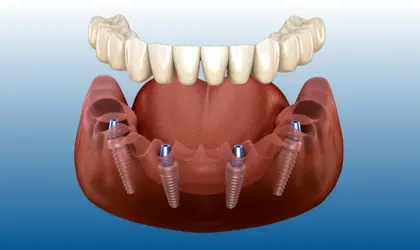
When a tooth is extracted, the body assumes that the bone in that area is no longer needed and begins resorbing it at the cellular level. Approximately 40% to 60% of bone volume can be lost within the first 6 months following extraction. This situation jeopardizes both the success of future implant placement and gum aesthetics. At Panorama Ankara Clinic, especially in cases planned for implants, a “Socket Preservation” protocol is implemented. Immediately after atraumatic extraction, bioactive bone graft materials are placed into the socket and the area is sutured closed. This procedure prevents the body from resorbing the bone and instead uses the graft material to regenerate the site with strong, healthy bone tissue. Thus, when the implant stage is reached months later, the patient benefits from a stable foundation without requiring additional bone graft surgery.
Post-Extraction Coagulation (Clot) Management and Healing Discipline
Completing a tooth extraction with microsurgical precision represents only half of the success; the remaining half depends on the patient’s discipline in protecting the vital “blood clot” within the socket. This clot, referred to in medical literature as the “coagulum,” is the center of stem cells and growth factors responsible for healing. If the clot becomes dislodged, the bone is exposed to the external environment, leading to a severe condition known as “Alveolitis” (dry socket), which does not respond to painkillers. To protect patients from this risk, the Panorama Ankara surgical board presents the following two fundamental rules as a healing constitution:
- For the first 24 hours, strictly avoid actions that create vacuum/negative pressure—such as spitting, forceful rinsing with water, or drinking through a straw—that may physically dislodge the delicate blood clot in the socket.
- Smoking and tobacco use, which paralyze blood circulation at the cellular level and contribute to clot disruption and bone infection (alveolitis), must be completely discontinued during the critical 72-hour healing window following surgery.
A Fearless and Scientific Surgical Experience with Panorama Ankara
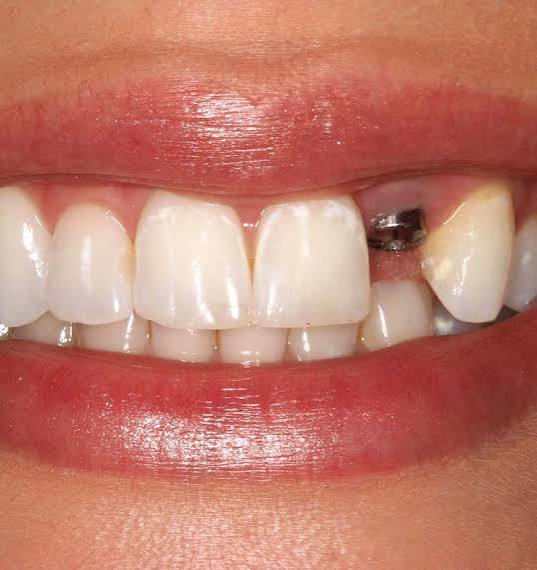
Tooth extraction is not a lifelong void or aesthetic loss; rather, it is the removal of an infection threatening your health and the opening of a clean slate for a stronger, renewed restoration (implant/esthetic crown). In your search for an Ankara tooth extraction clinic, Panorama Ankara combines advanced technology with tissue-friendly surgical approaches, freeing you from outdated traumatic methods, painful recovery processes, and dental anxiety with scientific precision and elegance. Using 3D tomography, we map your tooth’s root anatomy and nerve proximity with millimetric accuracy and meticulously preserve your bone socket for your future smile.
To analyze the condition of your painful or mobile tooth using 3D CBCT technology, evaluate our “Socket Preservation” options to prevent post-extraction bone loss, and experience a trauma-free surgical process with the comfort of sedation, you can schedule a detailed examination appointment at Panorama Ankara Clinic—and entrust your health to the safe hands of experience and modern medicine.